
Capturing the perfect photograph of your pet can feel like trying to bottle lightning. One moment they are striking a majestic pose, and the next, they are a blurry streak of fur zooming across the room. However, you don’t need a professional studio or the most expensive DSLR to take breathtaking photos of your animal companions. With a little bit of patience and some clever DIY tricks, you can turn your smartphone or basic camera into a powerful tool for capturing their unique personalities.
Whether you are looking to level up your Instagram game or want high-quality prints for your home, these sixteen tips will help you master the art of pet photography.
1. Lighting

Natural light is the single most important element in pet photography. Whenever possible, avoid using your camera’s built-in flash, as it can cause “pet eye” (the animal version of red-eye), create harsh shadows, and startle your pet. Instead, position your pet near a large window for indoor shots or head outside during a bright but slightly overcast day. Overcast skies act as a giant softbox, providing even, flattering light that brings out the texture of their fur without blowing out the highlights.
2. Perspective
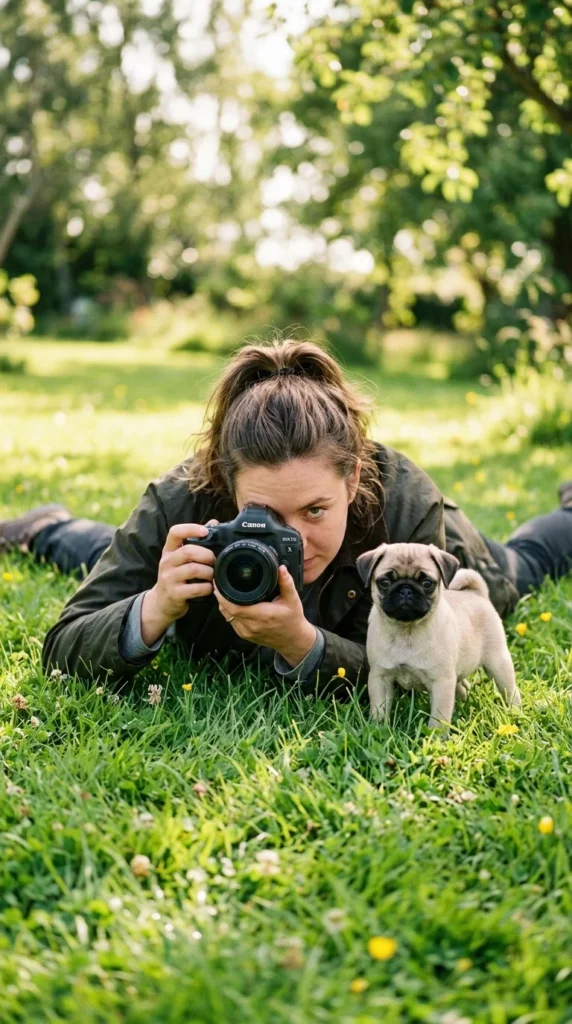
Most people take photos of their pets from a standing position, looking down. This creates a “human-centric” view that can make pets look smaller and more distant. To create an intimate and engaging portrait, you need to get down on their level. This might mean crawling on your belly in the grass or sitting on the floor. When you photograph a pet from their eye level, you enter their world, making the viewer feel more connected to the subject.
3. Focus
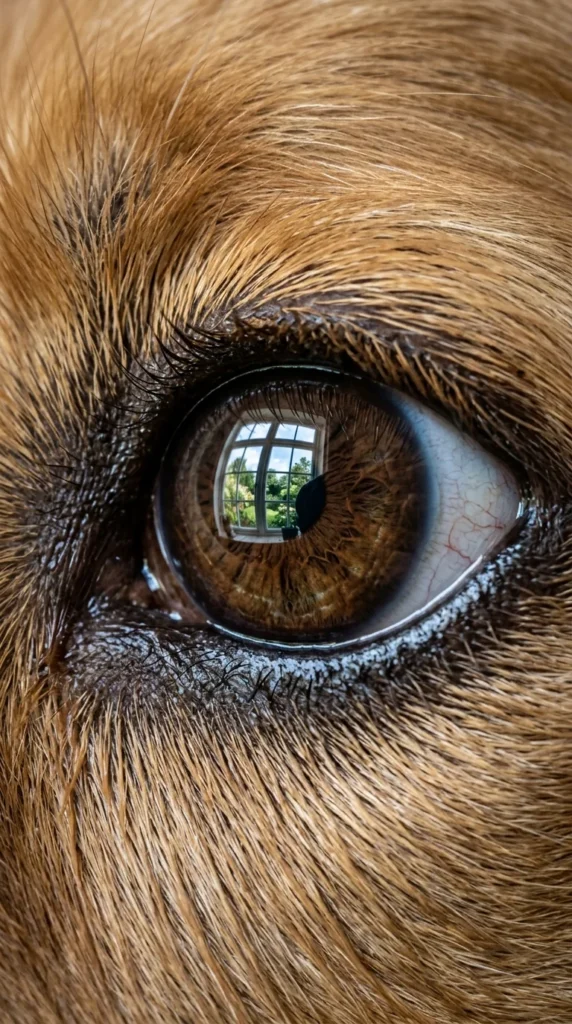
They say the eyes are the windows to the soul, and in pet photography, this is literal. If the eyes aren’t sharp, the whole photo will feel off. Most modern smartphones allow you to tap the screen to set the focus point; always tap right on your pet’s eye. If your pet is looking slightly away, focus on the eye closest to the camera. Sharp eyes create an immediate emotional connection and give the portrait a professional, polished look.
4. Patience
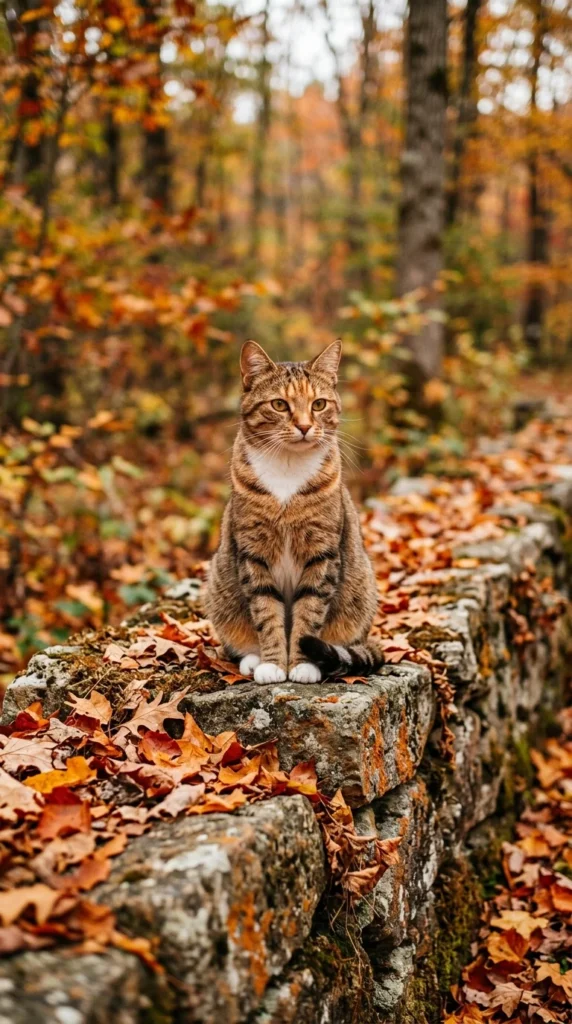
Pets don’t understand “hold that pose.” Successful pet photography is 10% clicking the shutter and 90% waiting. If your dog is hyper, let them run around for fifteen minutes before you start the session to burn off excess energy. If your cat is in a hiding mood, sit quietly nearby until they feel curious enough to come out. Forcing a pet into a pose will only result in a stressed-looking animal and a frustrated photographer. Relax, and the shots will come.
5. Backgrounds
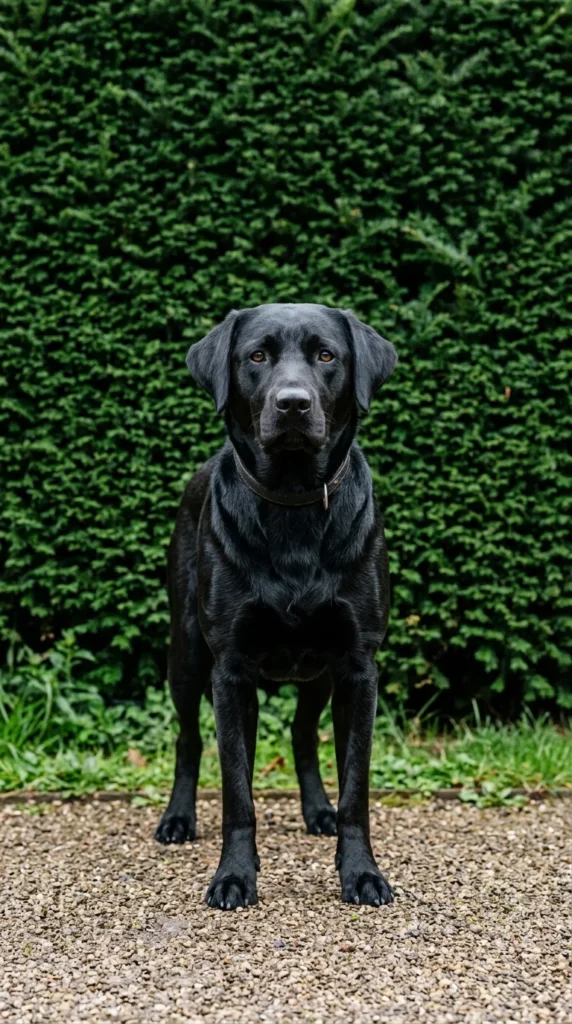
A cluttered background can distract from your beautiful pet. Before you snap the photo, do a quick scan of the frame. Are there laundry piles, power cords, or trash cans in the way? DIY a “studio” look by using a simple bedsheet, a neutral-colored wall, or a lush green bush in the backyard. The simpler the background, the more your pet stands out. If you have a portrait mode on your phone, use it to blur the background, creating a professional “bokeh” effect.
6. Treats
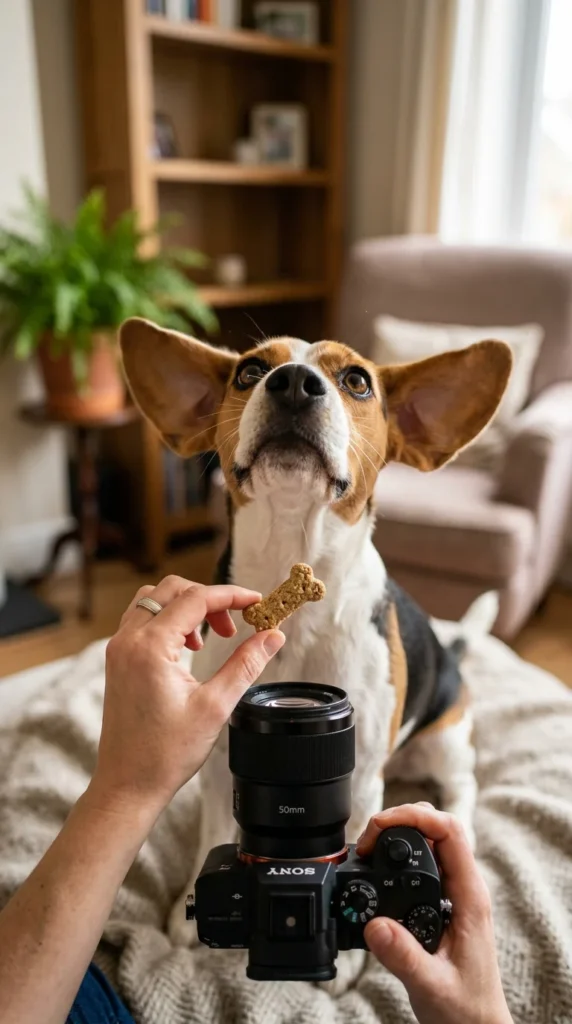
Never underestimate the power of a bribe. Treats are the ultimate tool for getting your pet to look exactly where you want. Hold a treat right next to or slightly above the camera lens to draw their gaze. If you want them to sit or stay, reward them frequently throughout the process. This keeps the experience positive for the pet and ensures they stay engaged with the “game” of the photoshoot.
7. Sounds
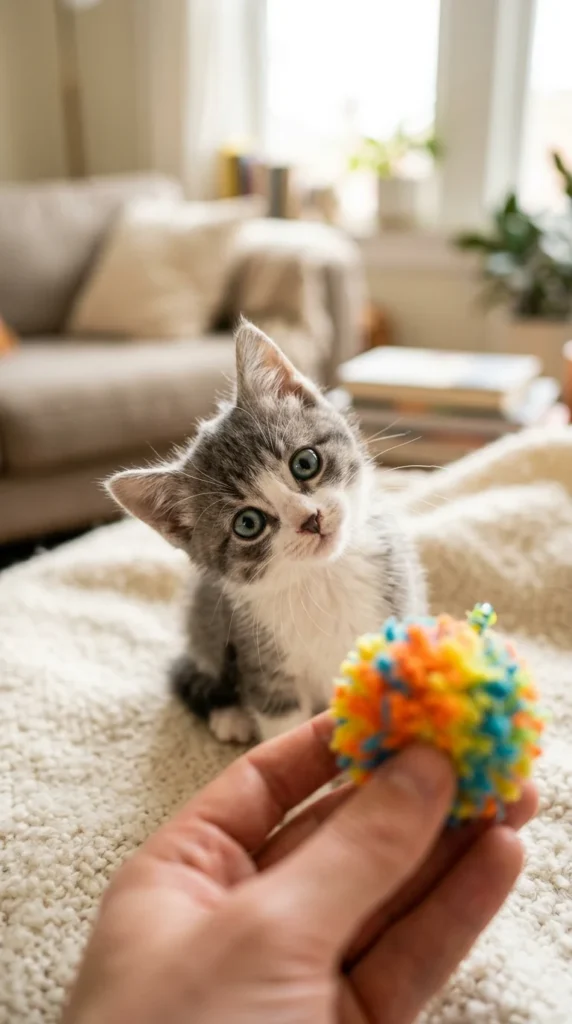
Sometimes a treat isn’t enough to get that adorable head tilt. This is where “the element of surprise” comes in. Use a squeaky toy, whistle, or make a strange clicking sound with your tongue only when you are ready to take the shot. Pets are naturally curious, and a new sound will usually get them to perk up their ears and tilt their head for a split second. Don’t overdo it, or they will become desensitized to the sound.
8. Burst Mode
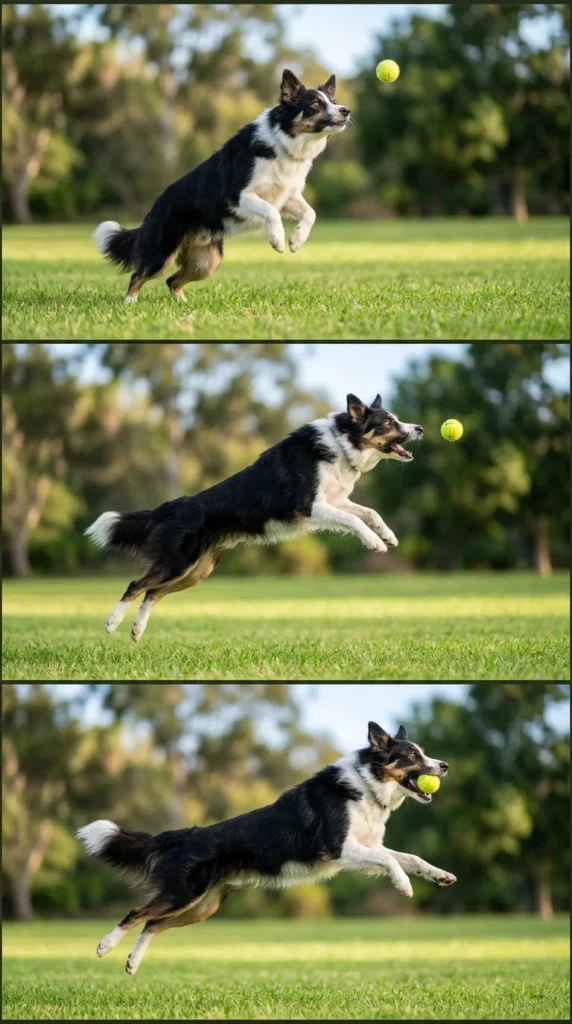
Pets move fast. To catch that perfect expression or an action shot of them running, use “Burst Mode.” Most smartphones and cameras have this feature, which takes dozens of photos in a few seconds. This allows you to go back and pick the exact millisecond where their ears were up, their tongue was in, and their eyes were open. It’s the secret weapon of pro photographers for capturing pets in motion.
9. Details
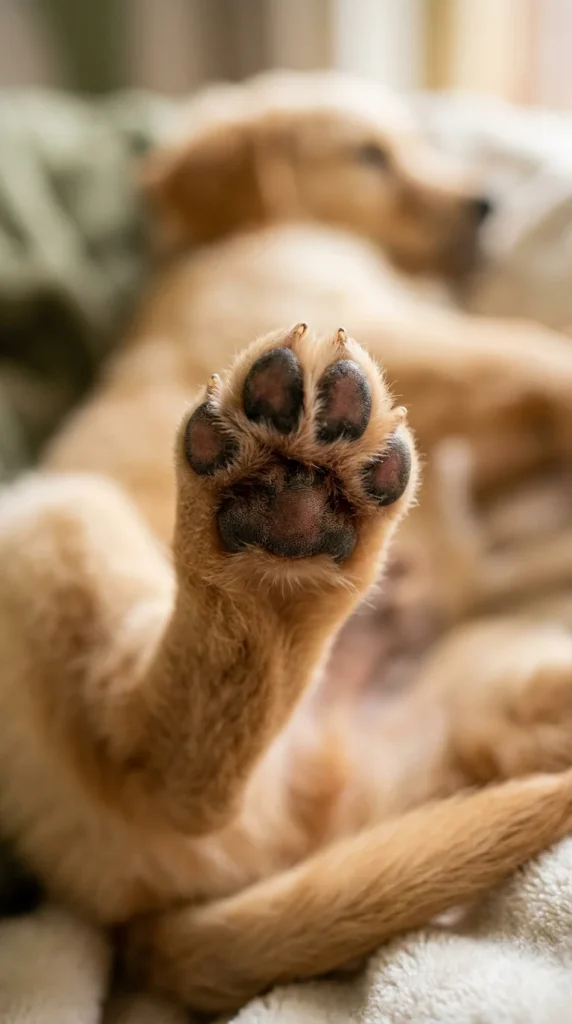
Don’t just focus on the whole animal. Sometimes the most “adorable” shots are the ones that focus on the tiny details that make your pet unique. Take close-up shots of a cat’s sandpaper tongue, a dog’s wet nose, the curls of their fur, or the way their paws tuck under them. These macro-style shots add variety to your photo collection and tell a more detailed story of your pet’s life.
10. Candid
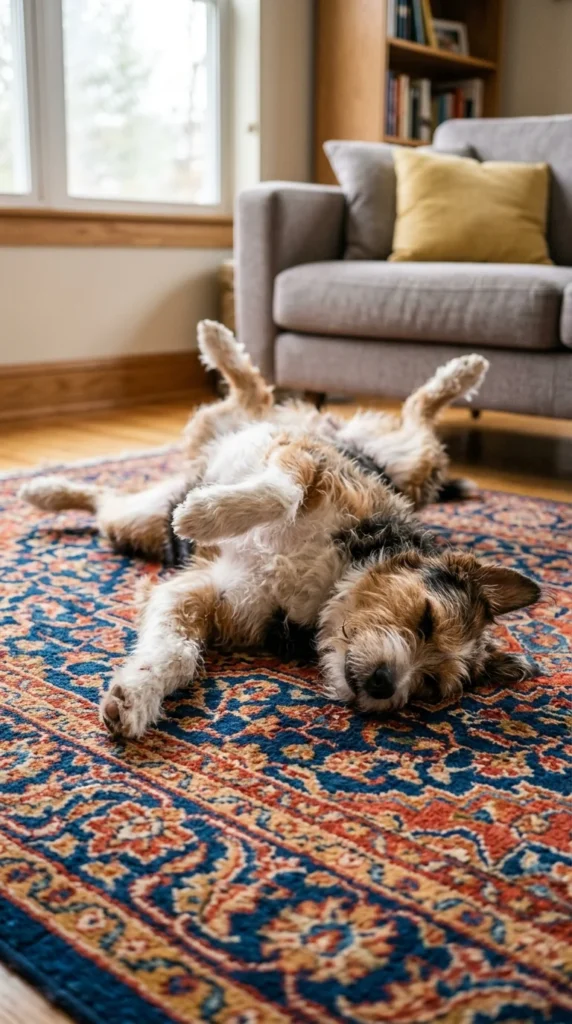
While posed portraits are lovely, candid shots often capture the “true” spirit of a pet. Keep your camera or phone handy during the day-to-day moments. Catch them while they are napping in a sunbeam, playing with their favorite raggedy toy, or looking longingly out the window. These unscripted moments are often the ones you will cherish the most years down the road because they represent your pet’s real life.
11. Personality
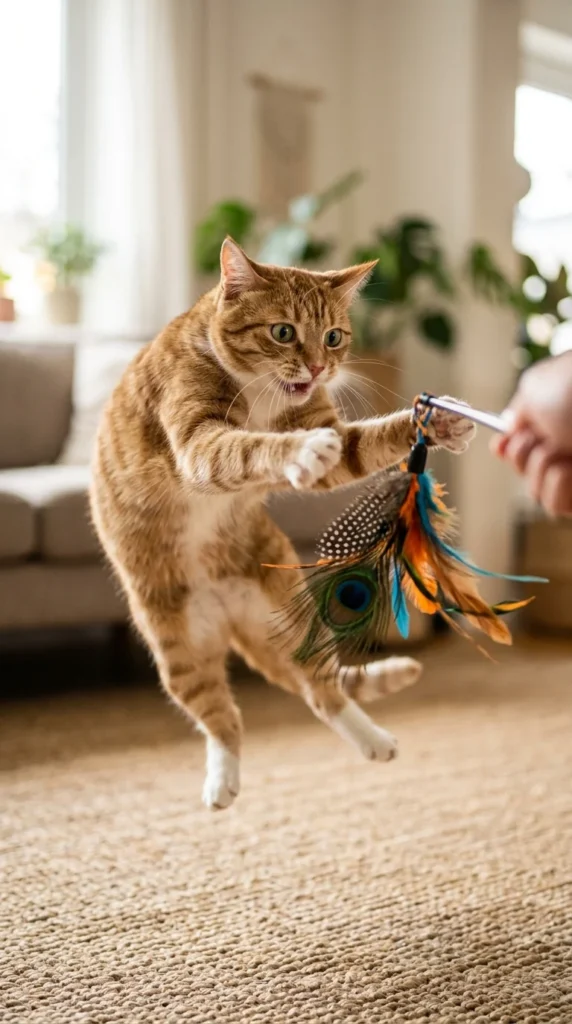
Every pet has a “thing.” Maybe your dog always carries a specific shoe, or your cat has a funny way of sitting on the back of the couch. Instead of trying to make them look like a “generic” pet, lean into what makes them them. If they are a lazy lounger, photograph them lounging. If they are a high-energy ball-chaser, capture the chaos. Photographing their personality results in much more meaningful images.
12. Golden Hour
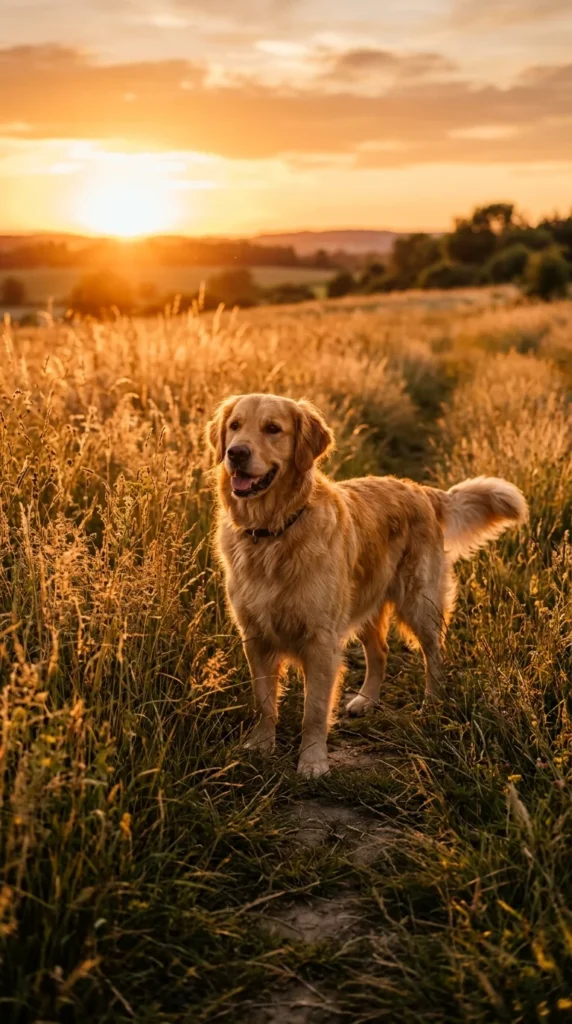
If you are shooting outdoors, aim for the “Golden Hour”—the hour just after sunrise or just before sunset. The light during this time is warm, soft, and directional, which adds a magical, cinematic quality to your photos. It avoids the harsh, vertical shadows of midday and gives your pet’s fur a beautiful, glowing rim-light effect.
13. Sharpness
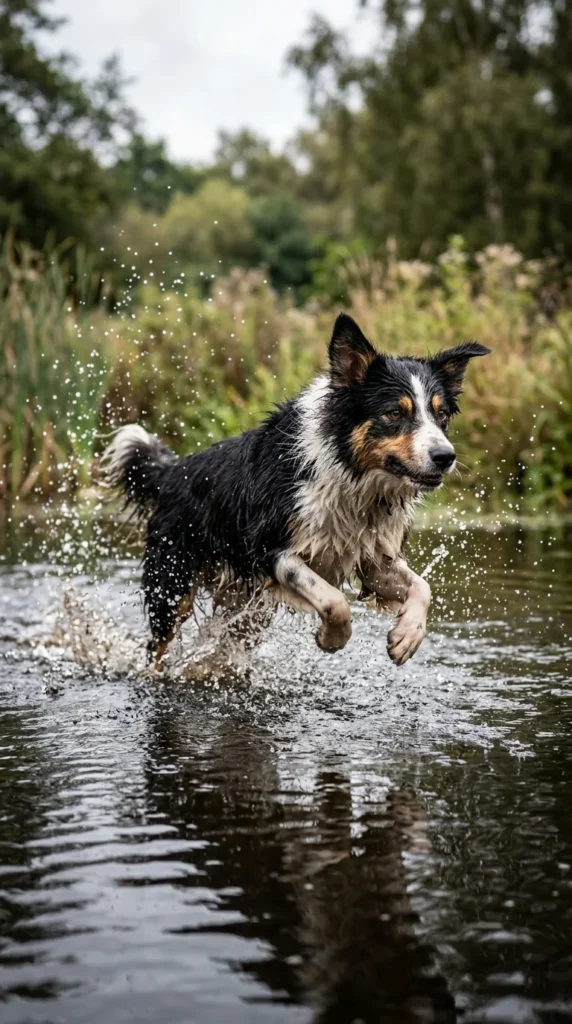
If your photos are coming out blurry, it’s likely because your shutter speed is too slow. If you’re using a camera with manual settings, keep your shutter speed at 1/500s or higher for moving pets. If you’re using a phone, make sure you have plenty of light, which naturally forces the phone to use a faster shutter speed. Sharpness is the difference between a “snapshot” and a “photograph.”
14. Editing

Don’t be afraid of a little post-processing. You don’t need Photoshop; free apps like Lightroom Mobile or Snapseed are incredibly powerful. A few quick tweaks can make a huge difference: increase the “Shadows” to see more detail in dark fur, boost the “Clarity” or “Texture” to make fur pop, and slightly increase the “Saturation” to make the colors of the environment more vibrant.
15. No Flash
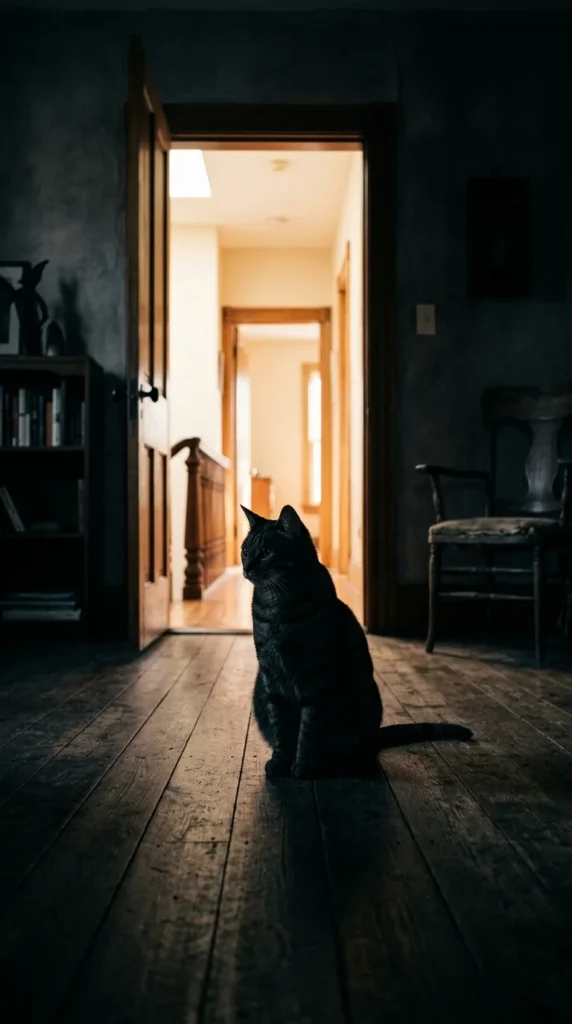
As mentioned before, the flash is generally a pet photographer’s enemy. Beyond the “laser eye” effect, the sudden burst of light can be physically uncomfortable for animals, especially cats whose eyes are highly sensitive. If it’s too dark to take a photo without a flash, try moving to a brighter room or using a constant light source like a desk lamp (diffused with a white cloth) instead of a camera flash.
16. Connection
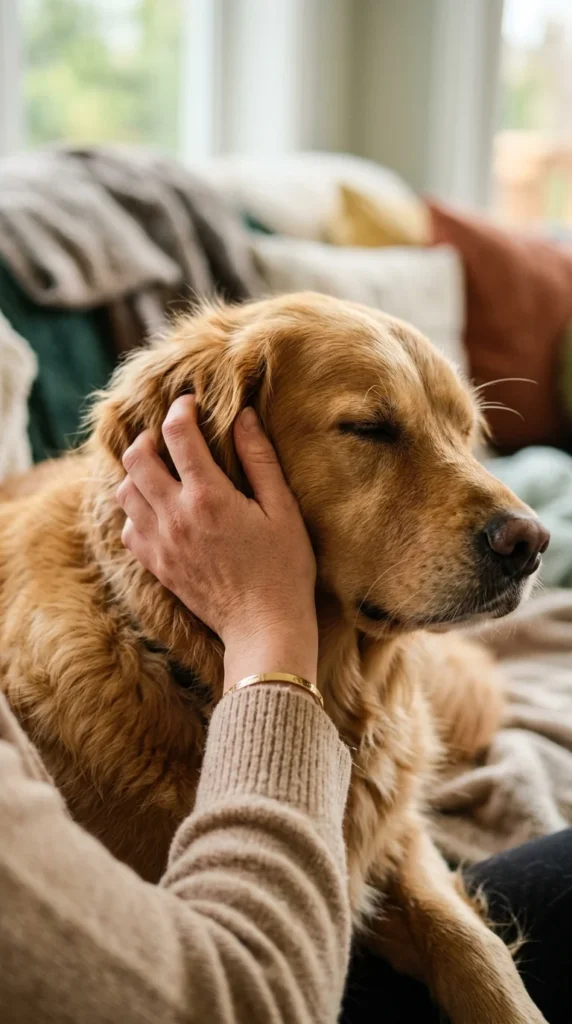
Some of the most heart-melting pet photos include a human element. You don’t need to be fully in the frame; a hand resting on a head, a pet leaning against a pair of legs, or a child’s arm draped over a large dog can convey a sense of scale and deep affection. These photos highlight the bond you share, making the image about more than just the animal—it becomes about the relationship.