Training your pet doesn’t have to break the bank. While high-end agility kits and electronic treat dispensers are flashy, some of the most effective training tools are sitting in your recycling bin or kitchen pantry right now. DIY tools offer a unique advantage: they are customizable, easily replaceable, and provide a fun project for the pet owner. Whether you are working on basic obedience, advanced agility, or mental stimulation, these 19 DIY pet training tools will help you achieve professional results at home.
1. PVC Agility Jumps
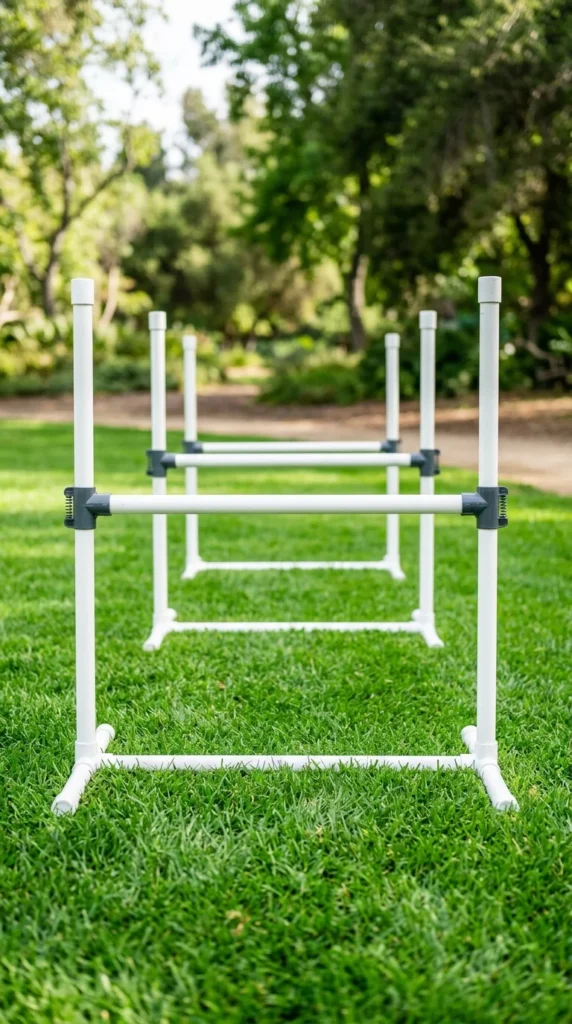
Agility jumps are a staple for burning off energy and building a dog’s confidence. Commercial versions can be pricey, but you can build a professional-grade set using 1-inch PVC pipes and connectors from any hardware store.
The beauty of the PVC jump is its adjustability. By using “snap-on” furniture-grade PVC tees, you can slide the horizontal bar up and down to match your dog’s height and skill level. This is crucial for “jump training,” where you want the bar to fall off if the dog hits it, preventing injury. Start with the bar on the ground to get them used to walking over it, then gradually raise it as they learn to clear the height.
2. Muffin Tin Game
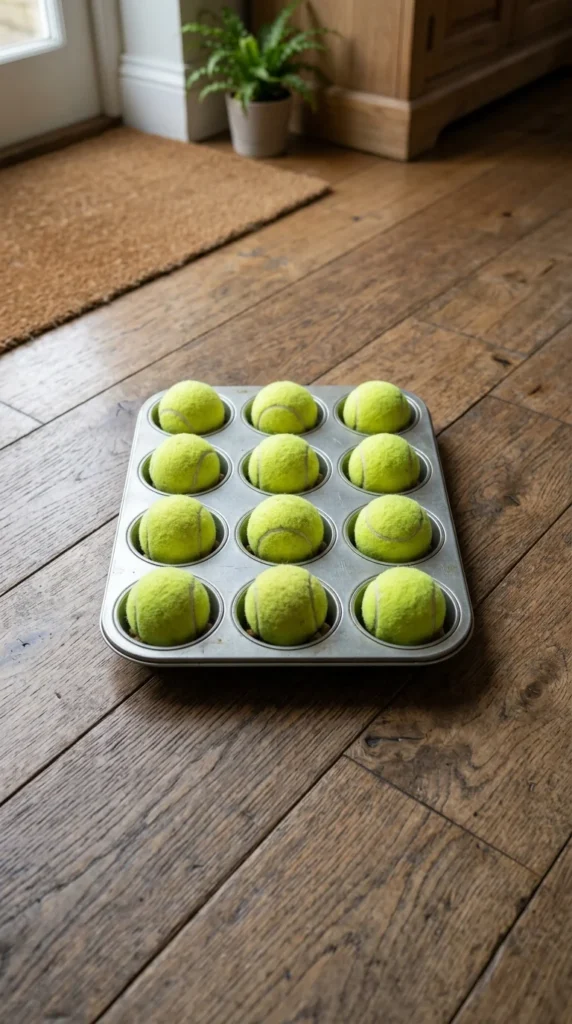
Mental stimulation is just as important as physical exercise. The muffin tin game is a DIY “brain toy” that helps with problem-solving and scent work. Simply place small, high-value treats in several holes of a muffin tin and cover every hole with a tennis ball.
Your pet has to use their nose to find the treats and then figure out how to remove the balls using their mouth or paws. This tool is excellent for “nose work” training, encouraging your pet to use their natural tracking instincts in a controlled environment.
3. Denim Tug Toy
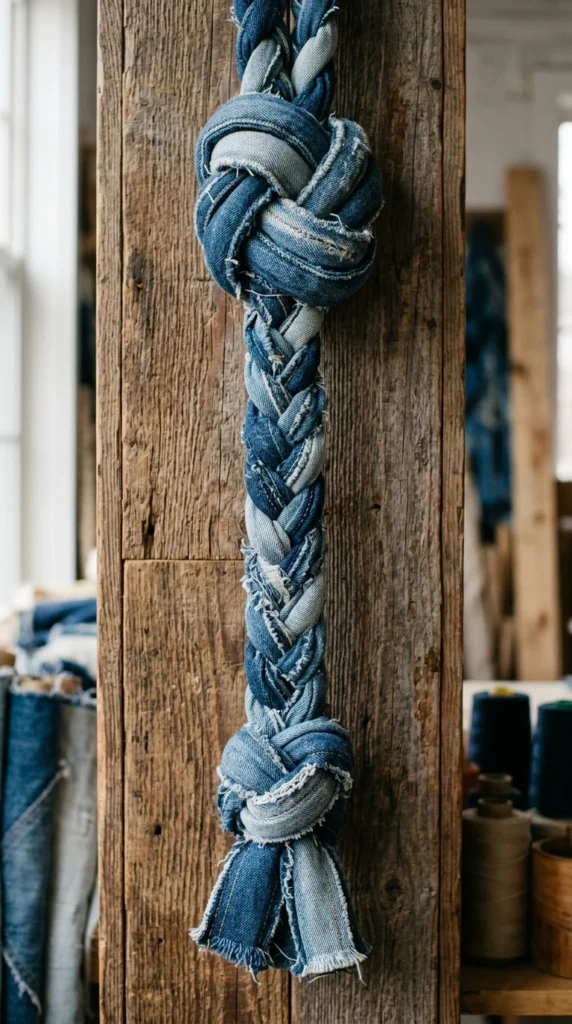
Tug is a controversial game in some circles, but when played with rules (like “drop it” and “take it”), it is an incredible motivational tool. Store-bought rope toys often fray and get swallowed. A denim tug toy made from old jeans is significantly more durable.
To make one, cut three long strips of denim, tie them at one end, and braid them tightly. Secure the other end with a heavy knot. Denim holds the scent of the owner well, making it a high-value reward during training sessions. Use it to reward a successful “stay” or “come” instead of always relying on food.
4. Plastic Bottle Puzzle
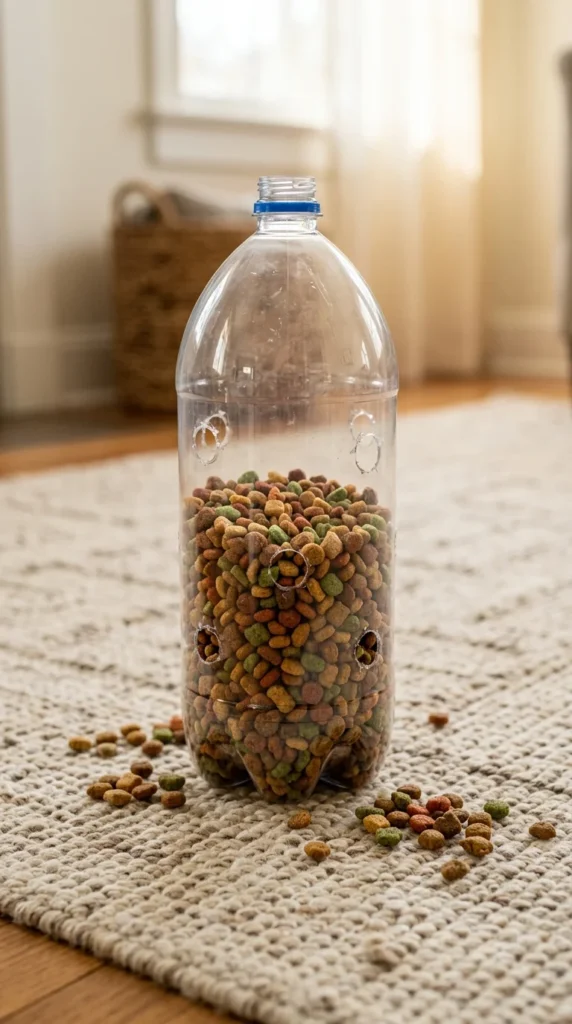
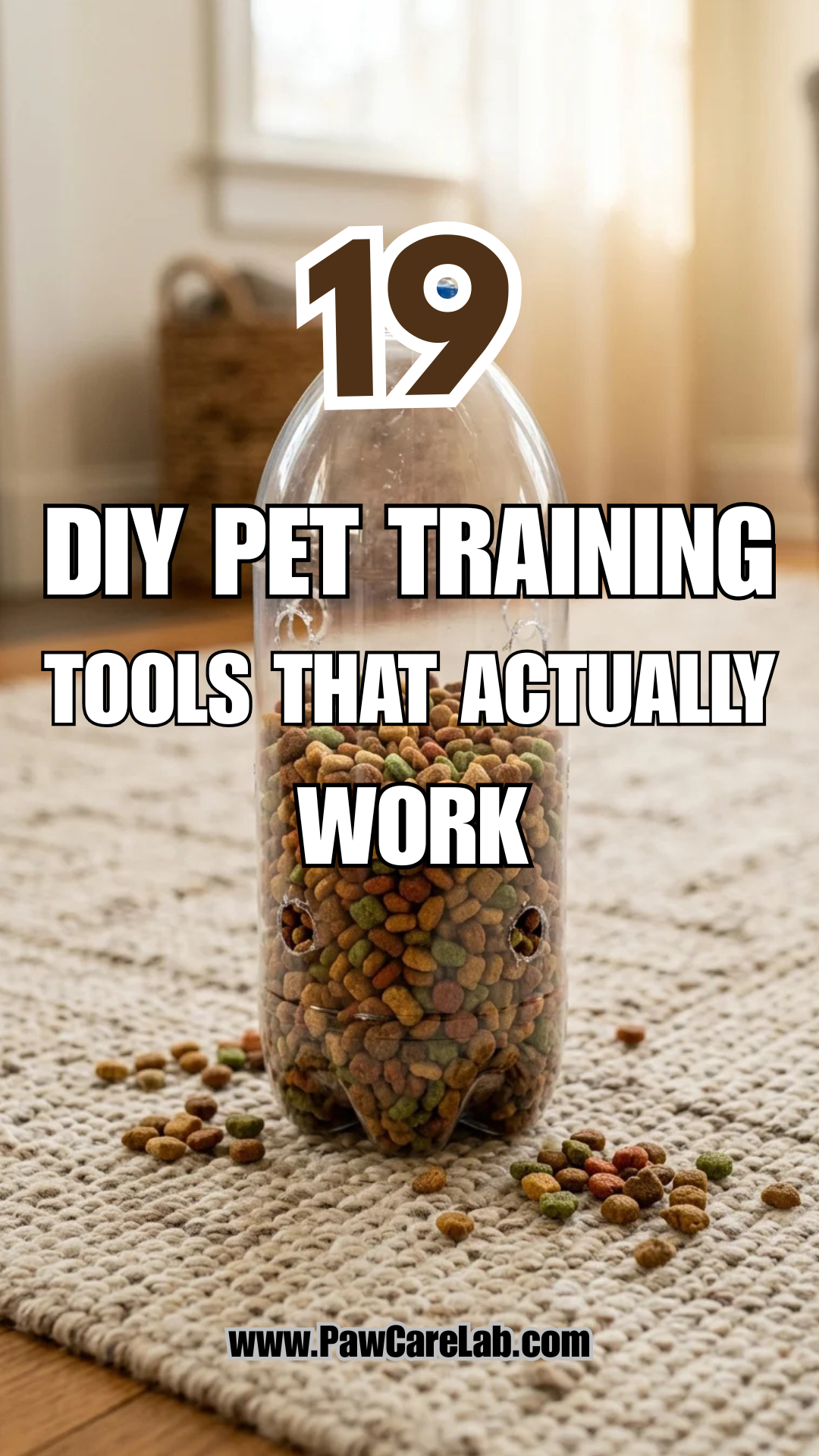
This tool is the DIY version of a “Buster Cube” or “Kong Wobbler.” It’s designed to slow down fast eaters and provide mental engagement. By cutting small holes (slightly larger than your kibble) into a clean, empty plastic bottle, you create a dispenser that requires the pet to bat it around to get their meal.
The sound of the plastic crinkling and the movement of the bottle keep pets engaged for long periods. It’s an excellent tool for crate training, as it keeps the pet occupied in a confined space. Safety Tip: Always remove the plastic ring and cap to prevent choking.
5. Pool Noodle Hurdles
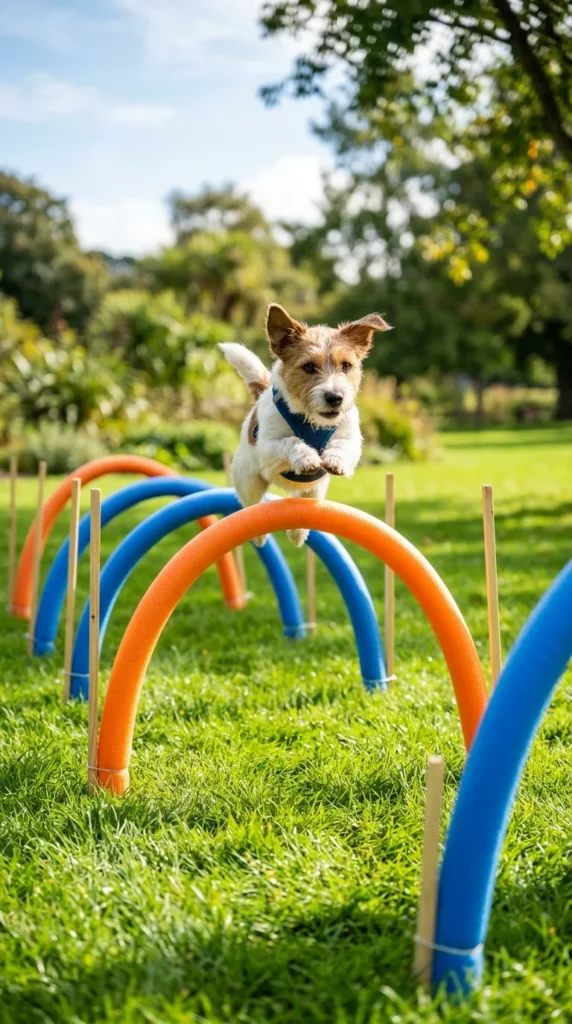
If PVC pipes feel too industrial, pool noodles are a softer, safer alternative for indoor training or for nervous pets. You can bend them into arches to create a “crawl-through” tunnel or prop them up on boxes to create soft-impact hurdles.
These are particularly useful for “cavaletti” exercises—a physical therapy technique used to improve a pet’s gait, balance, and limb awareness. Because they are soft, there’s no risk of a “thunk” against the shins, which helps keep sensitive dogs focused on the task rather than the equipment.
6. Tupperware Target Stick

Targeting is a foundational skill in modern positive-reinforcement training. It involves teaching your pet to touch their nose to a specific object (the “target”). A DIY target stick can be made by taping a small plastic lid or a colorful ping-pong ball to the end of a wooden dowel.
Once your pet learns to follow the target stick, you can use it to lead them into a “heel” position, spin in circles, or even weave between your legs. It’s a “hands-off” way to guide your pet without luring them with food directly in your palm.
7. Rope Scent Bags
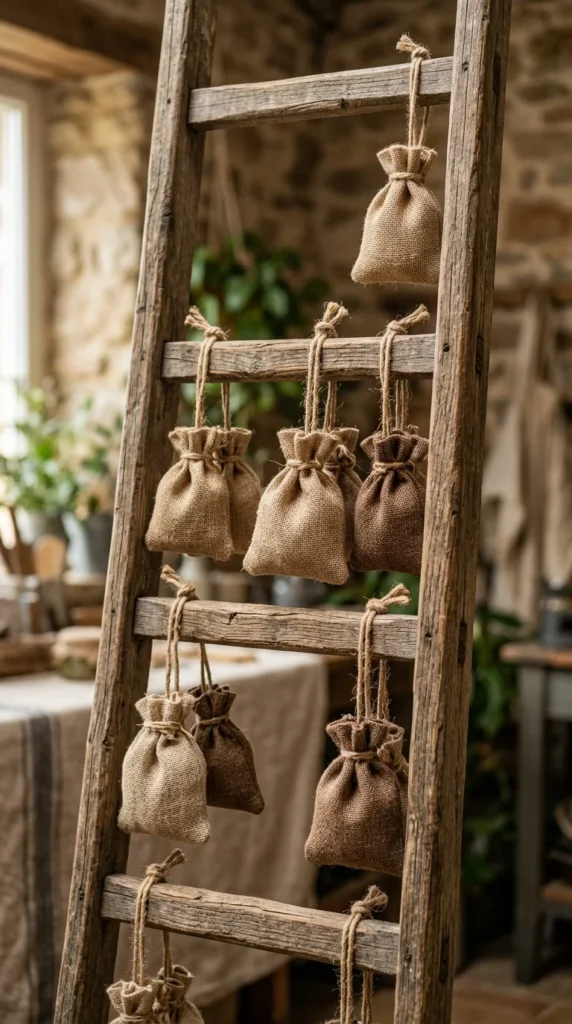
Scent work is one of the fastest ways to tire out a high-energy dog. You can make scent bags using scraps of fabric or small burlap sacks. Place a scent (like a tea bag, birch oil on a cotton ball, or a piece of dried liver) inside and tie it shut with a rope.
Hide these bags around your yard or house. This “search and find” game builds focus and satisfies a pet’s natural hunting instinct. It’s also a great way to build a pet’s confidence in new or “scary” environments by hiding the scent bags in places they are hesitant to go.
8. Tennis Ball Treat Dispenser
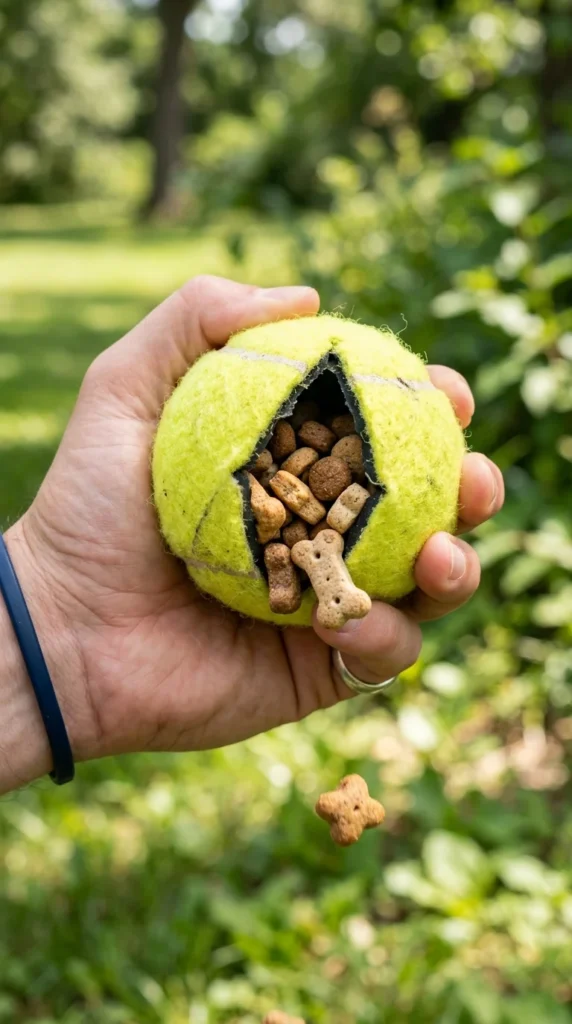
This is a portable, indestructible version of a treat-dispensing toy. By cutting a small slit in a tennis ball, you create a “mouth” that only opens when the ball is squeezed. Fill it with dry treats and toss it to your pet.
This tool works on jaw strength and problem-solving. It’s also a fantastic “quiet toy” for when you need your pet to stay settled during a Zoom call or dinner. The difficulty can be adjusted: a small slit makes it harder to get treats out, while a “T” shaped cut makes it easier.
9. Cardboard Box Tunnel
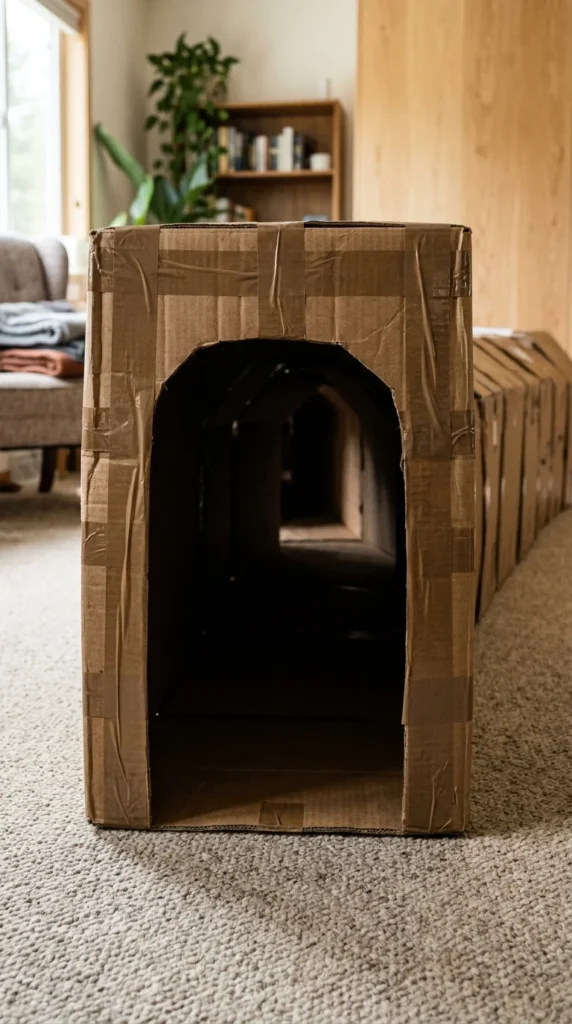
Agility tunnels are often the most expensive piece of equipment to buy. However, a series of large appliance boxes with the bottoms cut out and taped together works just as well.
Tunnels help pets overcome “enclosed space” phobias and improve their spatial awareness. For puppies, walking through a cardboard tunnel is a great socialization exercise, exposing them to different sounds (the echoes inside the box) and textures underfoot.
10. Sock Crinkle Toy
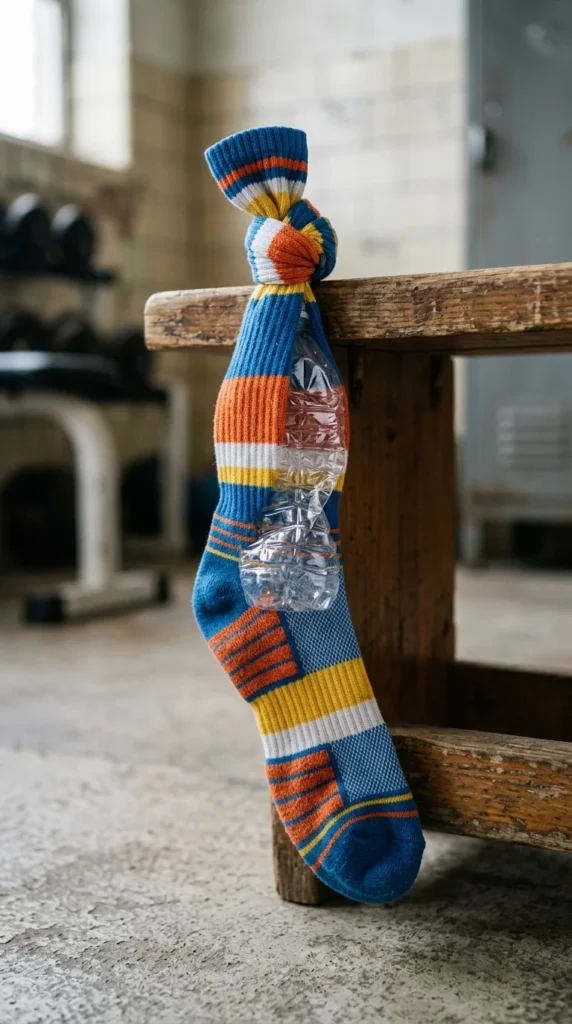
Many pets are “sound motivated.” The “crunch” of a plastic bottle is incredibly satisfying to them. To make a safe version, slide an empty water bottle (cap and ring removed) into a thick, old sock and knot the end.
In training, this can be used as a “distraction” tool. If you are teaching your pet to “leave it,” you can toss the crinkle toy nearby. The high-value sound makes it a difficult distraction to ignore, providing a rigorous test of their impulse control.
11. Wooden Balance Board
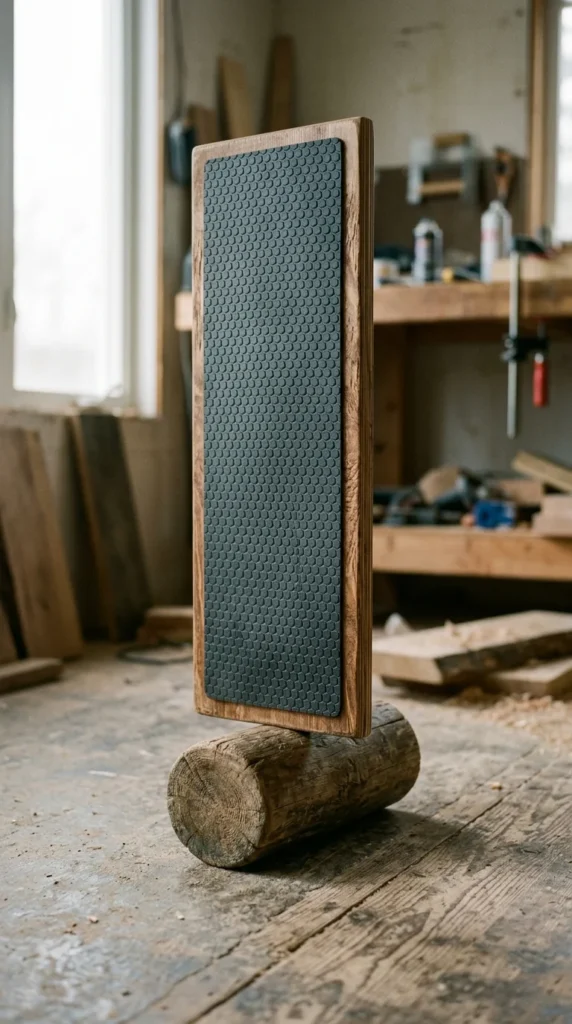
Balance and core strength are vital for long-term joint health in pets. You can create a DIY “wobble board” by mounting a piece of plywood onto a heavy-duty wooden half-log or a sturdy rubber ball.
Teaching your pet to stand on the board while it wobbles engages their “stabilizer” muscles. This is excellent for “proprioception” training—helping the pet understand where their body is in space. Always supervise this activity and keep the board low to the ground to ensure safety.
12. Braided Fleece Lead
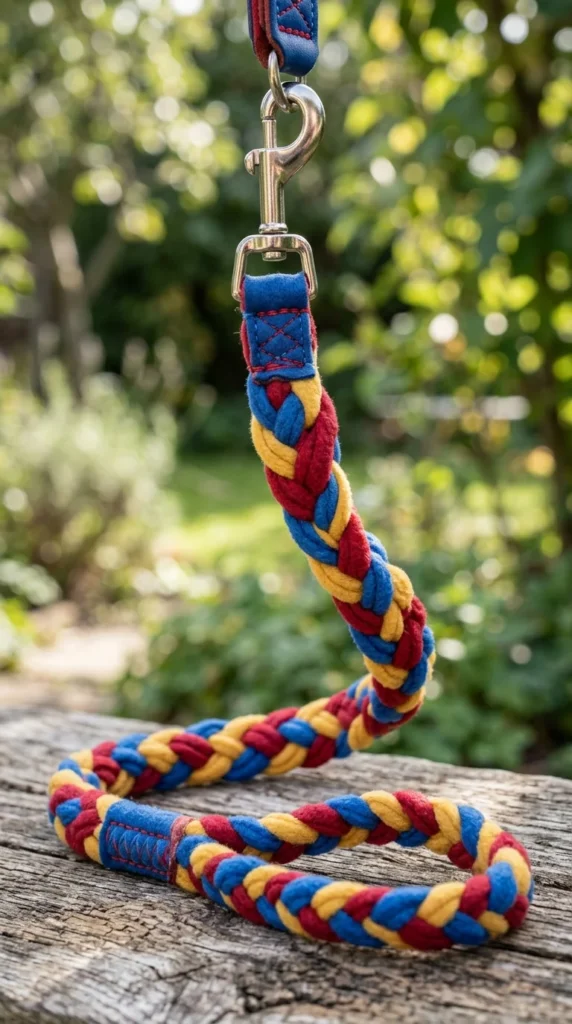
A DIY fleece lead is not just a leash; it’s a training tool. Because fleece is soft on the hands and has a slight “give” or stretch, it’s much more comfortable for “leash pressure” training than a standard nylon lead.
When teaching a pet not to pull, the slight stretch in the fleece provides a more gradual feedback loop than a static rope. Additionally, these leads can be made very short (“traffic leads”) for close-quarters training in busy areas.
13. Hula Hoop Hoop-Jump
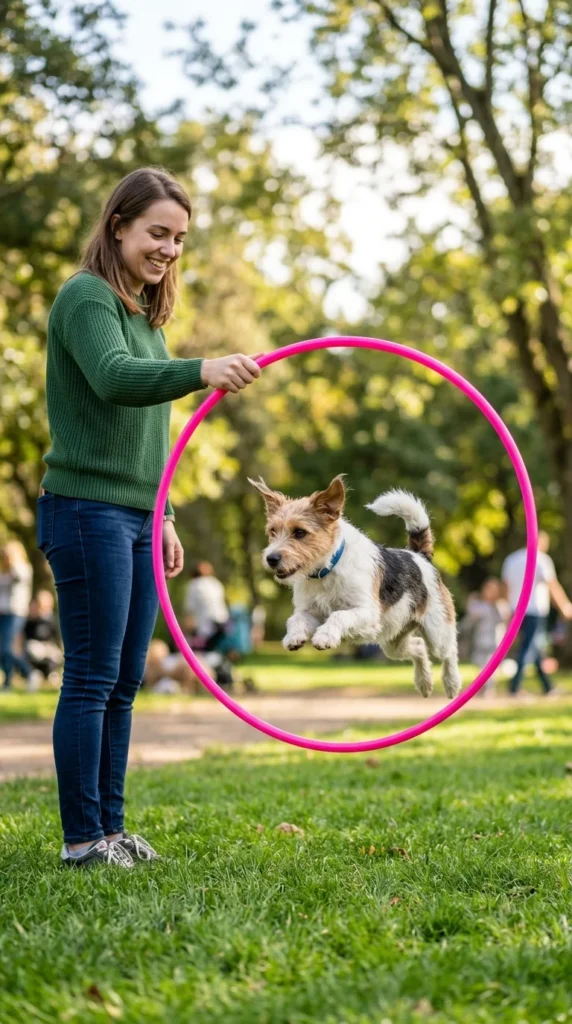
The Hula Hoop is the ultimate low-cost agility tool. It can be used for “hoop jumps,” which is a classic trick that builds a pet’s athleticism and focus.
Start by holding the hoop on the ground and luring your pet through it with a treat. Once they are comfortable, raise it an inch at a time. This tool also works for “stay” training; you can place the hoop flat on the ground and teach your pet that the center of the hoop is their “place” where they must remain until released.
14. Yogurt Lid Target
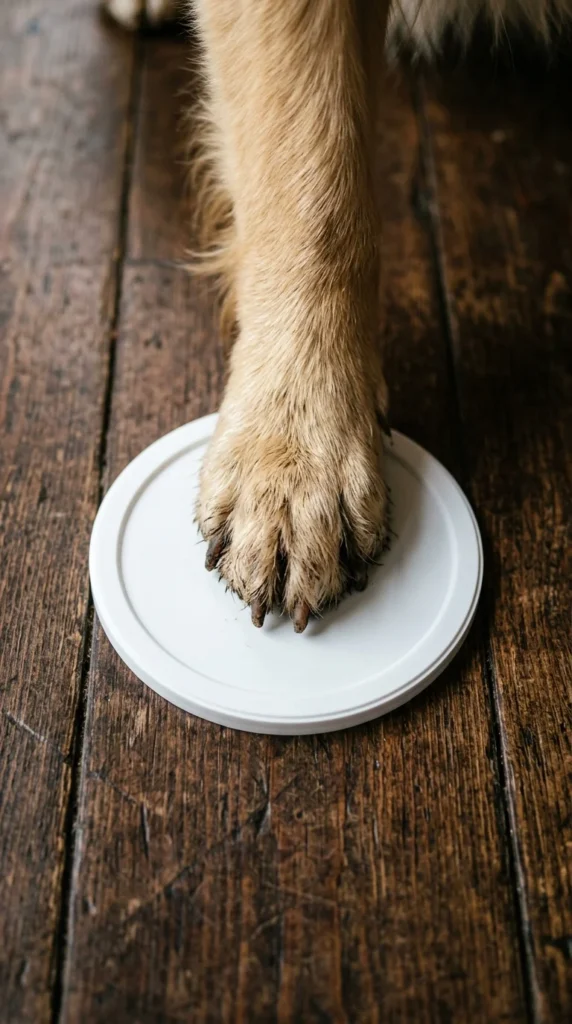
While the target stick (No. 6) is for the nose, a flat target like a yogurt lid is perfect for “paw targeting.” Place the lid on the floor and reward your pet for stepping on it.
This is the first step in teaching complex behaviors like “shut the door,” “wipe your feet,” or even “left” and “right” pivoting. Yogurt lids are perfect because they are flat (so the pet doesn’t trip) and produce a distinct “click” sound when stepped on, providing instant tactile feedback.
15. Cereal Box Foraging
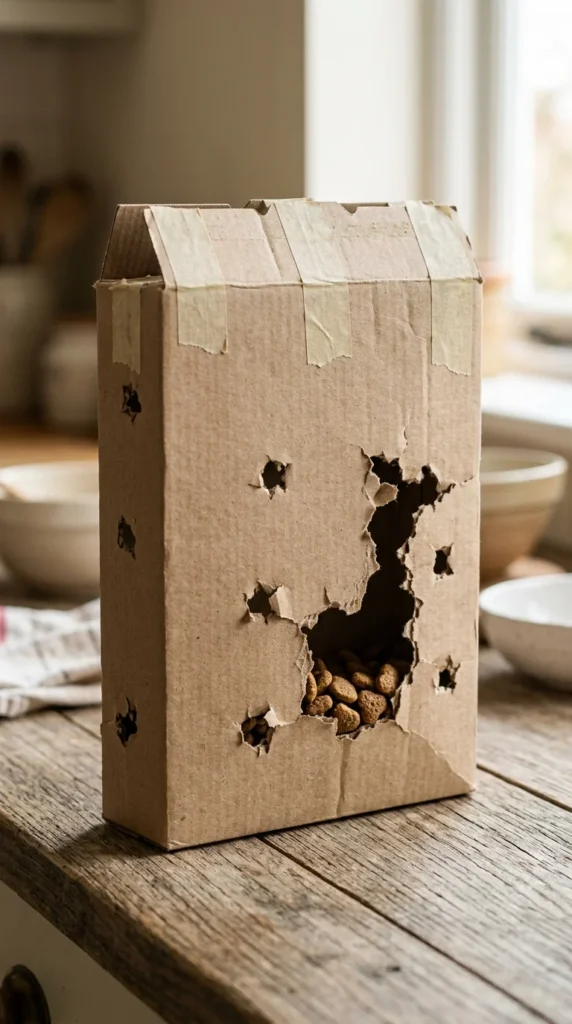
Foraging is a natural behavior that reduces anxiety and boredom. Instead of a bowl, put your pet’s dinner inside an empty cereal box and tape it shut. You can even nest smaller boxes inside the larger one for added difficulty.
This “destruction-based” training tool allows pets to satisfy their urge to shred and tear in a way that is constructive rather than destructive to your furniture. It’s an ideal tool for “redirection” training when a puppy is in a “land shark” chewing phase.
16. Bamboo Flirt Pole
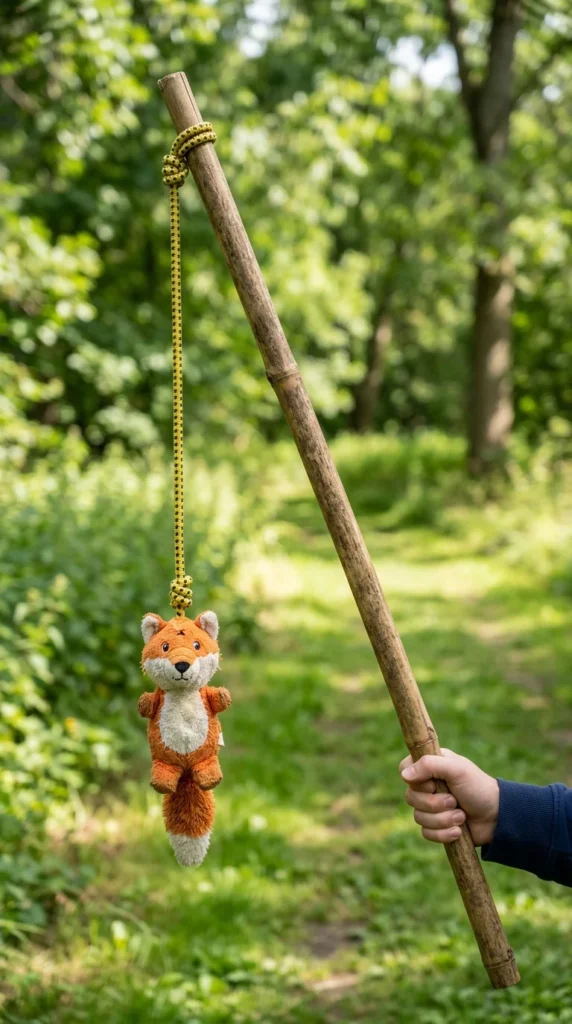
A flirt pole is essentially a giant cat toy for dogs. It consists of a long pole with a toy attached to a rope at the end. You can easily make one using a bamboo stake and a piece of paracord or bungee.
The flirt pole is an elite tool for teaching “impulse control.” The pet must “down-stay” while you swirl the toy around. They are only allowed to “catch” it upon your command. This translates directly to real-world scenarios, like not chasing a squirrel or a passing car.
17. Towel Snuffle Mat
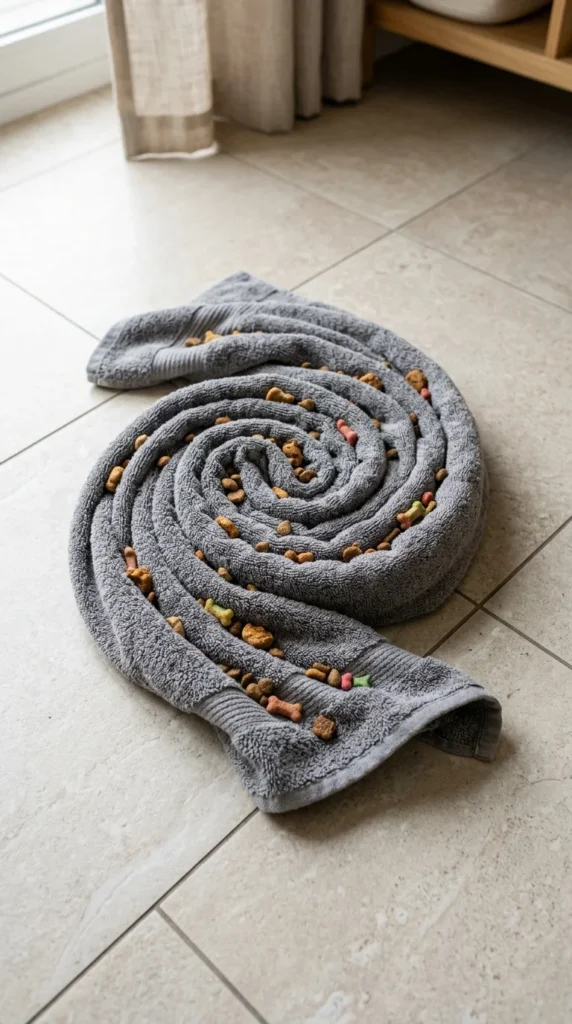
A “snuffle mat” encourages a pet to “forage” for their food through fabric. You don’t need to sew one; a large, old bath towel works perfectly. Lay the towel flat, sprinkle treats across it, and then “scrunch” the towel up or roll it into a tight log.
Your pet will have to use their nose and paws to unfurl the towel and find every hidden morsel. This is a “calming tool.” The act of sniffing actually lowers a dog’s heart rate, making it perfect for training sessions following high-excitement activities.
18. Muffin Cup Shell Game
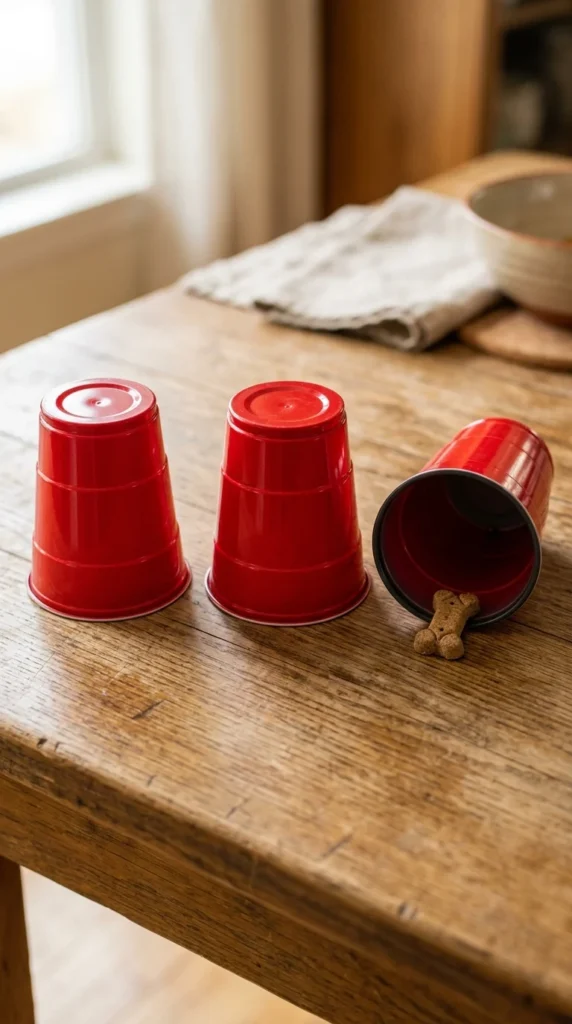
The “Shell Game” is a classic cognitive test and training tool. Use three identical plastic cups or yogurt containers. Place a treat under one and shuffle them while your pet watches.
This trains “visual tracking” and “concentration.” As your pet gets better, you can increase the number of cups or the speed of the shuffle. It’s an engaging way to bond and see just how much your pet is paying attention to your movements.
19. Plastic Bucket Step-Up
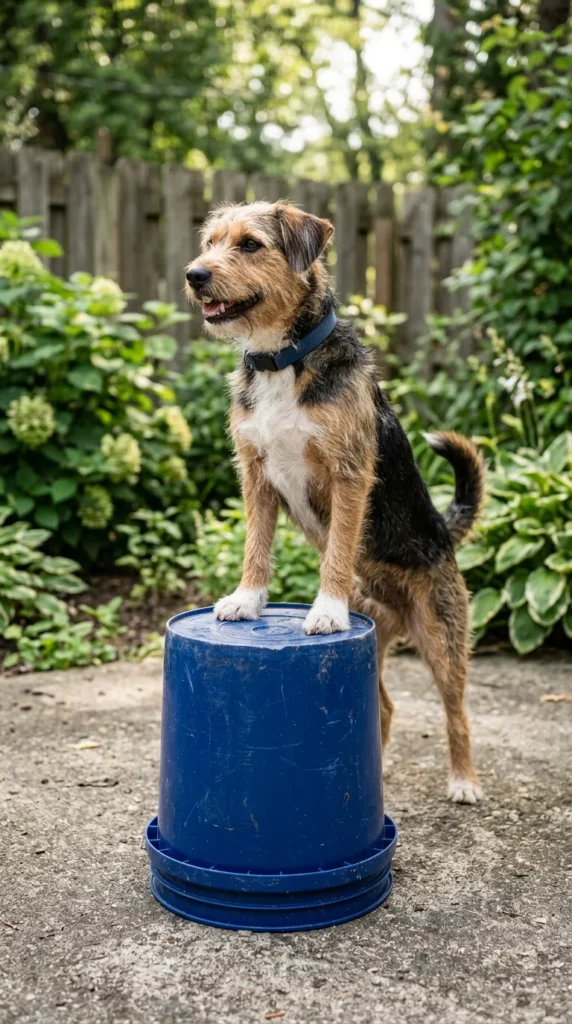
A simple 5-gallon bucket is a versatile “perch.” Teaching a pet to put their front paws on an elevated surface is the foundation for “rear-end awareness.” Most dogs don’t realize they have back legs; they just follow their noses.
By having the pet pivot their back legs while their front paws stay anchored on the bucket, you are training them to use their entire body. This is essential for competitive obedience (like formal “heeling”) and helps keep their back and hip muscles strong and limber.