
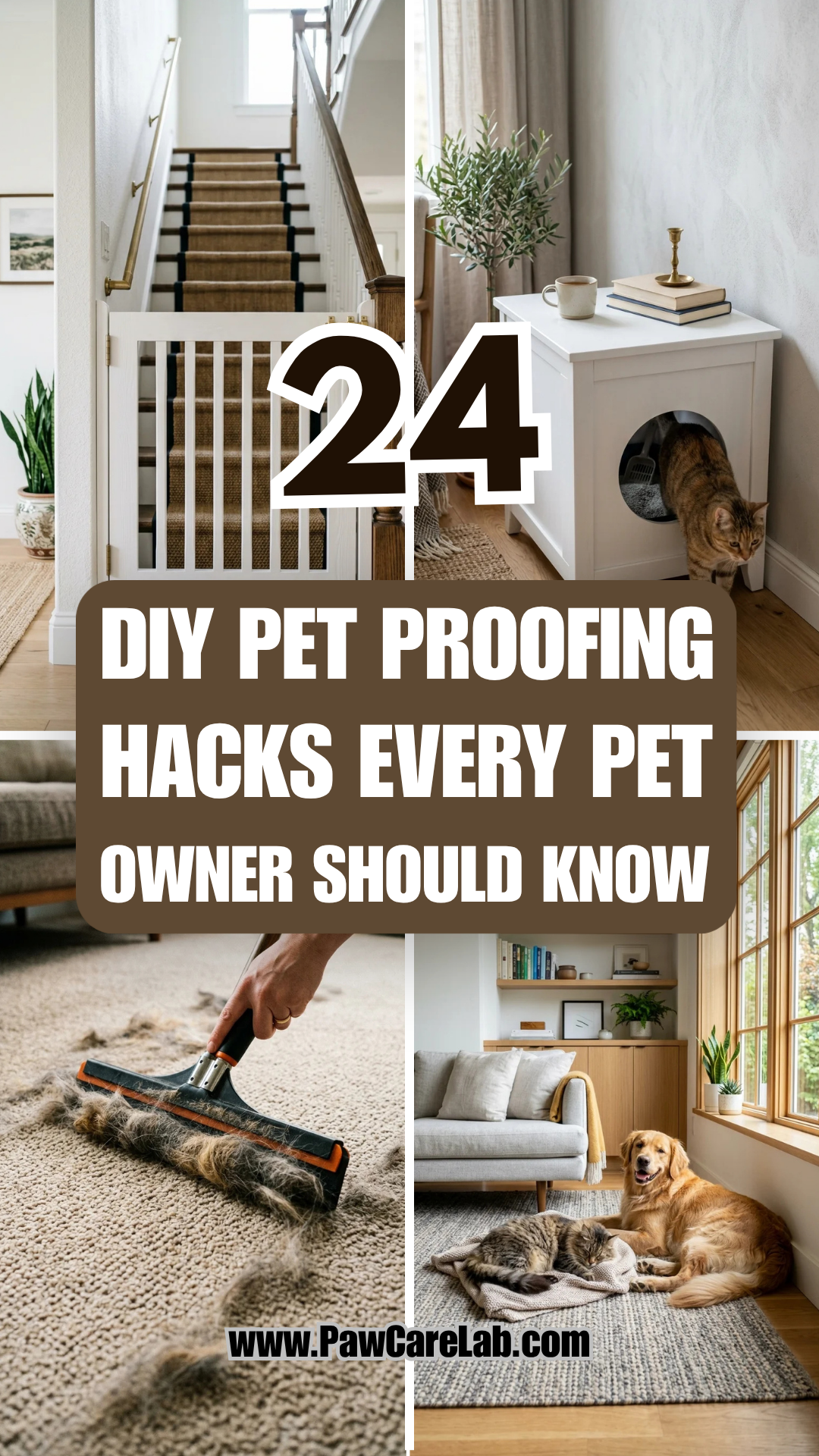
Bringing a pet into your home is one of life’s most rewarding experiences, but it also turns your living space into a high-stakes obstacle course. From teething puppies who view your designer table legs as chew toys to curious cats who believe every fragile vase is a challenge to gravity, pets have a knack for finding trouble. Pet proofing isn’t just about protecting your expensive furniture; it’s about creating a sanctuary where your furry friends can roam safely without the risk of injury or ingestion of harmful items.
The good news is that you don’t need to spend a fortune on specialized gadgets. Many of the most effective solutions are simple, DIY fixes using household items you likely already have. Whether you’re a new pet parent or a seasoned veteran looking to upgrade your home’s safety, these 24 DIY pet proofing hacks will help you maintain a stylish, secure, and stress-free environment.
1. Cable Protectors
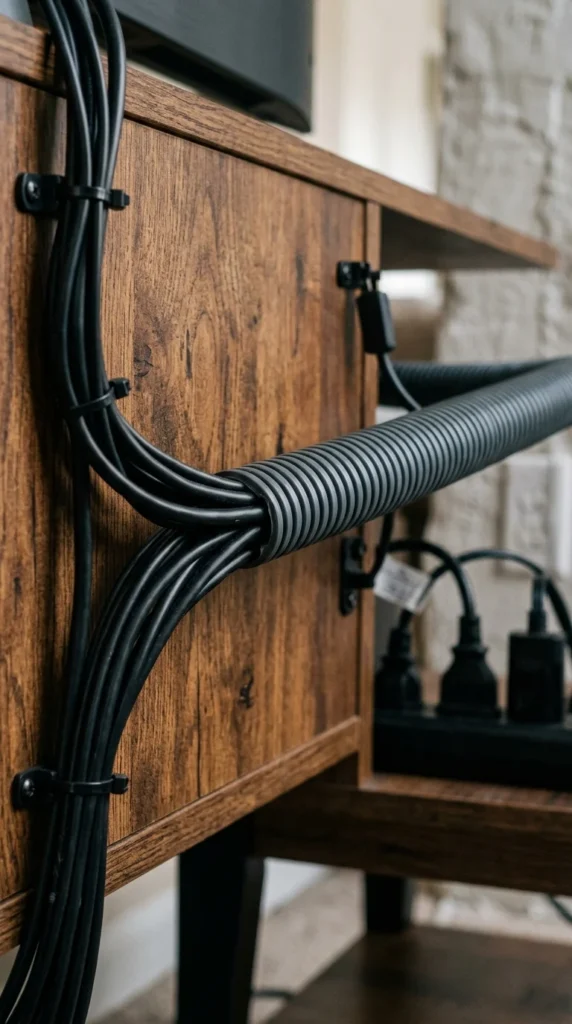
Electrical cords are an irresistible temptation for many pets, especially kittens and puppies who love the “chewy” texture. Exposed wires pose a major risk of electrocution or fire. To fix this, purchase a length of flexible PVC tubing or split loom tubing from a hardware store. Slit it down the side and tuck your wires inside. For an even cheaper DIY version, use empty cardboard paper towel rolls taped together to create a temporary barrier for thicker cord bundles.
2. Double-Sided Tape
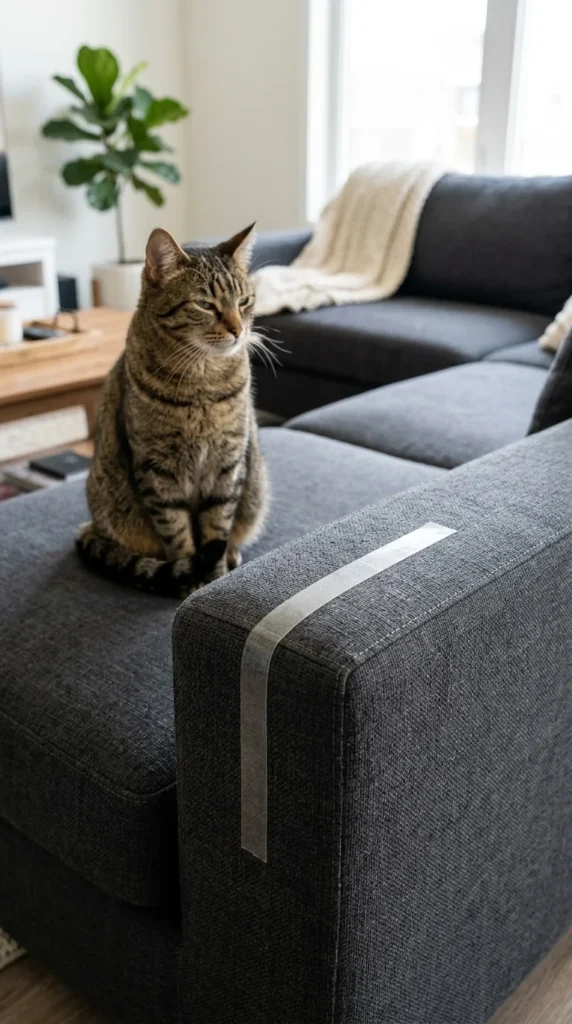
Cats are notorious for using the corners of expensive sofas as personal scratching posts. A simple DIY deterrent is double-sided mounting tape or specialized “paws-off” tape. Cats hate the sticky sensation on their paw pads and will quickly learn to avoid the area. Apply it to the corners and arms of your furniture. Once the habit is broken, you can usually remove the tape without damaging the fabric.
3. Trash Can Locks
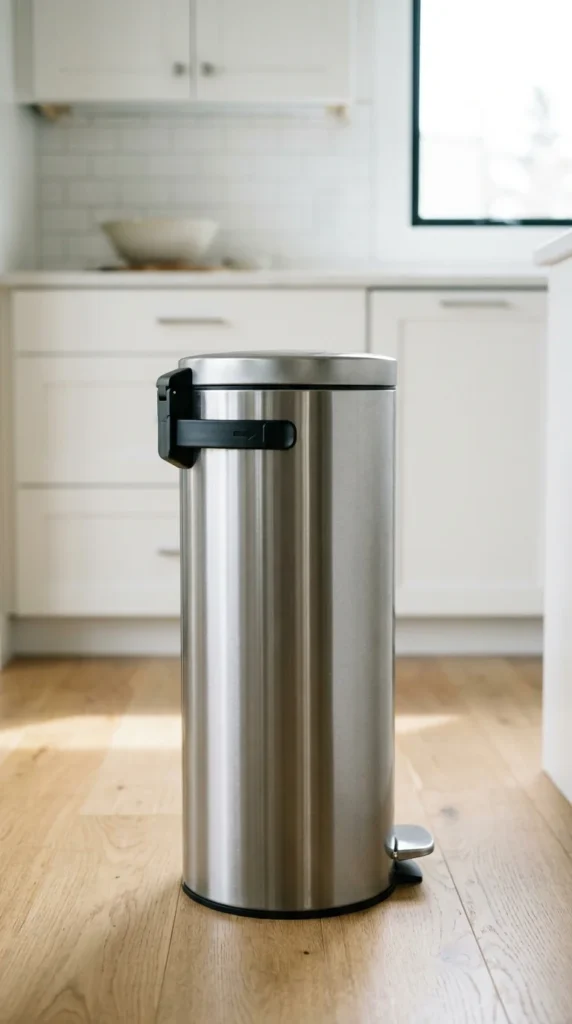
For a dog, the kitchen trash can is a treasure chest of forbidden snacks. Unfortunately, things like chicken bones, onion scraps, and chocolate wrappers are toxic. Instead of buying a “pet-proof” bin, use a simple DIY child-safety latch or a bungee cord anchored to the wall. This prevents even the most persistent “dumpster divers” from tipping the can or prying the lid open.
4. Essential Oil Safety
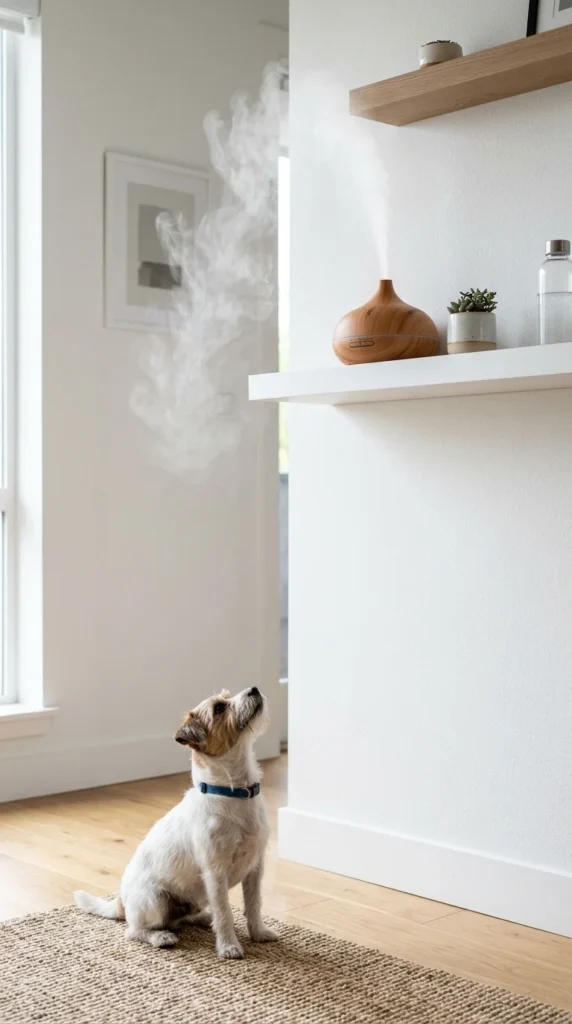
While we love the smell of lavender or eucalyptus, many essential oils are toxic to pets when inhaled in high concentrations or touched. Ensure your diffuser is placed on a high, stable shelf where it cannot be knocked over. Always use “passive” diffusion or ensure the room is well-ventilated with an open door so your pet can leave the room if the scent becomes overwhelming.
5. Anti-Scratch Films
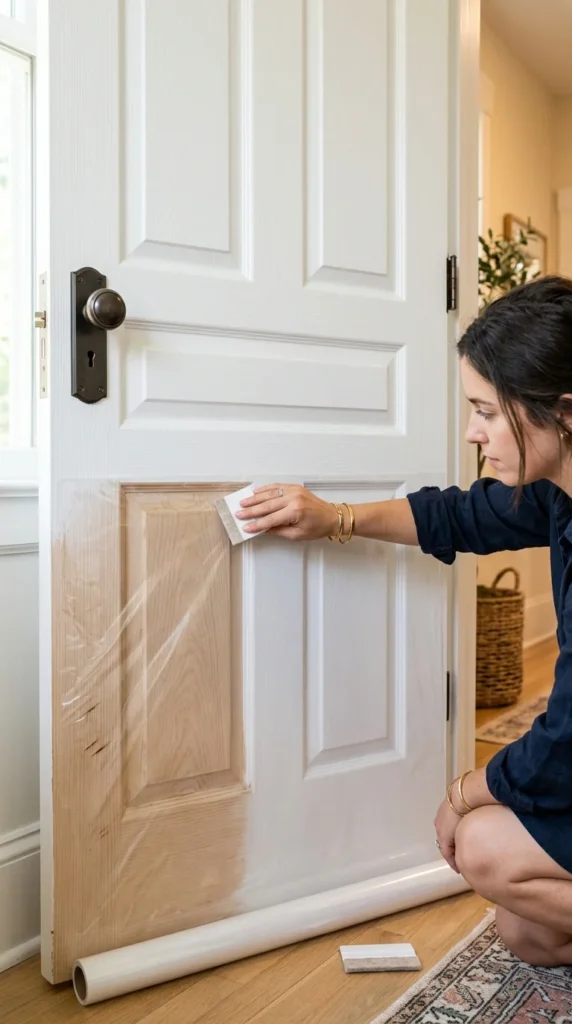
If your dog scratches the door when they want to go out, or your cat attacks the window screens, clear vinyl film is your best friend. You can buy rolls of adhesive-backed clear plastic and apply them to the lower portion of doors or around window frames. It’s nearly invisible and provides a slick surface that claws can’t grip, protecting your paint and wood.
6. Toilet Lid Latches

The “giant water bowl” is a major temptation for pets, but toilet water contains bacteria and harsh cleaning chemicals. A simple DIY hack is to install a childproof toilet lock. This ensures the lid stays down, preventing thirsty pets from drinking or small kittens from accidentally falling in and being unable to climb out.
7. Hidden Litter Boxes
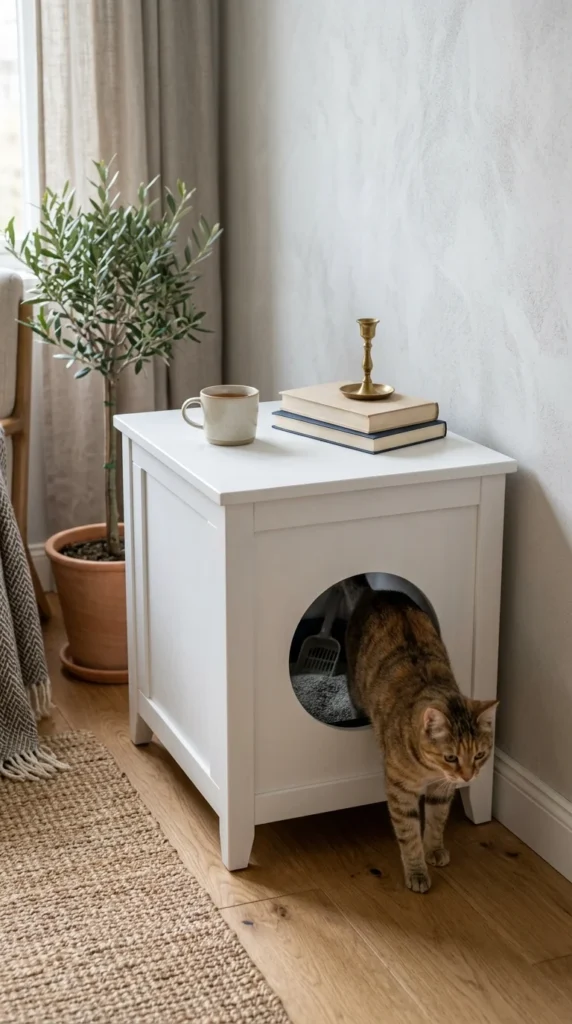
Litter boxes can be messy and, let’s face it, dogs sometimes try to “snack” from them. You can DIY a hidden litter box by repurposing an old cabinet or a plastic storage bin. Cut a hole in the side of a large plastic tote, place the litter box inside, and put the lid on. It keeps the litter contained, provides the cat with privacy, and keeps the dog out.
8. Furniture Corner Guards
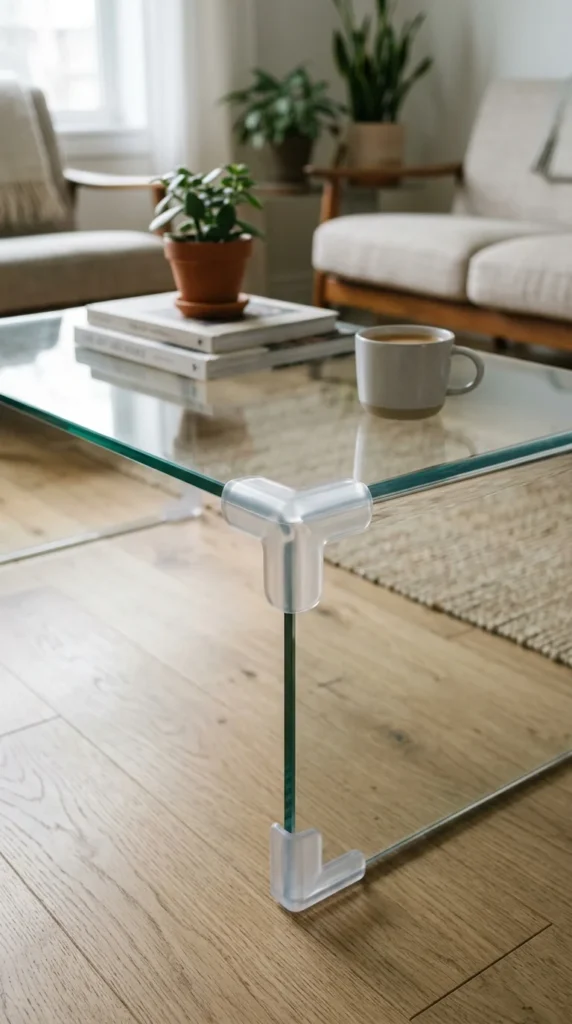
Zooming pets can easily injure themselves on sharp furniture corners. Use clear silicone corner guards—intended for baby proofing—on coffee tables, TV stands, and low-profile furniture. This prevents painful bumps or eye injuries during high-speed play sessions around the living room.
9. Nontoxic Plants

Many common houseplants, like Lilies, Sago Palms, and Monsteras, are highly toxic to pets. Swap them for pet-safe varieties like Spider Plants, Boston Ferns, or Areca Palms. As a DIY safety measure, place your plants in hanging baskets or on high wall-mounted shelves to ensure that even nontoxic plants aren’t dug up or chewed on.
10. Heavy Bottomed Bowls
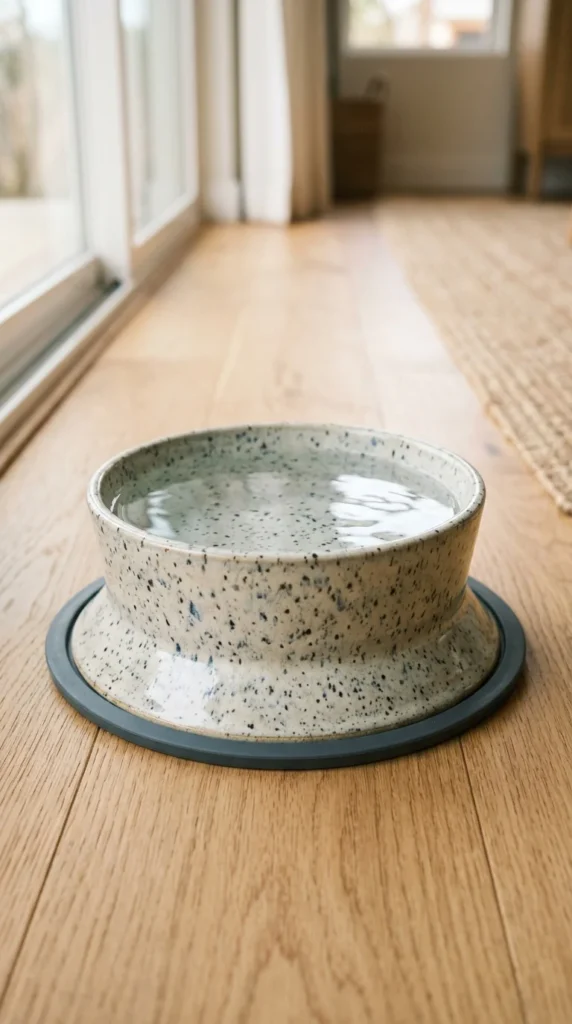
If your dog is an “active” drinker who slides their bowl across the floor or tips it over, try this DIY hack: Glue a wide, heavy silicone mat or even a piece of slate to the bottom of the bowl. Alternatively, place the water bowl inside a heavy decorative wooden crate that prevents it from being nudged or flipped during mealtime.
11. Cordless Blinds
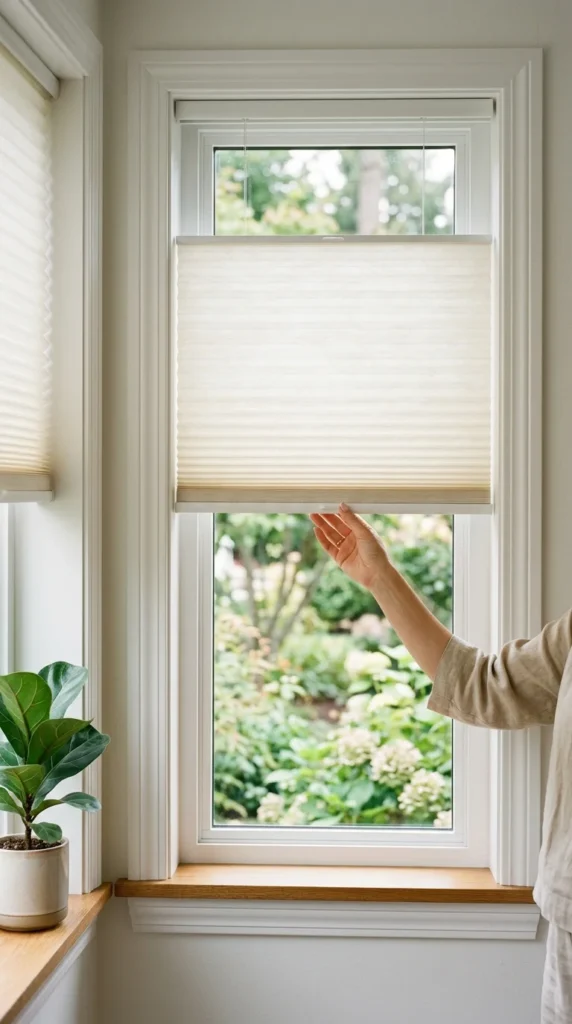
Dangling blind cords are a strangulation hazard for both cats and dogs. The best DIY fix is to replace them with cordless shades. If you aren’t ready to upgrade, install a “cleat” high up on the window frame to wrap the excess cord tightly and keep it out of reach. Never leave loops hanging near the floor.
12. Childproof Latches
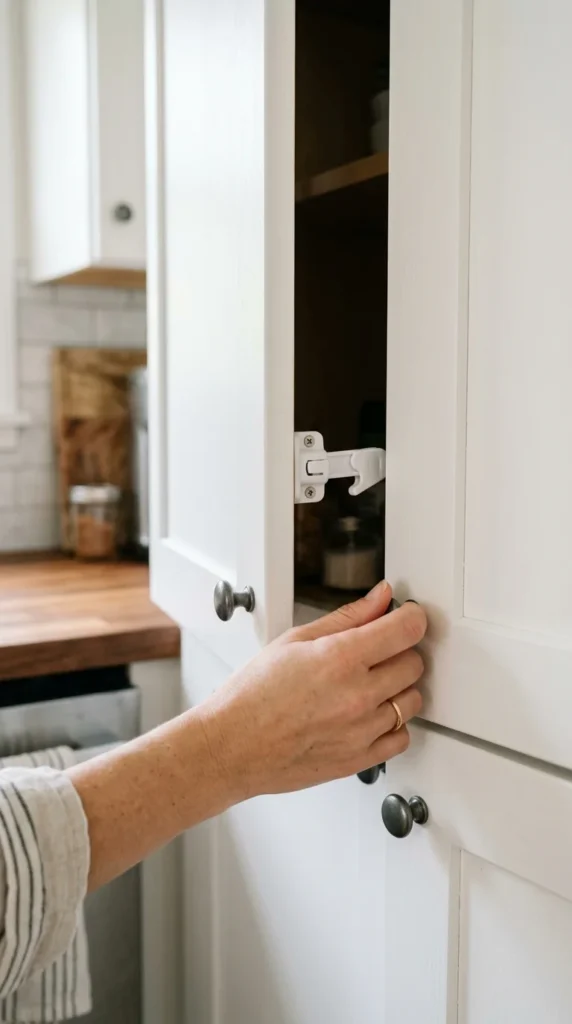
The cabinet under the sink is usually where we store bleach, detergent, and insect spray. Pets, especially clever cats and curious dogs, can often learn how to nudge these doors open. Install magnetic or tension-based childproof latches on all low-level cabinets to keep these “forbidden rooms” securely locked.
13. Rug Grippers
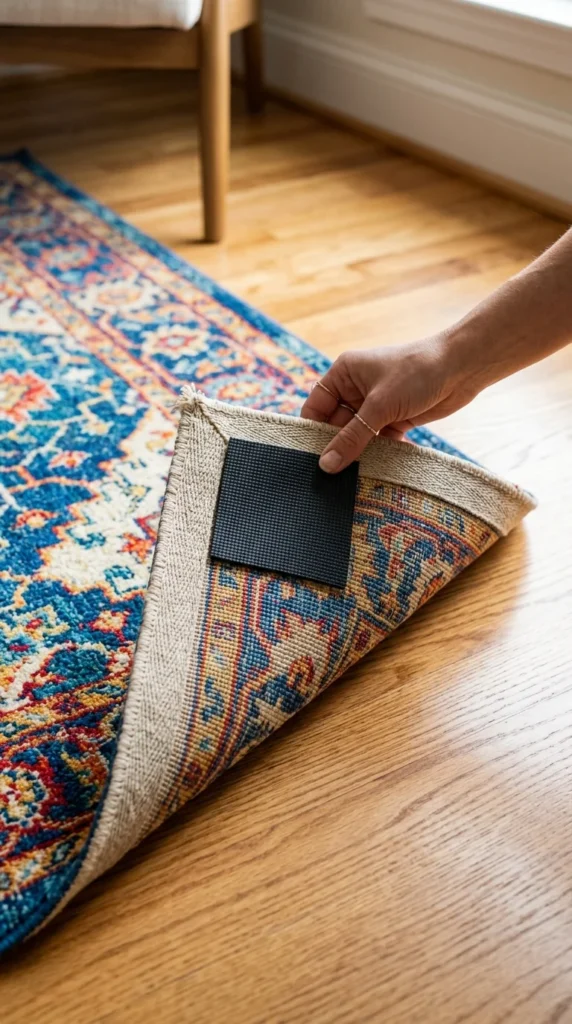
A pet’s “zoomies” can turn a loose area rug into a flying carpet, leading to slips and joint injuries. Use heavy-duty DIY rug grippers or a full-sized rubberized rug pad beneath every carpet. This keeps the rug stationary even when a 60-pound dog does a high-speed U-turn in the hallway.
14. Fabric Protectors
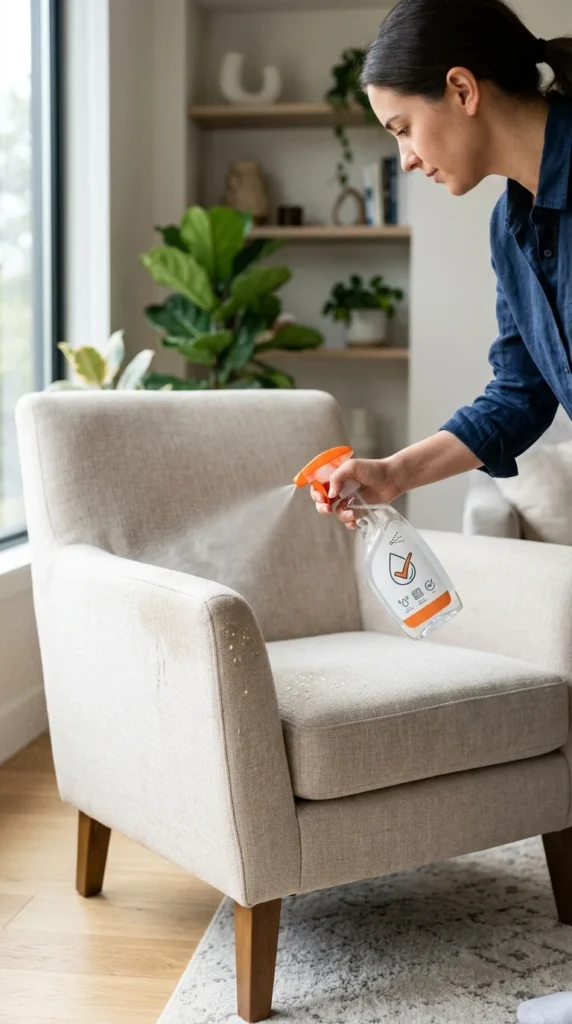
Spills, mud, and “accidents” are inevitable. Protect your upholstery by applying a DIY-friendly fabric protector spray. These sprays create a hydrophobic barrier that causes liquids to bead up on the surface rather than soaking in, giving you time to blot away the mess before it stains the fibers.
15. Door Stoppers

Heavy doors can slam shut during a breeze, potentially trapping a pet or pinching a tail. Use foam C-shaped door stoppers (often sold for nurseries) on the top or side of doors. This prevents the door from closing all the way, ensuring there is always a gap for air and tails to pass through safely.
16. Screen Door Guards
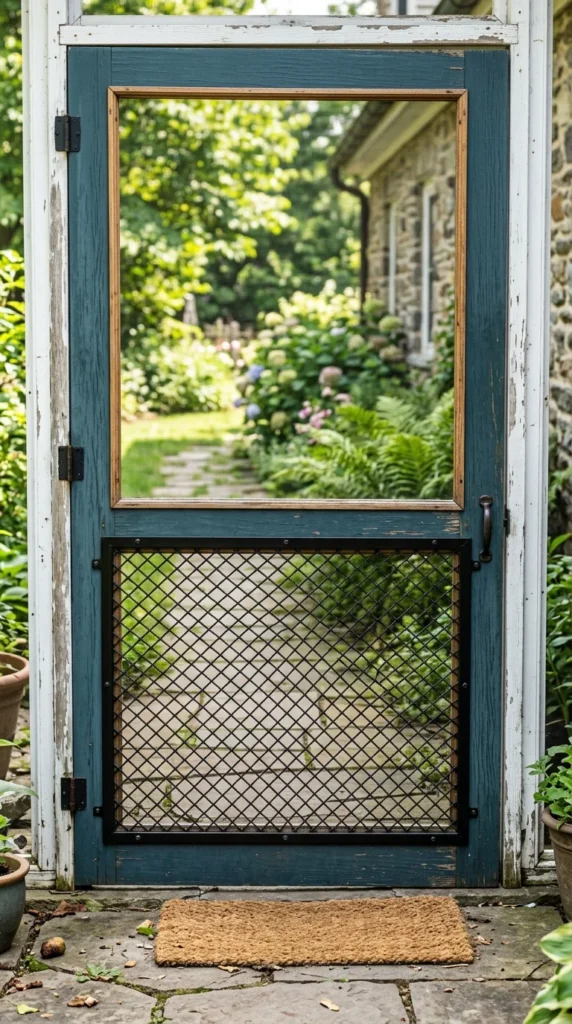
A dog seeing a squirrel through a screen door might charge right through the mesh. To prevent torn screens and escaped pets, install a DIY screen guard. These are rigid metal or plastic grates that screw onto the bottom half of the door frame, providing a sturdy barrier that can withstand paws and noses.
17. Elevated Feeding Stations
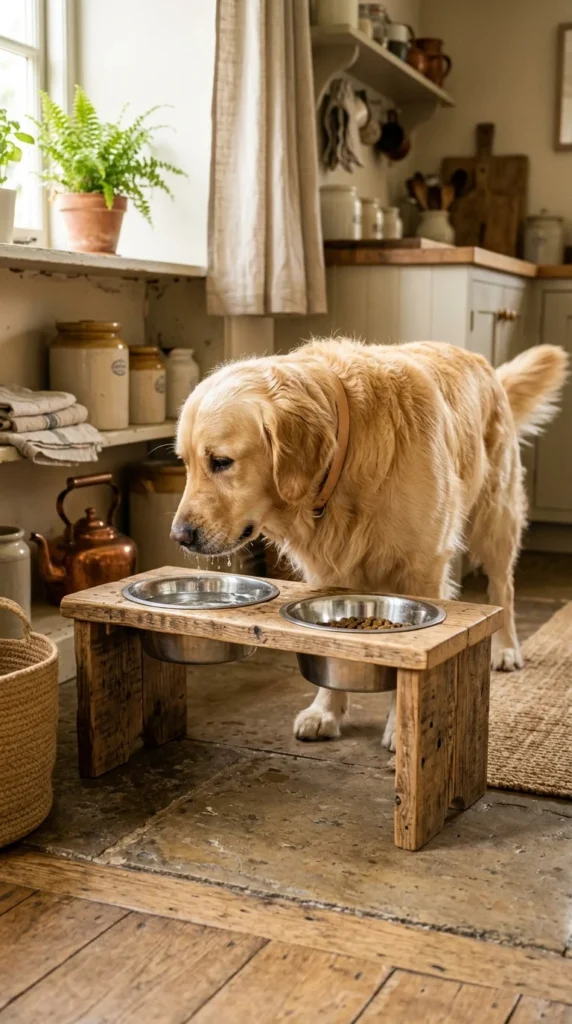
For larger breeds, eating from a bowl on the floor can cause strain or digestive issues. You can DIY an elevated feeder by cutting two holes into the top of a small wooden bench or a sturdy plastic crate. This brings the food to chest height, making mealtime more comfortable and reducing the amount of food scattered on the floor.
18. DIY Pet Gates
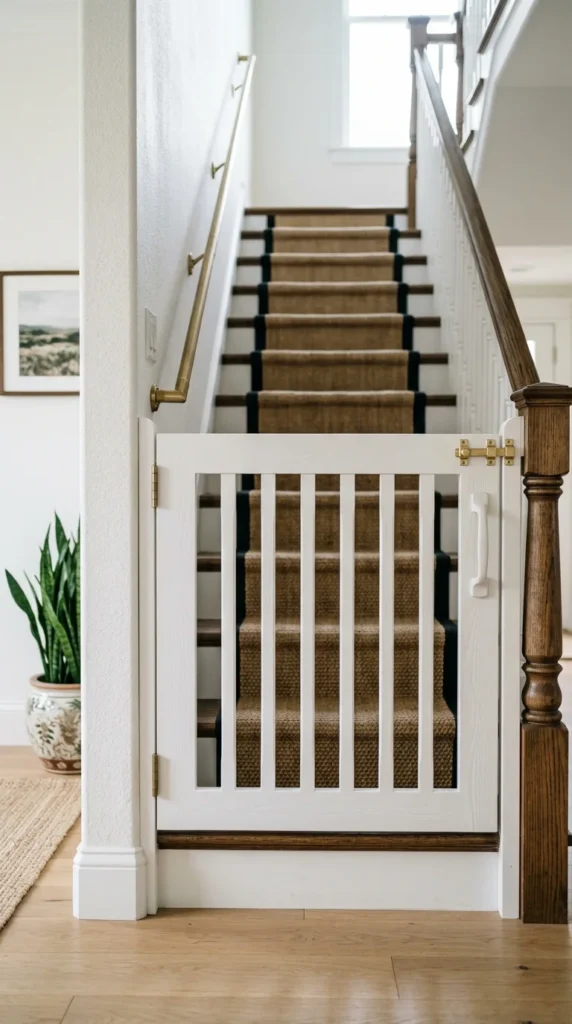
Sometimes you need to keep your pet out of a specific room, like a nursery or a home office. Instead of an ugly plastic gate, build a DIY wooden “farmhouse” gate using 1×2 lumber and hinges. It can be painted to match your trim, making it a functional part of your decor rather than an eyesore.
19. Small Object Storage
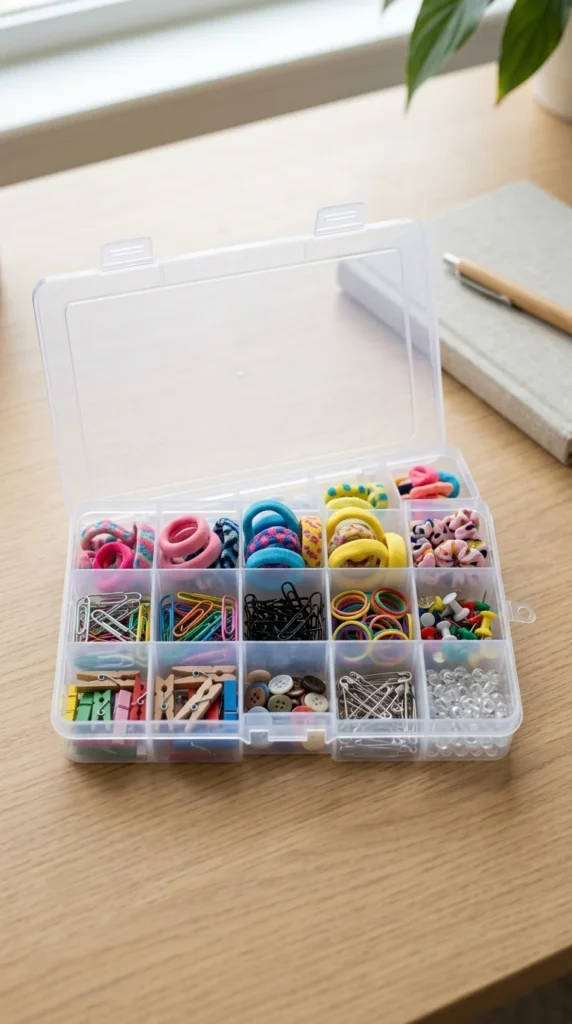
Small items like hair ties, rubber bands, and Lego bricks are major choking hazards and can cause intestinal blockages if swallowed. Make it a habit to use “catch-all” trays with lids or designated storage bins for these tiny items. A tidy home is a safe home for a pet.
20. Window Perches
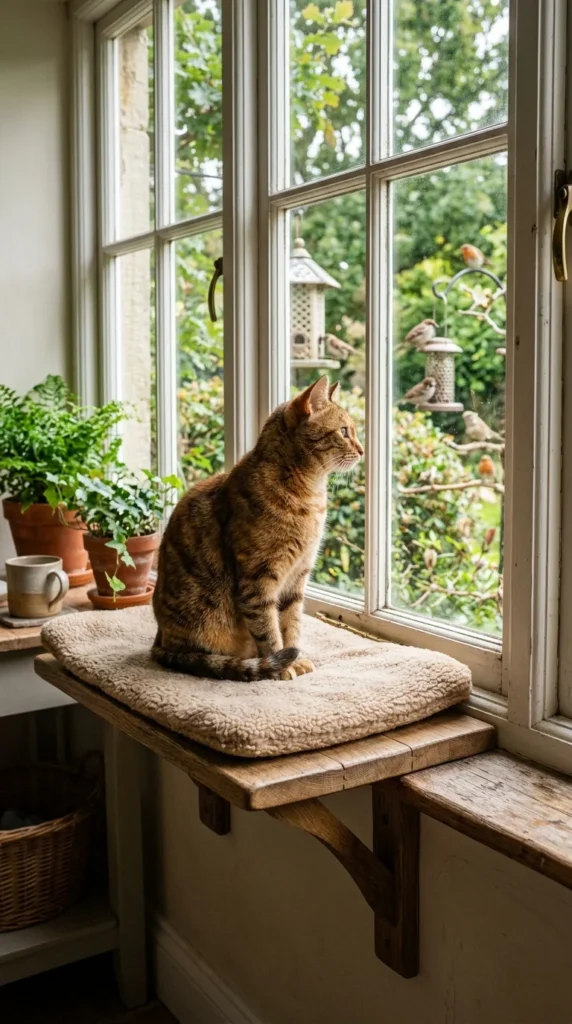
Cats love to watch “Cat TV” (the outdoors). A DIY window perch can be made by securely mounting a sturdy shelf to the wall under a window and topping it with a soft cushion. Ensure the mounting brackets are rated for your pet’s weight to avoid a scary collapse while they are napping.
21. Squeegee Hair Removal
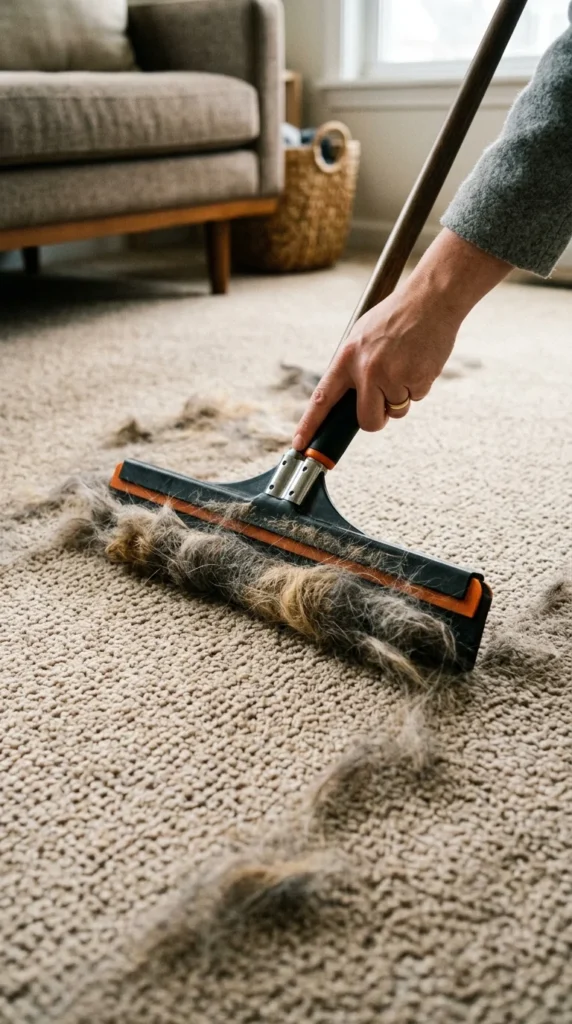
Pet hair becomes woven into carpet fibers, making it hard for vacuums to pick up. A pro DIY hack is to use a rubber window squeegee. Drag it across the carpet or fabric upholstery; the rubber creates static and friction that pulls the hair into easy-to-grab clumps. It’s faster and more effective than many expensive pet vacuums.
22. Air Purifiers
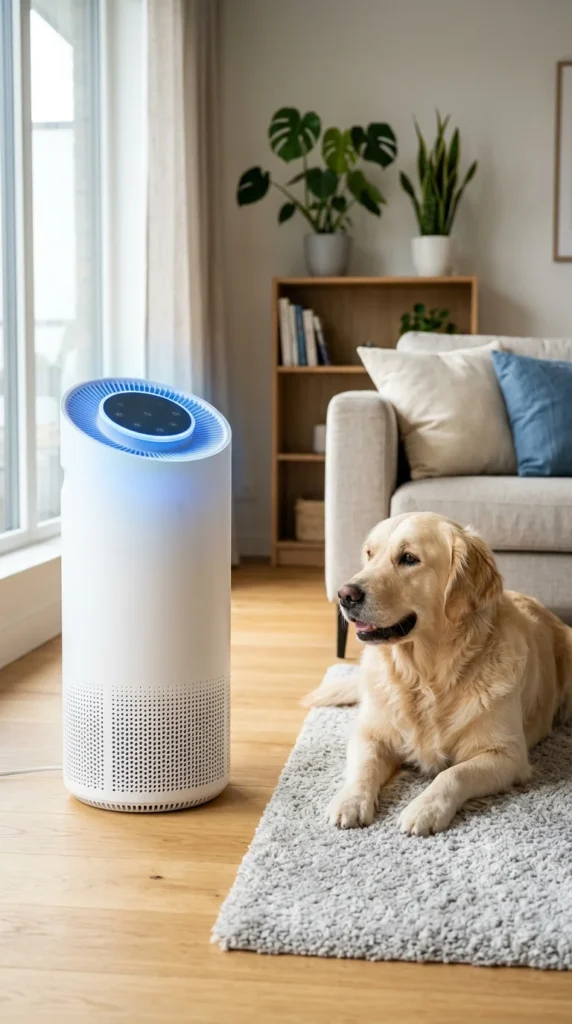
Pet dander and odors can linger in the air. Place an air purifier with a HEPA filter in the rooms where your pet spends the most time. This not only keeps the house smelling fresh but also reduces allergens for both the humans and the pets in the household.
23. Motion Sensor Lights
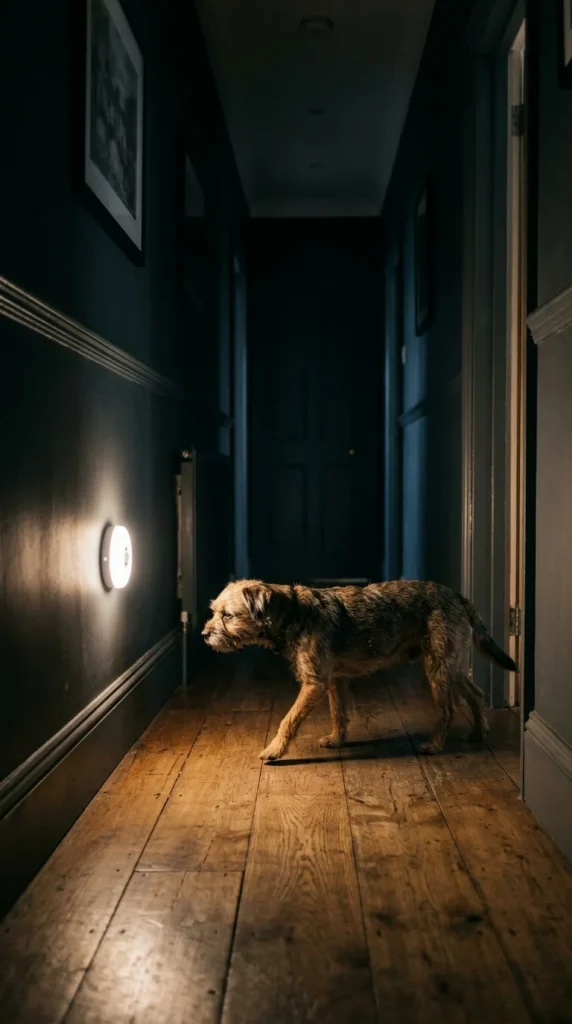
As pets age, their vision can decline, making it harder for them to navigate the house at night. Install DIY battery-operated motion sensor lights along hallways and near the stairs. This provides an instant “night light” that guides your pet to their water bowl or bed without them bumping into furniture in the dark.
24. Mudroom Stations
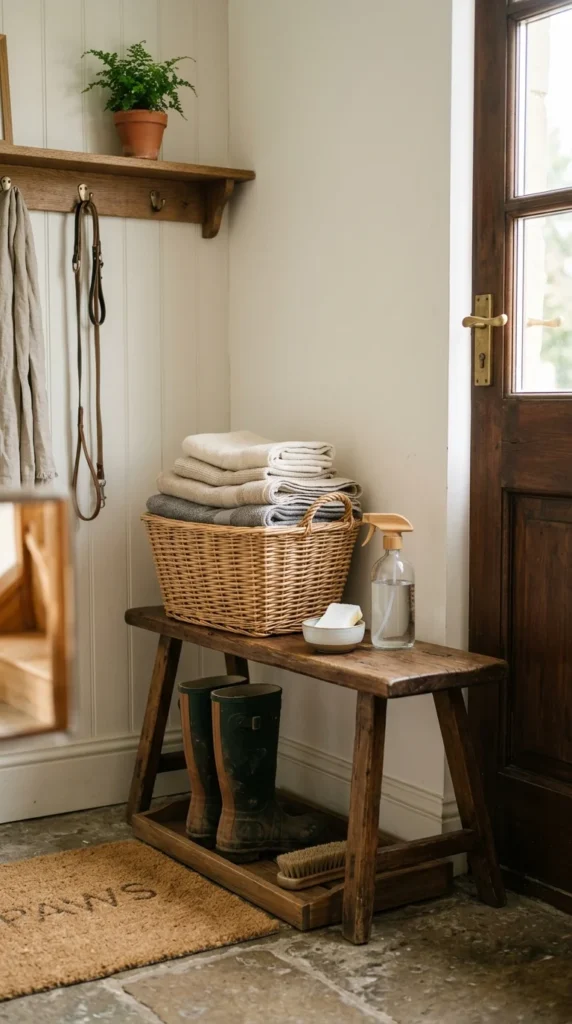
The best way to pet-proof your floors is to stop the dirt at the door. Create a DIY “paw station” at your entry point. Keep a basket of microfiber towels, a spray bottle of water, and a container of pet-safe paw wipes handy. Training your dog to wait for a “paw wipe” before entering ensures your rugs and furniture stay clean year-round.