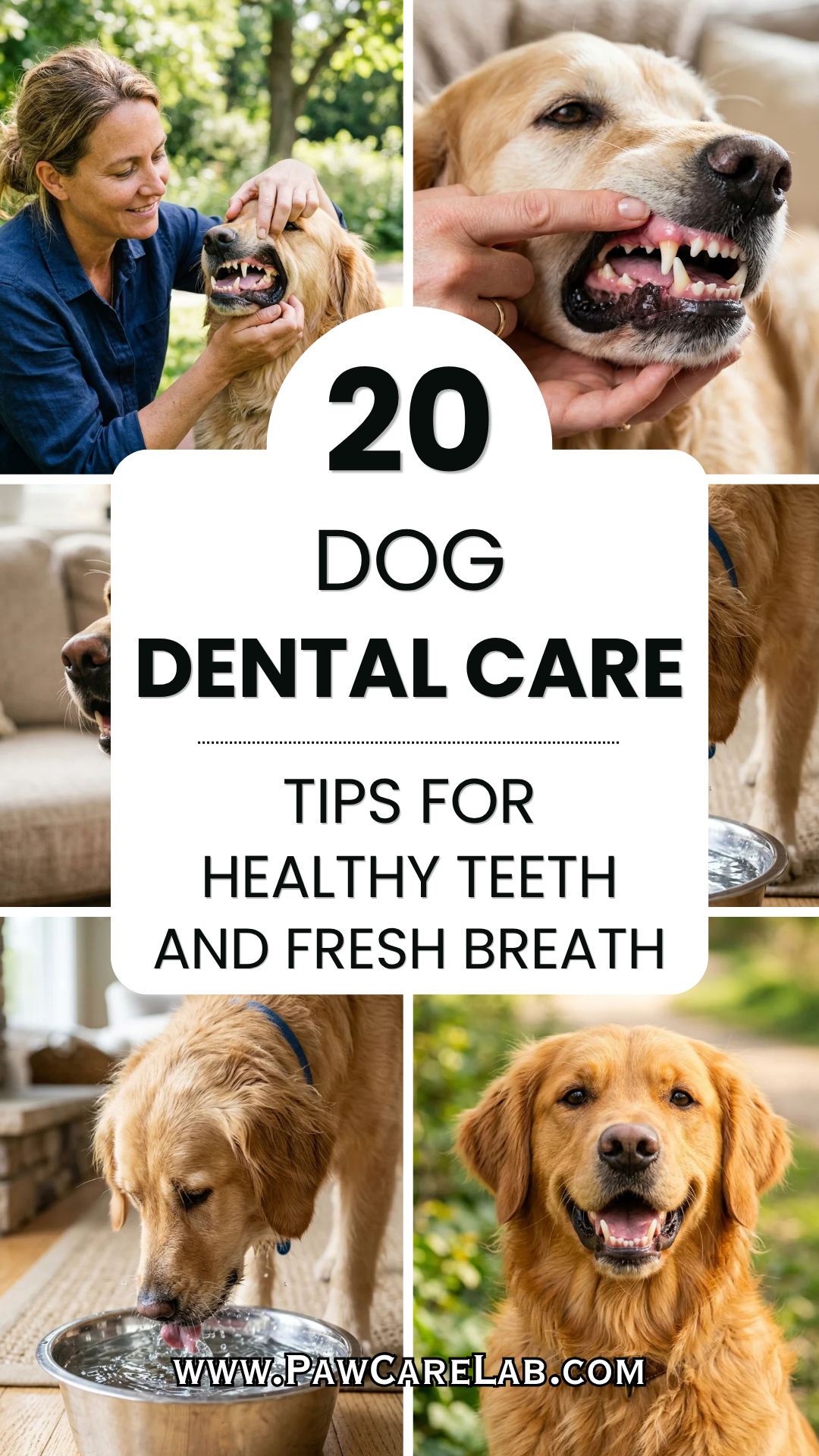
Maintaining your dog’s oral hygiene is about much more than just avoiding “dog breath.” Dental health is a critical component of a dog’s overall well-being. Poor oral hygiene can lead to plaque buildup, tartar, gingivitis, and eventually periodontal disease, which can cause bacteria to enter the bloodstream and damage the heart, liver, and kidneys. By implementing a consistent dental care routine, you can extend your dog’s life and save thousands in veterinary bills. Here are 20 expert-vetted tips to keep your canine companion’s smile bright and healthy.
1. Toothbrushing
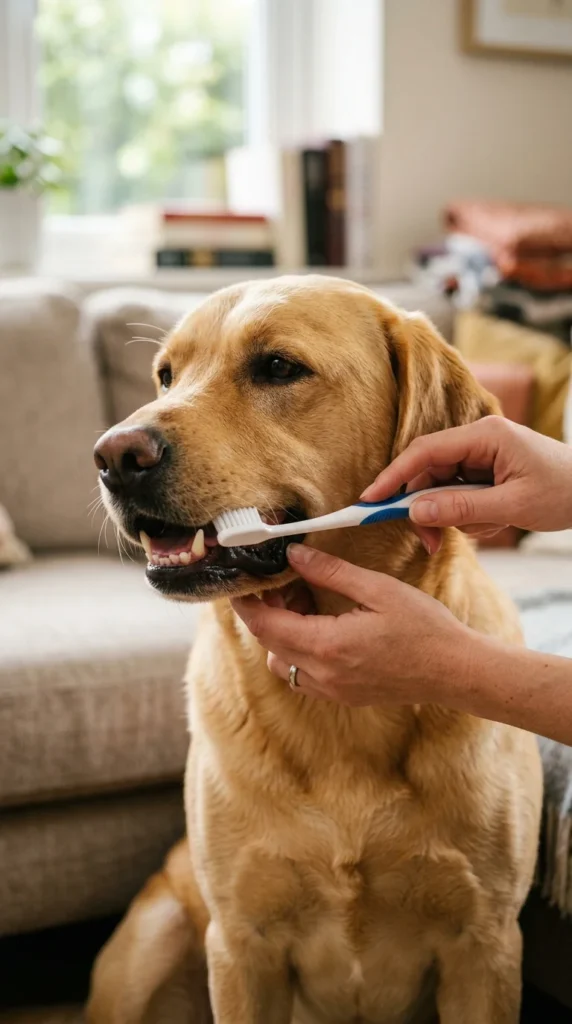
The gold standard for canine dental care is daily brushing. Just like humans, dogs accumulate plaque every time they eat. Brushing mechanically removes this biofilm before it hardens into tartar. Start by letting your dog lick the paste, then gradually introduce the brush, focusing on the outer surfaces of the teeth where plaque accumulates most.
2. Enzymatic Toothpaste
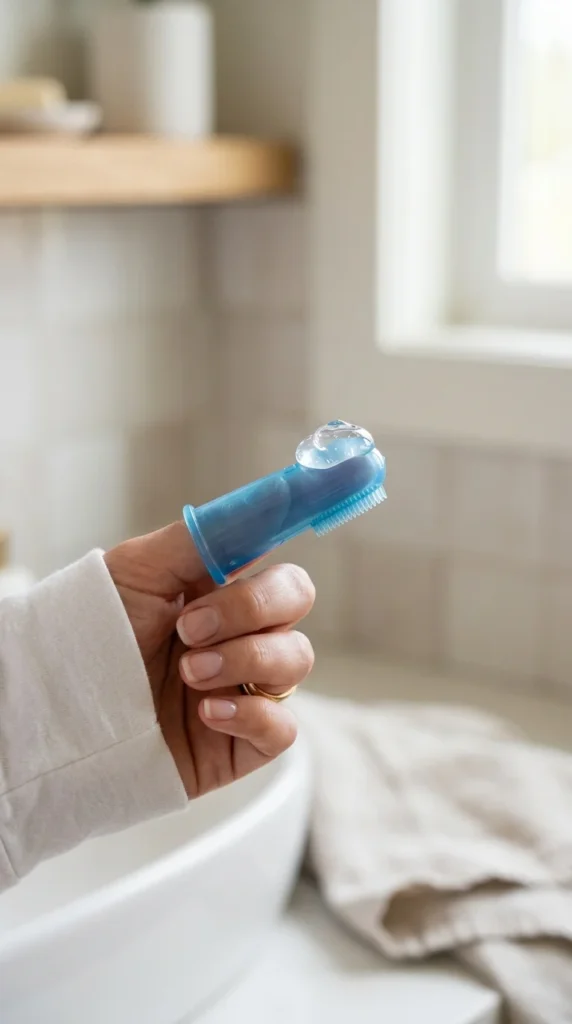
Never use human toothpaste on a dog, as it often contains xylitol or fluoride, both of which are toxic to canines. Enzymatic dog toothpastes contain proteins that help break down food particles and bacteria chemically. These pastes come in flavors dogs love, such as poultry, beef, or peanut butter, making the experience more of a treat than a chore.
3. Dental Chews

Dental chews are designed to scrape away plaque as your dog gnaws on them. They often have a porous or ridged texture that acts like a mechanical scrubber. Look for high-quality chews that are digestible and sized appropriately for your dog’s breed to prevent choking hazards.
4. Rawhide Alternatives
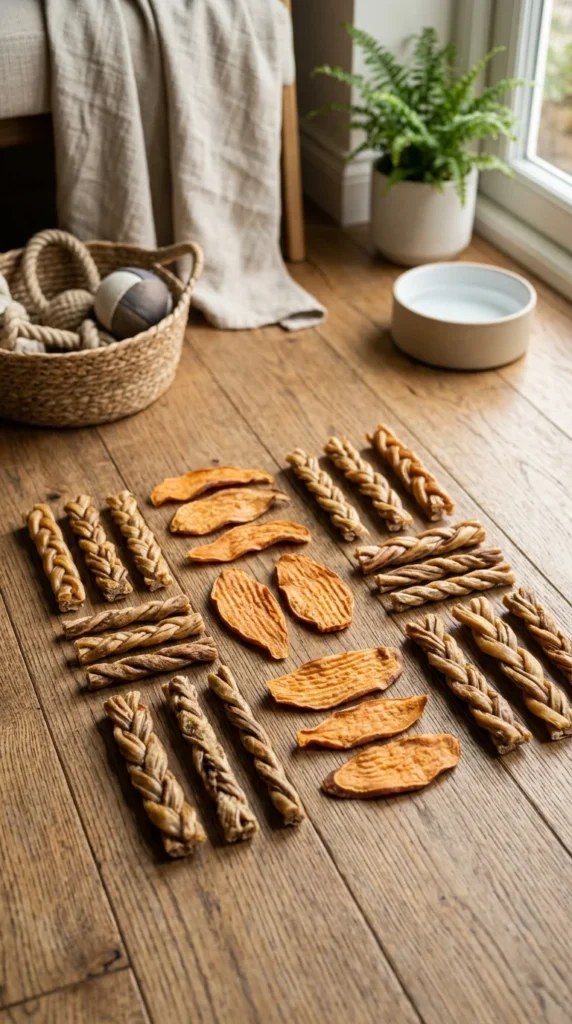
While traditional rawhide can be hard to digest, modern alternatives like collagen sticks or beef tracheas provide a long-lasting chew that cleans teeth through friction. These options are safer for the digestive tract while still providing the necessary abrasive action to keep the gum line clean.
5. Water Additives
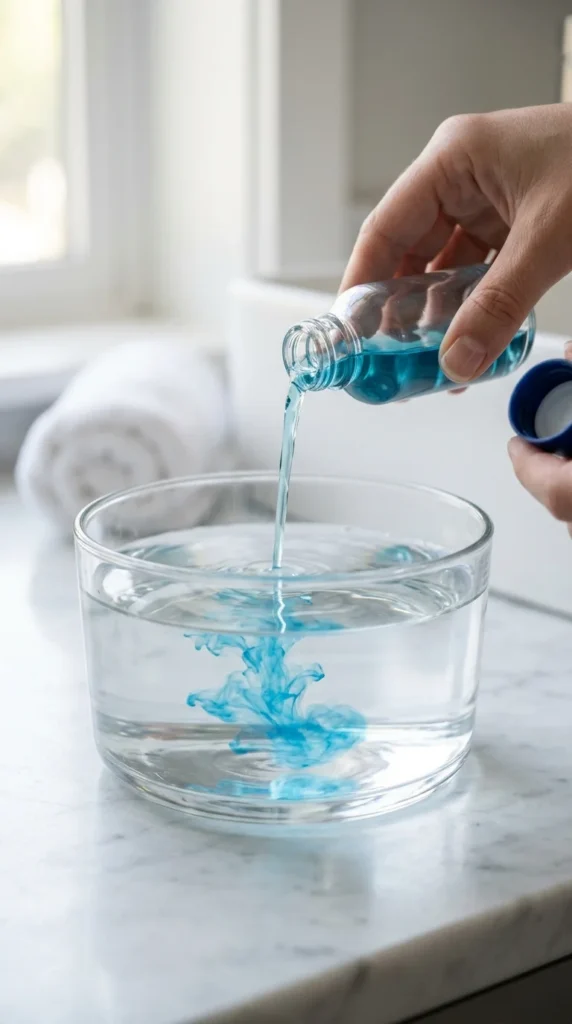
If your dog is resistant to brushing, water additives are a “hands-off” way to fight bacteria. These solutions contain enzymes and freshening agents that work to kill odor-causing bacteria in the mouth every time your dog takes a drink. It’s an effortless way to maintain a baseline of oral hygiene.
6. Dental Wipes

For dogs that won’t tolerate a bulky toothbrush, dental wipes are an excellent middle ground. These pre-moistened pads are rubbed directly against the teeth and gums to remove daily film. While they don’t get into the deep crevices as well as bristles, they are far more effective than doing nothing at all.
7. Professional Cleaning
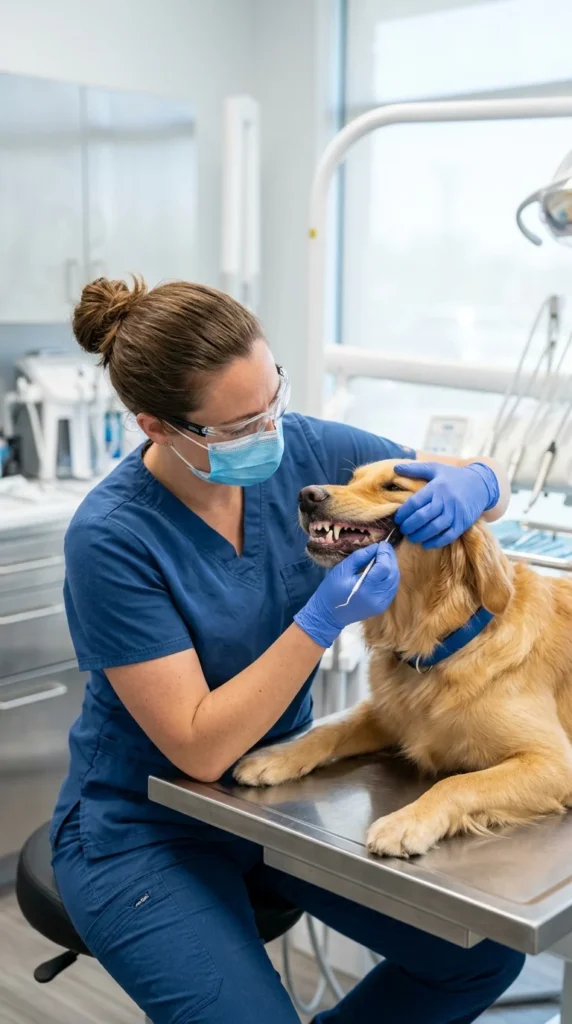
Even with perfect home care, dogs need professional cleanings by a veterinarian. This process, usually done under anesthesia, allows the vet to scale away tartar beneath the gum line and take X-rays to check for abscesses or bone loss that aren’t visible to the naked eye.
8. Chew Toys
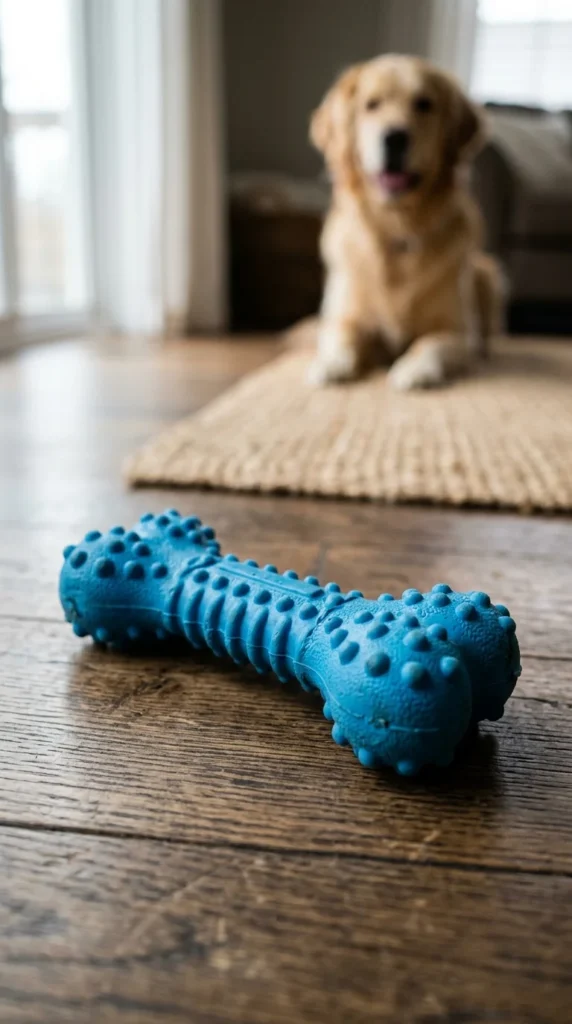
Not all toys are created equal. Rubber or nylon toys with bumps and ridges help massage the gums and scrape the teeth during play. Avoid extremely hard toys like real bones or heavy antlers, as these can actually fracture a dog’s teeth.
9. Dry Kibble
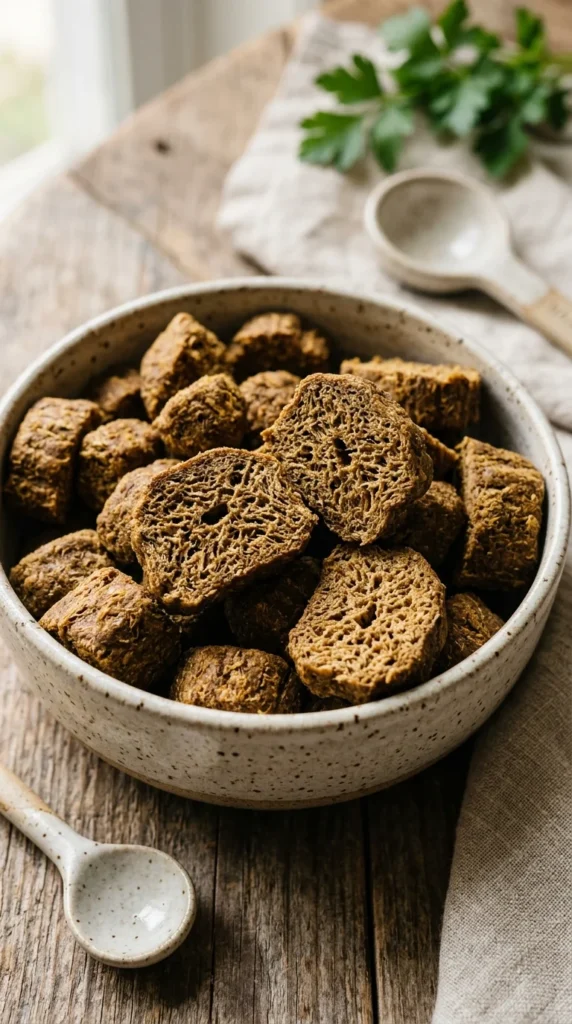
While wet food is often more palatable, dry kibble is generally better for dental health. The crunching action provides a slight abrasive effect. Some prescription dental diets are formulated with larger, fibrous kibble pieces that don’t shatter immediately, forcing the dog to chew more and scrub the tooth surface.
10. Probiotics
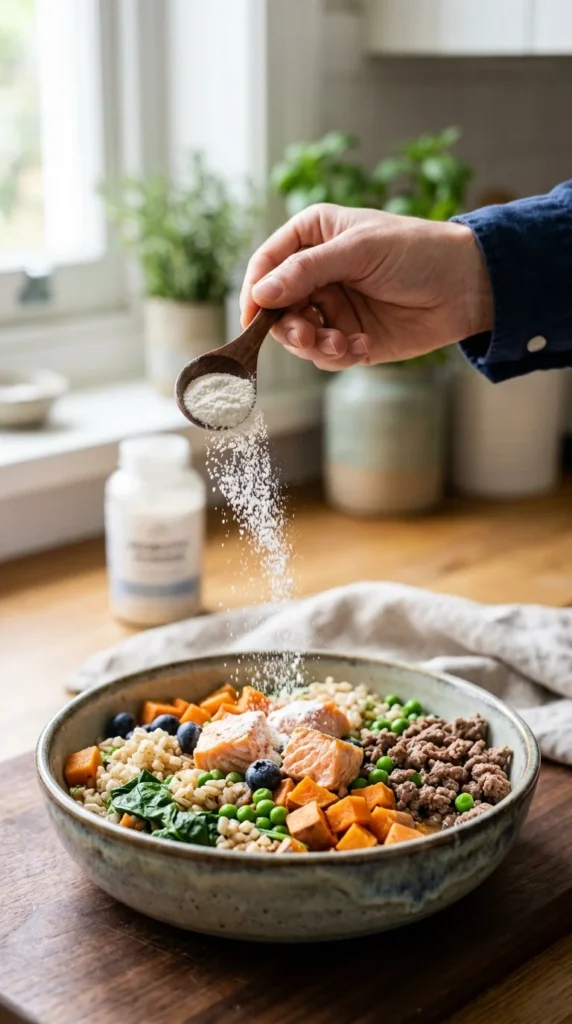
Oral probiotics for dogs help introduce “good” bacteria into the mouth. These beneficial microbes compete with the harmful bacteria that cause plaque and bad breath. By balancing the oral microbiome, you can naturally reduce the rate of decay and inflammation.
11. Kelp Supplements
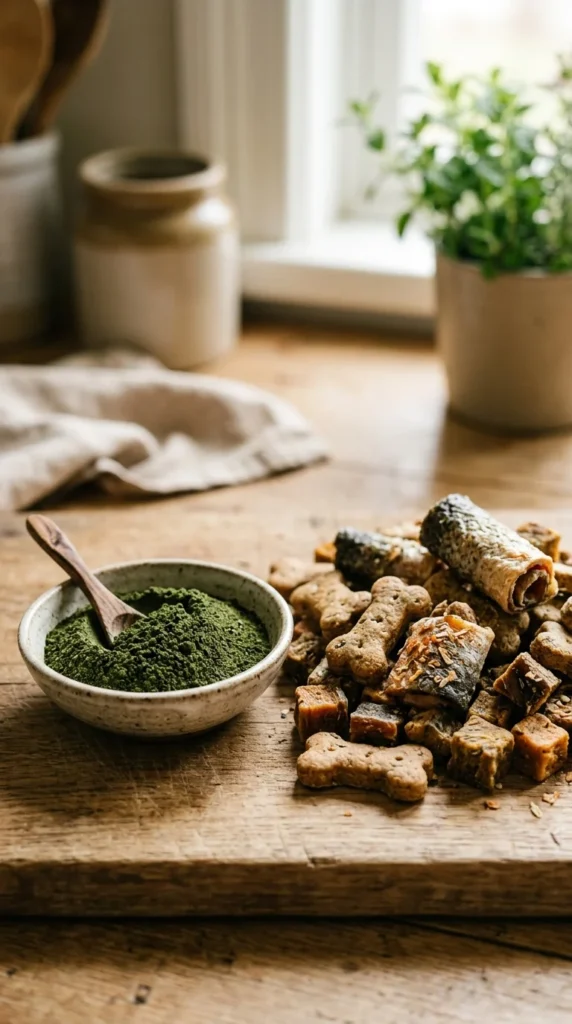
Specific types of brown kelp (Ascophyllum nodosum) have been scientifically shown to reduce plaque and tartar. When ingested, the compounds in the kelp enter the bloodstream and are released into the saliva, where they work to soften existing tartar and prevent new plaque from sticking.
12. Coconut Oil
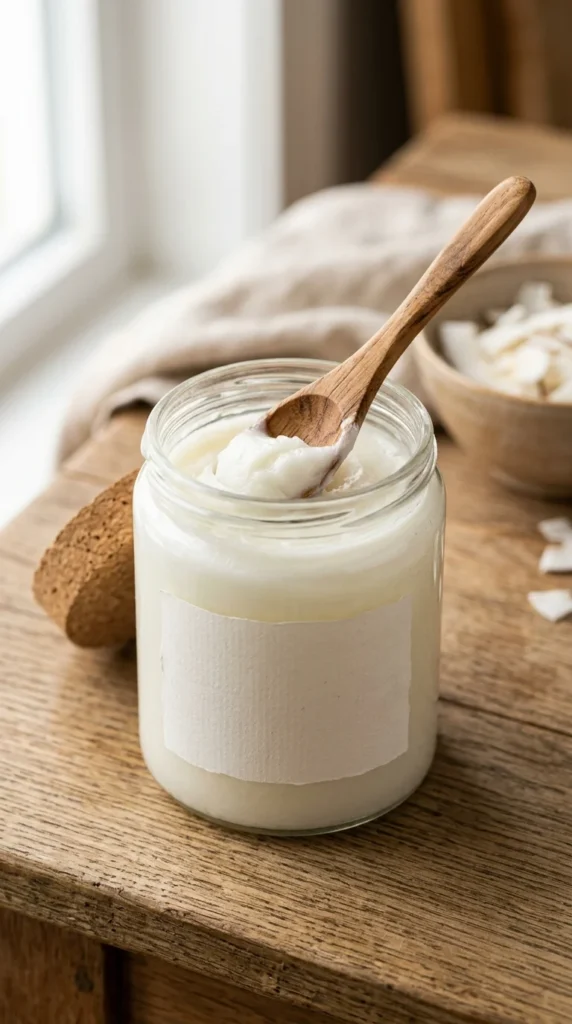
Coconut oil has natural antibacterial and antifungal properties thanks to its high lauric acid content. You can use it as a natural toothpaste or add a small amount to your dog’s food. It helps kill the bacteria responsible for tooth decay and provides a pleasant scent to their breath.
13. Fresh Vegetables
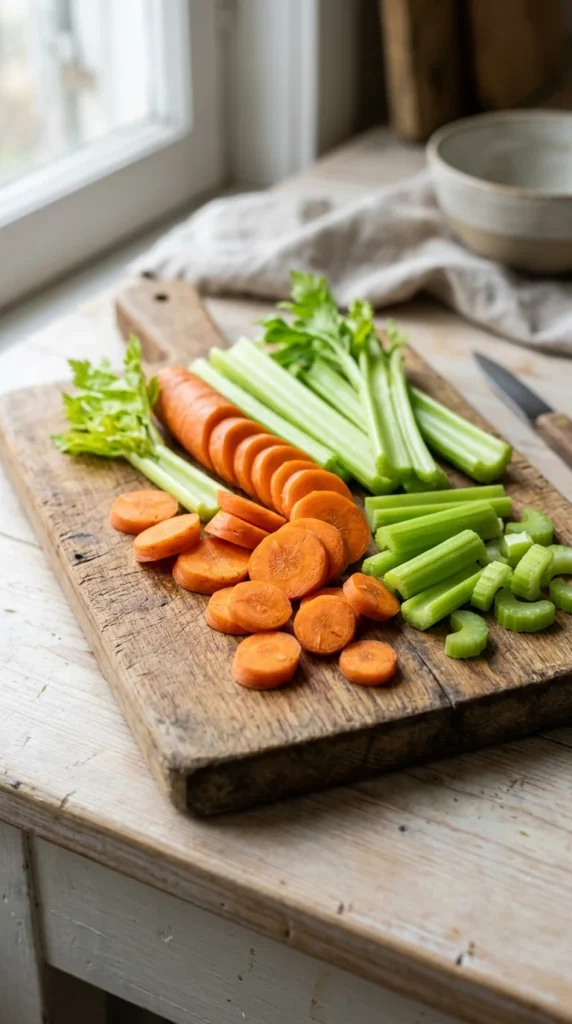
Crunchy, water-rich vegetables like carrots and celery act as nature’s toothbrushes. The mechanical action of chewing these firm veggies helps dislodge food particles. Plus, they are low-calorie treats that provide vitamins and minerals without the sugars found in many commercial snacks.
14. Regular Inspections
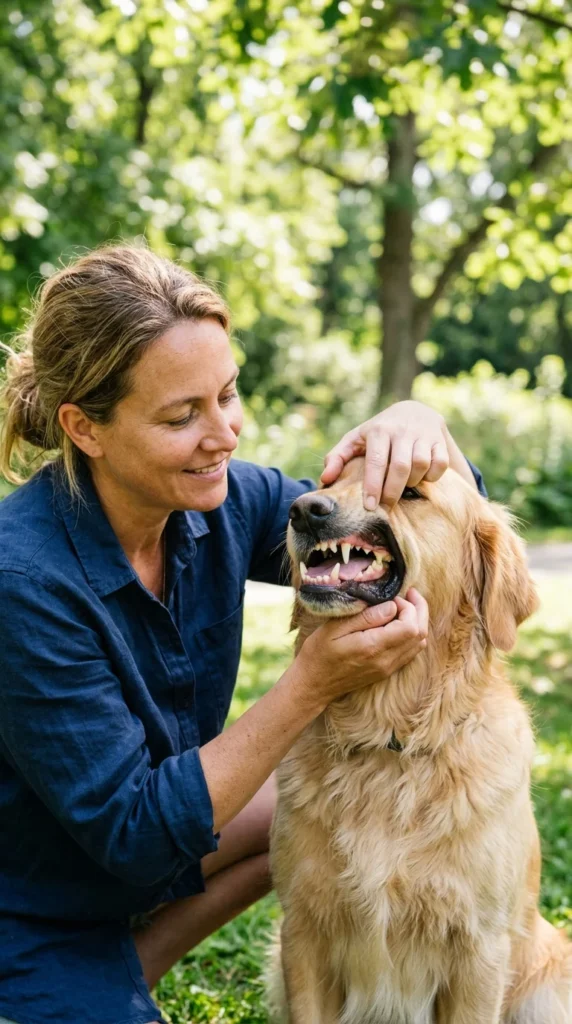
Once a week, perform a “mouth check.” Look for signs of trouble: red or bleeding gums, brownish tartar near the gum line, loose teeth, or unusual lumps. Detecting a problem early can prevent a minor issue from becoming a painful and expensive extraction.
15. Gingival Massages
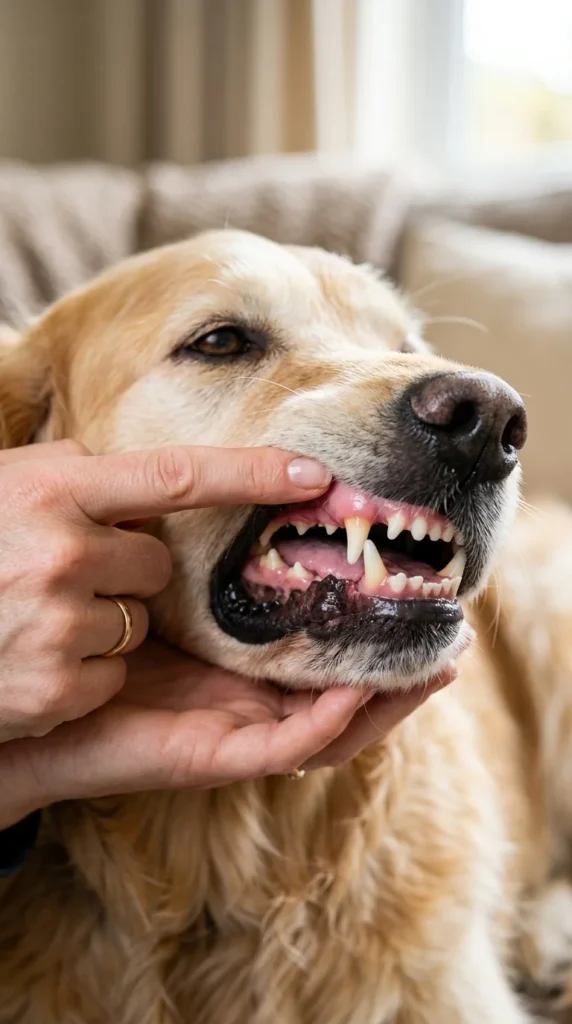
Massaging your dog’s gums stimulates blood flow to the tissue, which promotes healing and strength. Use a finger brush or a clean cloth to rub the gums in a circular motion. This is particularly helpful for older dogs who may have sensitive tissues.
16. Avoiding Sugar
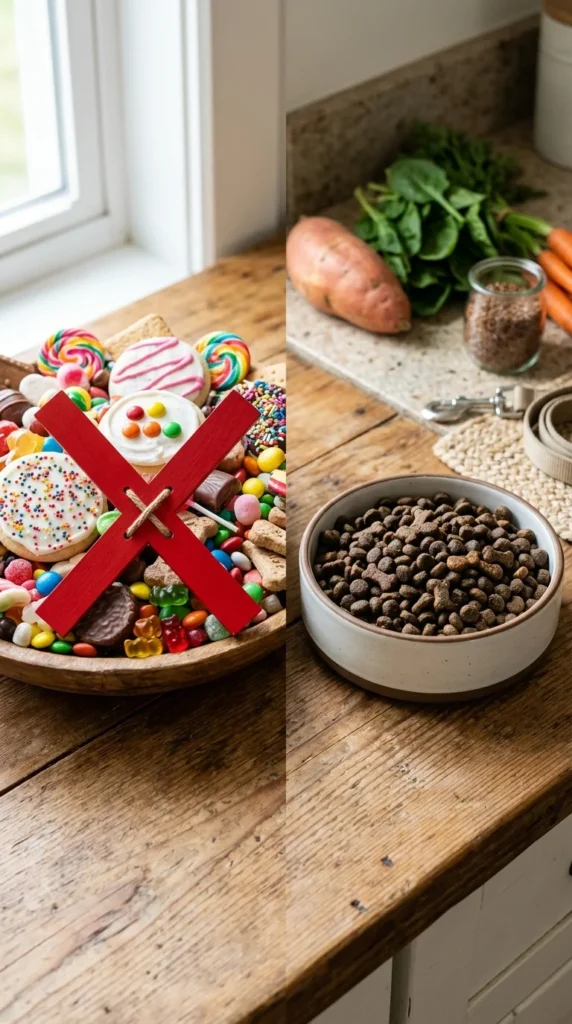
Sugar is the primary fuel for the bacteria that cause tooth decay. Many low-quality dog treats contain hidden sugars or syrups to make them more appealing. Always read the label and opt for treats that are grain-free or have no added sweeteners to keep the bacterial load in the mouth low.
17. Soft Food Caution
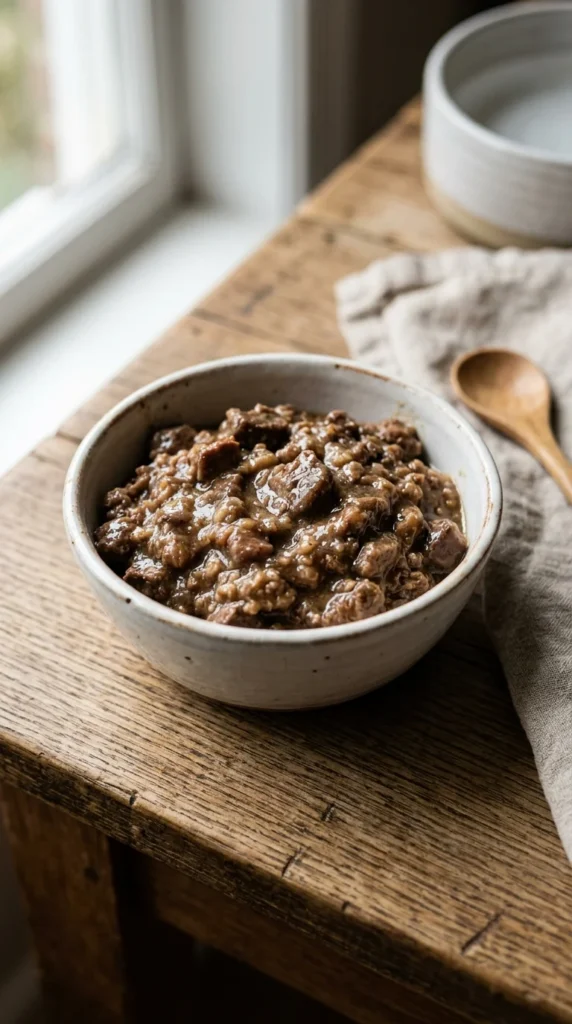
If your dog’s diet consists primarily of soft or wet food, they are at a higher risk for dental issues. Soft food tends to stick to the teeth and get trapped under the gum line more easily than kibble. If you feed wet food, you must be extra vigilant with brushing and other supplemental dental care.
18. VOHC Products
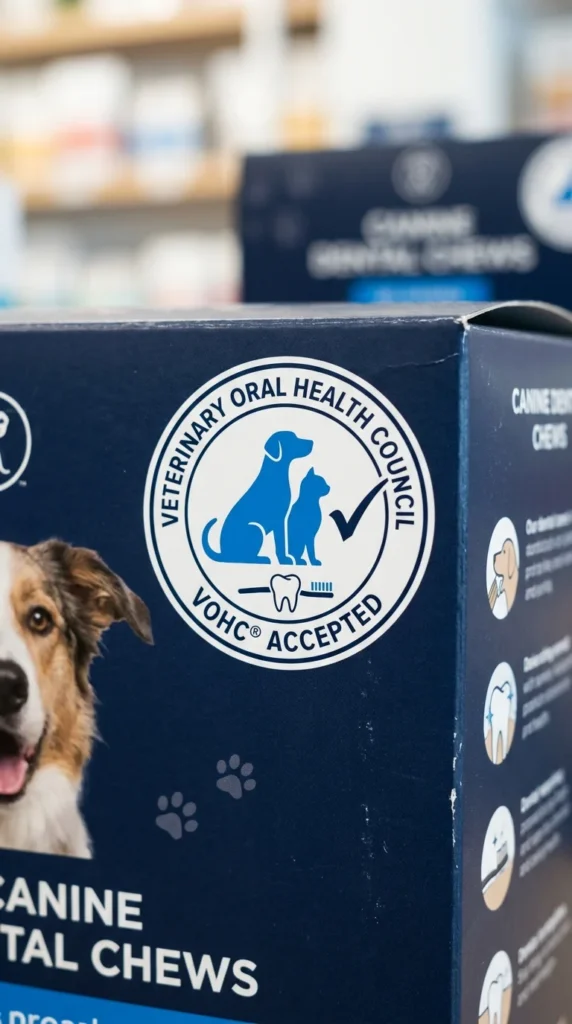
When shopping for dental products, look for the Veterinary Oral Health Council (VOHC) seal of acceptance. This seal is only awarded to products that have been clinically proven to reduce plaque or tartar by a certain percentage. It is the gold standard for verifying that a product actually does what it claims.
19. Hydration
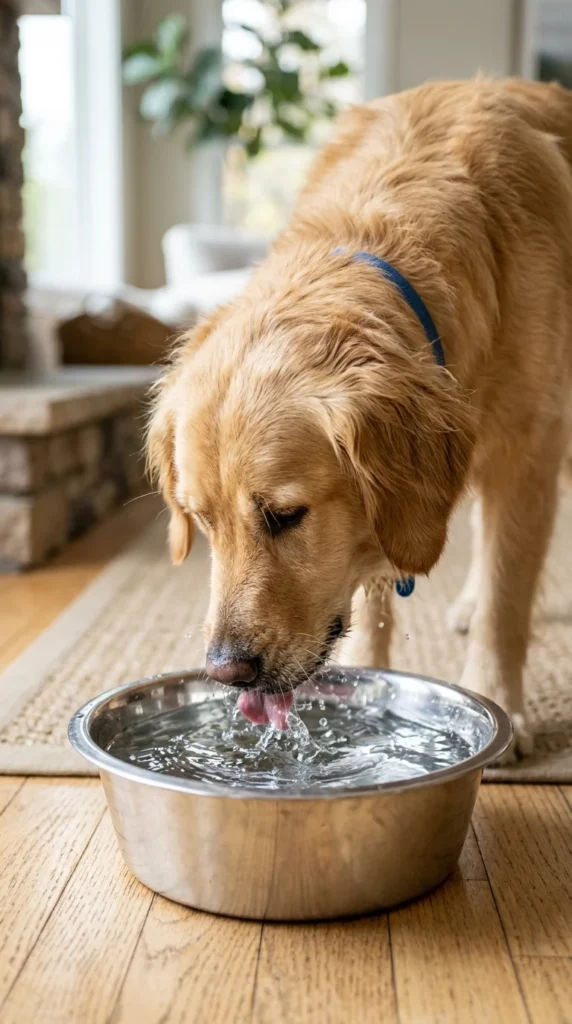
Saliva is a natural defense mechanism for the mouth; it helps wash away food debris and neutralize acids. A dehydrated dog produces less saliva, leading to a “sticky” mouth where bacteria thrive. Ensure your dog has constant access to fresh, clean water to keep their natural cleaning system functioning.
20. Early Training

The best time to start a dental routine is when your dog is a puppy. Handling their mouth, lifting their lips, and touching their teeth from a young age desensitizes them to the process. This makes future brushings and vet exams stress-free for both you and your pet.