
A dog’s skin is their largest organ and their first line of defense against the environment. When something goes wrong with it, the results range from mild annoyance to agonizing discomfort. Seeing your furry friend constantly scratching, licking, or biting at themselves can be heartbreaking and frustrating. Understanding the underlying causes of skin irritation is the first step toward providing relief. Here are 19 common dog skin problems and the best ways to help your pet heal.
1. Allergic Dermatitis
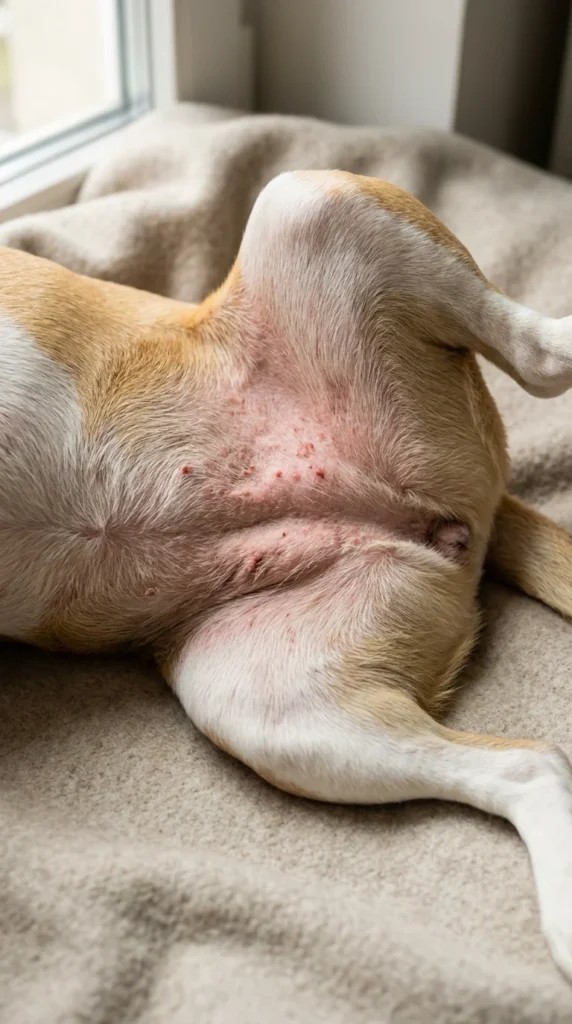
Allergic dermatitis is perhaps the most frequent reason dogs visit the vet for skin issues. Dogs can be allergic to environmental triggers like pollen, mold, or dust mites, or they can have sensitivities to specific ingredients in their food. This condition leads to intense itching, redness, and a “rash” appearance.
How to Help: Identify the trigger through an elimination diet or allergy testing. Your vet may prescribe antihistamines, corticosteroids, or modern biological therapies to block the itch. Frequent baths with hypoallergenic shampoos can also help remove allergens from the coat.
2. Yeast Infection
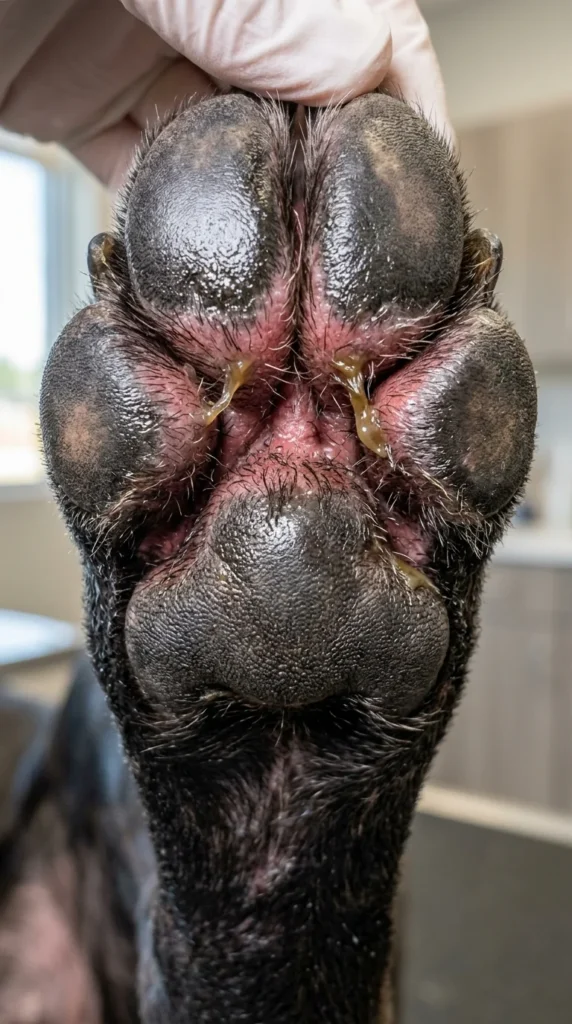
If your dog smells a bit like corn chips or old cheese, they might have a yeast infection. Yeast thrives in warm, moist areas like ear canals and between toe pads. It causes the skin to thicken, darken, and become extremely itchy.
How to Help: Topical treatments are the primary solution. Medicated antifungal shampoos, wipes, and ear drops are often used to kill the overgrowth. Keeping the affected areas dry is crucial for preventing a recurrence.
3. Folliculitis
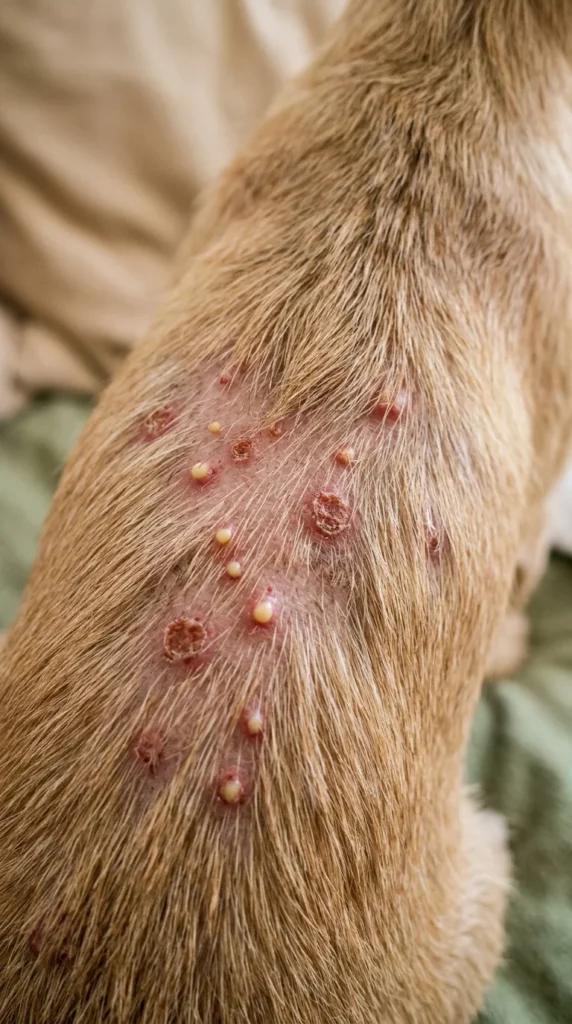
Bacterial folliculitis is an infection of the hair follicles. It often occurs when your dog has another underlying skin problem, such as mange or allergies. It manifests as bumps, sores, and scabs on the skin.
How to Help: Treatment usually involves oral antibiotics and antibacterial ointments or shampoos. It is essential to treat the “primary” condition (like allergies) to prevent the folliculitis from returning.
4. Seborrhea
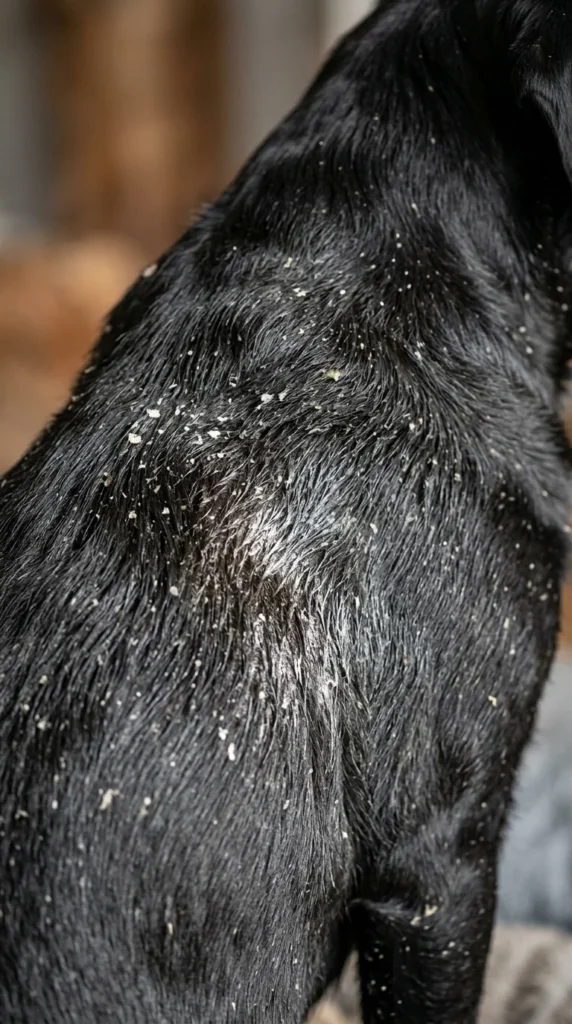
Seborrhea is a condition where the skin’s sebaceous glands produce too much sebum, leading to either dry, flaky skin (dandruff) or oily, greasy skin. It is often a genetic condition but can be triggered by hormonal imbalances.
How to Help: While there is no “cure” for genetic seborrhea, it can be managed with specialized medicated shampoos containing sulfur or salicylic acid. Omega-3 fatty acid supplements can also improve skin health.
5. Ringworm
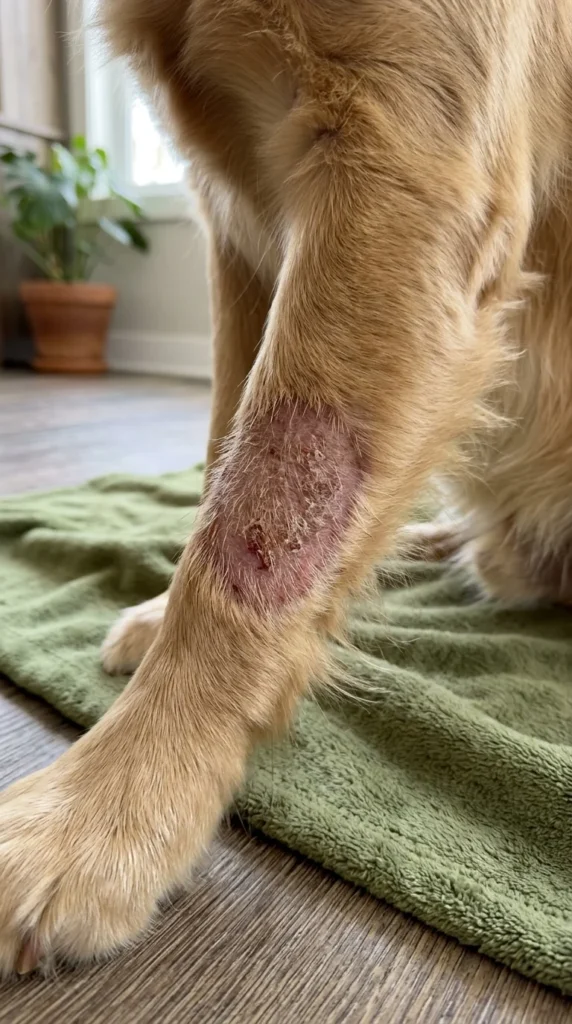
Despite the name, ringworm is not a worm—it’s a fungus. It is highly contagious to other animals and humans. It typically creates circular patches of hair loss with a crusty or red perimeter.
How to Help: Ringworm requires aggressive treatment to prevent spreading. This usually includes antifungal medications (oral or topical) and a deep cleaning of the dog’s environment to kill lingering spores.
6. Sarcoptic Mange
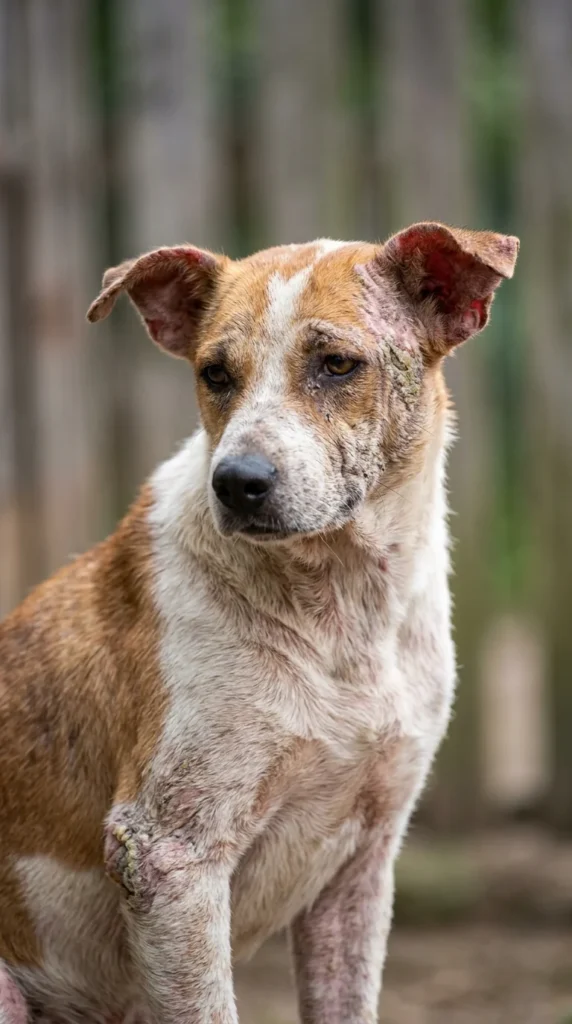
Also known as canine scabies, sarcoptic mange is caused by microscopic mites that burrow into the skin. It is intensely itchy and leads to red skin, sores, and crusty scabs, often starting on the ears, elbows, and chest.
How to Help: Vets treat mange with specialized parasiticides (like ivermectin or selamectin) and medicated dips. Because it is highly contagious, all pets in the house must usually be treated.
7. Demodectic Mange
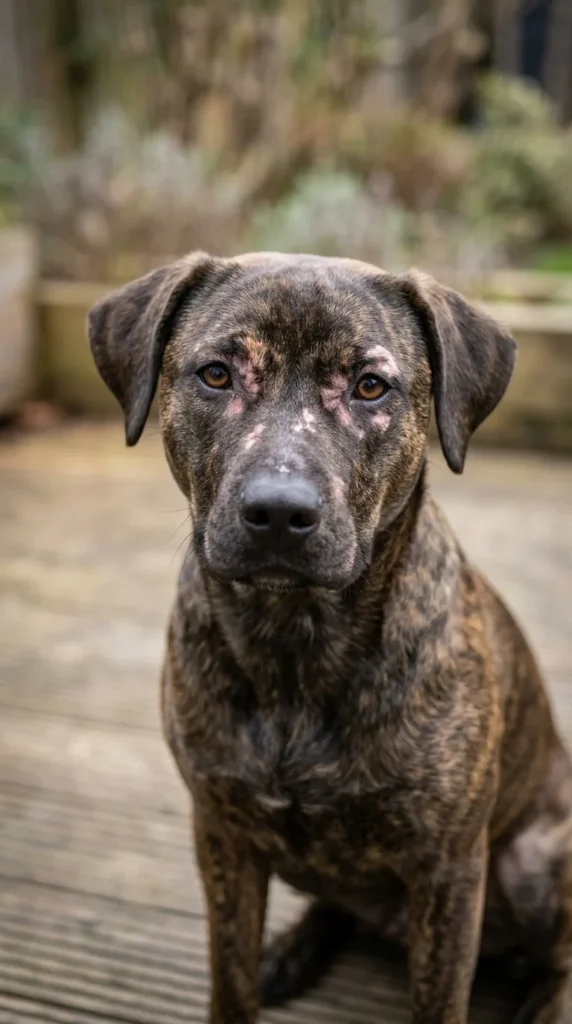
Unlike sarcoptic mange, demodectic mites live naturally on most dogs. Problems only occur when a dog’s immune system is weak, allowing the mite population to explode. It causes hair loss, scaling, and sometimes secondary infections.
How to Help: Treatment depends on whether the mange is localized (small spots) or generalized (all over the body). Boost your dog’s immune system with high-quality nutrition and use vet-prescribed topical or oral mite killers.
8. Fleas
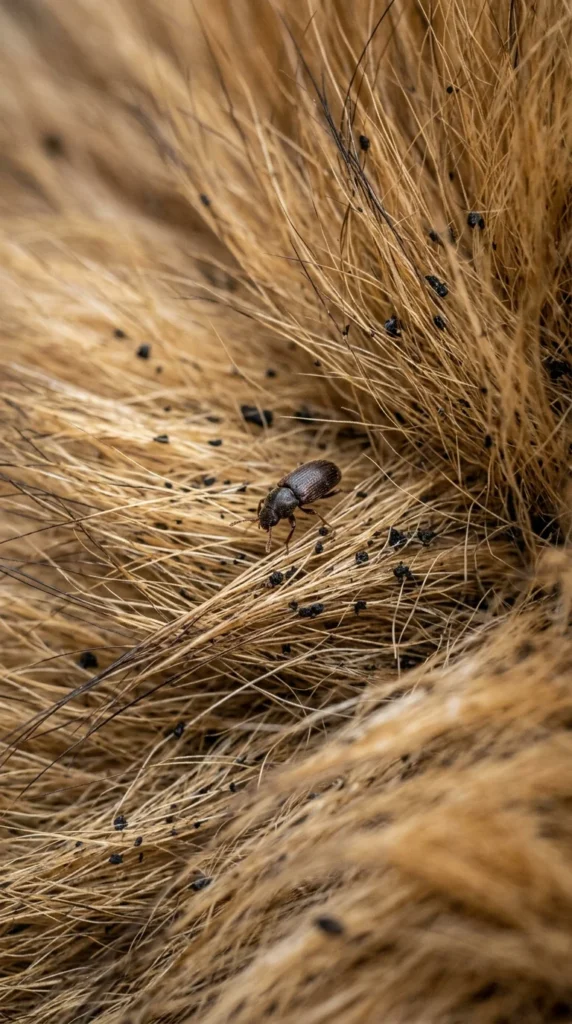
Fleas are a classic nuisance. Some dogs are particularly sensitive to flea saliva, leading to Flea Allergy Dermatitis (FAD). Even a single bite can cause a dog to scratch and bite themselves raw.
How to Help: The best help is prevention. Use a monthly flea preventative (pill or topical). If an infestation occurs, you must treat the dog, the house, and the yard simultaneously.
9. Ticks
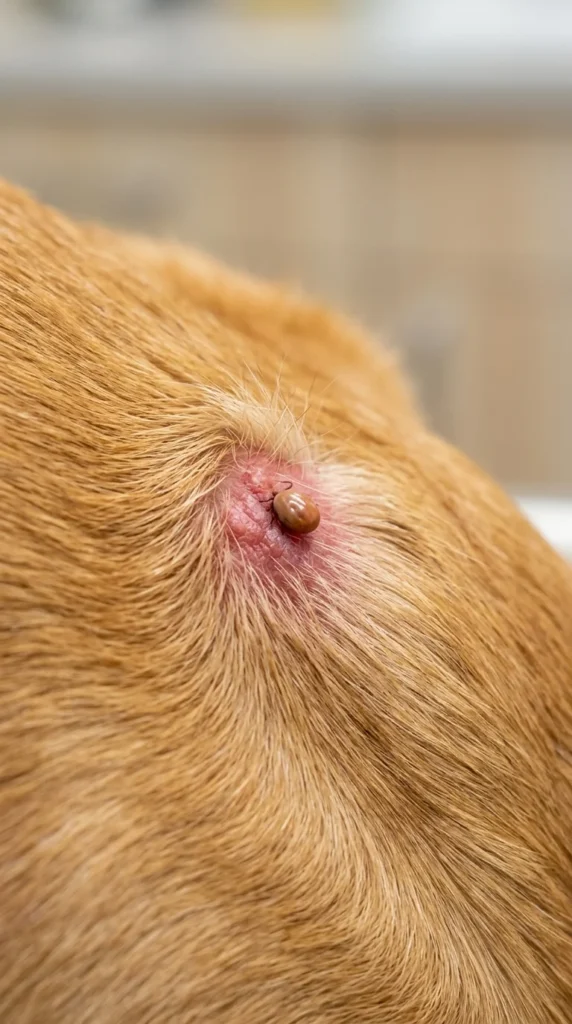
Ticks bury their heads into a dog’s skin to feed on blood. Aside from the physical irritation and the risk of infection at the bite site, ticks are dangerous because they carry diseases like Lyme disease and Rocky Mountain spotted fever.
How to Help: Remove ticks carefully with tweezers, ensuring the head is not left behind. Use tick preventatives year-round, and check your dog’s body thoroughly after walks in wooded or grassy areas.
10. Color or Texture Changes
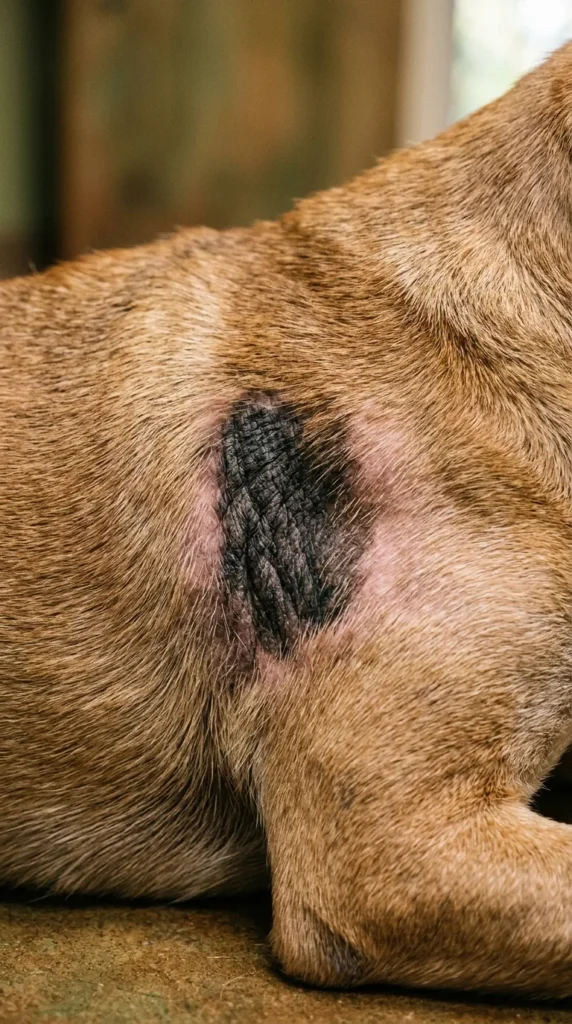
If you notice your dog’s skin turning black or becoming very thick and leathery (elephant skin), it is usually a sign of chronic irritation or a metabolic/endocrine disorder like Cushing’s disease or hypothyroidism.
How to Help: Since this is usually a symptom of a deeper issue, a full blood panel at the vet is necessary. Treating the underlying hormonal or chronic inflammatory issue will often help the skin return to its normal state.
11. Dry, Flaky Skin
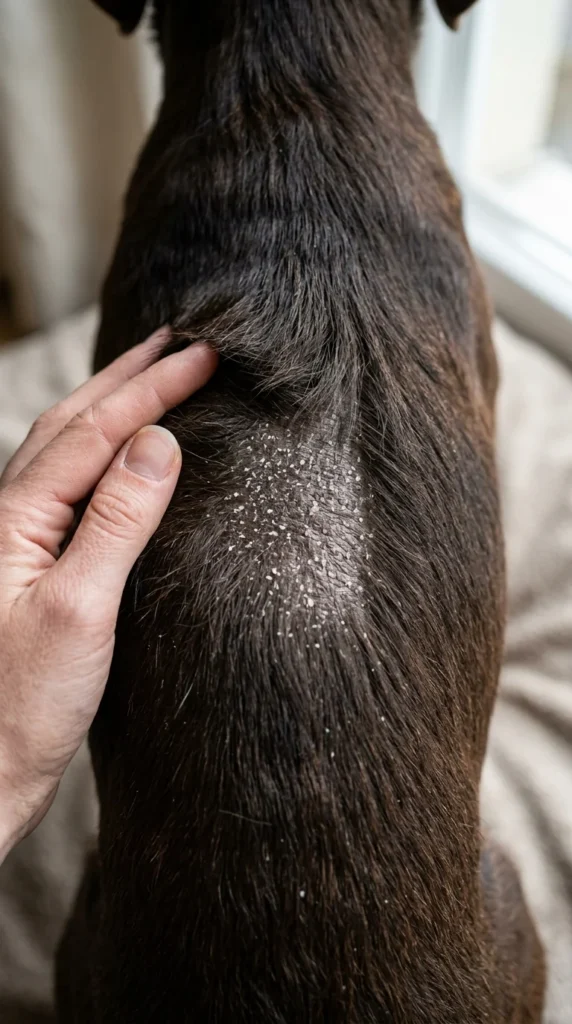
Dry skin is common in winter months or in dry climates. It can be caused by low humidity, over-bathing, or a lack of essential fatty acids in the diet. It causes mild itching and a dull coat.
How to Help: Switch to a moisturizing, oatmeal-based shampoo and bathe your dog less frequently. Adding a fish oil supplement to their food can provide the internal hydration their skin needs.
12. Acral Lick Dermatitis
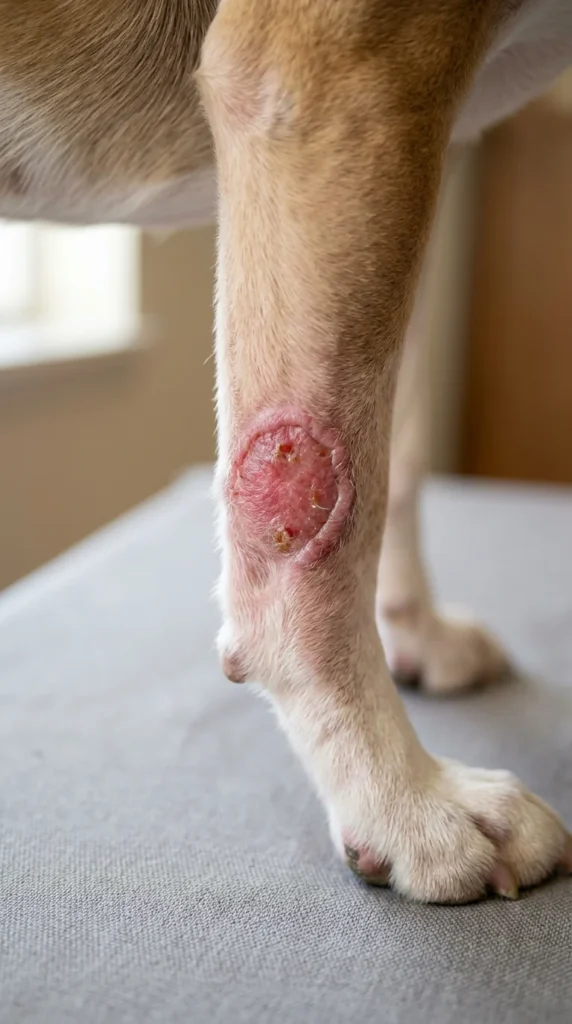
Also called a lick granuloma, this condition occurs when a dog licks one spot (usually the lower leg) obsessively. It often starts due to an itch or injury but continues as a behavioral or compulsive habit.
How to Help: Treatment involves addressing the physical wound with antibiotics and then tackling the behavior. This might include using an Elizabethan collar (the “cone of shame”), bitter-tasting sprays, or addressing underlying anxiety/boredom.
13. Skin Tumors

Lumps and bumps are common as dogs age. While many are benign lipomas (fatty tumors), others can be malignant mast cell tumors or melanomas. You cannot tell if a lump is dangerous just by looking at it.
How to Help: Any new lump should be checked by a vet. They will likely perform a Fine Needle Aspirate (FNA) to collect cells and see if the growth is cancerous. Early surgical removal is often the best course of action for suspicious masses.
14. Alopecia (Hair Loss)

Hair loss can occur in patches or over the entire body. It can be caused by anything from stress and poor nutrition to hormonal imbalances or genetics (such as “Color Dilution Alopecia”).
How to Help: Consult a vet to rule out parasites or thyroid issues. Improving the diet with high-quality proteins and biotin can sometimes stimulate hair regrowth if the cause isn’t genetic.
15. Ear Infections
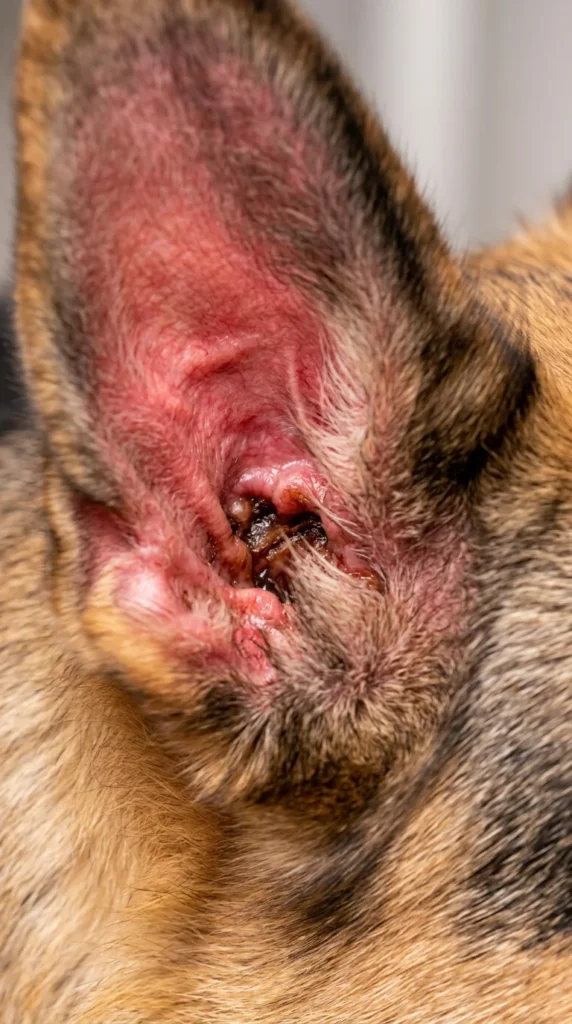
While not strictly “skin” on the outside, the lining of the ear is an extension of the skin. Chronic scratching at the ears or head shaking usually points to an infection caused by yeast, bacteria, or ear mites.
How to Help: Do not put anything in the ear without a vet’s advice, as a ruptured eardrum can lead to deafness. A vet will clean the ear and prescribe medicated drops. Regular cleaning with a pet-safe ear cleaner can prevent future issues.
16. Environmental Irritants

Contact dermatitis occurs when a dog’s skin reacts to something they physically touch, such as lawn chemicals, certain floor cleaners, or even specific types of synthetic carpet fibers. This usually results in a rash on the paws and belly.
How to Help: Rinse your dog’s paws after walks and use pet-safe cleaning products in your home. If you suspect a specific irritant, try to remove it from the dog’s environment and use a soothing aloe or oatmeal spray to calm the skin.