
For many dog owners, the sound of “click-click-click” on the hardwood floor is a dreaded signal. It means it’s time for a nail trim—a task that often ranks right up there with bath time on the list of “things my dog hates.” However, maintaining your dog’s nails is about more than just protecting your floors and furniture. Overgrown nails can cause pain, affect a dog’s gait, and even lead to long-term skeletal issues or infections.
The secret to a stress-free grooming session isn’t just about the physical act of cutting; it’s about preparation, psychology, and the right equipment. Whether you have a tiny Chihuahua or a massive Great Dane, these 16 tips will help transform a high-tension chore into a bonding experience.
1. Quality Tools
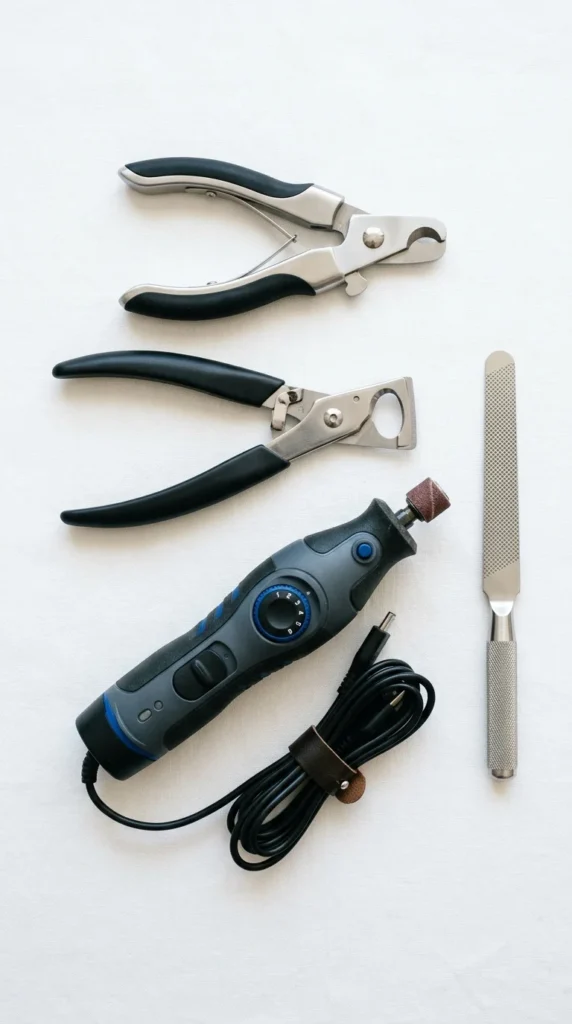
The difference between a clean cut and a painful crush often comes down to the quality of your tools. Cheap, dull clippers can squeeze the nail before cutting, which causes significant discomfort for your pet. Invest in high-quality, stainless steel pliers-style clippers or a professional-grade rotary grinder. Ensure the blades are sharp; if you’ve been using the same pair for years, it’s likely time for a replacement or a professional sharpening.
2. Early Desensitization

The best way to ensure a lifetime of easy nail trims is to start when your dog is a puppy. However, even older dogs can be “re-trained.” Spend time every day touching your dog’s paws, spreading their toes, and clicking the clippers near them without actually cutting anything. This desensitizes them to the sensation of being handled and the sounds associated with grooming, making the actual process far less frightening.
3. High-Value Rewards
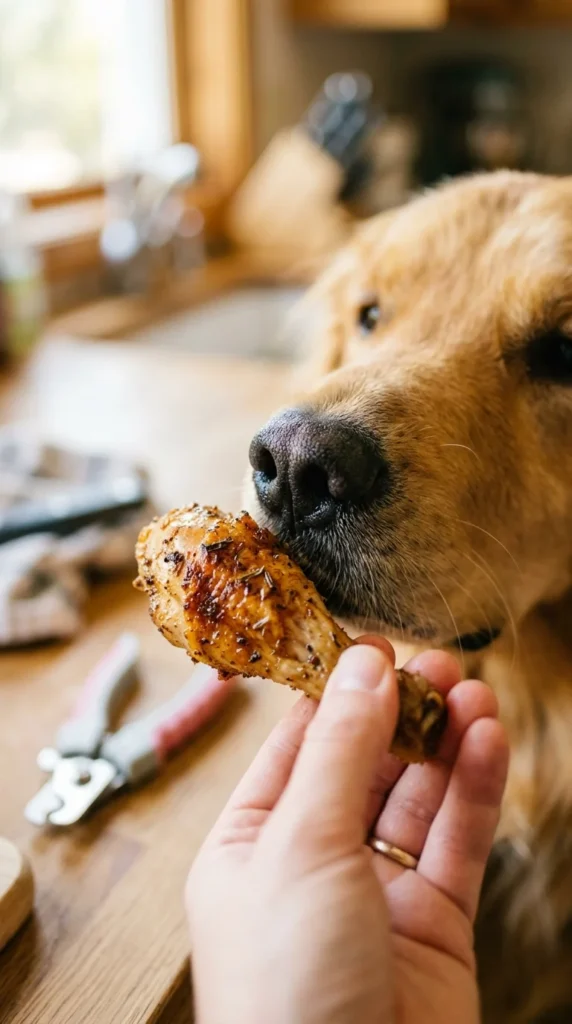
Nail trimming should be the “happiest time of the day.” Use treats that your dog rarely gets otherwise—think small pieces of boiled chicken, cheese, or specialized high-protein training treats. The goal is to create a “positive association.” If the dog learns that a nail trim results in a jackpot of their favorite snacks, their resistance will melt away over time.
4. Bright Lighting
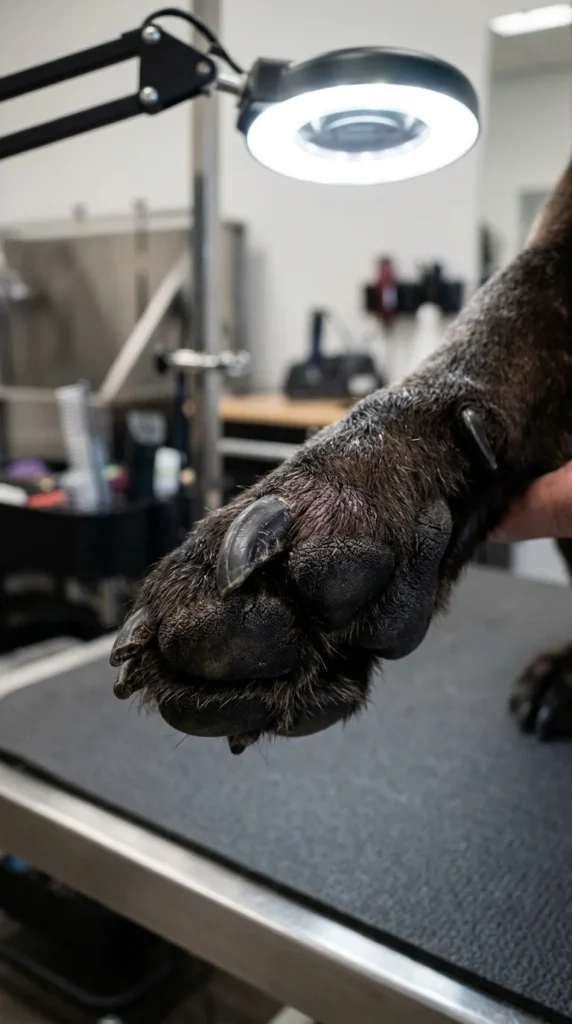
You cannot cut what you cannot see. Shadows are the enemy of a safe nail trim, especially if your dog has dark or black nails. Work in a well-lit room or use a dedicated grooming lamp. Some modern clippers even come with built-in LED lights designed to illuminate the “quick” (the blood vessel inside the nail), providing an extra layer of safety.
5. Anatomy Knowledge
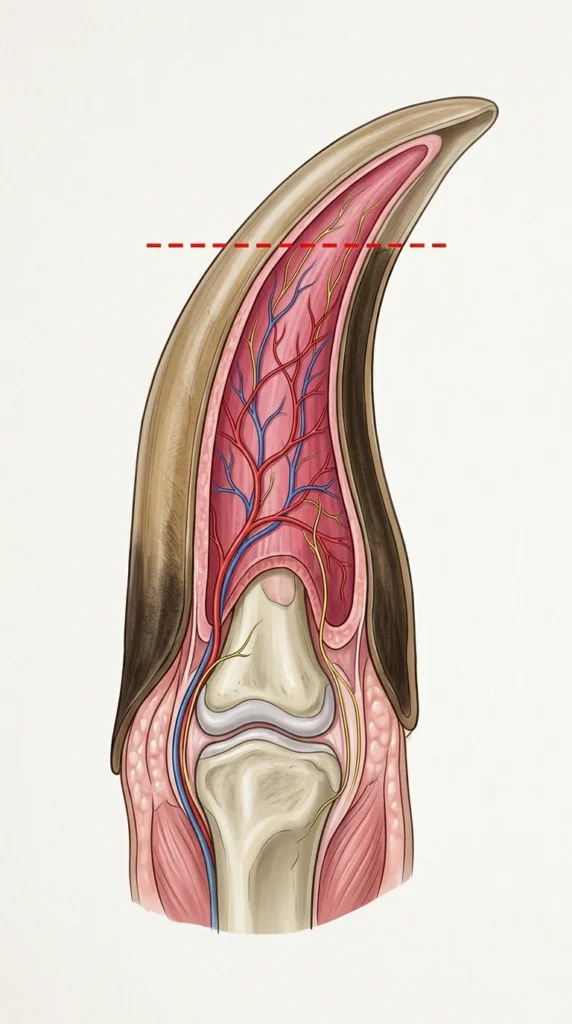
Before you even touch the clippers, you must understand the “quick.” This is the living part of the nail that contains blood vessels and nerves. In clear or white nails, it looks like a pinkish area. In black nails, it’s invisible from the outside. Cutting into the quick is painful and causes bleeding. Understanding where it starts and ends is the foundation of a confident grooming session.
6. 45-Degree Angle
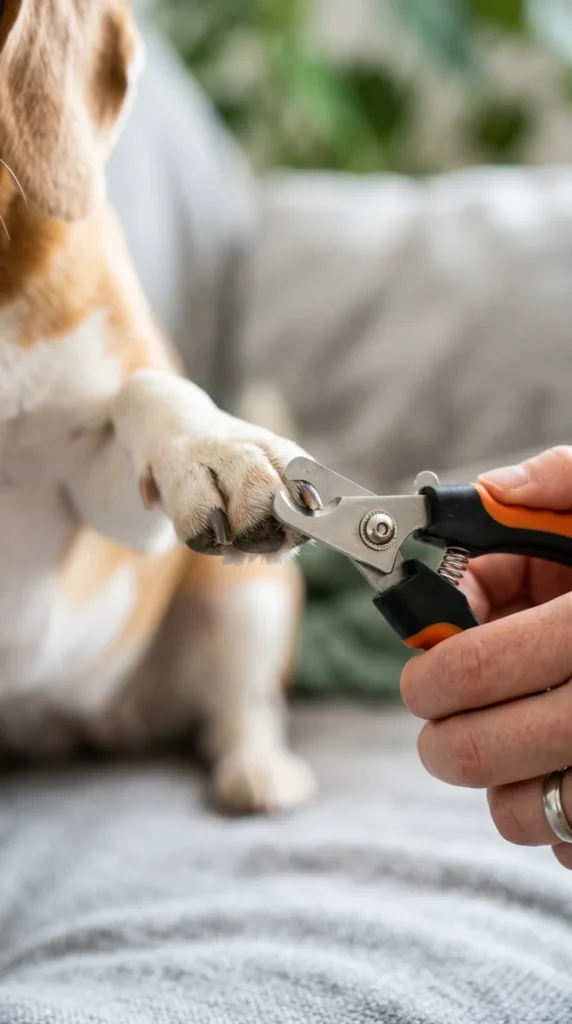
The angle of the cut matters for both the comfort of the dog and the health of the nail. You should always aim to cut at a 45-degree angle, following the natural curve of the nail. This prevents the nail from splintering and ensures that when the dog walks, the nail doesn’t strike the ground at an awkward, uncomfortable angle.
7. Thin Slices
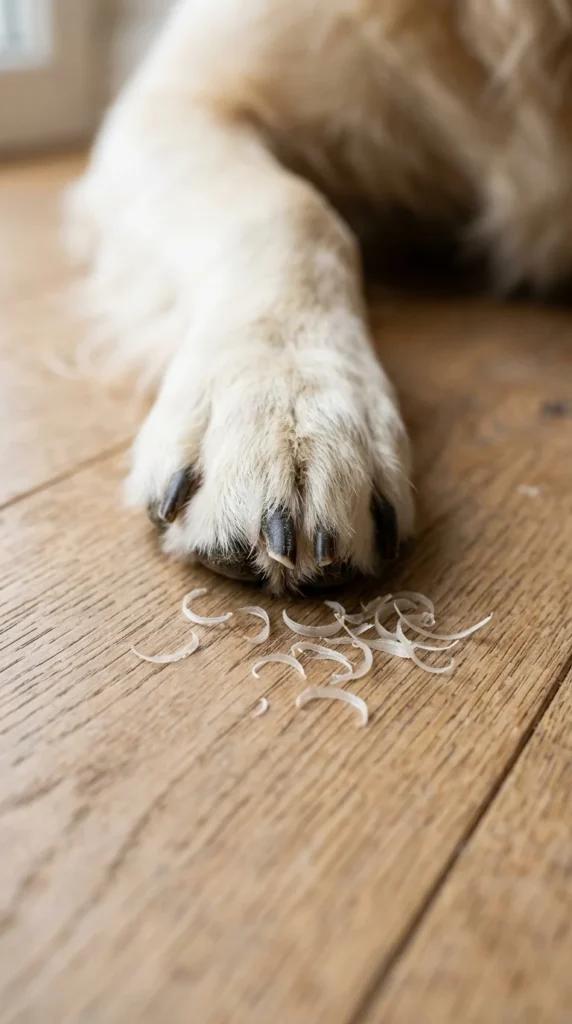
Instead of trying to take off the entire length in one “big gulp,” take several tiny, thin slices. This “salami-slicing” technique allows you to check the center of the nail after every snip. As you get closer to the quick, the center of the nail will start to look soft and moist or show a small dark dot. That is your signal to stop.
8. Emergency Kit

Accidents happen to the best of us. If you do accidentally “quick” your dog, do not panic. Your dog will react to your stress more than the actual nip. Keep styptic powder (like Kwik Stop) within arm’s reach. If you don’t have styptic powder, a mixture of cornstarch and baking soda can work in a pinch to stop the bleeding. Apply pressure and stay calm.
9. Nail Grinders
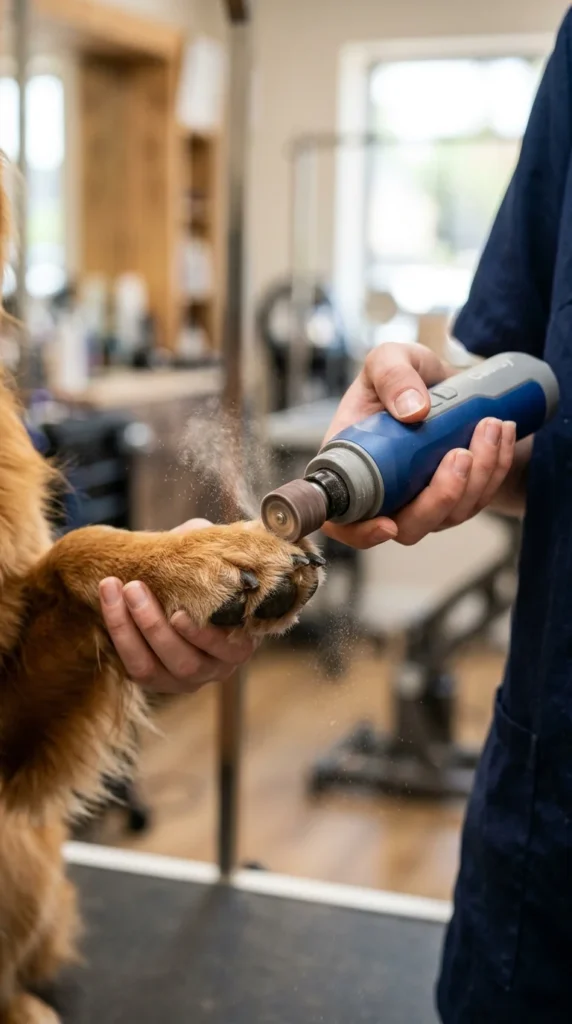
For dogs that are terrified of the “snap” sound of clippers, an electric grinder (often called a Dremel) is a fantastic alternative. It slowly files the nail down, allowing you to get much closer to the quick without the risk of a sudden deep cut. It also leaves the nails smooth, preventing the scratches on your legs and furniture that often follow a fresh clipper trim.
10. Extra Hands
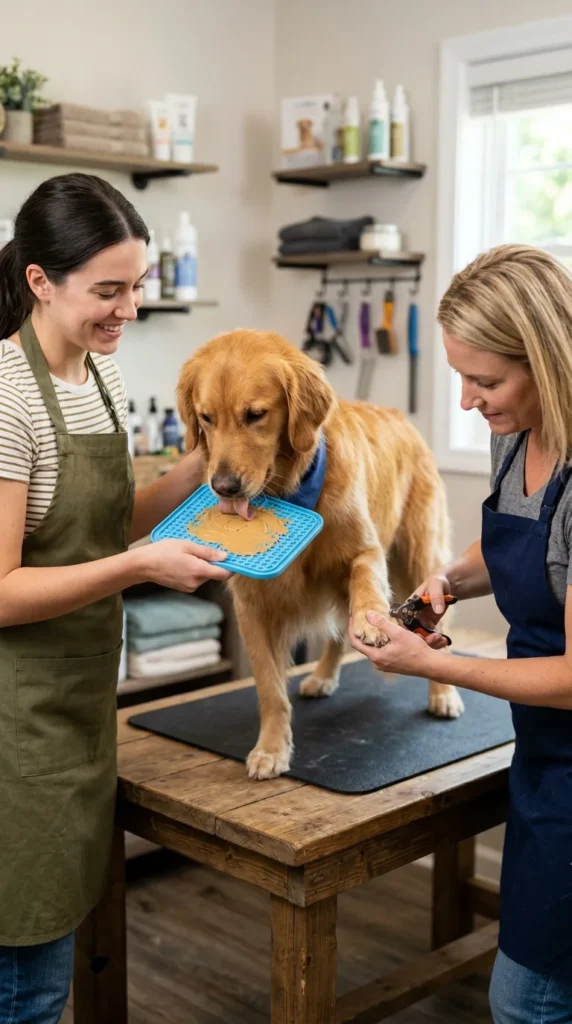
Don’t be afraid to ask for help. Having a second person to provide “distraction therapy”—like scratching the dog’s ears or holding a lick-mat covered in peanut butter—allows the person trimming to focus entirely on the paws. This division of labor makes the process faster and significantly safer for everyone involved.
11. Peaceful Environment

Environment is everything. If the house is chaotic, the kids are running around, and the TV is blaring, your dog is already going to be on edge. Choose a quiet time of day when the house is still. Some owners find that playing soft classical music or using pheromone diffusers can help create a relaxing atmosphere that lowers the dog’s heart rate.
12. Gentle Handling
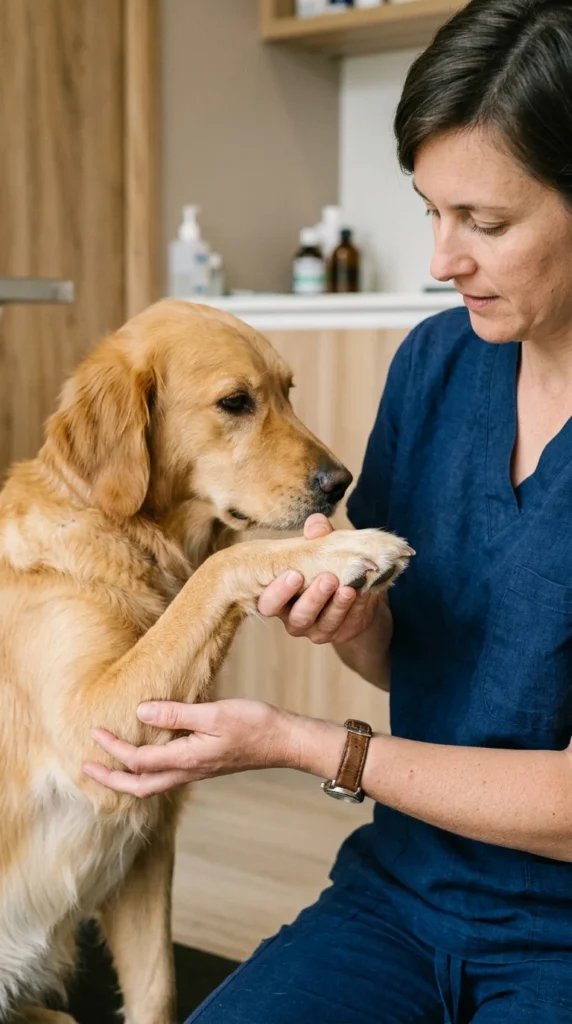
Avoid “wrestling” with your dog. If you squeeze their paw too hard or pull their leg out at an unnatural angle, they will fight to get away. Instead, learn to hold the paw in a way that is supportive but firm. Use your thumb to gently press the top of the toe while your index finger supports the pad; this naturally extends the nail for easier access.
13. Regular Schedule

The more often you trim, the more the quick recedes. If you only trim your dog’s nails once every three months, the quick will stay long, making it impossible to get the nails to a healthy length. By trimming a tiny bit every 1–2 weeks, you encourage the blood vessel to move back, eventually allowing for shorter, healthier nails.
14. Traction Control
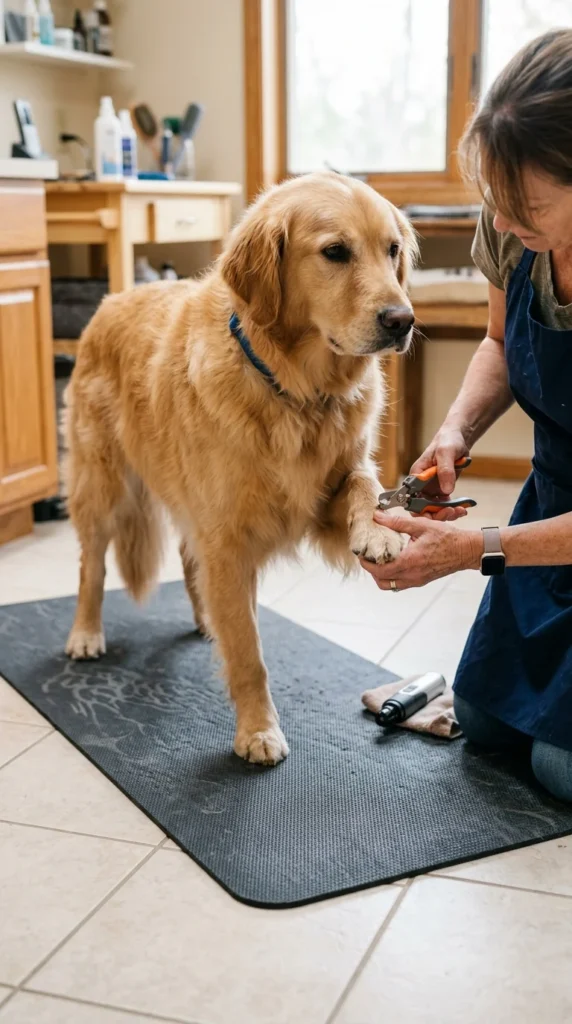
Slipping causes anxiety. If you are trimming your dog’s nails on a tile or hardwood floor, they may feel unstable, leading them to panic and pull away. Perform the grooming on a non-slip surface like a yoga mat, a thick rug, or even a specialized grooming table with a rubberized top. Stability leads to confidence.
15. Clear View
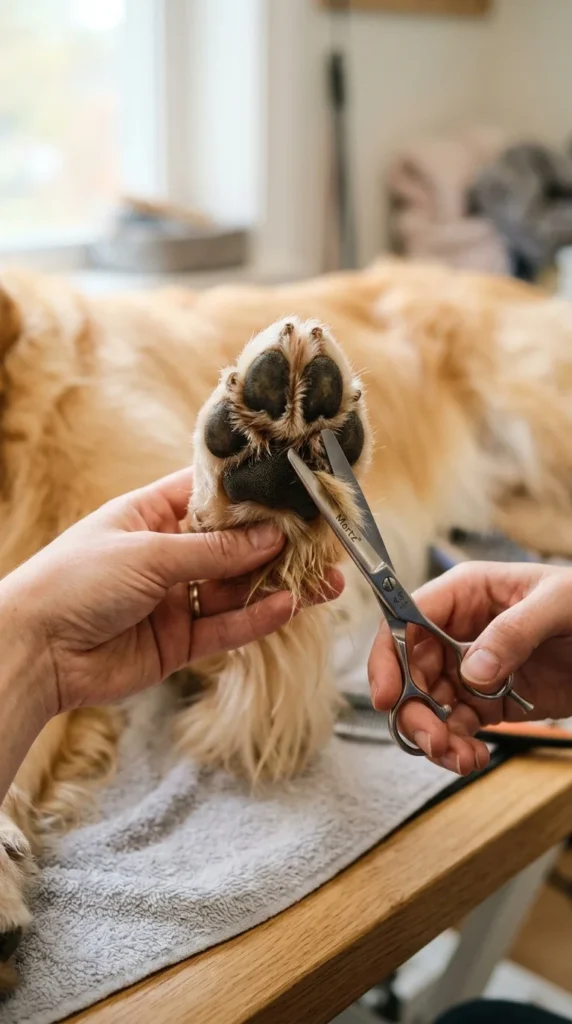
If you have a long-haired breed, the “toe floof” can hide the base of the nail and get caught in your clippers or grinder. Before you start the nail trim, use a small pair of safety shears or a mini-trimmer to clear away the excess hair between the pads. This gives you a clear line of sight and prevents painful hair-pulling during the process.
16. Professional Advice
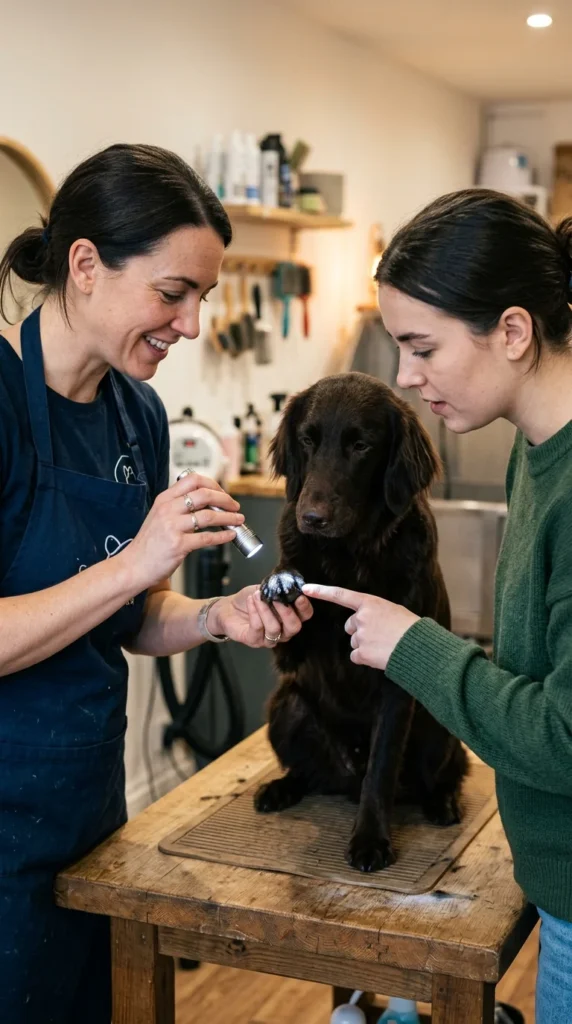
There is no shame in seeking professional help. If your dog is extremely aggressive or fearful, or if you simply cannot see the quick on their dark nails, ask your vet or a professional groomer for a demonstration. They can teach you restraint techniques and specific tricks for your dog’s unique nail shape. Sometimes, a few professional sessions are all it takes to give you the confidence to take over at home.