
Watching your furry best friend suffer from anxiety can be heartbreaking. Whether it’s the booming crack of a thunderstorm, the piercing whine of a vacuum cleaner, or the dread of being left alone, canine anxiety manifests in many ways—from pacing and panting to destructive chewing. Fortunately, the world of pet care has evolved, offering a wide array of natural, mechanical, and behavioral solutions to help your dog find their “zen.”
Here are 24 comprehensive remedies to help calm a nervous dog and restore peace to your household.
1. Physical Exercise
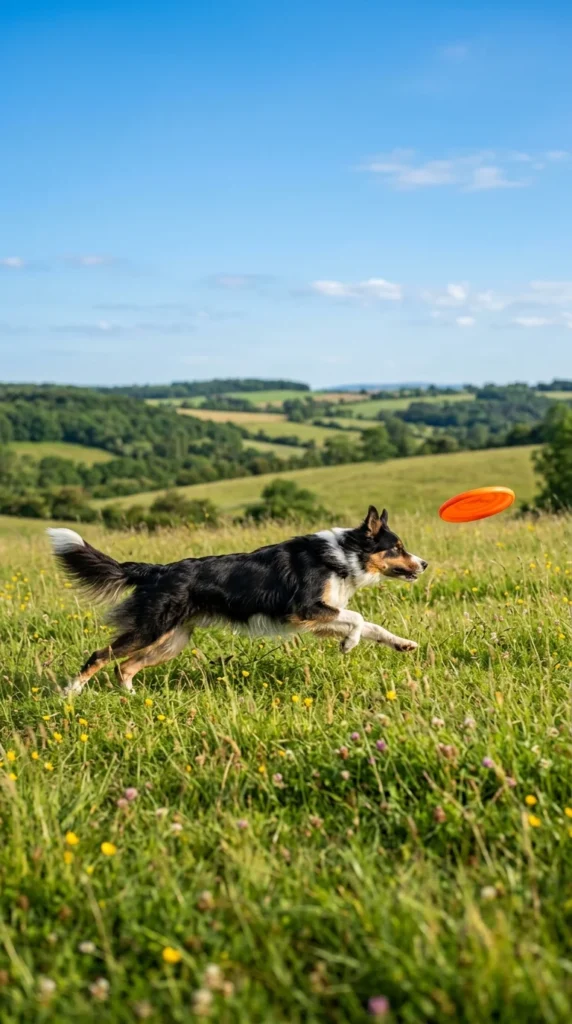
One of the most effective ways to manage anxiety is to burn off excess energy. Just like humans, dogs produce “feel-good” endorphins when they exercise. A tired dog is generally a calmer dog. If your pet has a pent-up reservoir of energy, that energy often transforms into nervous tension. By providing long walks, games of fetch, or vigorous hiking, you help lower their baseline stress levels, making them less reactive to triggers.
2. Compression Wraps
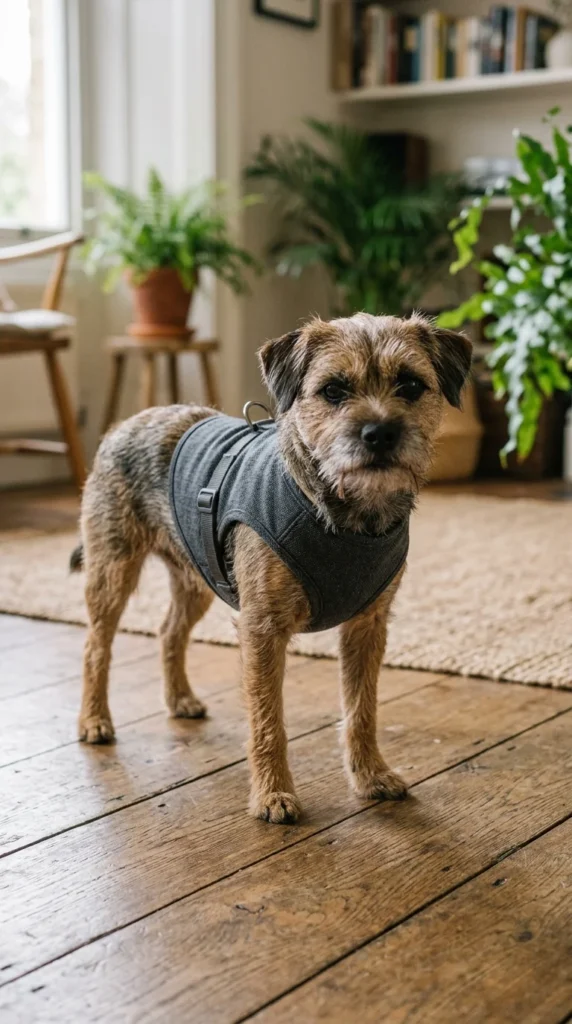
Commonly known as “Thundershirts,” these garments work on the principle of maintained pressure, similar to swaddling a baby or using a weighted blanket. The gentle, constant pressure on the dog’s torso can have a dramatic calming effect on the nervous system. This is particularly effective for dogs with noise phobias (like fireworks) or travel anxiety.
3. Pheromone Diffusers
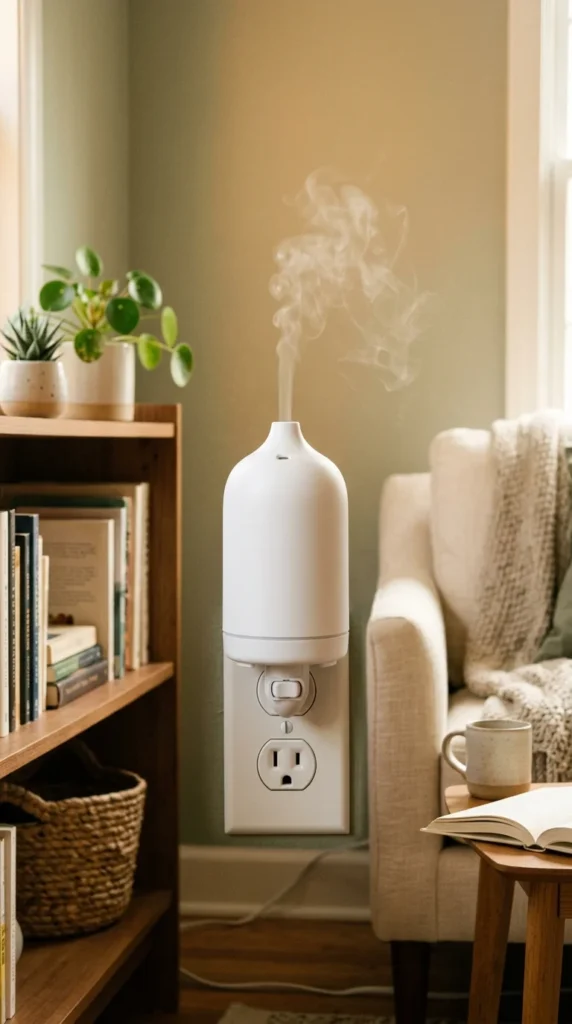
Synthetically produced pheromones mimic the natural “appeasing” pheromones produced by mother dogs to comfort their puppies. These scents are odorless to humans but send a powerful chemical signal to dogs that they are in a safe, secure environment. Diffusers are excellent for general separation anxiety or helping a dog adjust to a new home.
4. Calming Music

Sound therapy is a scientifically backed method for reducing canine stress. Specific genres, particularly classical music, soft jazz, or specially designed “bioacoustic” tracks, can lower a dog’s heart rate. These melodies help mask startling outdoor noises and provide a consistent, soothing auditory environment during stressful times.
5. CBD Oil

Cannabidiol (CBD) derived from hemp has gained massive popularity as a natural anxiety remedy. It interacts with the endocannabinoid system to help regulate mood and stress responses without the psychoactive effects of THC. Many owners find it helps with everything from situational anxiety to chronic nervousness in senior dogs.
6. Lick Mats
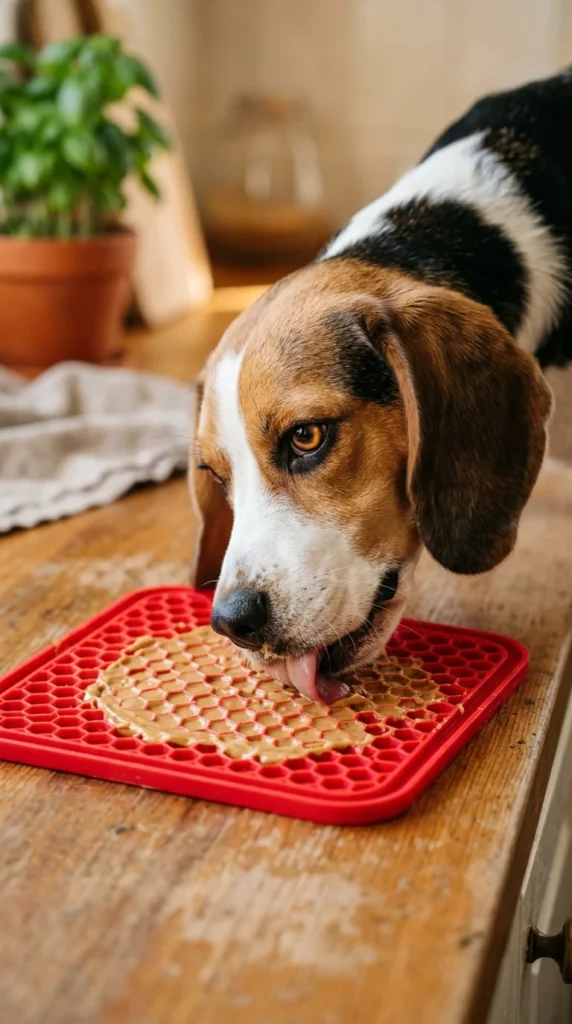
Licking is a self-soothing behavior for dogs. It releases endorphins that help them relax. Lick mats—textured silicone pads that you can smear with soft foods like yogurt, peanut butter, or pumpkin—provide a repetitive, distracting task that keeps a dog occupied and calm during high-stress moments like grooming or thunderstorms.
7. Massage Therapy
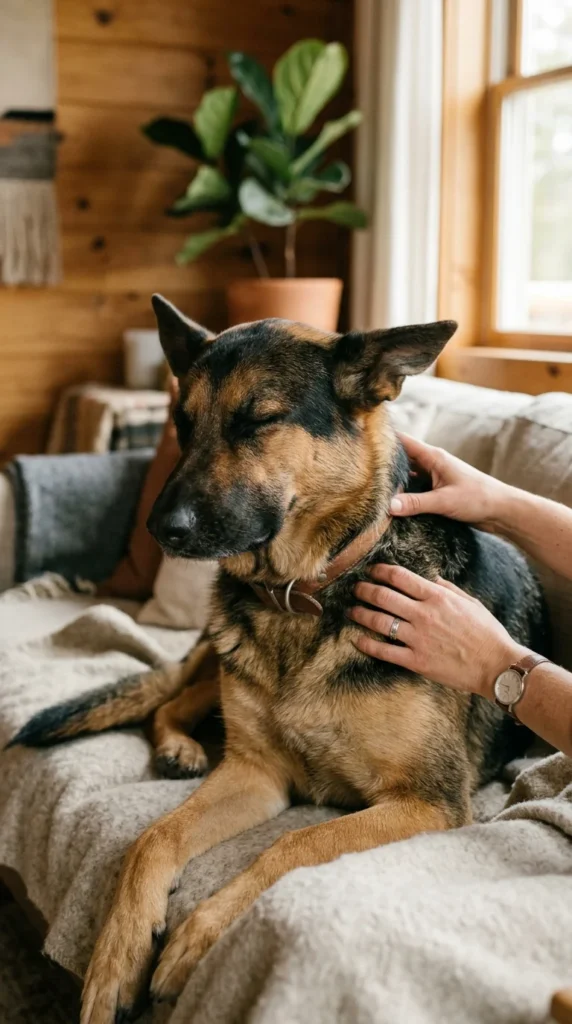
You don’t have to be a professional to give your dog a calming massage. Using long, slow strokes and gentle circular motions starting from the neck and moving down the spine can significantly lower a dog’s cortisol levels. Massage also helps you bond with your pet and allows you to check for any physical tension or hidden injuries.
8. Calming Beds

Also known as “anti-anxiety beds,” these are designed with high, bolstered edges that create a sense of security and mimic the feeling of being curled up against a mother or littermate. The soft, shaggy fabric allows dogs to “burrow,” satisfying their natural nesting instinct and helping them feel protected from all sides.
9. White Noise
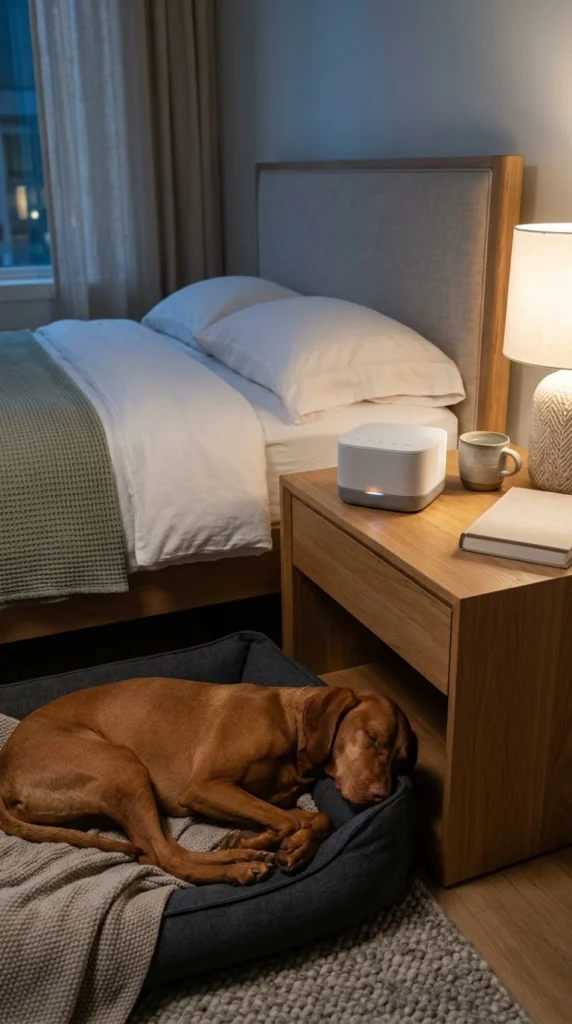
For dogs that react to every sound in the hallway or the street, a white noise machine can be a lifesaver. By creating a consistent “wall of sound,” these machines drown out the sharp, sudden noises that trigger barking or pacing. This is an essential tool for city dwellers or dogs living in busy apartment complexes.
10. Mental Stimulation
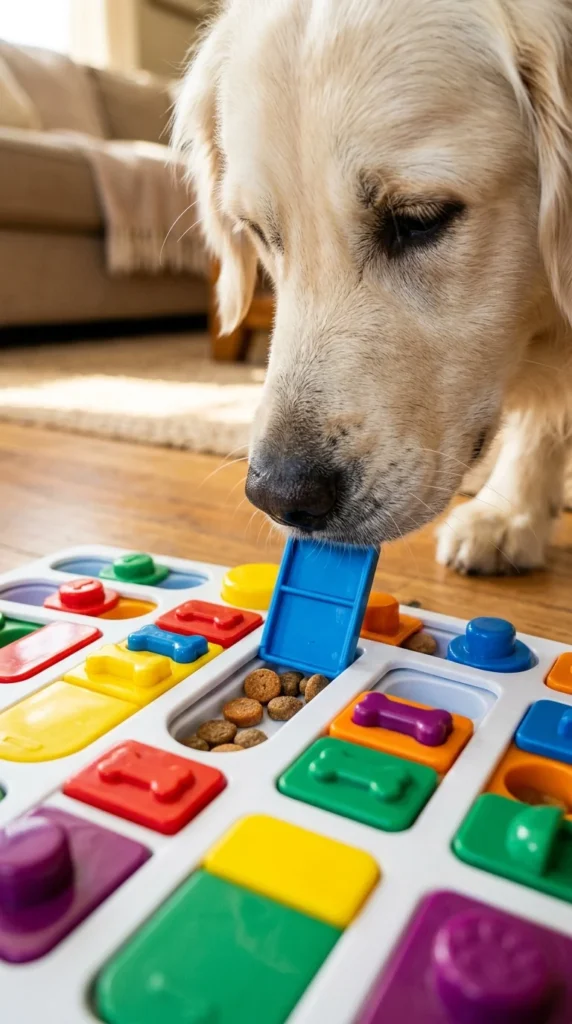
Anxiety often stems from boredom or a lack of purpose. Interactive puzzles and brain games force a dog to focus their mental energy on a specific task. When a dog is concentrated on solving a puzzle for a reward, they have less “brain space” to worry about the person leaving the house or the rain hitting the roof.
11. Essential Oils

Certain scents, particularly lavender and chamomile, have been shown to have a sedative effect on the canine central nervous system. It is crucial to use pet-safe, diluted oils and never apply them directly to the dog’s skin without professional guidance. Often, simply letting the dog sniff a cloth with a drop of lavender can help settle them before a car ride.
12. Desensitization Training
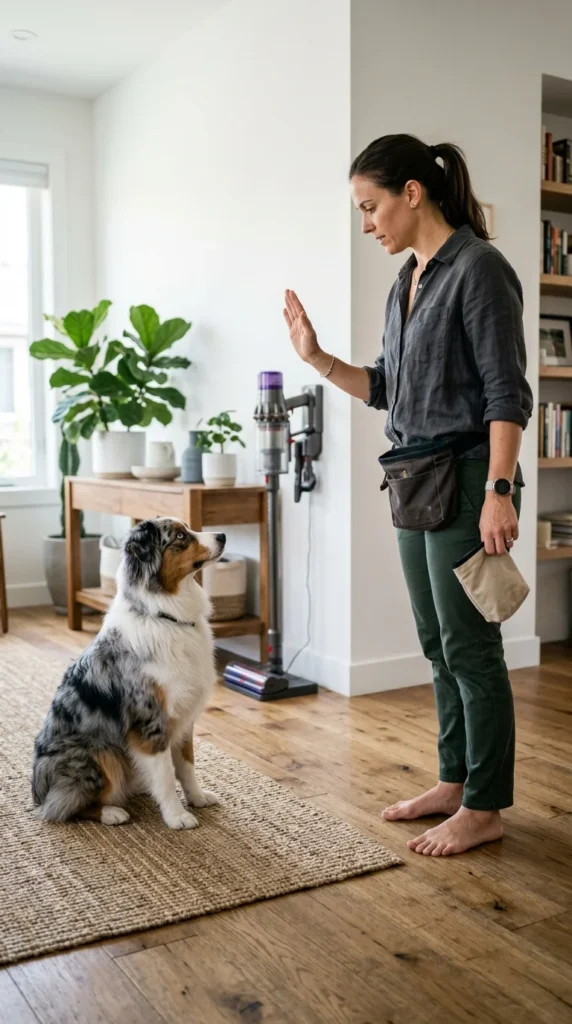
This is a long-term behavioral remedy. It involves exposing your dog to a low-level version of their trigger (like the sound of fireworks at a very low volume) and rewarding them for remaining calm. Over time, you gradually increase the intensity of the trigger, teaching the dog’s brain to associate the once-scary thing with positive rewards.
13. Safe Havens
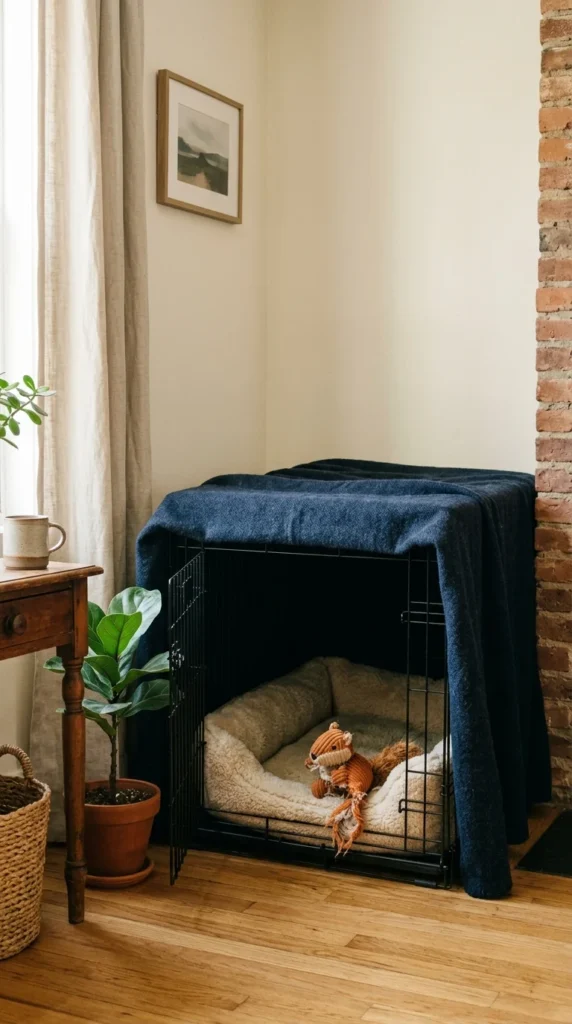
Creating a “den” provides a dog with a physical retreat where they know they won’t be disturbed. For many dogs, a crate covered with a blanket serves as a sanctuary. When the world becomes too overwhelming, having a dedicated space where they can hide and feel enclosed helps them self-regulate their emotions.
14. Calming Supplements

Over-the-counter supplements containing ingredients like L-theanine (found in green tea), L-tryptophan, and Valerian root can help take the edge off a dog’s anxiety. These ingredients work by supporting the production of serotonin and GABA in the brain, helping the dog remain more resilient in the face of stress.
15. Window Films
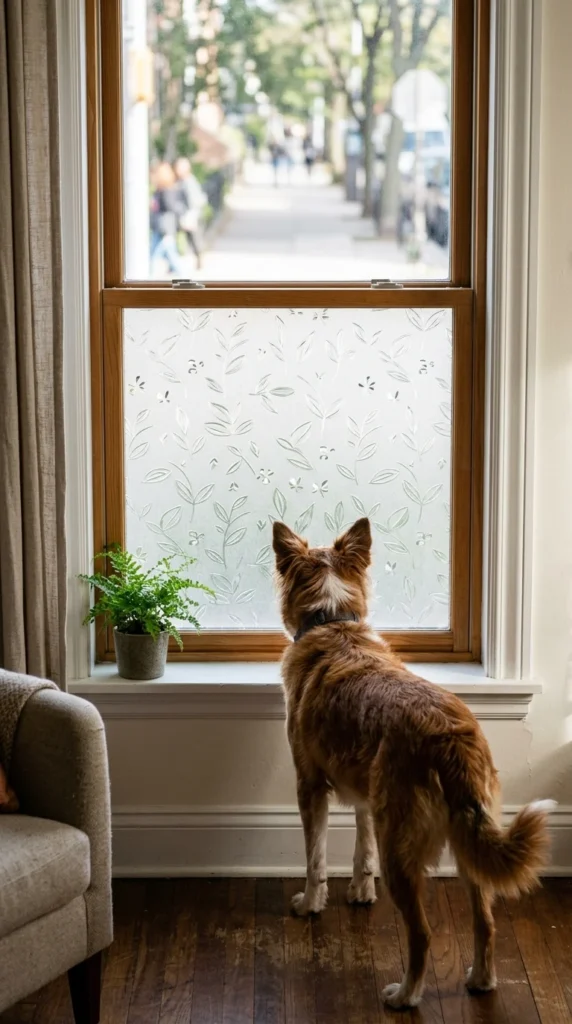
If your dog spends all day barking at squirrels, mail carriers, or other dogs, their anxiety may be environmentally triggered. Frosted window films allow light into the room but block the dog’s view of outside “intruders.” By removing the visual trigger, you stop the cycle of hyper-vigilance and reactive barking.
16. Consistent Routine

Anxiety often thrives on uncertainty. Dogs are creatures of habit; they find comfort in knowing exactly when they will be fed, walked, and when their owners will return. Establishing a rigid daily schedule helps an anxious dog feel that their world is predictable and safe, which significantly reduces “anticipatory” anxiety.
17. Doggy Daycare

For dogs with separation anxiety, the “remedy” might be companionship. Socially inclined dogs may benefit from a reputable doggy daycare where they can interact with other dogs and humans throughout the day. This prevents the destructive behaviors that often occur when an anxious dog is left alone for long periods.
18. Muzzle Training

While it might seem counterintuitive, a well-fitted basket muzzle can actually reduce anxiety for both the dog and the owner in public settings. If a dog is anxious about other dogs or people, the owner often tenses up, which the dog senses. Knowing the dog is “safe” allows the owner to relax, which in turn helps the dog feel more secure.
19. Weighted Blankets

Similar to compression wraps, weighted blankets use deep pressure touch to stimulate the release of serotonin. These are particularly useful for dogs who suffer from night-time anxiety or those who have trouble settling down after an exciting event. The weight provides a grounding sensation that helps quiet a buzzing nervous system.
20. Heat Therapy
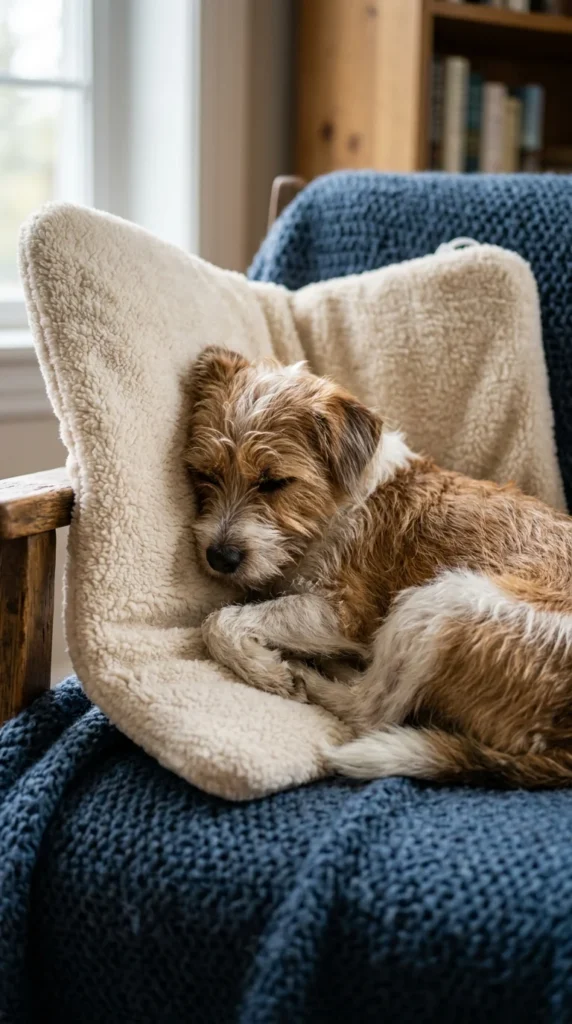
Warmth is naturally soothing. Think of how relaxed you feel after a warm bath; dogs experience a similar physiological response. Using a pet-safe heating pad or a warmed-up bean bag can help relax tight muscles associated with stress and provide a comforting “cuddle” sensation for dogs that feel lonely.
21. Calming Collars
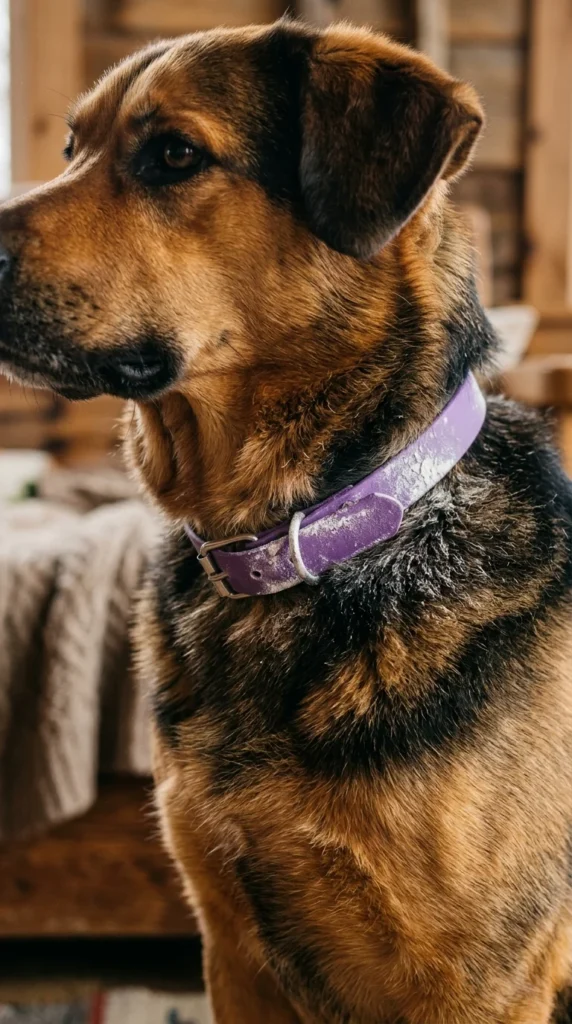
Calming collars are a portable version of pheromone therapy. They are infused with soothing scents or pheromones that are released by the dog’s body heat. This is an excellent solution for dogs who are anxious in multiple environments, as the remedy travels with them wherever they go—whether it’s the vet’s office or a park.
22. Herbal Teas

While it sounds unconventional, cooled herbal teas like chamomile or lemon balm can be added to a dog’s water bowl or food. These herbs have mild sedative properties that have been used for centuries. Always ensure the tea is caffeine-free and check with your vet to ensure the specific herb is safe for your dog’s breed and weight.
23. Rescue Remedy

Bach Rescue Remedy for Pets is a famous flower essence blend designed specifically for emergency stressful situations. Whether it’s a sudden car ride or a visit to the groomer, a few drops of this essence in the water or directly in the mouth is believed by many to help restore emotional balance during acute stress.
24. Veterinary Consultation
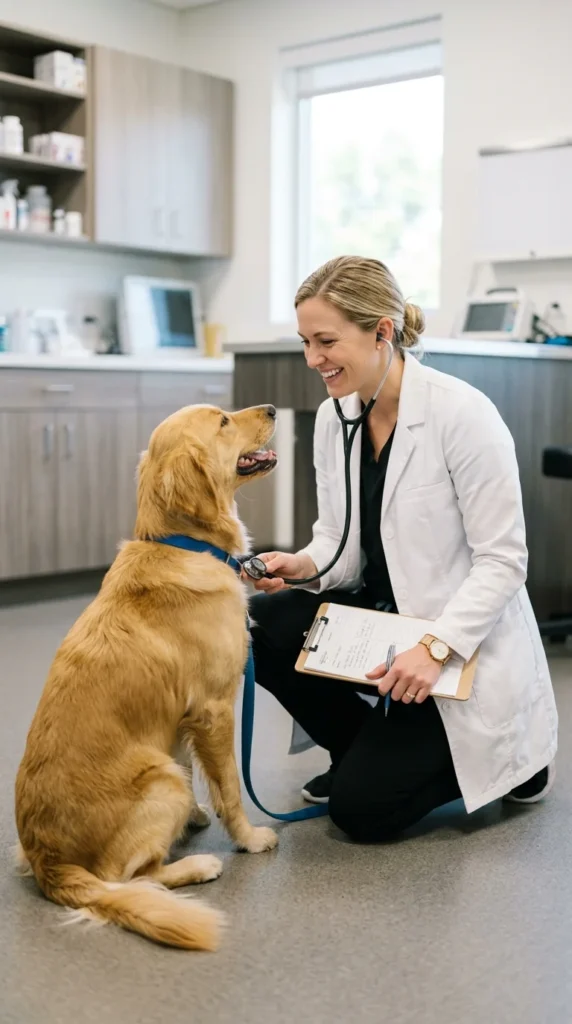
When natural remedies and behavioral changes aren’t enough, it is vital to speak with a professional. Severe anxiety is a medical condition that may require prescription medication. A veterinarian can rule out underlying physical pain that might be masquerading as anxiety and can prescribe specialized pharmaceuticals to help your dog live a much happier, fear-free life.