
Bringing a new puppy home is a whirlwind of joy, chewed slippers, and sleepless nights. However, among the excitement lies a critical responsibility: protecting your new best friend from life-threatening diseases. Navigating the world of puppy vaccinations can feel like learning a new language, but understanding the schedule is the most important step in ensuring a long, healthy life for your canine companion. This comprehensive guide breaks down the essential 22 components of the puppy vaccination journey.
1. DHPP Vaccine
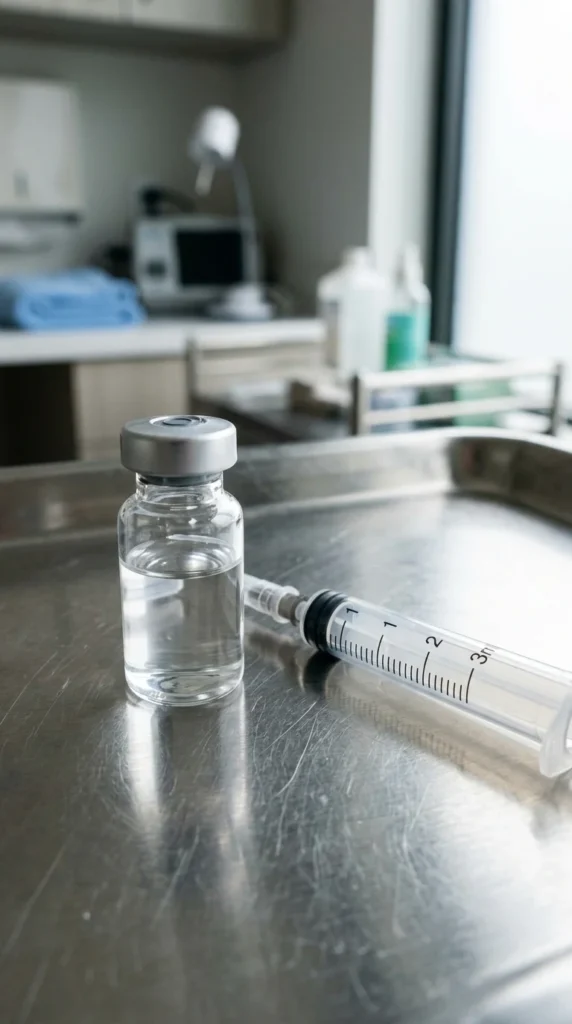
The DHPP vaccine is often referred to as the “distemper shot,” but it is actually a powerhouse combination vaccine. It protects against four major diseases: Distemper, Hepatitis (Adenovirus), Parainfluenza, and Parvovirus. Because these diseases are highly contagious and often fatal, the DHPP shot is considered a “core” vaccine that every puppy must receive regardless of their lifestyle or location.
2. Rabies Shot
Rabies is a 100% fatal viral disease that affects the central nervous system. Not only is it deadly for dogs, but it is also zoonotic, meaning it can be transmitted to humans. Because of this public health risk, rabies vaccinations are required by law in almost every region. Puppies typically receive their first rabies shot around 14 to 16 weeks of age, followed by a booster one year later.
3. Parvovirus Protection

Canine Parvovirus, or “Parvo,” is a nightmare for puppy owners. It is a highly resilient virus that attacks the gastrointestinal tract and can live in the soil for years. Puppies are particularly vulnerable to the severe dehydration and sepsis it causes. The vaccination series, usually started at 6 weeks, is the only reliable way to build the immunity necessary to survive an encounter with this virus.
4. Distemper Prevention
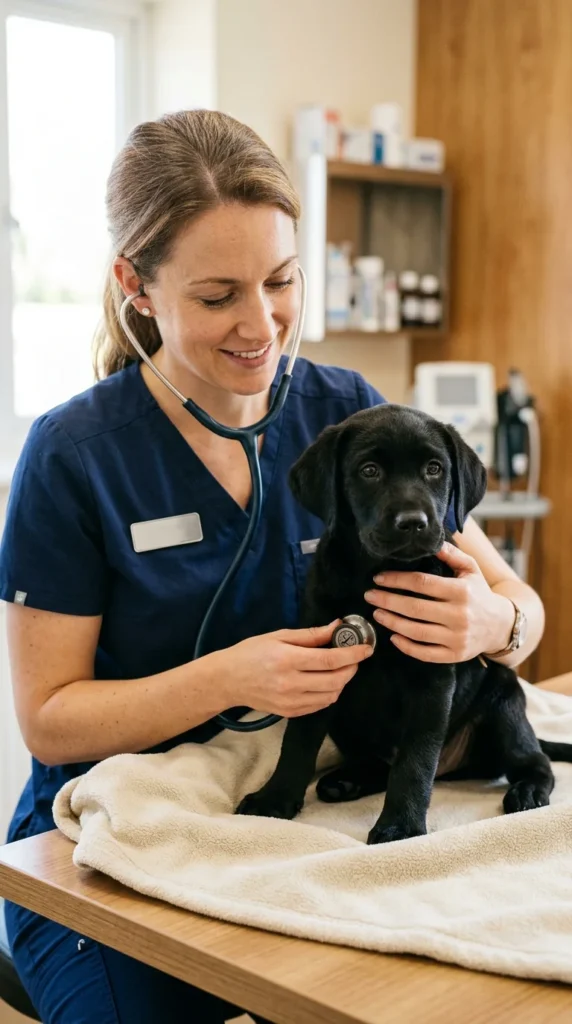
Canine Distemper is a severe multi-systemic virus that attacks the respiratory, gastrointestinal, and nervous systems. It is often airborne and can be contracted through sneezing or coughing from an infected animal. By sticking to a strict vaccination schedule, you ensure your puppy never has to face the tremors, seizures, or respiratory distress associated with this incurable disease.
5. Bordetella Vaccine

Commonly known as “Kennel Cough,” Bordetella is a highly contagious bacterial infection. While usually not fatal in healthy adult dogs, it can lead to pneumonia in puppies. If you plan on taking your puppy to training classes, groomers, or boarding facilities, this vaccine is usually a requirement. It is often administered as an intranasal spray or an oral liquid rather than an injection.
6. Leptospirosis Shield

Leptospirosis is a bacterial disease spread through the urine of wildlife, such as rats, raccoons, and deer. It can survive in standing water and damp soil. If a puppy drinks from a contaminated puddle, they risk kidney or liver failure. Because this disease can also spread to humans, veterinarians often recommend this “non-core” vaccine for puppies living in suburban or rural areas.
7. Lyme Disease
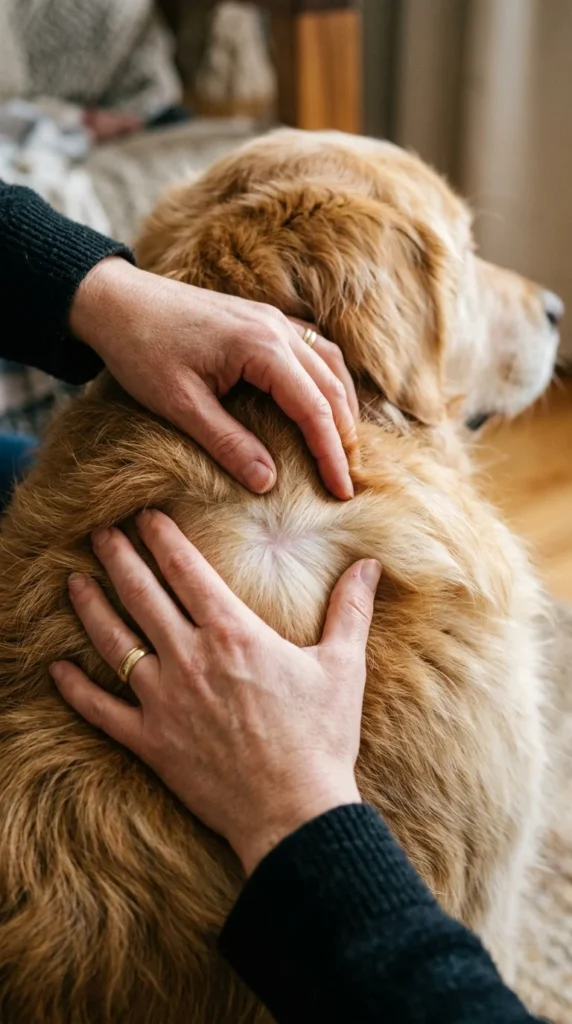
If you live in a region where ticks are prevalent, the Lyme disease vaccine is essential. Borrelia burgdorferi, the bacteria that causes Lyme, is transmitted by the bite of a deer tick. It can cause chronic joint pain, lameness, and kidney issues. While tick preventatives are the first line of defense, the vaccine provides an extra layer of internal biological protection.
8. Canine Influenza

Dog flu is a contagious respiratory infection that can spread rapidly through shelters and boarding clinics. Unlike human flu, canine influenza is not seasonal; it can strike at any time. There are two main strains (H3N8 and H3N2), and modern vaccines often cover both to prevent the high fever and potential pneumonia that follow infection.
9. Maternal Antibodies

When puppies are born, they receive temporary immunity from their mother’s milk (colostrum). These maternal antibodies protect them for the first few weeks of life but also interfere with vaccines. This is why puppies need a series of shots—the vaccines “take over” as the mother’s protection naturally fades away between 6 and 16 weeks.
10. Six-Week Milestone
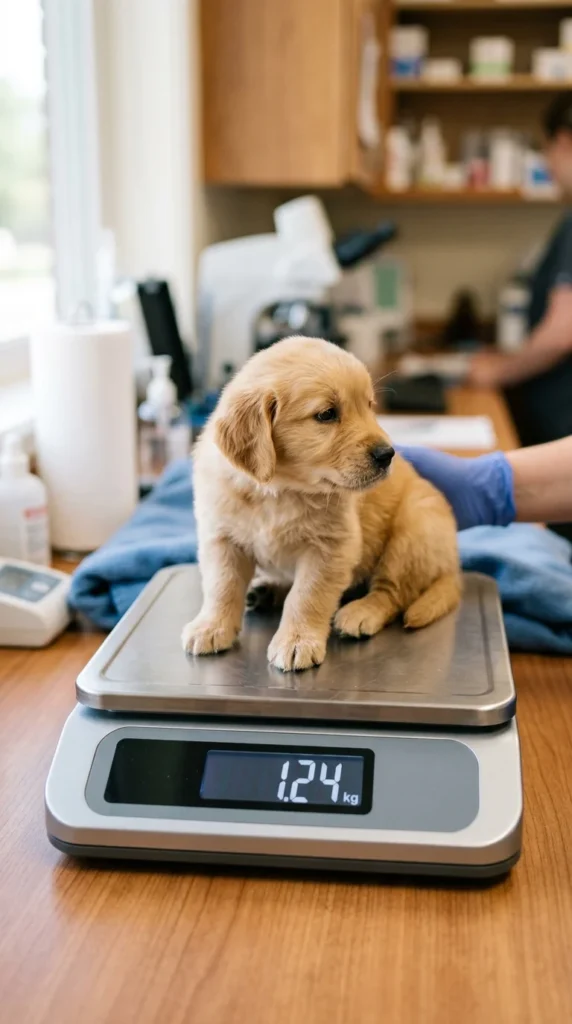
The journey usually begins at 6 to 8 weeks of age. This is when the first dose of DHPP is administered. At this stage, the puppy is just beginning to explore the world, and their immune system is a blank slate. This initial visit is also a great time for the vet to check for congenital issues or parasites.
11. Ten-Week Booster
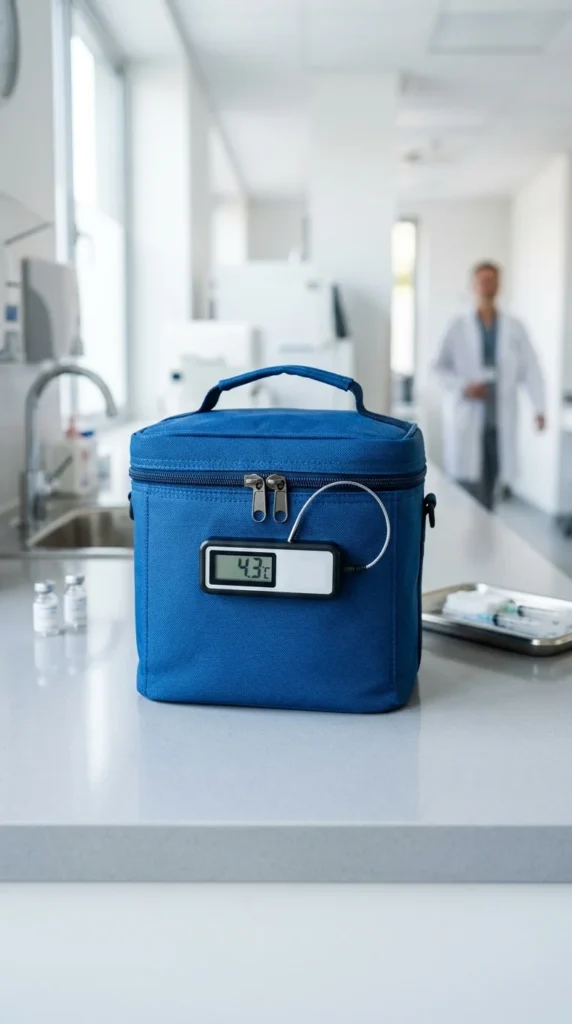
The second round of shots typically occurs at 10 to 12 weeks. During this visit, the puppy gets their DHPP booster and, depending on lifestyle, their first Bordetella or Leptospirosis doses. These boosters are vital because they “prime” the immune system, ensuring it recognizes the pathogens more effectively.
12. Fourteen-Week Completion
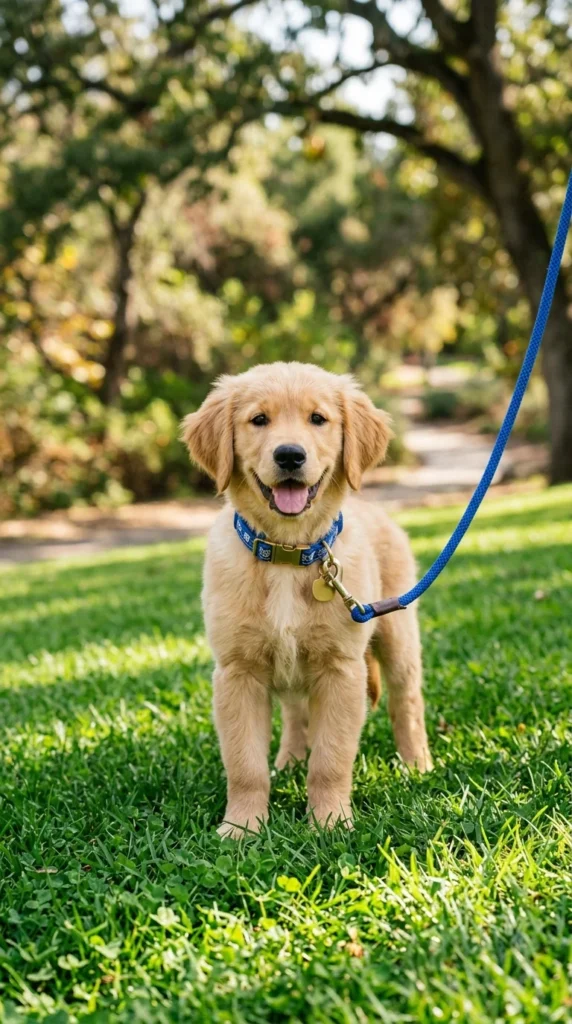
At 14 to 16 weeks, the puppy receives their final round of “puppy” shots. This usually includes the final DHPP booster and the critical Rabies vaccine. Once this round is complete and a few weeks have passed for the immune system to respond, your puppy is finally considered fully protected and ready for the world.
13. Core Vaccines

“Core” vaccines are those that every dog should have regardless of their environment. These protect against diseases that are global, highly infectious, and carry a high mortality rate. They include Rabies, Distemper, Canine Hepatitis, and Parvovirus. Owners should never skip these, as they form the foundation of canine health.
14. Non-Core Vaccines

“Non-core” vaccines are optional and based on a “lifestyle assessment.” For example, a city dog living in a high-rise might not need a Lyme vaccine, but a hunting dog in the woods certainly does. Your vet will ask about your travel plans, your home environment, and your puppy’s social life to determine which of these are necessary.
15. Socialization Timing

One of the biggest challenges for new owners is balancing socialization with disease risk. While puppies shouldn’t go to public dog parks until they are fully vaccinated (post-16 weeks), they can socialize with known, healthy, vaccinated dogs in private backyards. This “window of socialization” is critical for behavior, but health must remain the priority.
16. Vaccination Records

Keep a dedicated folder for your puppy’s vaccination records. You will need these for proof of rabies vaccination, for signing up for training classes, for boarding, and even for some apartment leases. Many vets now offer digital portals, but a physical copy is always a smart backup to have in the glove box.
17. Potential Side Effects

Like humans, puppies can experience mild side effects after a shot. These include lethargy, a slight fever, or a small bump at the injection site. These usually resolve within 24 to 48 hours. However, if your puppy experiences facial swelling, hives, or persistent vomiting, contact your vet immediately, as these are signs of an allergic reaction.
18. Vaccine Costs

Vaccinations are an investment. While the cost of a full puppy series can range from $75 to $200 per visit depending on your location and the vaccines chosen, it is a fraction of the cost of treating a disease like Parvo, which can result in thousands of dollars in emergency hospital bills.
19. Heartworm Prevention

While not a “vaccine” in the traditional sense, heartworm prevention is usually started during the vaccination series. Heartworms are transmitted by mosquitoes and live in the heart and lungs. Starting a monthly preventative early ensures your puppy remains free of these dangerous parasites as they grow.
20. De-worming Synergy
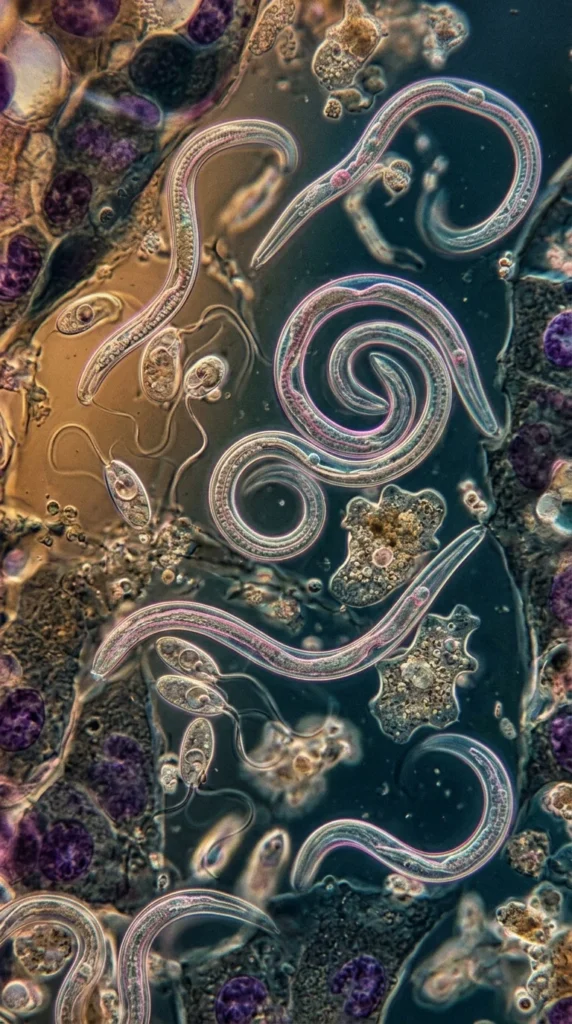
Almost all puppies are born with or contract intestinal worms (like roundworms or hookworms). Vets coordinate de-worming treatments with the vaccination schedule. A puppy burdened by parasites has a weaker immune system, so clearing the worms helps the vaccines work more effectively.
21. Annual Boosters

The protection from puppy shots doesn’t last forever. Most vaccines require an annual booster or a booster every three years. Your vet will set up a long-term wellness plan during the final puppy visit. Staying on top of these “adult” shots ensures the immunity built during puppyhood never fades.
22. Long-term Immunity
The goal of the vaccination schedule is to create “immunological memory.” By exposing the puppy’s immune system to safe versions of viruses, you are training their body to fight off the real thing instantly. This proactive care is the greatest gift you can give your pet, paving the way for a lifetime of adventures, health, and happiness.