
Cats are often unfairly labeled as “mysterious” or “aloof,” but the truth is they are incredibly communicative. While humans rely on verbal language, cats speak through a complex symphony of tail positions, ear angles, pupil dilations, and body shifts. Understanding these cues is the key to building a deep, trusting bond with your feline companion. If you’ve ever wondered why your cat suddenly swats at you after purring or why they stare at you from across the room, it’s time to decode the secret language of the domestic cat.
1. Upright Tail
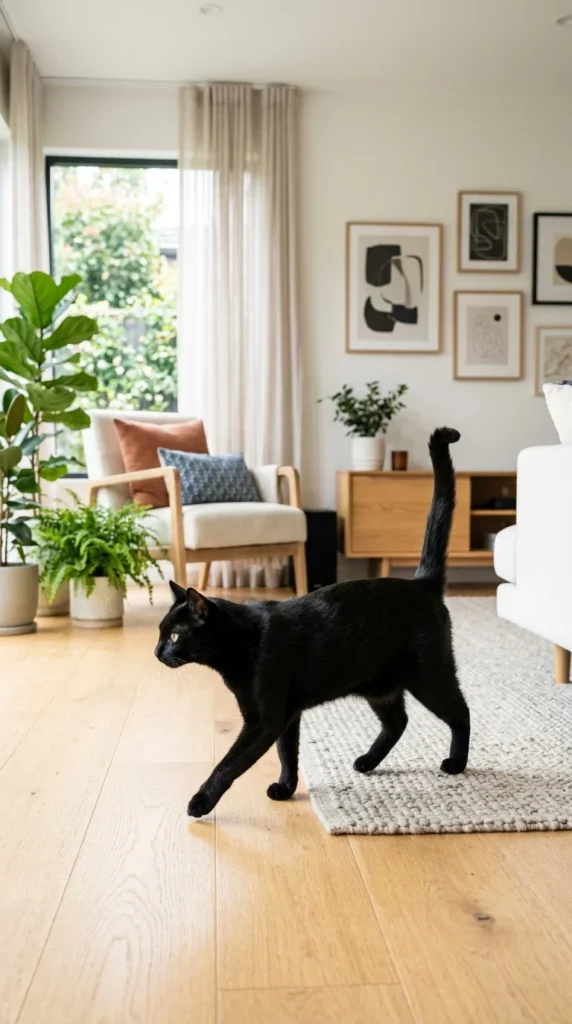
The high, upright tail is the feline equivalent of a warm “hello.” When a cat approaches you with their tail pointing toward the sky, it signifies confidence, happiness, and a willingness to be social. This is a cat that feels secure in its environment and is likely looking for interaction or a friendly greeting.
2. Question Mark
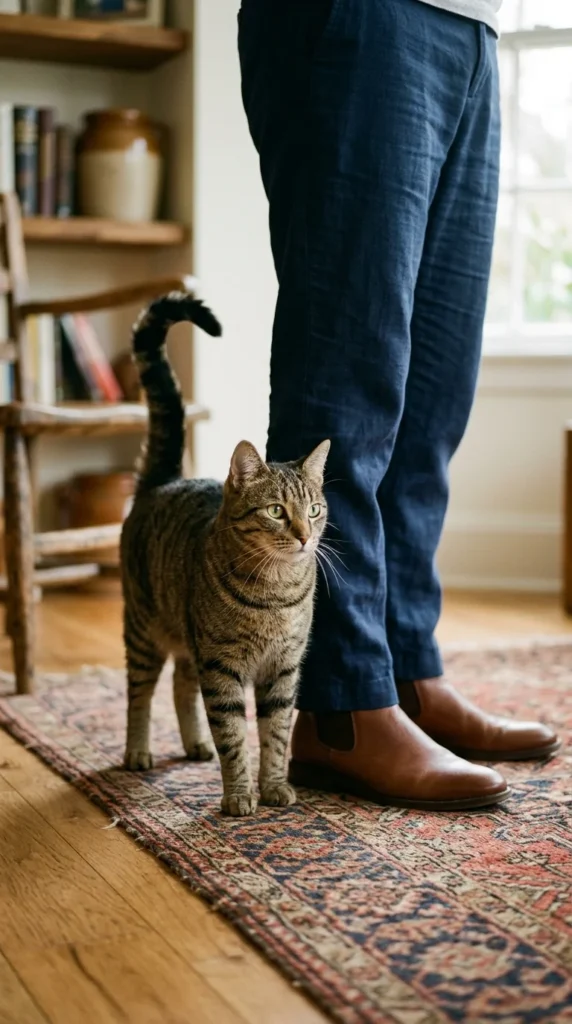
Commonly referred to as the “happy hook,” a tail that curves at the top signifies playfulness and extreme friendliness. If your cat approaches you with this “question mark” tail, they are inviting you to engage. It’s a great time to break out the feather wand or offer some behind-the-ear scratches.
3. Tucked Tail
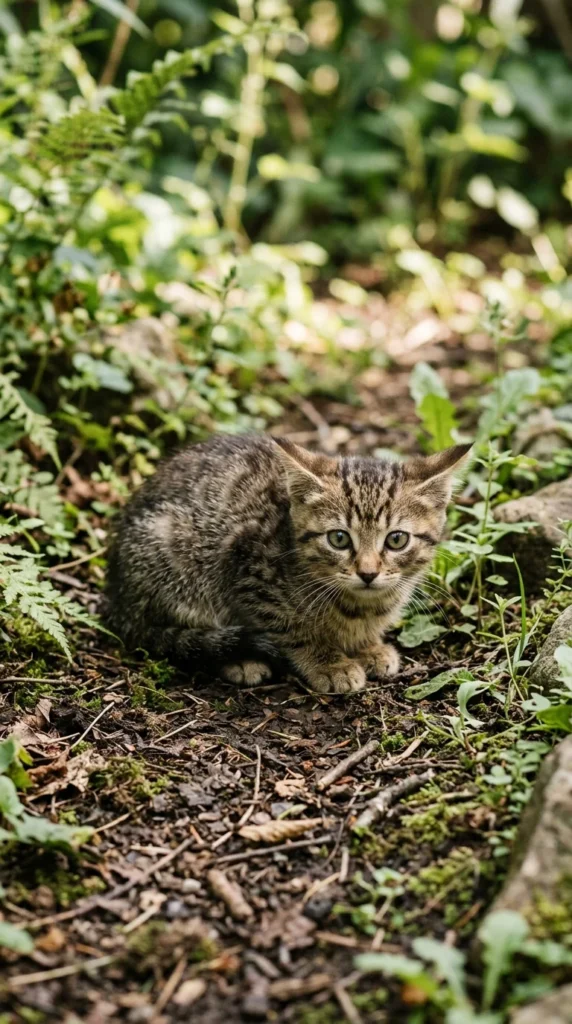
A tail tucked between the legs or wrapped tightly around the body while the cat is hunched is a clear sign of fear, submissiveness, or anxiety. The cat is trying to make itself as small as possible to avoid detection or conflict. If you see this, give your cat space and try to identify what is making them feel threatened.
4. Thumping Tail
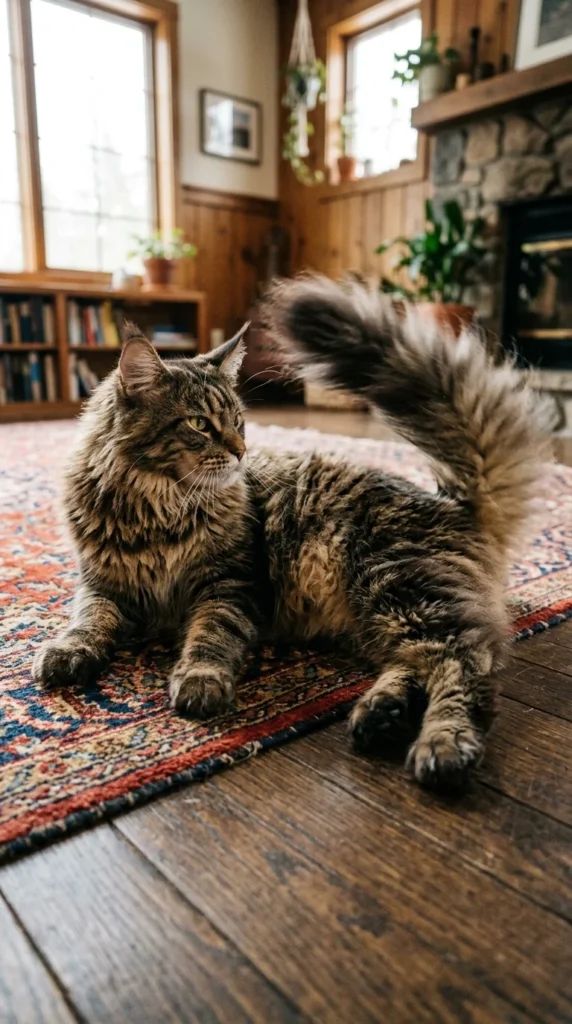
Unlike dogs, who wag their tails when happy, a cat thumping its tail against the floor or furniture is a warning sign. This “heavy wag” indicates agitation, frustration, or annoyance. If you are petting your cat and the tail starts thumping, it’s their way of saying, “Enough! Stop now before I lose my patience.”
5. Twitching Tip
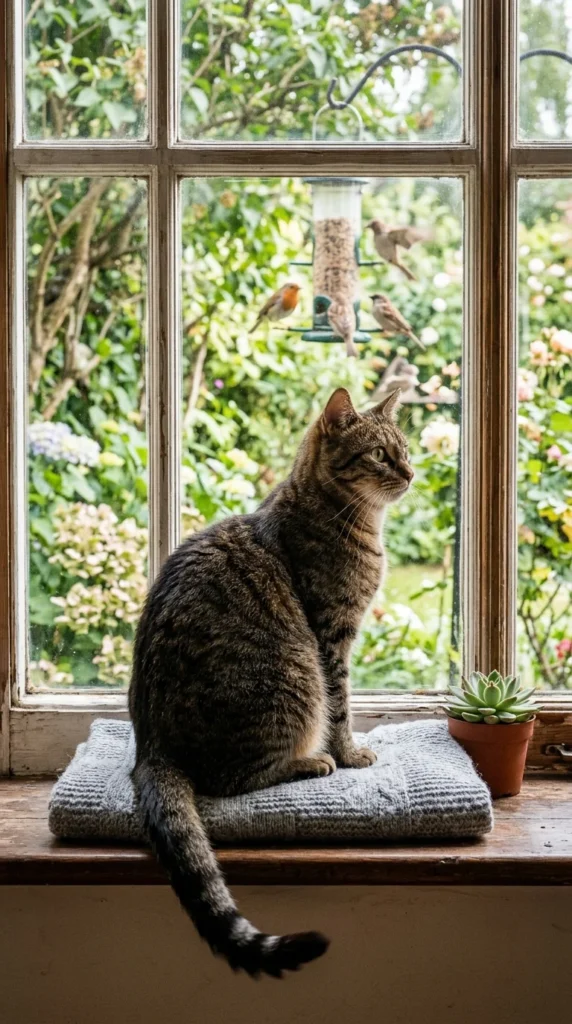
When only the tip of the tail is twitching, it usually indicates intense focus or mild excitement. You’ll often see this when a cat is hunting or watching prey through a window. It shows that the cat is “dialed in” and ready to pounce, even if the rest of their body looks relaxed.
6. Puffed Fur
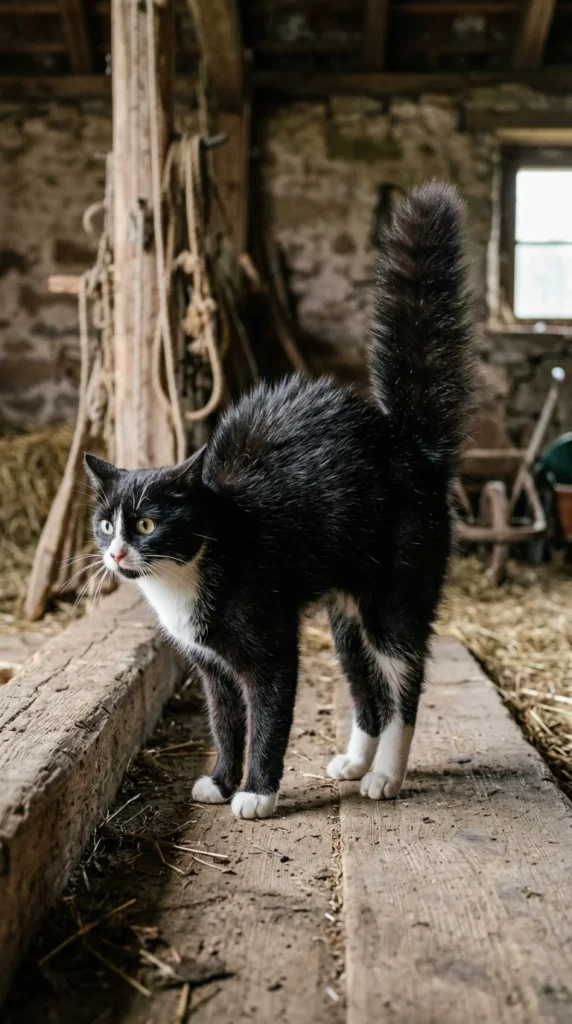
Known scientifically as piloerection, puffed-up fur (especially on the tail and along the spine) is a defensive reaction. The cat is trying to look larger and more intimidating to a perceived threat. This is often accompanied by an arched back and a sideways stance, signaling that the cat is terrified and ready to defend itself.
7. Slow Blink
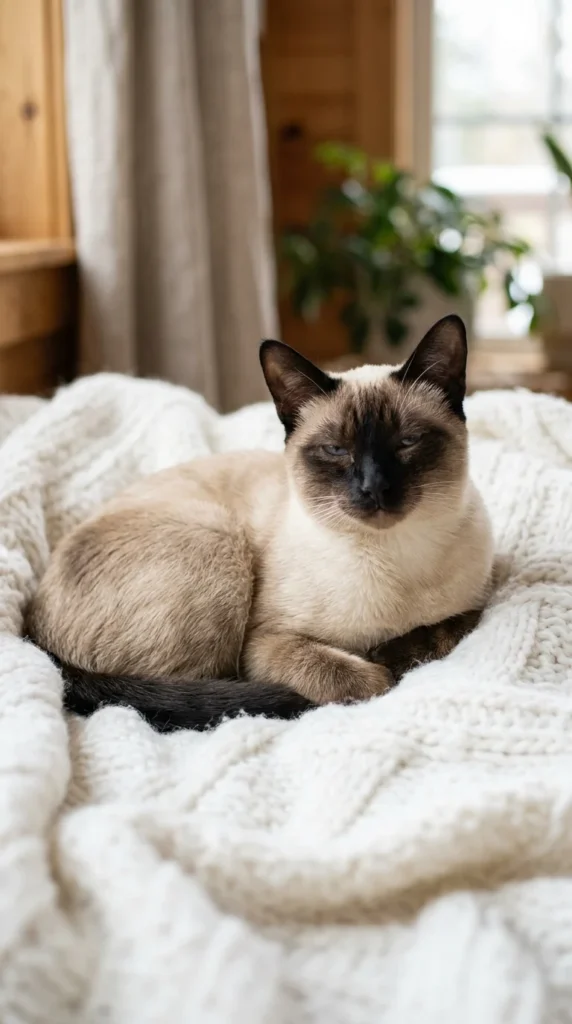
The “cat kiss” is one of the most beautiful signals in the feline world. When a cat looks at you and slowly closes and opens their eyes, they are communicating total trust and affection. In the wild, closing one’s eyes is a sign of vulnerability; by doing it in your presence, they are saying they feel safe enough to lower their guard.
8. Dilated Pupils
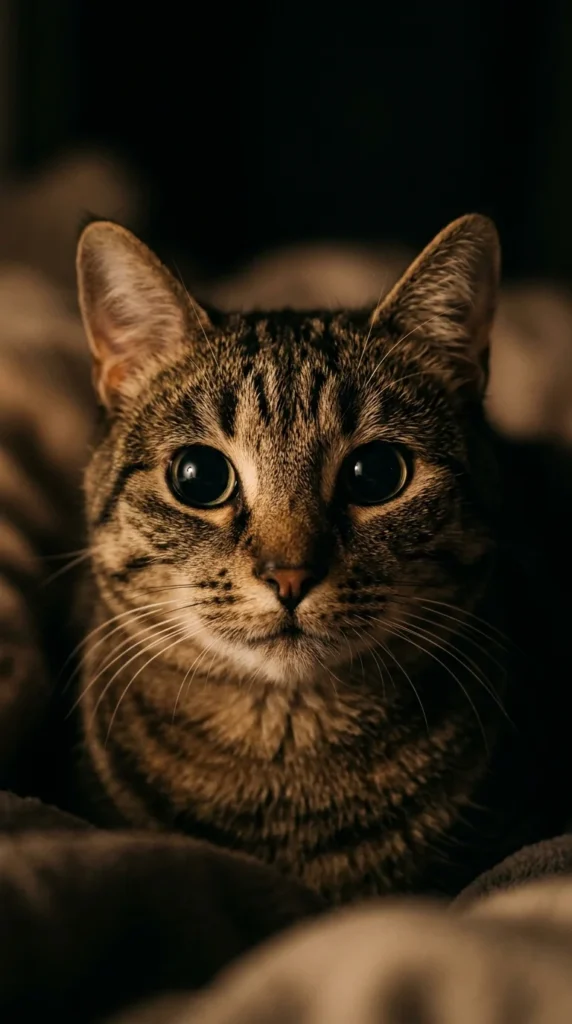
Large, round pupils can mean a few things depending on the context. If the cat is playing, it means they are excited and ready to strike. However, if there is no toy in sight, dilated pupils often signal fear or high levels of stress. The cat is trying to let in as much light as possible to scan for danger.
9. Slit Pupils
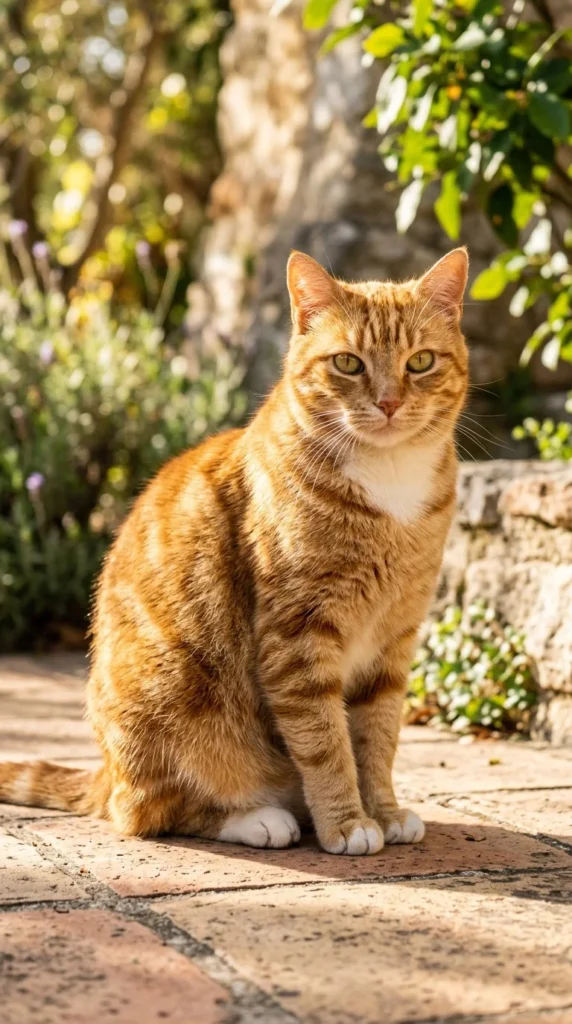
When a cat’s pupils narrow into thin vertical slits, it often indicates aggression, dominance, or intense concentration. This is common during a standoff with another cat or when a cat is feeling particularly “cranky.” If combined with a growl or a hiss, it’s a signal to stay away.
10. Direct Stare
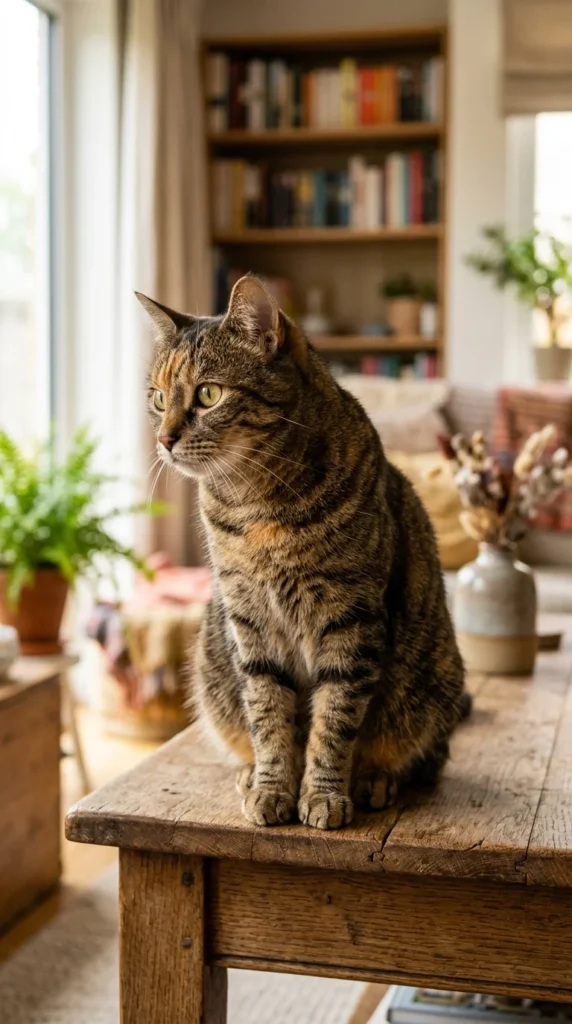
In the cat world, a prolonged, unblinking stare is a challenge. It is an assertive behavior used to establish dominance or to intimidate an opponent. If your cat is staring you down without blinking or softening their gaze, they might be feeling territorial or confrontational.
11. Flattened Ears
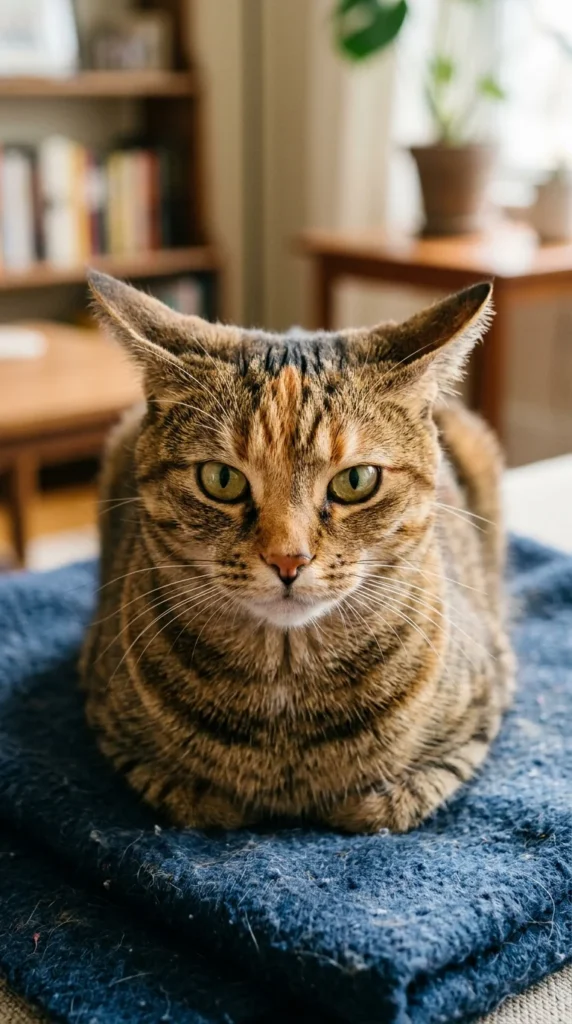
Ears flattened against the head are a universal sign of a cat that is either very angry or very scared. By pinning their ears back, they are protecting them from potential scratches or bites during a fight. This is a high-level warning that the cat is prepared to lash out.
12. Swiveling Ears
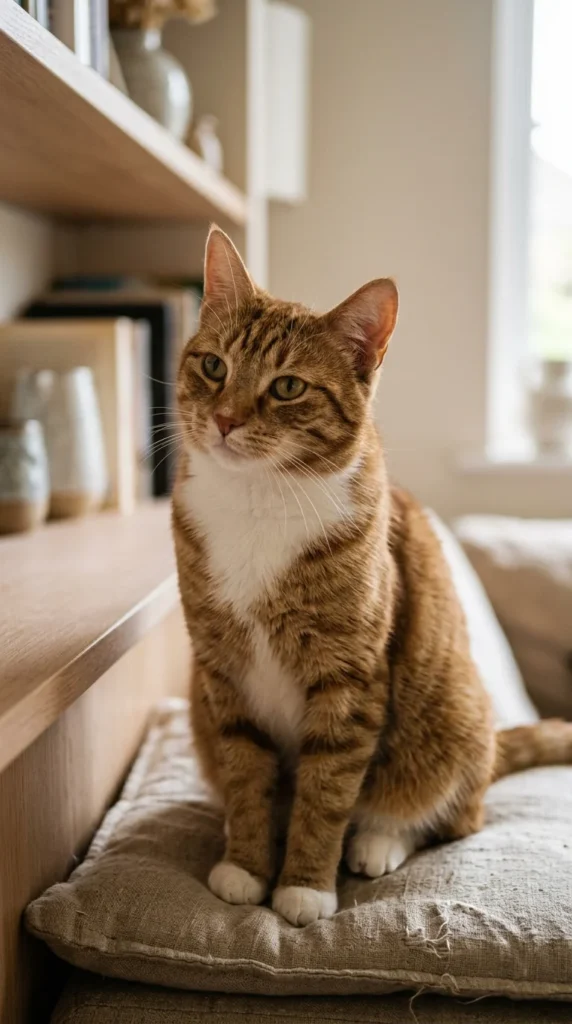
Cats have dozens of muscles in their ears, allowing them to rotate each ear independently. When a cat’s ears are swiveling like radar dishes, it means they are curious and trying to pinpoint the source of a sound. It shows an active, alert mind processing the environment.
13. Forward Ears
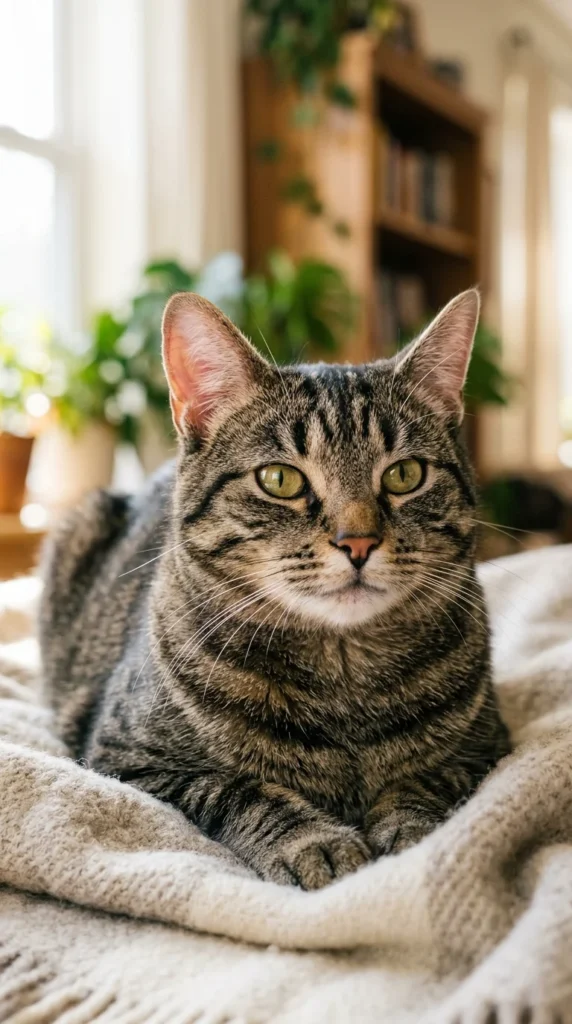
Ears that are slightly forward and relaxed indicate a cat that is content and interested. This is the “neutral” position for a happy cat. They aren’t worried about threats, nor are they particularly agitated; they are simply enjoying their surroundings.
14. Exposed Belly
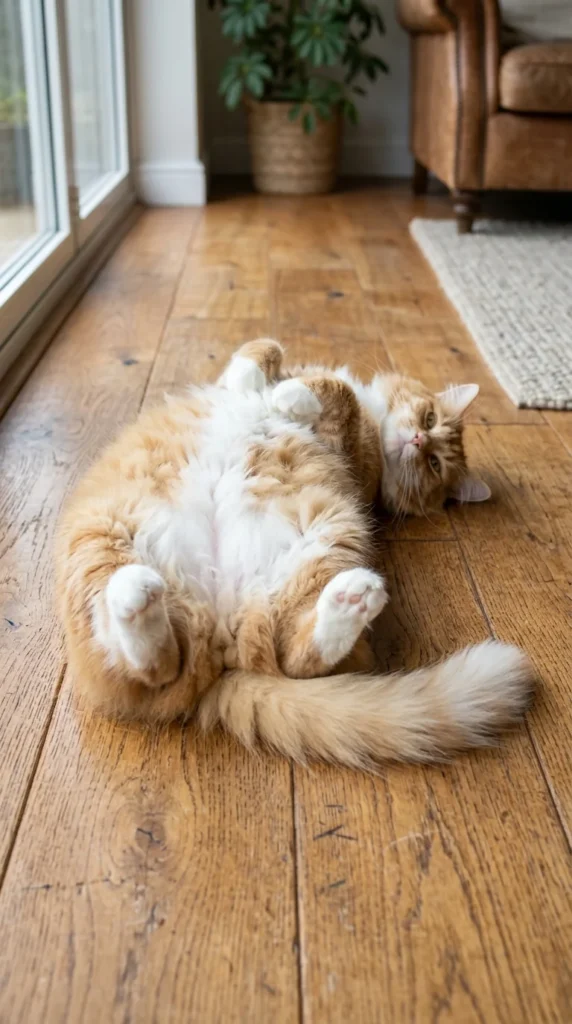
Many owners mistake an exposed belly for an invitation for a belly rub. While it is a sign of extreme trust (the belly is a cat’s most vulnerable area), it is often just a sign that the cat feels safe. For many cats, touching the belly triggers a defensive reflex, leading to the “bunny kick” or a nip. Look, but don’t always touch!
15. Arched Back
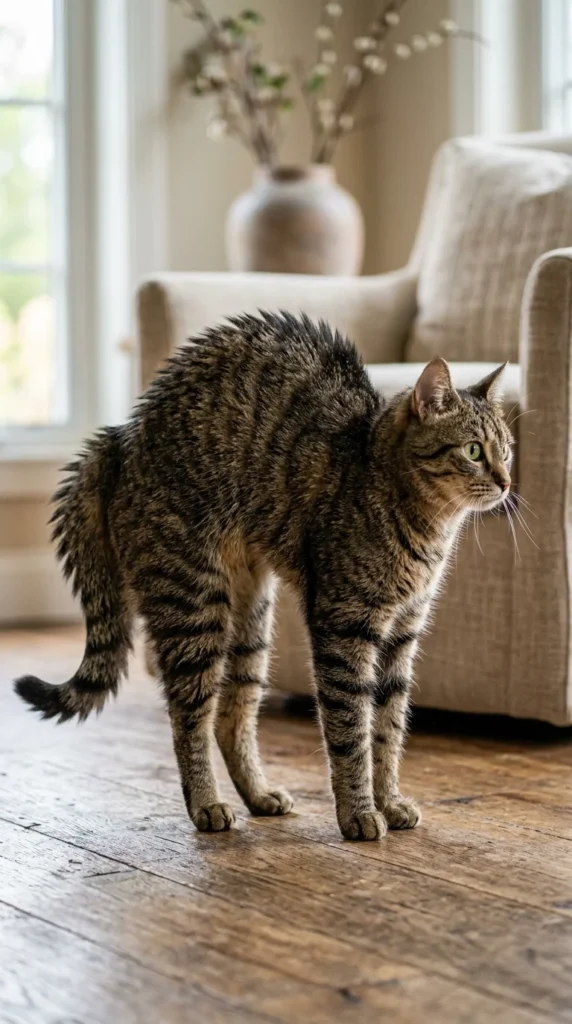
An arched back can mean two very different things. If the cat’s fur is flat and they are stretching after a nap, it’s just a stretch. However, if the fur is standing up (piloerection) and the cat is stiff, the arched back is a defensive posture designed to make the cat look bigger to a predator.
16. Kneading Paws
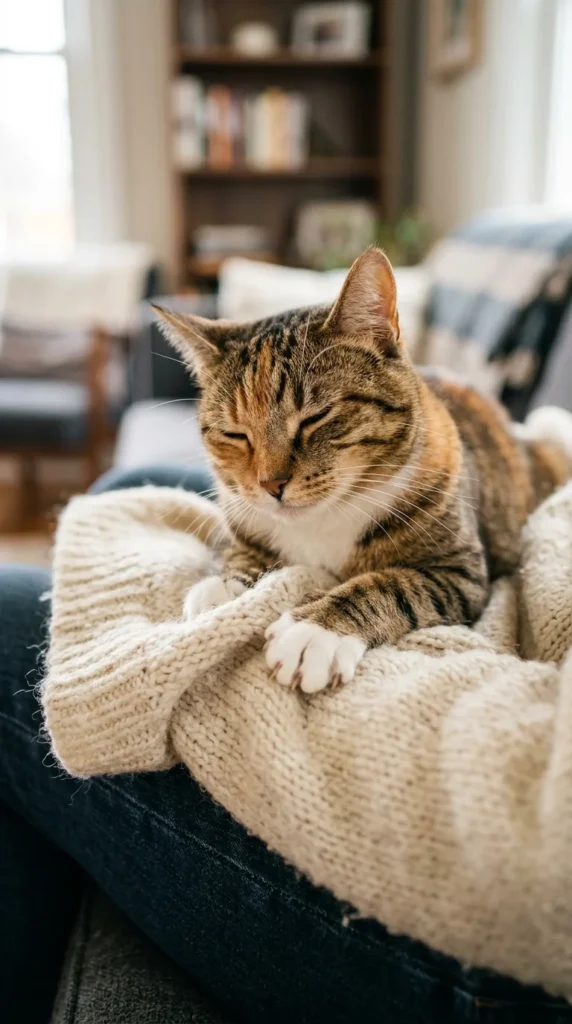
Also known as “making biscuits,” kneading is a behavior carried over from kittenhood. Kittens knead their mothers to stimulate milk flow. In adult cats, it’s a sign of extreme comfort, relaxation, and affection. They do this when they feel completely safe and “at home” with you.
17. Head Bunting
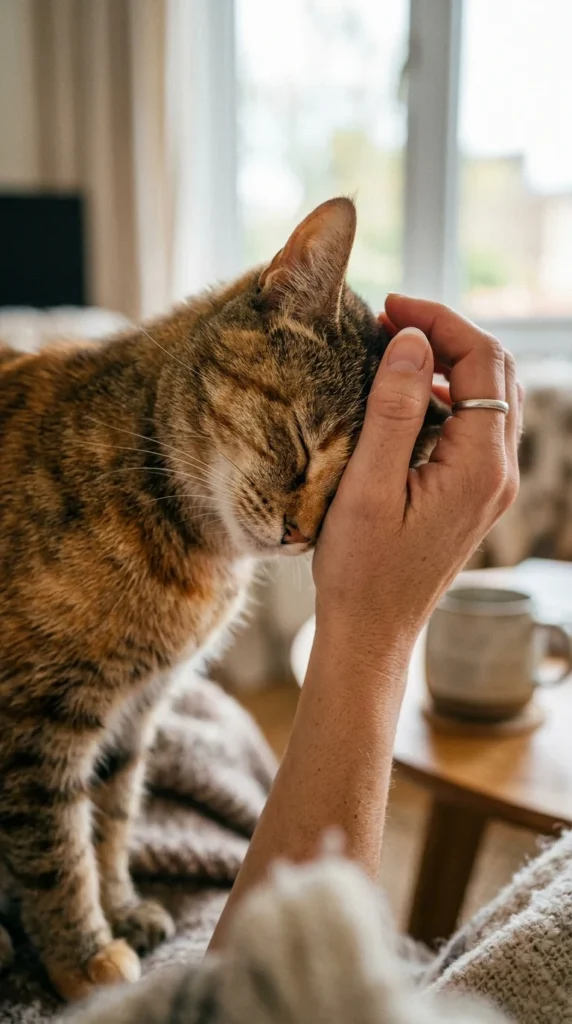
When a cat rubs their head or cheeks against you, they are “bunting.” Cats have scent glands on their cheeks, forehead, and chin. By rubbing against you, they are marking you with their scent, claiming you as part of their family. It is a profound gesture of belonging and love.
18. Gentle Grooming
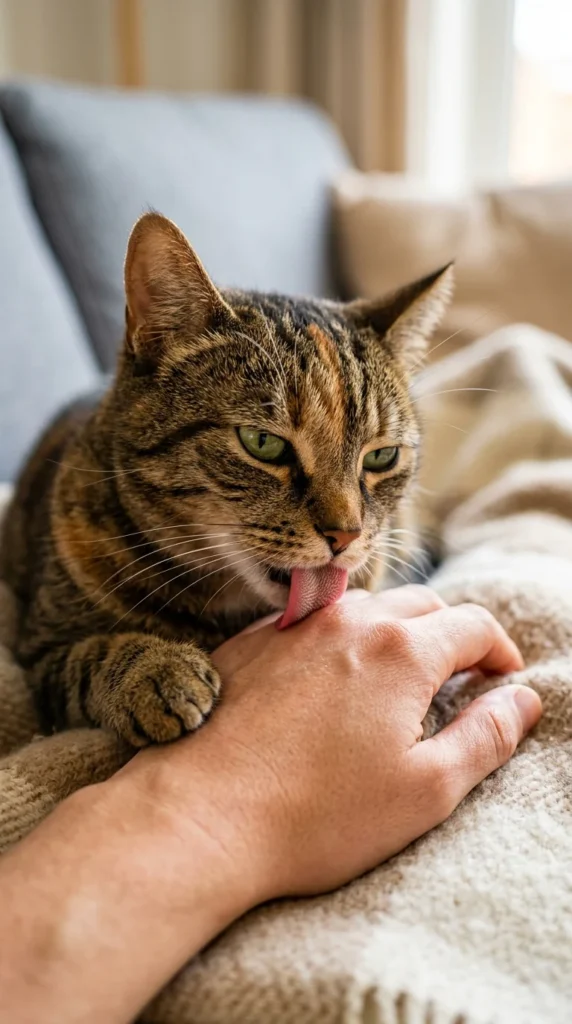
If your cat starts licking your hand or arm, they are treating you like a fellow cat. Allogrooming (cats grooming each other) is a social bonding activity. They are cleaning you, but more importantly, they are sharing scents and reinforcing your social bond.
19. The Loaf
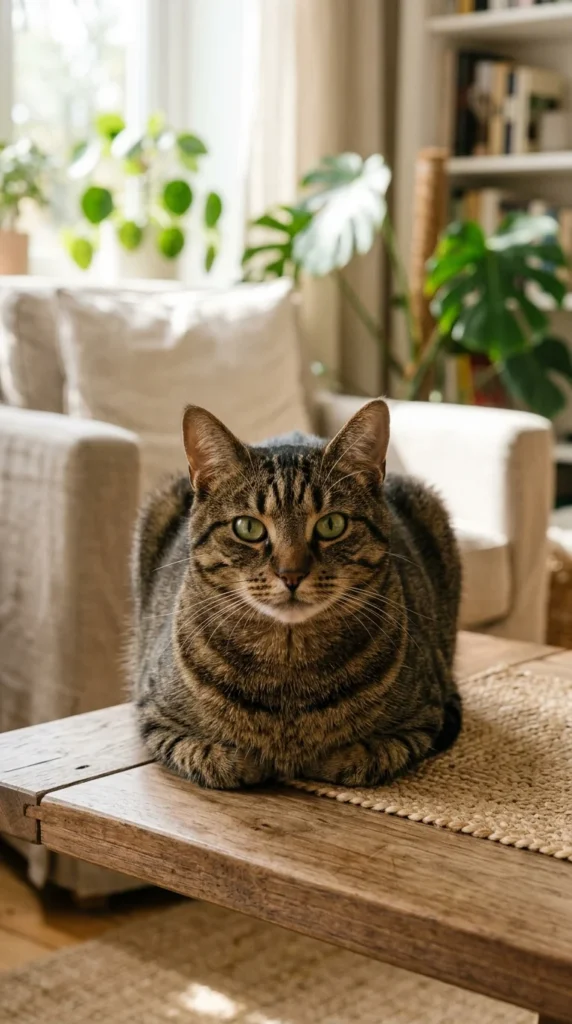
“The Loaf” is a classic feline sitting position. When a cat tucks their paws entirely under their chest, it means they are relaxed but alert. They aren’t planning on running away anytime soon, but they aren’t in a deep sleep either. It’s a sign of a cat that feels comfortable in its territory.
20. Lip Licking
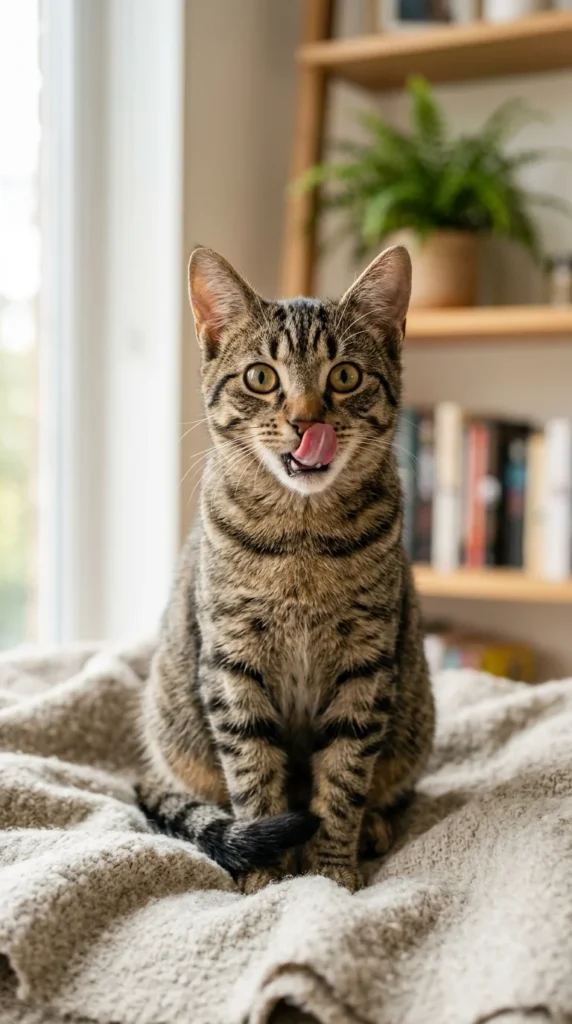
While cats lick their lips after eating, doing so repeatedly in a non-food context is a sign of nausea or, more commonly, stress. If a cat is being handled in a way they don’t like or is in an unfamiliar environment, quick lip-licking is a subtle cue that they are feeling anxious.
21. Flehmen Response
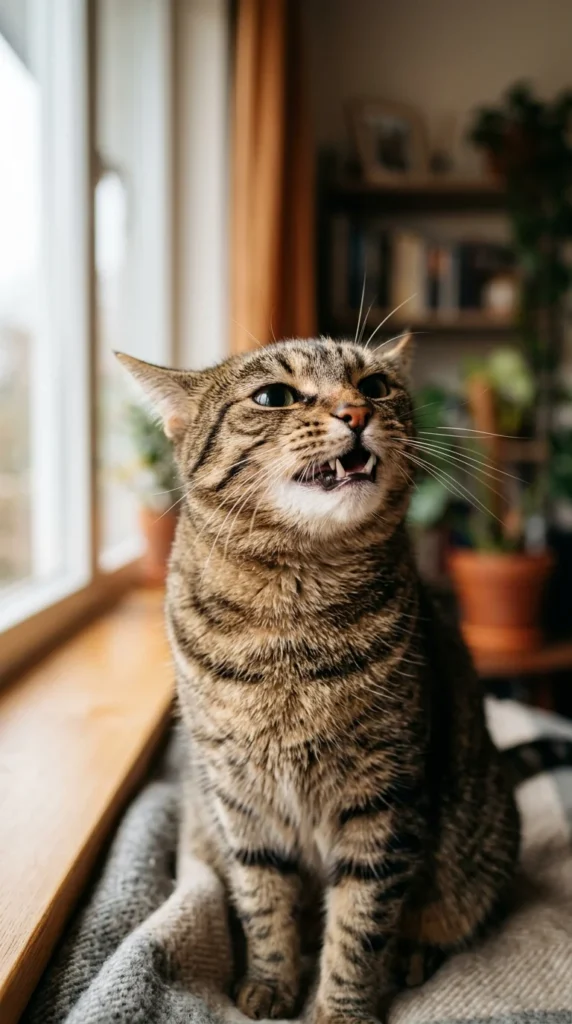
Commonly called “stinky face,” the Flehmen response occurs when a cat encounters an interesting or pheromone-rich scent. They pull the air over the Jacobson’s organ in the roof of their mouth to “analyze” the smell. It’s not a grimace of disgust, but rather a way of deeply smelling the world.
22. Hissing Stance
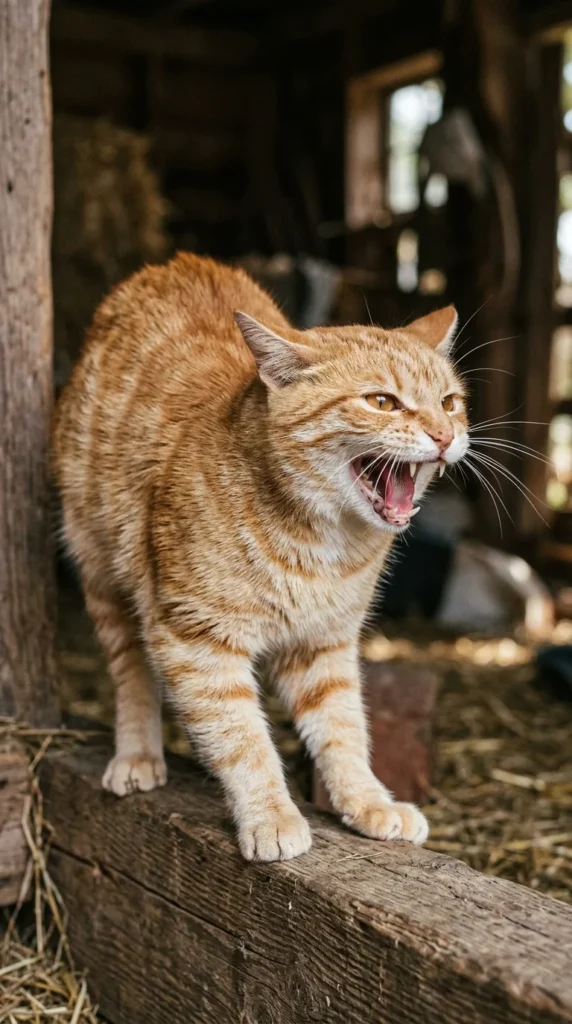
Hissing is the ultimate “back off” signal. It is an involuntary reaction to feeling threatened. A hissing cat isn’t necessarily “mean”; they are terrified and trying to prevent a physical fight by sounding as scary as possible. Always respect the hiss and give the cat immediate space.
23. Soft Chirping
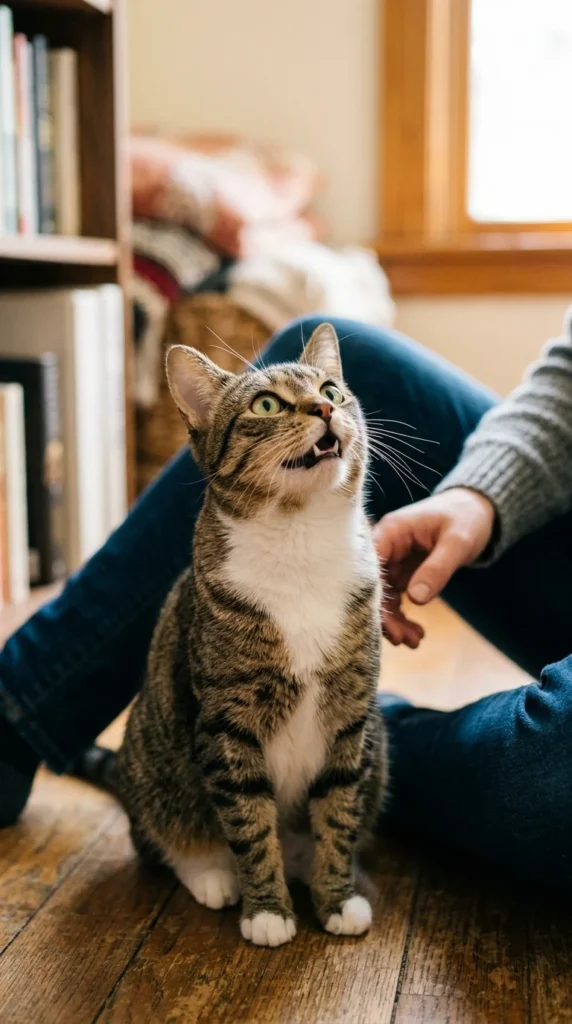
Chirps and trills are mother-to-kitten communication sounds that domestic cats use with their favorite humans. It is an upbeat, “follow me” or “look at this” sound. It’s almost always a positive, friendly greeting or a way to get your attention for something exciting.
24. Side Body Press
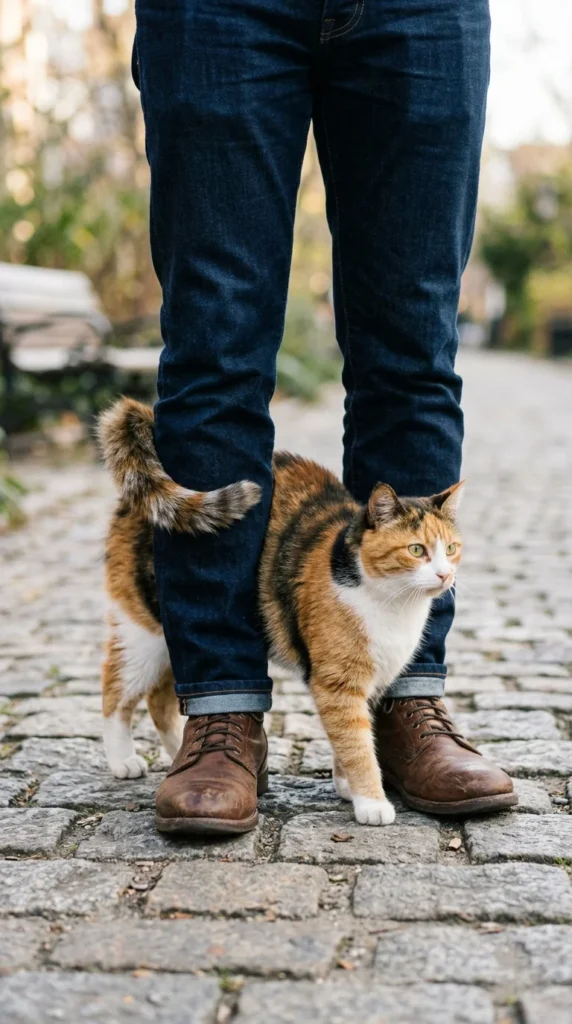
When a cat walks past you and leans their entire body weight against your legs, they are engaging in a tactile greeting. This “side-pressing” is a way to exchange scents and physically connect. It’s a subtle but deeply affectionate way of saying, “I’m glad you’re here.”