
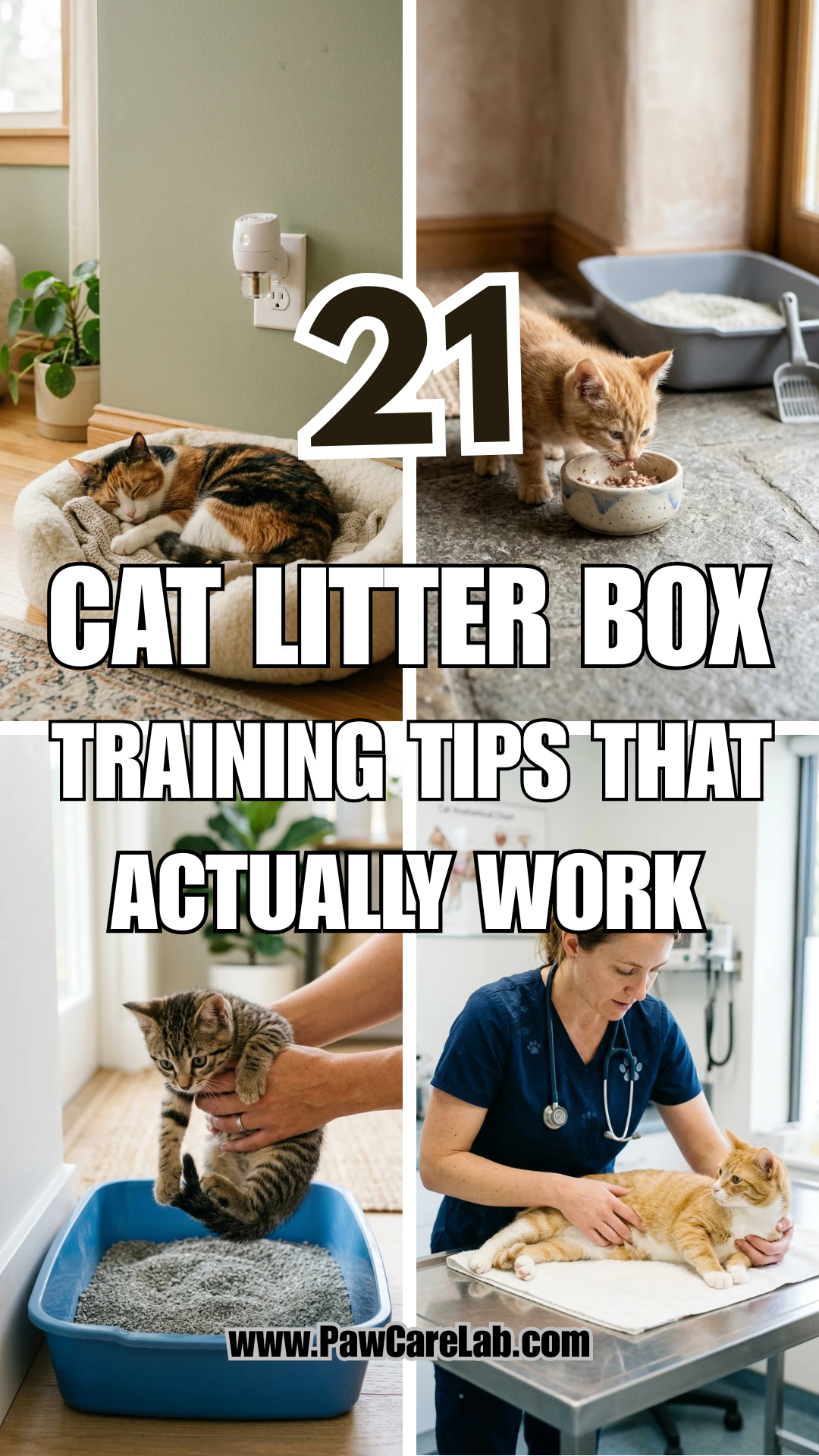
Bringing a new cat or kitten into your home is an exciting milestone, but it comes with one primary challenge: litter box training. While cats are instinctively clean animals that naturally want to bury their waste, the transition to a specific box in a specific location isn’t always seamless. Whether you are dealing with a tiny kitten, a rescued stray, or an adult cat having “accidents,” success lies in understanding feline psychology.
Here are 21 proven tips to ensure your cat becomes a litter box pro.
1. Size
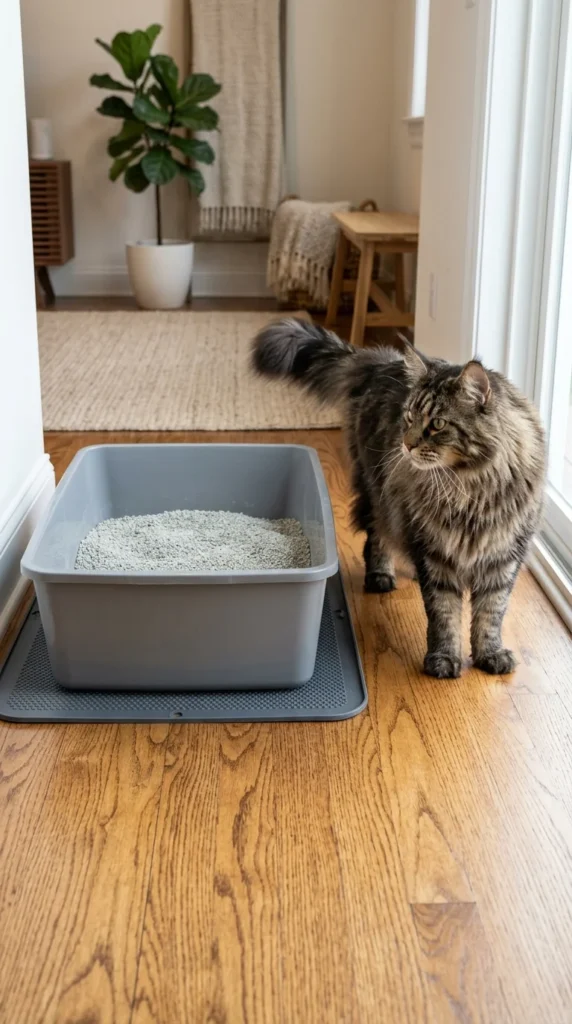
The most common mistake owners make is buying a box that is too small. A cat needs enough room to enter, turn around completely, and dig without hitting the sides. For a kitten, a small box is fine temporarily, but for an adult, the box should be at least 1.5 times the length of the cat from their nose to the base of their tail. If the box feels cramped, your cat will likely find a more “spacious” spot—like your living room rug.
2. Accessibility
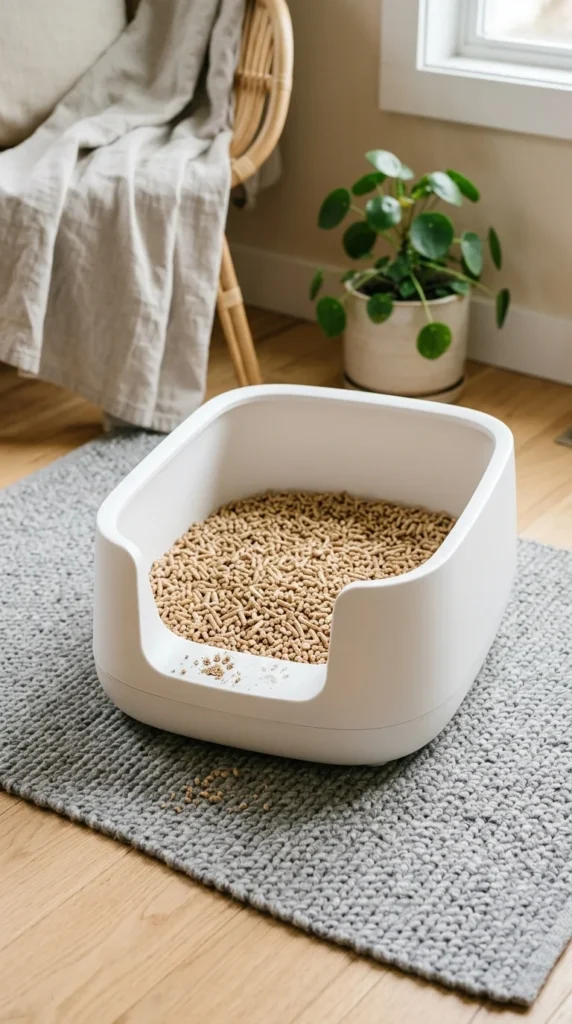
If you have a tiny kitten or an elderly cat with arthritis, a high-walled box is a physical barrier to success. Ensure the entry point is low enough for them to step in comfortably without jumping. For kittens, a “starter” box with a 2-3 inch entry is ideal. As they grow, you can transition to a standard box, but always prioritize ease of access over aesthetics.
3. Location
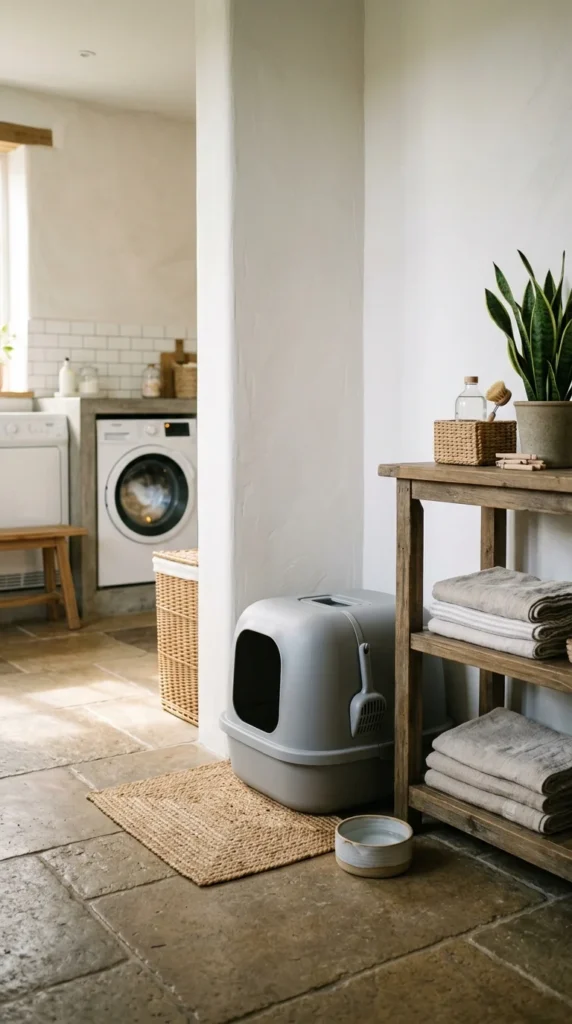
Location is everything. Cats feel vulnerable when they are using the bathroom, so they prefer quiet, low-traffic areas. Avoid placing the box next to noisy appliances like washing machines or furnaces that might startle them. However, don’t hide it so well that it’s a chore for the cat to find. A guest bathroom or a quiet corner of a home office usually works best.
4. Quantity
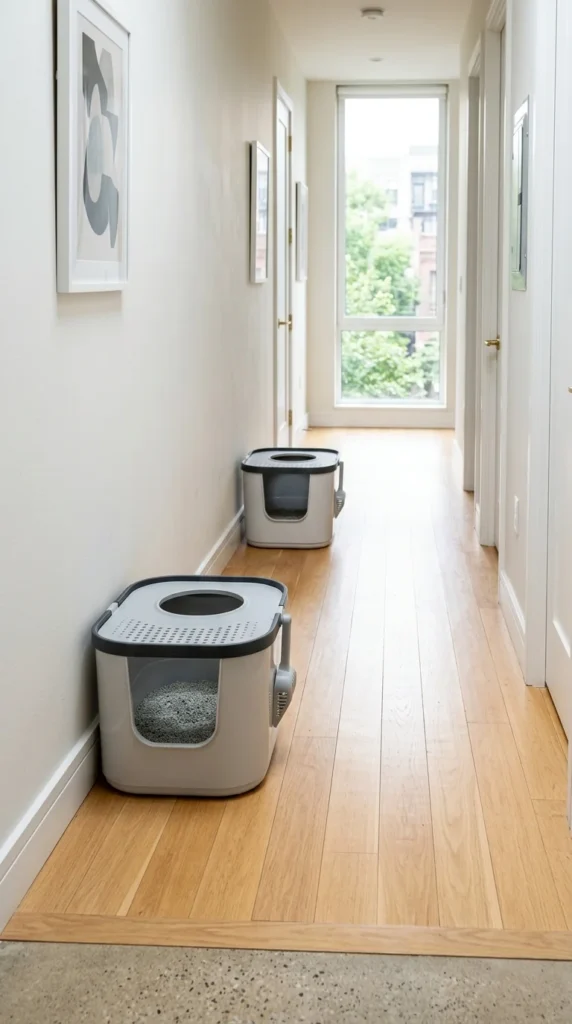
The golden rule of feline housewares is “N+1.” You should have one more litter box than you have cats. If you have one cat, you need two boxes. If you have three cats, you need four boxes. This prevents territorial disputes in multi-cat households and provides a clean backup option if one box is already soiled.
5. Texture
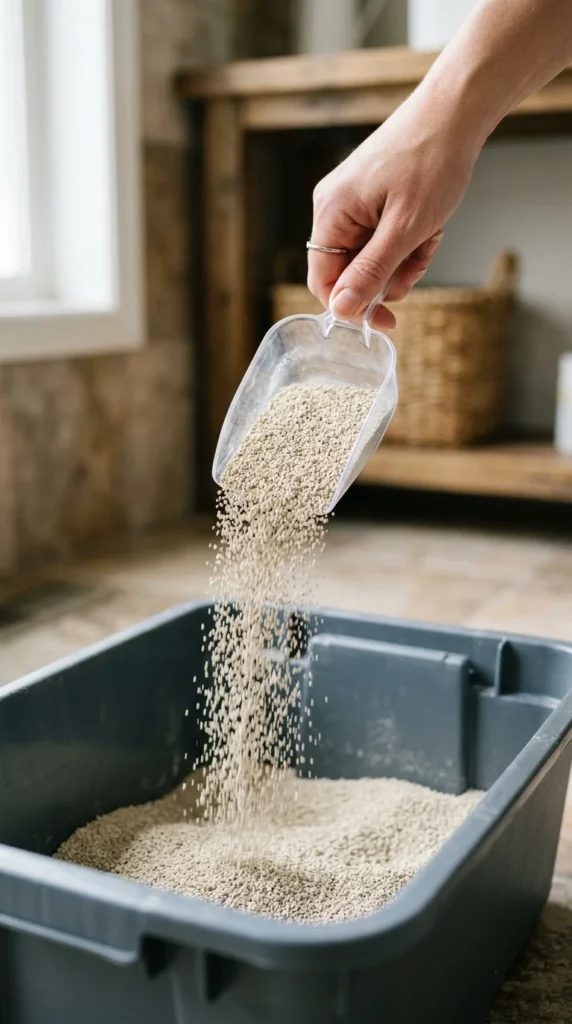
Most cats prefer a fine-grained, sandy texture because it feels natural under their paws. While there are many options like pine pellets, recycled paper, or crystal litter, many cats find these textures too coarse or “pointy.” If you are having trouble training, switch to a soft, unscented clumping clay litter, which is the most universally accepted texture among felines.
6. Scent
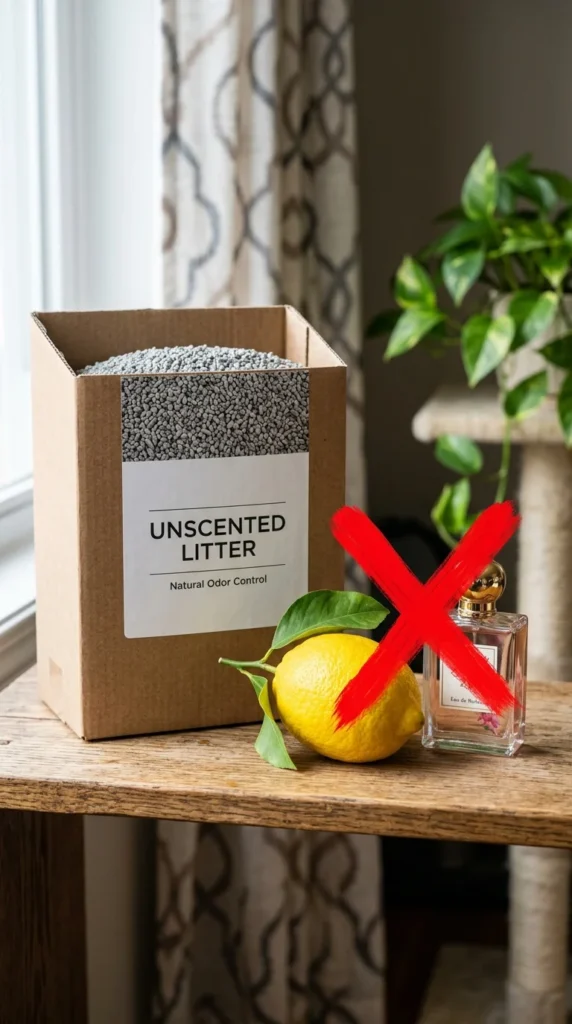
While humans might like the smell of “Spring Meadow” or “Lavender Mist,” cats have a sense of smell 14 times stronger than ours. Heavily scented litters can be overwhelming and even irritating to a cat’s respiratory system. Stick to unscented litters. If you keep the box clean, there shouldn’t be a smell anyway.
7. Depth
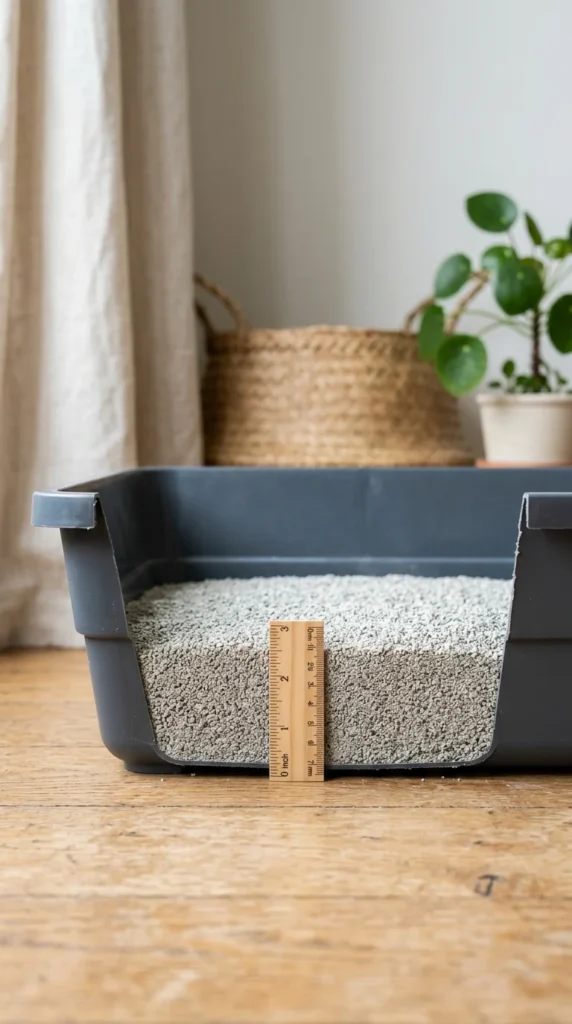
Don’t overfill or underfill the box. Most cats prefer about 2 to 3 inches of litter. If the litter is too deep, it feels like quicksand and can make the cat feel unstable. If it’s too shallow, they can’t effectively bury their waste, which triggers their instinct to find a better spot (like a potted plant).
8. Placement
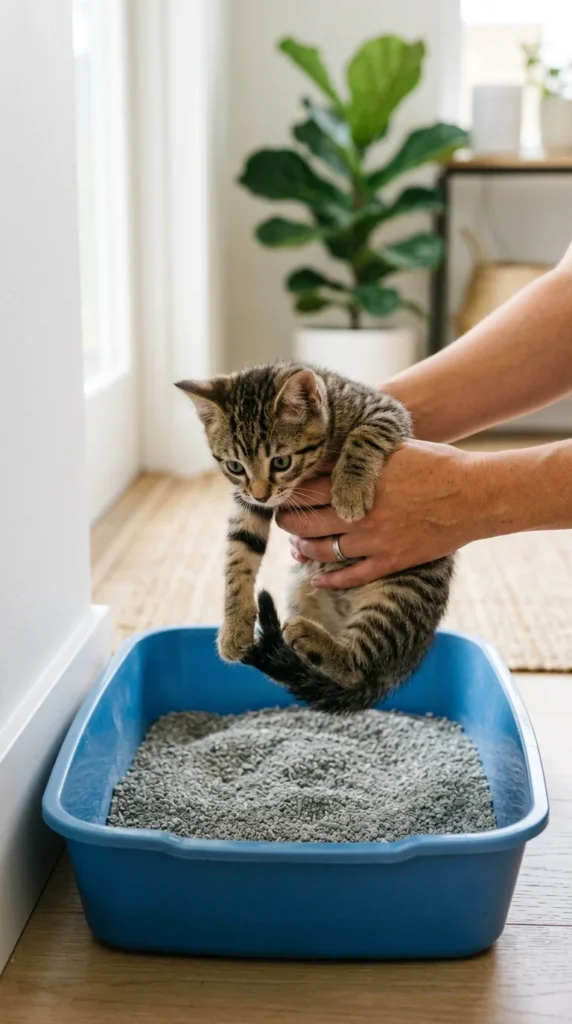
When you first bring your cat home, or if you are retraining, physically show them where the boxes are. Gently place them in the box immediately after they arrive. Don’t force them to dig or move their paws—just let them sniff around and hop out when they are ready. This marks the spot in their mental map of the house.
9. Timing
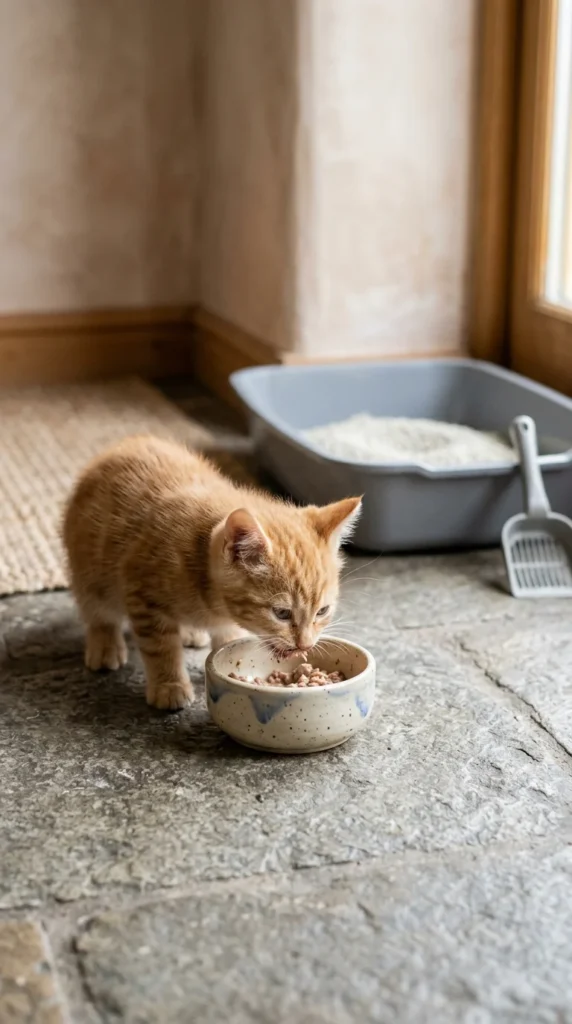
Cats usually feel the urge to eliminate shortly after eating or waking up from a nap. For kittens, take them to the litter box about 15-20 minutes after a meal. If you see them sniffing the floor, circling, or scratching at the carpet, pick them up calmly and move them to the box.
10. Digging
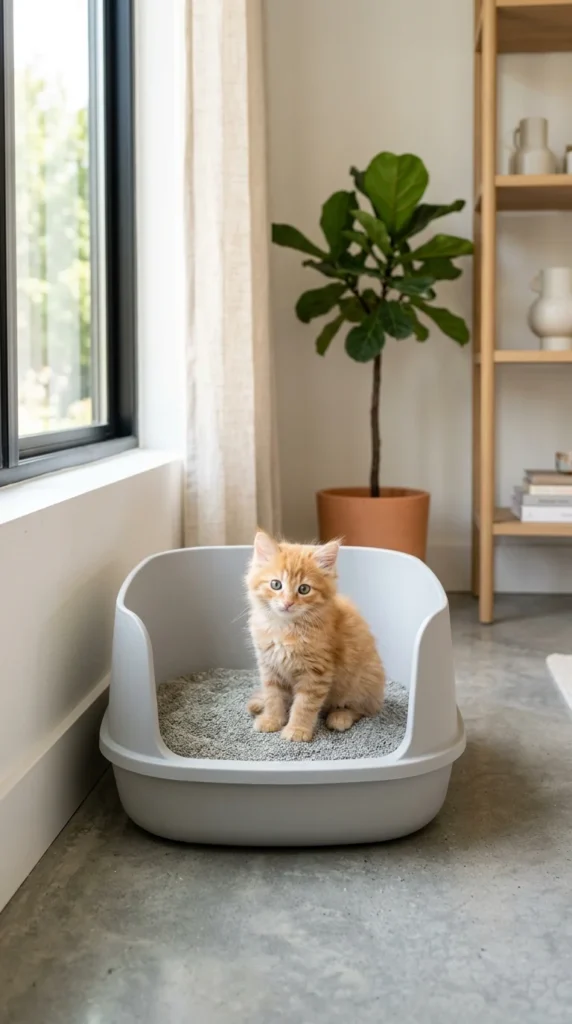
If your cat doesn’t seem to understand what the box is for, you can trigger their natural instincts by mimicking digging. Use your finger to scratch the litter in front of them. The sound and motion often click in a cat’s brain, reminding them that this is a place for burying.
11. Praise
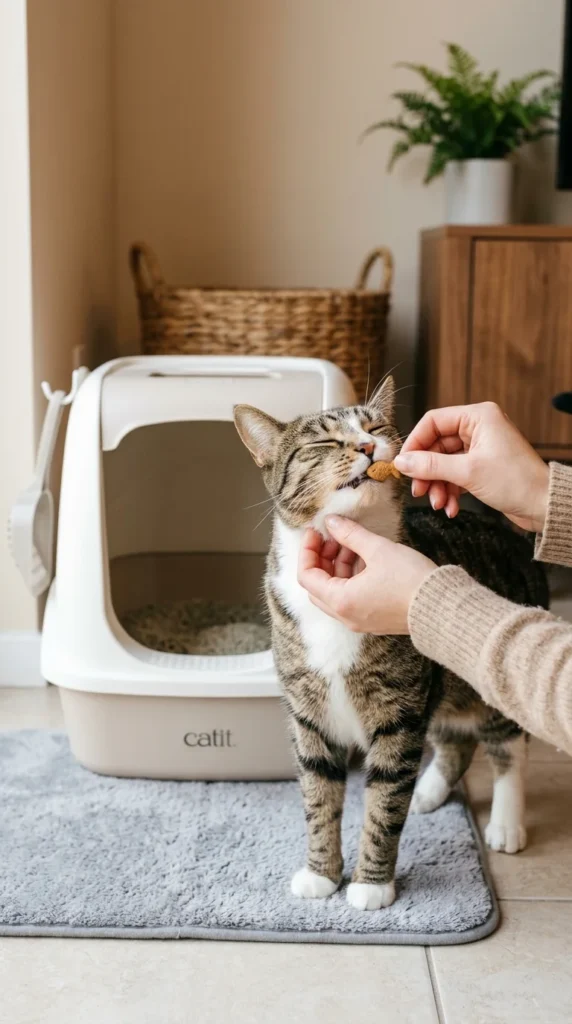
Positive reinforcement works wonders. When you see your cat use the box correctly, wait until they are finished and have hopped out, then give them a small treat or some verbal praise. You want them to associate the litter box with a positive experience. Never yell at them while they are in the box, as this creates a negative association.
12. Scooping
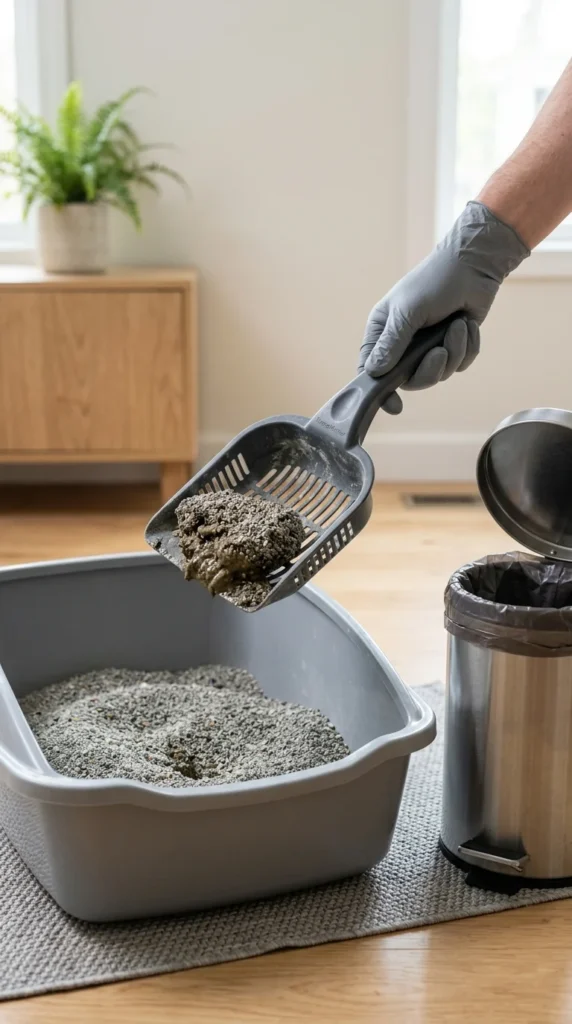
Cats are fastidious creatures. Many will refuse to step into a box that has even one or two clumps in it. Aim to scoop at least once a day—twice is better. Keeping the box clean is the single most effective way to prevent “out of box” accidents.
13. Cleaning
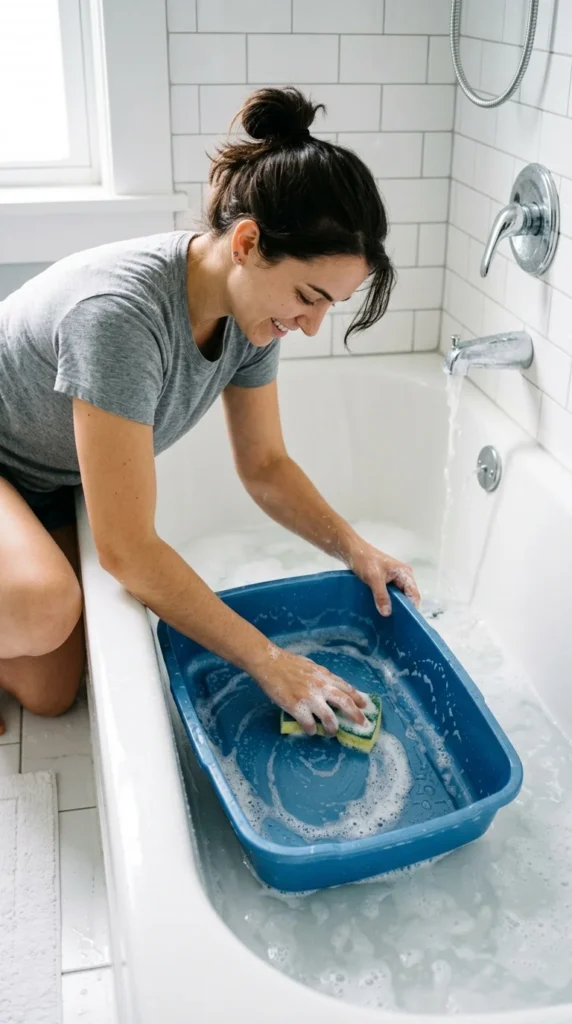
Every two to four weeks, dump out all the litter and scrub the box with mild soap and warm water. Avoid using strong chemicals like ammonia or bleach, as the smell can linger and deter the cat. Over time, plastic absorbs odors and develops scratches that harbor bacteria, so consider replacing the entire box once a year.
14. Pheromones
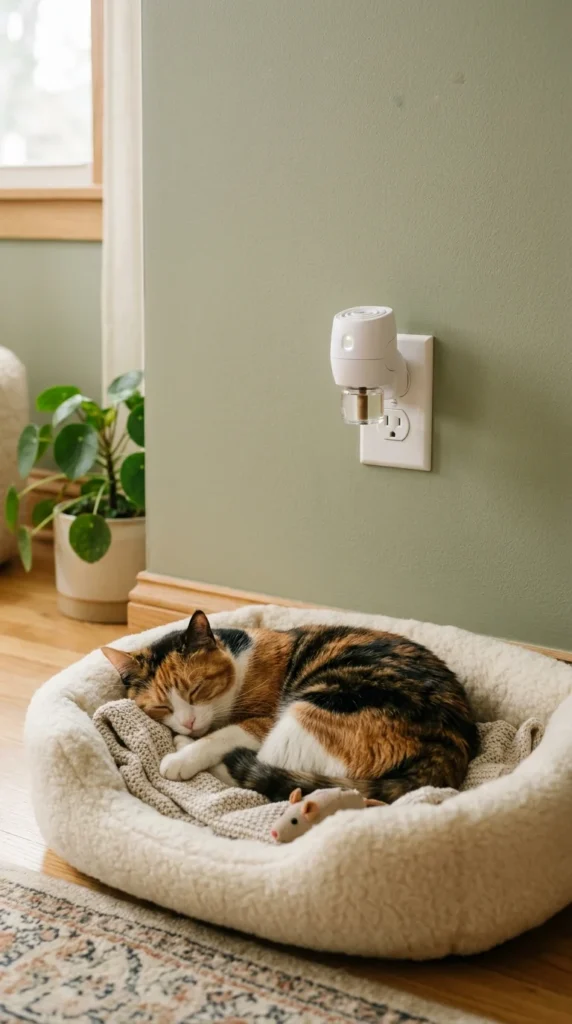
If your cat is avoiding the box due to stress or anxiety (common in multi-cat homes or after a move), consider using a synthetic pheromone diffuser. These mimic the “happy markers” cats leave when they rub their cheeks on things, helping them feel safe and secure in their environment.
15. Accidents
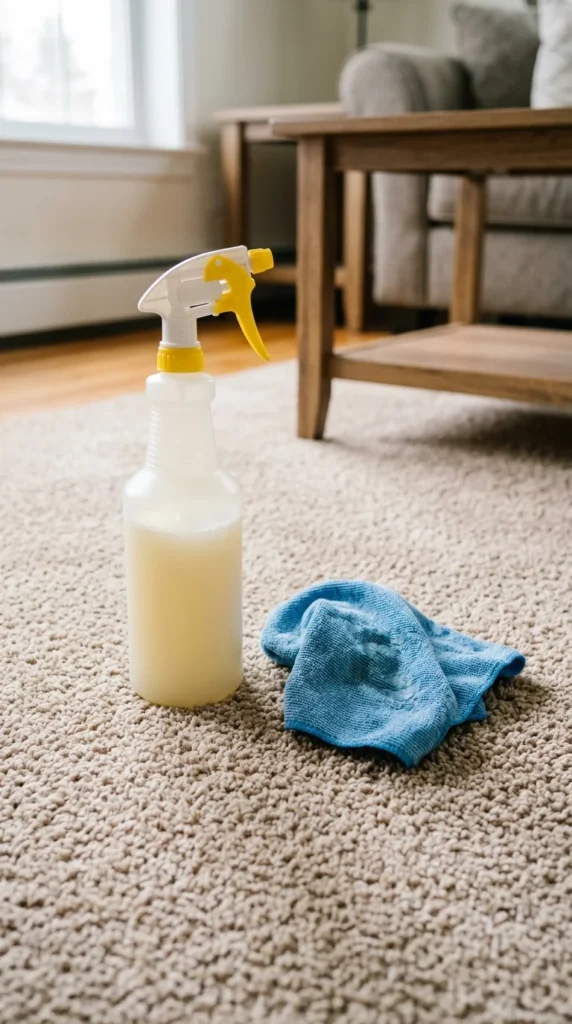
If an accident happens, cleaning it properly is vital. Use an enzymatic cleaner specifically designed for pet waste. Standard household cleaners might remove the stain, but they often leave behind microscopic scent markers that tell the cat, “This is a bathroom.” Enzymatic cleaners break down the proteins in the urine to completely remove the scent.
16. Privacy
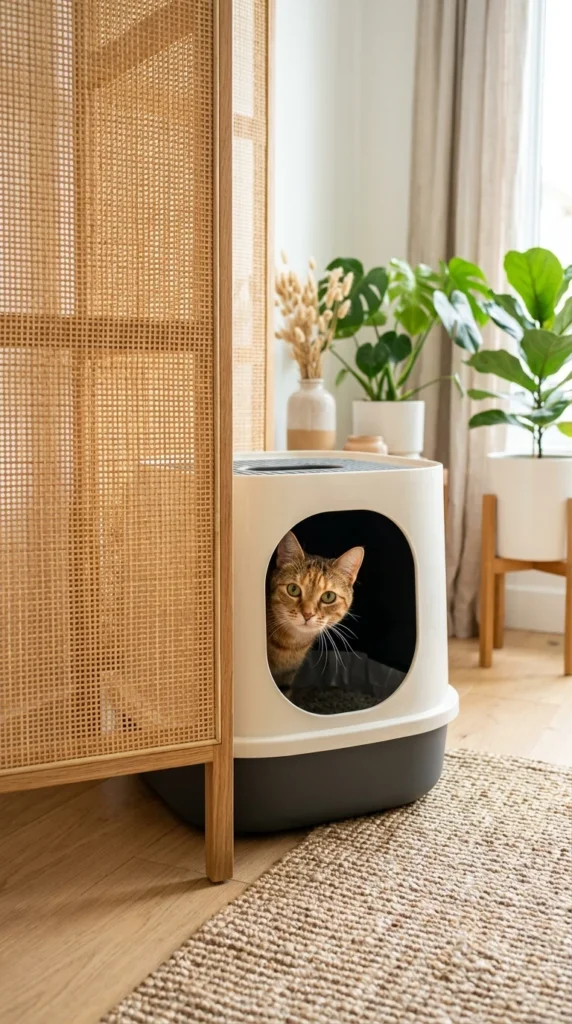
Some cats prefer a hooded (covered) box because it feels like a private “den.” However, other cats hate them because they trap odors inside and limit their escape routes. If you use a covered box, make sure it is very large. If your cat stops using it, try removing the lid to see if they prefer the open-air experience.
17. Substrates
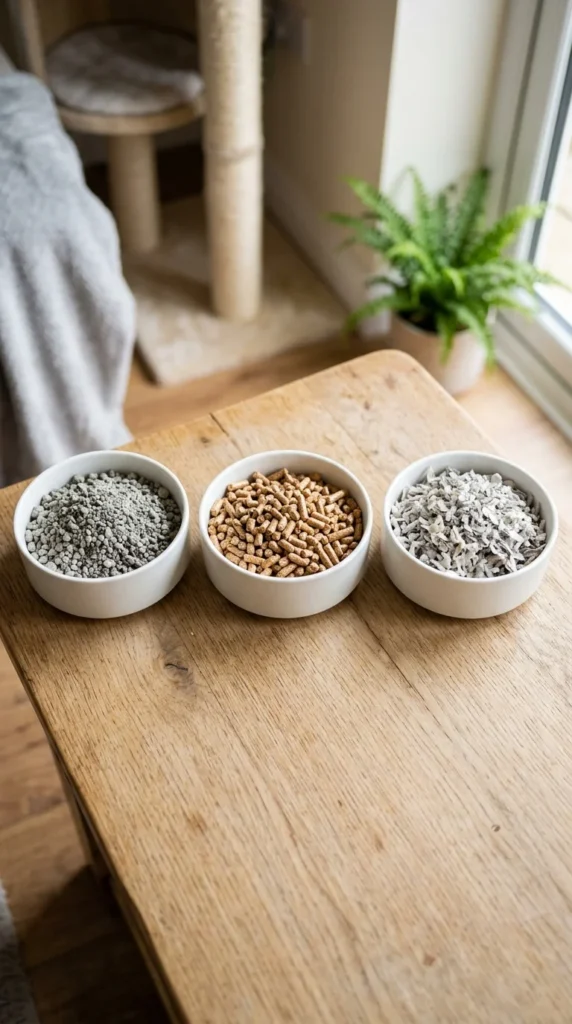
If you have a picky cat, run a “litter cafeteria” test. Place two or three boxes side-by-side, each with a different type of litter. Observe which one the cat uses most frequently over the course of a week. This allows the cat to “vote” on their favorite substrate.
18. Health

If a previously trained cat suddenly stops using the box, the first step should always be a vet visit. Issues like Urinary Tract Infections (UTIs), bladder stones, or kidney issues can make urination painful. The cat often associates the pain with the litter box itself and begins to avoid it.
19. Deterrents
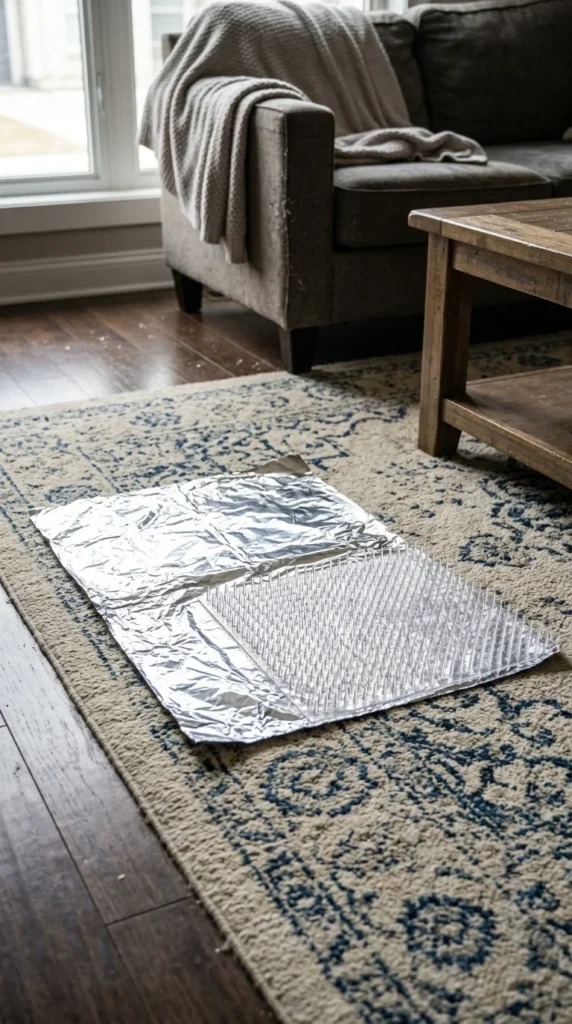
To discourage a cat from returning to the site of a previous accident, make that area unattractive. You can use aluminum foil, double-sided tape, or a motion-activated puff of air. Once the “illegal” spot is no longer appealing, the cat will be more likely to return to their designated litter box.
20. Diet
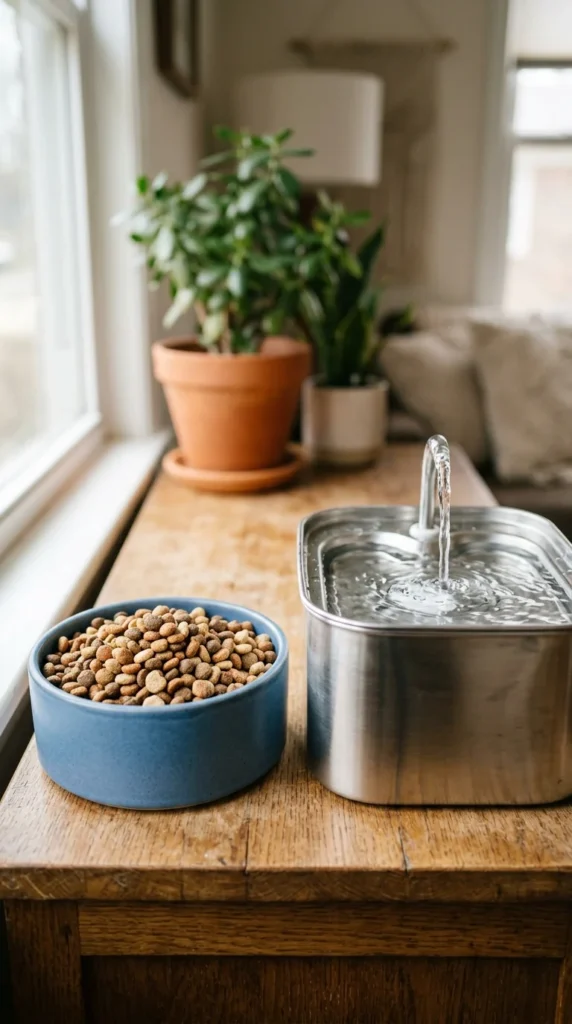
A consistent diet leads to consistent bathroom habits. High-quality food reduces the volume of waste and keeps the stool firm, making the litter box experience more pleasant for the cat (and easier for you to clean). Avoid sudden changes in food, which can cause diarrhea and lead to accidents.
21. Patience
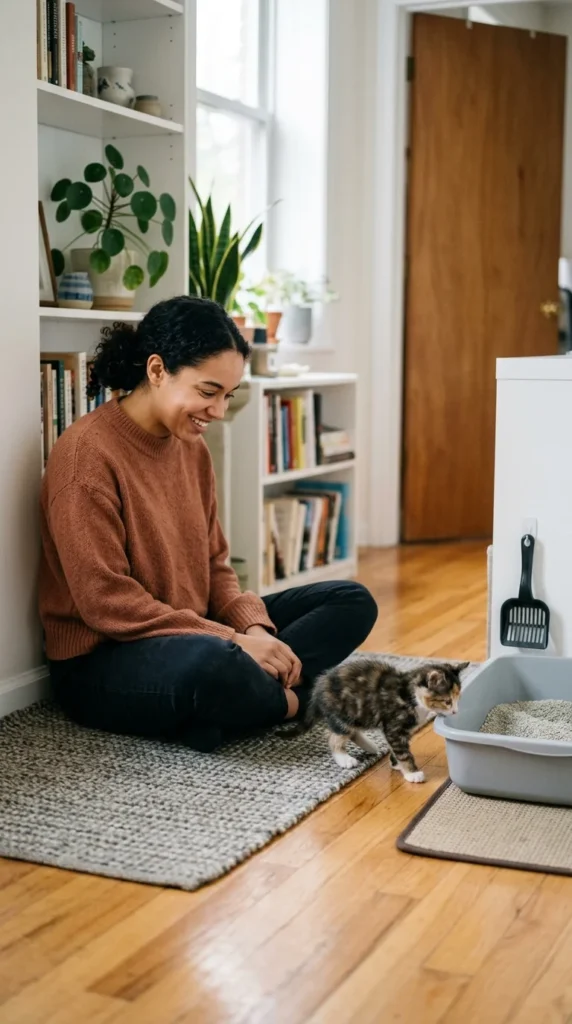
Training takes time. Some cats get it in an hour; others take weeks. If your cat has an accident, do not rub their nose in it or punish them. This only teaches the cat to be afraid of you, which increases stress and leads to more accidents. Stay calm, clean the mess, and go back to the basics of placement and positive reinforcement.