
Bringing a cat into your home is one of life’s greatest joys, but it also transforms your living space into a giant playground for a creature that is part gymnast, part detective, and part toddler. Cats are naturally inquisitive, and their instinct to climb, chew, and explore can lead them into precarious situations. Cat-proofing isn’t just about protecting your furniture; it’s about identifying hidden hazards that could lead to costly vet visits or heartbreak. Whether you are welcoming a tiny kitten or a seasoned senior, these seventeen essential tips will help you create a sanctuary that is as safe as it is stylish.
1. Toxic Plants
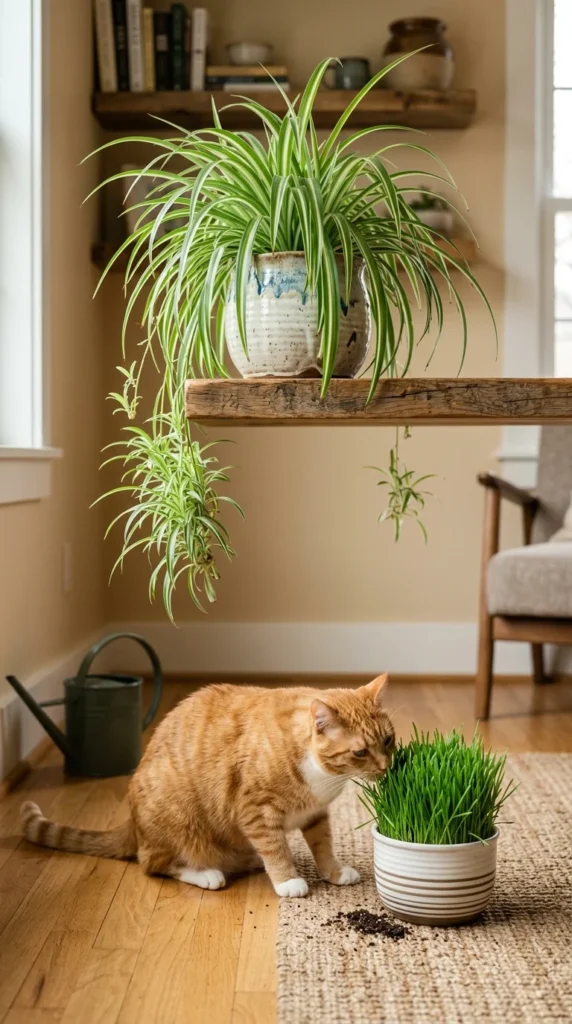
Many common houseplants are surprisingly dangerous to felines. Lilies, for instance, are highly toxic; even a small amount of pollen can cause kidney failure in cats. Other popular but hazardous plants include Monstera, Pothos, and Aloe Vera. To cat-proof your greenery, start by identifying every plant in your home. Replace toxic varieties with cat-safe alternatives like Boston Ferns, Spider Plants, or Areca Palms. For an extra layer of safety, provide your cat with their own “indoor garden” of wheatgrass or catnip, which will distract them from nibbling on your decorative foliage.
2. Window Screens
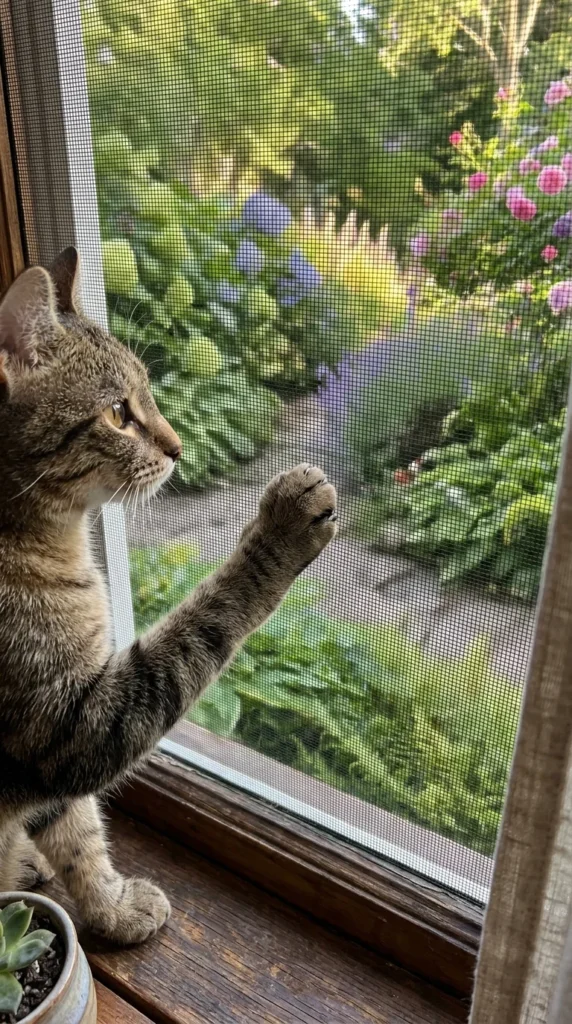
The “high-rise syndrome” is a real phenomenon where cats fall from windows, often while chasing a bird or a bug. Even a fall from a second-story window can result in serious injuries. Standard insect screens are often too flimsy to withstand a cat’s weight or a sharp set of claws. Replace flimsy screens with heavy-duty pet screens made of vinyl-coated polyester. Additionally, ensure that window tracks are clear and locks are functional so your cat cannot nudge a sliding window open.
3. Electrical Cords
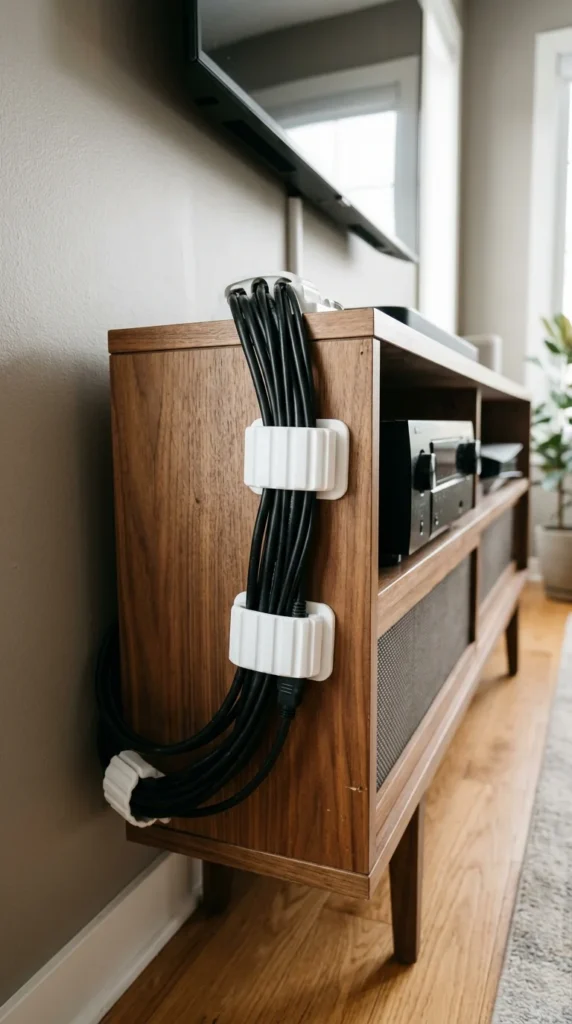
To a kitten, a dangling electrical cord looks like a very exciting, albeit dangerous, piece of string. Chewing on live wires can cause oral burns, pulmonary edema, or fatal electric shocks. Use split-sleeve tubing or hard plastic cord protectors to encase any exposed wires. For cords that cannot be covered, try applying a bitter-tasting deterrent spray. Keeping cords tucked away behind furniture or using cable management boxes can also remove the temptation entirely.
4. Heavy Furniture
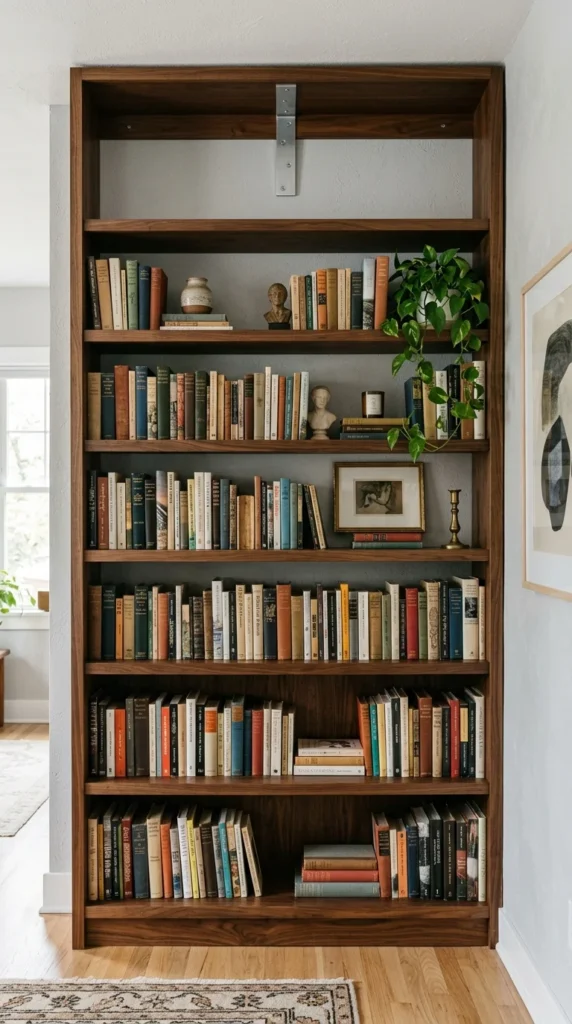
Cats are natural climbers, and a tall bookshelf or a wobbly dresser looks like a mountain peak waiting to be conquered. However, if the furniture isn’t stable, the weight of a jumping cat can cause it to tip over. Use furniture anchors or L-brackets to secure bookcases, wardrobes, and television stands to the wall studs. This prevents a “timber” moment that could crush your pet or cause significant property damage.
5. Blind Cords
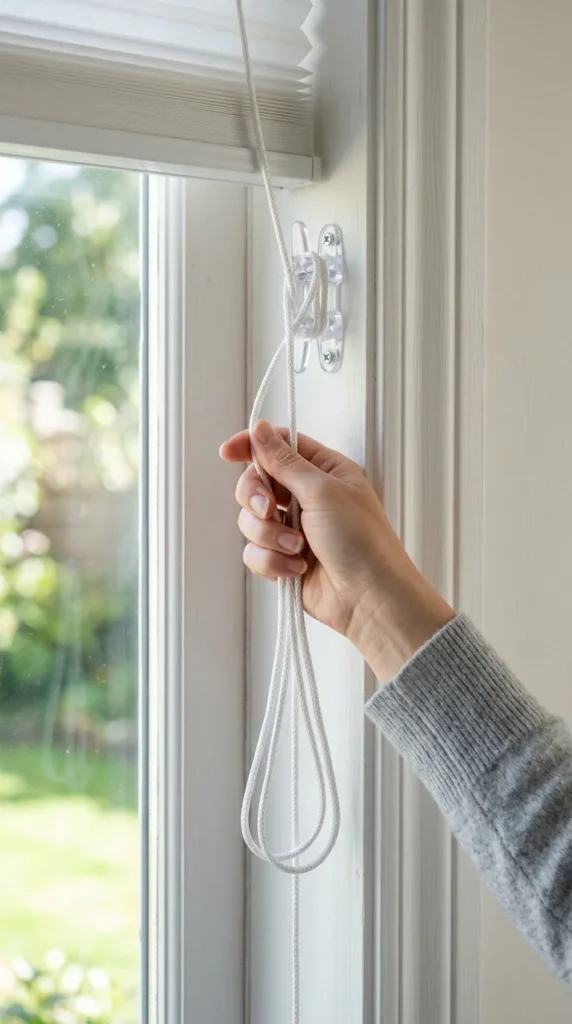
Looped cords on window blinds are a major strangulation hazard. Cats can easily get their heads caught while playing in the window, leading to a life-threatening struggle. The safest option is to install cordless blinds. If that isn’t feasible, install cord cleats high out of reach and always keep the loops wound tightly. You can also cut the loops and install breakaway tassels, which separate under tension.
6. Essential Oils
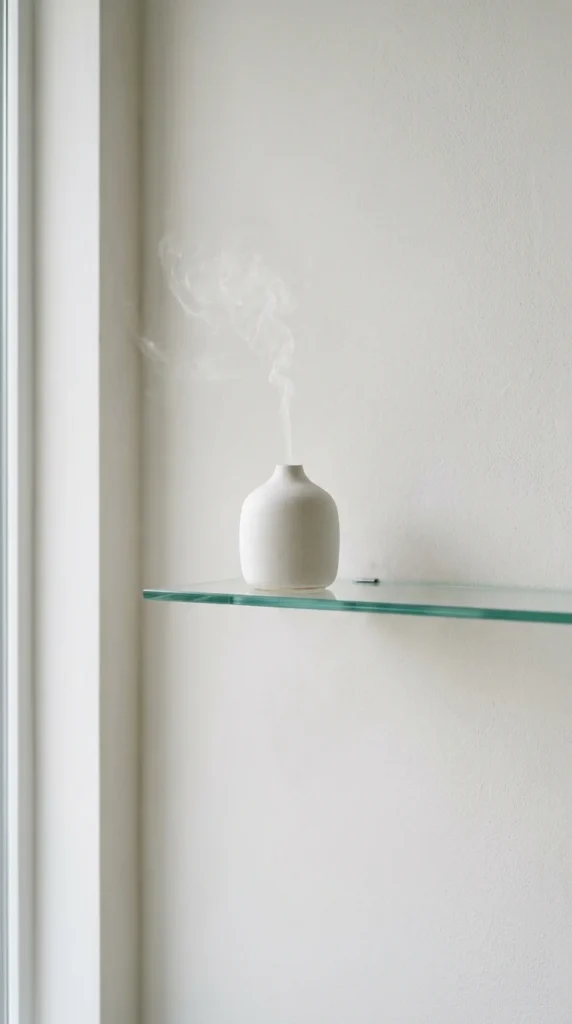
While aromatherapy might be relaxing for you, many essential oils are toxic to cats. Oils like tea tree, peppermint, eucalyptus, and citrus can cause liver distress or respiratory issues when inhaled or absorbed through the skin. If you use a diffuser, ensure it is in a room the cat cannot access, or stick to oils that are generally considered safer in highly diluted forms. Always check with a vet before introducing new scents into a cat-inhabited household.
7. Kitchen Counters
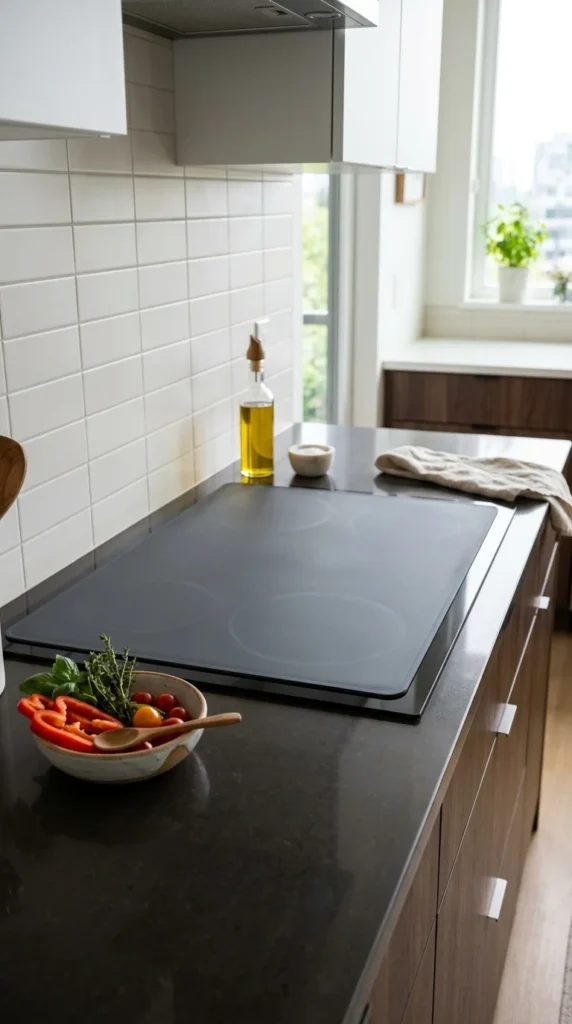
The kitchen is full of “hot zones.” Aside from the obvious danger of a hot stove, kitchen counters often hold sharp knives and toxic foods. To keep your cat off the counters, provide taller, more attractive alternatives like a cat tree nearby. For the stove itself, use burner covers or an induction cooktop that stays cool to the touch. Never leave knives soaking in a sink of water or resting on the edge of the counter where a curious paw could knock them down.
8. Trash Cans
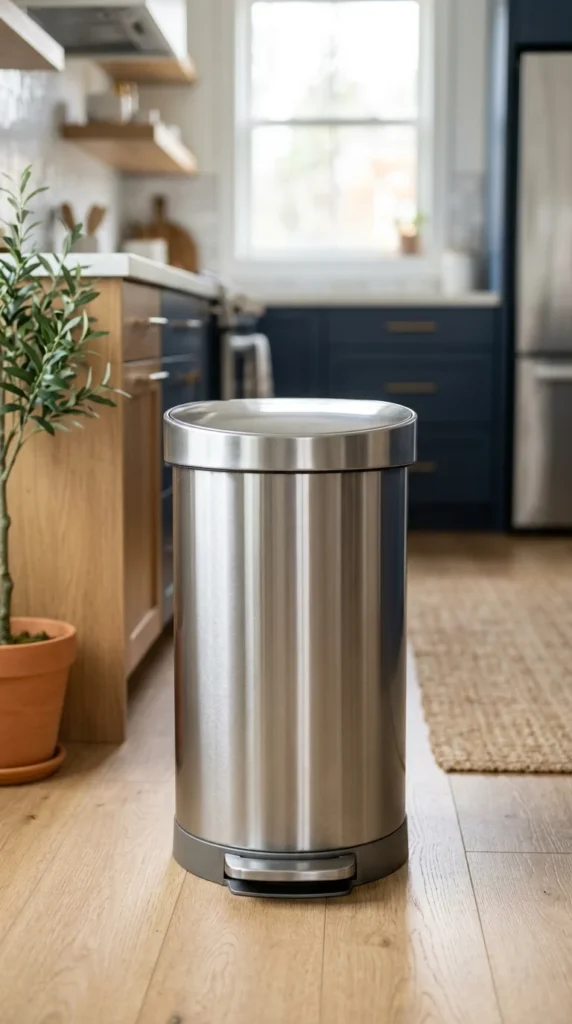
To a cat, the trash can is a treasure chest of smells. Unfortunately, it’s also full of chicken bones, plastic wrappers, and spoiled food that can cause choking or intestinal blockages. Invest in heavy-duty trash cans with locking lids or hide your bins inside a cabinet with a child-proof latch. This not only keeps your cat safe but also prevents “trash confetti” from being strewn across your kitchen floor.
9. Cleaning Supplies

Bleach, ammonia, and even some “natural” cleaners can be caustic to a cat’s sensitive paws and lungs. Since cats groom themselves constantly, any residue they walk through will eventually be ingested. Store all cleaning chemicals in a secure cabinet. When cleaning floors or surfaces, keep your cat in a separate room until the area is completely dry. Consider switching to pet-safe cleaning products that use enzymes rather than harsh acids or bases.
10. Small Objects
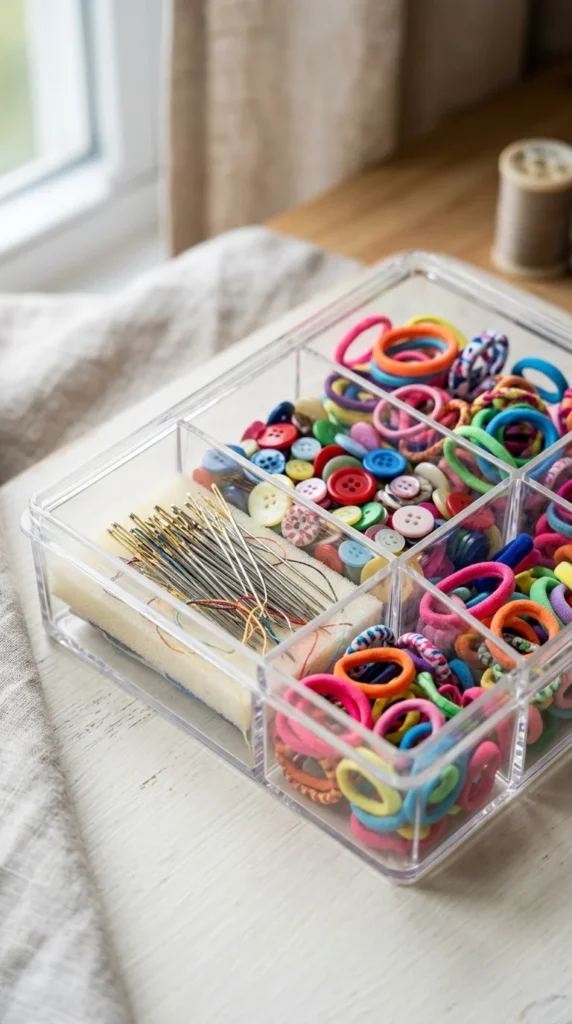
Cats are notorious for swallowing things they shouldn’t. Hair ties, rubber bands, sewing needles, and dental floss are some of the most common items found in feline stomachs during emergency surgeries. These “linear foreign bodies” can saw through intestines, causing fatal infections. Make it a habit to keep small objects in closed drawers or lidded containers. Never leave a sewing kit open and unattended, even for a minute.
11. Dryer Safety
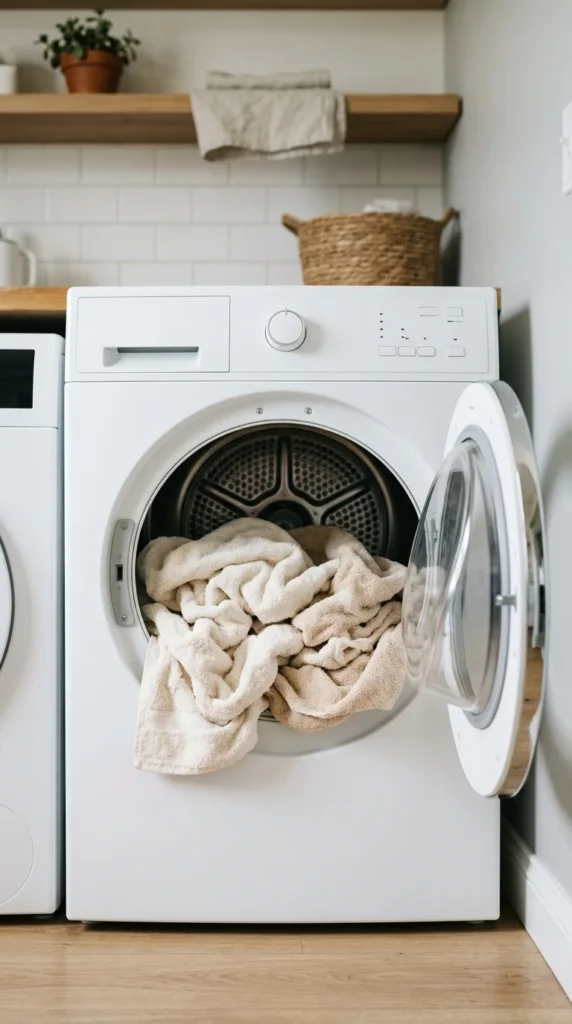
A warm dryer filled with soft clothes is the ultimate napping spot for a cat. Tragically, many cats have been killed when owners started a load without realizing their pet was inside. Always keep the doors to your washer and dryer closed when not in use. Make it a strict rule to “look before you load” and “look before you lock.” Give the laundry a quick toss with your hand to ensure no furry friend is hiding at the back.
12. Toilet Lids
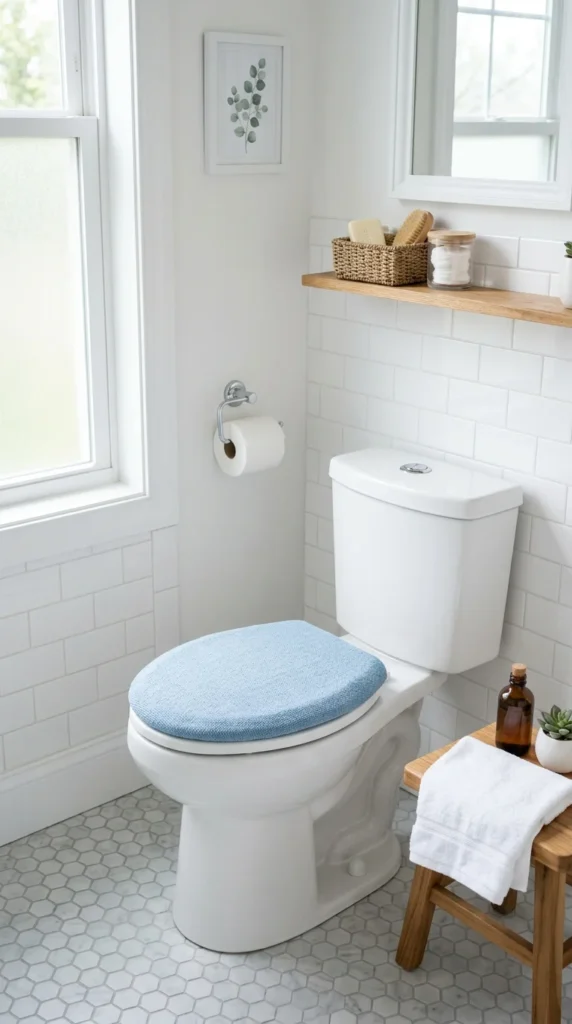
Kittens, in particular, are at risk of falling into an open toilet. Because of their size and the slippery porcelain, they may be unable to climb out, leading to exhaustion or drowning. Furthermore, toilet water often contains chemical bowl cleaners that are toxic if ingested. Get into the habit of keeping the toilet lid down at all times. It’s a simple change that prevents a multitude of risks.
13. Balconies and Patios

If you have an outdoor space, it needs to be “cattified” or restricted. Even the most agile cat can lose its balance on a railing. If you want to give your cat fresh air, consider installing a “catio”—a screened-in enclosure—or use specialized balcony netting. Never leave your cat unattended on a balcony, even if you think they are too smart to jump. A passing butterfly can easily override their sense of caution.
14. Vertical Space

Cat-proofing isn’t just about removing dangers; it’s about providing safe outlets for natural behaviors. If you don’t provide a safe place to climb, your cat will find an unsafe one, like the top of the refrigerator or a shaky curtain rod. Install sturdy cat shelves or a ceiling-high cat tree. Giving them a “vertical highway” keeps them off the dangerous surfaces and provides them with a sense of security and territory.
15. Door Stoppers
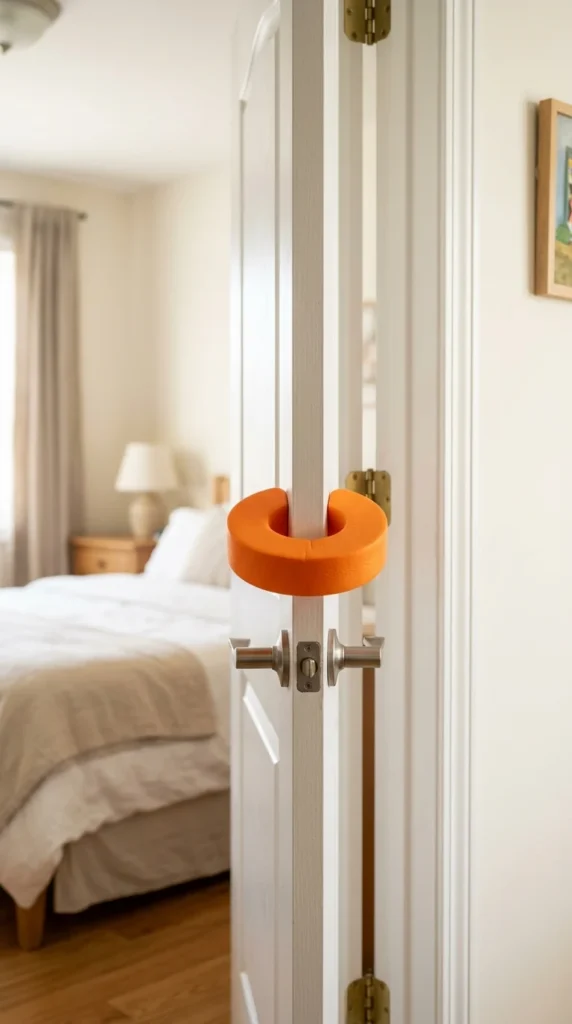
Heavy doors can be dangerous during a draft or if a human closes them quickly. A cat’s tail or paw can easily be crushed in the hinge side or the latch side of a door. Use foam door guards or “pinch guards” to prevent doors from slamming shut. This is especially important for heavy fire doors or doors that lead to areas where the cat spends a lot of time.
16. Human Food

Many foods that are healthy for humans are toxic to cats. Onions and garlic can cause life-threatening anemia; grapes and raisins can cause kidney failure; and chocolate contains theobromine, which is toxic to their hearts. Never leave these items out on the table. Be particularly careful with “sugar-free” products containing Xylitol, which is highly dangerous. Store all human snacks in airtight containers inside cupboards.
17. Scratching Posts
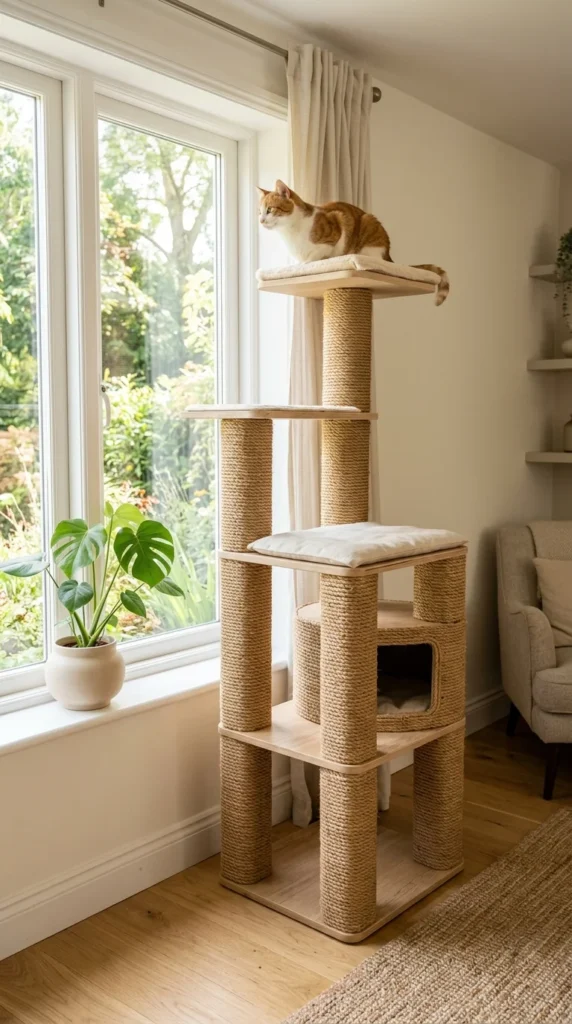
If you don’t provide a designated place to scratch, your sofa will become the target. Scratching is a physical and emotional necessity for cats—it stretches their muscles and marks their territory. To “furniture-proof” your home, place high-quality scratching posts near the items they are tempted to claw. Use a variety of textures, like sisal, carpet, and cardboard, to see what your cat prefers. Redirecting this behavior is the most effective way to keep your home looking great while keeping your cat happy.