

Bringing a kitten home is one of the most heart-melting experiences a person can have. However, those first seven days are a whirlwind of adjustments—both for you and your new tiny companion. To ensure your kitten feels safe, healthy, and loved from the moment they paw through the door, follow these 26 essential tips for a smooth first week.
1. Sanctuary Room
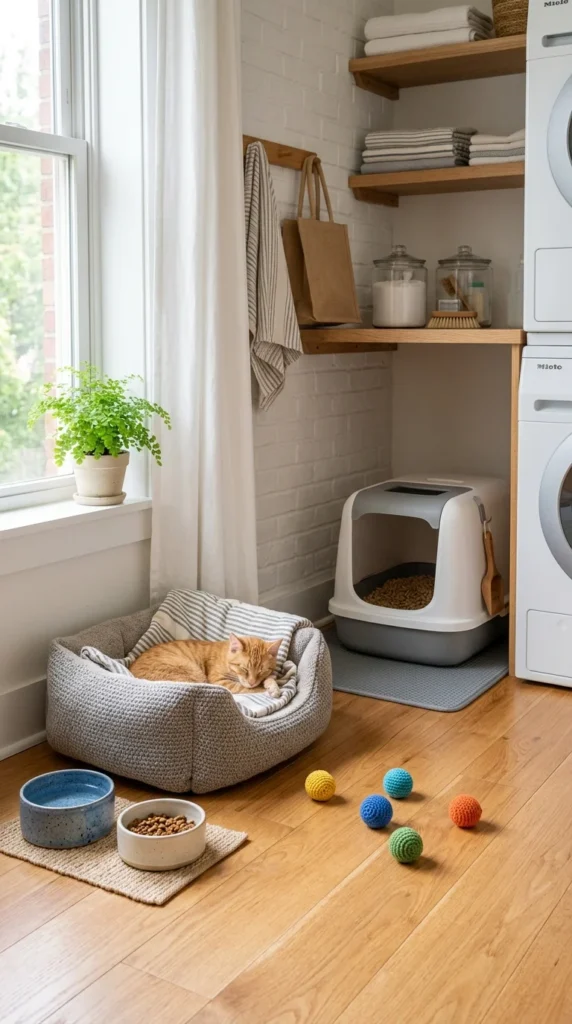
Before the kitten even arrives, designate a “home base.” A smaller, enclosed space like a bathroom or laundry room helps prevent the kitten from feeling overwhelmed by a giant house. This room should contain all their essentials: food, water, litter, and a place to sleep.
2. Litter Setup
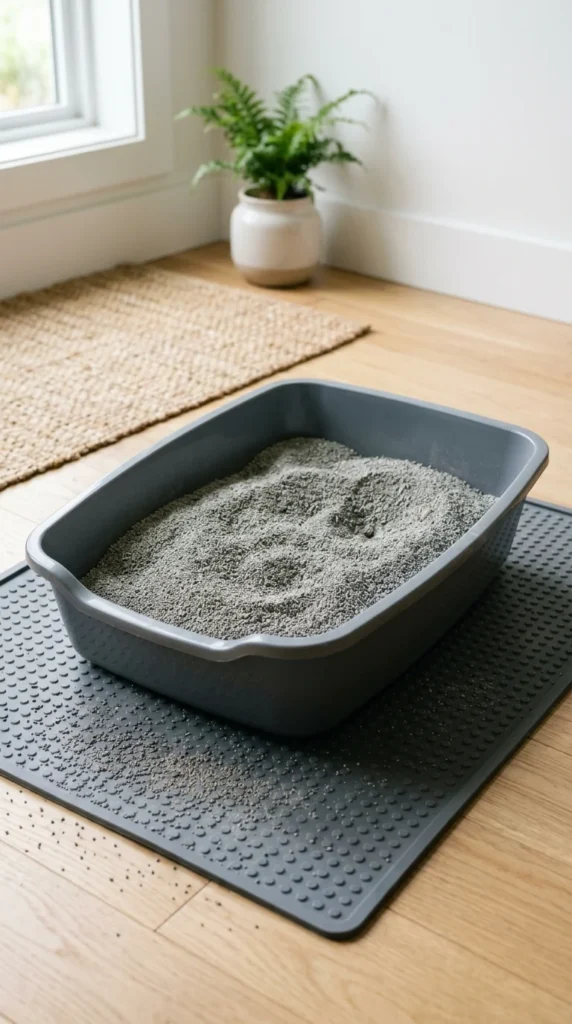
Use a low-entry litter box so tiny legs can easily hop in and out. Stick to the type of litter the kitten was using at the shelter or breeder for the first week to avoid “potty accidents” caused by confusion or texture sensitivity.
3. Scratching Posts
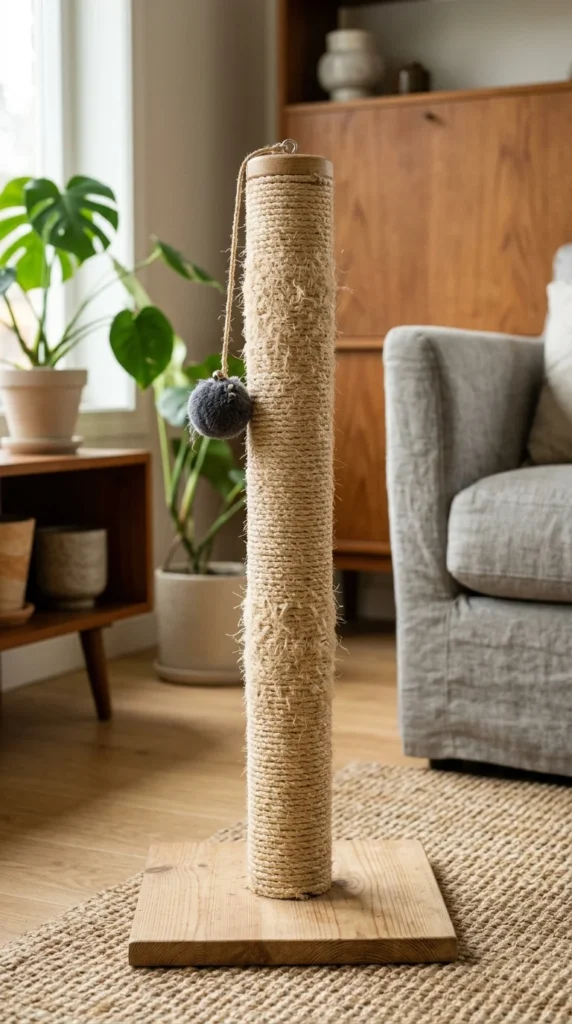
Kittens have an instinctive need to scratch to shed their claw sheaths. Provide a variety of scratching surfaces—both vertical sisal posts and horizontal cardboard scratchers—to protect your furniture from the very start.
4. Quality Food

Growth requires immense energy. Ensure you are feeding a high-quality kitten-specific formula that is rich in DHA and protein. Like the litter, try to keep their diet consistent with what they ate previously for the first few days to prevent stomach upset.
5. Water Fountain
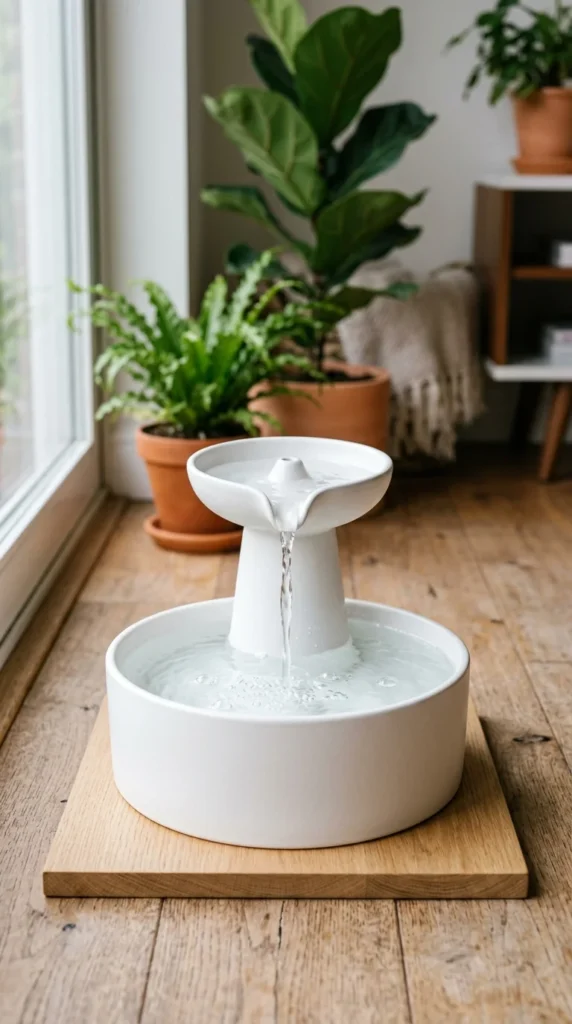
Kittens are often more attracted to moving water than stagnant bowls. A fountain encourages hydration, which is vital for kidney health. Ensure the water is fresh and changed daily if using a traditional bowl.
6. Carrier Comfort
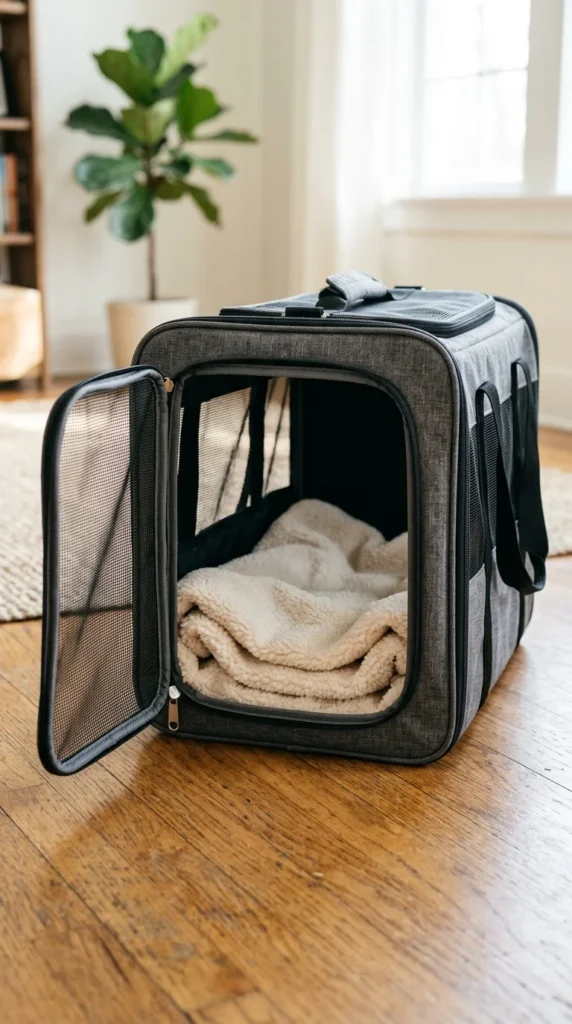
Don’t hide the carrier in the garage once you get home. Leave it open in their sanctuary room with a soft blanket inside. This helps the kitten associate the carrier with safety rather than just scary trips to the vet.
7. Initial Vet-Visit
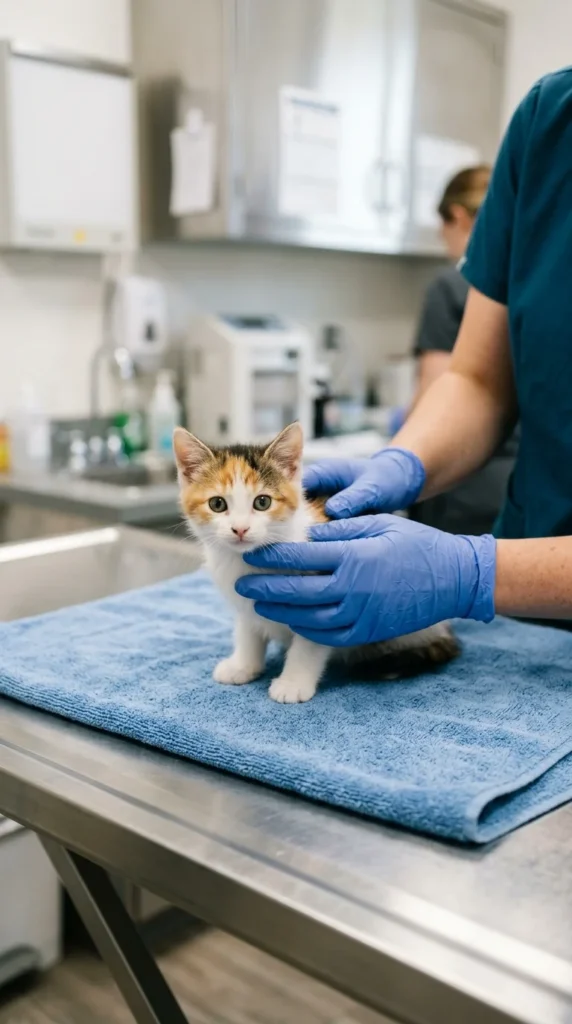
Schedule a wellness check within the first 48 to 72 hours. The vet will check for parasites, listen to their heart, and set up a vaccination schedule. This ensures you aren’t bringing any hidden illnesses into a home with other pets.
8. Hidey Holes
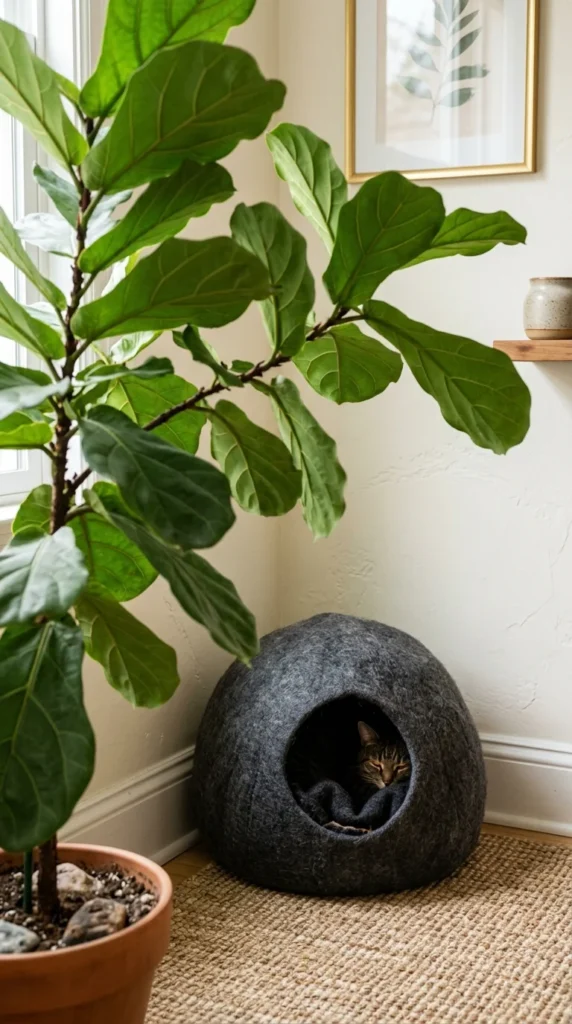
Kittens need a place to retreat when they feel overstimulated. Provide a “cat cave” or even a simple cardboard box with a hole cut out. Knowing they have a fortress to hide in builds their confidence to explore.
9. Toy Variety
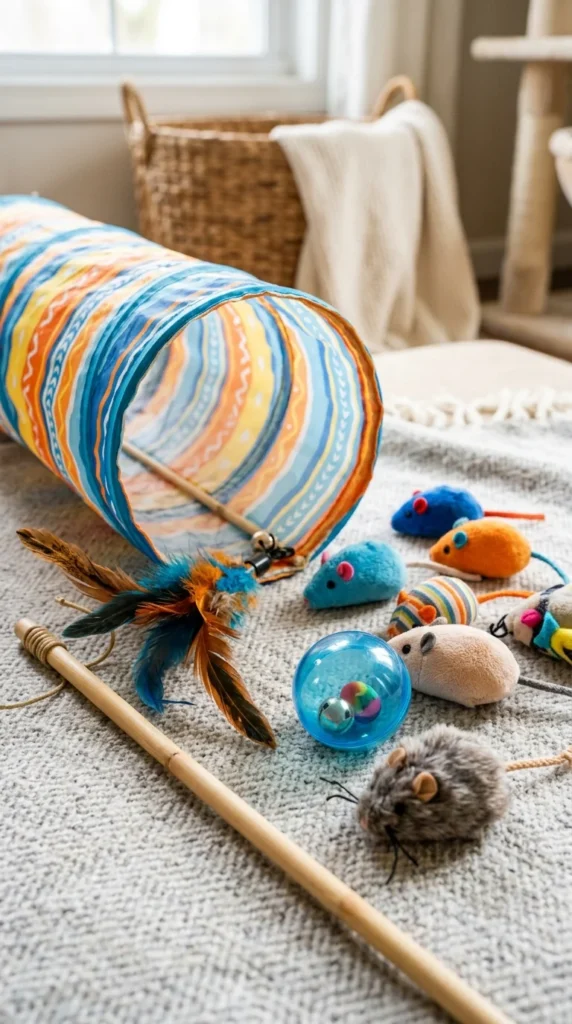
Play is how kittens learn to hunt and bond with you. Offer different textures (feathers, fur, plastic) and sounds (bells, crinkles) to see what stimulates their “prey drive” the most.
10. Wire Proofing
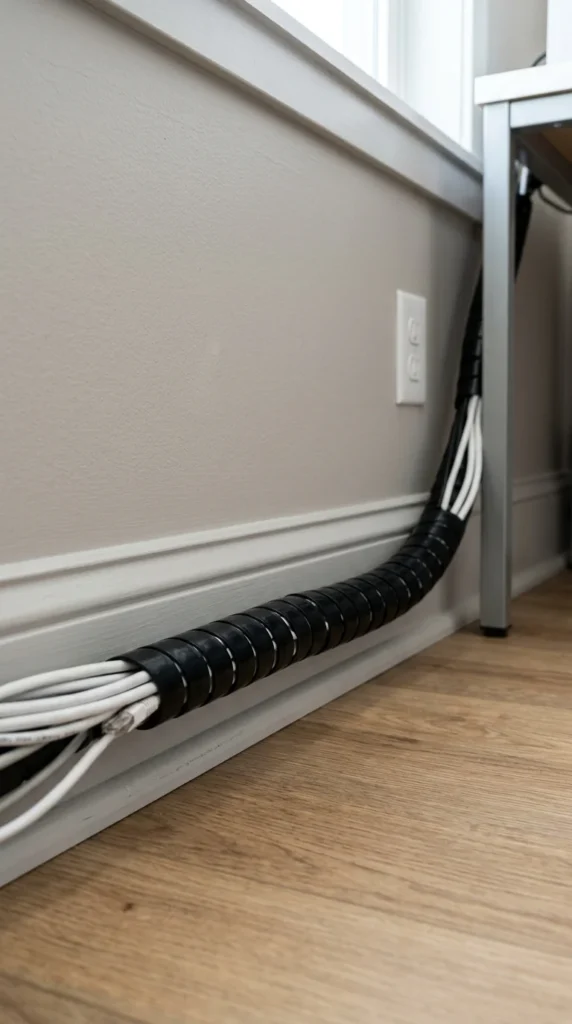
To a kitten, a dangling wire looks like a fun vine to chew on. Use cord protectors or tuck wires behind furniture to prevent dangerous electrical shocks during their teething phase.
11. Toxic Plants
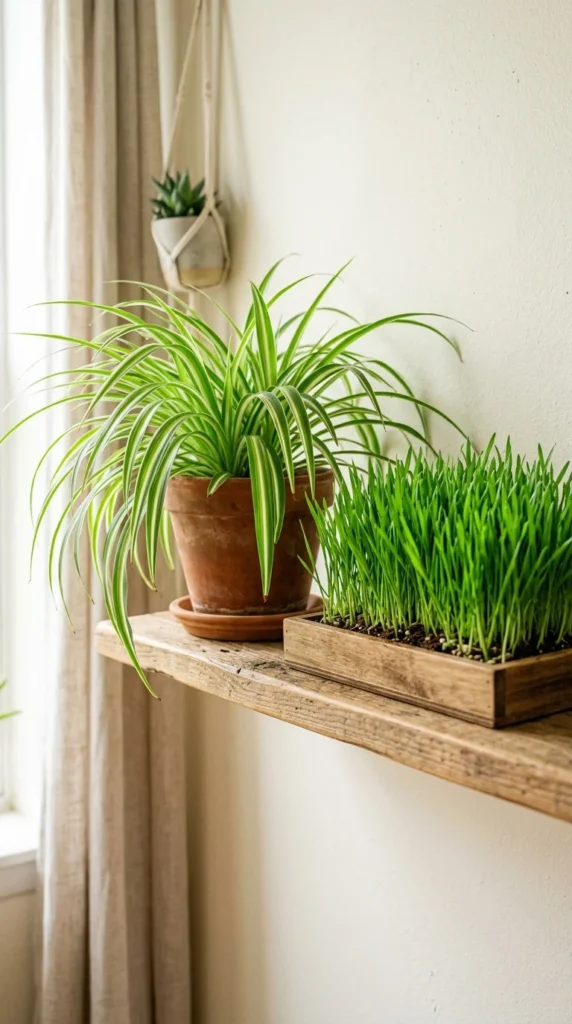
Many common houseplants, like lilies and sago palms, are deadly to cats. Research every plant in your home and move toxic ones to unreachable rooms or replace them with cat-safe greenery like cat nip or valerian.
12. Grooming Tools
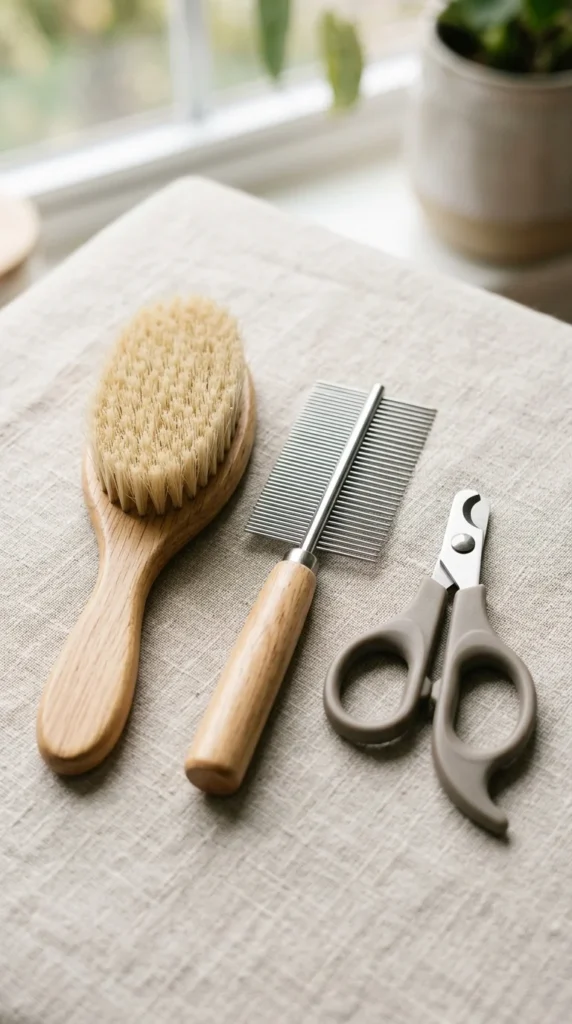
Start grooming immediately, even if they don’t “need” it yet. Gently brushing their fur and touching their paws helps them get used to the sensation, making future nail trims and baths much easier.
13. Scent Transfer
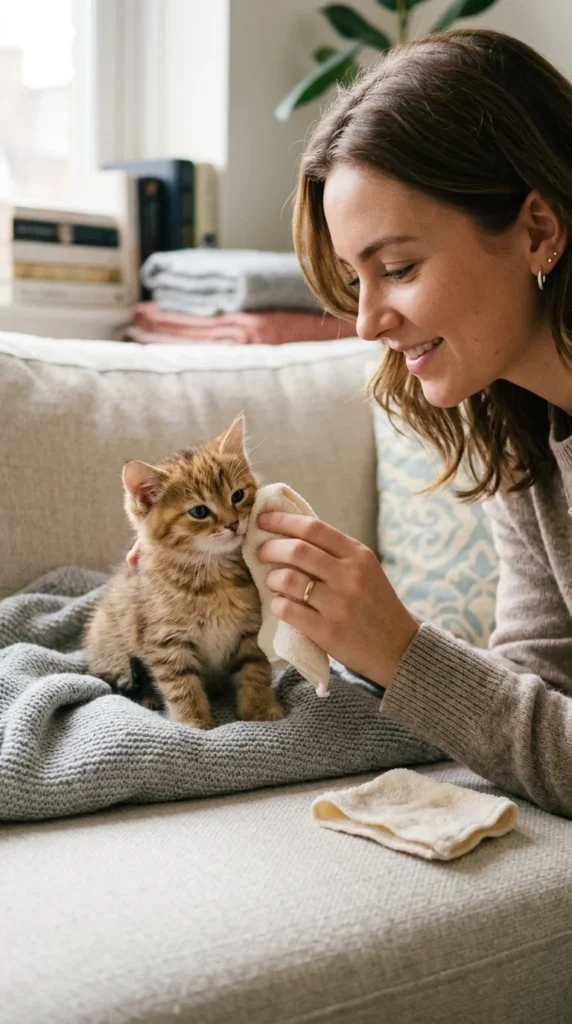
Kittens navigate the world through scent. Rub a soft cloth on their cheeks (where their scent glands are) and place it in the living room. This helps the rest of the house “smell” like them, making the transition out of the sanctuary room less frightening.