
Welcoming a new kitten into your home is a whirlwind of purrs, zoomies, and late-night cuddles. However, between the ages of three and six months, your tiny feline friend undergoes a significant physiological milestone: teething. Just like human infants, kittens lose their deciduous “milk” teeth to make room for 30 permanent adult teeth. This process can be uncomfortable, frustrating, and even a bit painful for your pet.
Recognizing the signs of teething is crucial for any new owner. It allows you to provide the right comfort, prevent the destruction of your furniture, and ensure your kitten’s oral health is on the right track. If you’ve noticed your kitten acting a bit “off” lately, they might be navigating the “land shark” phase of their development. Here are 15 kitten teething signs every owner should recognize.
1. Gnawing
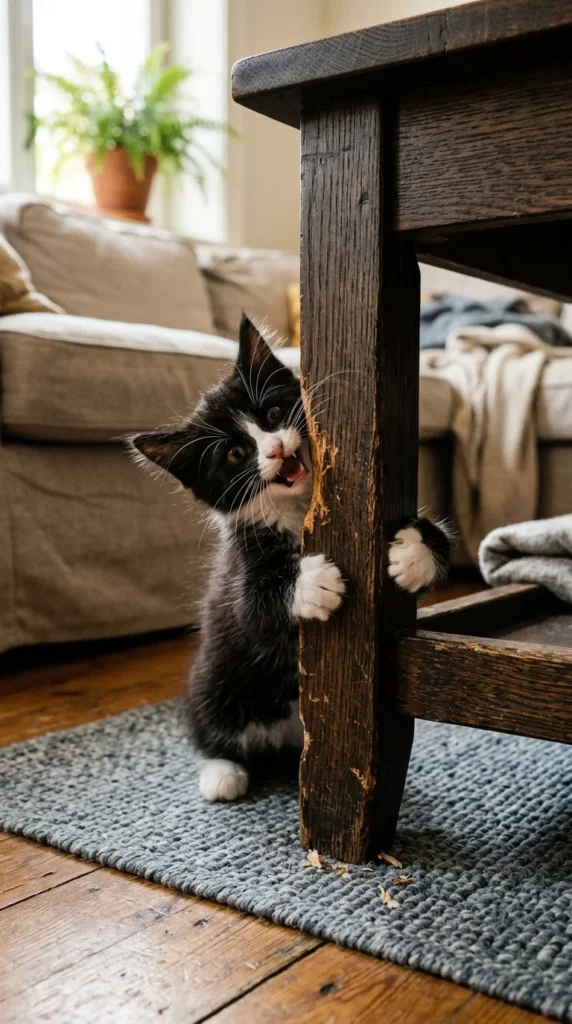
The most classic sign of teething is a sudden urge to chew on everything in sight. Kittens use gnawing as a way to massage their sore gums and help the new teeth break through the surface. You might find them nibbling on chair legs, electrical cords, or even your fingers. This behavior isn’t out of malice; it is a physical necessity to relieve the pressure building up in their jaw.
2. Drooling
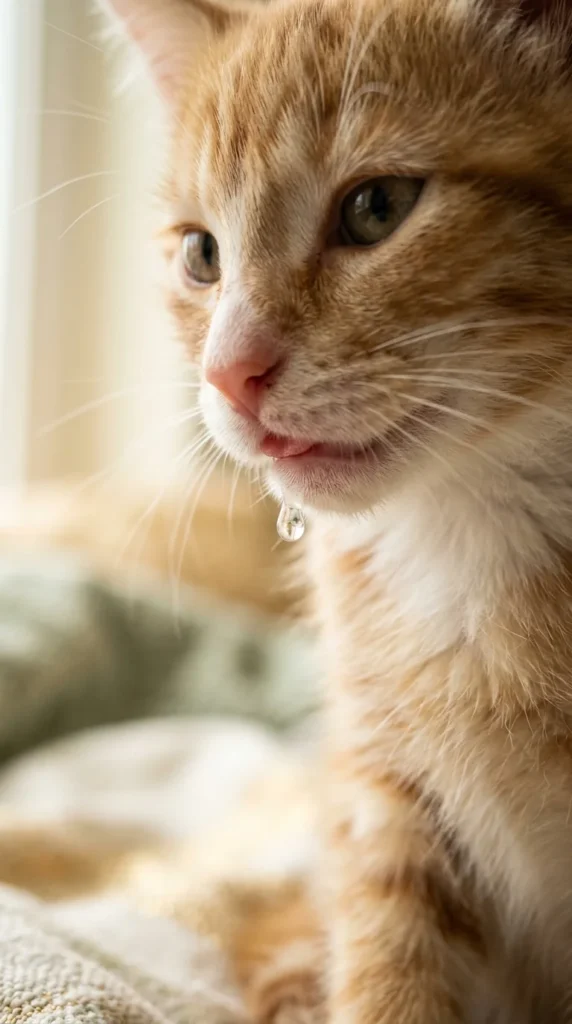
While cats aren’t typically known for drooling like certain dog breeds, teething can cause excessive saliva production. The irritation in the mouth signals the salivary glands to work overtime. If you notice damp patches on their bedding or a glistening chin after a nap, it’s a strong indicator that their adult molars are pushing through.
3. Pawing
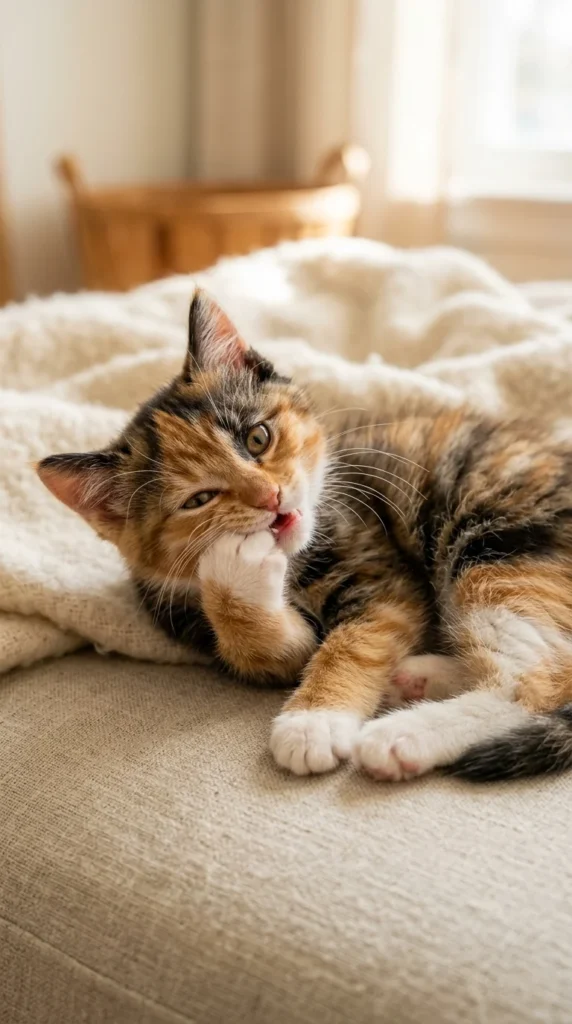
When a kitten feels a dull ache or a sharp pinch in their gums, they often try to “fix” it themselves. You may see your kitten frequently pawing at their face or rubbing their cheeks against the floor or furniture. This is an attempt to soothe the itchiness and discomfort associated with erupting teeth.
4. Bleeding
Finding a small spot of blood on a toy or in your kitten’s water bowl can be alarming, but during teething, it is usually normal. As the sharp adult teeth push the milk teeth out, minor bleeding occurs. As long as the bleeding is minimal and stops quickly, it is simply a part of the natural process of tooth exfoliation.
5. Redness
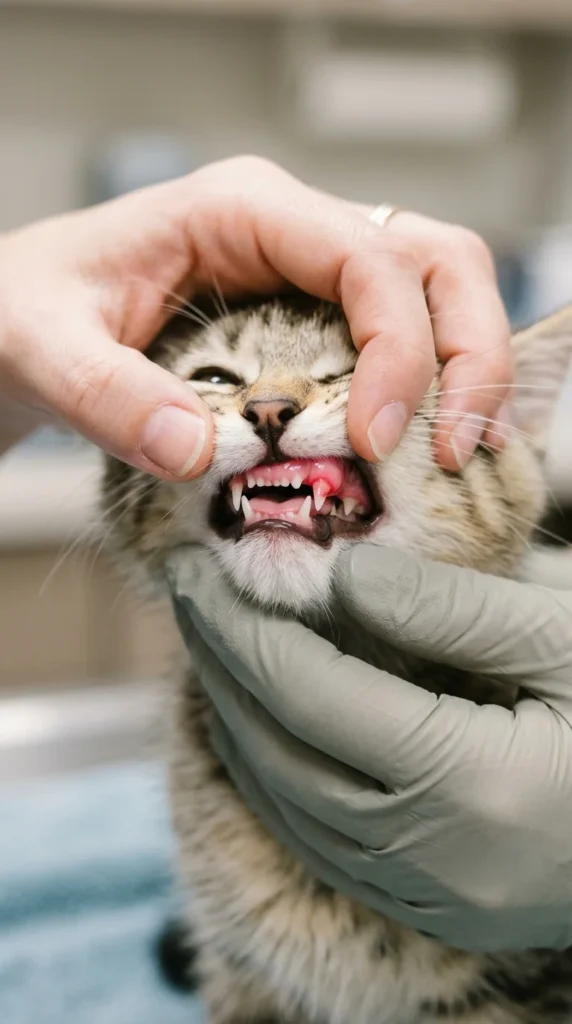
If you gently lift your kitten’s lip, you might see that their gums look red, swollen, or inflamed. This gingivitis-like appearance is common during the teething phase. The tissue becomes sensitive as the internal structure of the jaw shifts. Healthy gums should be pale pink; a deep red “halo” around a tooth is a hallmark sign of teething.
6. Inappetence
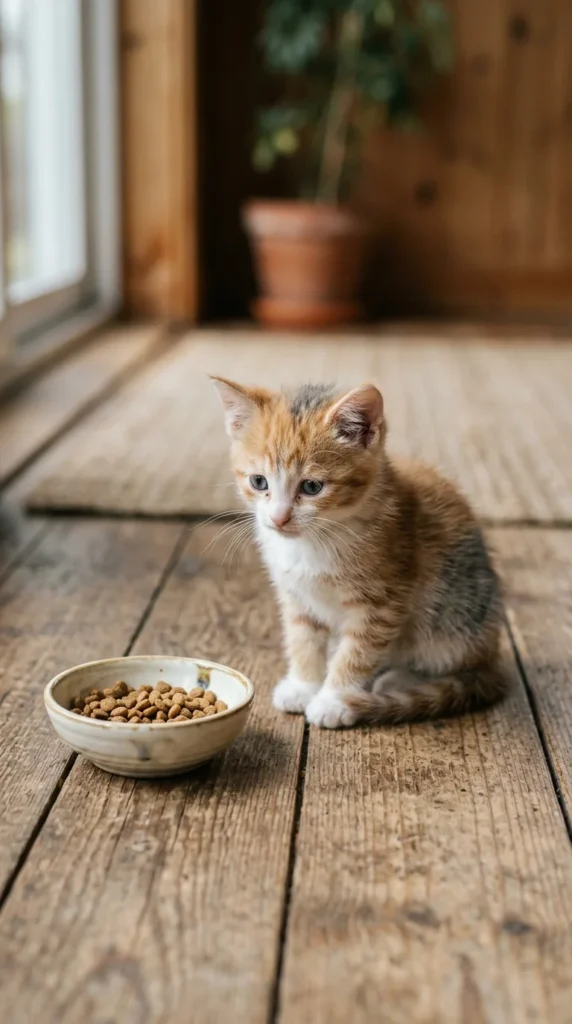
Crunching down on hard kibble can be painful when your mouth is sore. You might notice your kitten approaching their food bowl with interest but then walking away after a single bite, or ignoring it entirely. This “hunger strike” is usually temporary and a result of the physical discomfort of chewing rather than a loss of appetite.
7. Halitosis
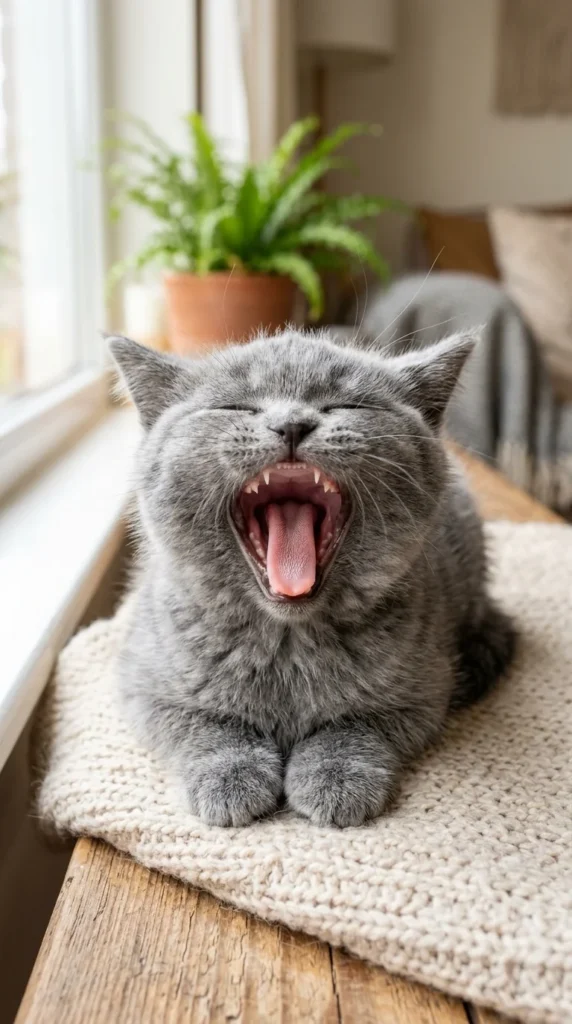
“Kitten breath” is usually sweet, but during teething, it can turn quite foul. As the old teeth loosen, small amounts of bacteria and food debris can get trapped in the gaps. Additionally, the mild bleeding and tissue turnover can create a distinct, metallic, or musky odor. Don’t worry—their breath usually returns to normal once the adult teeth are fully set.
8. Vocalization
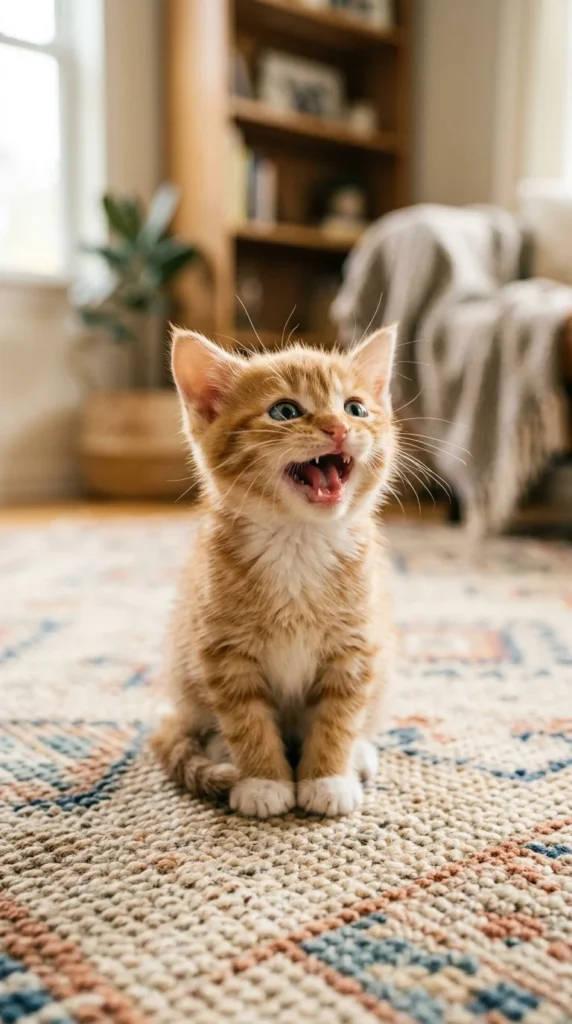
Some kittens are more vocal than others when they are in pain. If your usually quiet kitten starts meowing more frequently, or if their meows sound more like a distressed “cry,” they may be complaining about their sore mouth. This vocalization is often more prominent during meal times or when they are trying to chew on a toy.
9. Missing Teeth
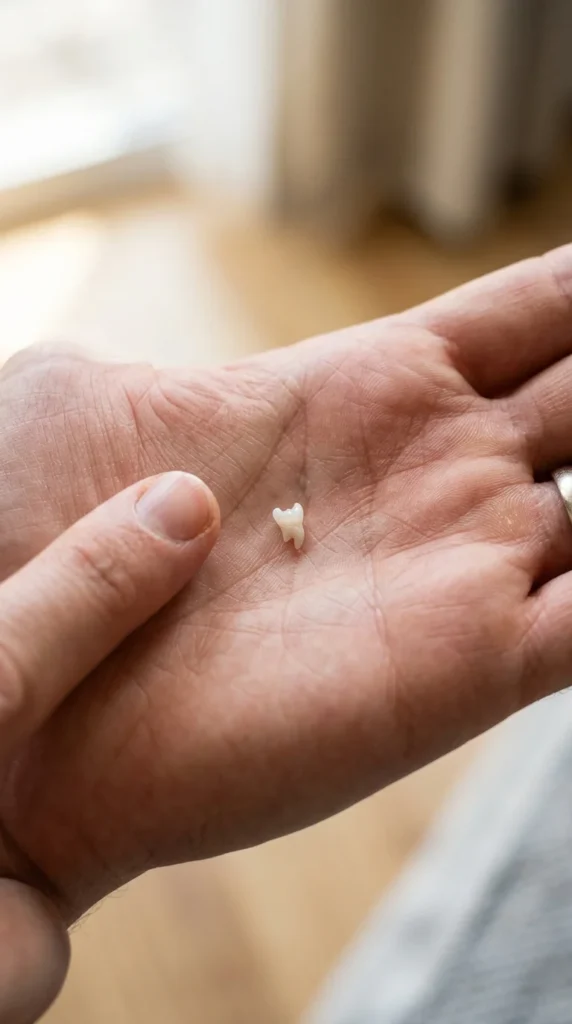
The most definitive sign of teething is finding a discarded tooth! However, don’t be surprised if you never find one. Kittens often swallow their milk teeth while eating, or they fall out during play and get lost in the carpet. If you do find a tiny, needle-like tooth on the floor, keep it as a memento of their “babyhood.”
10. Irritability
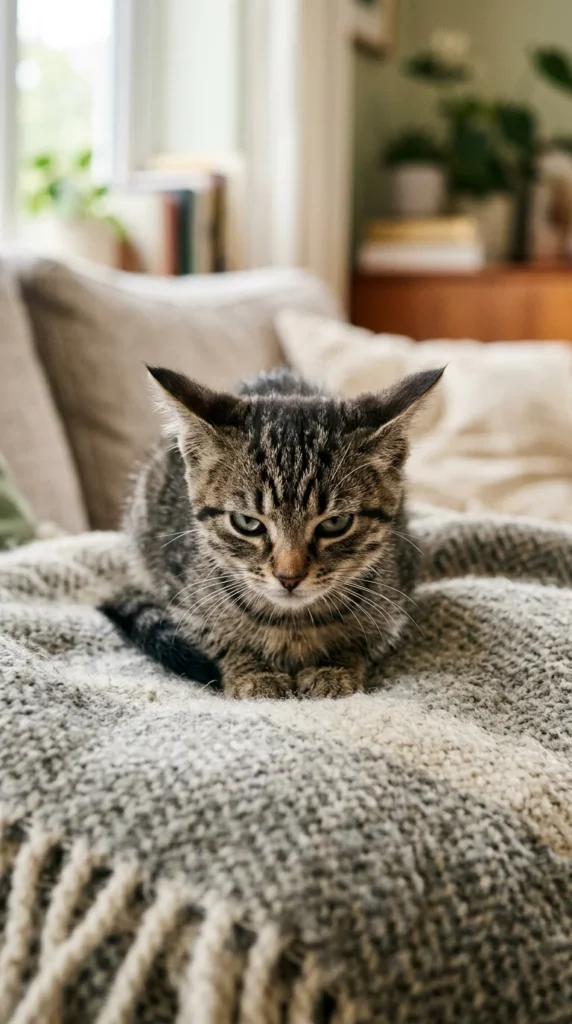
Teething hurts, and pain can make anyone a little cranky. You might find that your kitten is less tolerant of being handled, or they might hiss when you try to pet their head. This shift in personality is usually short-lived. Giving them space and providing soft places to rest can help them get through this “grumpy” phase.
11. Unkempt Fur
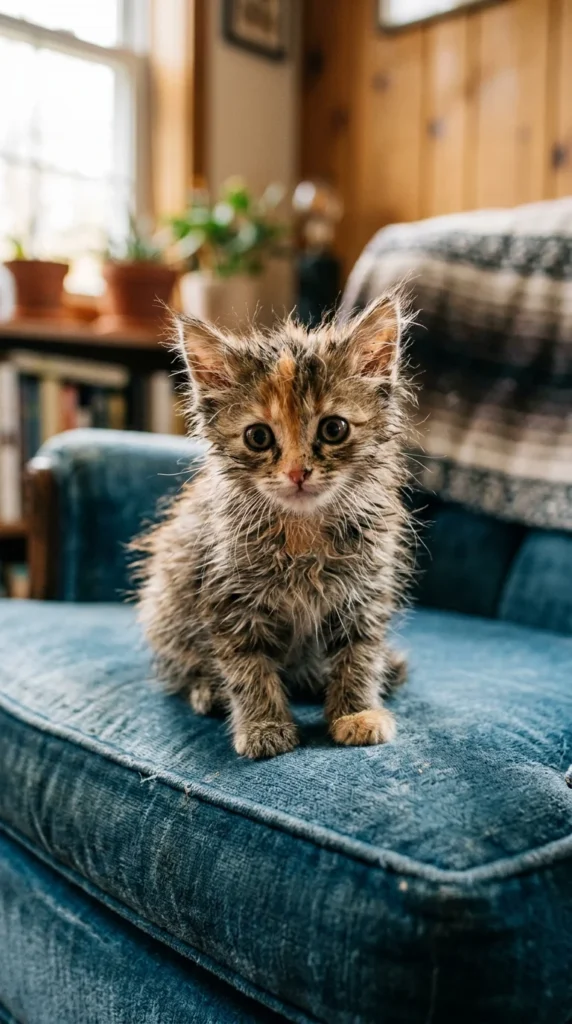
Cats are meticulous groomers, but the act of grooming involves using the tongue and teeth to pull at the fur. If the mouth is sore, a kitten may stop grooming themselves as thoroughly as usual. If your kitten starts looking a bit “scruffy” or has uncharacteristic mats in their fur, it could be because their mouth is too tender to maintain their usual beauty routine.
12. Head Shaking
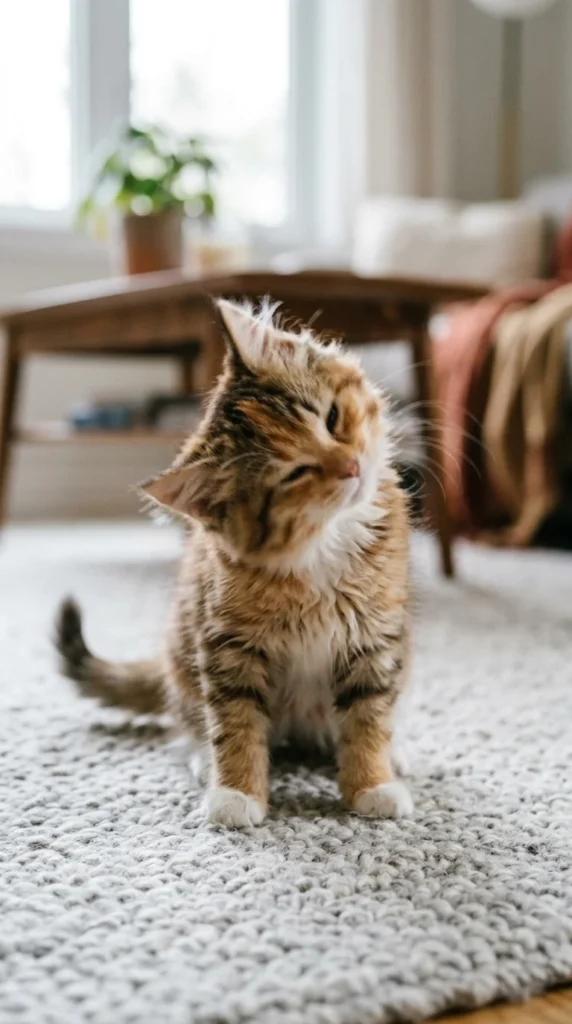
Sometimes the sensation of a loose tooth feels like something is “stuck” in the mouth. Kittens may shake their heads vigorously or tilt their heads to one side to try and dislodge the uncomfortable feeling. If the shaking is persistent, it’s worth a quick check to make sure the tooth isn’t snagged on something, but usually, it’s just a reaction to the shifting teeth.
13. Misalignment
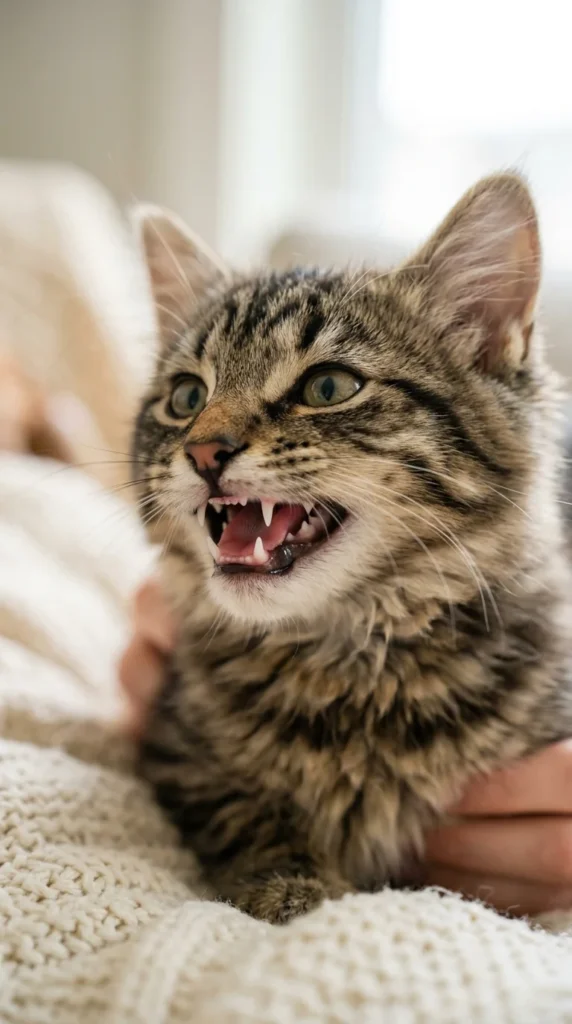
During the transition, you might see what looks like a “double set” of teeth, particularly the canines (the long fangs). This happens when the adult tooth begins to emerge before the milk tooth has fallen out. While it usually resolves on its own, it’s a clear visual sign that the teething process is in high gear.
14. Slow Eating
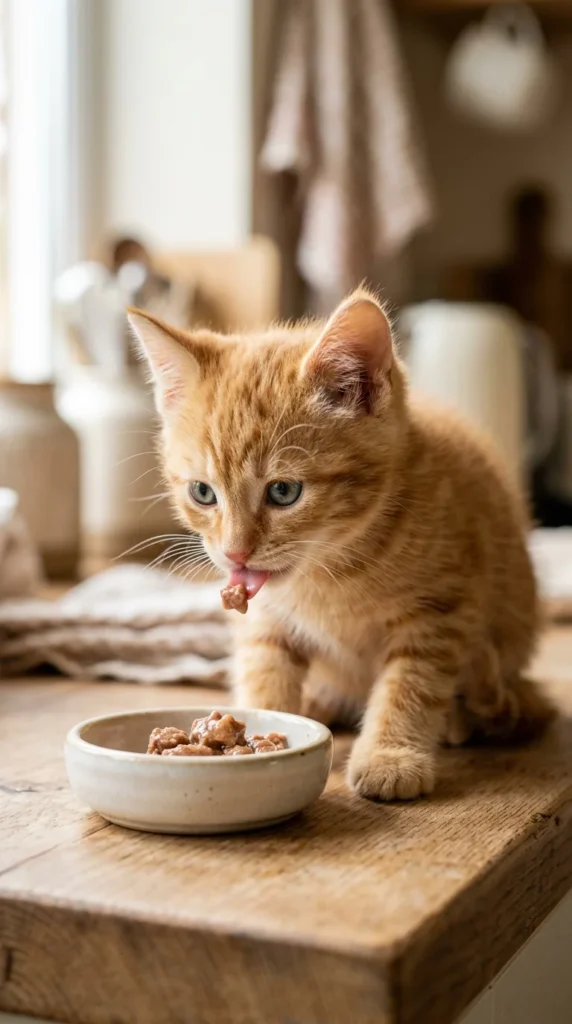
Even if a kitten doesn’t stop eating entirely, they may change how they eat. You might see them dropping food out of their mouth, chewing exclusively on one side, or taking a long time to finish a small portion. This careful eating style is a protective measure to avoid putting pressure on the most painful areas of their gums.
15. Clumsy Play
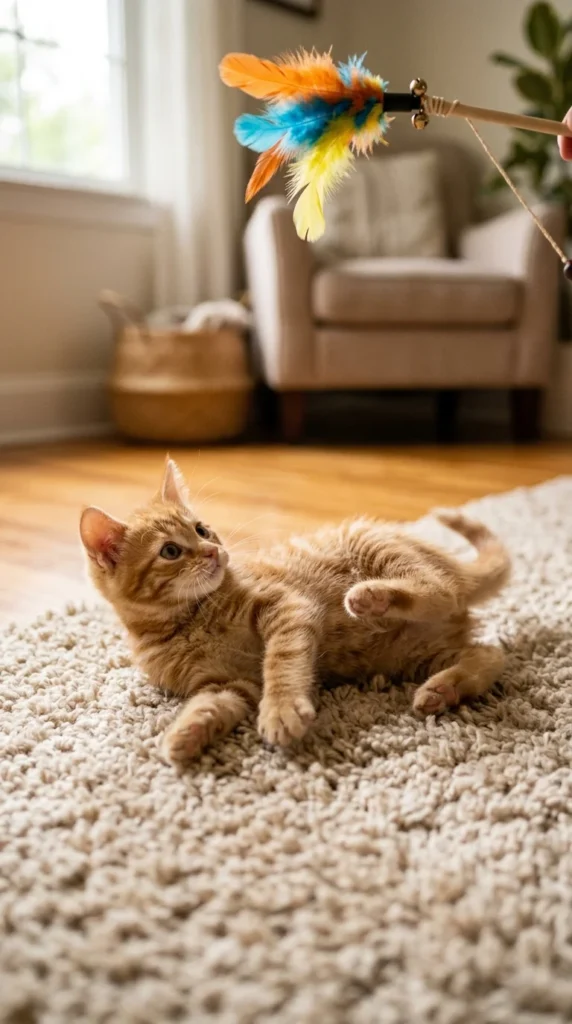
Pain can be distracting. A teething kitten may seem less coordinated than usual during play sessions. They might be so focused on the throbbing in their jaw that they lose their typical “feline grace.” You might notice them batting at toys with less enthusiasm or being uncharacteristically clumsy when jumping or running.
How to Help Your Teething Kitten
Once you’ve identified these signs, there are several ways you can support your kitten:
- Soft Food: Switch to wet food or soak their dry kibble in warm water to make it easier to chew.
- Cold Compresses: Offer a clean, damp washcloth that has been chilled in the refrigerator for them to chew on. The cold helps numb the gums.
- Safe Chew Toys: Invest in soft rubber or fabric chew toys specifically designed for kittens. Avoid toys with small parts that could be swallowed.
- Avoid “Finger Play”: Do not let your kitten chew on your hands. This reinforces a bad habit that will be painful once their adult teeth are fully grown.
If you notice extreme lethargy, a total refusal to eat for more than 24 hours, or if a “double tooth” persists for more than a week, consult your veterinarian to ensure your kitten’s adult smile develops perfectly.