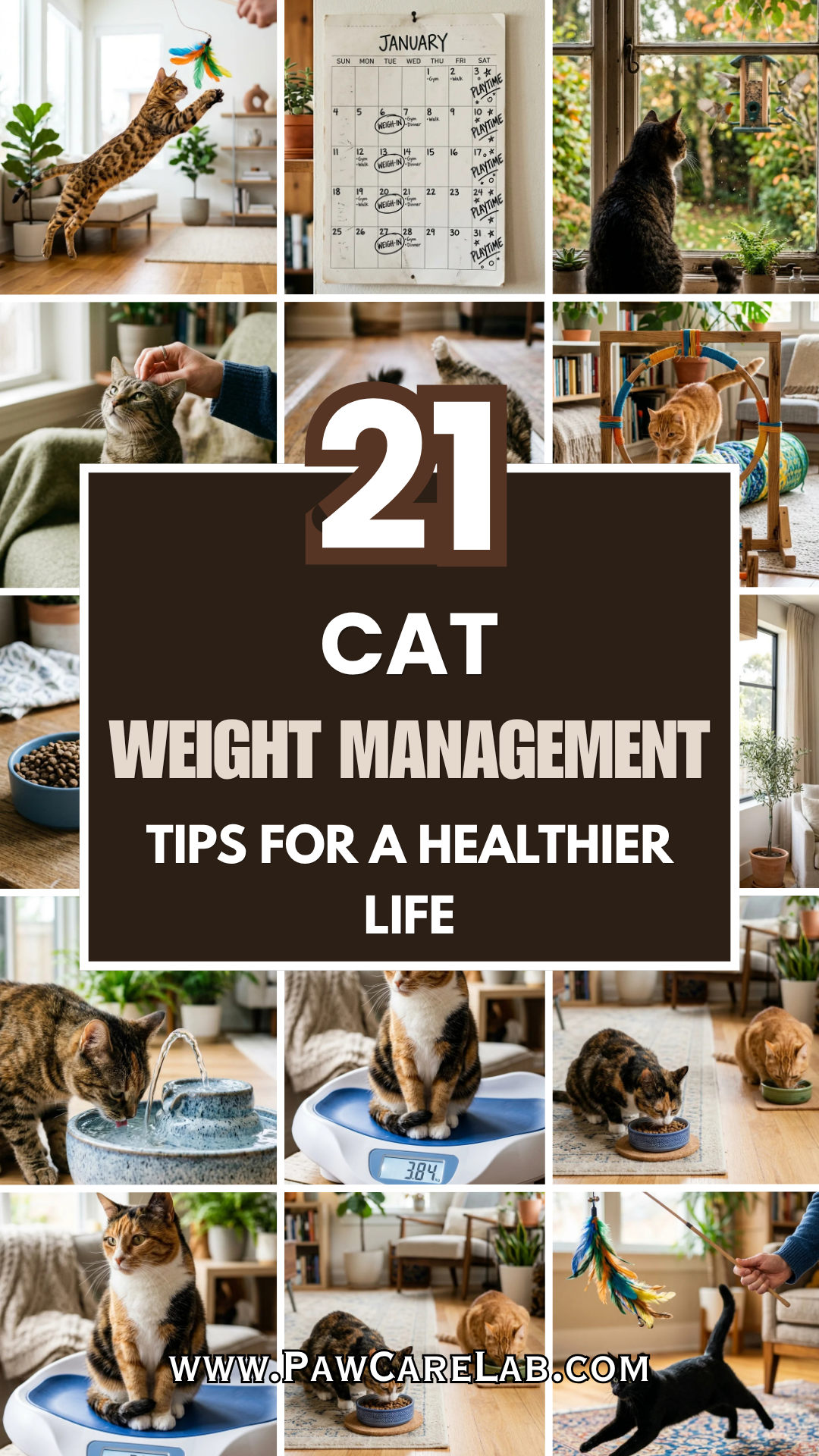
Feline obesity is more than just a matter of “extra fluff.” It is a growing epidemic that significantly shortens the lifespans of our beloved companions. An overweight cat is at a higher risk for diabetes, osteoarthritis, urinary tract issues, and heart disease. Helping your cat reach their ideal weight isn’t about deprivation; it’s about vitality, energy, and ensuring they can jump, climb, and play for years to come. Here are 21 comprehensive tips to help your feline friend shed the extra ounces and live their best life.
1. Veterinary Consultation
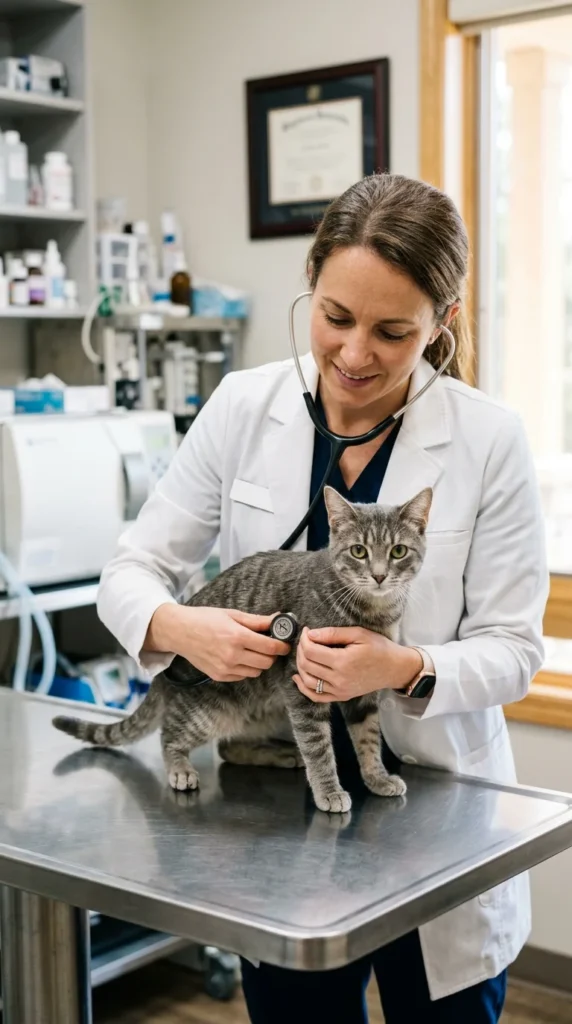
Before embarking on any weight loss journey, a trip to the vet is non-negotiable. Obesity can sometimes be a symptom of underlying metabolic issues, or conversely, a rapid diet change could trigger liver problems like hepatic lipidosis. Your vet will determine your cat’s Body Condition Score (BCS) and provide a target weight. They can also rule out health issues that might make exercise difficult, such as undiagnosed joint pain.
2. Portion Control

Eyeballing your cat’s food is the fastest way to overfeed them. Even a few extra kibbles a day can lead to significant weight gain over a year. Use a standard measuring cup or, better yet, a digital kitchen scale to measure food by weight in grams. This ensures consistency every single time, regardless of who in the household is doing the feeding.
3. Scheduled Feedings
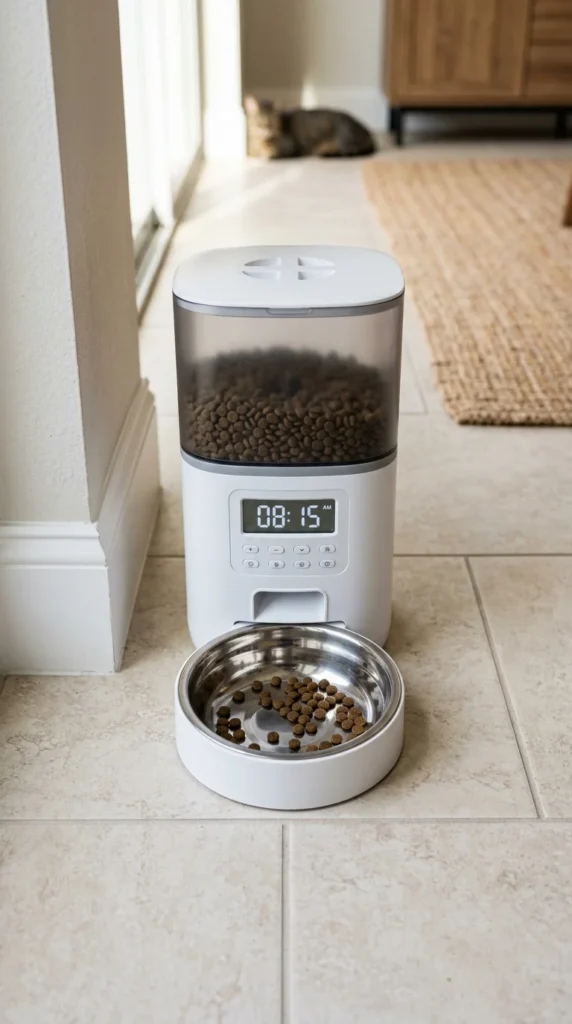
Free-feeding—leaving a bowl of kibble out all day—is one of the primary drivers of feline weight gain. Cats are evolutionarily designed to eat small, frequent meals rather than grazing. Transition your cat to 3–4 small, scheduled feedings per day. This mimics their natural hunting rhythm and prevents them from eating out of boredom.
4. Calorie Counting
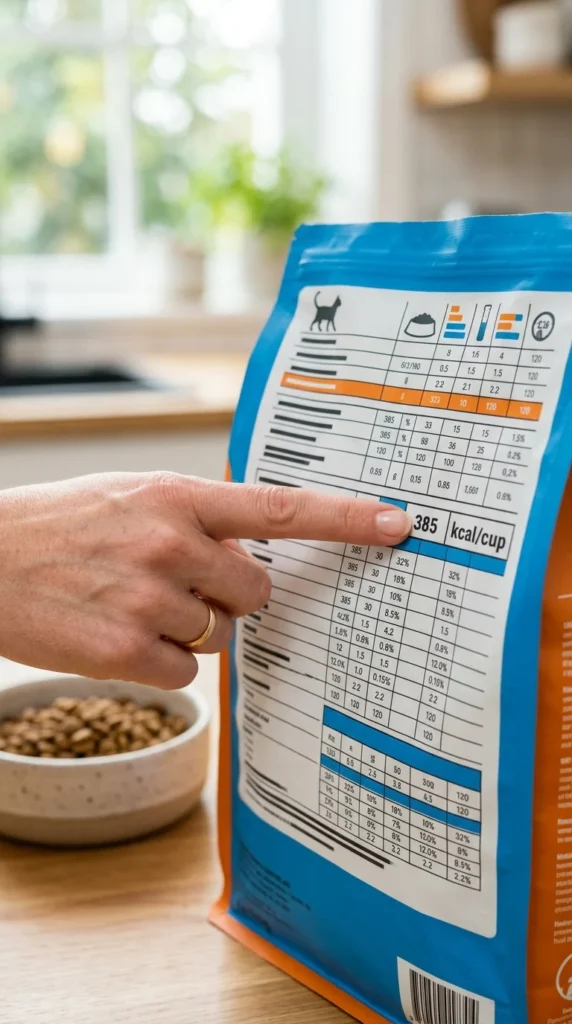
Weight loss is a mathematical equation: calories in versus calories out. Ask your vet for the specific number of calories your cat needs to consume daily to lose weight safely. Check the packaging of your cat food for the “kcal/kg” or “kcal/cup” metric. Remember that the “feeding guidelines” on the bag are often overly generous and intended for active, un-neutered adult cats.
5. High Protein

Cats are obligate carnivores. Their bodies are designed to process animal protein for energy rather than carbohydrates. Many low-quality dry foods are packed with “fillers” like corn, wheat, and soy, which are carb-heavy. Switching to a high-protein, low-carb diet helps maintain lean muscle mass while the cat loses body fat.
6. Wet Food

Wet food is often the “secret weapon” in feline weight loss. It generally contains fewer calories per ounce than dry kibble and has a much higher water content. The extra moisture helps the cat feel full faster and keeps them hydrated. Additionally, it’s much easier to find low-carb options in canned varieties than in dry bags.
7. Puzzle Feeders
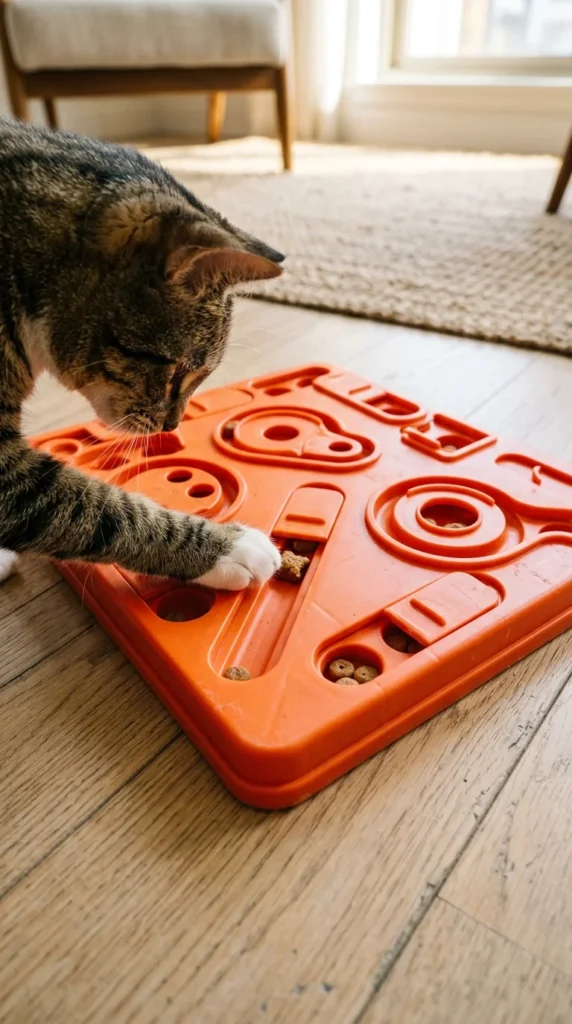
In the wild, cats have to work for their food. You can replicate this by using puzzle feeders or “foraging toys.” These devices require the cat to bat, nudge, or solve a physical problem to get their kibble. This slows down their eating speed and provides essential mental stimulation, turning mealtime into a calorie-burning activity.
8. Treat Limits

Treats are “hidden” calories that owners often forget to count. A single “crunchy treat” might seem insignificant, but for a 10-pound cat, it can be the equivalent of a human eating a donut. Limit treats to no more than 10% of their daily caloric intake. Consider using a portion of their regular daily kibble allotment as “treats” instead of buying high-calorie snacks.
9. Interactive Playtime
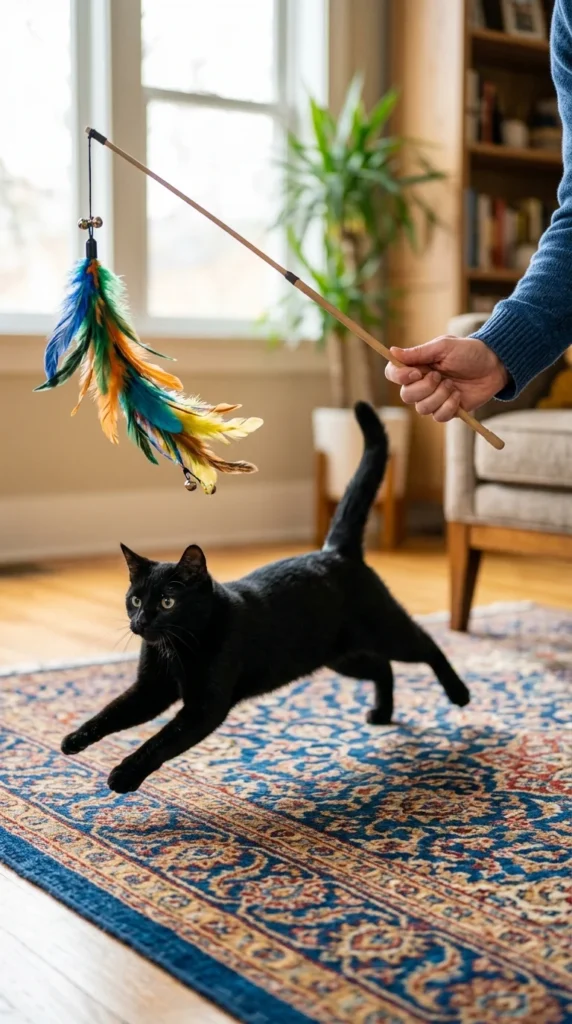
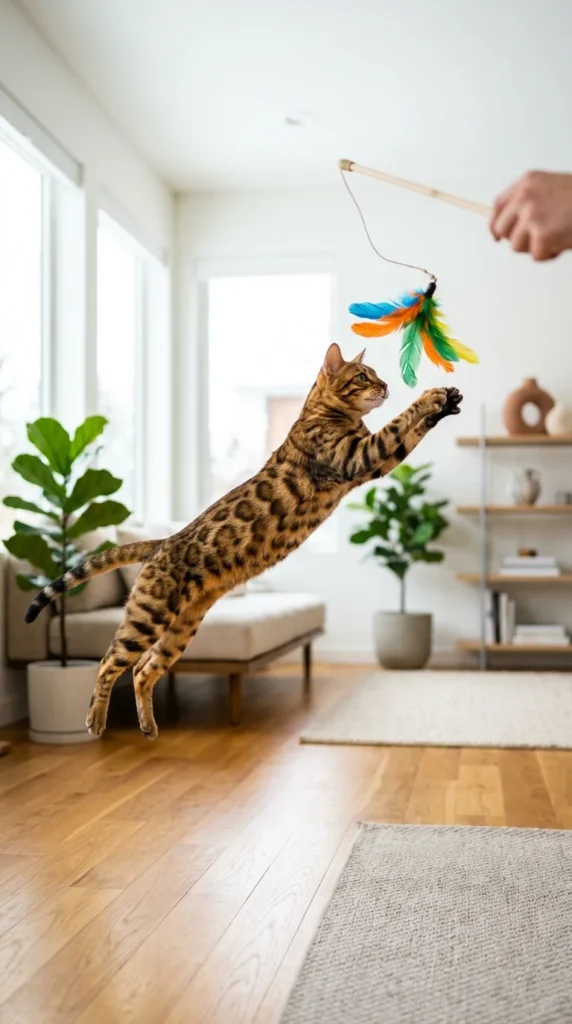
Exercise is vital for boosting a cat’s metabolism. Engage your cat in at least two 15-minute sessions of interactive play every day. Use toys that mimic prey, such as wand toys, laser pointers (always end with a physical toy they can “catch”), or motorized mice. The goal is to get their heart rate up and encourage them to run and pounce.
10. Vertical Space
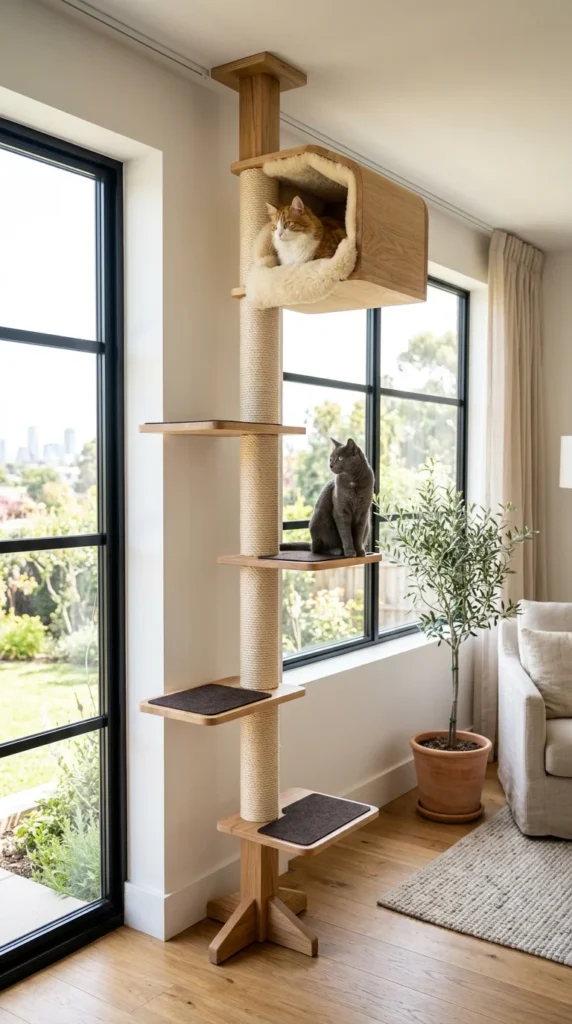
Cats love to climb, and climbing is excellent exercise for their hind legs and core. If you live in a small space, “catify” your home by adding cat trees, wall-mounted shelves, or window perches. Encouraging your cat to jump from level to level throughout the day helps burn extra calories naturally without much effort from you.
11. Slow Transitions
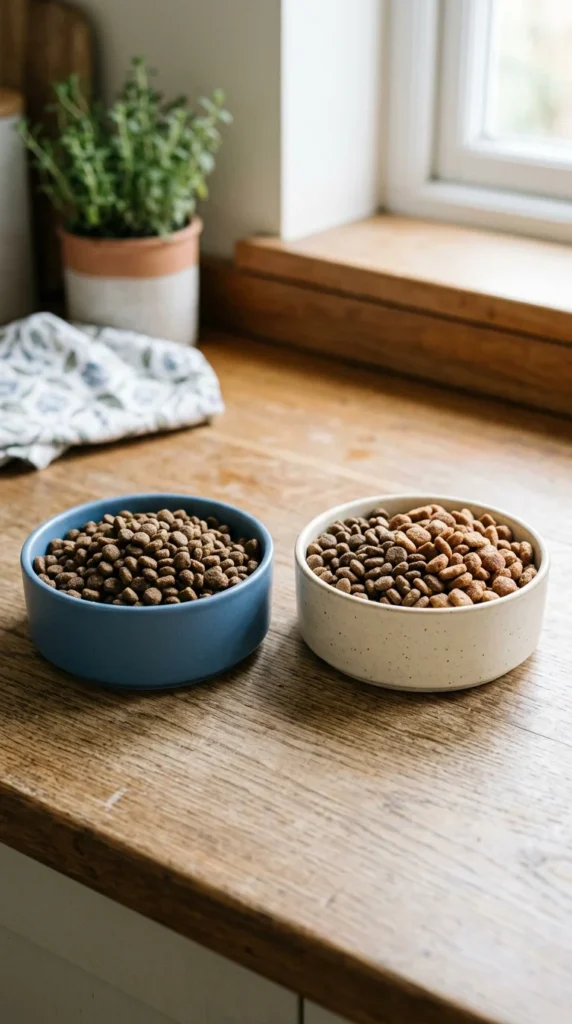
Never put a cat on a “crash diet.” If a cat stops eating or loses weight too quickly, they can develop a life-threatening condition called hepatic lipidosis (fatty liver disease). When switching foods or reducing portions, do it gradually over 7 to 10 days to allow their digestive system and metabolism to adjust safely.
12. Multi-Cat Management
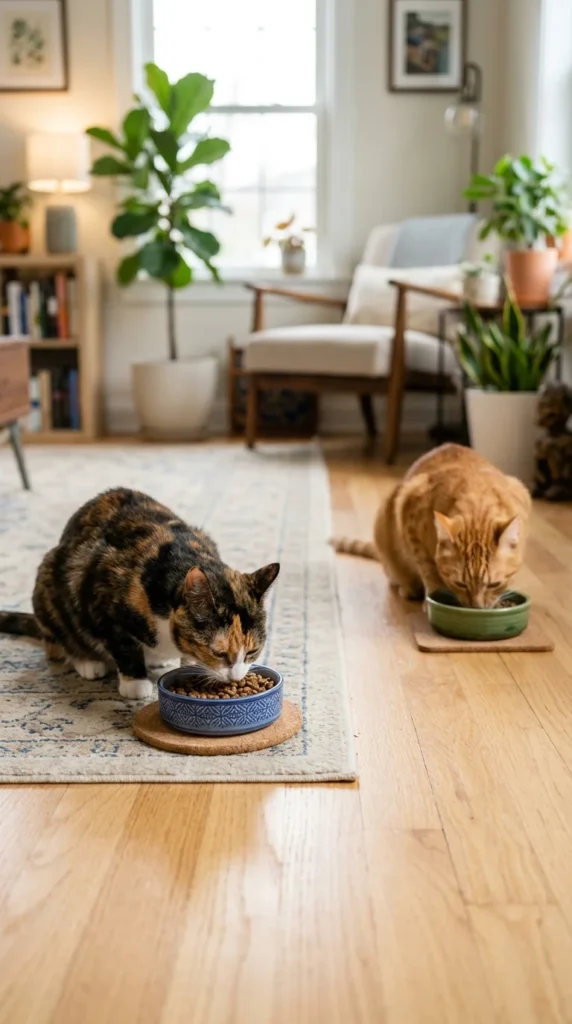
If you have one overweight cat and one thin cat, feeding time can be a challenge. The “food thief” will often finish their meal and then steal from the others. Use microchip-activated feeders that only open for a specific cat, or feed your cats in separate rooms with the doors closed to ensure everyone gets exactly their prescribed amount.
13. Regular Weigh-Ins
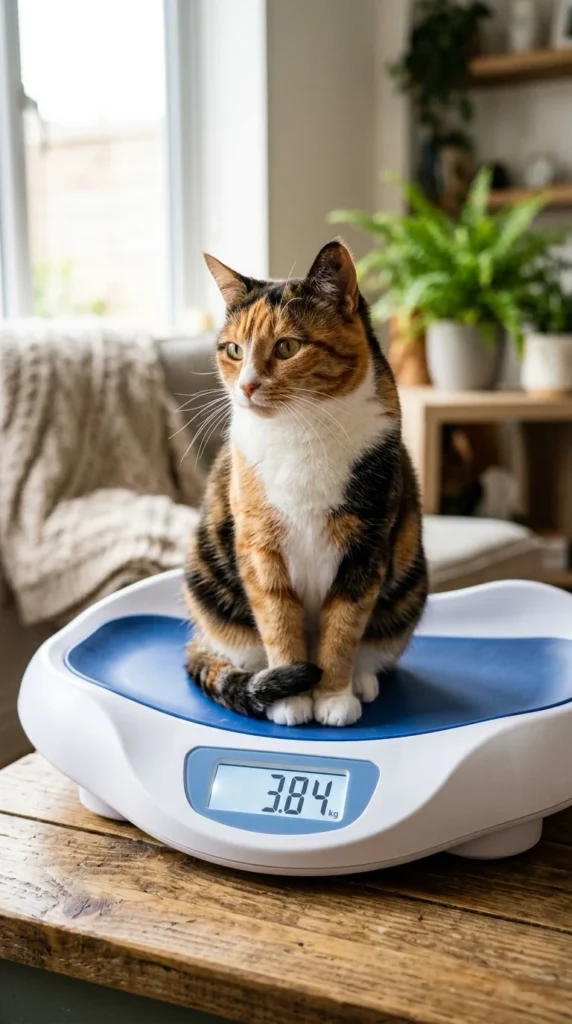
You can’t manage what you don’t measure. Weigh your cat once a week to track progress. Since human scales are often inaccurate for small weights, use a digital baby scale or weigh yourself holding the cat and subtract your own weight. A healthy rate of weight loss for a cat is about 1% to 2% of their body weight per week.
14. Water Intake
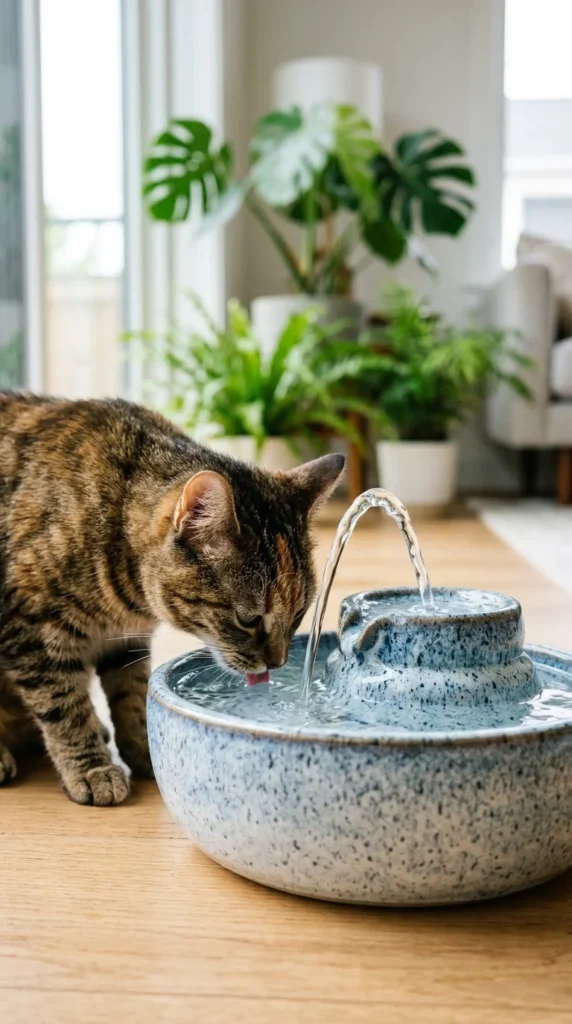
Hydration is key to a healthy metabolism. Sometimes cats signal “hunger” when they are actually thirsty. Ensure your cat has access to fresh, clean water at all times. Many cats prefer running water, so investing in a pet fountain can encourage them to drink more, which helps flush out toxins and keeps their kidneys functioning optimally during weight loss.
15. Catnip Motivation
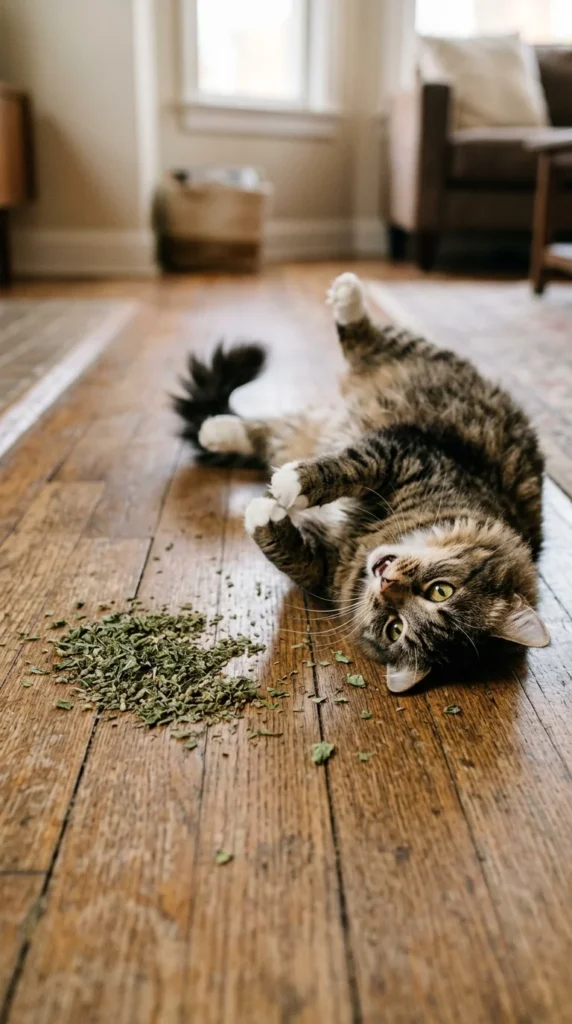
Not all cats react to catnip, but for those who do, it can be a great tool for movement. Catnip often induces a “zoomie” phase where the cat runs, rolls, and plays intensely for several minutes. Use catnip-infused toys or sprinkle a little on a scratching post to encourage your cat to get active and burn some energy.
16. Food Quality

Not all calories are created equal. Low-quality foods often use inexpensive fillers that provide “empty calories” without satisfying the cat’s nutritional needs. Opt for high-quality, nutrient-dense foods where the first three ingredients are named animal proteins (like “chicken” or “turkey,” not “meat by-products”). Better nutrition leads to better satiety.
17. Indoor Agility
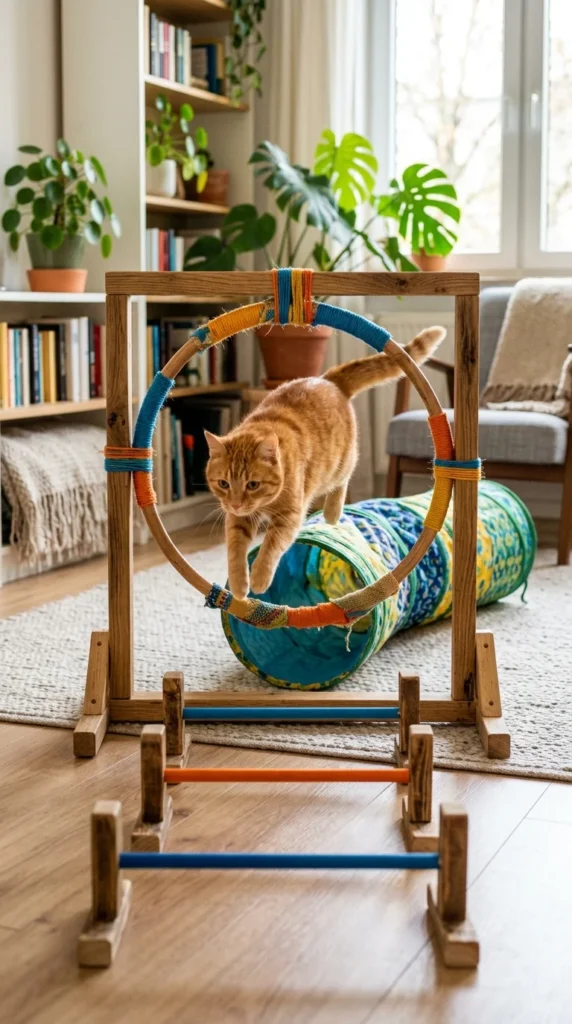
Create a “jungle gym” environment in your home. Use cardboard boxes with holes cut in them, tunnels, and household items to create an agility course. Hide healthy treats or pieces of kibble at the end of the course to motivate your cat to navigate the obstacles. This keeps them moving and sharpens their cognitive skills.
18. Positive Reinforcement
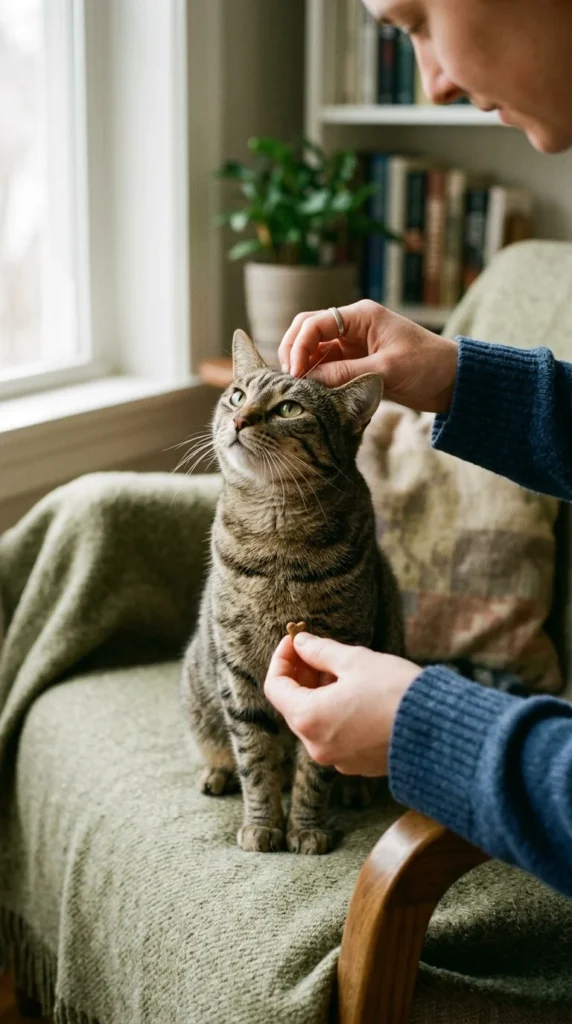
Weight management doesn’t have to be a struggle; it can be a bonding experience. Use praise, petting, and play as rewards instead of food. You can even train your cat to do simple tricks like “sit” or “high five,” using a tiny portion of their daily food as a reward. This keeps them active and mentally engaged with you.
19. Environmental Enrichment
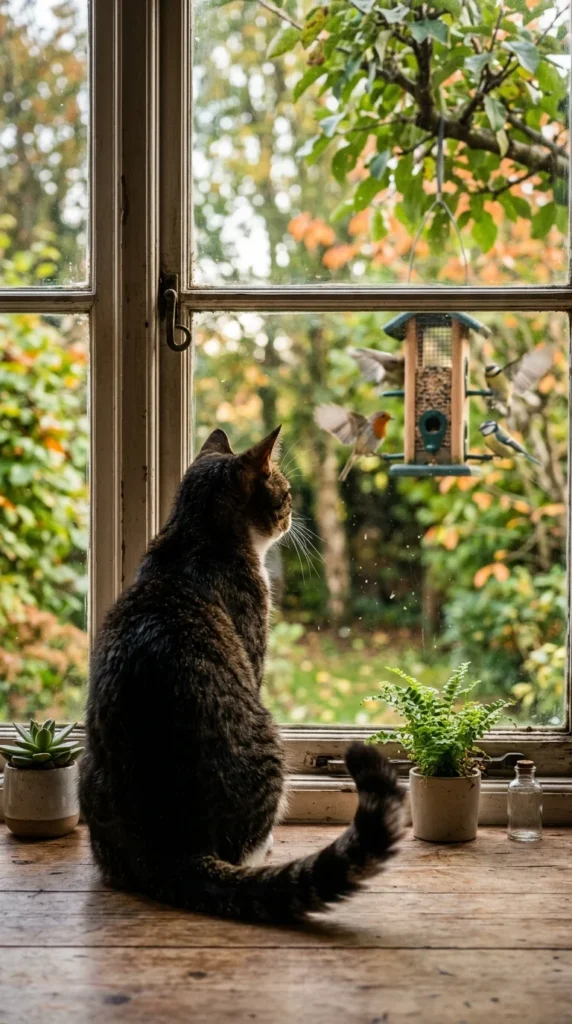
Boredom is a leading cause of overeating in indoor cats. If a cat has nothing to do, they will gravitate toward the food bowl. Provide “cat TV” by placing bird feeders outside a window, or use specialized DVDs or YouTube videos for cats featuring moving fish or insects. An entertained cat is a cat that isn’t thinking about its next snack.
20. Avoid Table Scraps
It can be tempting to share a piece of cheese or ham with your cat, but human food is incredibly calorie-dense for a feline. Furthermore, many human foods contain seasonings like onion or garlic powder that are toxic to cats. Stick strictly to feline-specific nutrition to ensure their calorie count stays within the healthy range.
21. Consistency and Patience

Weight loss for cats is a marathon, not a sprint. It took time for the weight to go on, and it will take time for it to come off. Be patient and stay consistent with the routine. Celebrate the small victories—like when your cat regains the ability to groom a hard-to-reach spot or shows more interest in playing. Your dedication will result in a happier, healthier, and longer life for your feline companion.