

Stepping into the world of herpetology is an exhilarating journey. Snakes are among the most misunderstood yet fascinating creatures on the planet. For a first-time owner, the transition from admiring these reptiles from afar to caring for one in your home can feel daunting. However, with the right knowledge and preparation, snakes can be incredibly rewarding, low-maintenance, and long-lived companions. Unlike dogs or cats, snakes require a specific “ecosystem” to thrive, making your role as a keeper more of a biological technician and less of a traditional pet owner. This guide breaks down the 18 essential pillars of snake care to ensure your new scaly friend lives a long, healthy, and stress-free life.
1. Species Selection
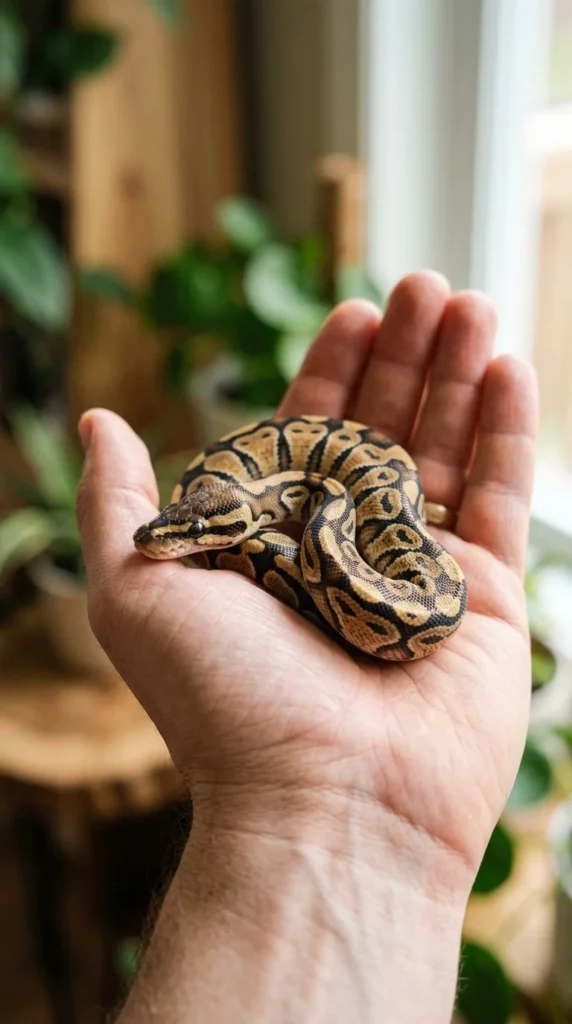
Choosing the right snake is the most critical first step. For beginners, docility and hardiness are key. Species like Corn Snakes, Ball Pythons, and King Snakes are the “gold standard” for novices. Corn snakes are active and curious, making them great for observation. Ball Pythons are slower-moving and generally very gentle, though they can be finicky eaters. King snakes have a voracious appetite, which makes feeding them easy, though they can sometimes be a bit flighty as juveniles. Research the specific lifespan of your chosen species; many common pet snakes can live 20 to 30 years with proper care.
2. Enclosure Types

The “house” for your snake comes in several forms: glass terrariums, PVC enclosures, or plastic tubs. Glass tanks are popular because they offer great visibility, but they struggle to hold heat and humidity. PVC enclosures are the premium choice, as they insulate exceptionally well and are easy to clean. Plastic tubs are often used by breeders or those on a budget; while not the most aesthetic, they are masters at maintaining high humidity levels. Ensure whatever enclosure you choose is 100% escape-proof, as snakes are remarkably skilled at squeezing through the tiniest gaps.
3. Sizing Requirements
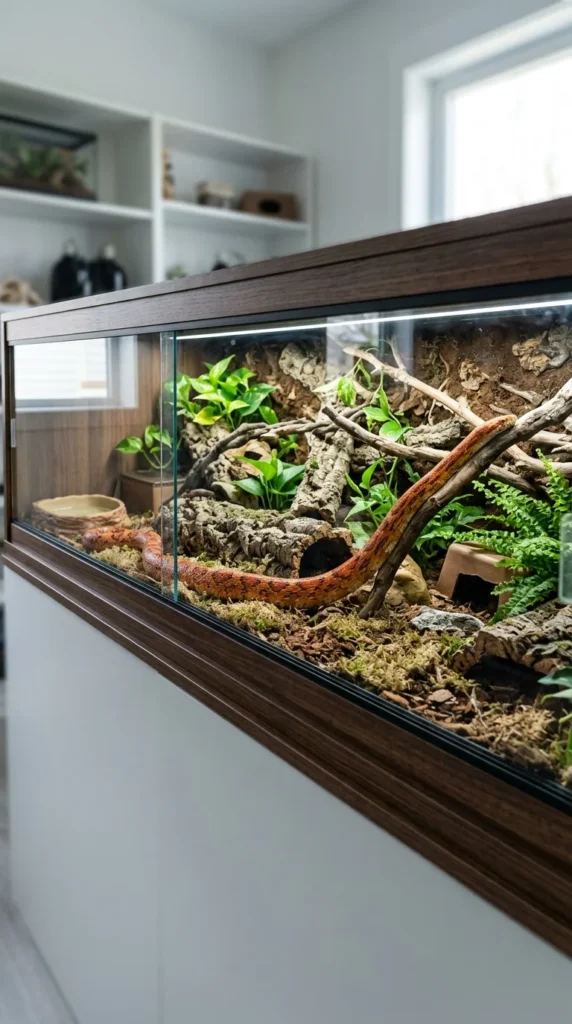
A common myth is that snakes will only grow to the size of their enclosure. In reality, a snake in a too-small enclosure will become stressed and prone to health issues. The general rule of thumb is that the length of the enclosure should be at least as long as the snake, allowing it to stretch out fully. For most beginner species, a 40-gallon breeder tank is a minimum for an adult, though many keepers are now moving toward 4x2x2 foot (120 gallon) enclosures to provide ample room for natural behaviors.
4. Heating Systems

Snakes are ectothermic, meaning they rely on external heat sources to regulate their body temperature. You must provide a “thermal gradient”—a hot side and a cool side—so the snake can move back and forth to self-regulate. Overhead heating, such as Ceramic Heat Emitters (CHEs) or Deep Heat Projectors (DHPs), is often preferred as it mimics the sun. All heating elements MUST be connected to a thermostat. Without a thermostat, heating elements can reach lethal temperatures or cause severe belly burns.
5. Lighting Cycles

While many snakes can survive without specialized UV lighting, providing it can significantly enhance their health and coloration. A 12-hour day/night cycle is essential for their circadian rhythm. Using a low-percentage UVB bulb (such as a 5% or 6% T5 HO) provides vitamin D3 synthesis, which aids in calcium absorption. Even if you don’t use UVB, you must ensure the snake has a clear distinction between day and night to prevent chronic stress.
6. Substrate Choice
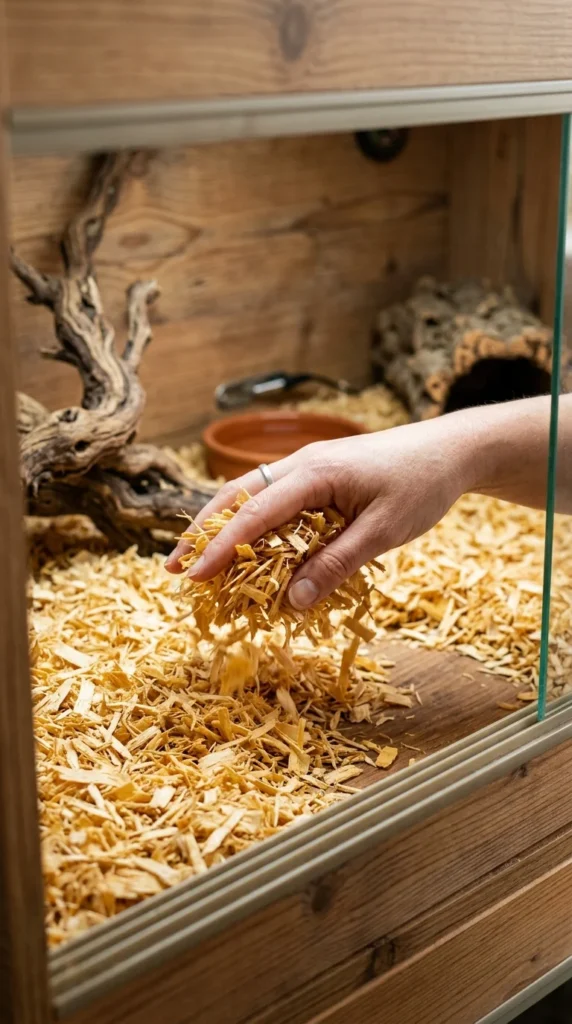
Substrate is the material that lines the bottom of the enclosure. The “best” substrate depends on the species. For dry-climate snakes like Corn Snakes, shredded aspen is excellent for burrowing and holds its shape well. For tropical species like Ball Pythons, moisture-retaining substrates like coconut coir, cypress mulch, or orchid bark are better for maintaining humidity. Avoid cedar and pine shavings at all costs, as the oils in these woods are toxic to reptiles.
7. Humidity Management

Humidity is often the most overlooked aspect of snake care. If the air is too dry, snakes can suffer from respiratory infections or “stuck shed” (dysecdysis). If it is too wet, they can develop scale rot. Use a digital hygrometer to monitor levels. You can increase humidity by misting the enclosure, adding a larger water bowl, or using a “humid hide”—a container filled with damp sphagnum moss where the snake can retreat when it feels the need for extra moisture.
8. Hiding Spots

Security is the number one priority for a snake. A snake that feels exposed will stop eating and become aggressive. You should provide at least two identical hides: one on the warm end and one on the cool end. This allows the snake to choose its temperature without sacrificing its sense of safety. Hides should be “snug”—the snake should feel the walls touching its body when coiled inside.
9. Enrichment Decor

A bare tank is a boring tank. Snakes are more active and visible when they feel they have cover to move through. Add branches for climbing (even for terrestrial species), artificial or live plants for cover, and rocks to help them rub off old skin. Enrichment isn’t just for looks; it encourages physical exercise and mental stimulation, leading to a much more “confident” pet.
10. Hydration Access

Fresh water must be available 24/7. The water bowl should be heavy enough that the snake cannot tip it over. For many species, the bowl should be large enough for the snake to fully submerge its body, which helps with hydration and loosening skin before a shed. Change the water daily and deep-clean the bowl weekly to prevent bacterial slime from building up.
11. Feeding Schedules
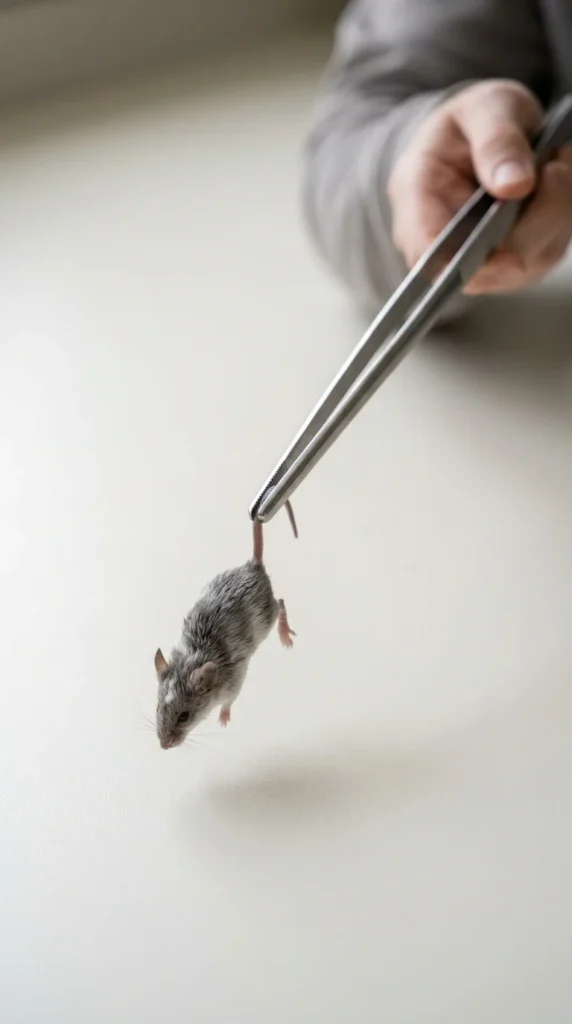
Snakes are carnivores, and most pet species eat rodents. As a beginner, it is highly recommended to feed “frozen-thawed” prey rather than live. Live prey can bite and seriously injure or even kill a snake. Hatchling snakes usually eat every 5 to 7 days, while adults may only need to eat once every 2 to 4 weeks depending on the species and the size of the meal. Always use tongs (hemostats) to offer food to avoid your hand being mistaken for a meal.
12. Prey Sizing
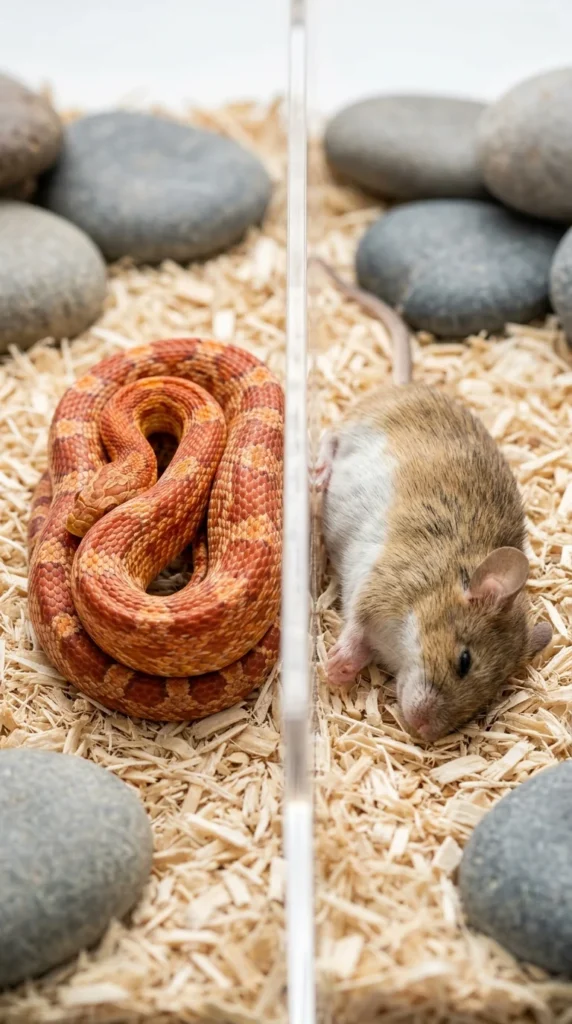
Feeding a meal that is too large can lead to regurgitation, which is very hard on a snake’s system. The general rule is to feed a prey item that is about 1 to 1.25 times the width of the snake at its thickest point. You should see a slight bulge in the snake after it eats, but it shouldn’t look like the skin is stretched to its absolute limit. As the snake grows, you will graduate from “pinkies” to “fuzzies,” “hoppers,” and eventually full-grown mice or rats.
13. Handling Techniques

Building trust with your snake takes time. Never handle a snake for at least 48 hours after it has eaten, as this can cause regurgitation. When picking up your snake, move confidently and support its body from underneath. Avoid grabbing the head or tail. Most beginner snakes will learn to tolerate handling well, but remember that “handling” is for the human’s benefit, not the snake’s. Keep sessions short (15 minutes) to avoid stressing the animal.
14. Shedding Process
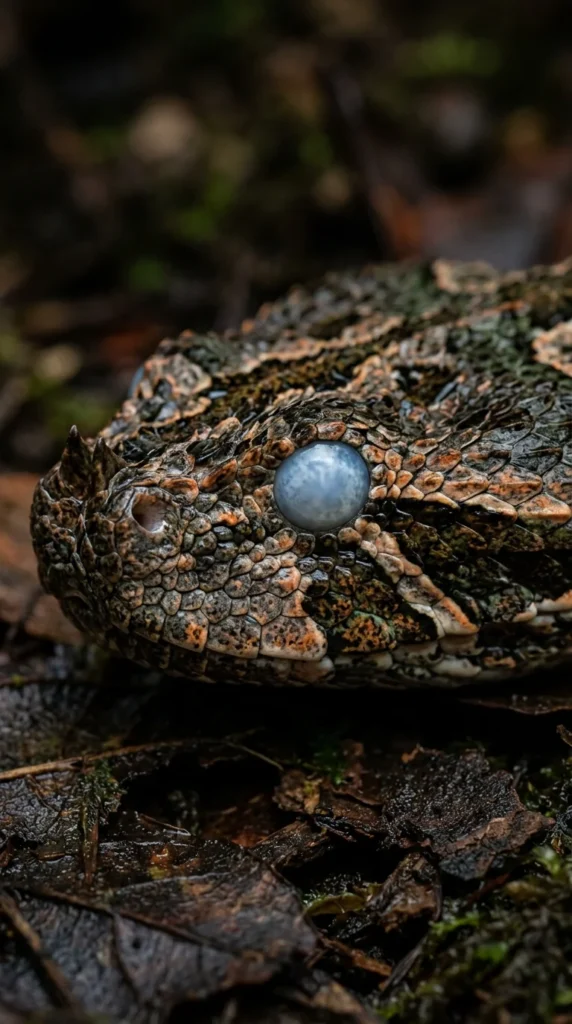
Snakes grow by shedding their skin (ecdysis). When a shed is approaching, the snake’s colors will look dull, and its eyes will turn a milky blue. During this time, they may become defensive or refuse food because their vision is impaired. Provide extra humidity and leave them alone. A healthy shed should come off in one single piece, looking like a translucent “ghost” of the snake. If pieces are stuck, you may need to provide a lukewarm soak.
15. Sanitation Habits

A clean enclosure is vital for preventing disease. Spot-clean daily by removing feces or urates (the solid white “pee” snakes produce). Once a month, perform a deep clean: remove the snake, discard the old substrate, and disinfect the entire enclosure and all decor with a reptile-safe cleaner or a 10% bleach solution (rinsed thoroughly). Hygiene prevents the buildup of salmonella and other bacteria.
16. Health Observation

Learn the signs of a healthy snake: clear eyes (except during shed), no clicking or wheezing sounds when breathing, a flicking tongue, and a firm, muscular body. Warning signs include lethargy, “stargazing” (looking straight up for long periods), bubbles from the nose or mouth, or visible mites (tiny black dots moving on the skin). Early detection is the key to successfully treating any illness.
17. Veterinary Care
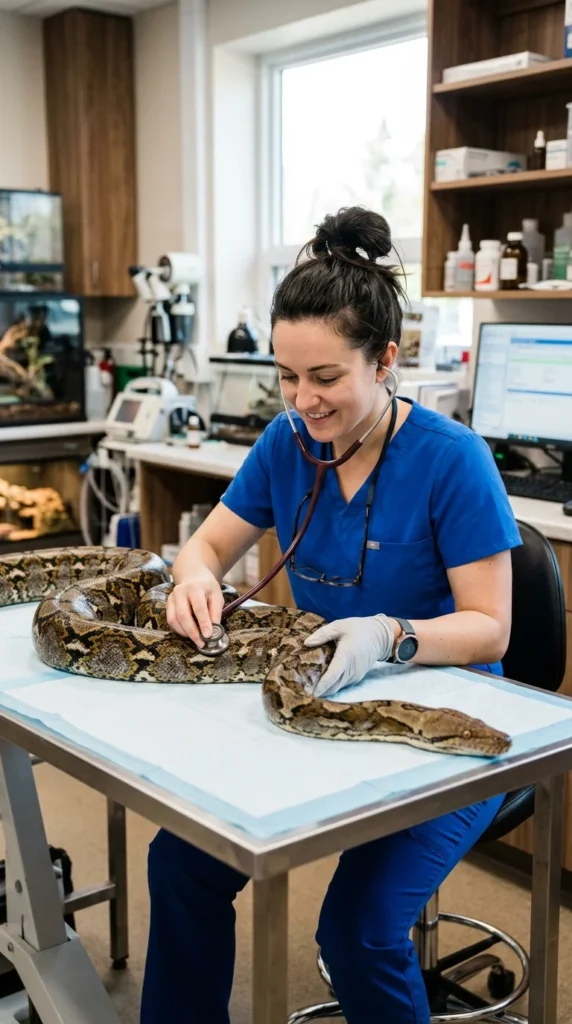
Not all vets treat reptiles. Before you even bring your snake home, locate a qualified “Exotic Animal” or “Herp” veterinarian in your area. Regular check-ups aren’t always necessary for snakes, but you need to know exactly where to go if an emergency arises. It is also recommended to have a “fecal exam” done shortly after purchase to ensure your new pet doesn’t have internal parasites.
18. Record Keeping

Tracking your snake’s history is a hallmark of a great keeper. Keep a log of when the snake eats, what size prey it took, when it sheds, and its weight. This data is invaluable if the snake ever stops eating or becomes ill, as it allows you and your vet to identify patterns. Weighing your snake monthly on a kitchen scale is the best way to ensure it is growing at a healthy rate and not losing weight due to underlying issues.