

Proper nutrition is the cornerstone of reptilian health. Unlike mammals, reptiles have metabolic rates and digestive systems that are highly specialized based on their environment and species. Whether you are housing a desert-dwelling Bearded Dragon, a tropical Crested Gecko, or a carnivorous Ball Python, understanding the nuances of their dietary needs is vital for preventing metabolic bone disease, obesity, and lethargy. This guide breaks down the 17 most critical dietary principles to ensure your cold-blooded companion thrives for decades.
1. Live Insects
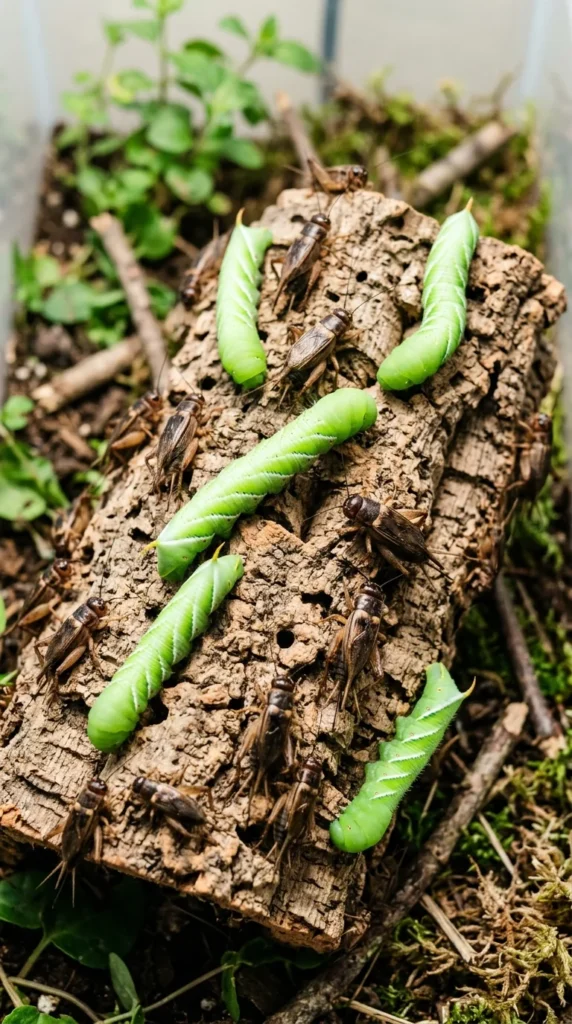
For insectivorous and omnivorous reptiles, live prey is indispensable. Hunting stimulates natural behaviors and provides mental enrichment. Crickets, dubia roaches, silkworms, and black soldier fly larvae are excellent staples. Avoid relying solely on “treat” insects like waxworms or mealworms, which are high in fat and can lead to obesity if fed too frequently. Always ensure the insects are sized appropriately—no larger than the space between your reptile’s eyes—to prevent choking or impaction.
2. Leafy Greens

Herbivorous and omnivorous reptiles require a foundation of calcium-rich leafy greens. Collard greens, mustard greens, turnip greens, and dandelion greens should make up the bulk of the salad. These provide essential fiber and vitamins. Avoid “head” lettuces like iceberg, as they are mostly water and offer almost no nutritional value. Shredding or finely chopping the greens ensures that smaller reptiles can consume them easily without struggling with large stalks.
3. Calcium Supplementation

Calcium is perhaps the most critical mineral in a reptile’s diet. Without it, they cannot maintain bone density, leading to the devastating Metabolic Bone Disease (MBD). Most captive diets lack sufficient calcium, necessitating the use of a high-quality calcium powder. Depending on your reptile’s exposure to UVB lighting, you may need calcium with or without Vitamin D3. Generally, diurnal species with strong UVB need pure calcium, while nocturnal species or those with low UVB require D3 to help process the mineral.
4. Gut Loading
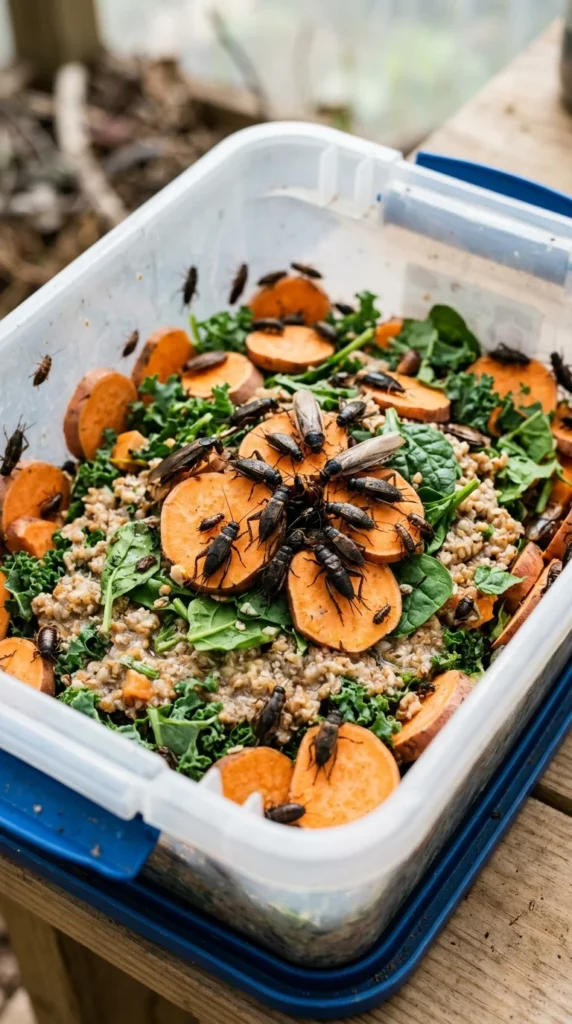
The nutritional value of an insect depends entirely on what that insect has eaten. “Gut loading” is the process of feeding high-quality, nutrient-dense foods to your feeder insects 24 to 48 hours before offering them to your reptile. Use squash, carrots, and specialized gut-loading mashes. This turns a simple cricket into a “nutrient bomb,” transferring vital vitamins directly to your pet through the natural food chain.
5. Whole Prey
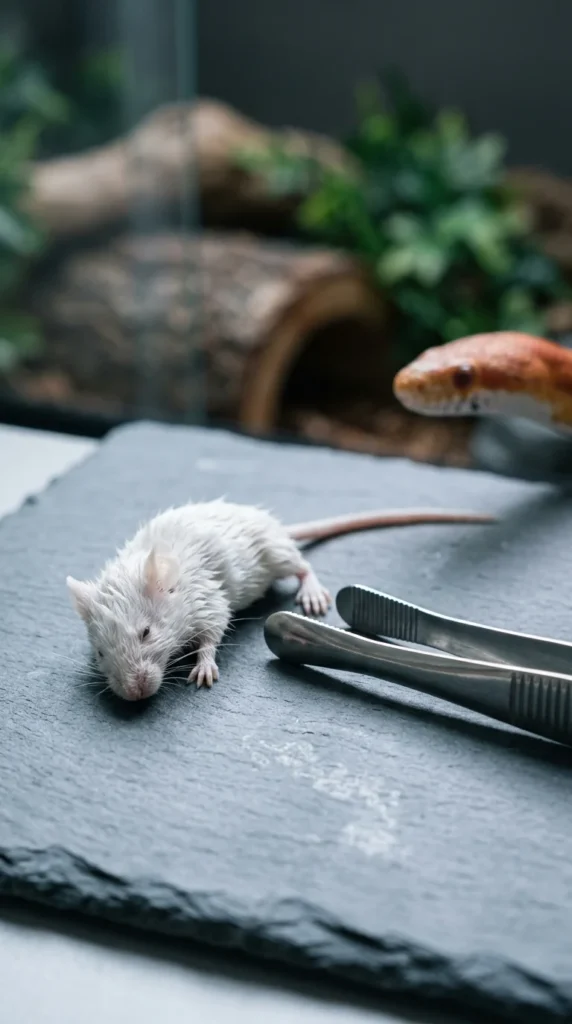
For carnivorous reptiles like snakes and certain monitors, whole prey items provide a complete nutritional profile. This includes bones for calcium, organs for vitamins, and fur or feathers for fiber. It is highly recommended to feed “frozen-thawed” prey rather than live animals. Frozen prey is safer for the reptile, as live rodents can bite and cause severe injury or infection. Ensure the prey is thoroughly thawed to room temperature or slightly warmer before feeding.
6. Fruit Treats

While many reptiles enjoy the sweetness of fruit, it should be treated as a luxury rather than a staple. Fruits are high in sugar and can lead to tooth decay and weight gain. For most omnivores, fruit should make up no more than 5% to 10% of the total diet. Safe options include raspberries, blueberries, papaya, and figs. Avoid citrus fruits, as the high acidity can upset the digestive tracts of many reptile species.
7. Multivitamin Dusting

Even with a varied diet, captive reptiles may miss out on specific trace minerals and vitamins like Vitamin A and E. A reptile-specific multivitamin powder should be used once a week or once every two weeks, depending on the species and age. Vitamin A is particularly important for eye health and skin shedding. Be careful not to over-supplement, as fat-soluble vitamins can build up to toxic levels if used daily.
8. Hydration Access

Fresh water must be available at all times, even for desert species. Many reptiles prefer drinking from shallow dishes, while others, like chameleons, require dripping water or misting systems because they do not recognize standing water. Ensure the bowl is heavy enough not to tip over and shallow enough that the reptile cannot drown. Cleaning the water bowl daily is essential to prevent bacterial growth and “slimy” biofilm.
9. Prepared Pellets
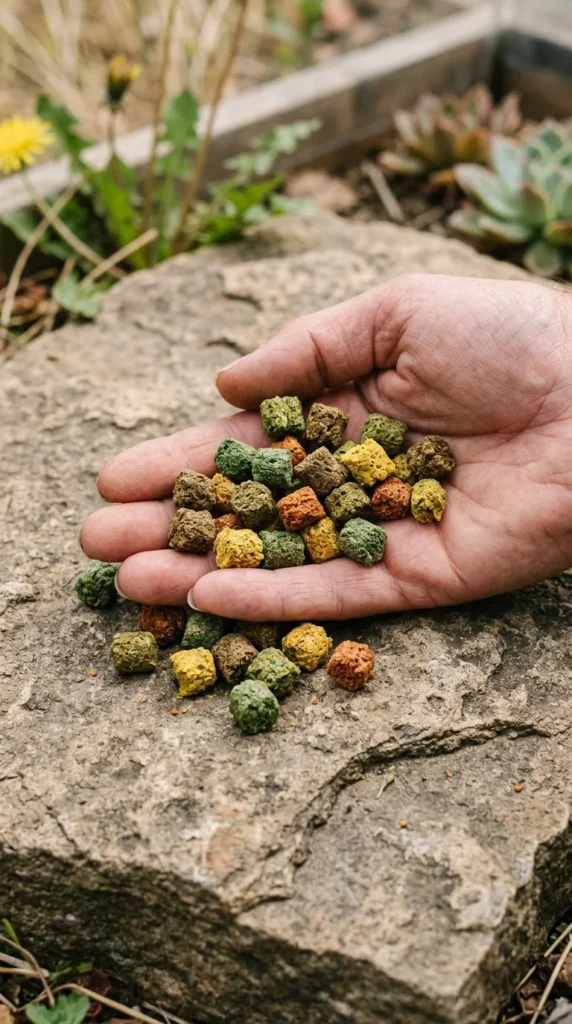
High-quality commercial pellets can serve as a helpful supplement or a “back-up” food source. Many modern formulations are scientifically balanced to provide a mix of protein, fiber, and minerals. However, pellets should rarely be the sole food source. They often lack the moisture content found in fresh foods. If using pellets, consider soaking them in water or fruit juice to soften them and increase your pet’s hydration.
10. Dietary Variety
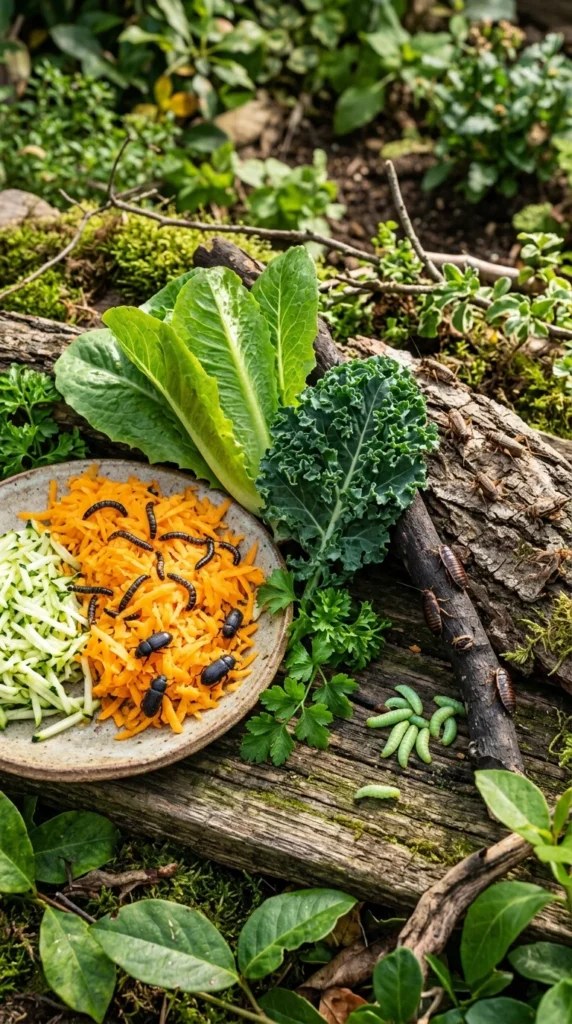
In the wild, reptiles consume dozens of different plant and animal species. Feeding the same three items every week can lead to nutritional deficiencies and “food fixation,” where a reptile refuses to eat anything else. Rotate your protein sources and greens regularly. If you fed crickets this week, try silkworms or roaches next week. This variety ensures a broader spectrum of amino acids and minerals.
11. Feeding Schedule

Consistency is key, but the frequency of feeding changes as a reptile ages. Hatchlings and juveniles often require daily feedings to support rapid growth, while adults may only need to eat every two or three days. Some large snakes may only eat once every two to four weeks. Establishing a schedule helps regulate the animal’s metabolism and allows you to monitor their appetite effectively.
12. Temperature Correlation
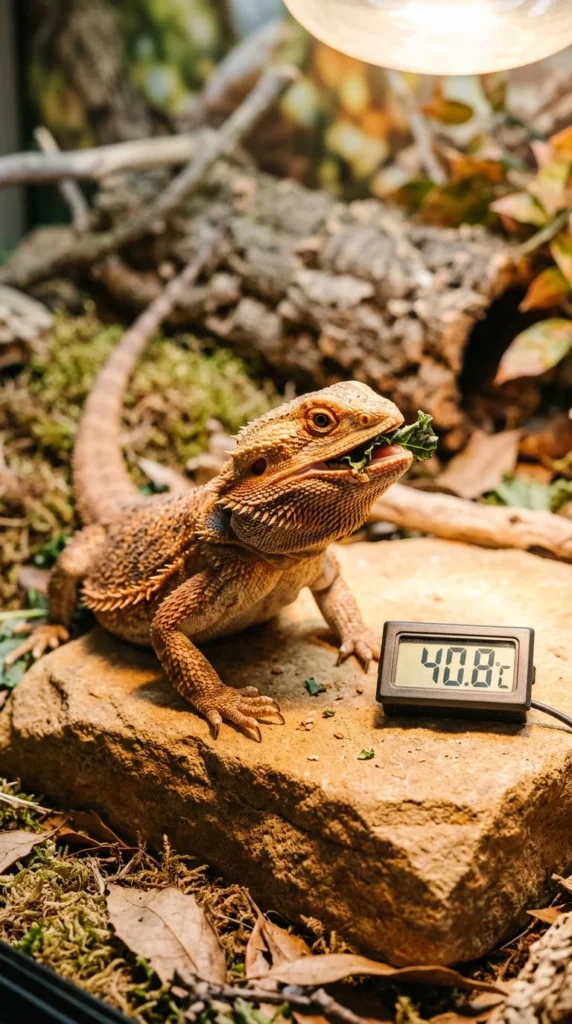
Reptiles are ectothermic, meaning they rely on external heat to power their metabolism. If a reptile is too cold, it cannot produce the enzymes necessary to digest its food. This can lead to food rotting in the stomach, which is often fatal. Always ensure your pet has reached its “Preferred Optimal Temperature Zone” (POTZ) before feeding, and keep the heat on for several hours after a meal to facilitate digestion.
13. Veggie Ratio

For adult omnivores like Bearded Dragons, the ratio of vegetables to insects should shift significantly as they age. While babies need 80% insects for growth, adults should consume roughly 70-80% vegetables and only 20-30% insects. Failing to make this shift often leads to fatty liver disease and kidney issues in adult captive reptiles. Focus on high-fiber, low-sugar vegetables like butternut squash, bell peppers, and snap peas.
14. Dusting Technique
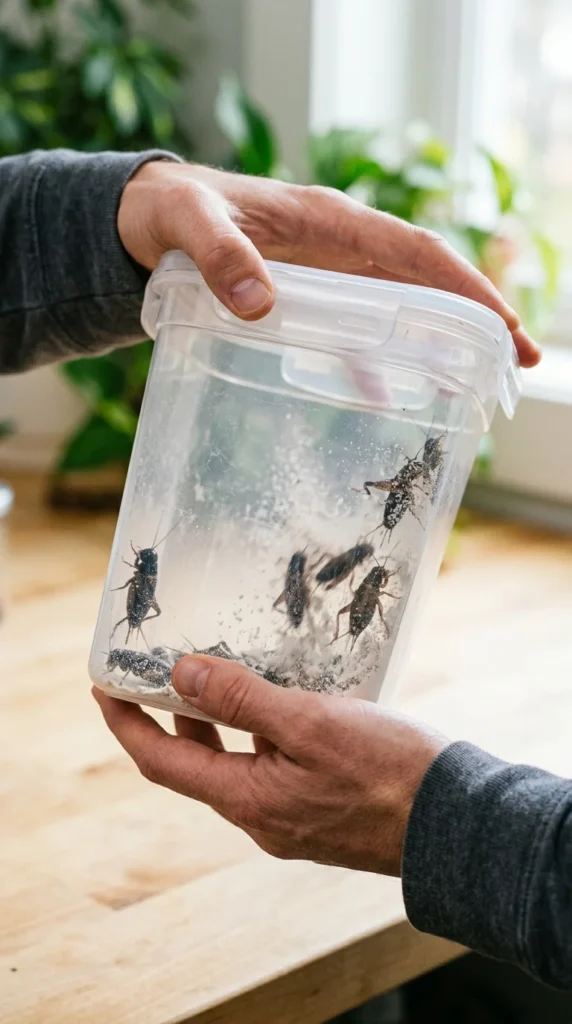
The “shake and bake” method is the most effective way to ensure supplements are consumed. Place your feeder insects in a tall cup or plastic bag with a pinch of calcium or vitamin powder. Shake gently until the insects are lightly coated. This ensures the powder doesn’t simply fall off before the reptile can eat the insect. Avoid “over-caking” the insects, as too much powder can be unappetizing or cause the insect to die prematurely.
15. Avoid Oxalates

Some vegetables contain high levels of oxalic acid, which binds to calcium and prevents it from being absorbed by the reptile’s body. Spinach, beet greens, and parsley are high in oxalates and should be fed very sparingly or avoided entirely. Feeding these regularly can lead to calcium deficiency even if you are using supplements. Stick to the “safe” greens mentioned in point #2 for the majority of the diet.
16. Safe Foraging

Gathering wild weeds like dandelions, clover, and hibiscus flowers can be a great way to add nutrition for free. However, you must be 100% certain that the area has not been treated with pesticides, herbicides, or fertilizers. Additionally, avoid foraging near busy roads where plants may have absorbed heavy metals from car exhaust. If in doubt, stick to store-bought organic produce or grow your own “reptile garden” in pots.
17. Monitoring Weight
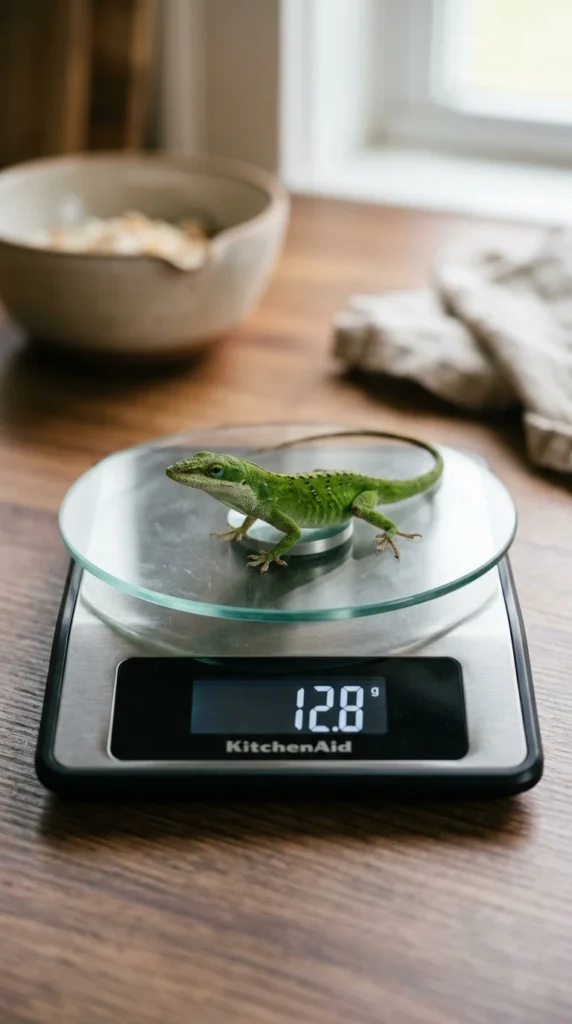
The ultimate indicator of a successful diet is the physical condition of the reptile. Owners should weigh their pets monthly using a gram scale and keep a log. Sudden weight loss can indicate parasites or illness, while rapid weight gain suggests overfeeding. Look for physical signs of health: clear eyes, a thick tail base (in many lizards), and the absence of visible ribs or hip bones. Adjust the caloric intake based on these observations to maintain an ideal body condition.