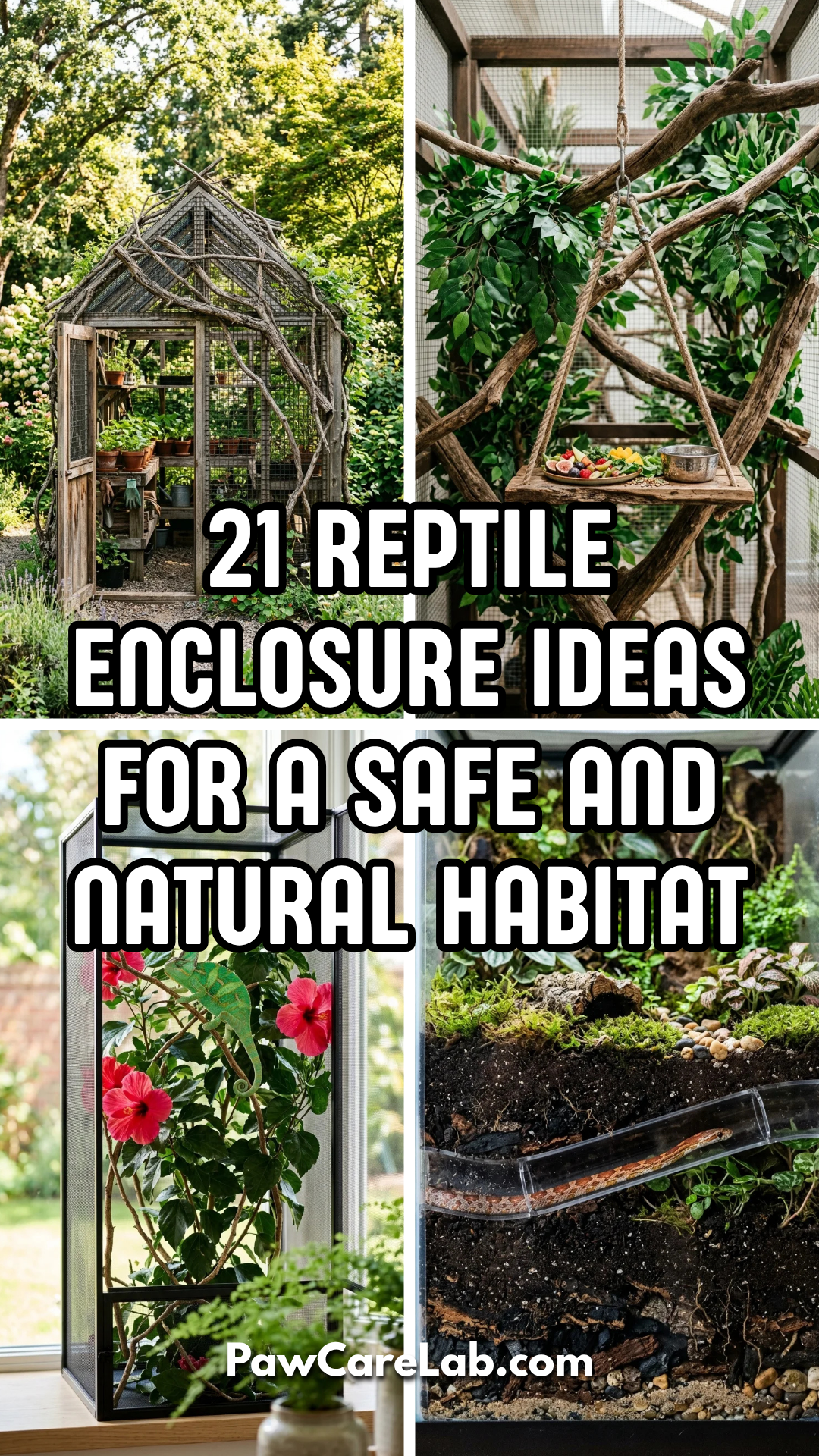
Creating a habitat for a reptile is more than just buying a glass box; it is about recreating a slice of the wild within the comfort of your home. Whether you are housing a tiny gecko or a majestic monitor lizard, the enclosure is their entire world. A well-designed habitat promotes natural behaviors, reduces stress, and ensures a long, healthy life.
From bioactive ecosystems that clean themselves to massive DIY plywood builds, the possibilities for reptile husbandry are endless. Here are 21 innovative and safe reptile enclosure ideas to help you build the perfect home for your cold-blooded companions.
1. Bioactive Terrarium
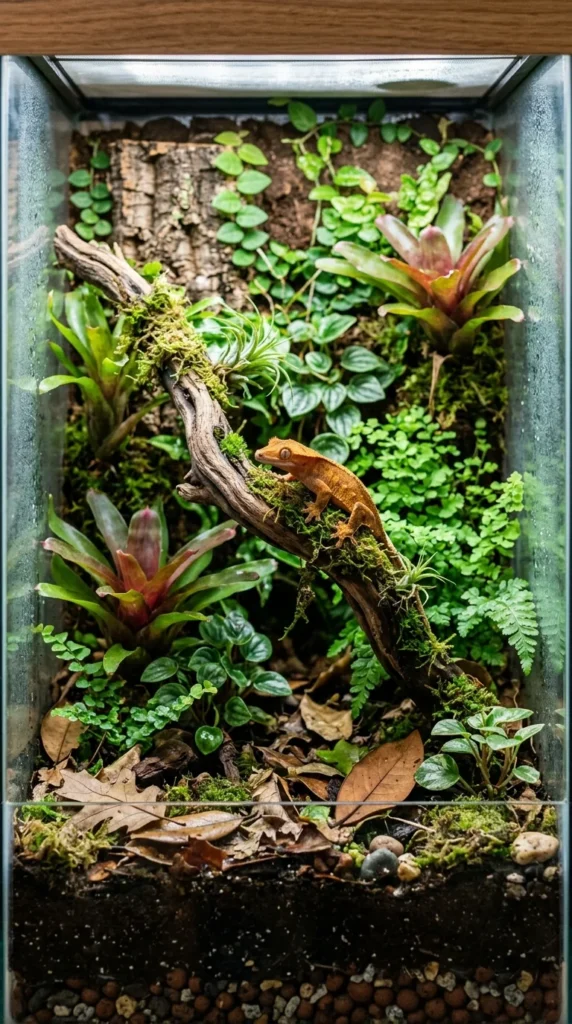
A bioactive terrarium is a self-sustaining ecosystem. It utilizes a “cleanup crew” of isopods and springtails to break down waste, turning it into nutrients for live plants. This setup not only looks stunningly natural but also maintains humidity levels better than sterile environments. It reduces the frequency of deep cleans and provides a rich, sensory experience for your reptile.
2. Paludarium
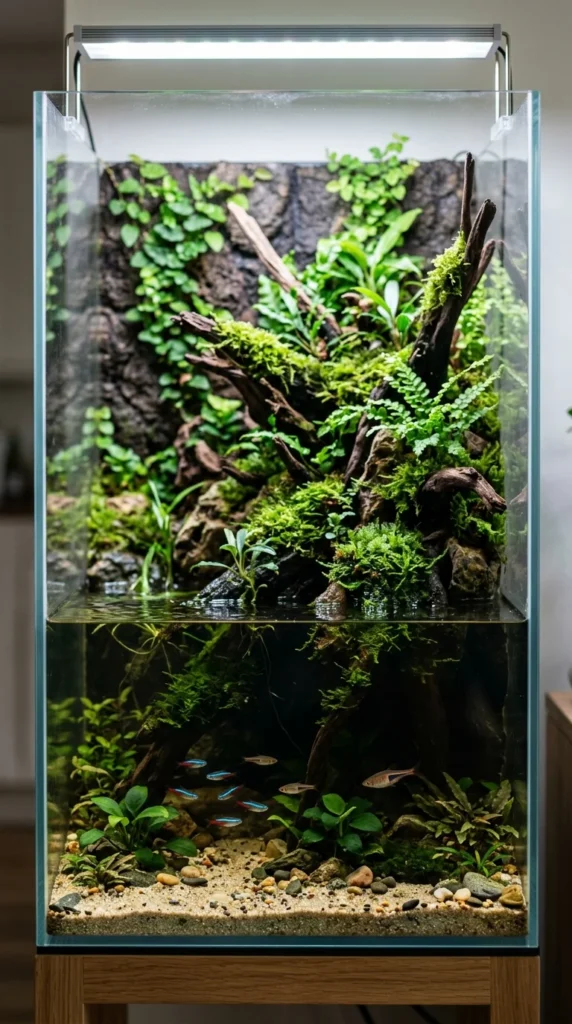
Perfect for semi-aquatic species like Chinese Water Dragons or Fire-Bellied Toads, a paludarium combines land and water. This hybrid setup allows for a diverse range of flora and fauna. The sound of trickling water adds a calming ambiance to the room, while the varying moisture zones provide the reptile with options for thermoregulation and hydration.
3. Plywood Cage
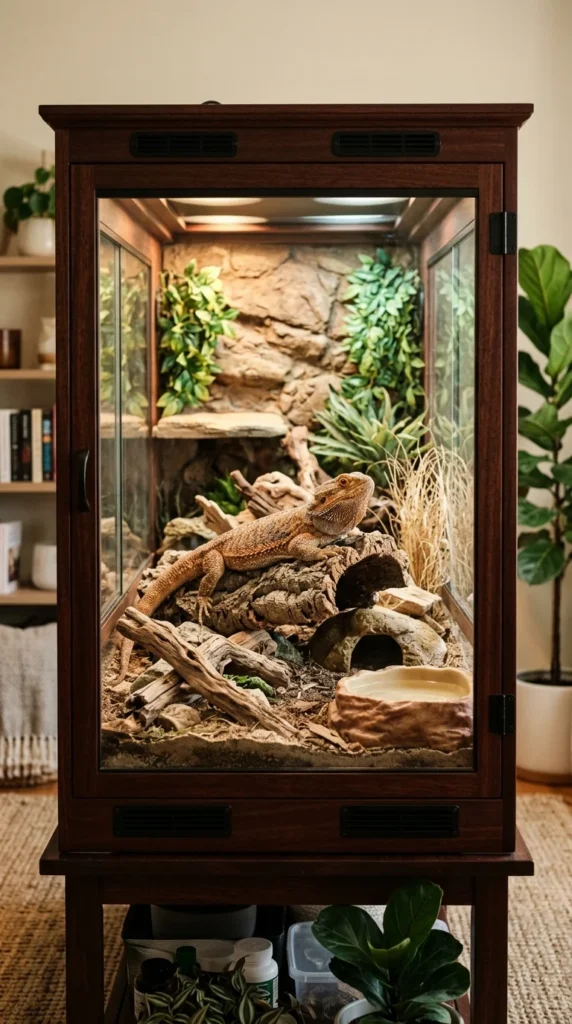
Custom plywood enclosures are a favorite for owners of larger reptiles. Wood is an excellent insulator, holding heat far better than glass. By building it yourself, you can customize the dimensions to fit a specific corner of your home. Ensure the wood is sealed with animal-safe, waterproof sealant to prevent rotting from humidity or spills.
4. Vertical Rainforest
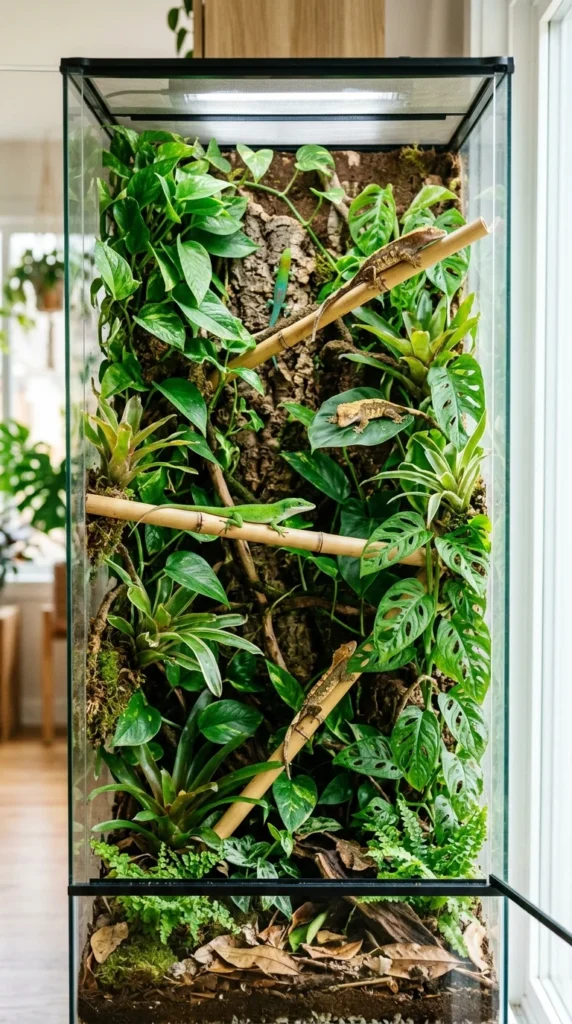
Arboreal species like Crested Geckos or Green Tree Pythons thrive in vertical spaces. A vertical rainforest enclosure focuses on height rather than floor space. By utilizing tall branches, hanging plants, and cork bark tubes, you maximize the “climbable” surface area, mimicking the layers of a tropical jungle canopy.
5. Arid Desert
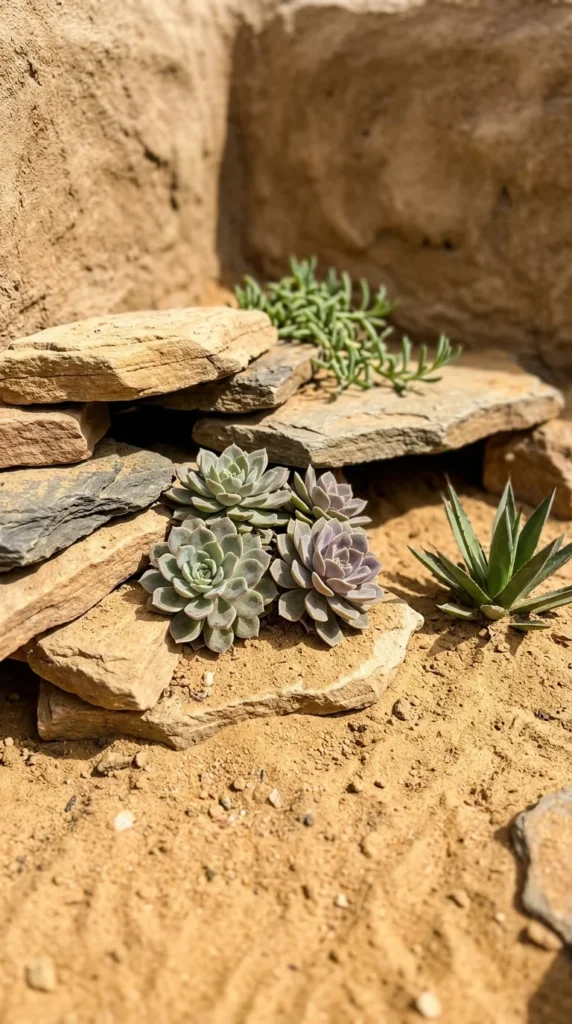
For desert-dwellers like Uromastyx or Leopard Geckos, an arid setup is essential. This design focuses on high-intensity lighting and low humidity. Using natural slate, sandstone, and heat-treated sand provides a realistic aesthetic. Creating “micro-climates” with humid hides buried beneath the sand ensures the animal can still find moisture when shedding.
6. Stock Tank
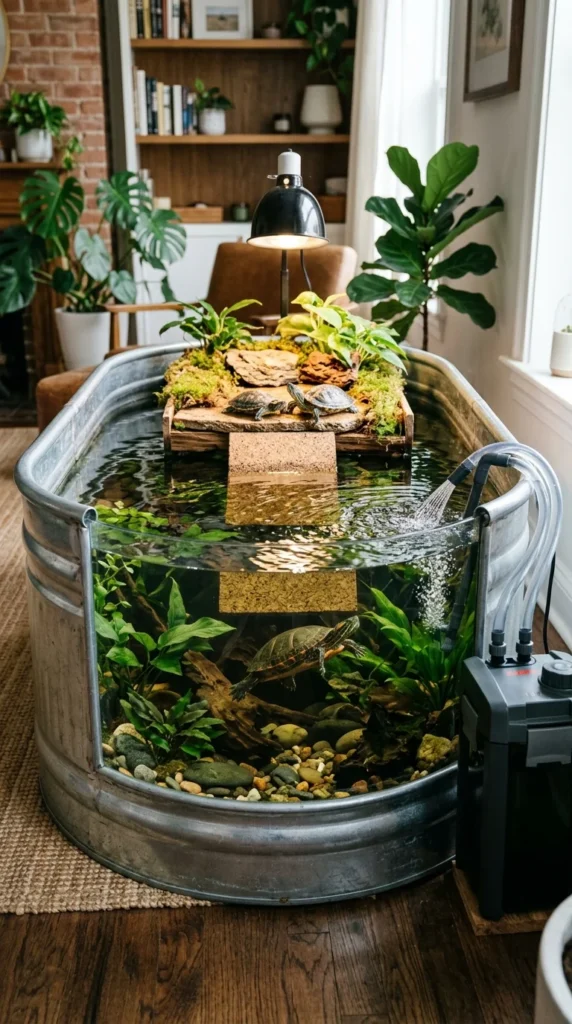
Stock tanks are incredibly durable and offer massive footprints for a fraction of the cost of large glass tanks. They are ideal for aquatic turtles or large tortoises. Because they are opaque, they help shy reptiles feel secure. You can easily attach overhead heating and filtration systems to the rim for a professional-grade pond setup.
7. Repurposed Furniture
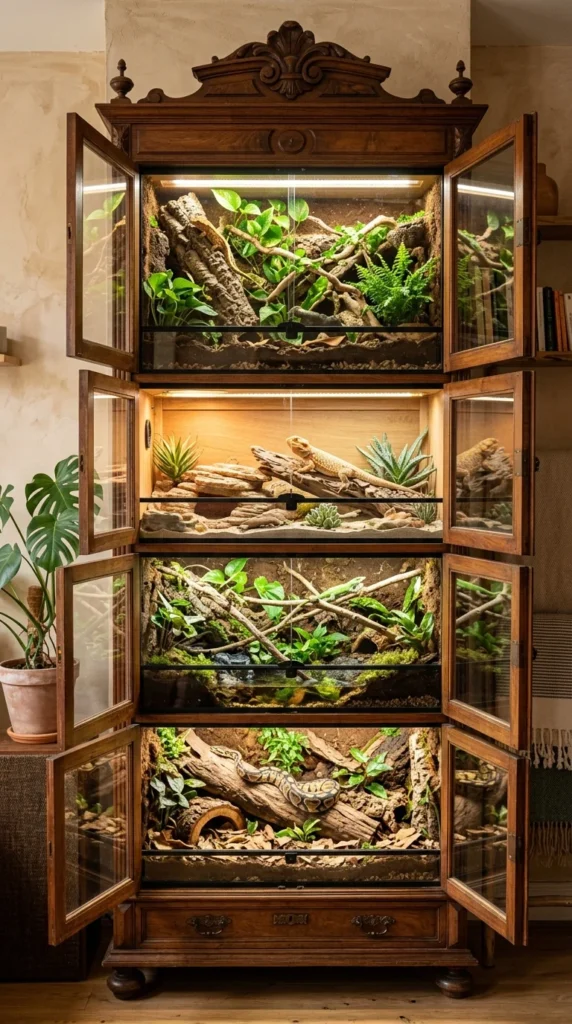
Giving old furniture a second life as a reptile home is a great way to match your pet’s habitat with your home decor. A sturdy dresser, bookshelf, or TV stand can be gutted and reinforced to create a stunning display piece. Just be sure to vent the sides properly and use waterproof liners to protect the wood from moisture.
8. Screen Enclosure
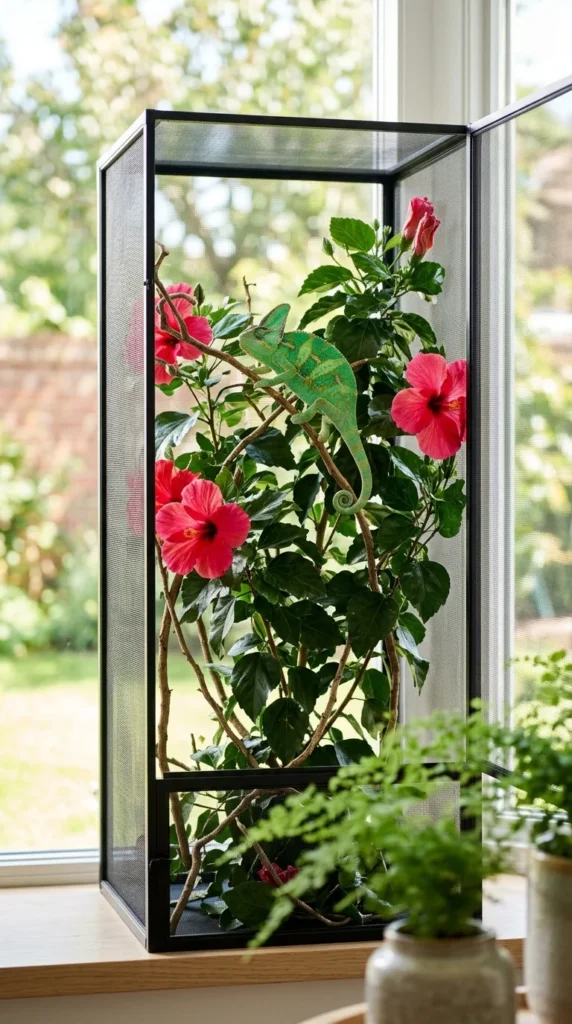
Species like Chameleons require high levels of airflow to prevent respiratory infections. A full screen or mesh enclosure is the gold standard for these animals. While it makes maintaining humidity more challenging, it allows for excellent ventilation and prevents the stagnant air issues often found in glass tanks.
9. PVC Enclosure
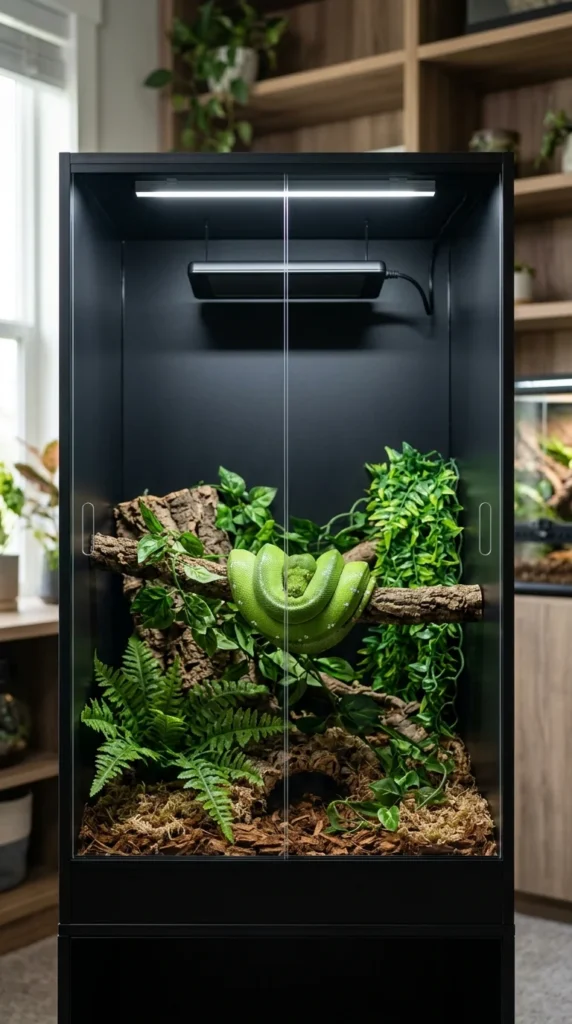
PVC cages are the modern choice for serious keepers. They are lightweight, stackable, and virtually indestructible. Unlike wood, they won’t rot, and unlike glass, they won’t shatter. They excel at holding heat and humidity, making them the perfect choice for tropical snakes and lizards that require high-stability environments.
10. Greenhouse Habitat
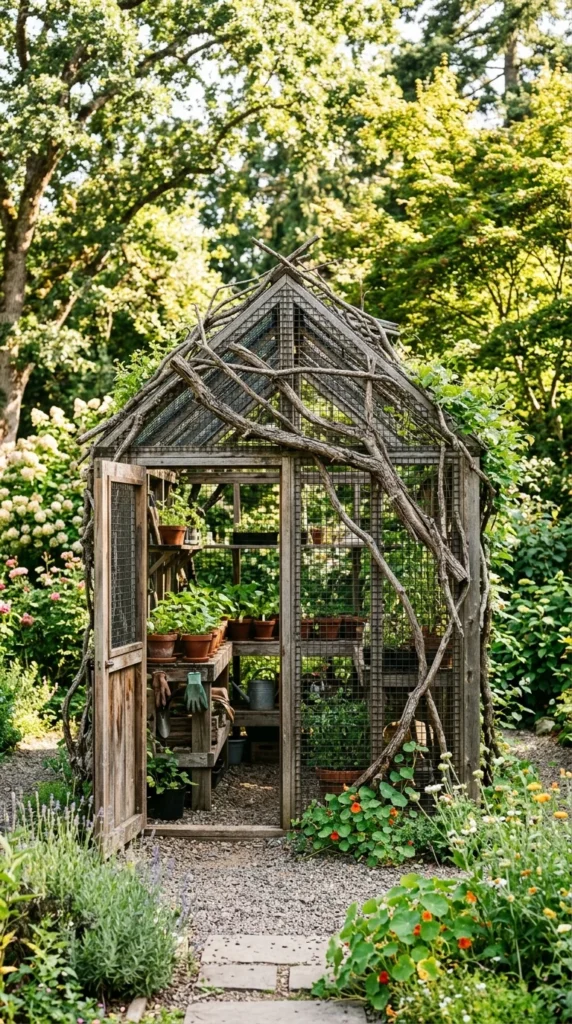
If you live in a warm climate, a modified greenhouse can serve as a massive outdoor retreat. This provides your reptiles with natural sunlight (UVB), which is far superior to any artificial bulb. It’s an ideal solution for large iguanas or tortoises that need significant space to roam and forage in the fresh air.
11. Rock Wall
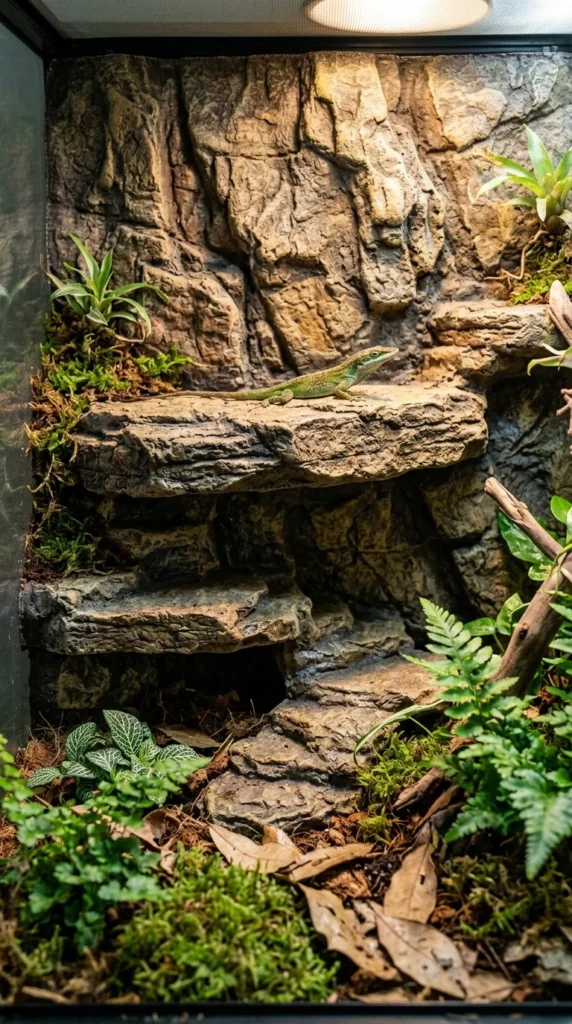
A 3D rock wall background adds verticality and security. By using expanding foam, grout, and non-toxic paint, you can create a custom landscape that mimics a cliffside or cave. This allows reptiles to utilize the back of the tank for climbing and basking, significantly increasing their usable living space.
12. Treetop Canopy
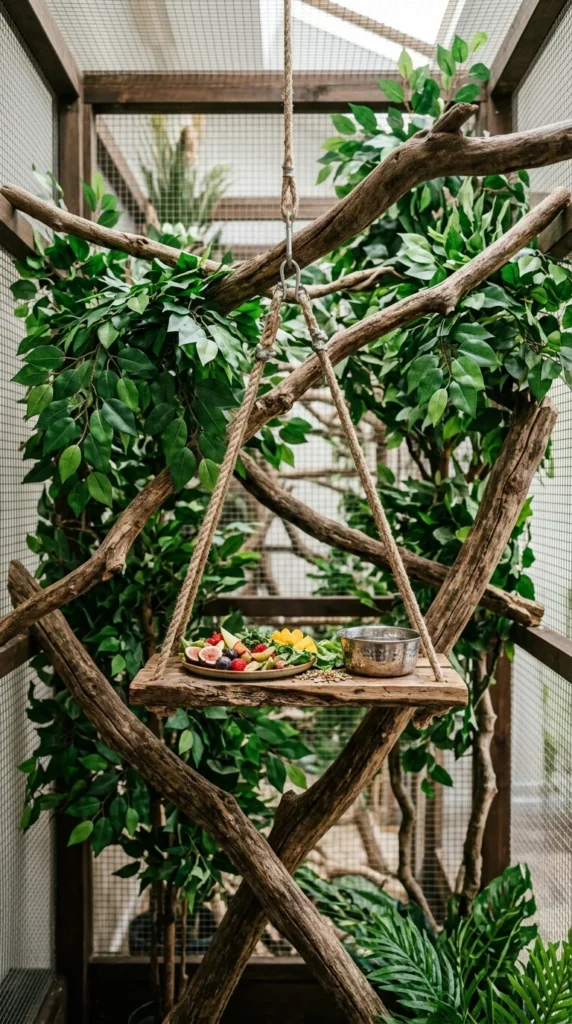
Focusing on the top third of an enclosure is vital for high-dwelling species. By installing a “canopy” of thick branches and leafy cover, you create a security zone. Many reptiles feel safest when they are looking down on their surroundings. Adding a magnetic or suction-cup feeding ledge at this height encourages natural foraging behavior.
13. Riverbed Riparium
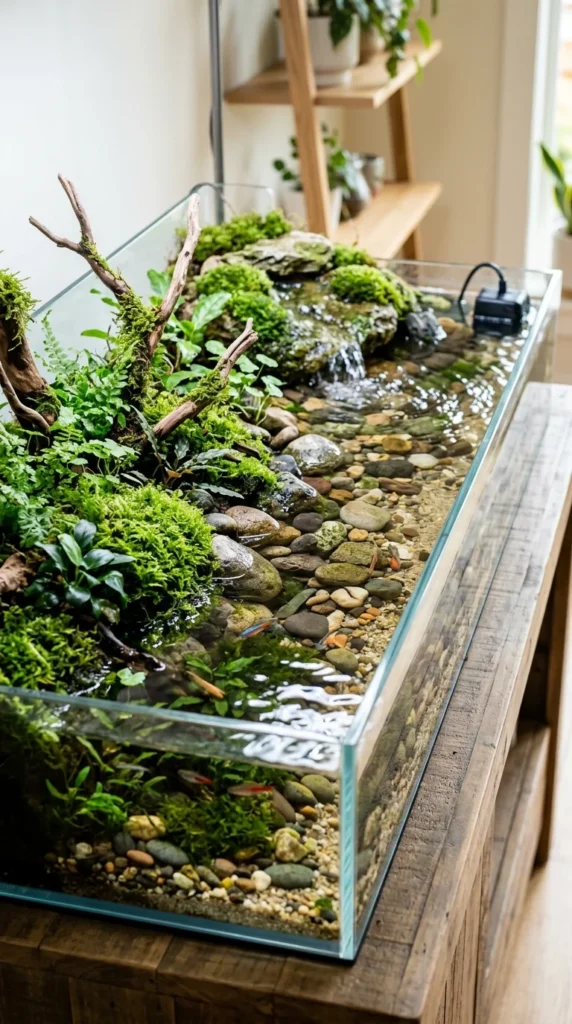
A riparium focuses on the shoreline. This is perfect for species that enjoy shallow water and damp mud. By using smooth river stones and water-loving plants like Anubias, you can create a flowing water feature that stays clean and provides a high-humidity environment for amphibians and semi-aquatic snakes.
14. Scrubland Diorama
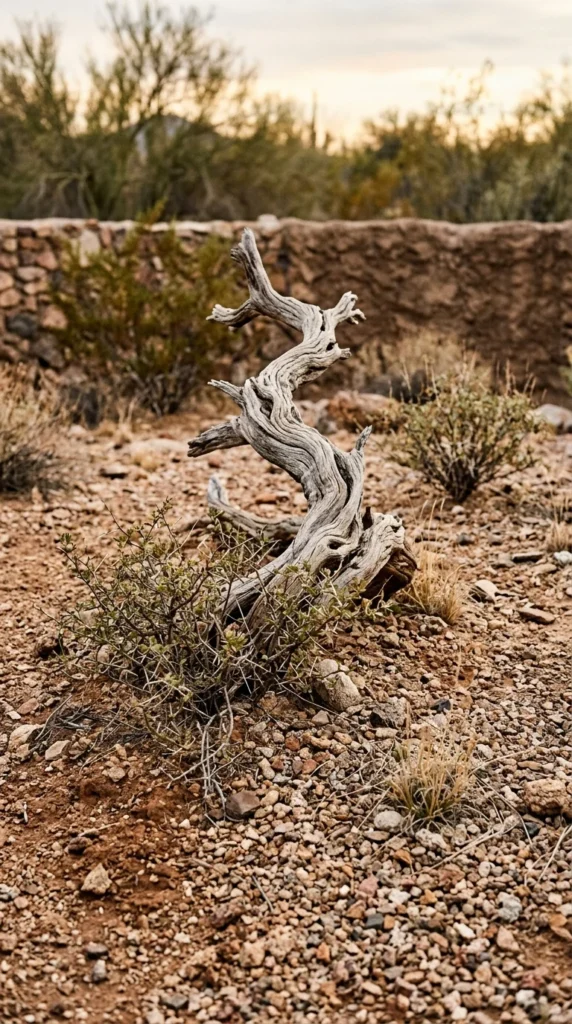
The scrubland habitat is a middle ground between the desert and the forest. It utilizes patchy vegetation, dry grasses, and rocky outcroppings. This setup is perfect for Blue-Tongued Skinks or Rankins Dragons. It offers a variety of textures and hiding spots, mimicking the transitional zones of the Australian outback or Mediterranean hills.
15. Modular Stack
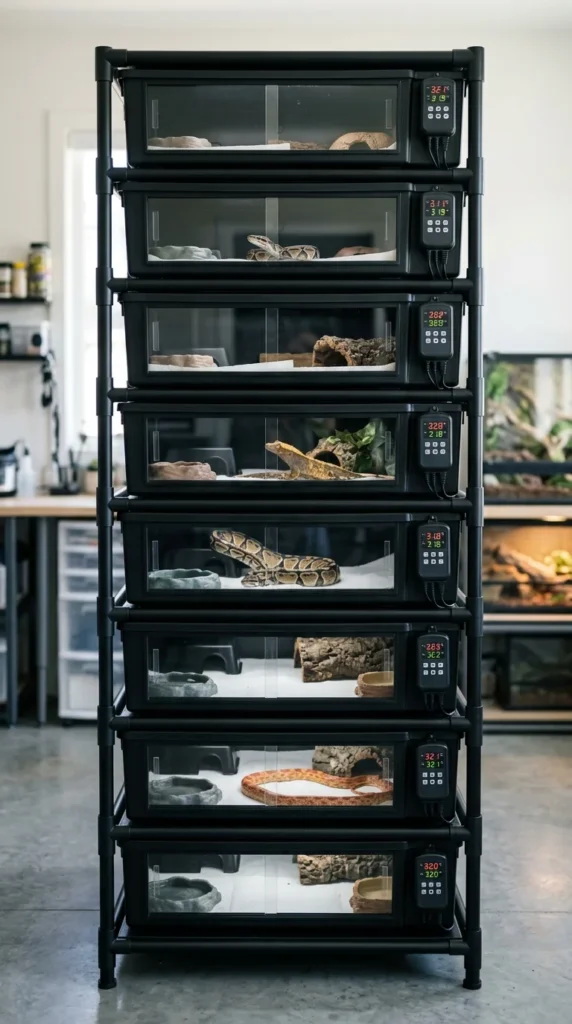
For those with multiple reptiles, modular stacked units provide a clean and organized look. These are often made of PVC or high-density polyethylene. They save floor space and allow for centralized climate control. This “reptile wall” approach is space-efficient and ensures that each pet has a standardized, high-quality living environment.
16. Underground Burrow
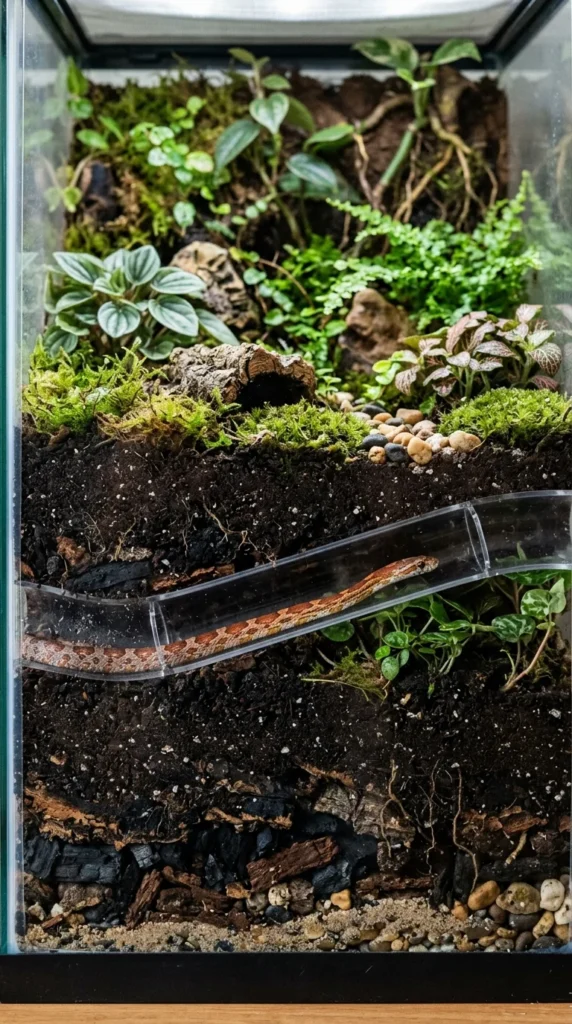
Many reptiles are fossorial, meaning they love to dig. By providing a “deep substrate” layer—at least 6 to 10 inches—you allow for natural burrowing. You can even place a hollowed-out log or a PVC pipe against the glass below the dirt line so you can observe your pet while it rests in its “secret” underground lair.
17. Monsoon Mist
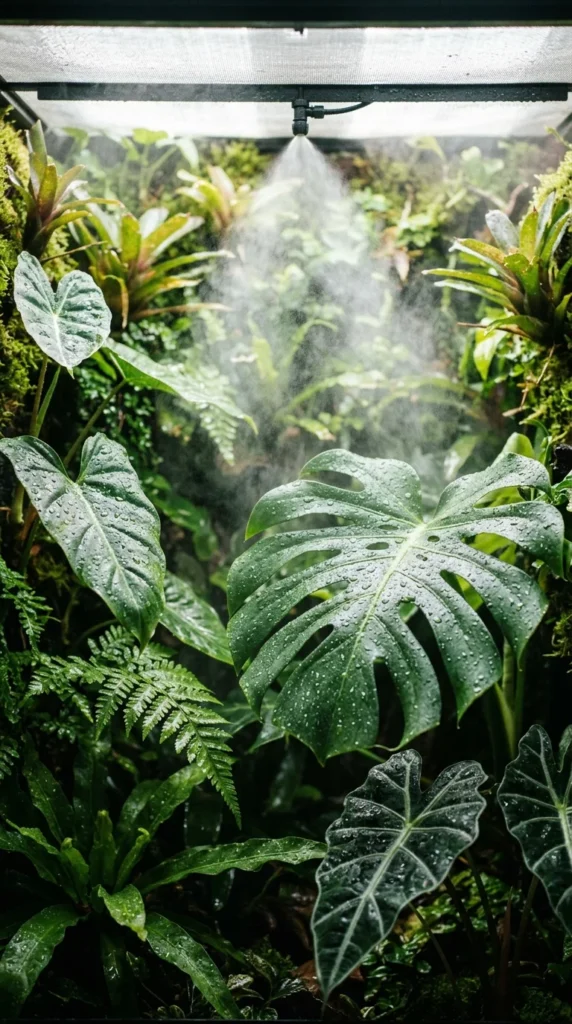
Incorporating an automated misting system or a fogger transforms a standard tank into a rainforest. High-humidity species like Dart Frogs or Emerald Tree Boas benefit from the “monsoon” effect. It not only keeps the animals hydrated but also keeps the live plants lush and helps maintain the “dew” that many reptiles prefer to drink from.
18. Slate Tile
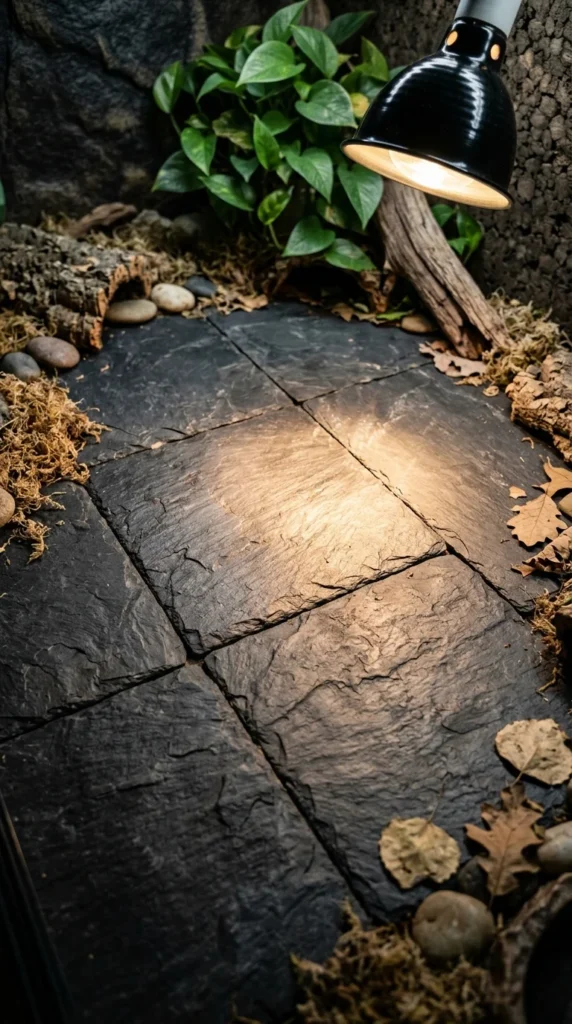
Slate tiles are a fantastic, hygienic alternative to loose substrate. They hold heat exceptionally well, creating a natural “basking stone” effect. They also help naturally file down the claws of lizards like Bearded Dragons as they walk. They are easy to wipe clean and provide a sleek, modern aesthetic to the enclosure.
19. Live Moss Garden
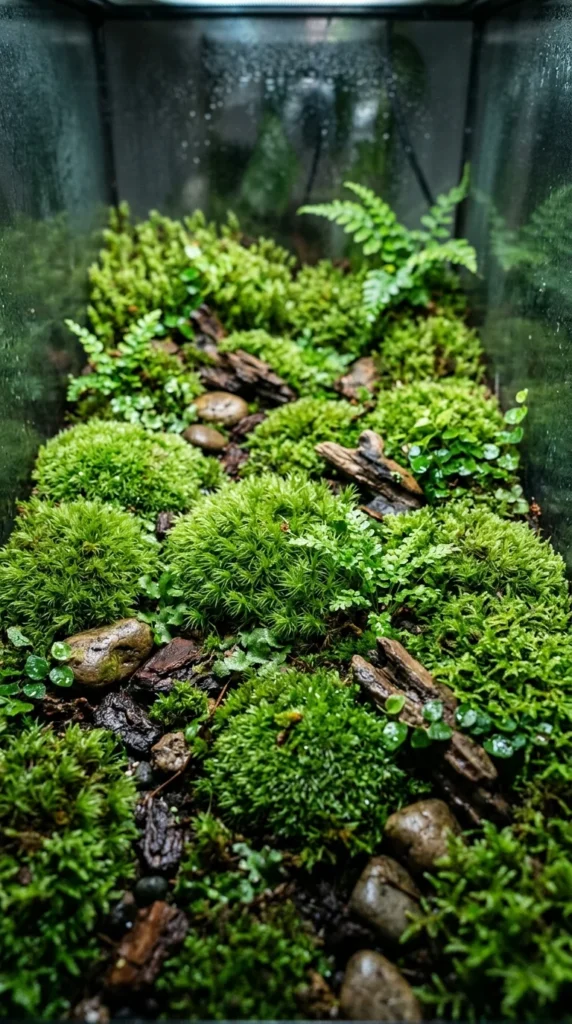
Moss isn’t just for decoration; it’s a functional humidity sponge. Using various types of live moss—such as sphagnum, pillow moss, or Java moss—creates a soft, damp carpet. This is excellent for micro-species and amphibians that have sensitive skin. It provides a lush, fairy-tale look to any tropical or temperate setup.
20. Cork Bark Forest
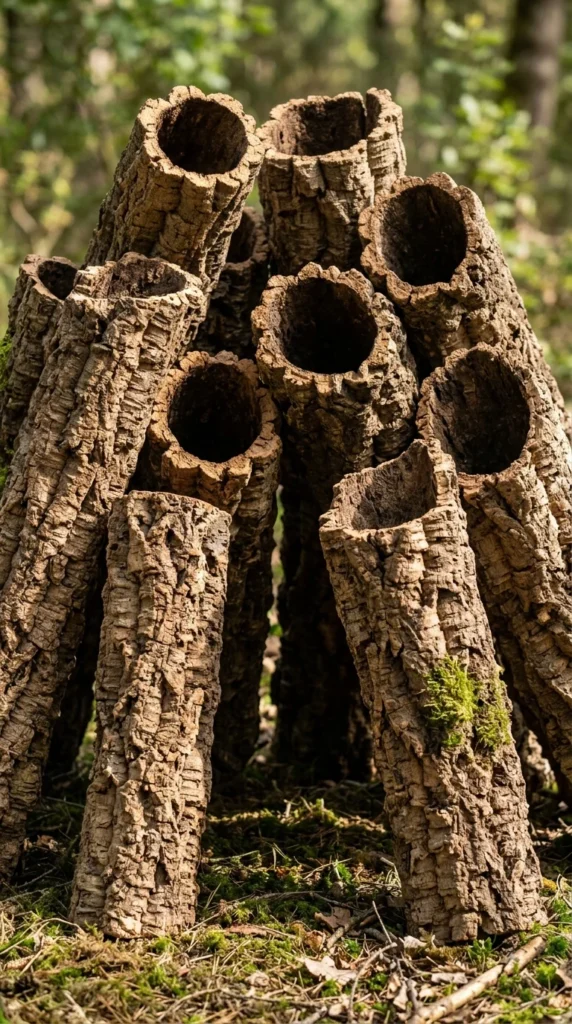
Cork bark is the “secret weapon” of reptile decor. It is rot-resistant, lightweight, and has a rough texture that reptiles love to climb. By stacking various sizes of cork tubes and flats, you create a complex “forest” of hiding spots. It allows the animal to choose exactly how much exposure they want, which significantly lowers stress levels.
21. Outdoor Aviary
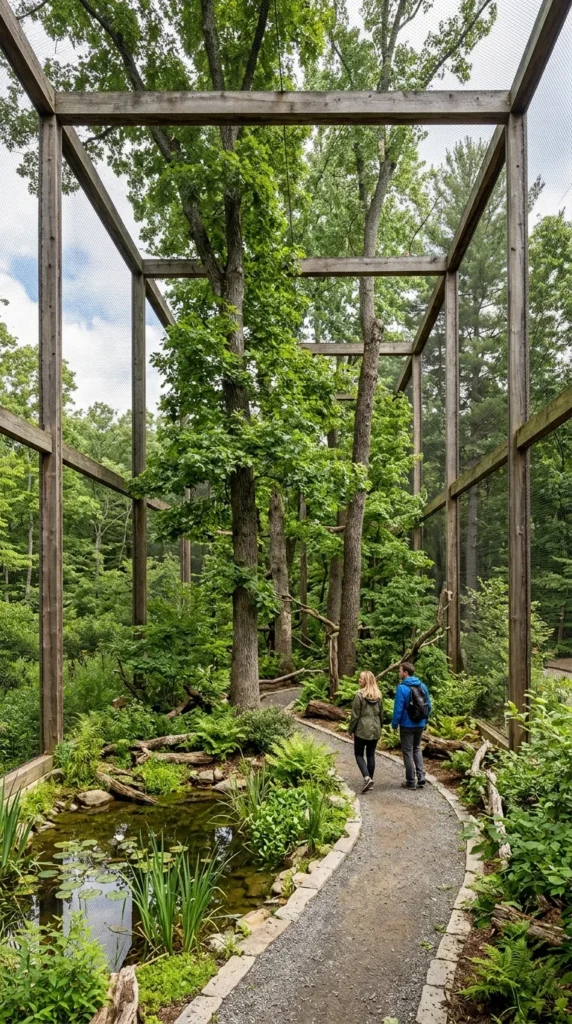
For the ultimate reptile luxury, a walk-in outdoor aviary-style enclosure provides a massive volume of space. This is the closest a captive reptile can get to the wild. It allows for natural flight or climbing paths and exposure to the full cycle of the sun and moon. This is typically reserved for large, hardy species or for seasonal “summer vacations” for smaller pets.