
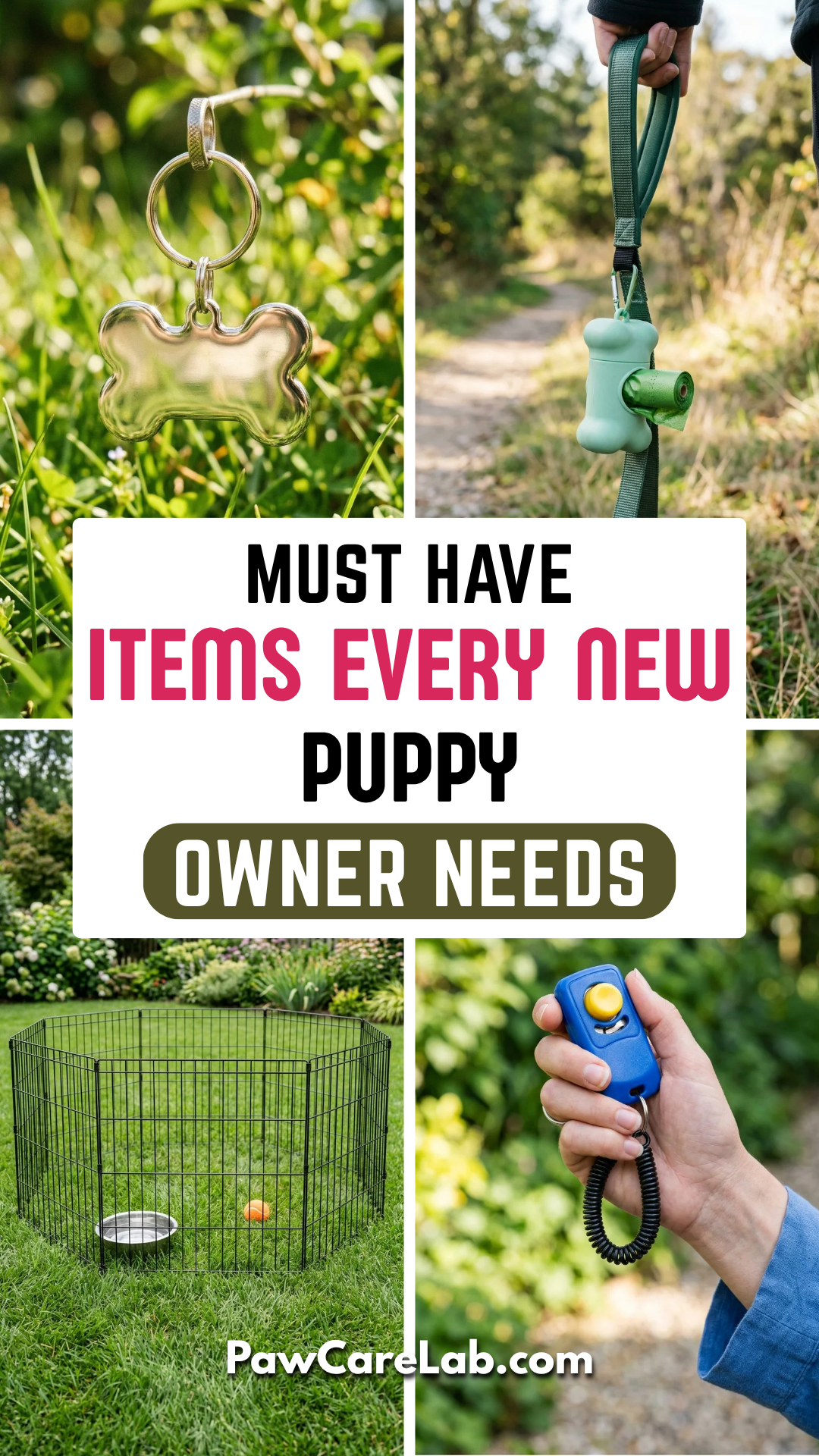
Bringing home a new puppy is one of life’s most joyful milestones. Those tiny paws, the scent of puppy breath, and the endless tail wags make every moment feel like magic. However, once the initial excitement settles, reality kicks in: puppies are a lot of work. They require a specific set of tools to help them grow, stay safe, and learn the ropes of their new home. To help you navigate the transition from “pet seeker” to “pro puppy parent,” we’ve compiled the ultimate checklist of twenty-four essentials.
1. Adjustable Collar
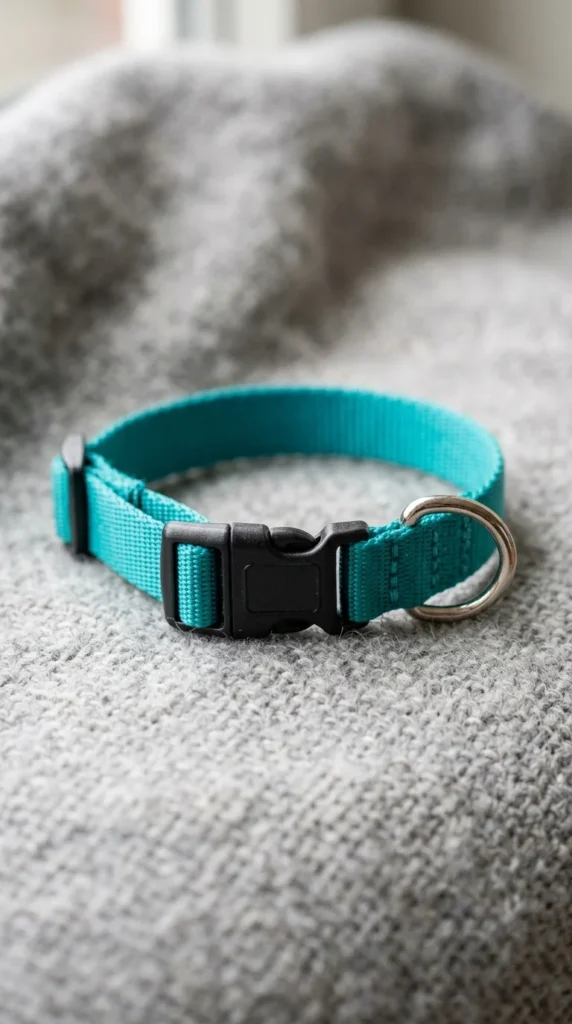
A collar is more than just a fashion statement; it is your puppy’s first piece of “clothing.” Since puppies grow at an astronomical rate, an adjustable collar is non-negotiable. You want something lightweight that won’t irritate their sensitive skin but is durable enough to hold up during play. Ensure you can fit two fingers between the collar and their neck to guarantee a snug yet comfortable fit.
2. Sturdy Leash

Your puppy’s first walks will likely involve a lot of zig-zagging and occasional chewing on the lead. A sturdy, 4-to-6-foot leash is ideal for training. Avoid retractable leashes in the beginning, as they don’t provide the control you need to teach a puppy how to walk politely by your side. Look for a leash with a comfortable padded handle to save your hands during those enthusiastic “zoomie” moments.
3. Identification Tags
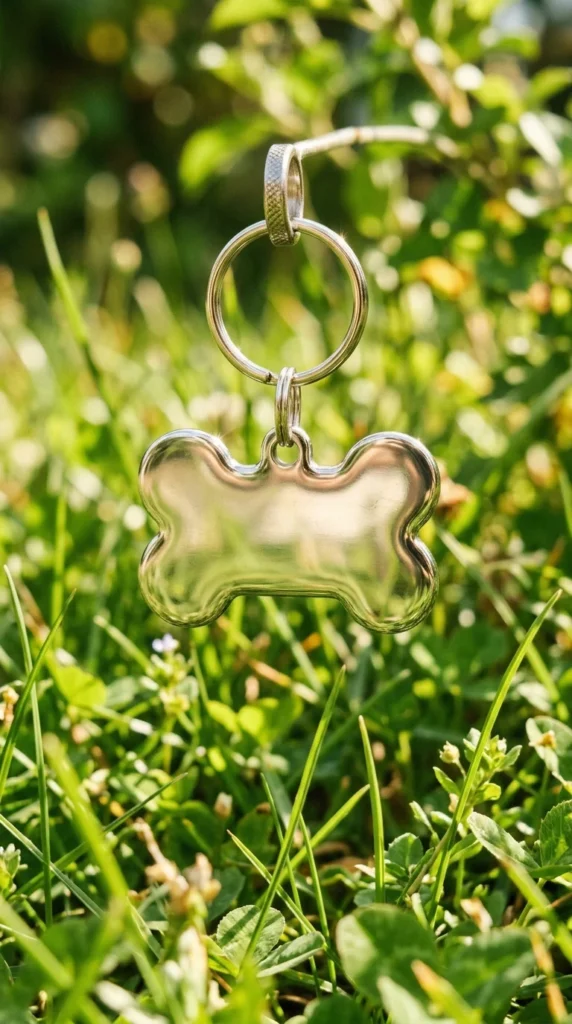
Even if your puppy is microchipped, a visible ID tag is the fastest way for a neighbor to return your pup if they ever slip out the door. The tag should include the puppy’s name and at least two contact phone numbers. Opt for stainless steel or brass for longevity, as these materials won’t rust or break easily during rough-and-tumble play.
4. Comfortable Crate
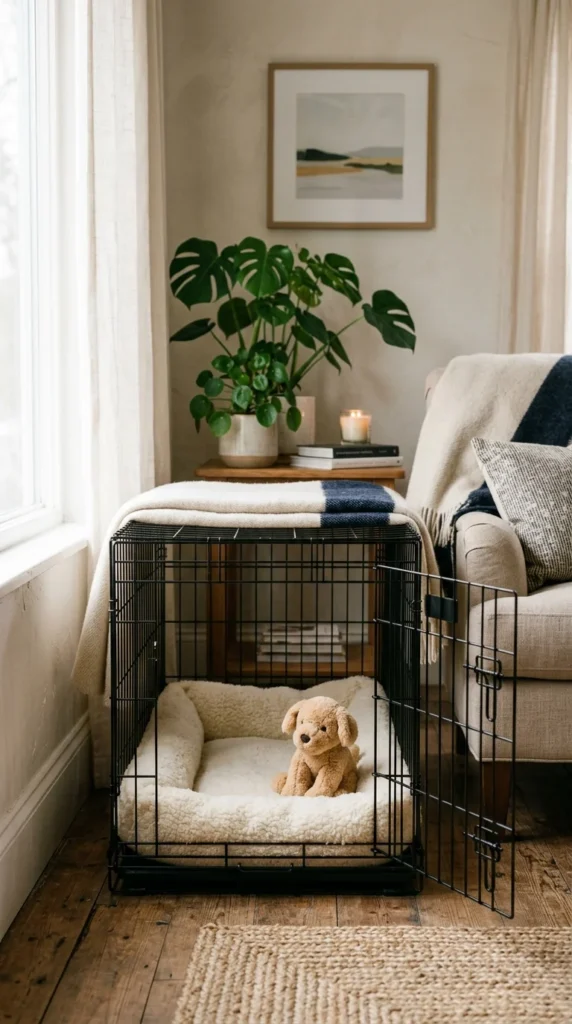
Crate training is a cornerstone of housebreaking and safety. A crate provides your puppy with a “den” where they can feel secure and take much-needed naps. Choose a crate with a divider panel so you can expand the space as your puppy grows, preventing you from having to buy multiple sizes over the first year.
5. Plush Bedding
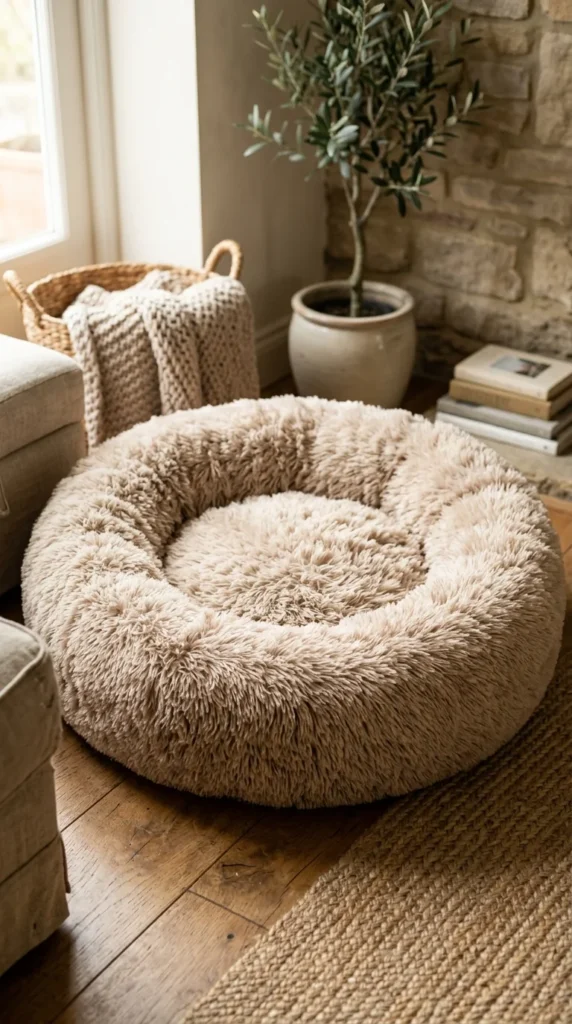
While some puppies might try to chew their beds, having a soft place to land is crucial for their developing joints. Look for “indestructible” or chew-resistant options if your pup is a shredder. Washable covers are a lifesaver, as accidents are inevitable in the first few weeks of potty training.
6. Ceramic Bowls
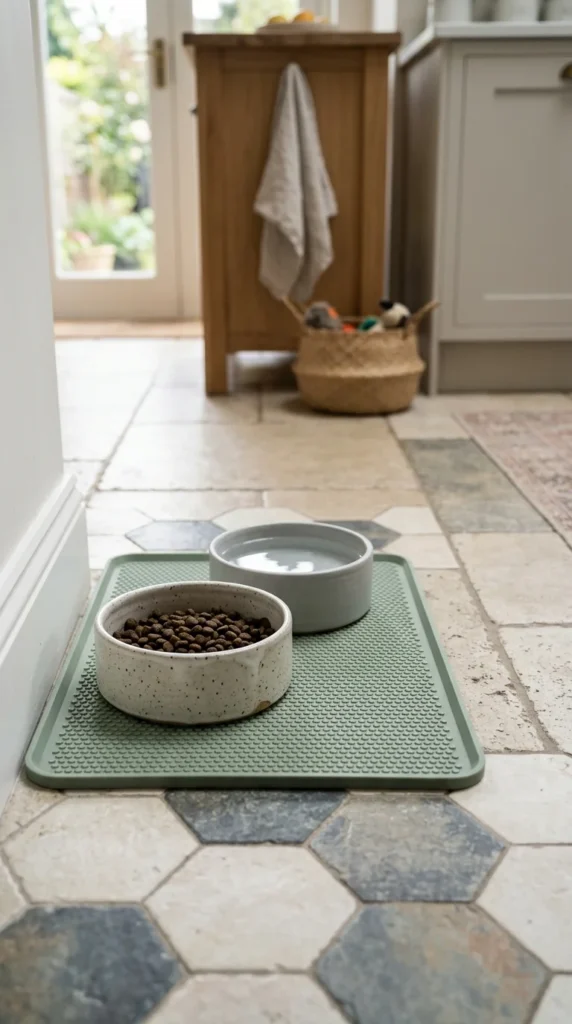
Skip the plastic bowls, which can harbor bacteria in scratches and cause “puppy acne.” Ceramic or stainless steel bowls are the gold standard. They are heavy enough that your puppy won’t easily flip them over and are dishwasher-safe for easy sanitization.
7. High-Quality Kibble
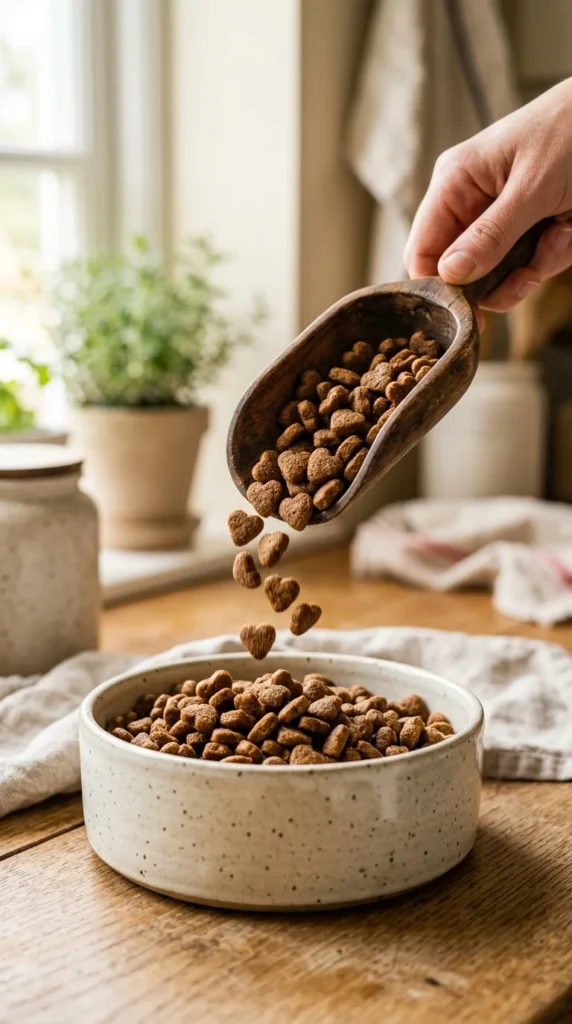
Puppies have different nutritional requirements than adult dogs. They need higher levels of protein and fat to fuel their rapid growth. Consult with your veterinarian to find a high-quality, age-appropriate formula that supports brain development and bone health.
8. Training Treats
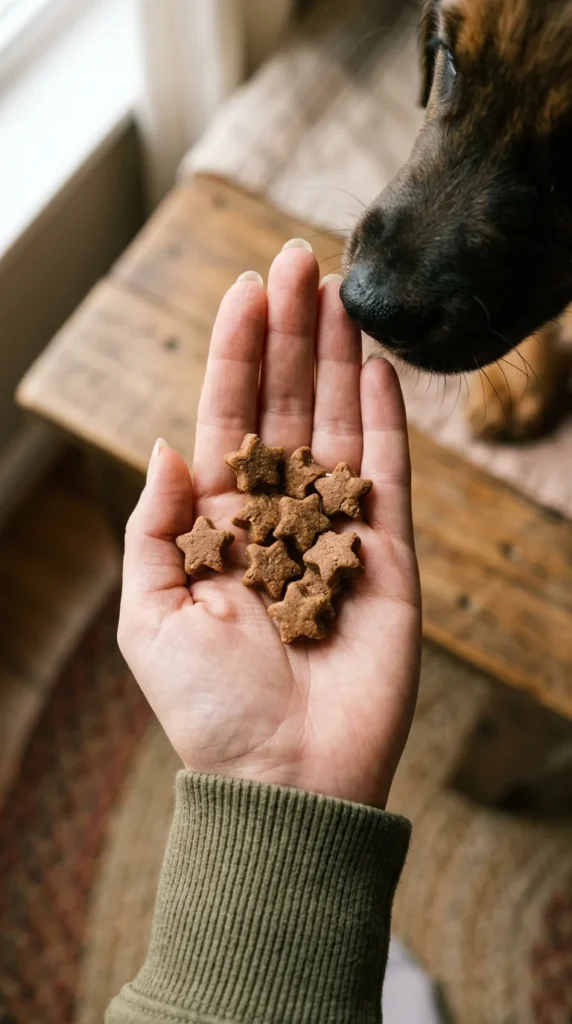
Positive reinforcement is the key to a well-behaved dog. For training, you need “high-value” treats that are small enough to be eaten quickly without distracting the puppy from the task at hand. Look for treats with real meat as the first ingredient to keep your pup motivated.
9. Enzyme Cleaner
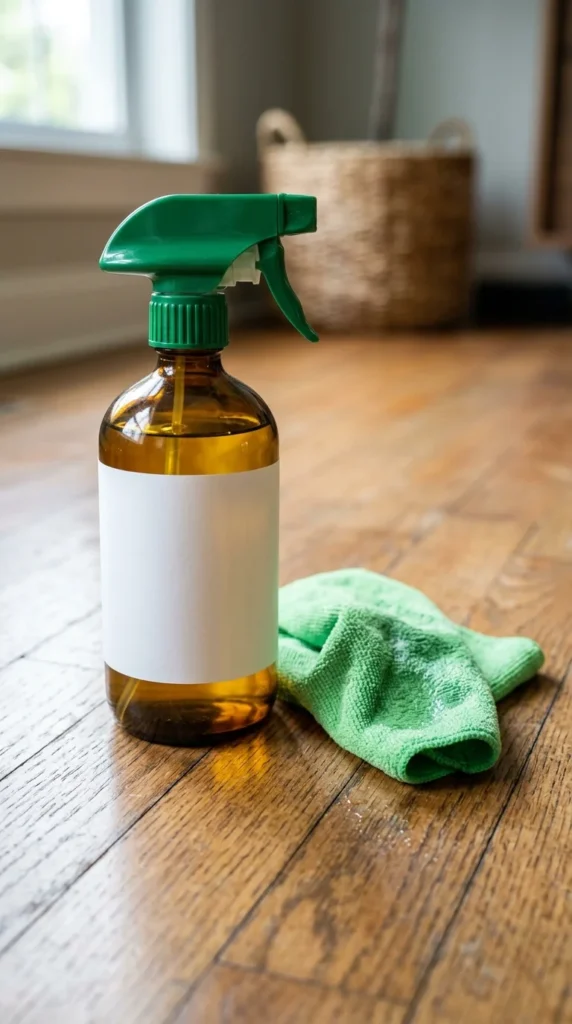
Accidents will happen. Traditional household cleaners might make the floor look clean to humans, but they often leave behind scent markers that only a dog can smell. An enzymatic cleaner actually breaks down the proteins in urine, removing the scent entirely so your puppy isn’t tempted to “re-mark” the same spot.
10. Puppy Pads
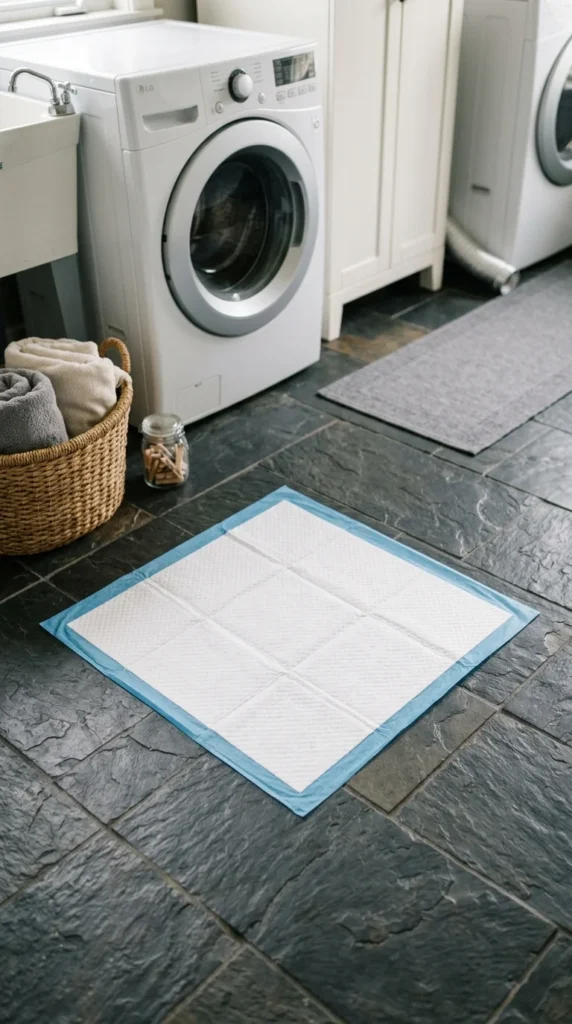
If you live in an apartment or are housebreaking during a snowy winter, puppy pads are a temporary necessity. They provide a designated “safe zone” for your pup to go when they can’t quite make it outside in time. Some even come with built-in attractants to help guide the puppy to the right spot.
11. Chew Toys
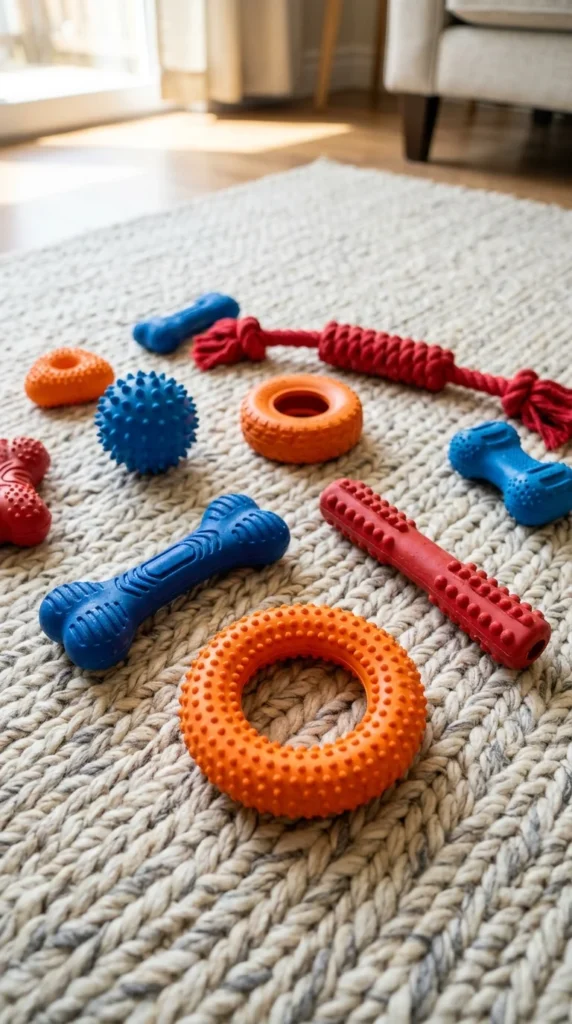
Puppies explore the world with their mouths, and teething can be painful. Providing a variety of textures—hard rubber, soft plush, and knobby silicone—will keep them occupied and save your furniture from being gnawed. Look for toys specifically labeled for puppies, as they are gentler on baby teeth.
12. Puzzle Feeders

Mental stimulation is just as important as physical exercise. A puzzle feeder or a “slow-feed” bowl forces your puppy to think while they eat, preventing bloat and burning off excess energy. It’s the perfect way to keep a curious puppy busy while you’re trying to enjoy your own dinner.
13. Slicker Brush
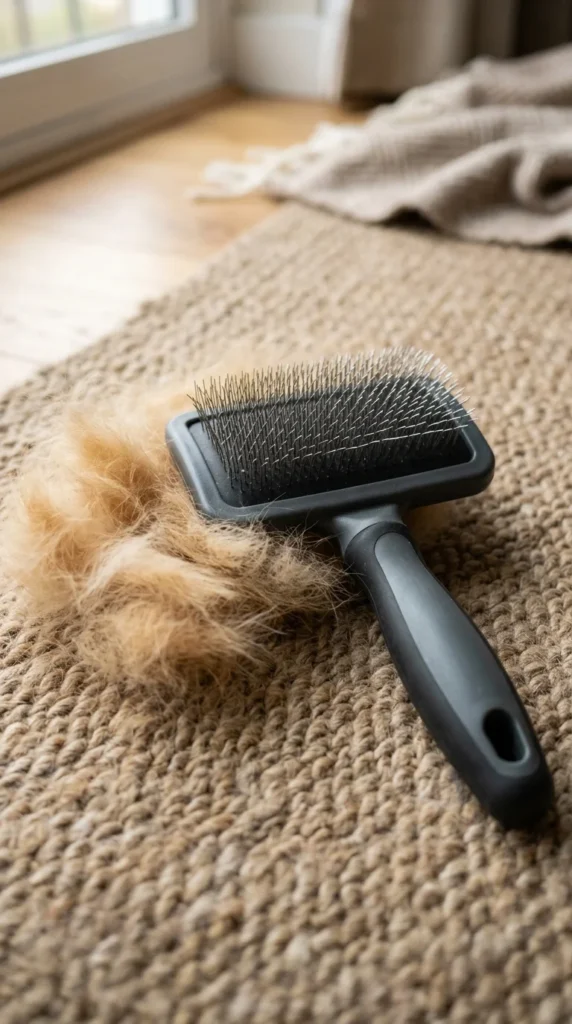
Starting a grooming routine early helps your puppy get used to being handled. A slicker brush is excellent for removing loose fur and preventing mats, especially for breeds with longer coats. Keep the sessions short and sweet, rewarding your pup with treats for staying still.
14. Dog Shampoo
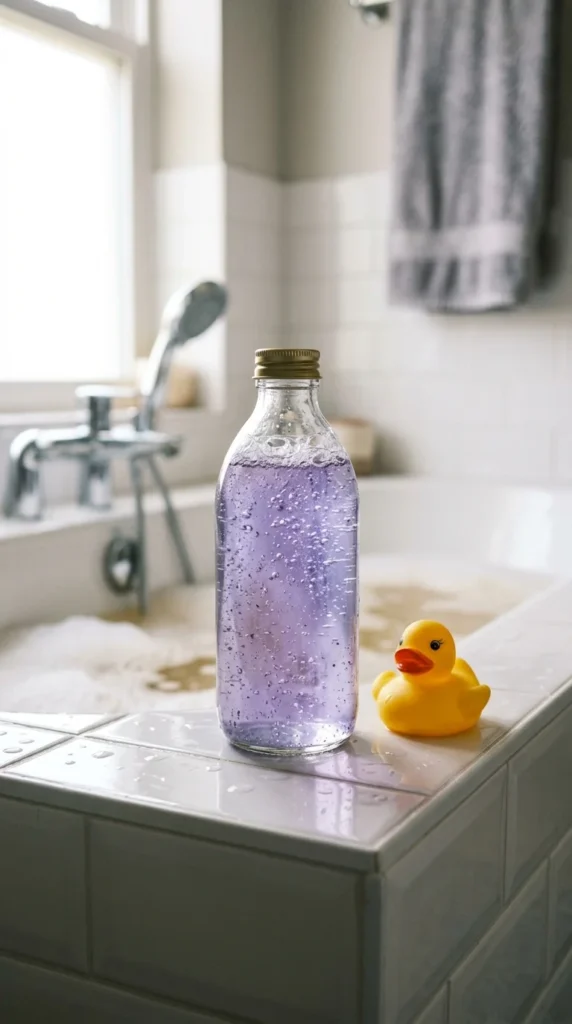
Puppies have sensitive skin that can be easily irritated by human soap. A tear-free, oatmeal-based, or hypoallergenic dog shampoo will keep them smelling fresh without stripping the natural oils from their coat. Plus, it makes the inevitable “muddy paw” situation much easier to handle.
15. Nail Clippers
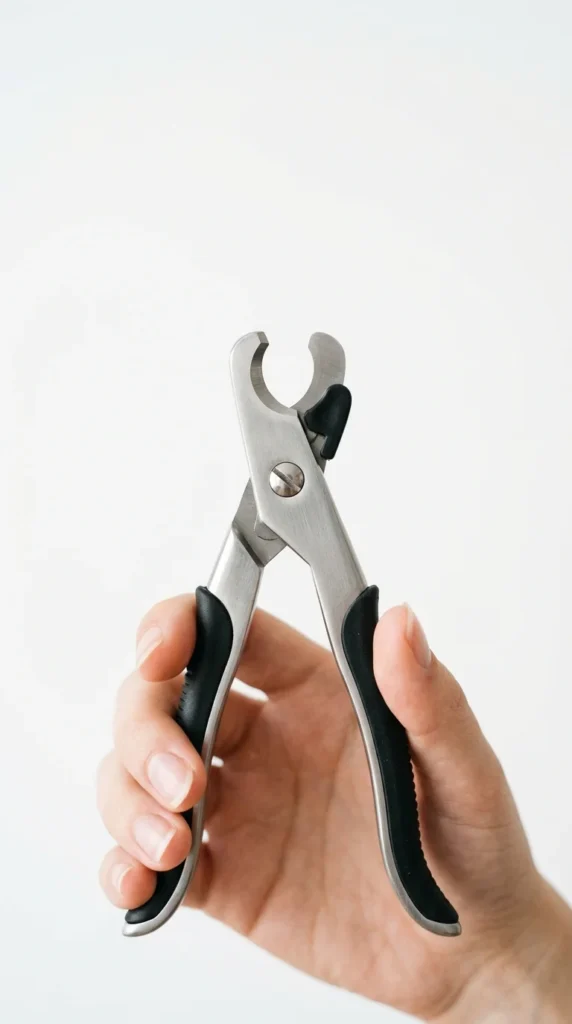
Puppy nails grow incredibly fast and can be quite sharp. Getting your pup accustomed to nail trims early will prevent a lifetime of vet-visit tantrums. Look for clippers with a safety guard to prevent you from cutting the “quick” (the blood vessel inside the nail).
16. Toothbrush Kit
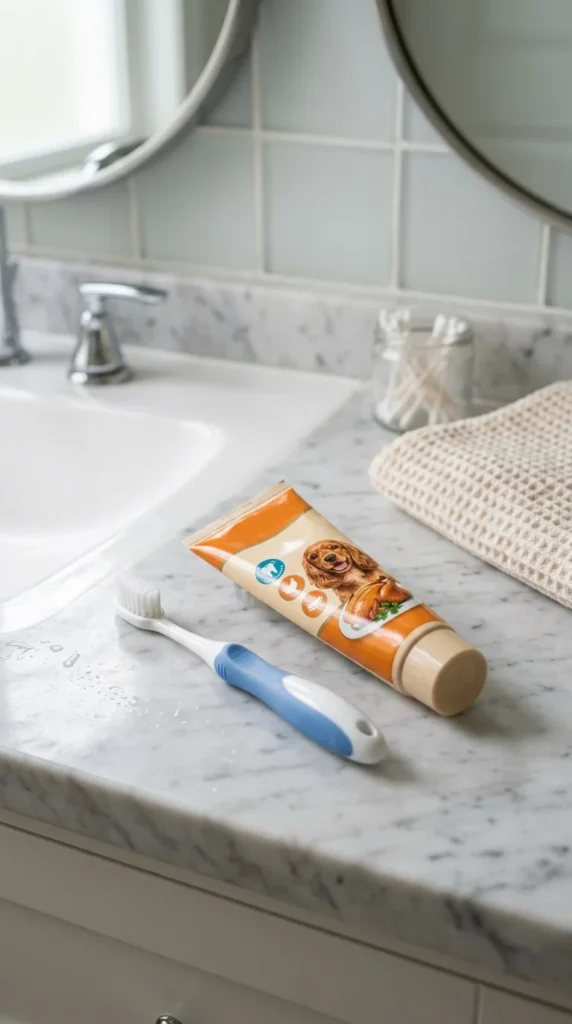
Dental health is often overlooked, but starting early can save you thousands in vet bills later. Use a finger brush or a small dog-specific toothbrush and flavored paste. Never use human toothpaste, as it contains ingredients like Xylitol that are toxic to dogs.
17. Poop Bags
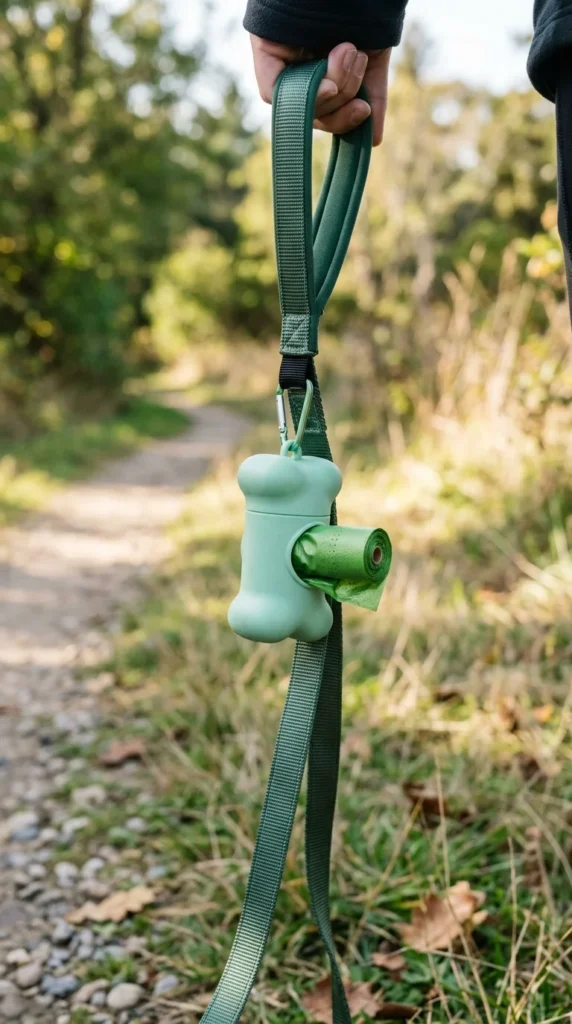
Being a responsible pet owner means cleaning up after your pup. Invest in biodegradable poop bags to minimize your environmental impact. It’s a good idea to keep a dispenser attached to your leash so you’re never caught empty-handed during a walk.
18. Travel Carrier
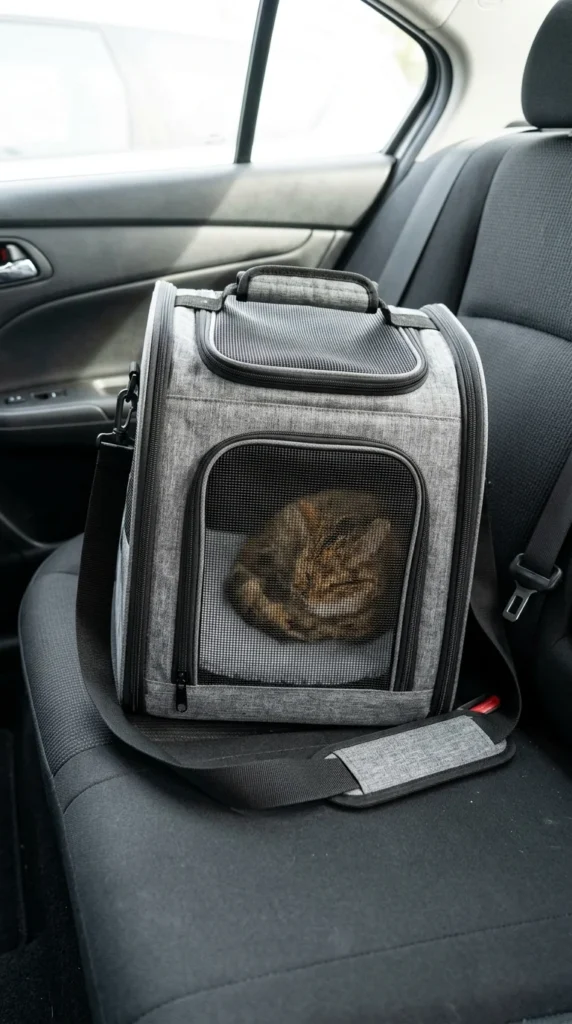
For those first vet visits and car rides, a travel carrier provides a sense of security. It prevents the puppy from wandering around the car and distracting the driver, while also keeping them contained in the vet’s waiting room.
19. Car Harness
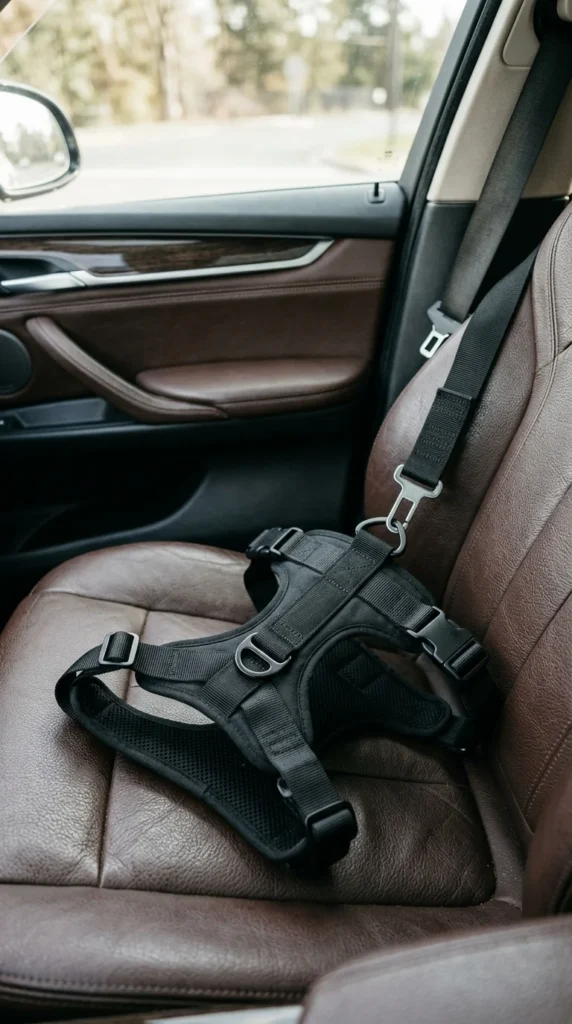
Once your puppy outgrows a carrier, a car harness is essential for road safety. It clips directly into the seatbelt buckle, ensuring that your pup stays securely in the backseat in the event of a sudden stop.
20. Exercise Pen
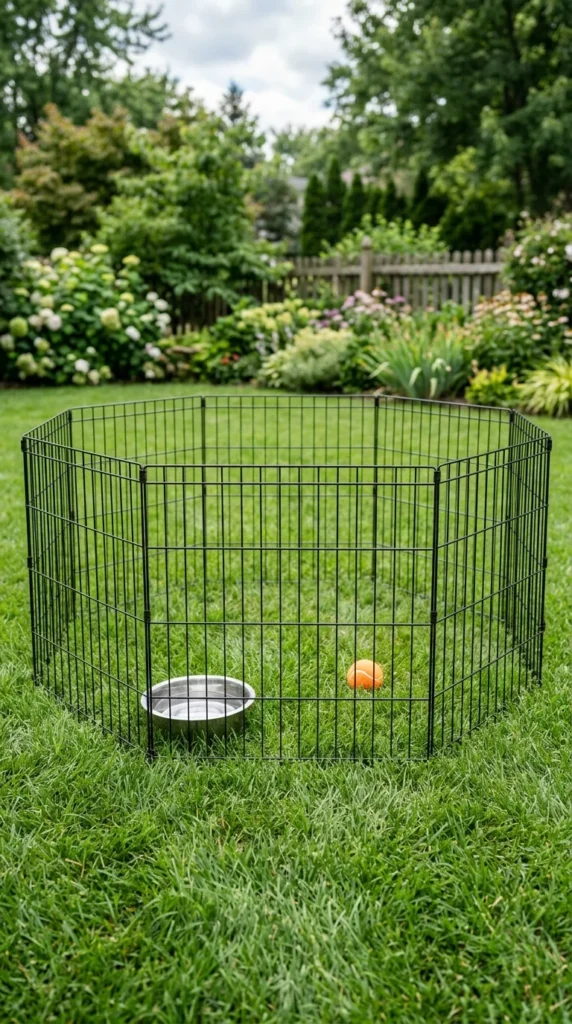
An exercise pen (or “X-pen”) is a versatile tool that gives your puppy a bit more freedom than a crate while still keeping them contained. It’s perfect for indoor use when you can’t supervise them 100%, or for outdoor time in an unfenced yard.
21. Baby Gates
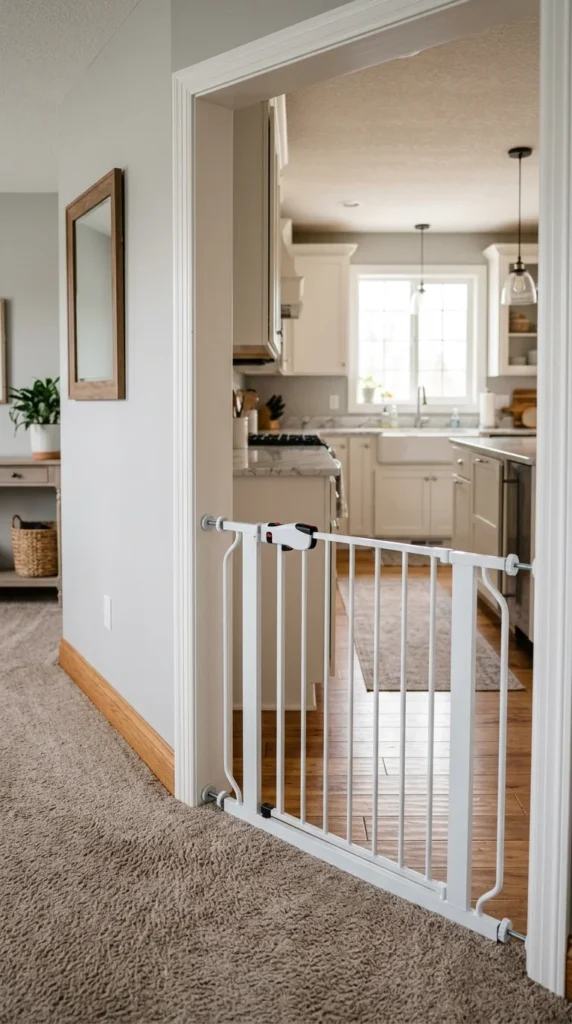
Puppy-proofing your home often involves restricting access to certain rooms. Baby gates are the most effective way to keep your pup away from carpeted areas or rooms with lots of electrical cords while they are still in the chewing phase.
22. Training Clicker
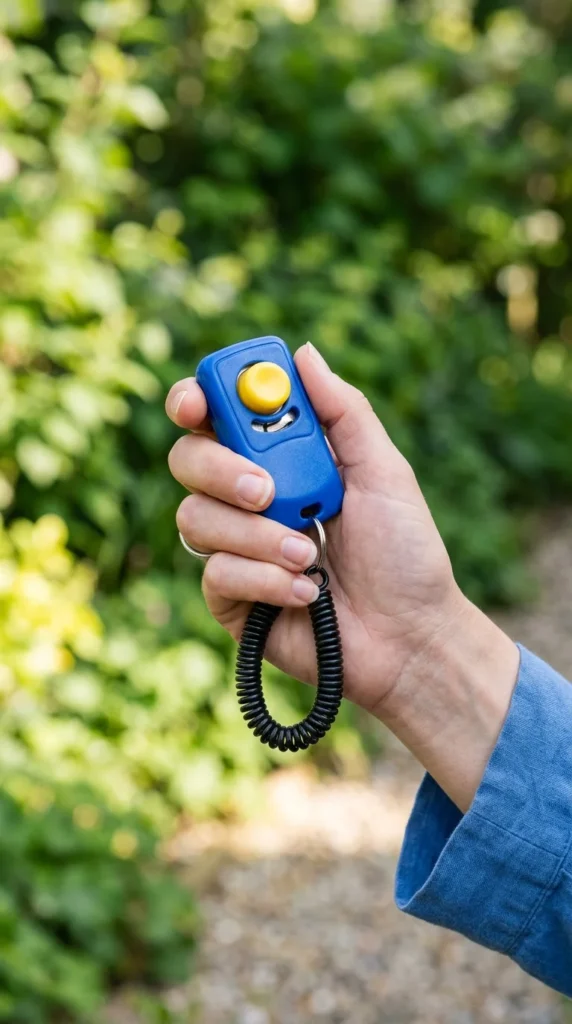
Clicker training is a highly effective communication tool. The distinct “click” sound tells the puppy exactly when they have performed a desired behavior. It’s a clear, consistent signal that helps speed up the learning process for commands like “sit” and “stay.”
23. First Aid Kit
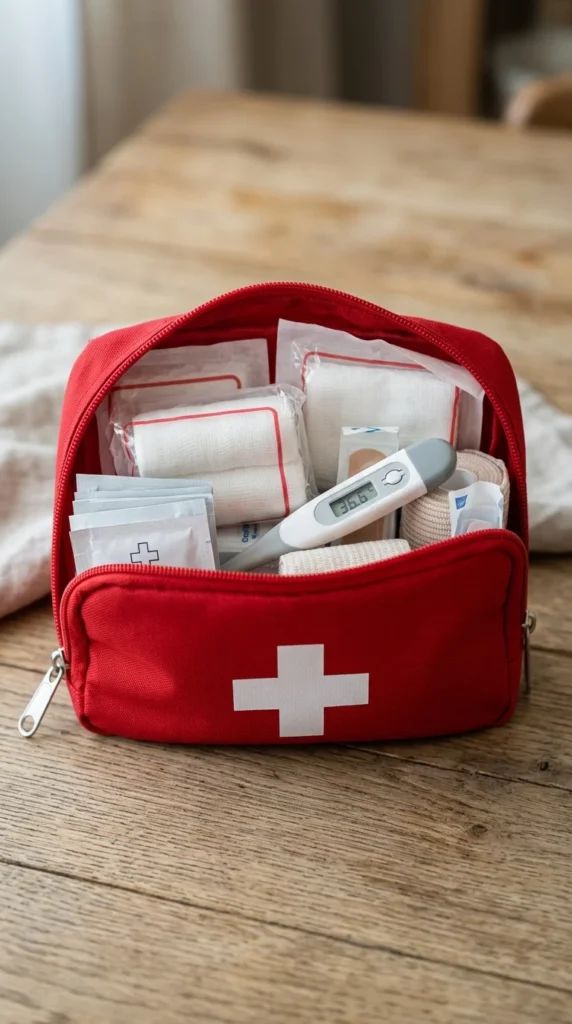
Accidents happen, and being prepared can make a huge difference. A canine-specific first aid kit should include bandages, antiseptic wipes, a thermometer, and tweezers for removing ticks or splinters. Keep your vet’s emergency number tucked inside the bag.
24. Heartworm Preventative
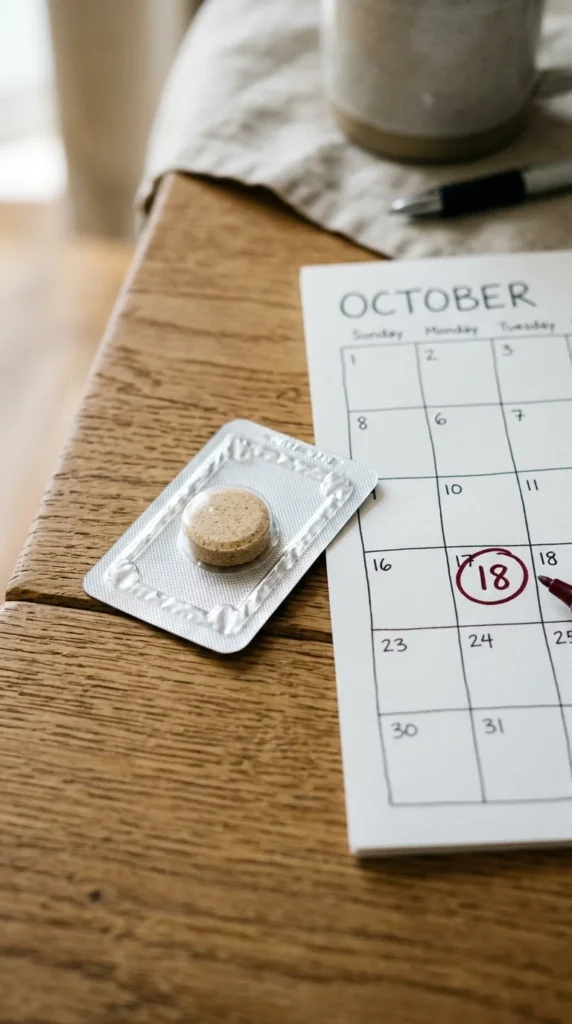
Prevention is the best medicine. Consult your vet about starting a monthly heartworm and flea/tick preventative as soon as your puppy is old enough. These treatments protect your pup from life-threatening parasites and are an essential part of their long-term health plan.