
The bond between humans and animals is ancient, but in recent years, we have begun to truly quantify the psychological miracles these creatures perform daily. Emotional Support Animals (ESAs) are more than just pets; they are anchors in the storm of mental health struggles. Unlike service animals trained for specific tasks, ESAs provide healing through their mere presence, offering unconditional love that can bridge the gap between despair and hope.
In this collection, we explore 17 remarkable stories of individuals whose lives were transformed, and in some cases saved, by their non-human companions. These stories prove that sometimes, the best medicine doesn’t come in a bottle—it comes with fur, feathers, or scales.
1. Golden Retriever
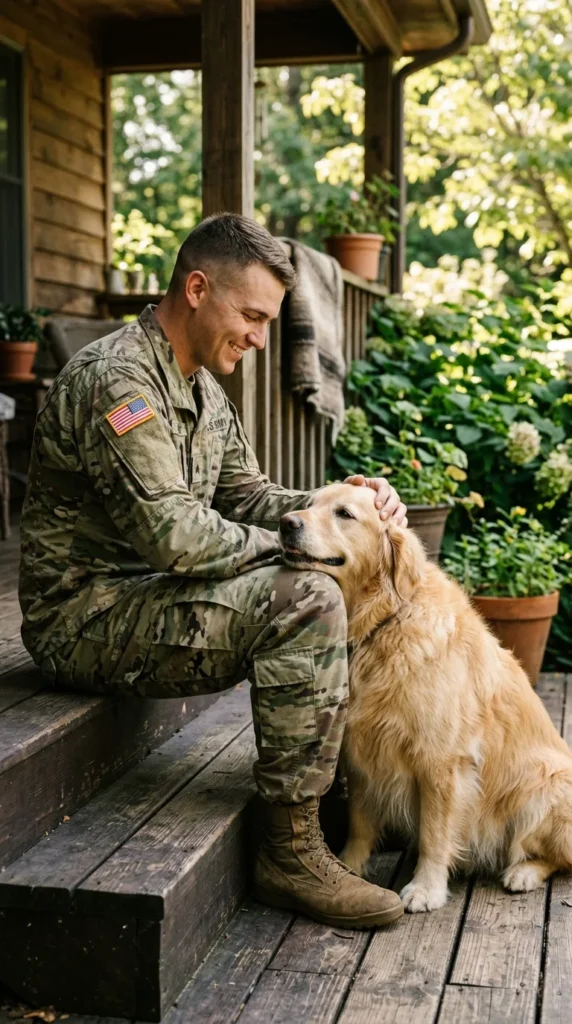
For Elias, a veteran returning from overseas, the world felt like a series of tripwires. Post-Traumatic Stress Disorder (PTSD) had turned his home into a fortress of hyper-vigilance. Enter Barnaby, a Golden Retriever with a tail that never stopped wagging. Barnaby didn’t just offer companionship; he offered a “grounding” force. Whenever Elias began to spiral into a flashback, Barnaby would lean his heavy weight against Elias’s legs—a technique known as deep pressure therapy. This physical sensation reminded Elias that he was in the present, safe and loved. Today, Elias credits Barnaby with giving him the courage to navigate grocery stores and crowded parks once again.
2. Tabby Cat

Maya struggled with severe social anxiety that often made it impossible to leave her apartment. The isolation was deafening until she adopted Oliver, a rescue tabby. Oliver had a peculiar habit of “talking” back whenever Maya spoke. This simple interaction broke the silence of her depression. More importantly, Oliver’s need for a routine—scheduled feedings and play—forced Maya to look outside her own internal monologue. On days when the world felt too loud, Oliver’s rhythmic purring served as a natural sedative, lowering Maya’s heart rate and allowing her to find a “calm center” she hadn’t felt in years.
3. Miniature Horse
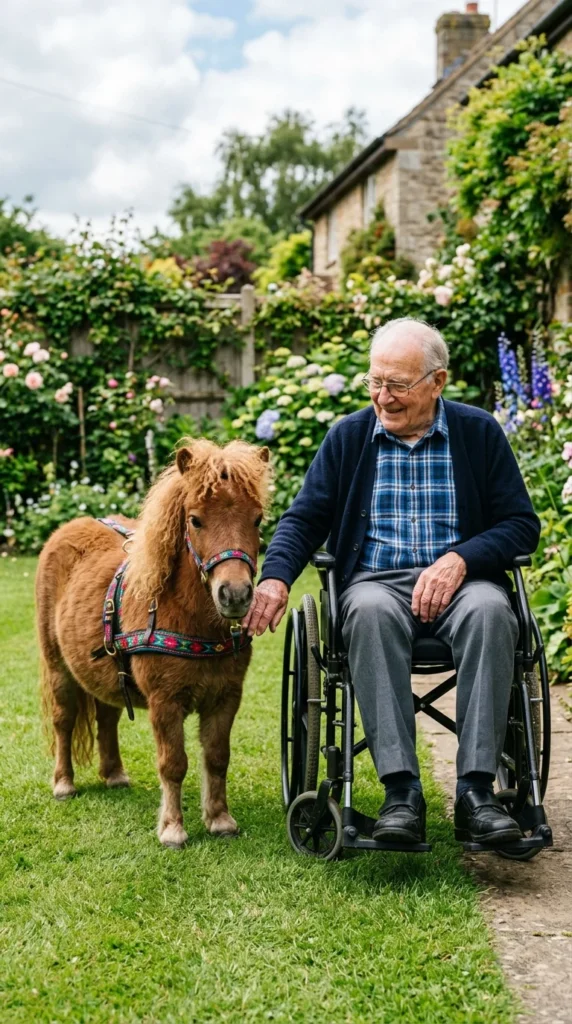
In a small rural town, a miniature horse named Peanut became the local legend of healing. His owner, Mr. Henderson, suffered from mobility issues and deep-seated depression after the loss of his wife. Peanut wasn’t just a pet; he was a reason to get out of bed. The horse’s gentle nature and slow pace matched Mr. Henderson’s, and together they would “walk” the perimeter of the garden. Peanut’s presence provided a unique form of emotional stability that traditional pets couldn’t; his sturdy, calm demeanor acted as a literal and figurative crutch for a man who felt he had lost his footing in life.
4. Holland Lop Rabbit
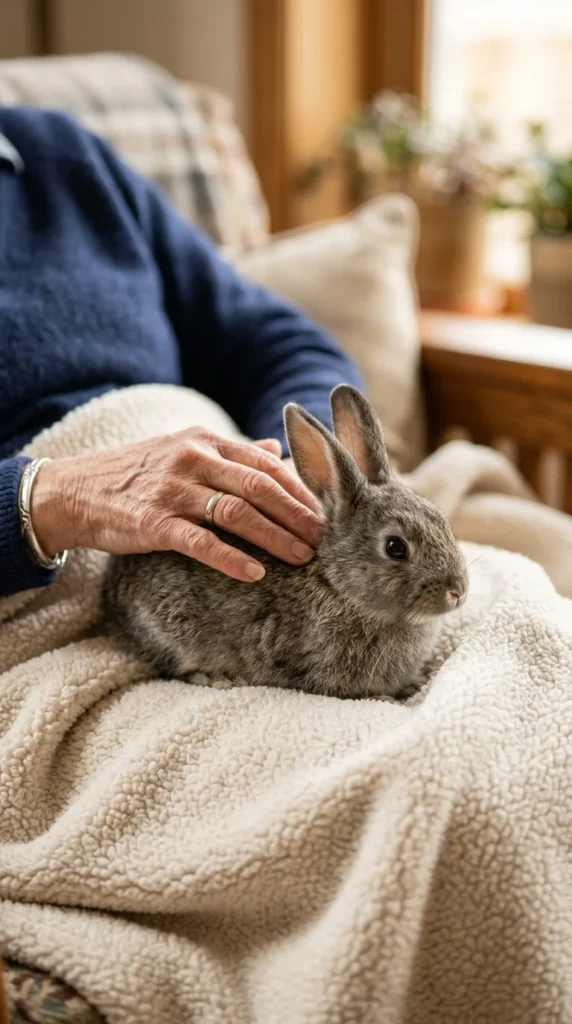
Sarah dealt with frequent, unpredictable panic attacks. During these episodes, she would lose her sense of touch and reality. Her ESA, a Holland Lop rabbit named Mochi, became her tactile anchor. Mochi’s fur was exceptionally soft, and Sarah found that focusing on the texture of the rabbit’s ears could stop a panic attack in its tracks. The rabbit’s quiet, rhythmic nose-twitching provided a visual focal point that helped Sarah regulate her breathing. Mochi’s small size meant she could travel in a specialized carrier, ensuring Sarah had her “safety net” even during stressful doctor’s appointments.
5. Great Dane
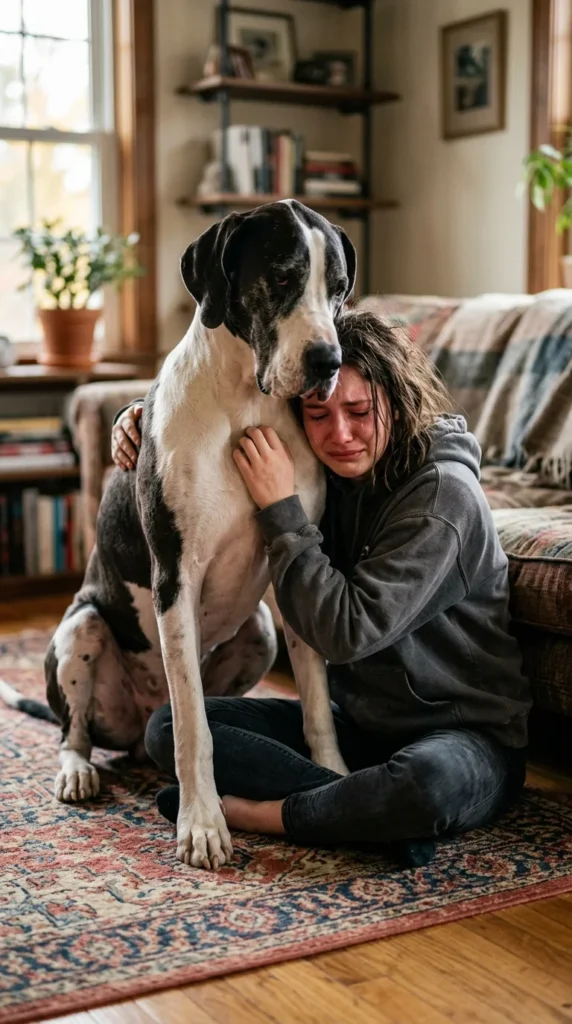
When Leo lost his father, the grief was a physical weight he couldn’t lift. It was Atlas, a 140-pound Great Dane, who helped him carry it. Atlas seemed to have an intuitive sense of Leo’s “dark days.” On mornings when Leo couldn’t bring himself to get out of bed, Atlas would climb up and sprawl across him. The sheer physical presence of such a large, warm animal made it impossible for Leo to feel truly alone. Atlas’s “gentle giant” personality taught Leo that it was okay to be vulnerable, and that strength doesn’t always mean staying silent.
6. Calico Cat
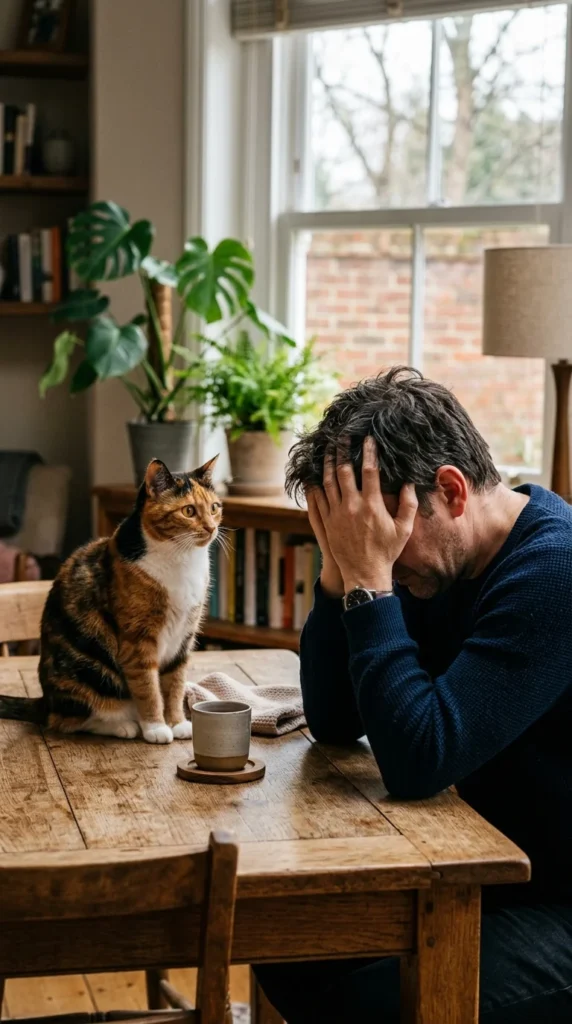
Chronic pain often brings with it a secondary wave of emotional exhaustion. For David, who lived with fibromyalgia, the pain was a constant shadow. His calico cat, Callie, became his “pain whisperer.” Remarkably, Callie would always gravitate toward the specific part of David’s body that was flaring up that day. Whether it was his knees or his back, she would curl up and radiate heat. The emotional comfort of being “looked after” by another living being reduced David’s stress levels, which in turn helped manage his physical pain levels.
7. African Grey Parrot
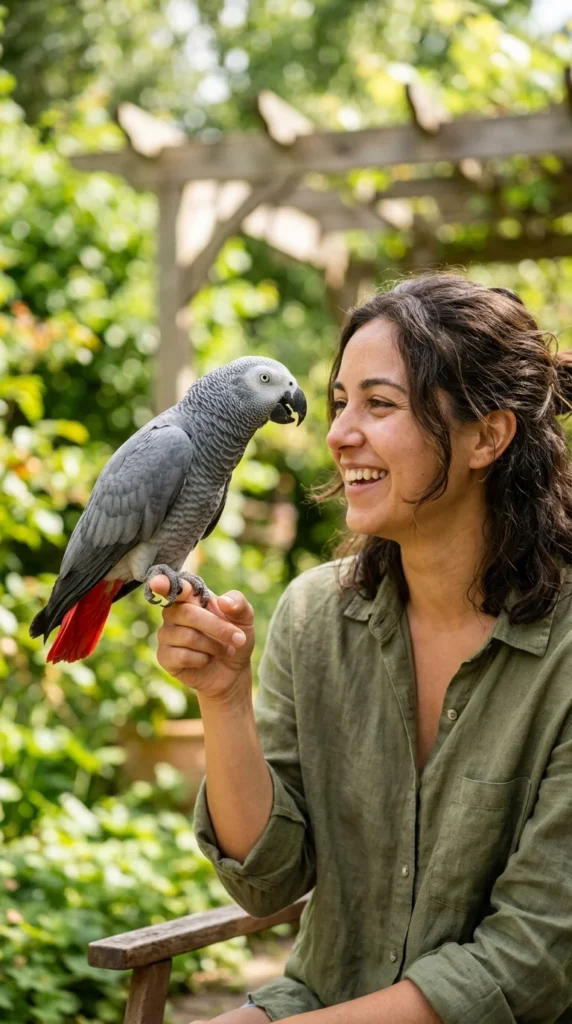
Bipolar disorder can feel like a rollercoaster that never stops. For Jules, the highs were manic and the lows were devastating. Her African Grey parrot, Einstein, became her emotional barometer. Einstein was highly sensitive to Jules’s tone of voice. When Jules became too manic and spoke too fast, Einstein would whistle a specific low, soothing note he had learned. When she was depressed and silent, he would mimic her favorite laugh until she cracked a smile. This feedback loop helped Jules recognize her own emotional states earlier, allowing her to implement her coping strategies more effectively.
8. Labrador Retriever
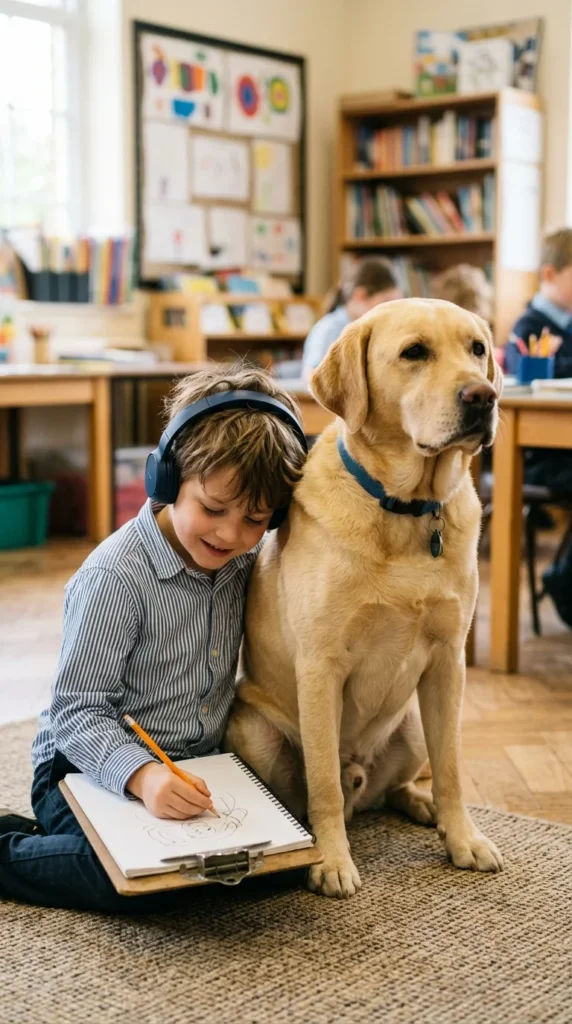
Leo, a seven-year-old on the autism spectrum, found the world to be a sensory nightmare. The sounds, lights, and textures of school were overwhelming until Cooper, a yellow Lab, joined their family. Cooper provided a “buffer zone.” In public, Leo would hold onto Cooper’s harness, and the dog’s steady gait provided a rhythmic sensory input that kept Leo from becoming overstimulated. More importantly, Cooper acted as a social bridge; other children would ask to pet the dog, giving Leo a structured way to interact with his peers without the pressure of direct eye contact.
9. Guinea Pig
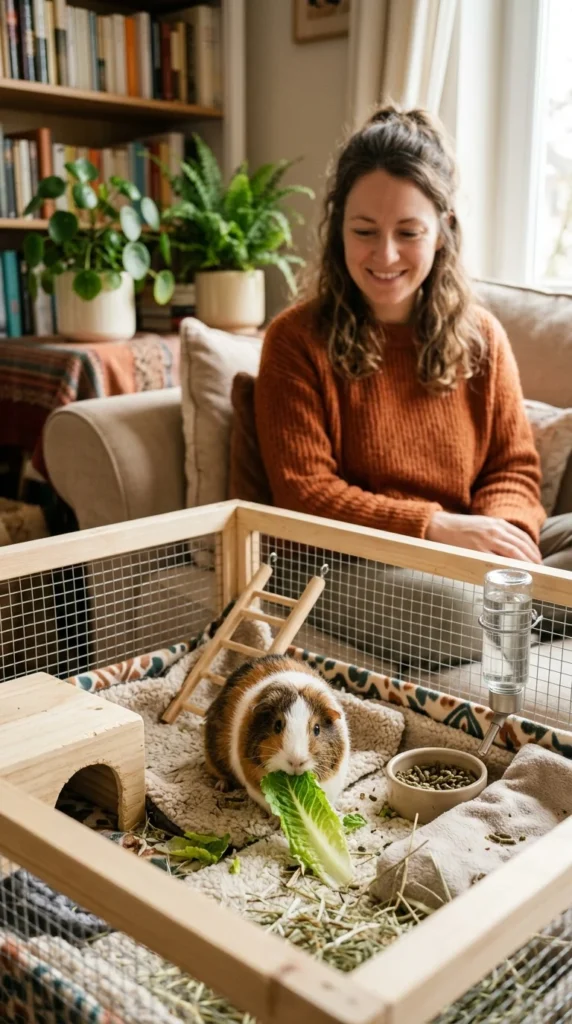
Loneliness in old age is a silent epidemic, but for Mrs. Gable, a guinea pig named Squeaks was the cure. Living in a small assisted-living apartment, a dog was too much to handle, but Squeaks was perfect. The guinea pig’s excited “wheeking” every time Mrs. Gable entered the room made her feel needed and celebrated. The routine of cleaning the cage and preparing fresh vegetables gave her day a necessary structure. Squeaks proved that emotional support doesn’t require a large animal; sometimes, the smallest heart beats the loudest.
10. Border Collie
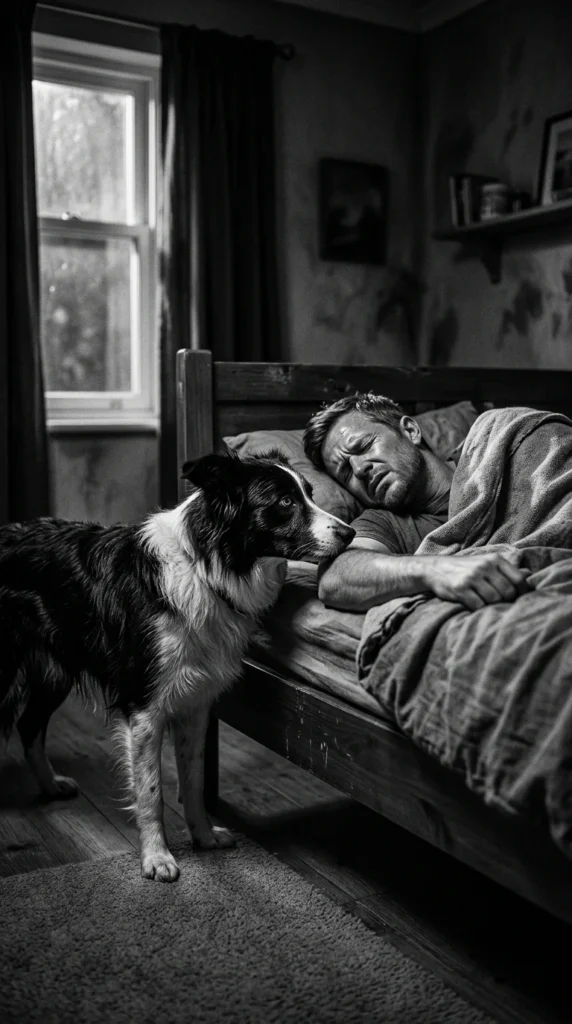
Night terrors had plagued Marcus for years, leaving him exhausted and afraid to sleep. His Border Collie, Jazz, was trained as an ESA to recognize the signs of a nightmare—the restless moving and the increased heart rate. Jazz didn’t just sit by; she would gently lick Marcus’s hand or nudge his face until he woke up. Being pulled out of a nightmare by a cold nose and a wagging tail transformed Marcus’s relationship with sleep. He no longer went to bed in fear, knowing Jazz was “on watch” to bring him back to reality.
11. Fancy Rat

In the journey of recovery from substance abuse, accountability is key. For Casey, a pair of “fancy rats” named Pip and Squeak provided the perfect level of responsibility. Rats are highly intelligent and social, requiring significant interaction and care. Casey found that when he felt the urge to slip back into old habits, the thought of his rats needing him kept him clean. The gentle whiskers against his cheek during late-night cravings provided a sense of companionship that helped him realize he was worthy of a better life.
12. Pembroke Welsh Corgi

Agoraphobia had kept Beth trapped within four walls for nearly two years. The thought of the “openness” of the outside world caused paralyzing terror. Her Corgi, Winston, was the key that unlocked her front door. Because Winston was so low to the ground and had such a comical, cheerful presence, Beth felt she had a “shield” when she stepped outside. She started by just standing on the porch with him, then the sidewalk, then the park. Focusing on Winston’s joy in the grass helped Beth reframe the world as a place of discovery rather than a place of danger.
13. Bearded Dragon

ADHD can make the world feel like a blur of unfinished tasks and mental noise. For Toby, his bearded dragon, Spike, provided a unique form of “stillness.” Unlike a high-energy dog, Spike would sit perfectly still on Toby’s shoulder for hours. This stillness had a mirroring effect on Toby’s brain. When he felt his mind starting to race, he would focus on the slow, deliberate movements of the lizard or the texture of its scales. This tactile grounding helped Toby stay focused on his studies and reduced the “fidgeting” that often led to frustration.
14. Pit Bull Terrier

Anna struggled with severe clinical depression and impulses of self-harm. She adopted Daisy, a rescue Pit Bull who had also seen hard times. The two formed an unbreakable bond of mutual healing. Daisy seemed to have a “sixth sense” for Anna’s darkest moods. If Anna started to withdraw, Daisy would insist on playing, bringing her favorite tattered rope toy and placing it in Anna’s lap. The responsibility of caring for a breed that is often misunderstood gave Anna a sense of purpose; she felt she had to be strong for Daisy, and in doing so, she became strong for herself.
15. Sphynx Cat
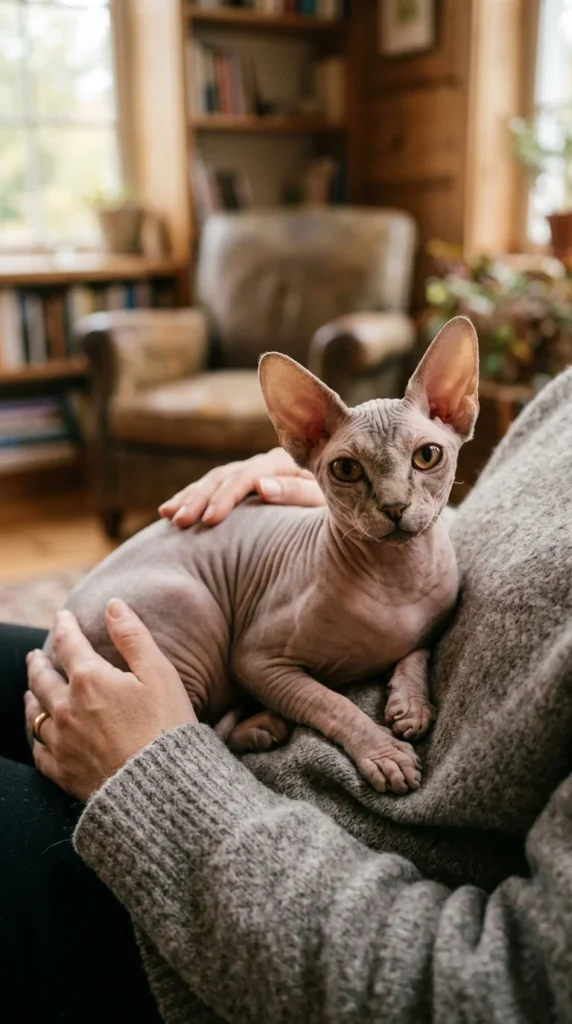
Body dysmorphia and self-esteem issues made Jordan feel like they never fit in their own skin. Adopting a Sphynx cat named Juno changed that perspective. Juno, being hairless, had a beauty that was unconventional and raw. Watching Juno navigate the world with absolute confidence despite being “different” inspired Jordan. The physical warmth of Juno’s skin against theirs created a sense of intimacy and acceptance that Jordan had never felt with humans. Juno taught Jordan that being unique wasn’t a flaw; it was a source of power.
16. Shetland Sheepdog

The modern workplace can be a pressure cooker for those with generalized anxiety. When Clara started working from home, her anxiety didn’t disappear; it just followed her into the office. Her Sheltie, Laddie, became her “HR manager.” Laddie would sense when Clara’s breathing became shallow due to work stress. He would then perform a “mandatory break” by placing his head on her keyboard, forcing her to stop and pet him. This simple disruption of the stress cycle prevented Clara from reaching a state of burnout and kept her productivity—and her mental health—stable.
17. Pot-Bellied Pig

After suffering a Traumatic Brain Injury (TBI), Tom struggled with memory loss and emotional regulation. His ESA, a pot-bellied pig named Hamlet, became an unexpected source of cognitive therapy. Hamlet was highly trainable and responded well to complex routines. Teaching Hamlet new tricks became a way for Tom to practice his own cognitive skills. The laughter Hamlet provided through his clumsy antics acted as a natural antidepressant. Hamlet’s presence turned a house that felt like a recovery ward into a home filled with joy and unpredictable, oinking surprises.
The stories of these 17 animals are a testament to the fact that the “pet-human bond” is a powerful therapeutic tool. Whether it’s a massive dog or a tiny rat, an Emotional Support Animal provides the one thing that modern medicine sometimes struggles to replicate: the feeling of being completely understood without saying a single word.