

The bond between a human and their pet is one of the purest forms of love. They are our confidants, our shadows, and our family members. When that bond is severed by death, the resulting grief can be as profound and debilitating as losing a human relative. Yet, society often fails to recognize the depth of this “disenfranchised grief,” leaving many to suffer in silence.
Healing from the loss of a pet is not about “getting over it”; it is about learning to carry the love without the weight of the pain. It is a non-linear journey that requires time, grace, and intentionality. If you are currently navigating the quiet halls of a home that feels too empty, here are 16 comprehensive tips to help you find your way toward healing.
1. Validate Feelings

The first step in healing is acknowledging that your pain is real. Do not let anyone—including yourself—minimize the loss by saying “it was just an animal.” To you, they were a soul mate. Validating your feelings means allowing yourself to cry, to feel angry, or to feel numb without judgment. Your grief is a testament to the love you shared; it deserves to be felt and respected.
2. Memorial Rituals

Rituals provide a sense of closure and a dedicated space for mourning. Consider holding a small ceremony in your backyard or a favorite park. You might plant a “memory tree” or a rose bush in their honor. Lighting a candle at the time you used to feed them can also help transition through the most difficult parts of the day. These acts of remembrance help transform acute pain into a lasting tribute.
3. Memento Box
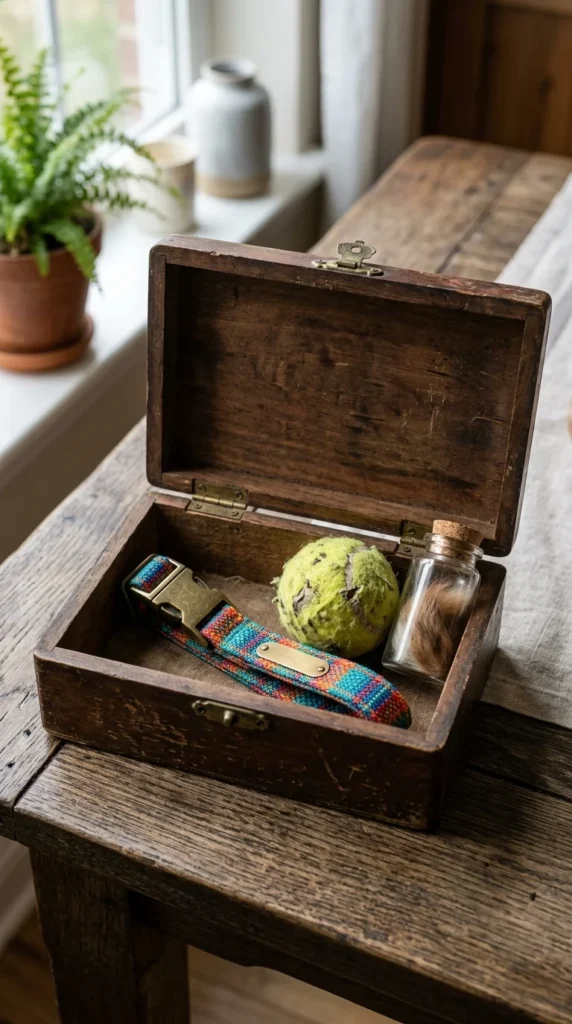
In the immediate aftermath, seeing your pet’s belongings can be agonizing. Instead of throwing them away, create a memento box. Place their collar, a favorite toy, and perhaps a tuft of fur or a paw print inside. Having these physical touchstones tucked away safely allows you to revisit them when you feel strong enough, rather than being caught off guard by them in your daily routine.
4. Support Groups

Isolation is the enemy of healing. Seeking out a pet loss support group—either in person or online—can be incredibly cathartic. Being surrounded by people who understand exactly what you are going through provides a safety net. In these spaces, you don’t have to explain why you’re still crying weeks later; everyone there already knows.
5. Expressive Journaling

When thoughts are swirling in your head, putting them on paper can provide clarity. Write about your pet’s quirks, the way they smelled, and the funny things they did. Journaling allows you to process the trauma of the end while also documenting the beauty of their life. Over time, these entries will become a precious record of your journey together.
6. Maintain Routine

Pets anchor our daily schedules. When they are gone, the “dead air” in your routine can be deafening. Try to keep some semblance of a schedule. If you used to walk your dog at 7:00 AM, go for that walk anyway. The fresh air and movement are vital for your mental health, and maintaining the habit can help ground you during a time when everything feels chaotic.
7. Physical Health

Grief is physically exhausting. It can suppress the immune system and disrupt sleep patterns. While it’s tempting to skip meals or stay in bed, your body needs fuel to process the emotional toll. Focus on hydration, simple nutritious meals, and gentle movement. Taking care of your physical vessel is a necessary part of supporting your emotional recovery.
8. Professional Counseling

If your grief feels stagnant or if you find it impossible to function in your daily life, seeking professional help is a sign of strength. Many therapists specialize in bereavement and pet loss. They can provide tools to manage the “guilt” that often accompanies the loss of a pet, especially if euthanasia was involved.
9. Digital Tribute

In the digital age, creating a social media tribute or a dedicated photo album can be a wonderful way to celebrate your pet. Share your favorite photos and stories. The outpouring of love and support from friends and family can serve as a powerful reminder of the impact your pet had on the world.
10. Donation Volunteering

Honoring your pet’s legacy by helping other animals can be deeply healing. Consider donating their unused food or beds to a local shelter. You might also make a financial contribution to a breed-specific rescue or a veterinary charity in your pet’s name. Turning your loss into a “gift of life” for another animal creates a cycle of kindness that honors your pet’s spirit.
11. Creative Outlets
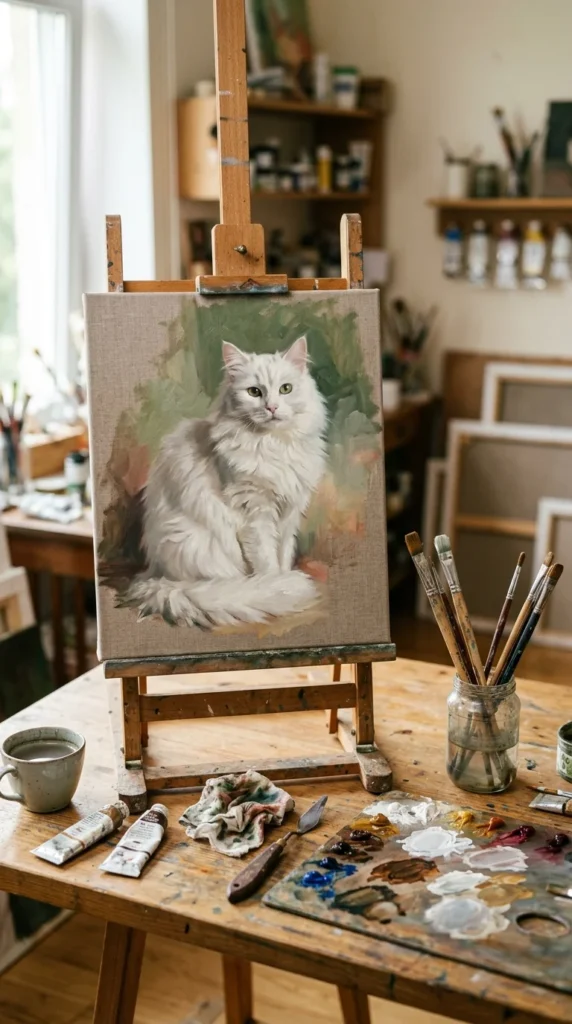
Artistic expression can reach parts of the soul that words cannot. Paint a portrait, compile a scrapbook, or even compose a piece of music. Engaging the creative side of your brain allows you to process emotions subconsciously. You don’t need to be an artist; the value is in the process of creation, not the final product.
12. Self Patience

There is no timeline for grief. You might feel fine one day and be inconsolable the next. This “waves of grief” phenomenon is normal. Be patient with yourself. Don’t rush the process or listen to those who suggest you should be “over it by now.” Healing happens in its own time, often in small, imperceptible shifts.
13. Surviving Pets

If you have other animals in the home, remember that they are grieving too. They may act out, become lethargic, or search for their lost companion. Spending extra time bonding with your surviving pets can be mutually beneficial. Their presence offers comfort, and your care helps them navigate their own sense of loss.
14. Letter Writing

Sometimes there are things left unsaid. Writing a letter to your pet can help address feelings of guilt or regret. Tell them how much you love them, thank them for their companionship, and say your final goodbyes. Many people find peace by “sending” the letter—either by burning it and releasing the ashes or burying it in a special spot.
15. Reading Literature

There are countless books and poems dedicated to the experience of pet loss. Reading the experiences of others can help you feel less alone. From the classic “Rainbow Bridge” poem to modern memoirs on animal companionship, literature provides a mirror for your emotions and a roadmap for what to expect in the coming months.
16. Future Adoption
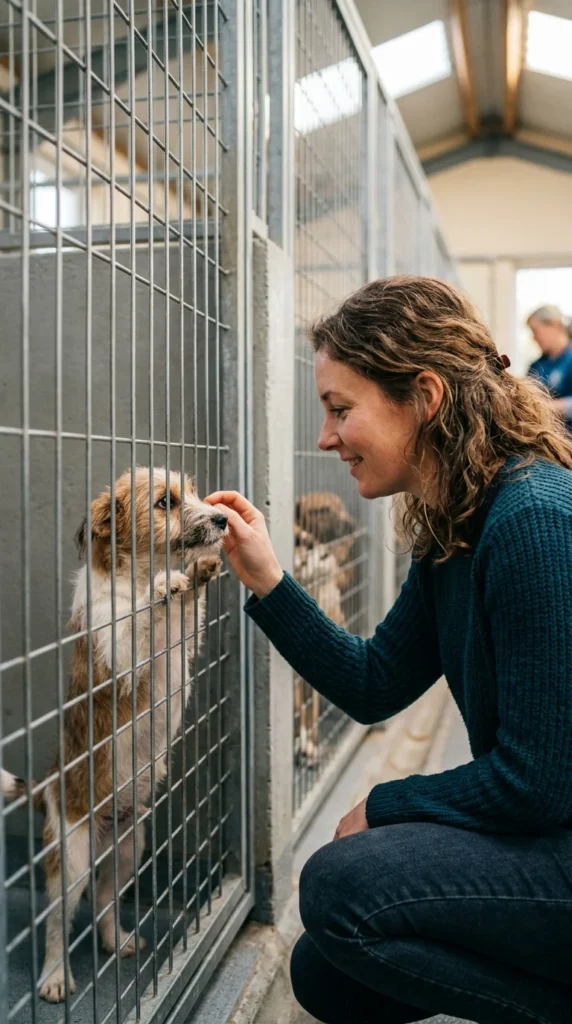
Deciding when to bring a new pet into your home is a deeply personal choice. Some people need months or years, while others feel the need to fill the void immediately. Remember that a new pet is never a “replacement” for the one you lost; it is a new chapter. When you are ready, opening your heart to another animal can be the ultimate tribute to the love your previous pet taught you.