

As the temperature drops and the first snowflakes begin to fall, our thoughts often turn to hot cocoa, fuzzy blankets, and festive decorations. However, for pet owners, winter brings a unique set of challenges that require more than just an extra layer of fur. From hidden toxins in the driveway to the silent ache of stiff joints, the cold season demands a proactive approach to pet parenting. Whether you have a high-energy pup who loves the snow or a senior cat who prefers the radiator, these 21 essential tips will ensure your furry companions stay safe, warm, and happy until spring.
1. Warm Bedding

Just as you swap your light sheets for a heavy duvet, your pet needs a winter upgrade. Ensure their bed is off the cold floor—especially if you have tile or hardwood. Elevating the bed or adding an extra layer of fleece can prevent the cold from seeping into their bones. Avoid placing beds in drafty areas near doors or uninsulated windows.
2. Paw Balms
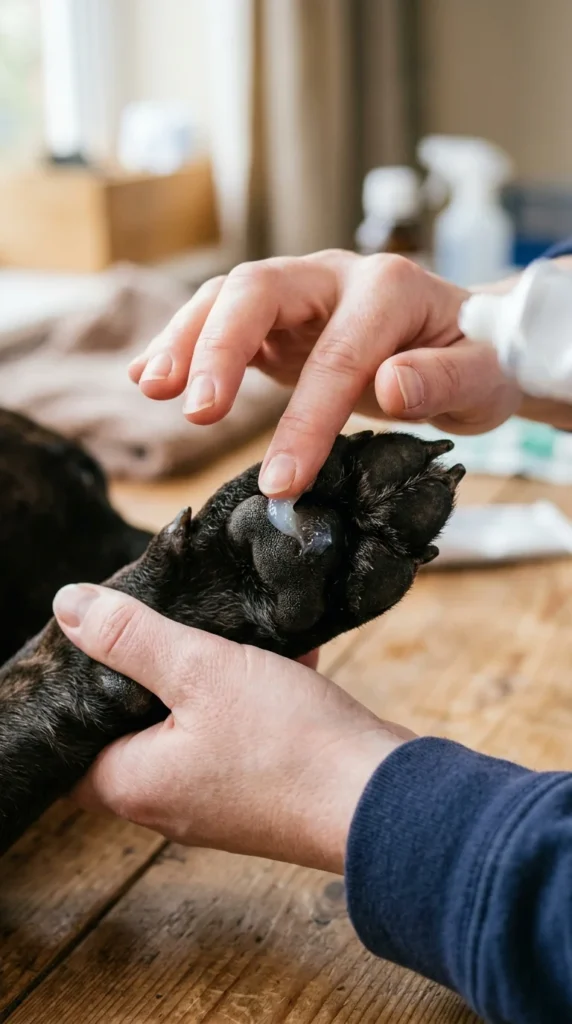
Cold air, ice, and snow can cause a pet’s paw pads to become dry, cracked, and even bleed. Applying a pet-safe paw balm or even a thin layer of coconut oil before walks creates a protective barrier. This prevents the skin from drying out and helps repel irritating salt and chemicals found on winter roads.
3. Winter Sweaters
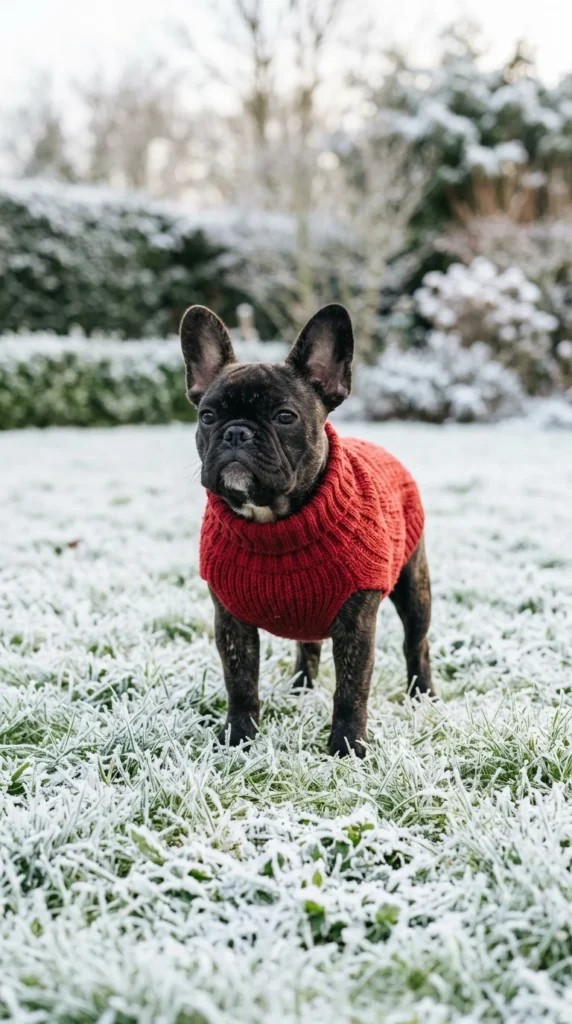
Not all dogs are built for the tundra. Short-haired breeds, toy breeds, and senior pets often lack the body fat or coat density to maintain their temperature. A well-fitting sweater or fleece jacket isn’t just a fashion statement; it’s a vital piece of insulation. Look for designs that cover the neck and belly for maximum heat retention.
4. Paw Washing
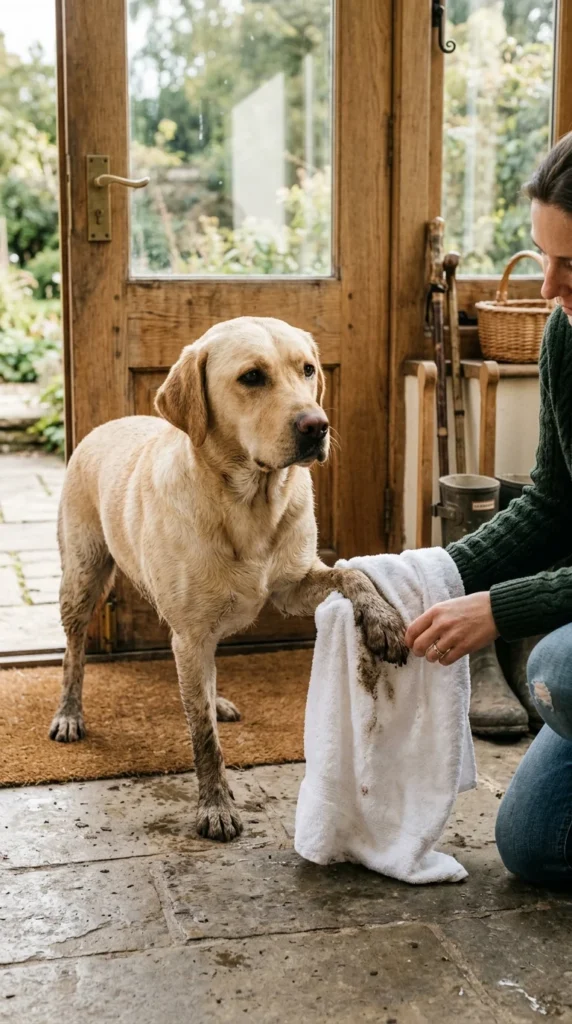
Winter streets are often treated with de-icers, salts, and chemicals. These can be toxic if your pet licks their paws and can cause chemical burns on their skin. Keep a towel and a bowl of warm water by the door to thoroughly rinse and dry their feet after every outdoor excursion.
5. Antifreeze Safety

Antifreeze (ethylene glycol) has a sweet taste that many pets find irresistible, but it is extremely lethal even in tiny amounts. Always clean up spills immediately and store containers on high shelves. If you suspect your pet has ingested any, contact a veterinarian immediately, as every second counts.
6. Hydration
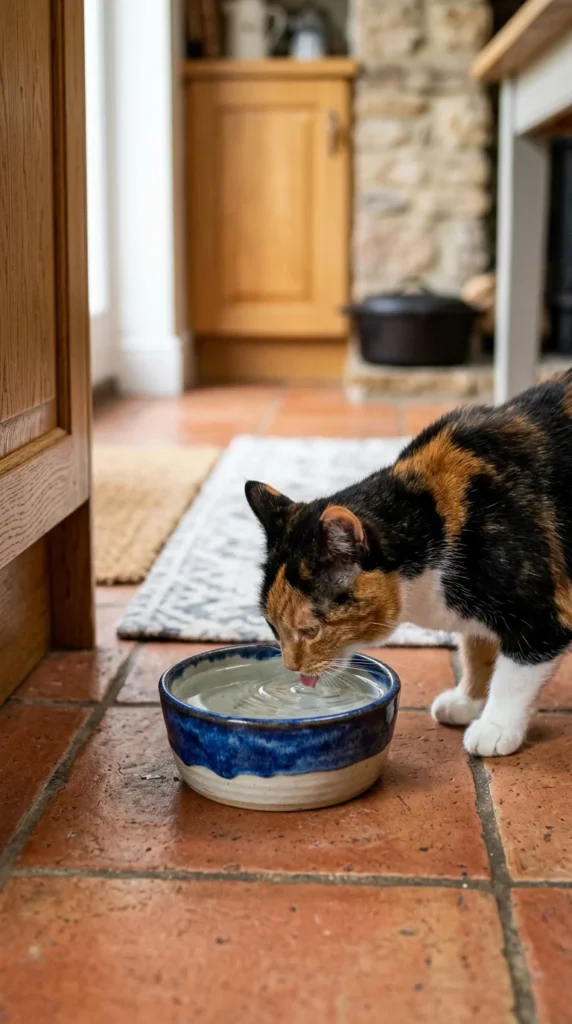
It is a common misconception that pets get less thirsty in the winter. In fact, indoor heating systems create very dry air, which can lead to dehydration. Ensure your pet has access to fresh, unfrozen water at all times. If you have outdoor pets, use heated water bowls to prevent the surface from icing over.
7. Outdoor Shelter
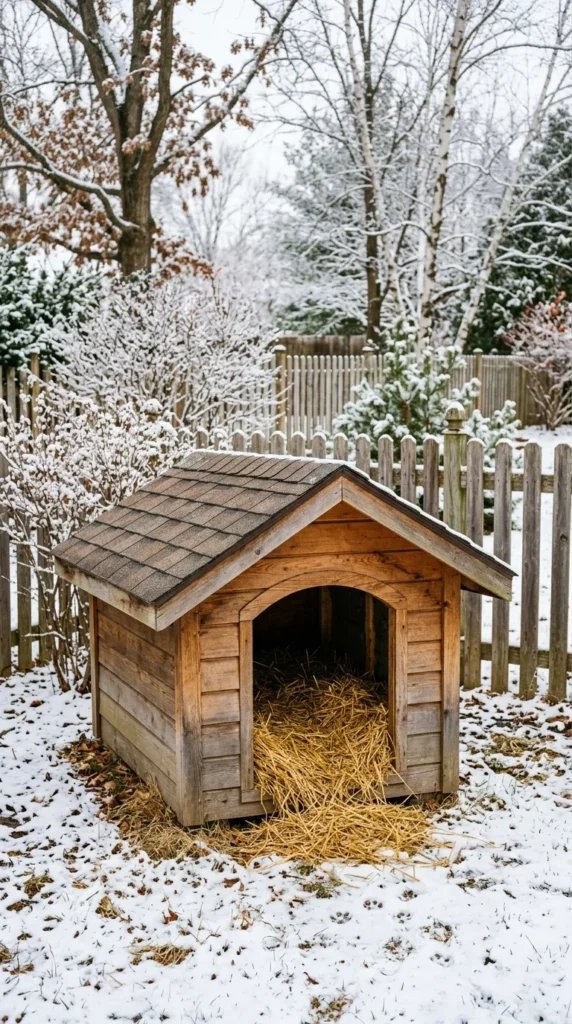
While most pets should be kept indoors during the winter, those that spend significant time outside need a dry, draft-free shelter. The house should be large enough for them to turn around but small enough to hold their body heat. Use straw for bedding instead of blankets, as straw doesn’t hold moisture and stays warmer.
8. Car Hoods

Outdoor cats and wildlife often seek the warmth of a recently parked car engine. Before you start your vehicle, bang loudly on the hood or honk the horn. This gives any sleeping animals a chance to escape before the engine starts and causes serious injury.
9. Grooming
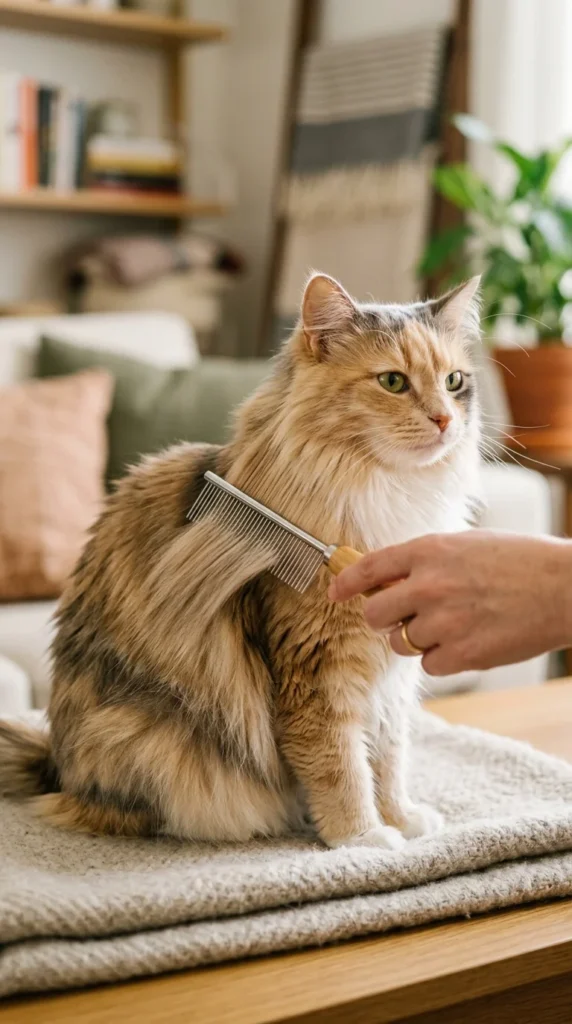
It might be tempting to let your pet’s coat grow long and shaggy for warmth, but matted fur is actually less effective at insulating. Mats can trap moisture against the skin, leading to infections. Maintain a regular brushing routine, but avoid “puppy cuts” or shaving them down to the skin during the cold months.
10. Arthritis
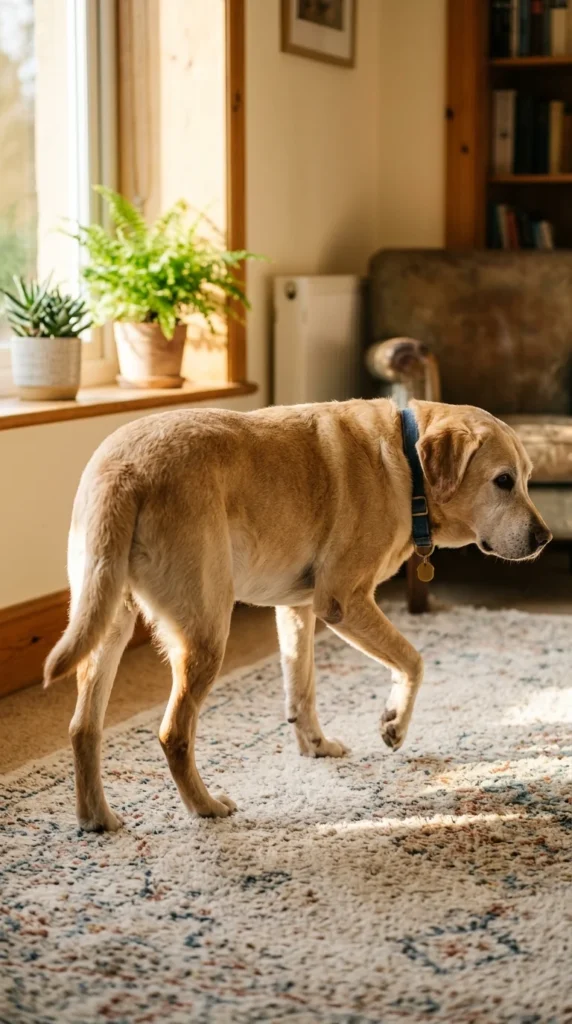
Cold weather is notorious for aggravating joint pain and arthritis in senior pets. You may notice your pet being slower to rise or hesitant to climb stairs. Talk to your vet about joint supplements or specialized orthopedic beds that provide extra support for aching limbs.
11. Short Walks

When the wind chill hits dangerous levels, it’s better to take several short “potty breaks” rather than one long trek. If you are shivering, your pet likely is too. Keep a close eye on their behavior; if they start lifting their paws or whining, it’s time to head inside immediately.
12. Calorie Count

Determining the right amount of food in winter is a balancing act. Pets who spend a lot of time outside may need extra calories to generate body heat. Conversely, indoor pets who become “couch potatoes” during the winter may need a slight reduction in food to prevent unwanted weight gain. Consult your vet for the perfect seasonal portions.
13. Night Gear

With fewer daylight hours, you’ll likely find yourself walking your pet in the dark. Visibility is key for safety. Equip your pet with reflective harnesses, LED collars, or clip-on lights. This ensures that drivers can see you both clearly from a distance.
14. Salt Risks

The salt used to melt ice can be very abrasive. In addition to chemical irritation, the sharp edges of the salt crystals can cause micro-cuts in the paw pads. Whenever possible, walk your pet on grassy areas or use pet-safe ice melts on your own property to minimize exposure.
15. Indoor Games

When it’s too cold to play outside, pets can become bored and destructive. Invest in mental stimulation like puzzle feeders, indoor hide-and-seek, or new chew toys. Training sessions are also a great way to burn off mental energy and strengthen your bond while staying warm.
16. Heater Safety
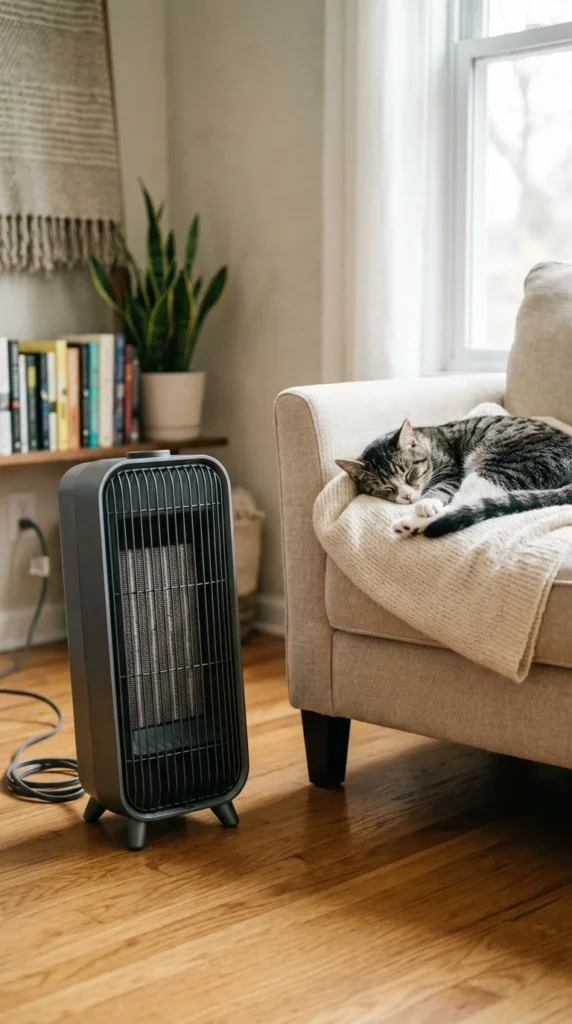
Space heaters and fireplaces are magnets for pets, but they pose a significant burn risk. Never leave a pet unattended with a space heater, as they can knock it over or get too close and singe their fur. Use fire screens to keep curious noses away from open flames and embers.
17. Dry Skin

Just like humans, pets can suffer from itchy, flaky skin in the winter. Limit the number of baths you give them, as soap can strip away essential oils that keep the skin hydrated. If you must bathe them, use a moisturizing oatmeal-based shampoo and ensure they are completely dry before letting them outdoors.
18. ID Tags
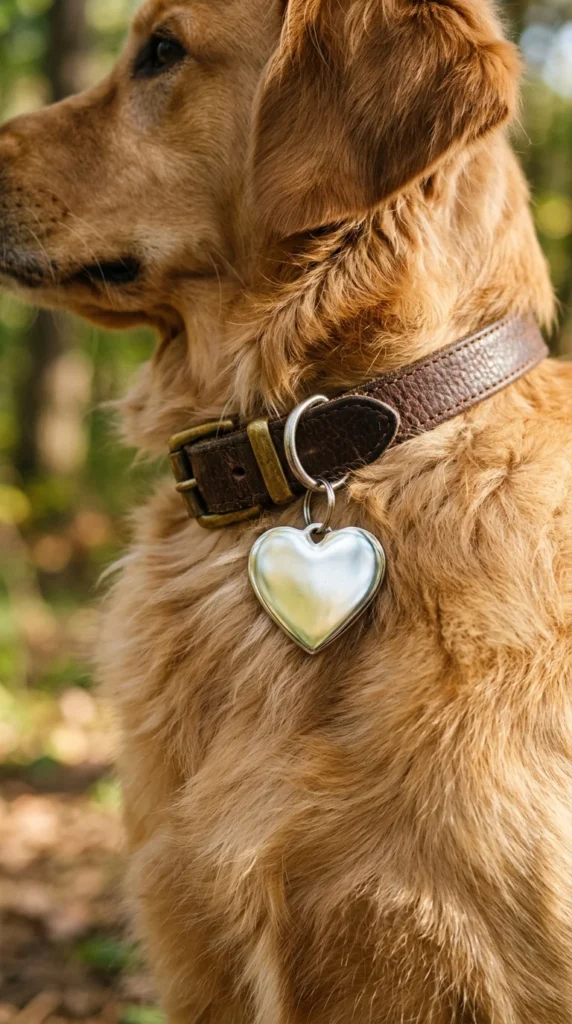
More pets go missing in the winter than in any other season. Snow can mask familiar scents that help a dog find their way home, and a sudden snowstorm can cause panic. Ensure your pet’s microchip information is up to date and that they are wearing a collar with a clear, legible ID tag at all times.
19. Carbon Monoxide

Winter means furnaces are running and garages are often closed. Carbon monoxide is an odorless, colorless gas that is just as deadly to pets as it is to humans. Because pets spend more time near the floor where gas can settle, they are often the first to be affected. Install detectors on every level of your home.
20. Emergency Kits
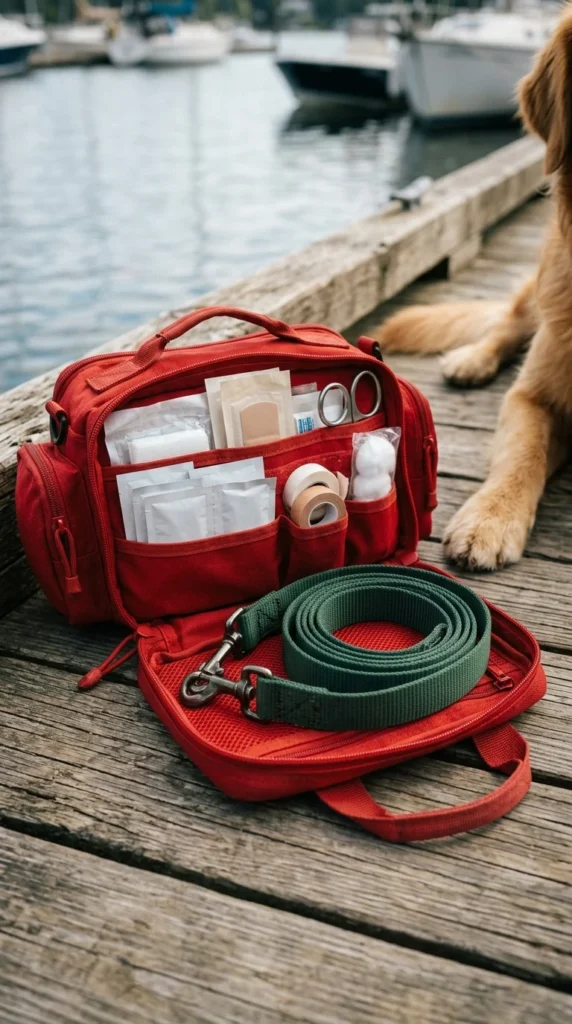
Winter storms can lead to power outages and blocked roads. Be prepared with a pet-specific emergency kit that includes at least a seven-day supply of food and medication, extra blankets, a backup leash, and a first-aid kit. Having a manual can opener is also essential if you feed canned food.
21. Behavior
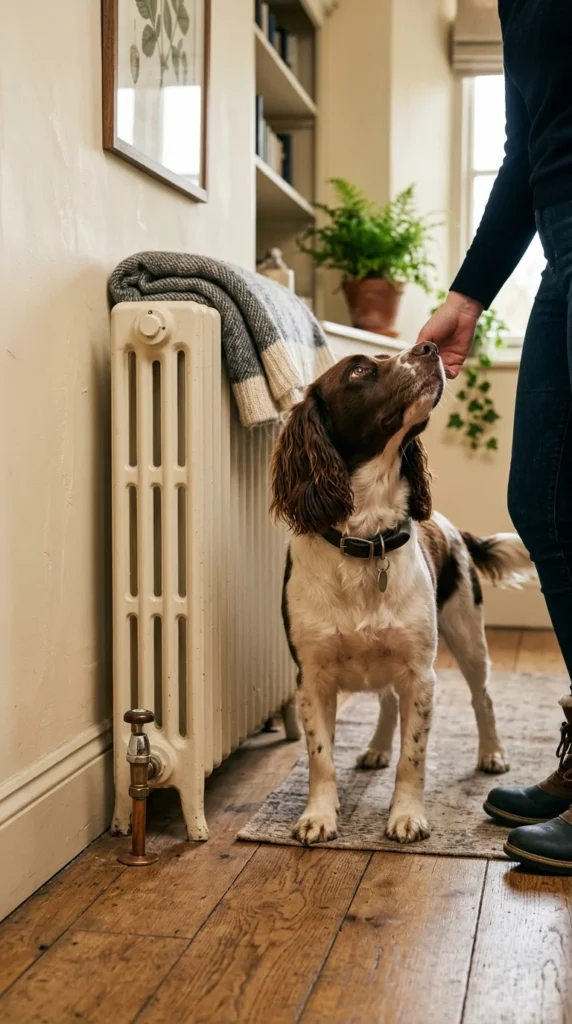
Ultimately, you know your pet best. Pay close attention to subtle changes in their behavior. If they are shivering, huddling in corners, or acting unusually lethargic, they may be suffering from the cold. Winter is a season of extra TLC; listen to what your pet is telling you, and when in doubt, choose the warmth of the indoors.