
As the sun climbs higher and the days stretch longer, the joys of summer beckon us outdoors. However, for our pets, the rising mercury brings more than just fun in the sun—it presents significant health risks. Unlike humans, pets can’t sweat through their skin to cool down; dogs pant and cats groom themselves to regulate temperature, methods that are far less efficient in extreme heat. To ensure your four-legged companions enjoy the season as much as you do, here are 22 comprehensive safety tips to navigate the summer heat safely.
1. Constant Hydration
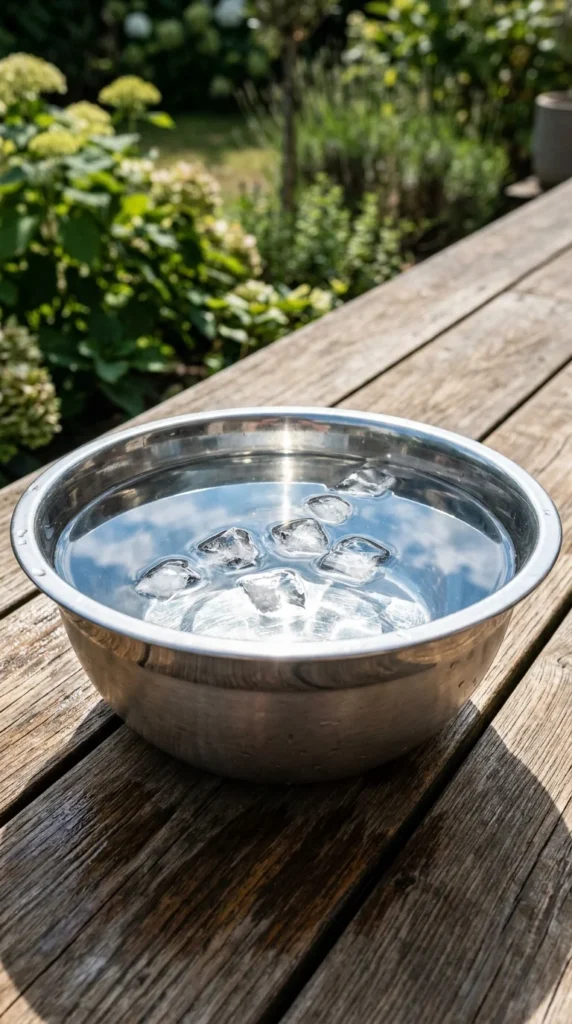
Hydration is the first line of defense against heatstroke. Ensure your pet has access to multiple water stations throughout the house and yard. During the summer, water evaporates quickly and can become warm and unappealing. Refresh the bowls several times a day and consider dropping in a few ice cubes to keep the temperature down. If you are traveling, always carry a portable, collapsible bowl and a dedicated water bottle for your pet.
2. Strategic Shade

If your pet spends time outdoors, “some” shade isn’t enough. As the sun moves, so do the shadows. Ensure there is a permanent shaded area, such as a covered porch, a large tree, or a specialized pet canopy, that remains cool regardless of the time of day. Avoid plastic dog houses, as they can trap heat and become like ovens in direct sunlight. Open-air shade is always superior for ventilation.
3. Walking Hours

WebPThe hottest part of the day is typically between 10:00 AM and 4:00 PM. Shift your exercise routine to the early morning or late evening when the air is crisper and the ground has cooled. Not only is the air temperature lower, but the sun’s intensity is significantly reduced, preventing your pet from overexerting themselves in the sweltering midday heat.
4. Pavement Test

Asphalt and concrete soak up heat and can reach temperatures of 145°F or more—hot enough to burn paw pads in seconds. Before heading out, use the “seven-second rule”: press the back of your hand to the pavement. If you can’t hold it there comfortably for seven seconds, it is too hot for your pet to walk on. Stick to grass or shaded paths whenever possible.
5. Vehicle Safety

WebPNever leave your pet in a parked car, even for “just a minute,” and even with the windows cracked. On an 85-degree day, the temperature inside a car can rocket to 102 degrees in 10 minutes and 120 degrees in 30 minutes. This can lead to irreversible organ damage or death. If you are running errands where pets aren’t allowed, the safest place for them is at home in the air conditioning.
6. Sunscreen Application
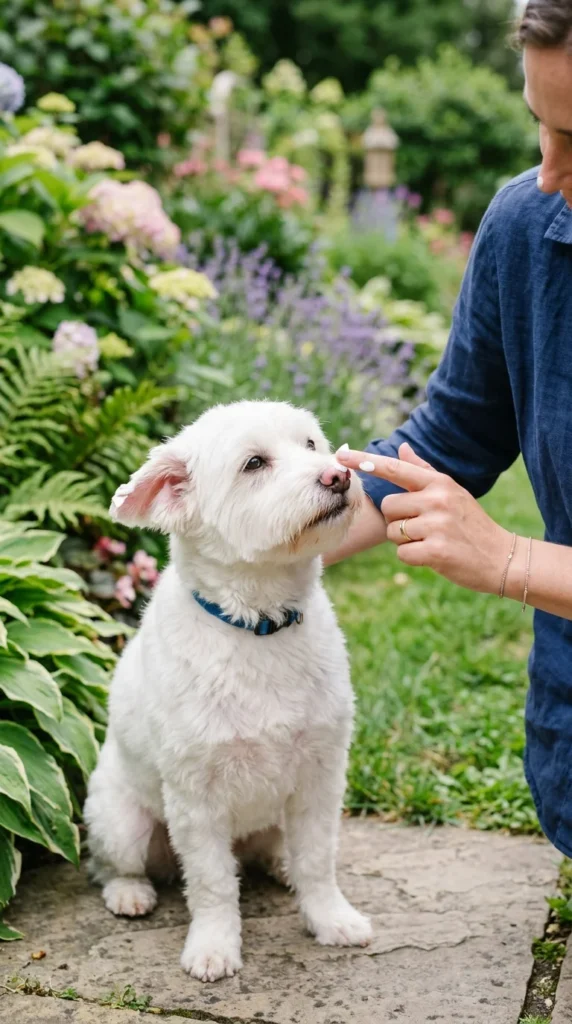
Just like humans, pets can get sunburned, especially those with short hair, white fur, or pink skin. Vulnerable areas include the bridge of the nose, ear tips, and the belly. Use only sunscreens specifically formulated for pets; human sunscreens often contain zinc oxide or para-aminobenzoic acid (PABA), which are toxic if ingested by animals.
7. Cooling Mats
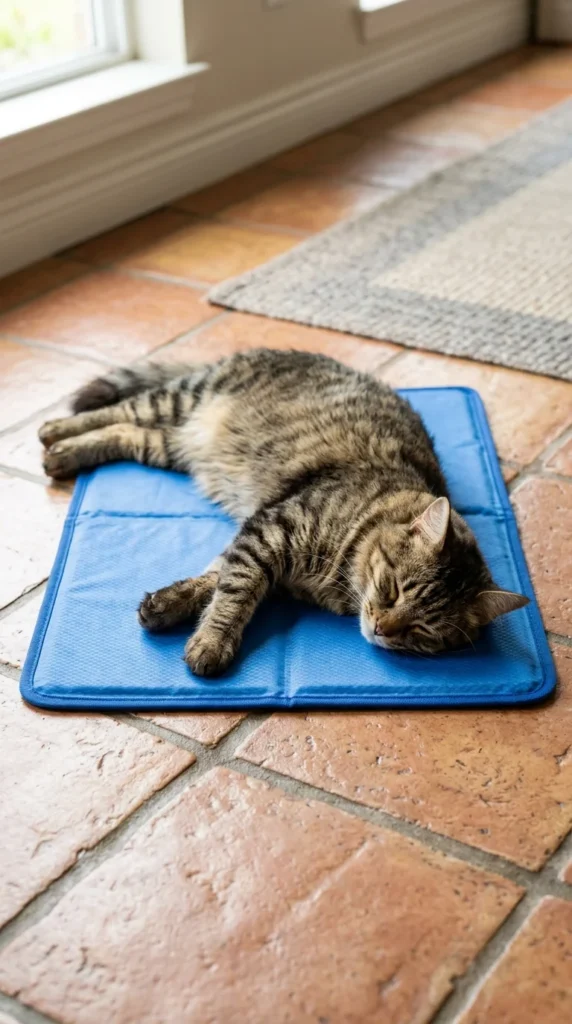
WebPPressure-activated cooling mats are an excellent investment for summer. These mats don’t require electricity or refrigeration; they use a special gel that absorbs the pet’s body heat and dissipates it back into the air. Placing these in your pet’s favorite lounging spot provides a dedicated “cool zone” where they can lower their core temperature quickly after a walk.
8. Proper Grooming
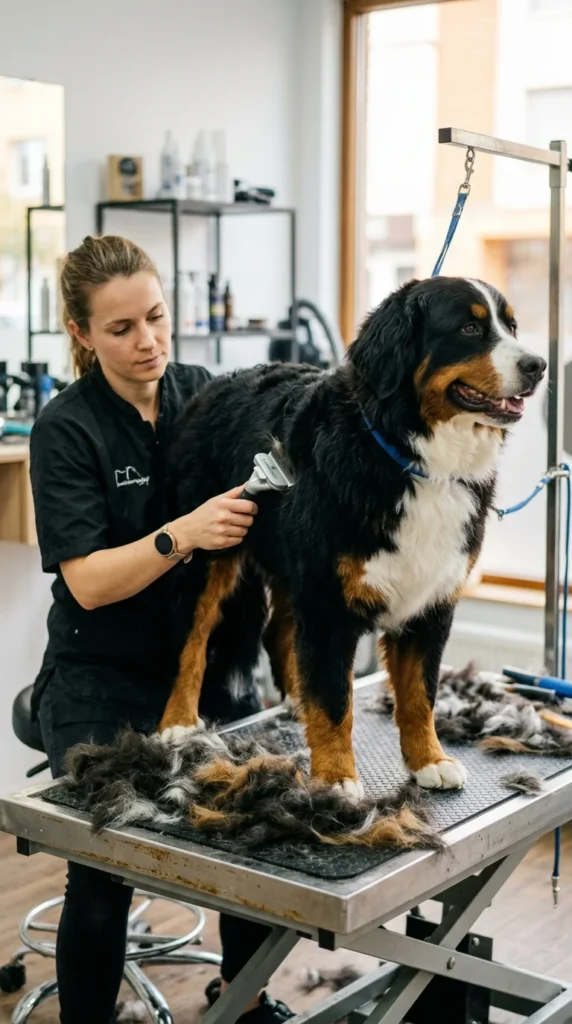
While it might be tempting to shave a long-haired dog to “cool them down,” their coat actually acts as insulation against both heat and cold. Shaving can also expose their skin to sun damage. Instead, focus on frequent brushing to remove the thick undercoat. This allows better air circulation through the fur and helps the pet regulate their temperature naturally.
9. Frozen Treats

WebPKeep your pet entertained and cool with frozen treats. You can freeze low-sodium chicken broth, peanut butter, or mashed bananas in silicone molds or inside hollow rubber toys. These “pupsicles” provide mental stimulation and help lower their internal temperature. For cats, try freezing the liquid from a tuna can into small ice chips.
10. Recognize Heatstroke
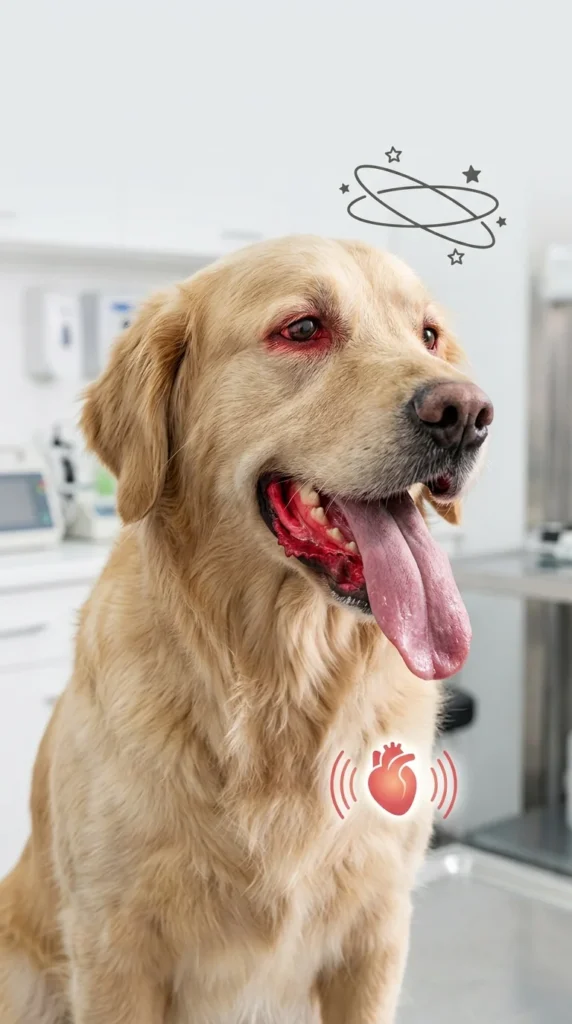
WebPKnowledge is power. Familiarize yourself with the signs of heatstroke: excessive panting, drooling, reddened gums, rapid heart rate, dizziness, vomiting, or lethargy. If you suspect your pet is overheating, move them to a cool area immediately, apply cool (not ice-cold) water to their body, and contact your veterinarian instantly. Speed is critical in saving a pet from heat exhaustion.
11. Humidity Awareness

It’s not just the heat; it’s the humidity. Pets rely on evaporation from their lungs (panting) to cool off. If the humidity is too high, the moisture in the air prevents this evaporation from happening effectively, meaning their cooling system fails. On “muggy” days, even if the temperature seems moderate, keep your pets indoors in a climate-controlled environment.
12. Parasite Protection
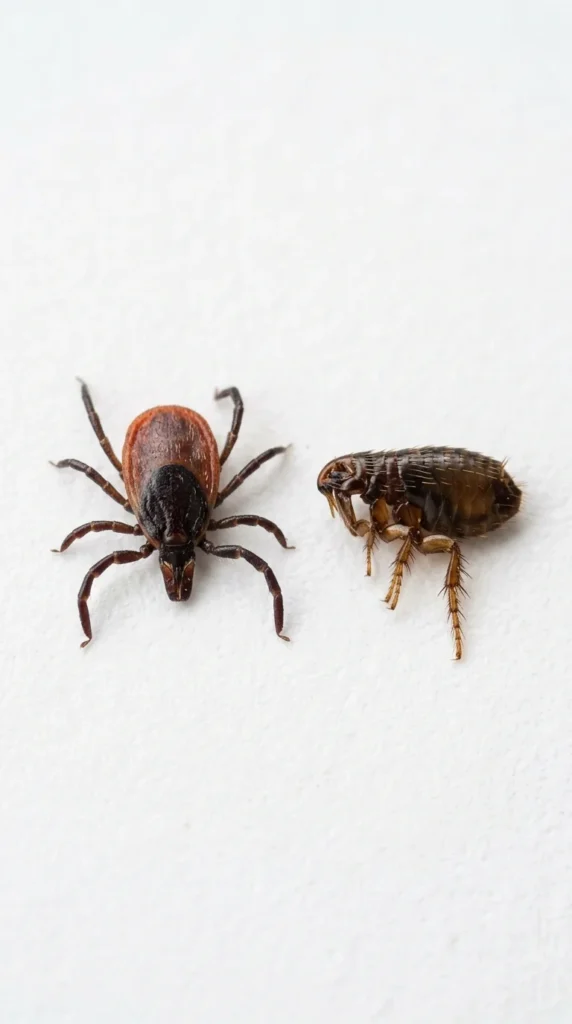
Summer is peak season for fleas, ticks, and mosquitoes. Aside from being a nuisance, these pests carry dangerous diseases like Lyme disease, Rocky Mountain spotted fever, and Heartworm. Ensure your pet is up to date on all preventative medications. Check your pet thoroughly after every walk, focusing on the ears, armpits, and between the toes.
13. Pool Safety
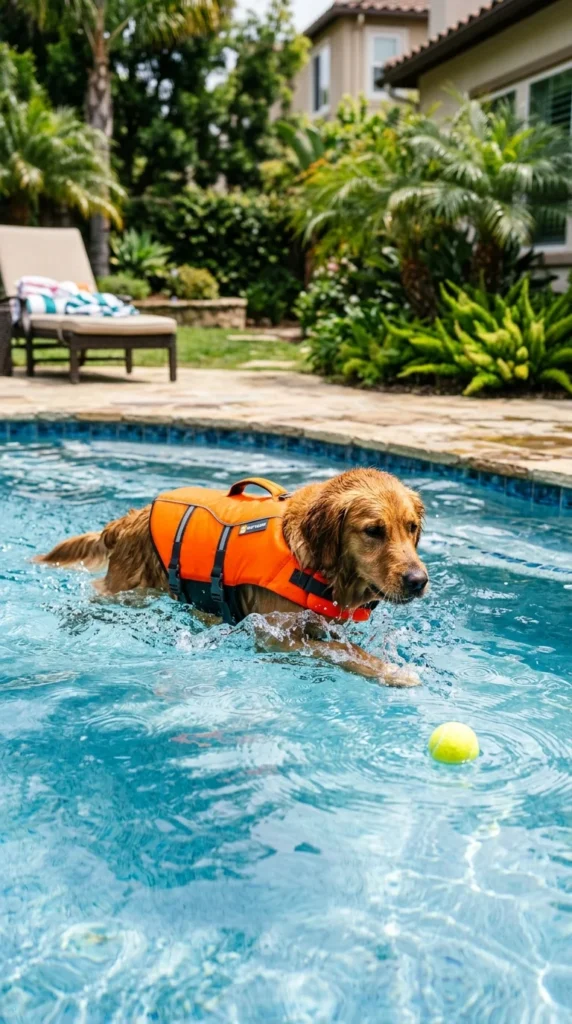
Not all dogs are natural swimmers, and even those who are can tire quickly in the heat. Never leave a pet unsupervised near a pool. Invest in a pet life jacket for extra safety, and ensure they know where the stairs are located so they can exit the water easily. Always rinse your pet off after a swim to remove chlorine or salt, which can irritate their skin.
14. Indoor Ventilation
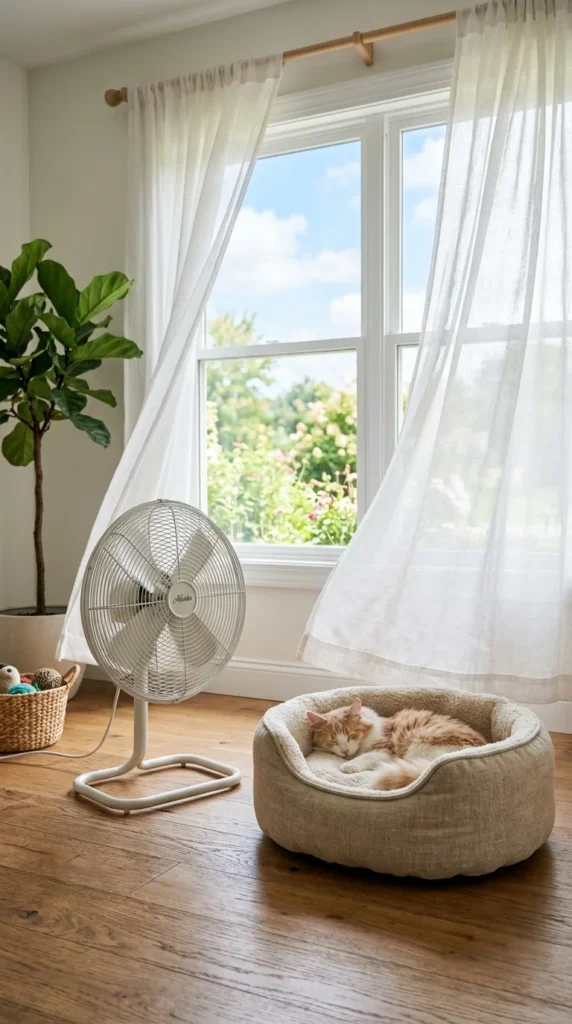
If you don’t have air conditioning, keep the air moving. Use floor fans or ceiling fans to create a cross-breeze. Be mindful that fans don’t cool pets the same way they cool humans (since pets don’t sweat), so they are most effective when used in conjunction with open windows in the shade or damp towels for the pet to lie on.
15. Heartworm Prevention
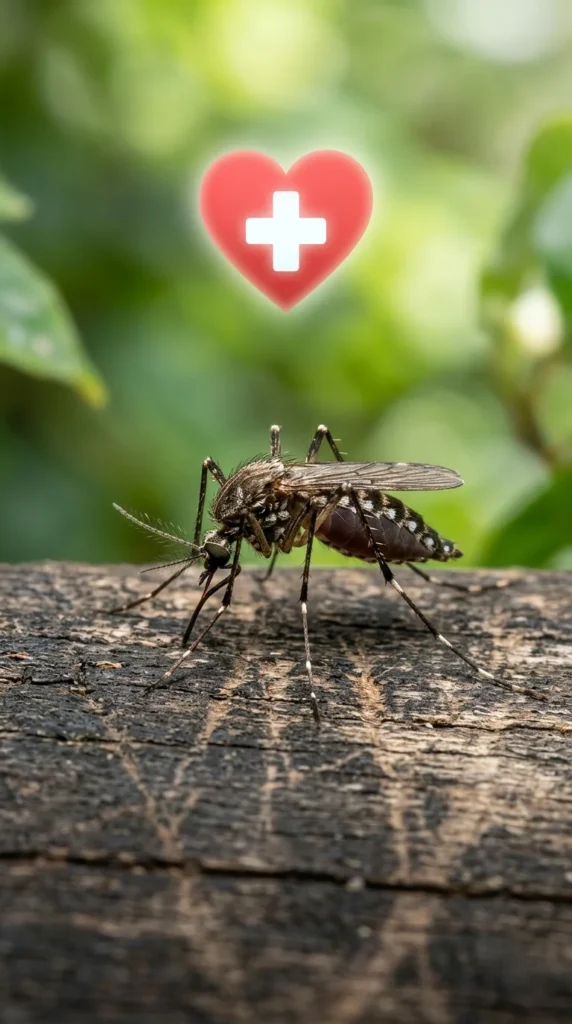
Mosquitoes thrive in warm, wet summer weather, and they are the primary transmitters of heartworm disease. This condition is potentially fatal and expensive to treat but very easy to prevent. A monthly chewable or topical treatment is essential during the summer months to keep these internal parasites at bay.
16. Toxic Plants

ummer gardens often feature beautiful but deadly plants. Lilies, azaleas, sago palms, and foxglove are highly toxic to cats and dogs. Additionally, be wary of cocoa mulch, which contains theobromine (the same toxic element in chocolate), and fertilizers or pesticides that can be ingested if your pet licks their paws after a walk in the garden.
17. Brachycephalic Care
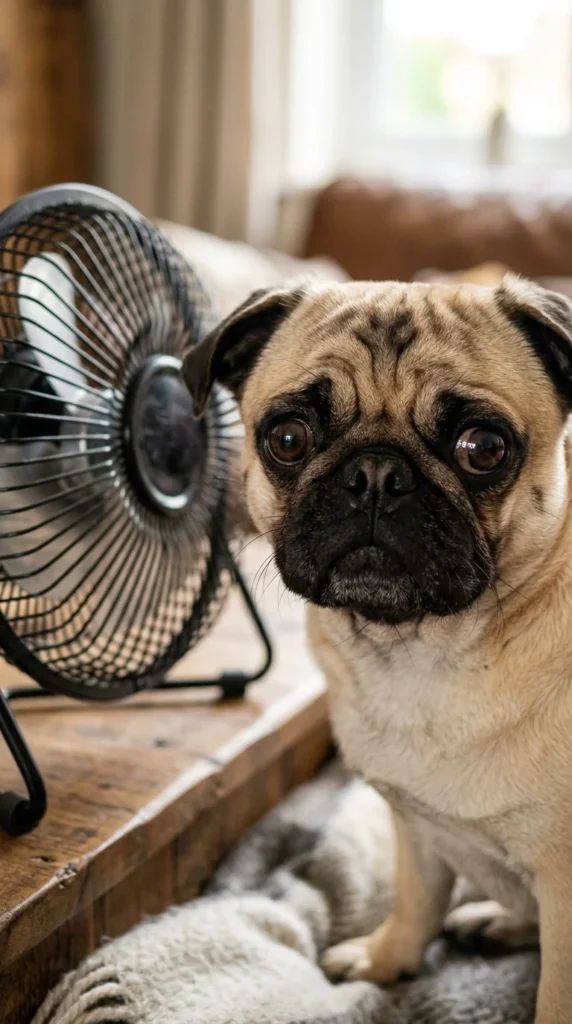
Flat-faced breeds like Pugs, Bulldogs, and Persian cats are at a much higher risk for heatstroke. Because of their shortened nasal passages, they cannot pant as efficiently as other breeds. These pets should spend the vast majority of their time in air-conditioned spaces during the summer and should only go outside for very brief bathroom breaks during the heat of the day.
18. Weight Management
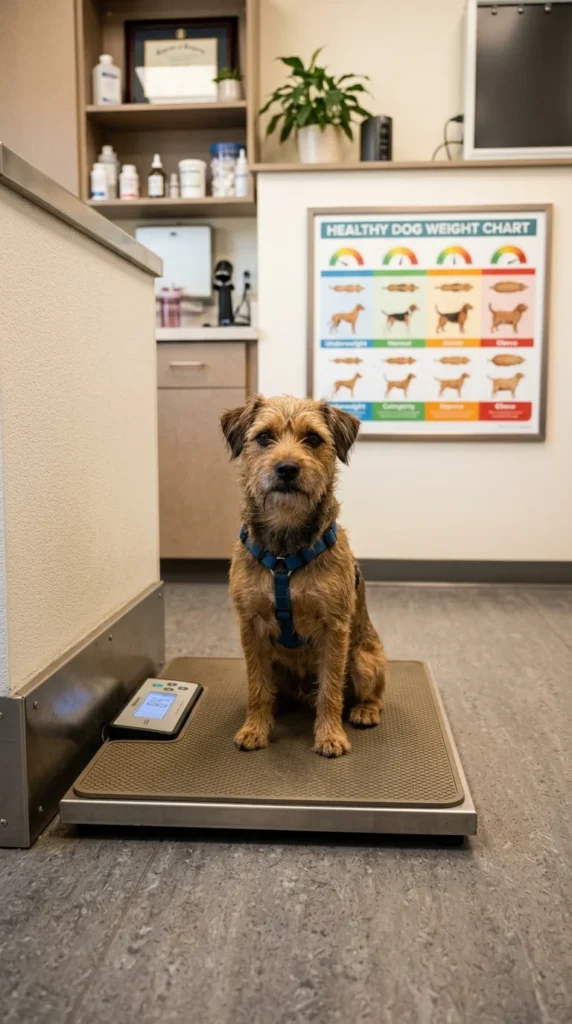
Extra body fat acts as extra insulation, trapping heat and making it much harder for a pet to cool down. If your pet is overweight, they will struggle significantly more in the summer heat. Consult your vet about a summer diet plan and focus on low-impact exercise during the coolest parts of the day to keep them at a healthy weight.
19. Ceramic Bowls

While plastic bowls are convenient, they can leach chemicals and don’t stay cool. Metal bowls can actually heat up if left in the sun. Ceramic or heavy stoneware bowls are excellent for summer because the material naturally stays cooler for longer. Using a heavy ceramic bowl in a shaded area will help keep your pet’s water at a refreshing temperature.
20. Water Play

If your pet enjoys water, use it to your advantage! A kiddie pool filled with a few inches of water or a gentle garden sprinkler can be a fantastic way for pets to cool their paws and underbellies while getting some exercise. Always supervise water play to ensure they don’t ingest too much water, which can lead to water intoxication in rare cases.
21. Emergency Kit

Prepare a summer-specific emergency kit. Include items like a digital thermometer (to check for fever), a list of emergency vet contact numbers, extra water, a towel that can be soaked in cool water, and paw balm for burnt pads. Having these items ready in your car or by the door can save precious time in an emergency.
22. Consistent Routine
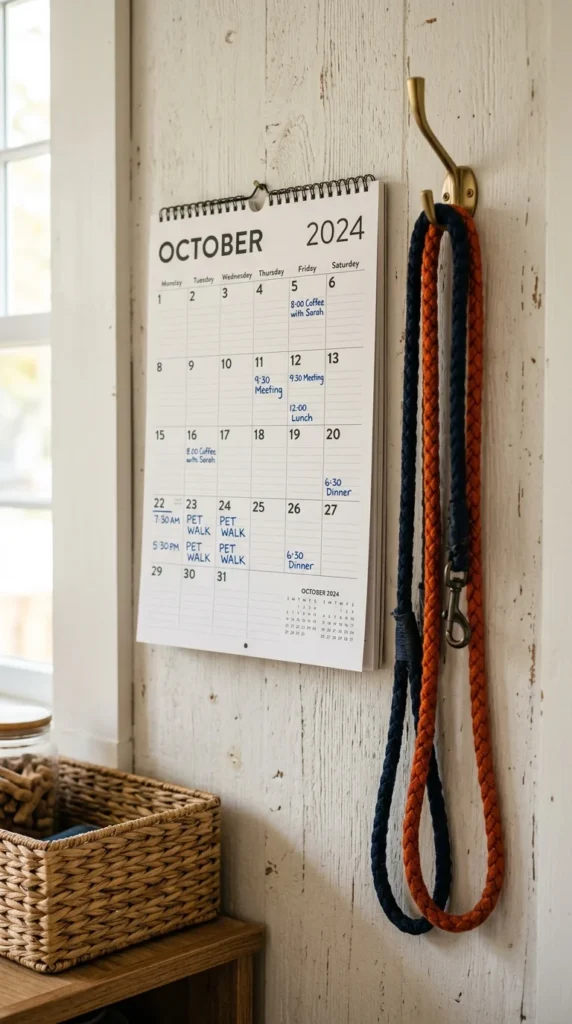
Pets thrive on routine, and a summer routine helps keep them safe. By walking, feeding, and resting at the same “safe” times every day, your pet’s body will better adjust to the seasonal shift. Consistency also makes it easier for you to notice any subtle changes in their behavior or appetite that might indicate they are feeling the effects of the heat.