
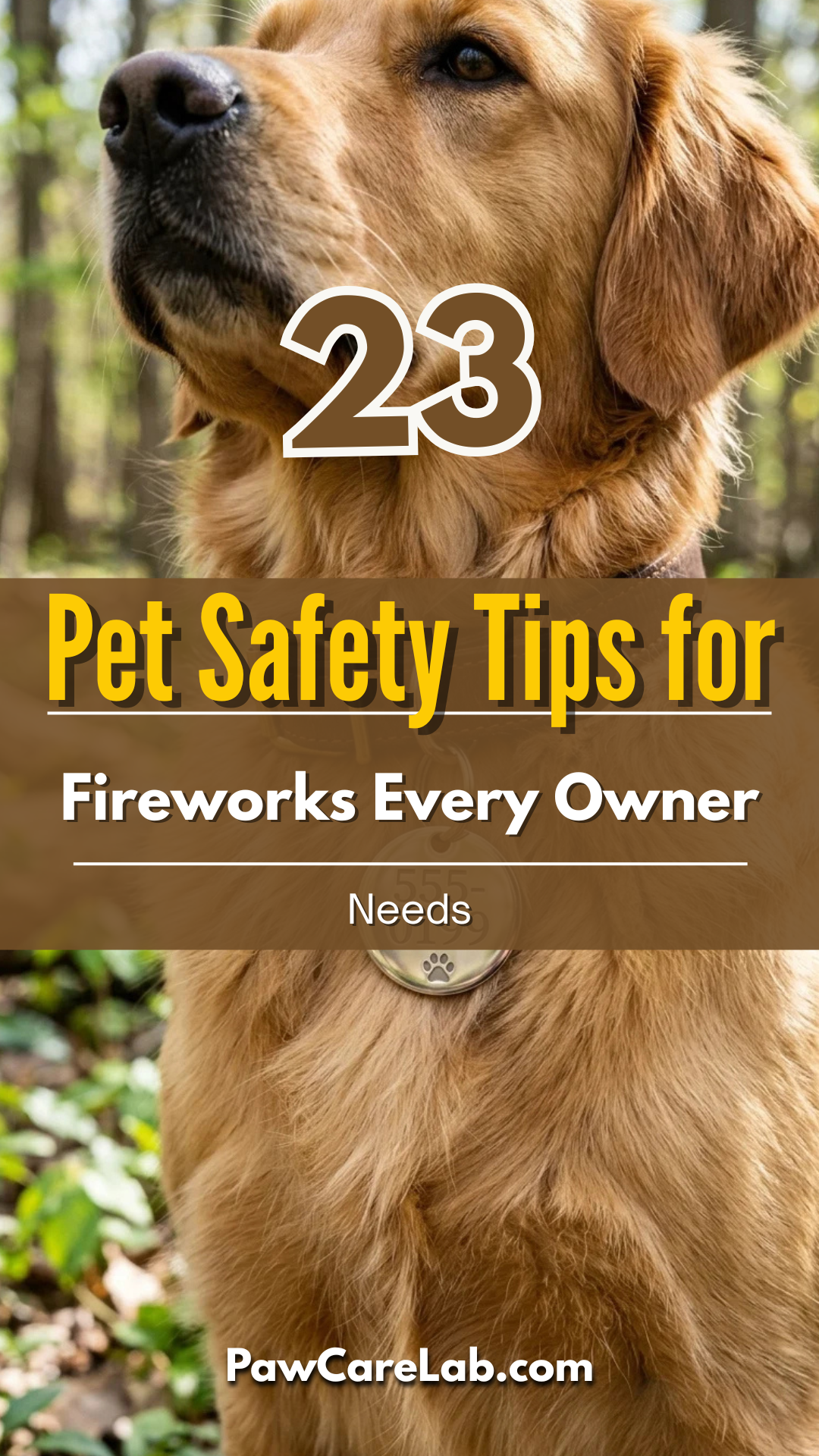
For many humans, fireworks symbolize celebration, patriotism, and awe-inspiring beauty. For our pets, however, these explosive displays are often interpreted as a localized apocalypse. The sudden booms, flashes of light, and smell of sulfur can trigger a “fight or flight” response in even the most stoic animals. According to animal control agencies, the days surrounding major fireworks holidays see the highest rates of lost pets. To ensure your furry companions stay safe, calm, and secure, here is the ultimate guide to navigating firework season.
1. Microchipping
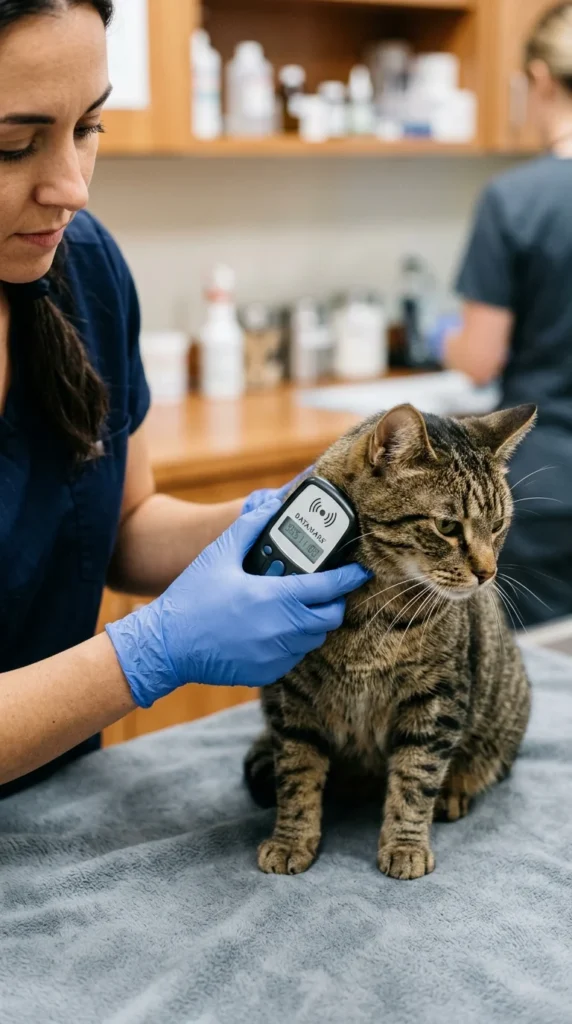
Ensuring your pet is microchipped is the single most important safety net you can provide. If the unthinkable happens and your pet escapes in a panic, a microchip is a permanent form of identification that cannot fall off like a collar. Make sure your contact information is updated in the manufacturer’s registry.
2. ID Tags
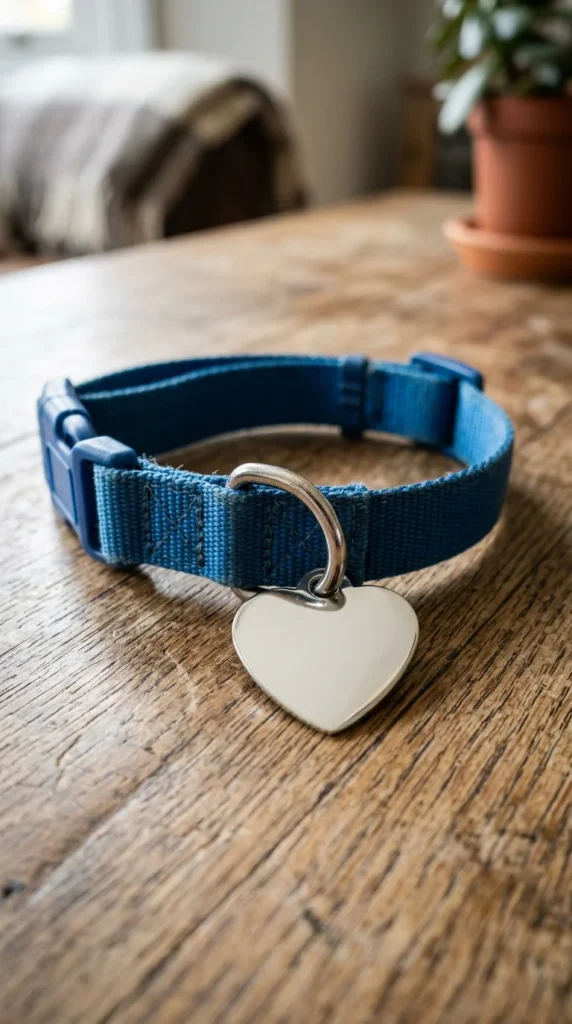
Visual identification is your pet’s first ticket home. Ensure your pet is wearing a well-fitting collar with a tag that includes your current phone number. In the chaos of a fireworks display, a neighbor who finds your fleeing pet can call you instantly rather than waiting for a shelter to open and scan a chip.
3. Indoor Sanctuary
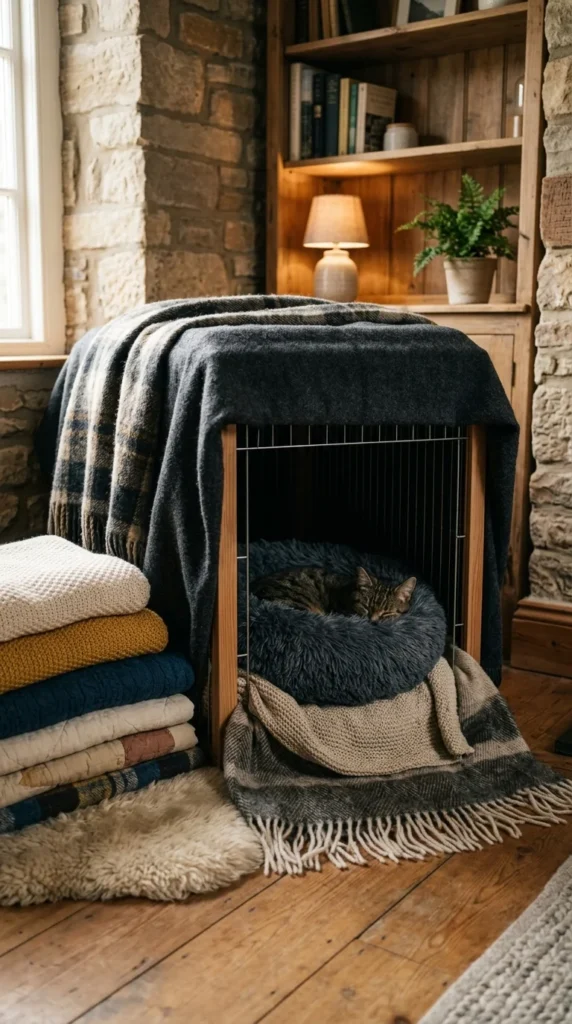
Create a “safe zone” in the innermost room of your home, preferably one without windows. Fill this space with your pet’s favorite blankets, toys, and an unwashed piece of your clothing. The familiar scent of their owner can be incredibly grounding for a distressed animal.
4. White Noise
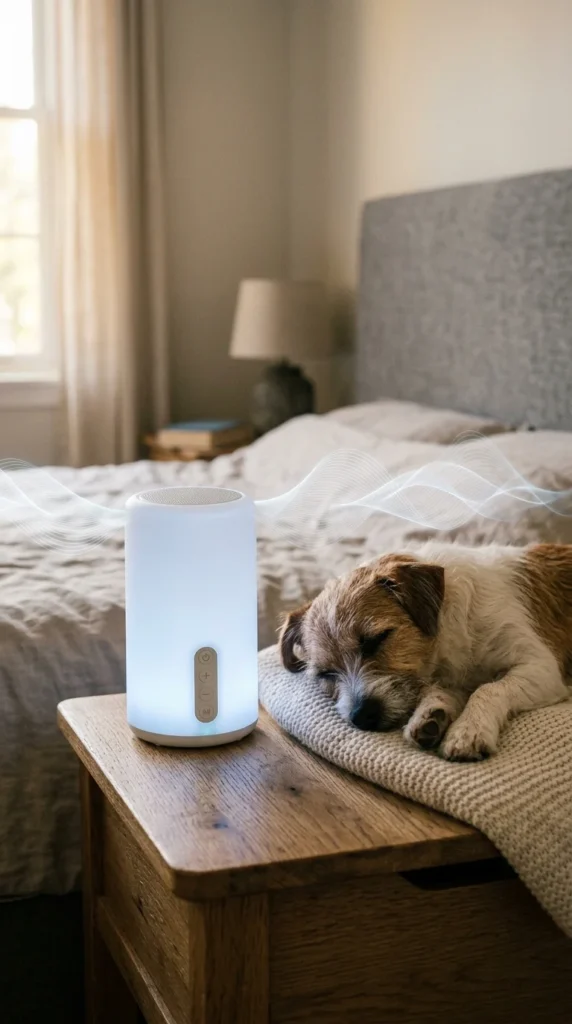
Drown out the unpredictable cracks and bangs with consistent, soothing sounds. Use a white noise machine, a loud fan, or even a television set to a nature channel. Music specifically composed for pet relaxation (often featuring slow tempos and low-frequency tones) can also help mask the external chaos.
5. Calming Wraps
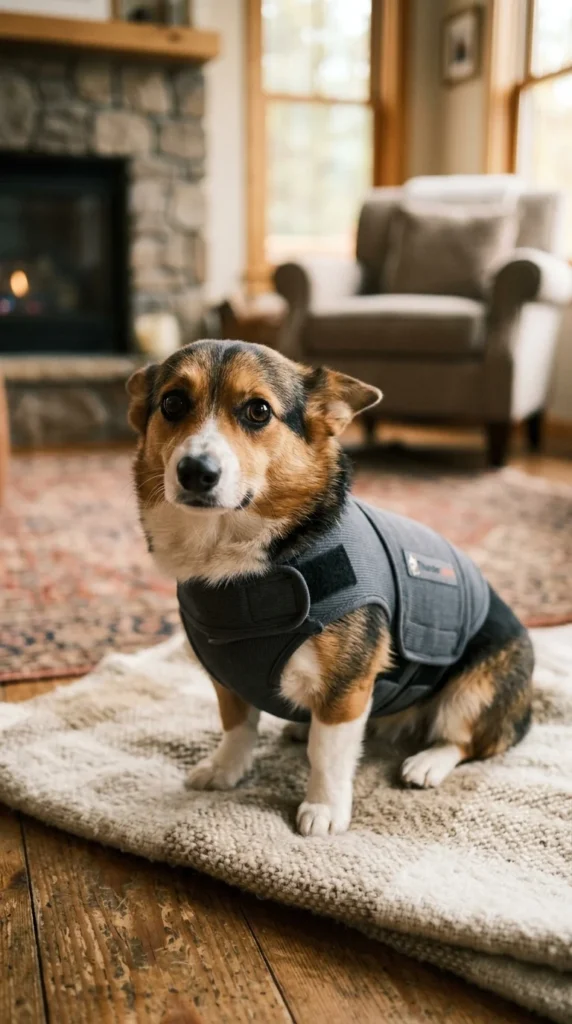
Anxiety vests or “calming wraps” apply gentle, constant pressure to a pet’s torso, similar to swaddling a human infant. This pressure can release endorphins and provide a sense of security. It is best to introduce the wrap before the fireworks start so the pet doesn’t associate the garment solely with fear.
6. Early Exercise
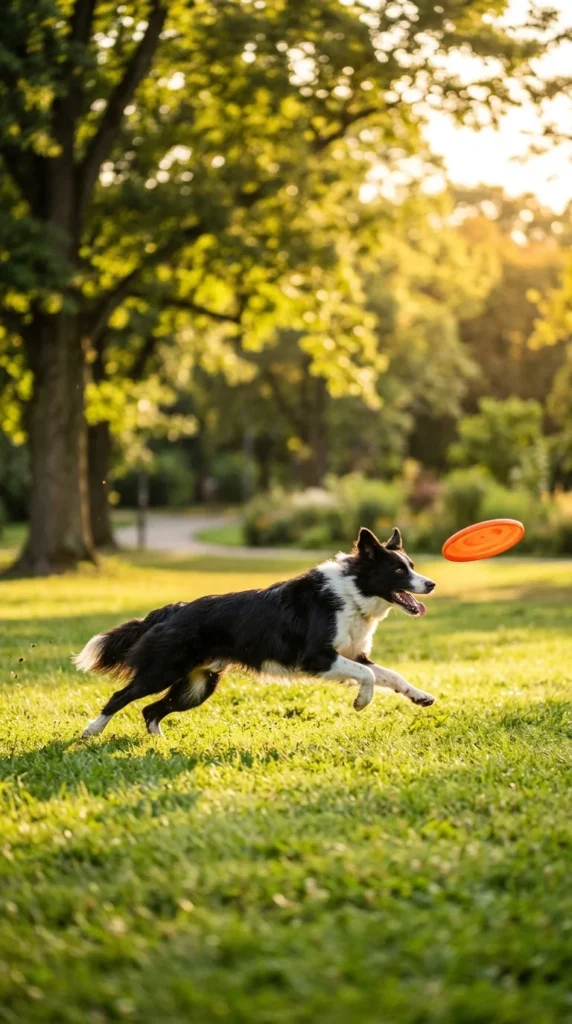
A tired pet is a calmer pet. Take your dog for a long hike or an intense play session earlier in the day before the festivities begin. Expending that physical energy makes it more likely they will sleep through the evening noise or at least have less nervous energy to burn.
7. Early Feeding

Anxiety often leads to an upset stomach or a total loss of appetite. Feed your pet a full meal several hours before the sun goes down. This ensures they get their nutrients before the stress kicks in, and a full belly can often contribute to a more lethargic, relaxed state.
8. Window Coverings

The flashes of light from fireworks can be just as startling as the noise. Close all curtains, blinds, and shutters. This not only blocks the visual stimuli but also provides an extra layer of sound insulation to keep the environment as stable as possible.
9. Professional Advice

If your pet has a history of severe noise phobia, consult your veterinarian well in advance. They may prescribe anti-anxiety medication or sedatives. Never give your pet human medications, as many common over-the-counter drugs are toxic to animals.
10. Pheromones
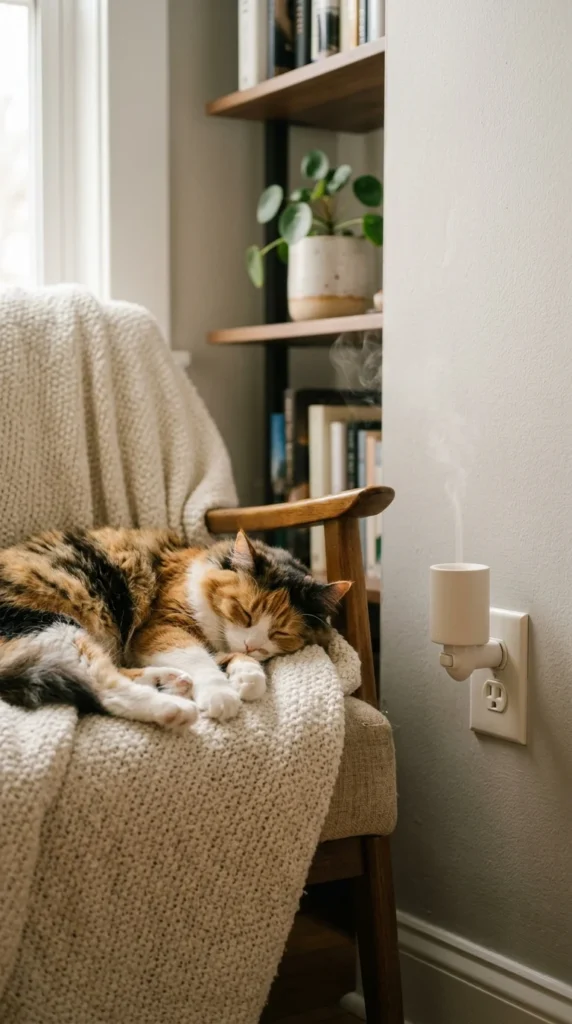
Synthetic pheromone diffusers, sprays, or collars mimic the natural “calming chemicals” produced by mother dogs and cats. These can create a sense of safety and well-being in the environment, helping to take the edge off a pet’s high-alert status.
11. Stay Home
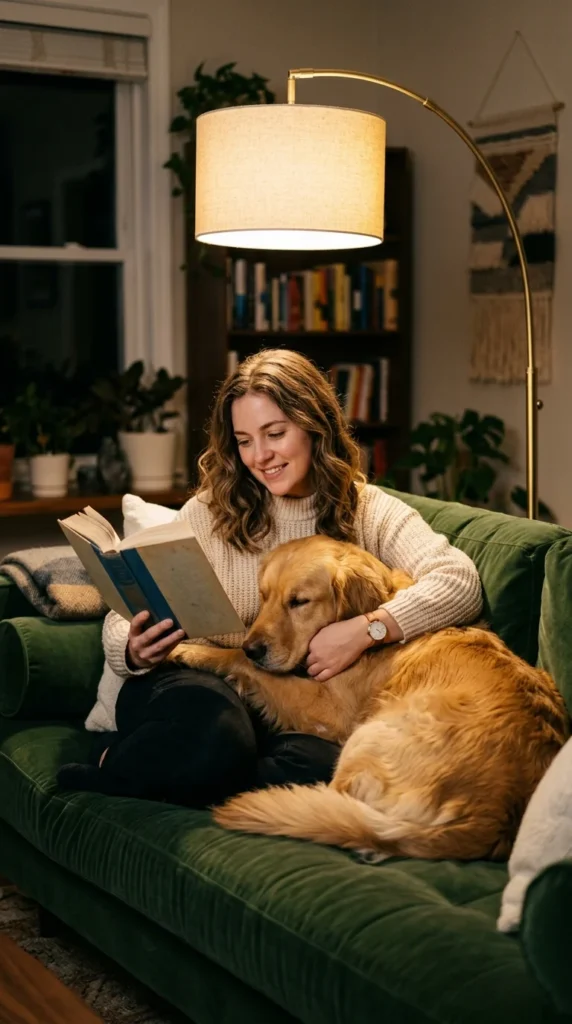
Your presence is a powerful sedative. If possible, stay home with your pets during the peak of the fireworks. Your calm energy communicates that there is no immediate threat. If you must go out, hire a pet sitter who is experienced with anxious animals to stay in the home.
12. Distraction Toys
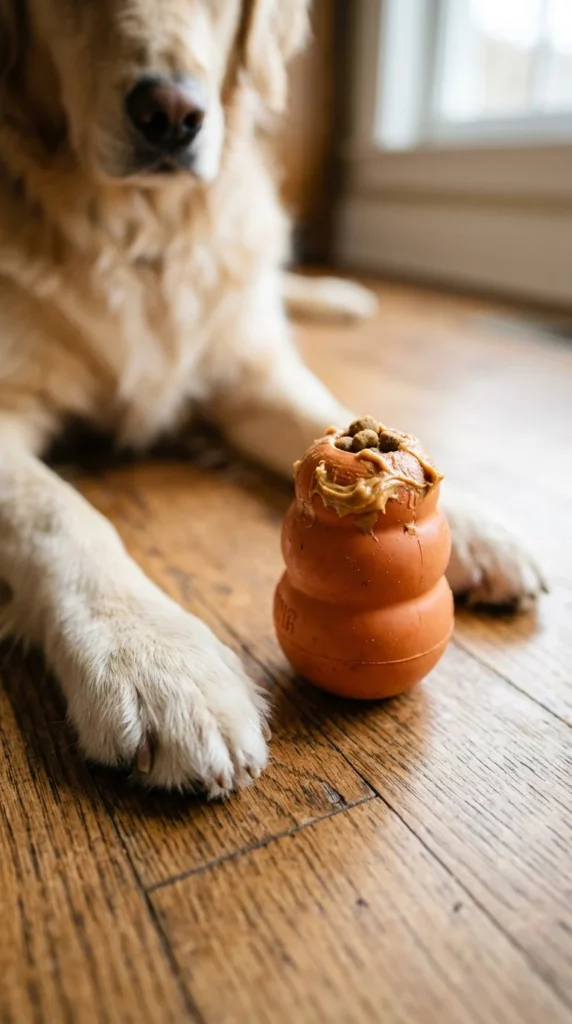
High-value treats and puzzle toys can provide a much-needed distraction. A hollow toy stuffed with frozen peanut butter or wet food requires focus and licking—a repetitive action that is naturally soothing for dogs. It gives them something else to concentrate on besides the noise.
13. Tight Security
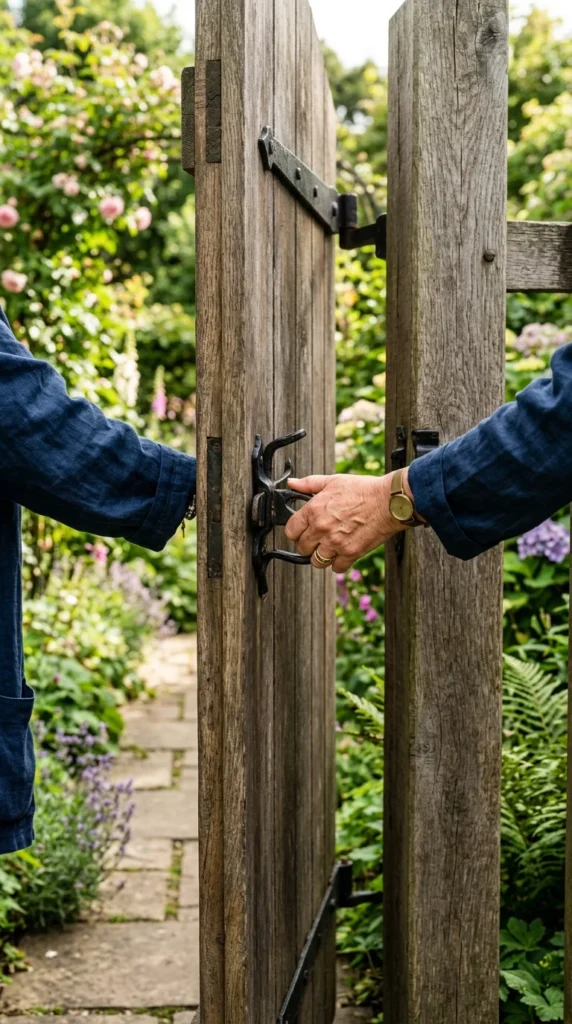
Before the sun sets, double-check all “exit points.” Ensure windows are latched, screen doors are locked, and garden gates are secure. A panicked dog can jump fences or squeeze through gaps they normally wouldn’t consider. Keep pets on a leash even in a fenced yard during these times.
14. Desensitization
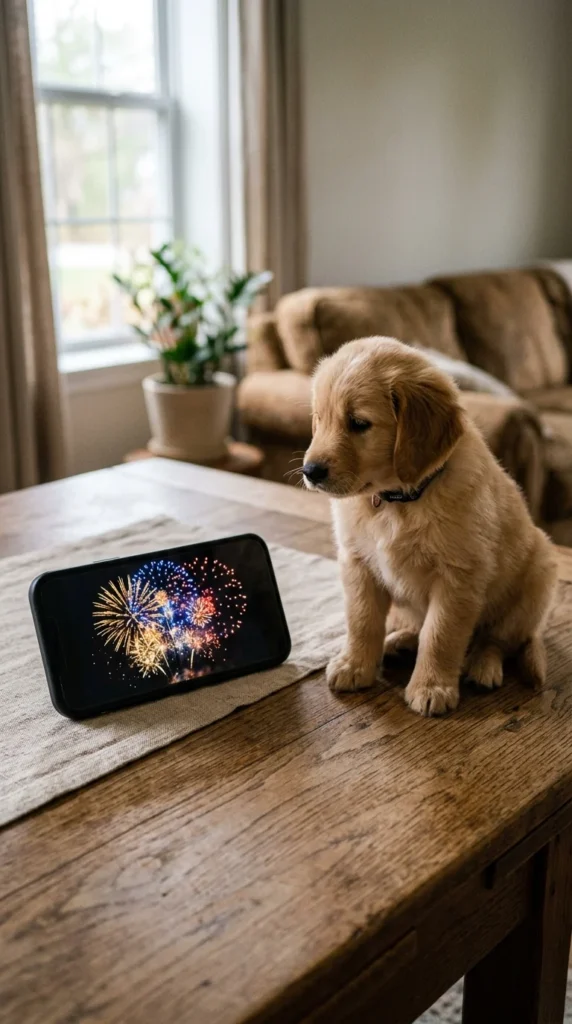
In the weeks leading up to a holiday, you can try “sound desensitization.” Play recordings of firework noises at a very low volume while giving your pet treats and praise. Gradually increase the volume over several days to help them associate the sound with positive rewards.
15. Hydration

Stress can cause excessive panting, which leads to dehydration. Ensure your pet has constant access to fresh, cool water. Some pets may be too nervous to walk to their usual water bowl, so consider placing an extra bowl inside their “safe sanctuary.”
16. Natural Supplements

There are many natural options, such as L-theanine, chamomile, or CBD products formulated specifically for pets, that can help reduce mild anxiety. Always consult your vet before introducing new supplements to ensure they won’t interact with other medications.
17. No Scraps

Fireworks often coincide with backyard barbecues. Remind guests not to feed your pet table scraps. Foods like onions, garlic, grapes, and bones are dangerous. Furthermore, the rich, fatty foods served at parties can cause pancreatitis or digestive upset, adding physical pain to their emotional stress.
18. Avoid Displays
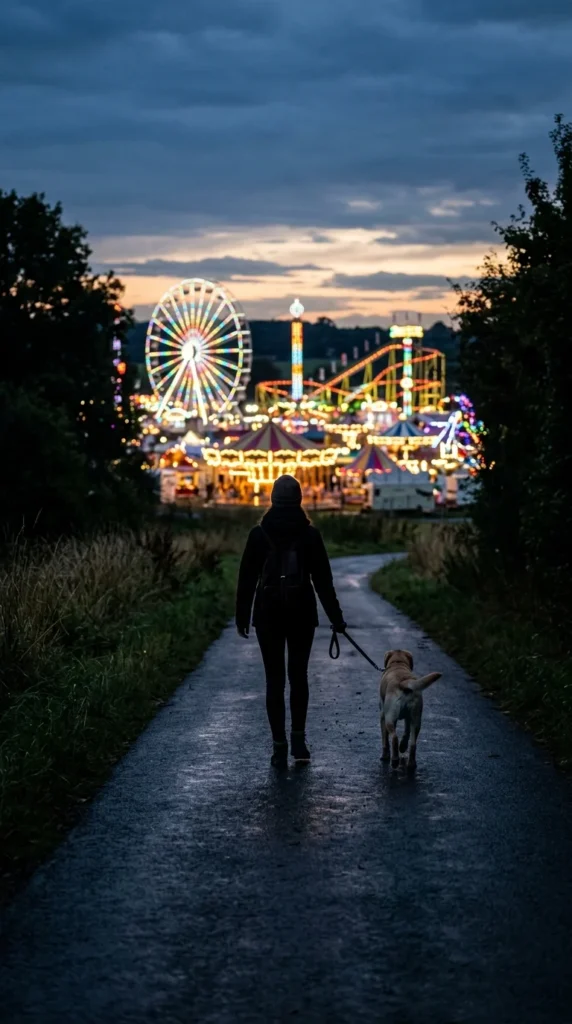
It might be tempting to bring your dog to a community fireworks display, but even the most well-behaved dog can snap or bolt when surrounded by crowds and explosions. The safest place for a pet during a fireworks show is always inside a secure home.
19. Comfortable Bedding

Provide extra padding or “nesting” materials. Some pets feel safer when they can burrow under blankets or into a high-walled bed. This physical enclosure provides a tactile sense of protection that can lower heart rates during stressful events.
20. Calm Demeanor

Pets are incredibly sensitive to our emotions. If you are rushing around, acting frantic, or hovering over them with a worried expression, they will pick up on your stress. Act normally, speak in a low, soothing voice, and avoid over-coddling, which can sometimes reinforce their fearful behavior.
21. GPS Trackers
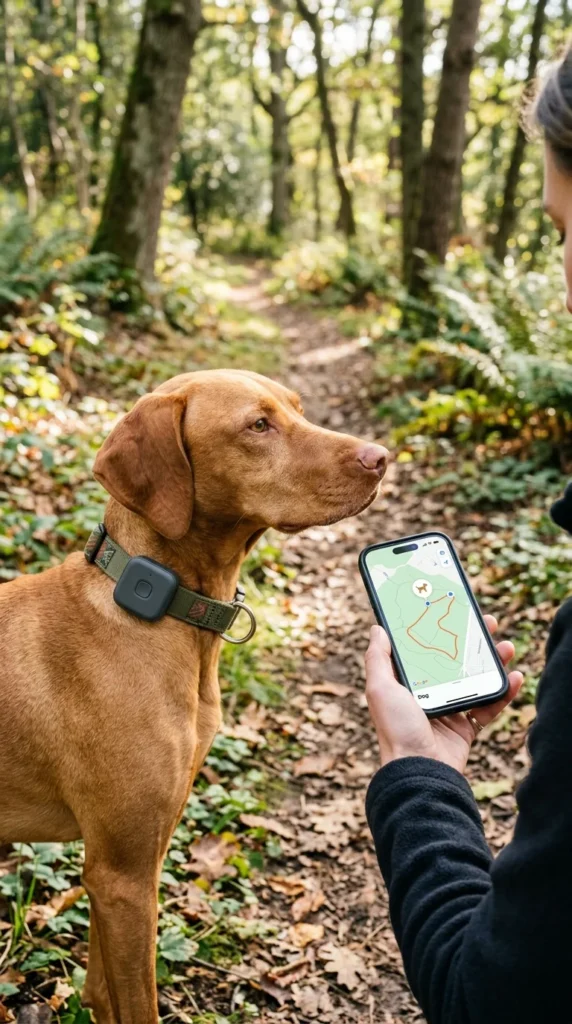
For pets prone to “Houdini” acts, a GPS collar tracker can be a lifesaver. These devices allow you to track your pet’s real-time location via a smartphone app. If they do manage to escape, you won’t have to rely on luck to find them; you’ll have their exact coordinates.
22. Clean Yard
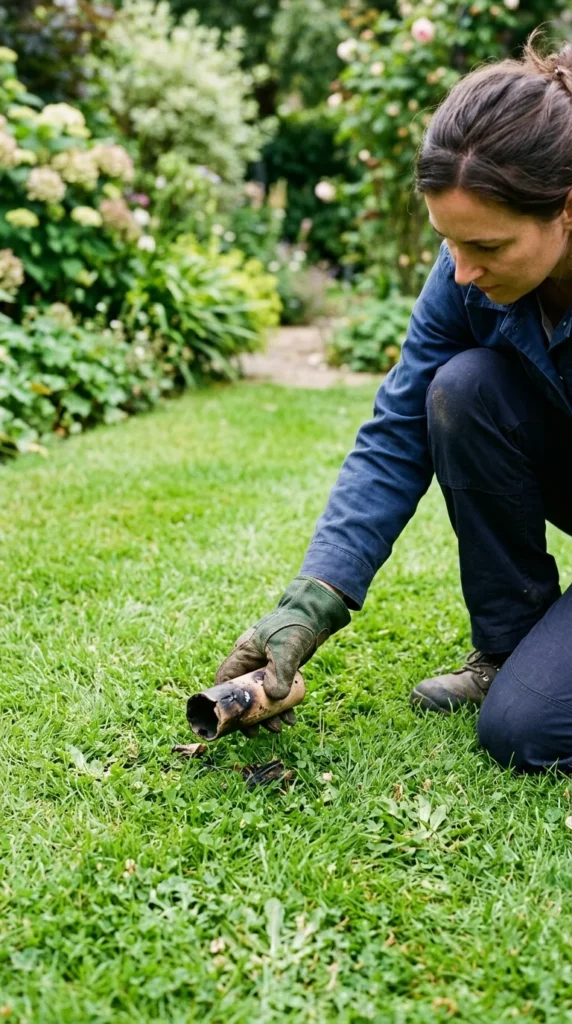
The morning after a firework display, check your yard before letting your pets out. Unexploded fireworks, plastic casings, and chemical residue are toxic if ingested and can cause burns or choking. Sweep the area thoroughly to ensure no “party leftovers” remain.
23. Emergency Contacts
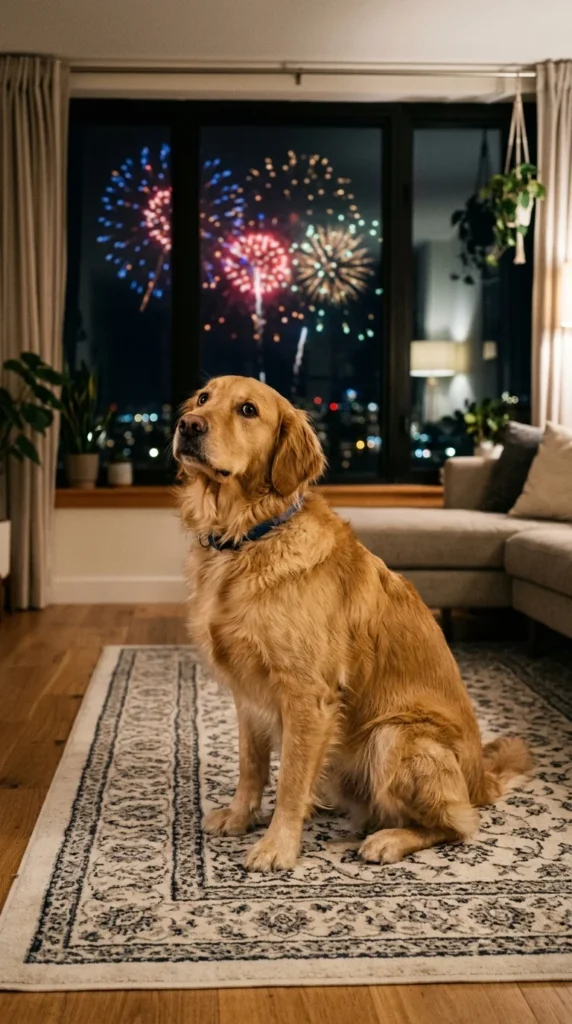
Preparation is key. Have the number and address of the nearest 24-hour emergency veterinary clinic prominently displayed or saved in your phone. In the event of an injury or a severe panic attack, you don’t want to waste precious minutes searching for where to go.