The holiday season is a whirlwind of twinkling lights, decadent feasts, and joyous gatherings. While we immerse ourselves in the magic of the festivities, our four-legged family members often find themselves in a world transformed. New smells, strange objects, and a rotating door of houseguests can turn a peaceful home into a minefield of potential hazards for dogs and cats. From the shimmering tinsel on the tree to the rich gravy on the dinner table, the holidays present unique risks that every pet parent needs to navigate. To ensure your season remains merry and bright, we’ve compiled the ultimate guide to holiday pet safety.
1. Secure Trees
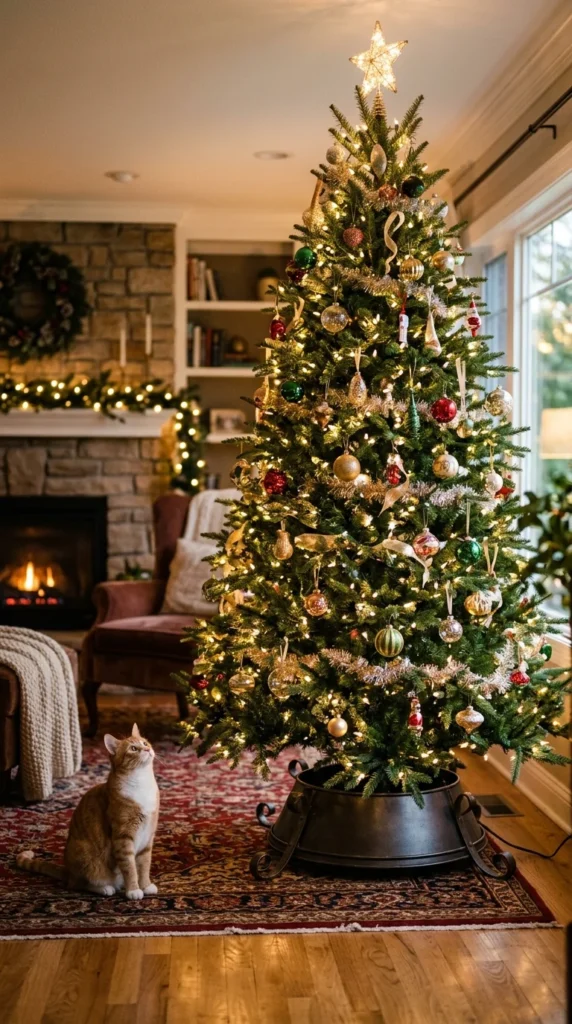
A tumbling Christmas tree is a classic holiday disaster, but for a pet, it can result in serious injury. Cats are notorious for viewing the tree as a giant, glittery climbing post, while large dogs can easily knock one over with a stray wag of a tail. To prevent accidents, use a heavy, high-quality tree stand. For extra security, consider anchoring the top of the tree to the wall or ceiling using clear fishing line and a small eye hook.
2. Dangerous Ornaments
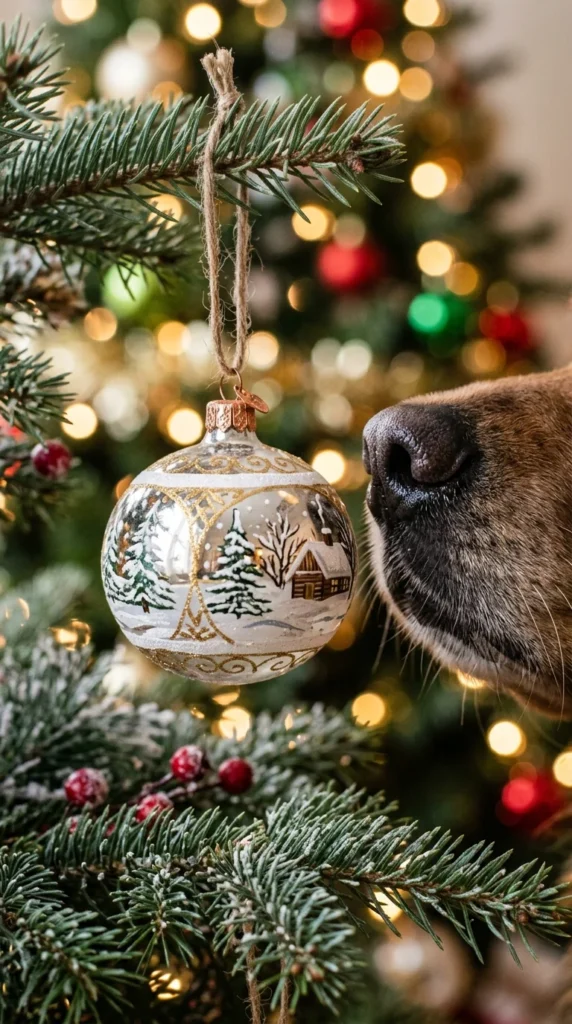
While heirloom glass ornaments are beautiful, they are incredibly fragile. If knocked off a branch, they shatter into razor-sharp shards that can cut paws or be ingested. Place your most delicate, breakable ornaments at the very top of the tree, well out of reach of jumping cats or curious dogs. Stick to shatterproof plastic, wood, or fabric decorations for the lower third of the tree to minimize the risk of breakage.
3. Festive Flora
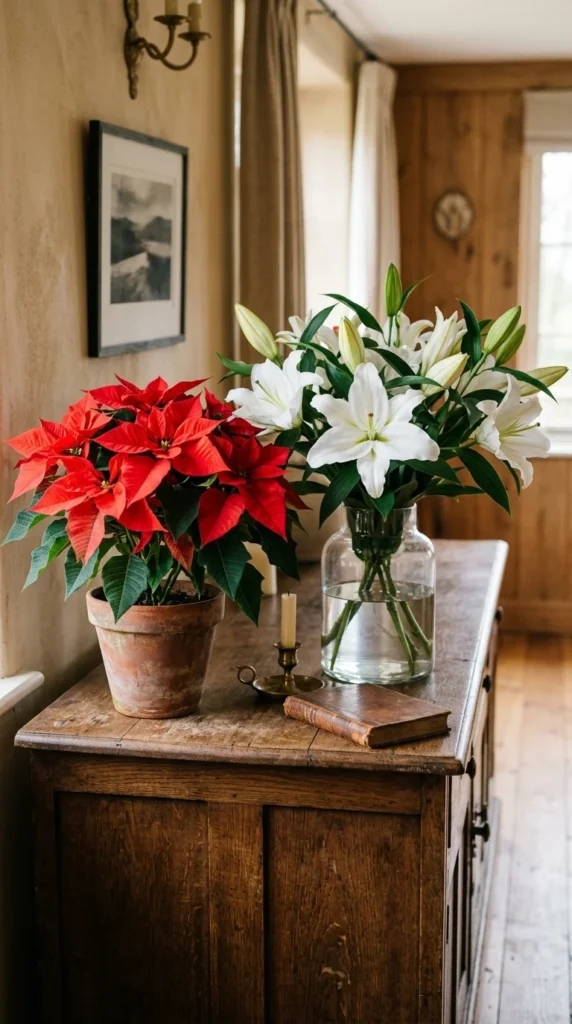
Many iconic holiday plants are actually toxic to pets. Poinsettias can cause mild irritation to the mouth and stomach, but the real dangers are lilies, holly, and mistletoe. Lilies are highly toxic to cats and can cause kidney failure even in small amounts. Holly and mistletoe can lead to significant gastrointestinal upset and, in severe cases, cardiovascular issues. Opt for high-quality silk versions of these plants to keep the festive look without the biological risk.
4. Tinsel Risks
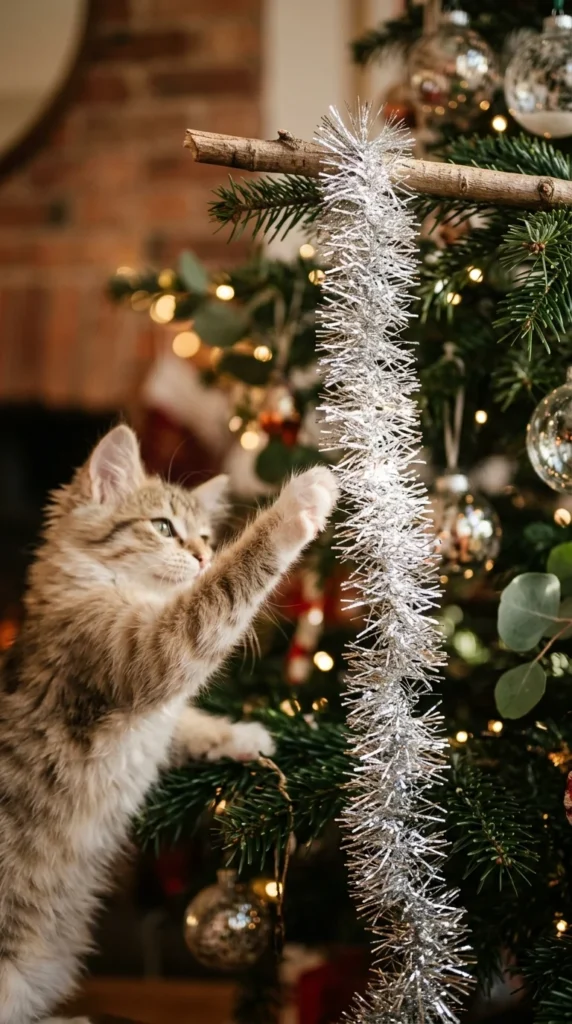
Tinsel is perhaps the most dangerous decoration for cats. Its shimmer is irresistible to felines, but if swallowed, it can cause a “linear foreign body” obstruction. This occurs when one end of the tinsel gets caught (often under the tongue) while the rest passes into the intestines, causing the gut to bunch up like an accordion. This is a life-threatening emergency that requires surgery. It is safest to skip tinsel entirely if you have cats.
5. Electrical Cords
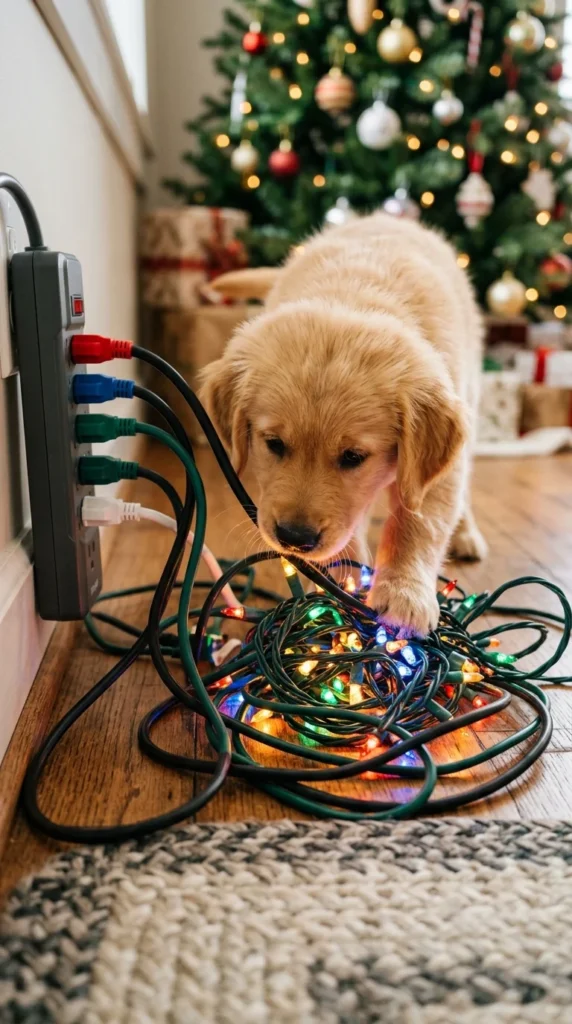
With all the extra lighting comes a jungle of electrical cords. Puppies and kittens, especially those who are teething, may find these cords tempting to chew. Biting into a live wire can cause electrical burns in the mouth, pulmonary edema (fluid in the lungs), or even fatal electrocution. Use cord protectors, hide wires behind furniture, or tape them down securely to keep them away from curious mouths.
6. Candle Safety
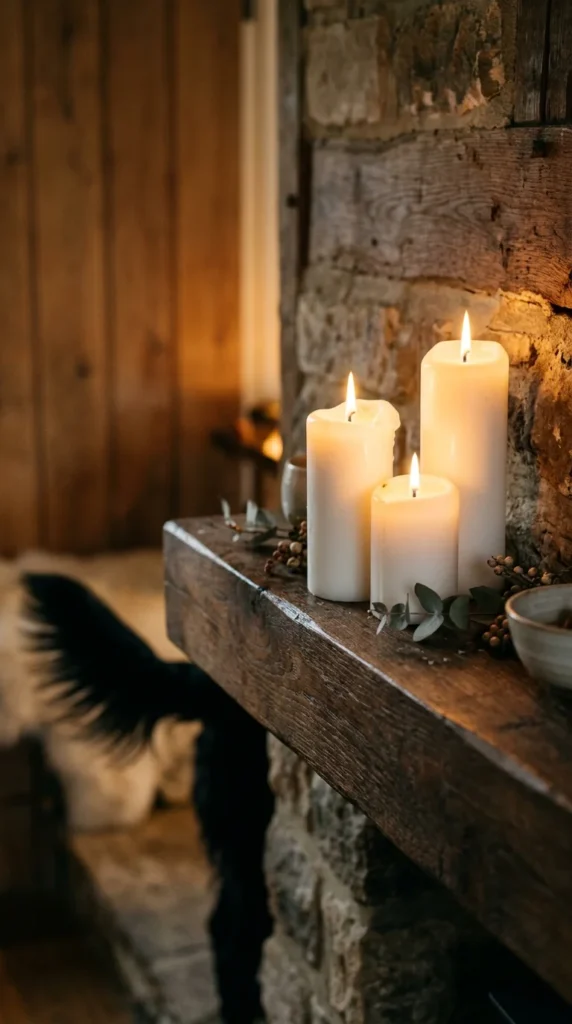
The warm glow of a candle adds ambiance, but an unattended flame is a fire hazard, especially with pets around. A happy dog’s tail or a cat’s leap onto a counter can easily knock over a candle, leading to burnt fur or a house fire. Switch to battery-operated LED candles for the same flickering effect without the risk. If you must use real candles, never leave them unattended and keep them on high, stable surfaces.
7. Toxic Chocolates
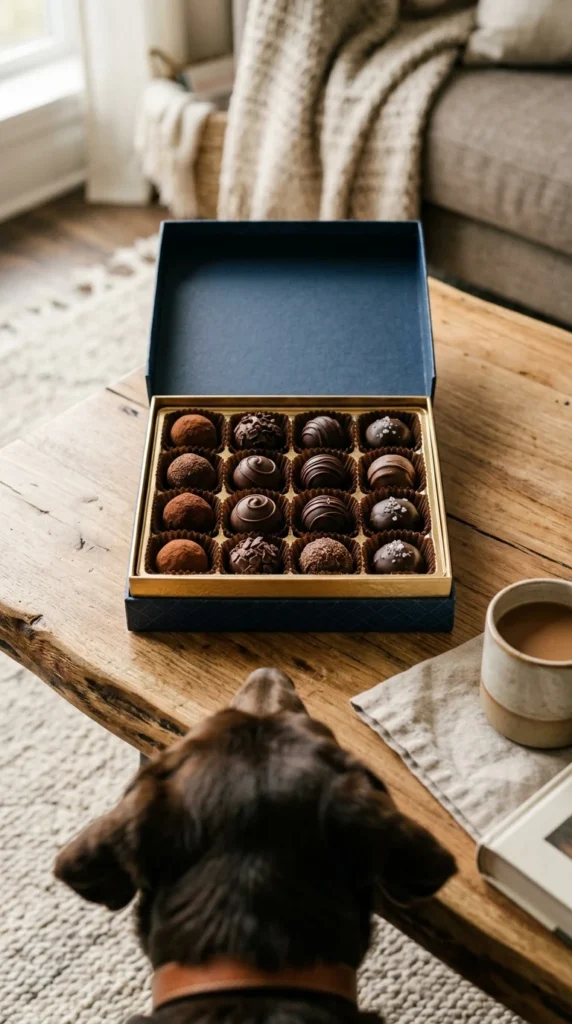
Chocolate contains theobromine and caffeine, both of which are toxic to dogs and cats. Dark chocolate and baking chocolate are the most dangerous due to their high concentration of these compounds. Ingestion can lead to vomiting, diarrhea, rapid heart rate, tremors, and seizures. Ensure all chocolate gifts—especially those wrapped under the tree—are kept in cabinets or high shelves where pets cannot sniff them out.
8. Xylitol Alert
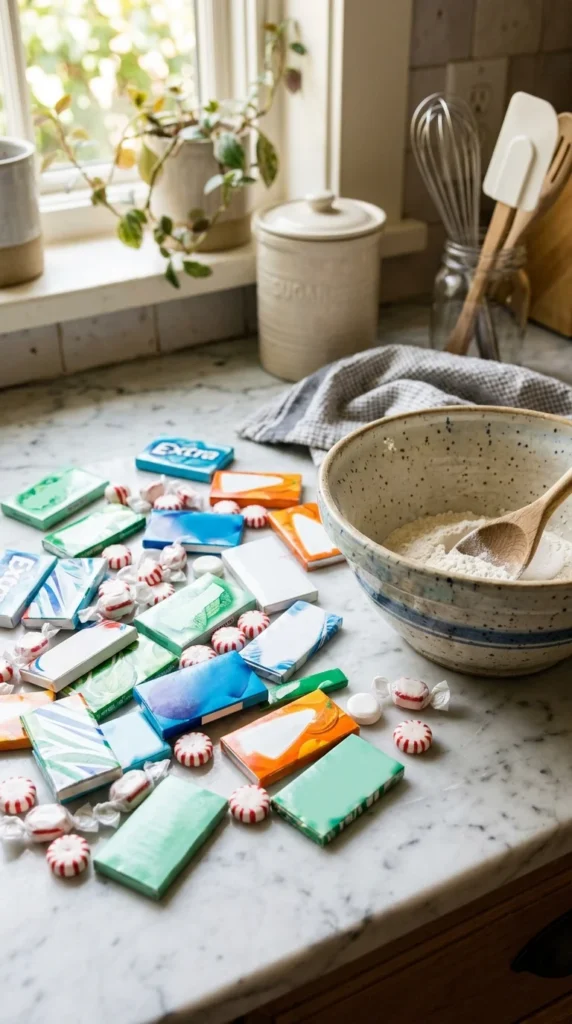
Xylitol (often listed as birch sugar) is an artificial sweetener found in many sugar-free gums, candies, and even some peanut butters. In dogs, even a small amount of xylitol can cause a rapid drop in blood sugar (hypoglycemia) and potential liver failure. Always check the ingredient labels of any holiday treats you bring into the house, and keep all candy dishes well out of paw’s reach.
9. Table Scraps
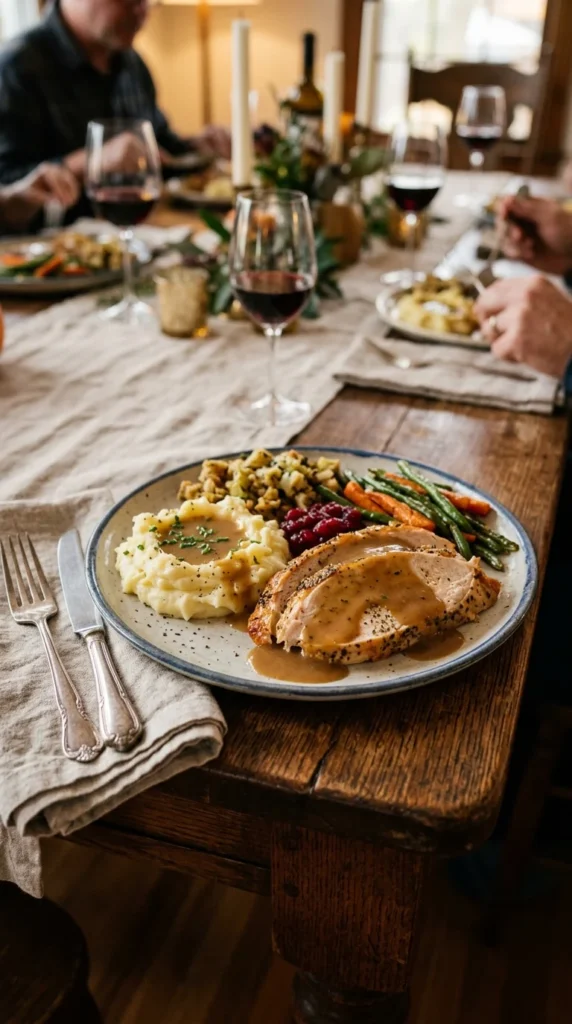
It’s tempting to share the holiday feast with your pet, but many human foods are harmful. Fatty foods like turkey skin, gravy, and butter can cause pancreatitis, a painful and serious inflammation of the pancreas. Additionally, cooked bones from turkey or ham can splinter and cause internal perforations or obstructions. Stick to your pet’s regular diet, or offer a small piece of plain, skinless, cooked white meat turkey as a rare treat.
10. Alcoholic Drinks

Alcohol is far more toxic to pets than to humans. Even a small amount of wine, beer, or a mixed drink can cause alcohol poisoning in dogs and cats, leading to lethargy, vomiting, loss of coordination, and respiratory distress. Be vigilant during parties; guests often leave half-finished drinks on low tables where pets can easily lap them up.
11. Wrapping Paper
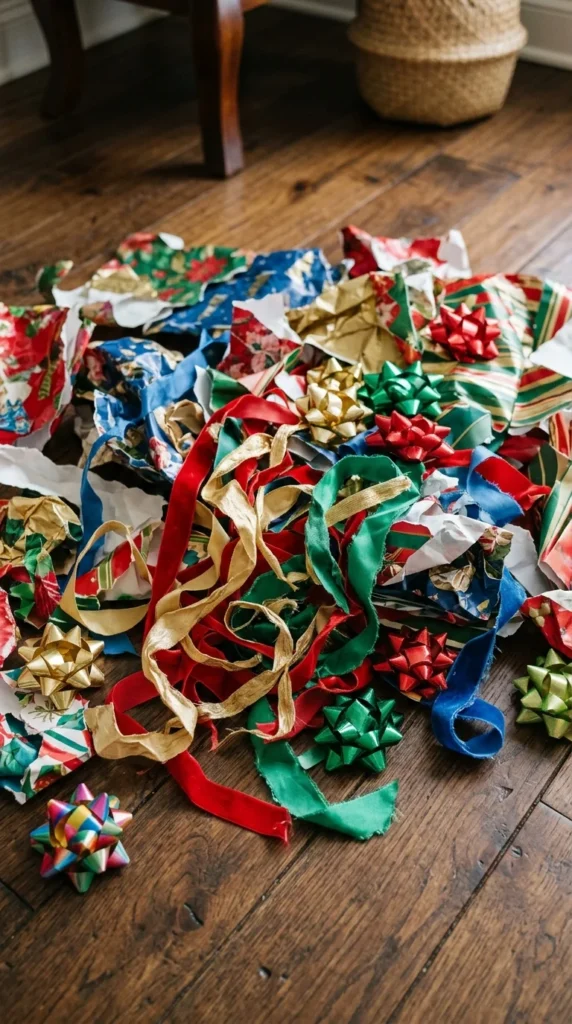
The aftermath of opening presents is a playground for pets, but it’s also a hazard. Dogs may swallow ribbons, strings, or plastic packaging, which can cause intestinal blockages. Some gift wraps and dyes can also be mildly toxic if ingested. Clear away all paper, ribbons, and ties immediately after the gifts are opened to keep the “wrapping paper buffet” closed.
12. Quiet Space

The holidays can be overwhelming for pets. The influx of strangers, loud music, and changes in routine can lead to significant stress and anxiety. Provide your pet with a “safe zone”—a quiet room or a crate in a low-traffic area where they can retreat when the festivities become too much. Equipping this space with their favorite toys, water, and a comfortable bed will help them feel secure.
13. Door Security
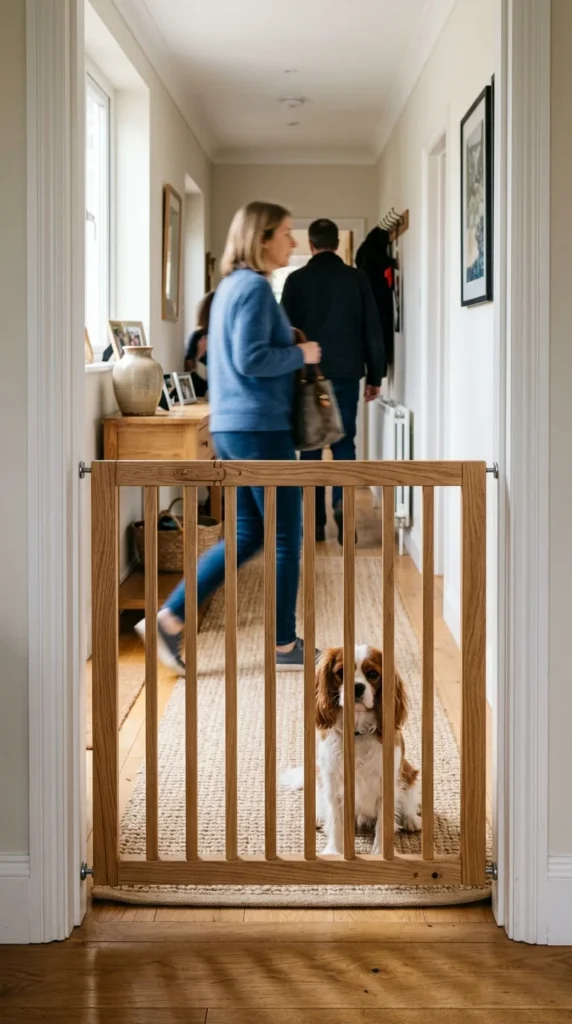
With guests arriving and departing, doors are constantly opening and closing. This provides the perfect opportunity for a nervous or excited pet to bolt outside. Ensure your pet is kept in a secure room or behind a pet gate when guests are arriving. Remind your visitors to be mindful of the door and to check for four-legged friends before stepping in or out.
14. Identification Tags
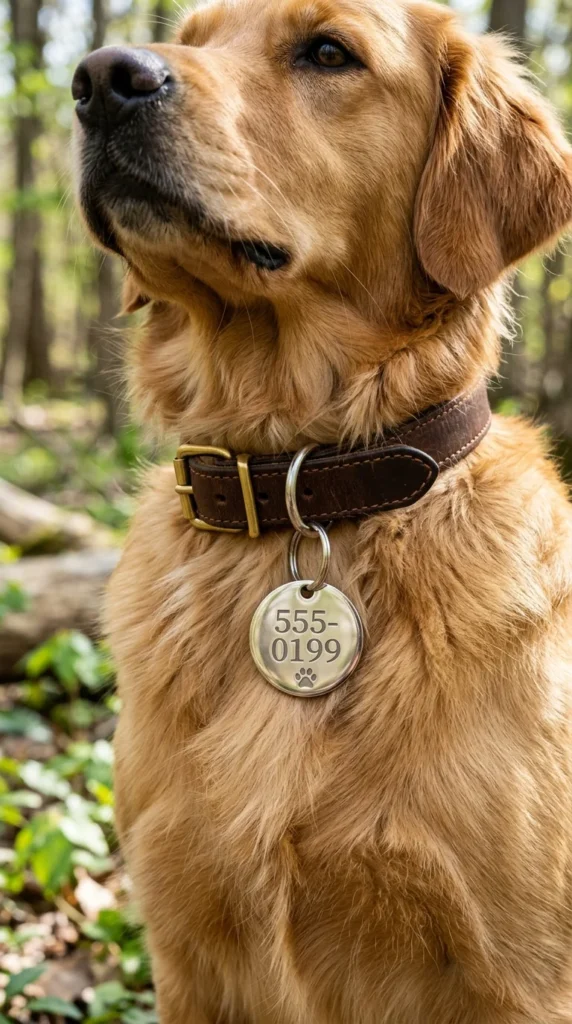
Accidents happen, and despite our best efforts, pets can sometimes slip out. The holidays are a critical time to ensure your pet’s identification is up to date. Verify that their collar has a tag with your current phone number and that their microchip information is accurate in the national database. A visible ID tag is the fastest way for a neighbor to return your pet if they get lost during a holiday gathering.
15. Holiday Outfits
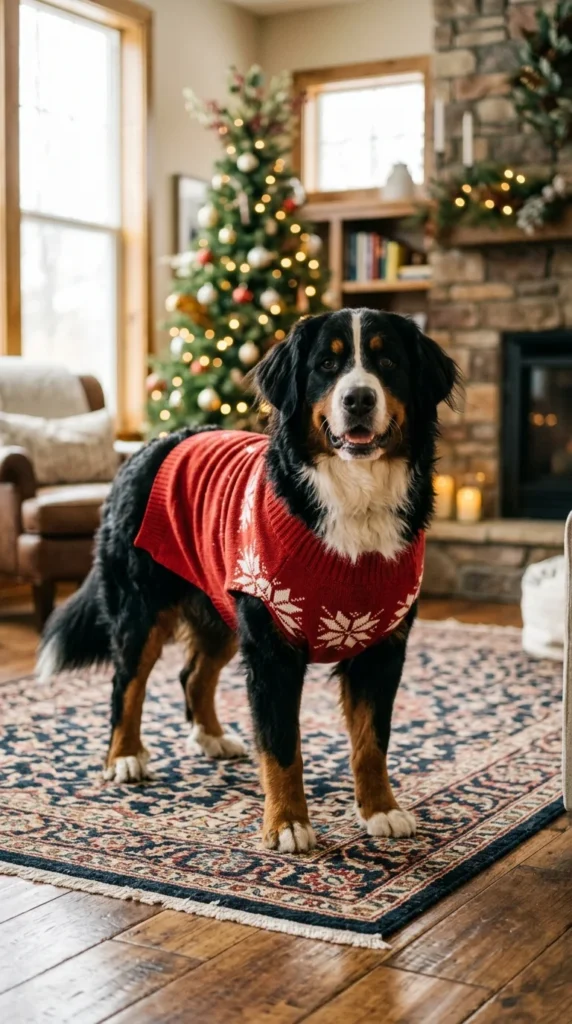
While pet sweaters and reindeer antlers make for adorable photos, they aren’t for every animal. Some pets find clothing stressful or physically restrictive. If you do dress up your pet, ensure the outfit fits well, doesn’t restrict movement, breathing, or sight, and doesn’t have small parts (like buttons or sequins) that could be chewed off and swallowed. Never leave a dressed-up pet unattended.
16. Potpourri Dangers

Liquid potpourri and essential oils used to scent the home can be dangerous. Liquid potpourri can cause severe chemical burns in a pet’s mouth if licked, and many essential oils are toxic to cats when inhaled or touched. If you want your home to smell like the holidays, use pet-safe simmer pots (like water with cinnamon sticks and orange peels) on the stove, but keep them out of reach.
17. Snow Melters

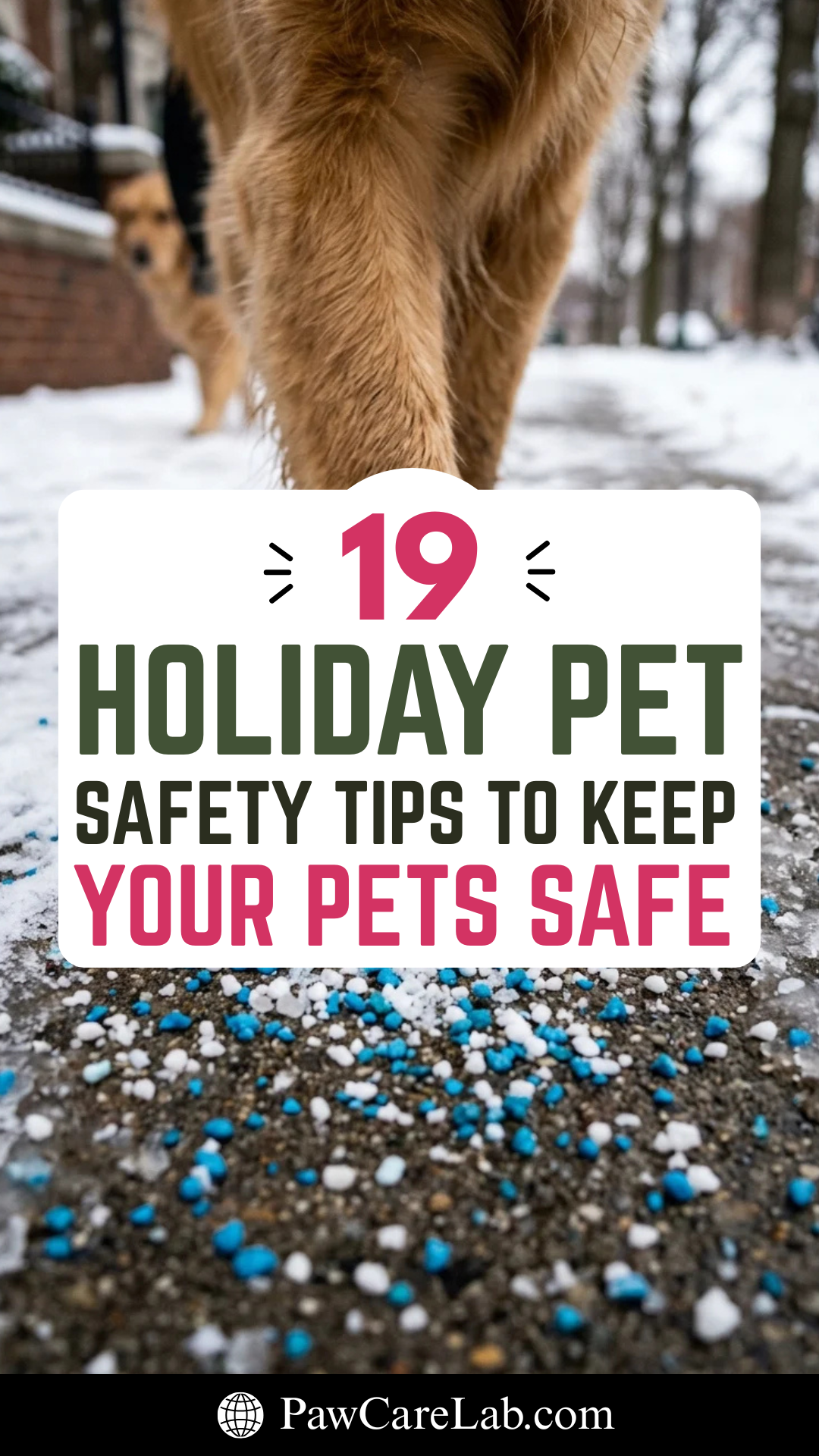
If you live in a cold climate, the salts and chemicals used to melt ice on sidewalks can be irritating to pet paws. More importantly, if a pet licks their paws after a walk, they can ingest these toxic chemicals. Use pet-safe ice melt on your own property, and always wipe your pet’s paws thoroughly with a damp cloth after they come inside from a winter walk.
18. Stress Management
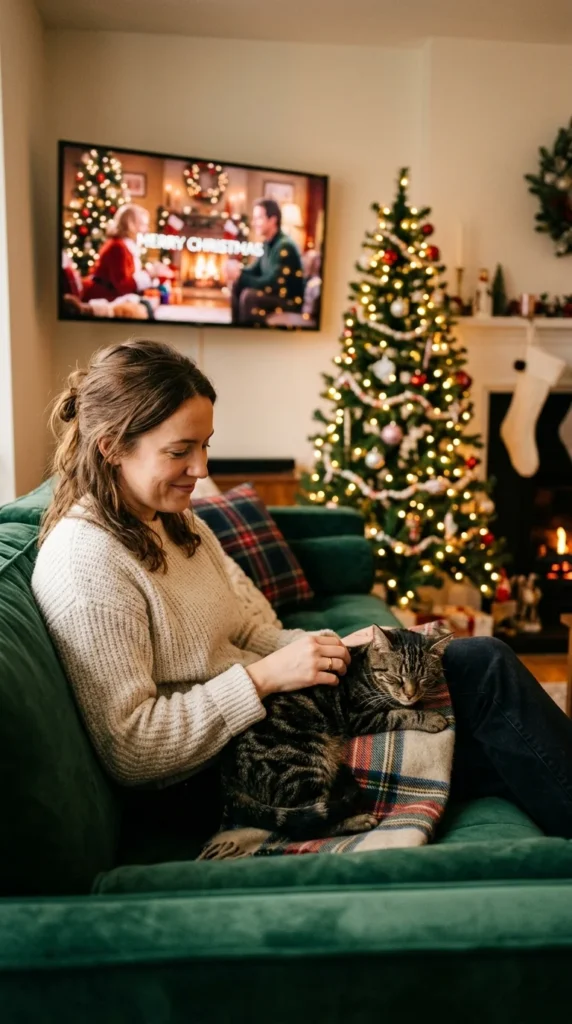
Pets thrive on routine, and the holidays throw routines out the window. Try to keep feeding and exercise schedules as consistent as possible. Spending just fifteen minutes of one-on-one time playing or cuddling with your pet can significantly lower their stress levels. If your pet is particularly prone to anxiety, consult your veterinarian about calming supplements or pheromone diffusers before the peak of the season.
19. Vet Contacts
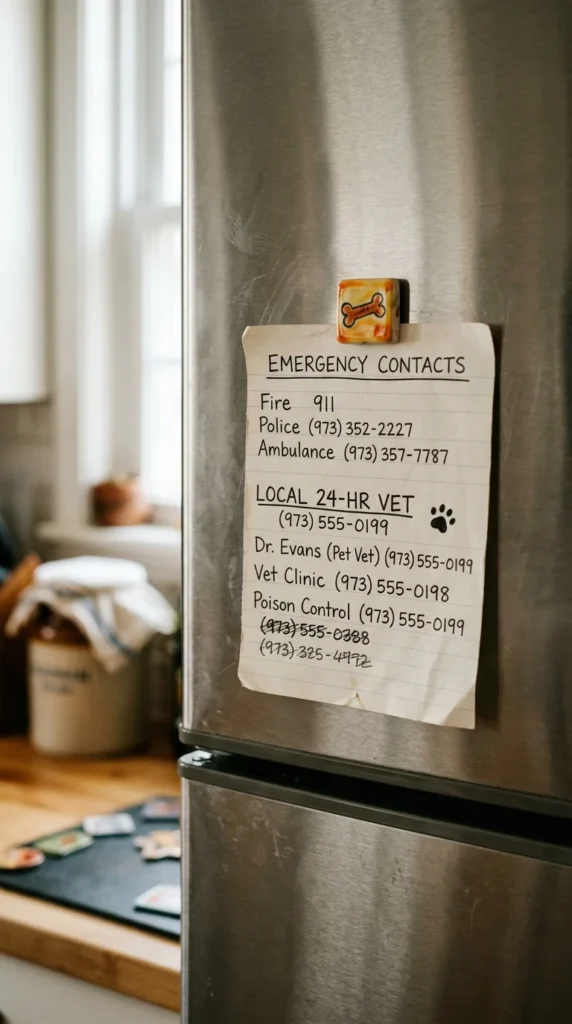
Preparation is the best defense. Before the holidays begin, look up the hours for your regular veterinarian and identify the nearest 24-hour emergency animal hospital. Keep their phone numbers and addresses in a prominent place, such as on the refrigerator or saved in your phone. Knowing exactly where to go in an emergency can save precious minutes when every second counts.