
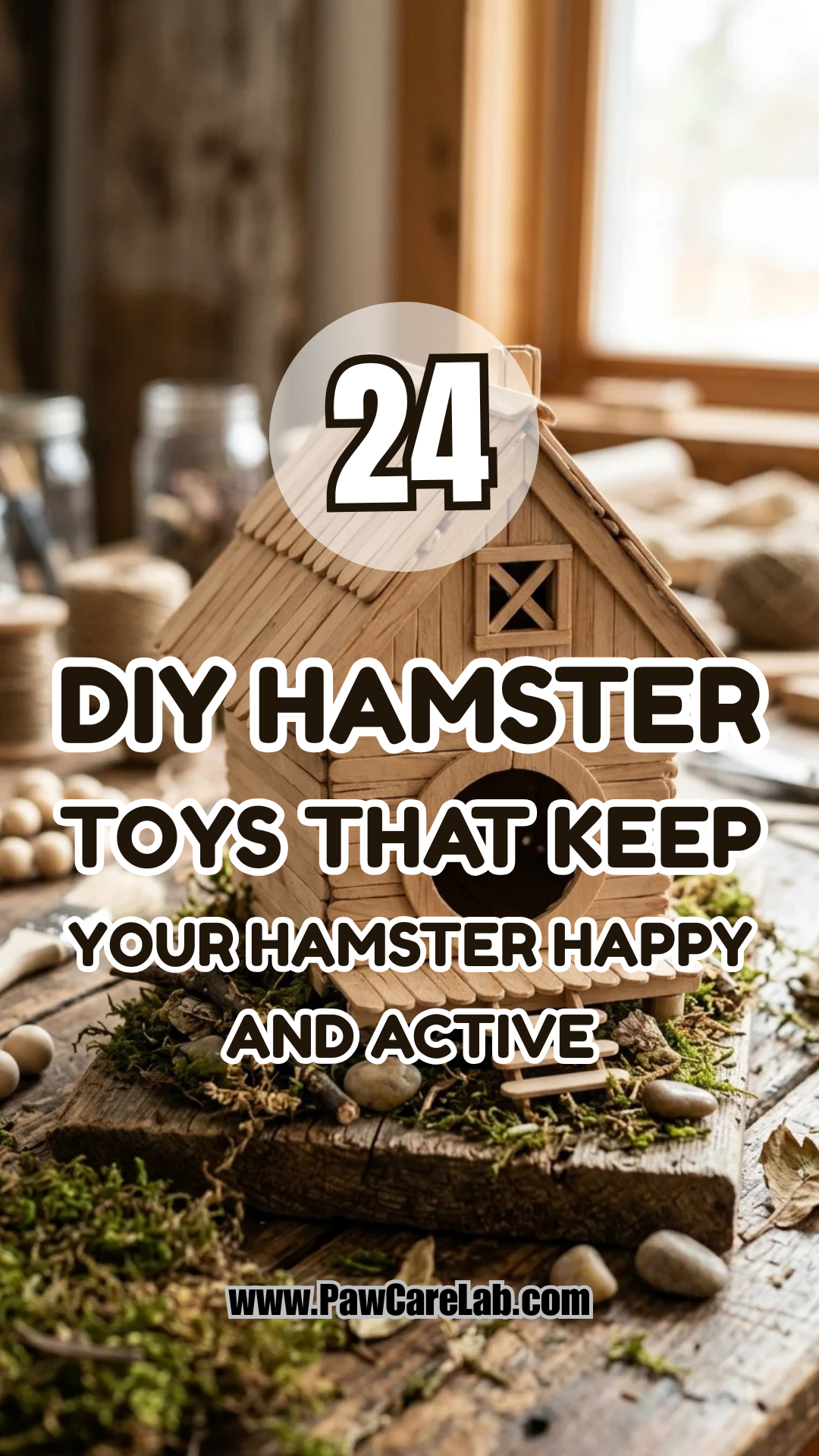
Hamsters are naturally energetic, curious creatures that require constant mental and physical stimulation to thrive. In the wild, they travel miles every night foraging for food. In a domestic setting, it is our responsibility to recreate that enrichment. You don’t need to spend a fortune at the pet store to keep your furry friend entertained. With a few household items and some creativity, you can build a paradise for your pet. Here are 24 DIY hamster toys that will keep your pet active, healthy, and happy.
1. Cardboard Maze
A cardboard maze is the ultimate boredom breaker. By connecting various small boxes and toilet paper rolls, you create a complex environment that mimics natural burrows. Hide treats in different “rooms” of the maze to encourage your hamster to use their sense of smell. Ensure you use non-toxic, solvent-free glue or child-safe school glue to keep the structure sturdy.
2. Toilet Paper Rolls
The humble toilet paper roll is a staple in hamster enrichment. You can leave them as they are for simple tunnels, or you can get creative. Fold the ends inward to create a “puzzle pill” filled with hay and seeds. The hamster will have to chew through the cardboard to reach the reward, providing both a snack and a dental workout.
3. Popsicle Stick House
Using plain, undyed popsicle sticks and non-toxic glue, you can build a custom-sized hideout. Hamsters love having multiple places to sleep and store their food stashes. You can create a multi-level mansion with ladders and balconies to encourage climbing. Just ensure there are no sharp glue drips or splinters.
4. Egg Carton Forager
Egg cartons are excellent for foraging activities. Place a few sunflower seeds or pieces of dried fruit in the cups, then cover them with some shredded tissue paper or substrate. Your hamster will have to dig through the layers to find the hidden treasures, keeping them occupied for a significant amount of time.
5. Walnut Treat Shell
Next time you enjoy walnuts, save the shells. Thoroughly clean the interior and stuff it with a mix of safe seeds and a tiny bit of flour-and-water “glue” to hold them in. The hard shell provides a great surface for the hamster to gnaw on, which is essential for keeping their constantly growing teeth at a healthy length.
6. Vegetable Kebab
While you can buy metal kabobs, you can easily make a safe version using hemp string. Thread pieces of hamster-safe vegetables like bell peppers, cucumbers, and carrots onto the string and hang it from the top of the cage. This forces the hamster to stand on its hind legs and stretch, providing a gentle workout while they eat.
7. Coconut Hideout

A coconut shell is a durable, natural, and aesthetic addition to any cage. After eating the coconut meat, boil the shell to sterilize it. Sand down the edges of the entry hole until they are perfectly smooth. These are particularly great because they are moisture-resistant and provide a cool place for hamsters to retreat during warmer months.
8. Tissue Box Tunnel
Empty tissue boxes make for excellent temporary tunnels and nesting spots. Be sure to remove the plastic film around the opening first, as this can be a choking hazard if swallowed. You can link several boxes together with cardboard tubes to create a sprawling underground network across the bottom of the enclosure.
9. Sand Bath Container

Hamsters don’t bathe in water; they use sand to strip excess oils from their fur. You can repurpose a glass casserole dish or a sturdy plastic container as a sand bath. Ensure the sides are low enough for the hamster to climb in and out easily. Use heat-treated children’s play sand or specific reptile sand without added calcium or dyes.
10. Seesaw Bridge
You can build a simple seesaw using a flat piece of kiln-dried pine and a small wooden dowel or a PVC pipe segment. This toy helps with balance and adds a dynamic element to their playtime. Watching a hamster figure out the shifting weight of the seesaw is also highly entertaining for the owner.
11. Dig Box

Hamsters are natural burrowers. A “dig box” filled with a different substrate than their main bedding—such as coco peat, cork granules, or sterilized soil—provides a new sensory experience. This encourages natural digging behaviors and helps keep their claws trimmed as they scratch through the medium.
12. Braided Fleece Rope
If you have old fleece blankets, cut them into strips and braid them tightly together. These ropes can be strung across the cage to act as climbing structures. Unlike cotton or wool, fleece does not fray into dangerous long threads that can wrap around a hamster’s limbs, making it a much safer fabric choice for DIY toys.
13. Willow Branch Chews
Willow is safe for hamsters to chew on and contains nutrients that are beneficial for them. Collect fresh willow branches (ensure they haven’t been sprayed with pesticides), bake them in a low oven to kill any bugs, and tie them into bundles. The varying textures of the bark will keep your hamster engaged for hours.
14. Stuffed Paper Bags

Take a small brown paper bag, fill it with hay and a few high-value treats, and scrunch the top shut. Your hamster will enjoy the crinkling sound of the paper and the challenge of ripping the bag open to get to the contents. This is a great “low-effort” toy that provides high engagement.
15. Cardboard Castle
For those who are more artistically inclined, a multi-story cardboard castle can be a centerpiece for the enclosure. Use multiple boxes to create towers and connecting walkways. This encourages vertical movement and provides plenty of space for the hamster to hide their food caches in different “rooms.”
16. Bamboo Skewer Ladder
By using thick bamboo skewers (with the sharp points removed) and some non-toxic glue, you can create ladders to help your hamster reach higher platforms. Bamboo is very hard and durable, meaning it will stand up to even the most aggressive chewers.
17. Terracotta Pot Hide
Terracotta pots are inexpensive and provide a fantastic cooling spot. In the summer, you can even mist the outside of the pot with water; the evaporation will keep the inside of the pot chilled. Ensure the pot is clean and has no sharp cracks before placing it in the cage.
18. Cereal Box Lookout
Empty cereal boxes can be transformed into “lookout towers.” Cut holes at various heights and place the box vertically in the cage. Hamsters love to climb up and peek out of the holes to survey their kingdom. Just make sure the box is stable and won’t tip over while the hamster is inside.
19. Paper Mache Igloo
You can make a custom hideout using the paper mache technique. Instead of glue, use a mixture of flour and water, and use plain white toilet paper or paper towels instead of newspaper (to avoid toxic ink). Use a balloon as a mold, let the paper dry into a hard shell, then pop the balloon and cut an entrance.
20. Herb-Stuffed Tube
Take a cardboard tube and pack it tightly with dried herbs like parsley, dandelion, and marigold. This creates a “scent-based” toy. The hamster will spend a lot of time pulling the herbs out, which stimulates their foraging instincts and provides a healthy, fragrant snack.
21. Cork Bark Climber

Natural cork bark is lightweight and has a very rough texture, making it perfect for climbing. You can find large pieces at reptile shops or online. Lean a piece against a platform to create a natural-looking ramp. The crevices in the bark are also perfect for hiding small seeds for the hamster to find.
22. Fruit Tree Twigs

Twigs from apple, pear, or cherry trees are safe and tasty for hamsters. These provide a different flavor profile than willow or cardboard. Always ensure the wood is “cured” (dried out) and free from any chemical treatments. Chewing on these helps keep the hamster’s incisors sharp and healthy.
23. Balsa Wood Blocks

Balsa wood is incredibly soft and easy for hamsters to destroy. While it won’t last long, the satisfaction they get from shredding the wood is immense. You can buy balsa blocks at craft stores; just ensure they are untreated. You can drill small holes in them and hide seeds inside to make them even more enticing.
24. Hemp String Swing
For a hamster that enjoys a bit of a challenge, a small swing can be a fun addition. Suspend a flat piece of wood or a sturdy piece of cardboard using thick hemp rope. Place it low to the ground so the hamster can easily hop on and off. This provides a moving surface that helps improve their core strength and coordination.