
Birds are incredibly intelligent, social, and active creatures. In the wild, they spend the majority of their day foraging for food, navigating complex environments, and socializing with their flock. When we bring them into our homes, it is our responsibility to provide them with the same level of mental and physical stimulation. Boredom in birds can lead to destructive behaviors, such as feather plucking, screaming, or lethargy.
Commercial bird toys can be expensive, and let’s be honest—some birds can destroy a twenty-dollar toy in less than twenty minutes. This is where DIY bird toys come in. Not only are they cost-effective, but they also allow you to customize the play experience to your bird’s specific preferences. Whether your bird is a “shredder,” a “forager,” or a “clinger,” there is a DIY project on this list for them.
1. Cardboard Tubes
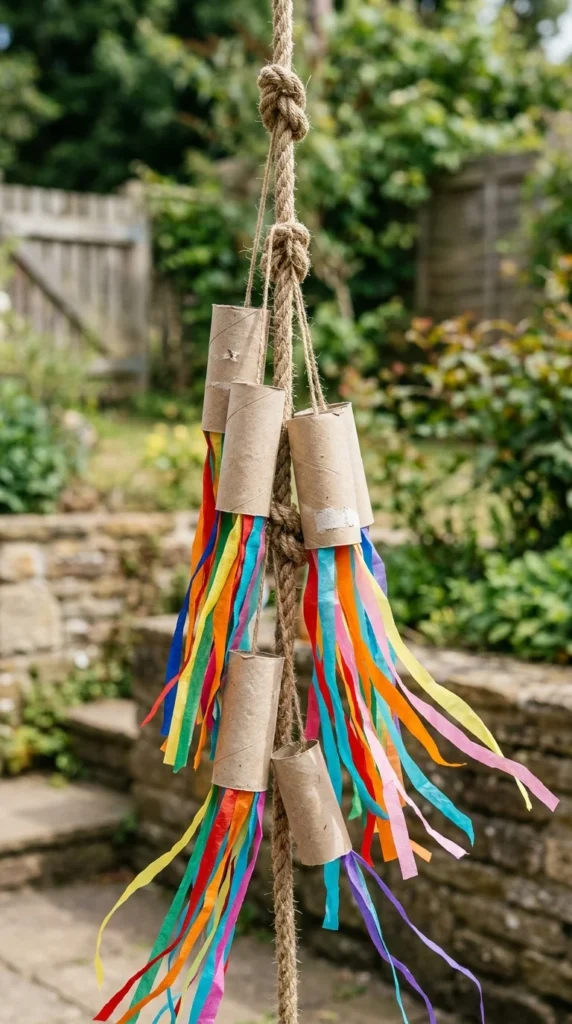
Cardboard tubes from paper towels or toilet paper are the gold standard of DIY bird toy materials. They are easy to find, free, and incredibly versatile. For birds that love to shred, simply hanging a tube in the cage provides hours of entertainment. To make it more complex, poke holes in the sides and thread strips of paper or palm leaves through them. You can also fold the ends of the tube inward to create a “pillow” box, hiding a few sunflower seeds or a nut inside to turn it into a foraging puzzle.
2. Paper Fans
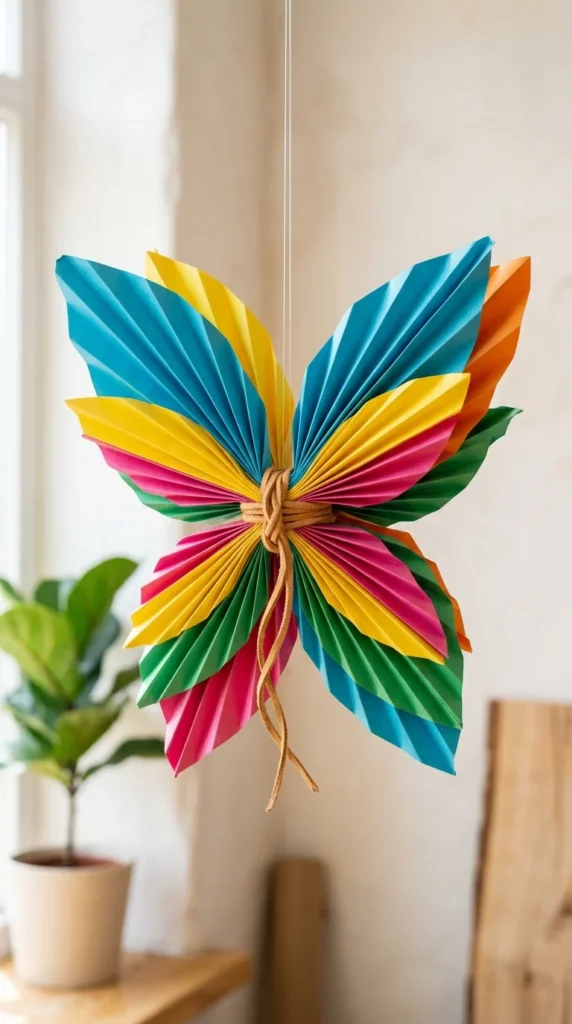
Many birds, especially smaller species like budgies and cockatiels, love the texture of paper. To create a paper fan toy, take several sheets of bird-safe, dye-free paper (or paper dyed with food coloring) and fold them accordion-style. Tie the center tightly with a piece of hemp or sisal twine and fan out the edges. The resulting shape is a “pom-pom” of paper that is irresistible to birds who enjoy preening and picking at soft textures.
3. Plastic Bottles
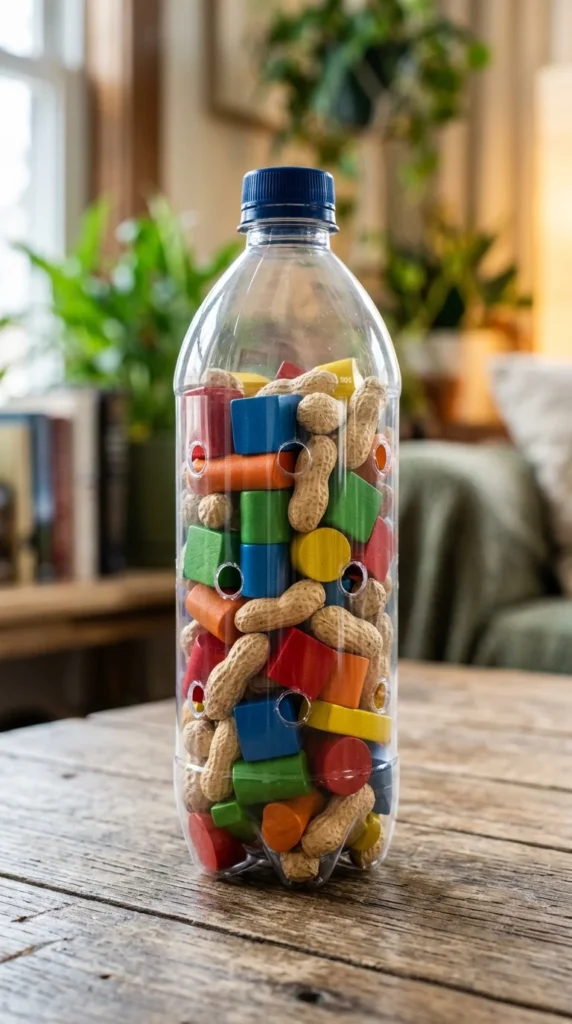
For larger birds like African Greys or Macaws, a plastic bottle can serve as a durable “shaker” or foraging toy. Ensure the bottle is thoroughly cleaned and the plastic ring around the neck is removed. Drill several holes slightly larger than the treats you intend to use. Fill the bottle with dry pasta, beads, or nuts. Your bird will have to roll and tilt the bottle to get the prizes to drop through the holes, providing excellent cognitive exercise.
4. Woven Straws
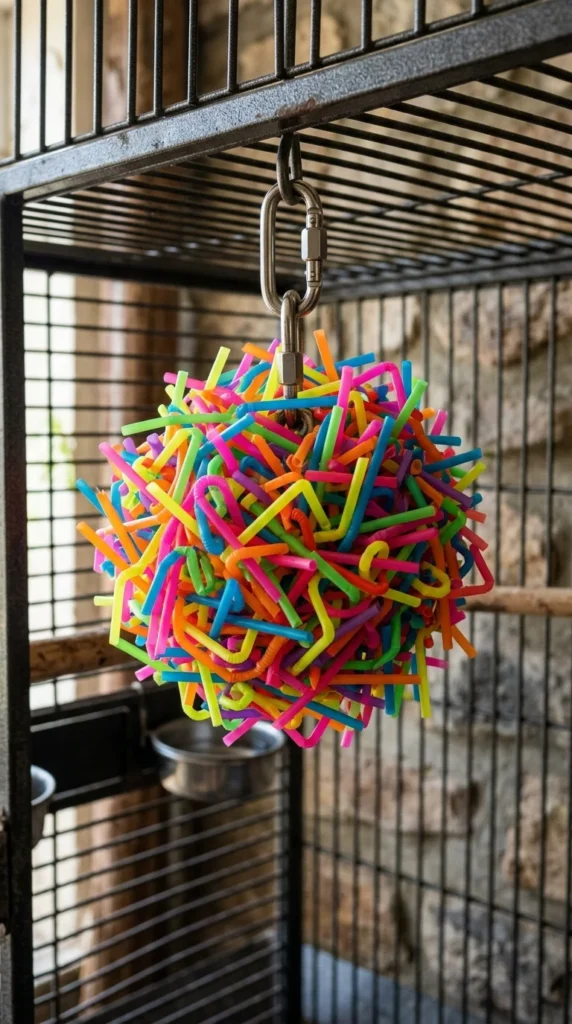
Plastic drinking straws are fantastic for birds that like “crunchy” textures. You can create a “straw star” by taking a handful of straws, tying them tightly in the middle with a zip tie (trimmed flush so there are no sharp edges), and letting the ends flare out. Alternatively, you can weave straws together to create a flat mat or a ball. The bright colors and the sound they make when chewed are highly stimulating for curious parrots.
5. Foraging Boxes
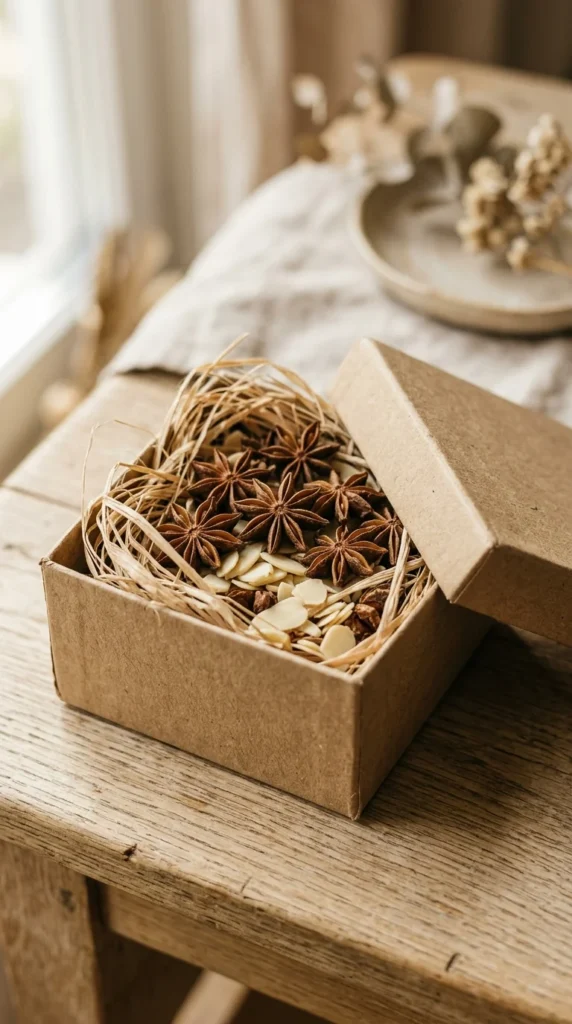
Foraging is a natural behavior that should be encouraged daily. Take any small, clean cardboard box—like a tea box or a small shipping box—and fill it with “treasure.” This can include wooden beads, crumpled paper, dried herbs, and a few high-value treats. Tape the box shut with bird-safe paper tape or simply fold the flaps tightly. Your bird will have to chew through the cardboard to reach the rewards inside, simulating the act of searching for food in tree hollows.
6. Wooden Spools
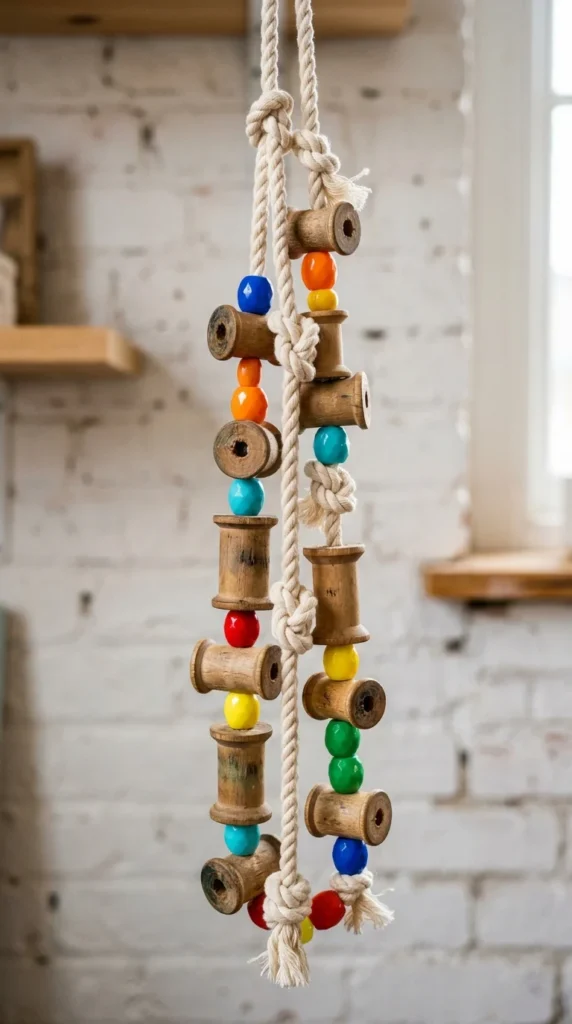
Wooden spools are excellent for birds that love to chew on hard surfaces to keep their beaks trim. You can buy untreated wooden spools in bulk from craft stores. String them onto a sturdy rope or a stainless steel chain. To make it more interesting, you can dye the wood using vegetable juice or food coloring. Birds love the weight and the “clacking” sound the wood makes as they swing the toy around.
7. Cuttlebone Holders
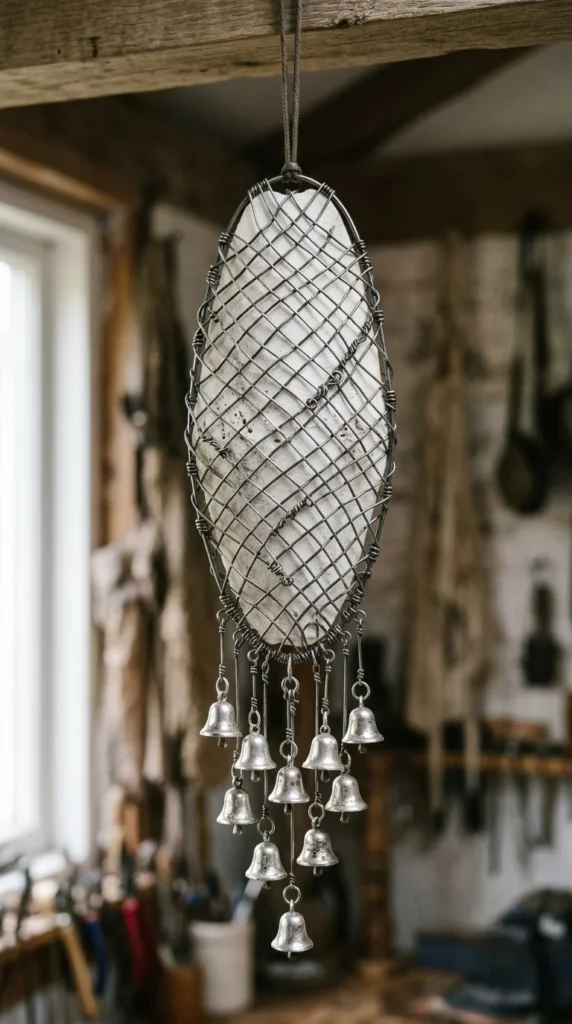
Cuttlebones are essential for calcium, but they often end up dropped at the bottom of the cage or soiled. You can create a DIY holder by weaving a “basket” out of bird-safe wire or sisal rope. This keeps the cuttlebone upright and accessible. Adding a few beads or a small bell to the holder turns a dietary supplement into a functional toy that encourages the bird to spend more time grooming its beak.
8. Vegetable Skewers
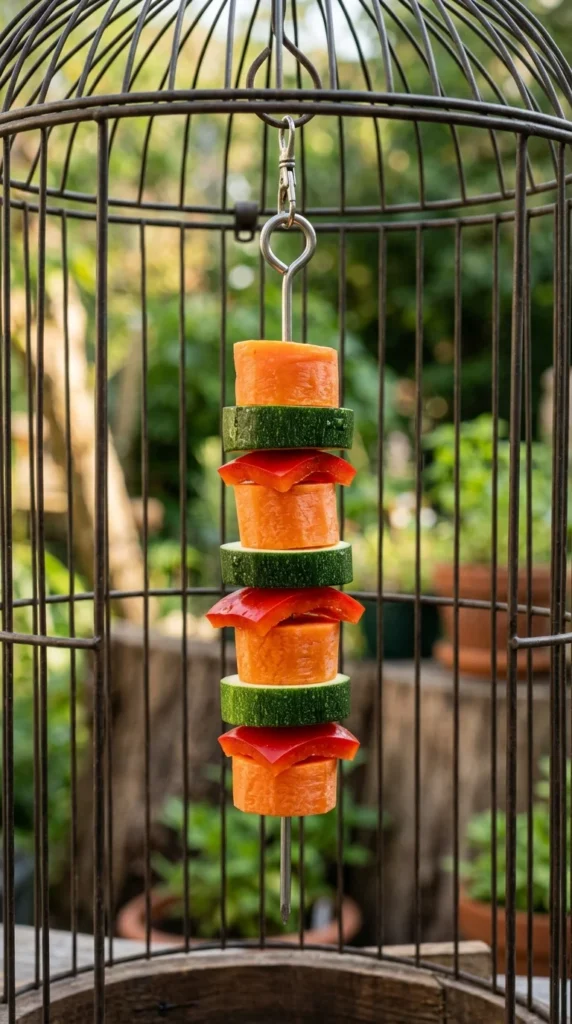
This is the ultimate combination of snack time and playtime. Using a stainless steel bird skewer (available at pet stores or easily made with heavy-gauge stainless wire), thread various bird-safe fruits and vegetables. Use firm items like corn on the cob chunks, carrot slices, and apple wedges. Hanging the food makes the bird work for its meal, turning eating into a physical activity that involves balance and coordination.
9. Bead Ladders
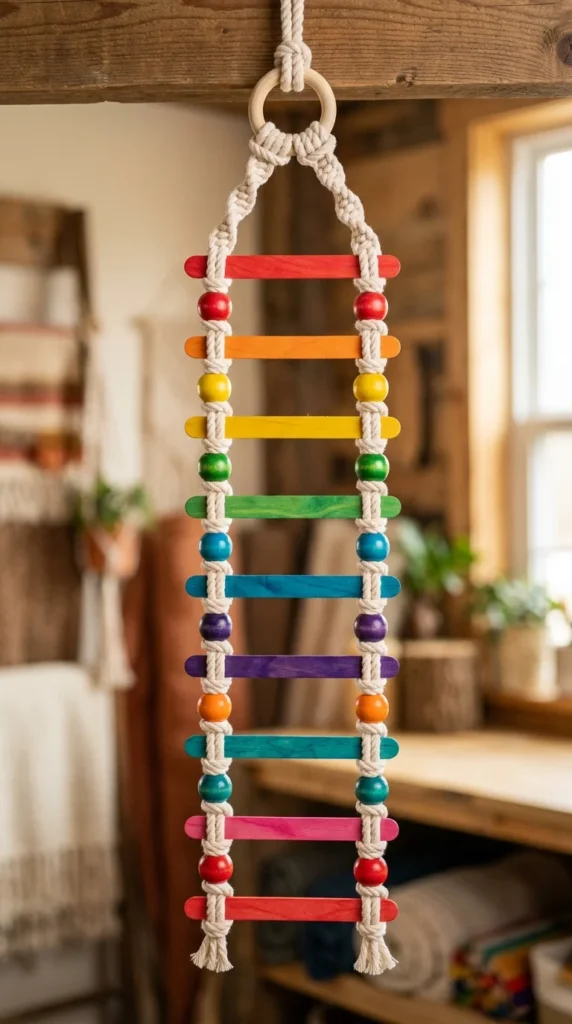
Ladders provide great exercise for a bird’s feet and legs. You can make a DIY version by drilling holes in the ends of popsicle sticks or small dowels. Thread a rope through the holes, tying a knot under each “rung” to keep it in place. Add large, colorful beads between the rungs for extra visual appeal. This toy is especially good for birds that like to climb the sides of their cage.
10. Cupcake Liners
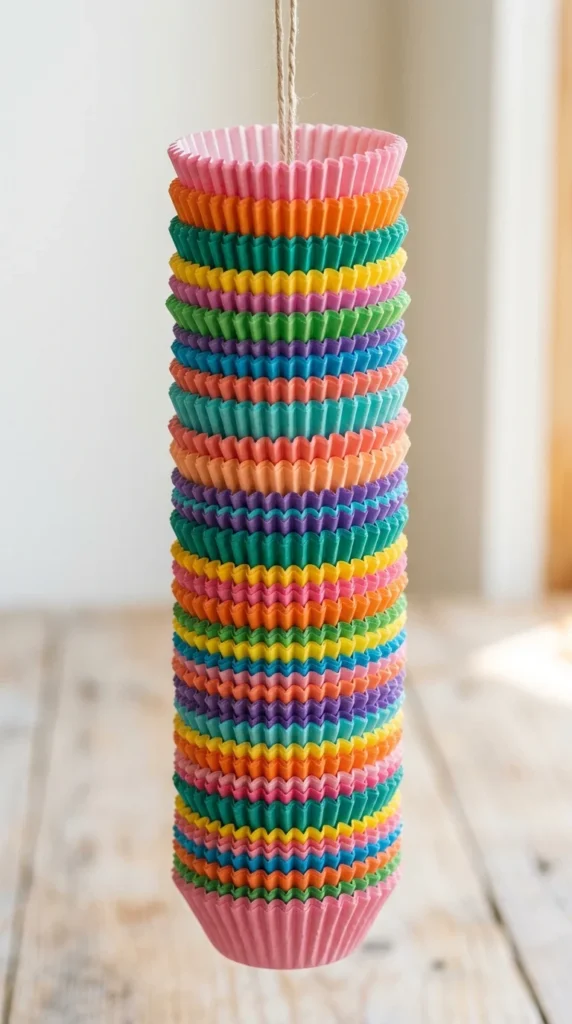
Paper cupcake liners are thin and easy to destroy, making them perfect for smaller birds or birds that are intimidated by tougher materials. Take a stack of 20-30 liners and poke a hole through the center of each. String them onto a piece of leather or twine, fluffing them out as you go. The result is a soft, multi-layered toy that is perfect for “over-preeners” to focus their energy on.
11. Finger Traps
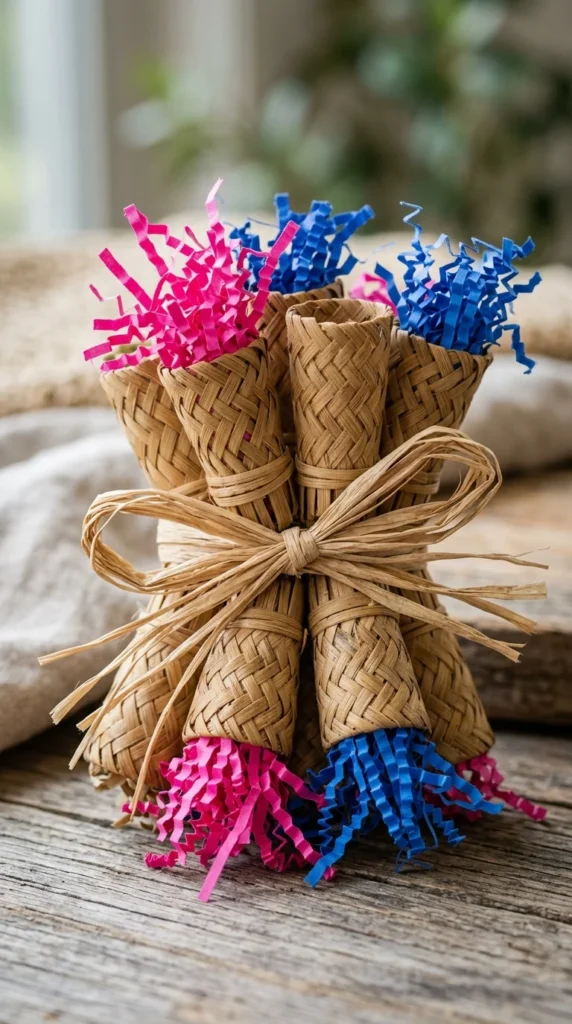
Bamboo finger traps are a favorite among bird enthusiasts. They are made of natural fibers and have a wonderful texture. You can stuff the ends of the traps with treats or shredded paper. Tie five or six traps together in a bundle and hang them from the top of the cage. They are easy for birds to grip with their feet while they work on extracting the goodies hidden inside.
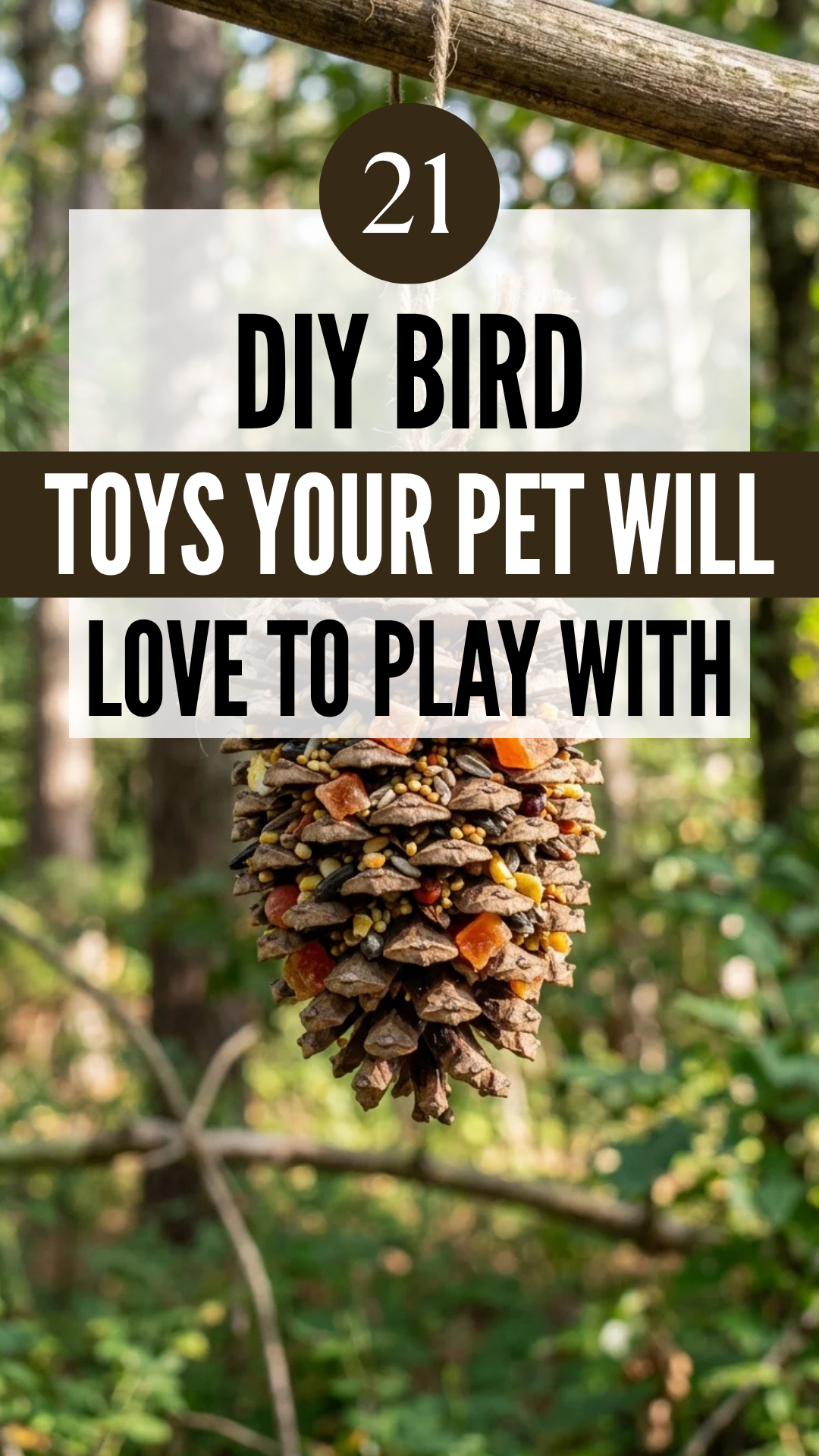
12. Pine Cones
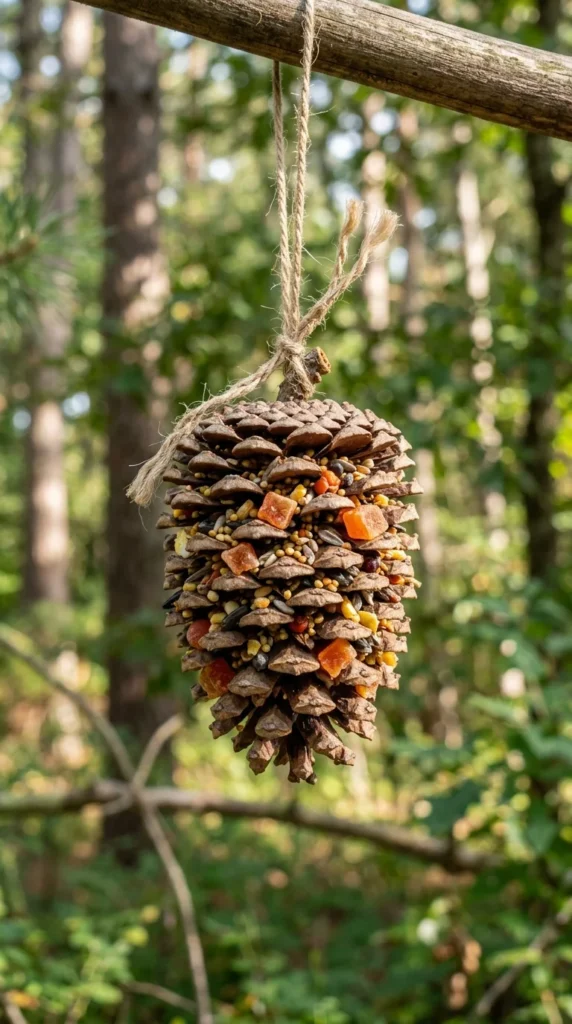
Pine cones offer a fantastic natural texture. Before using them, ensure they are “clean”—bake them in the oven at a low temperature (around 200°F) for 20 minutes to kill any bugs and melt away excess sap. Once cooled, you can wedge seeds, nuts, or even small pieces of fruit into the scales of the cone. Birds love the challenge of picking the seeds out of the nooks and crannies.
13. Loofah Slices
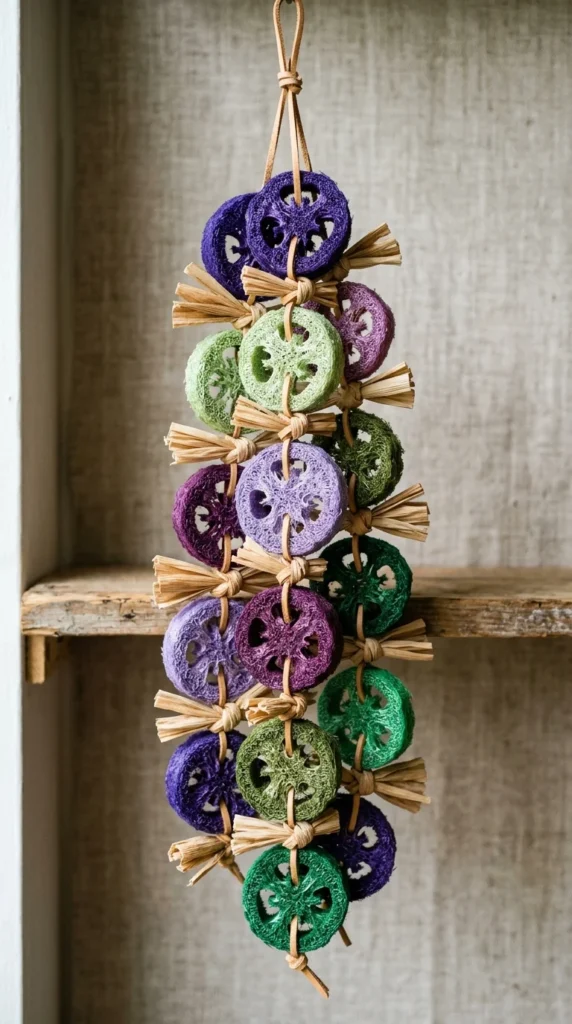
Natural loofah (the dried fruit of the luffa plant) is a spongy, fibrous material that many parrots find satisfying to crunch. You can buy whole dried loofahs, slice them into “coins,” and string them together. They are lightweight, making them perfect for “foot toys”—toys that the bird holds in its claw rather than playing with while they are hanging.
14. Rope Swings
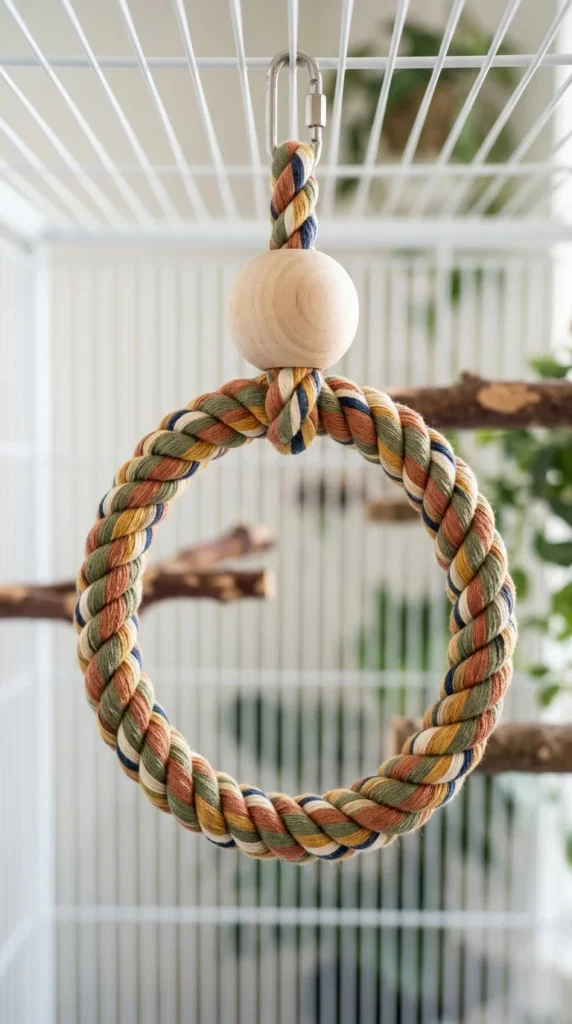
Swings are vital for developing a bird’s sense of balance. You can make a simple rope swing by taking a length of thick cotton or sisal rope, forming a loop, and securing the ends to the top of the cage with a carabiner or quick-link. For added stability, you can slide a piece of PVC pipe or a thick wooden dowel onto the bottom of the loop to act as a sturdy perch.
15. Egg Cartons
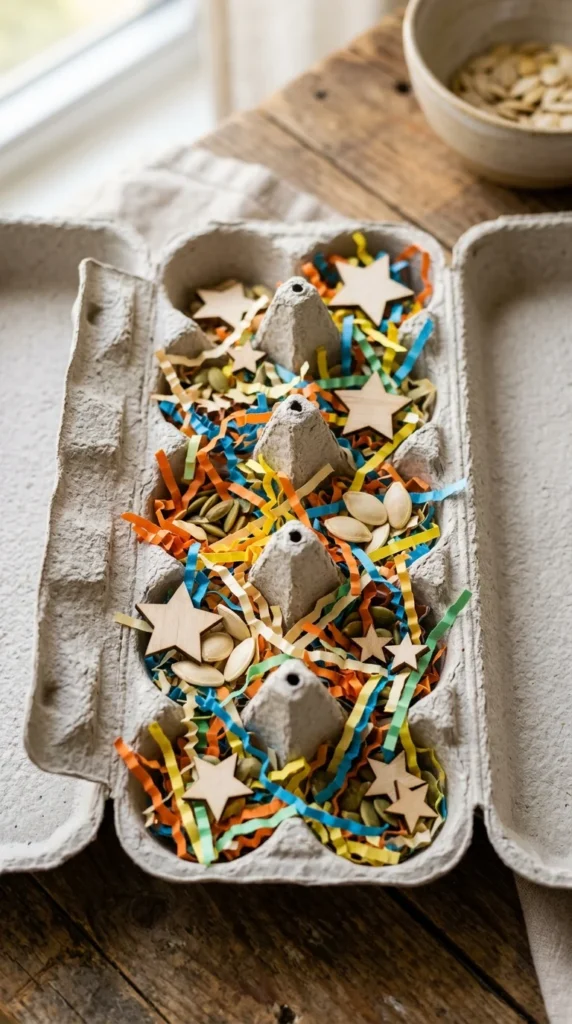
Empty cardboard egg cartons are foraging goldmines. You can place a different surprise in each of the twelve wells. Close the lid and tie it shut with some twine. To make it harder, you can hang the egg carton vertically so the bird has to cling to the side while trying to open the compartments. It’s a great way to recycle and keep your bird busy for an entire afternoon.
16. Plastic Rings
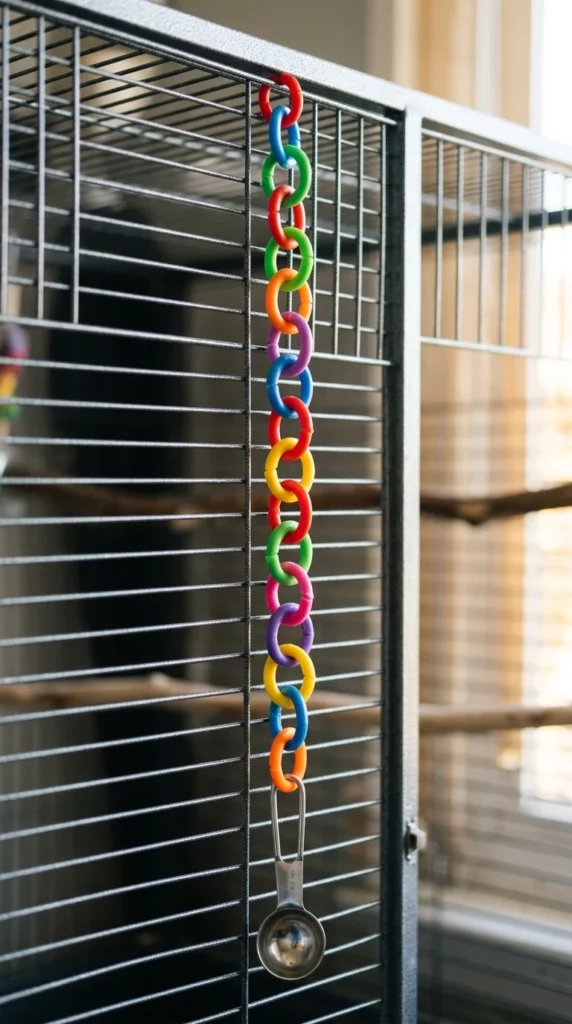
Interlocking plastic rings (often sold as baby toys) are wonderful for birds. They are easy to clean and can be rearranged constantly to keep things fresh. You can hang other toys from the bottom of a ring chain, or simply let the bird enjoy the “clinking” sound as they move the rings along the bars of the cage. Ensure the rings are made of hard, non-toxic plastic that the bird cannot easily bite through.
17. Popsicle Sticks
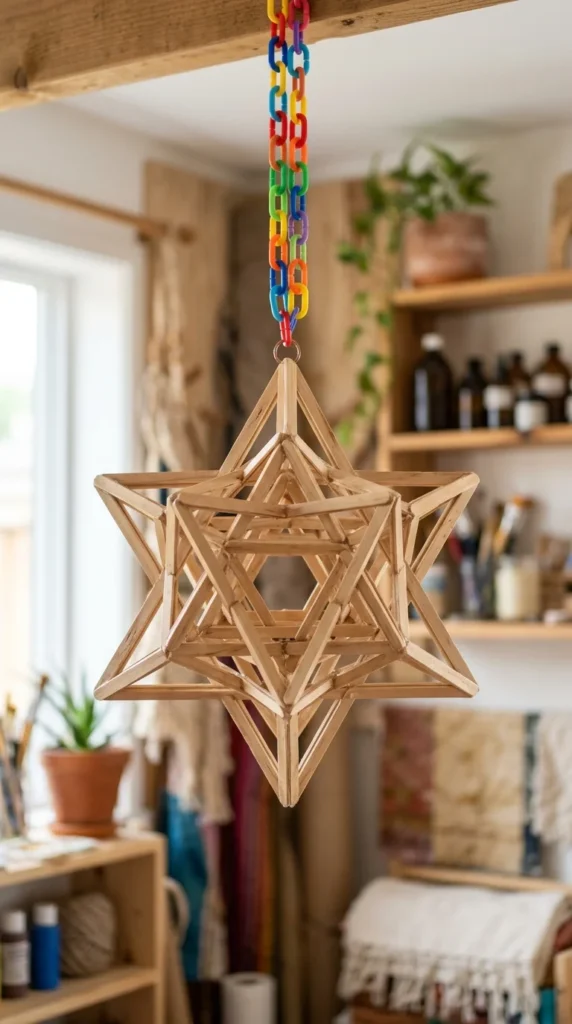
Popsicle sticks (or craft sticks) are cheap and come in various sizes. You can drill holes in them and string them together, or use non-toxic, bird-safe glue to build structures like small houses or “rafts.” Birds love to peel the layers of wood apart. For a quick toy, just wedge a few sticks between the cage bars—your bird will likely spend the next hour trying to pull them through and chew them up.
18. Coconut Shells
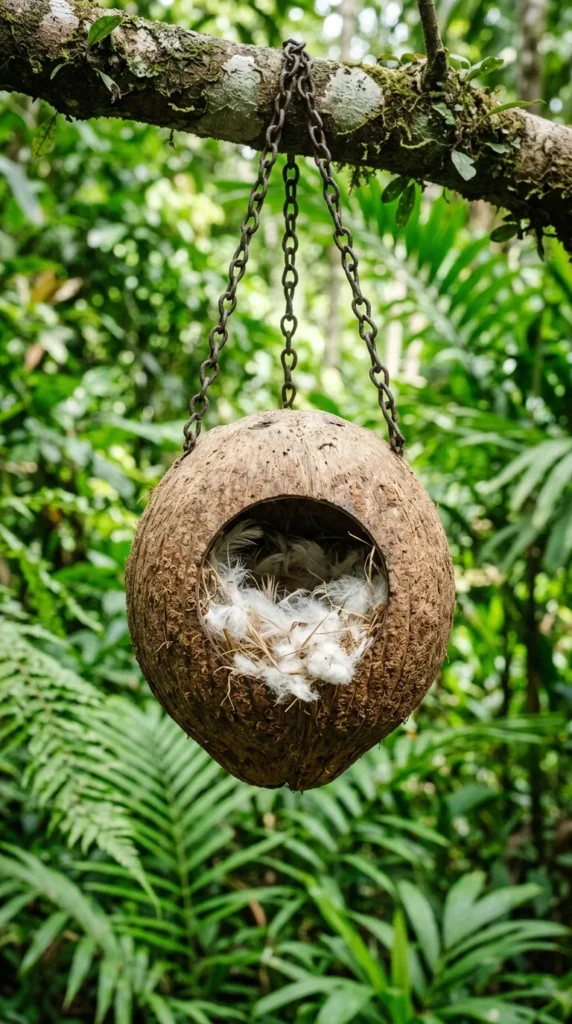
Coconut shells are incredibly durable and provide a naturalistic feel to a cage. After enjoying the coconut meat, thoroughly clean the shell and drill a large entry hole. You can use the shell as a “treasure chest” by filling it with toys, or as a cozy hiding spot for smaller birds. The rough exterior is also great for birds to rub their beaks against.
19. Basket Foragers
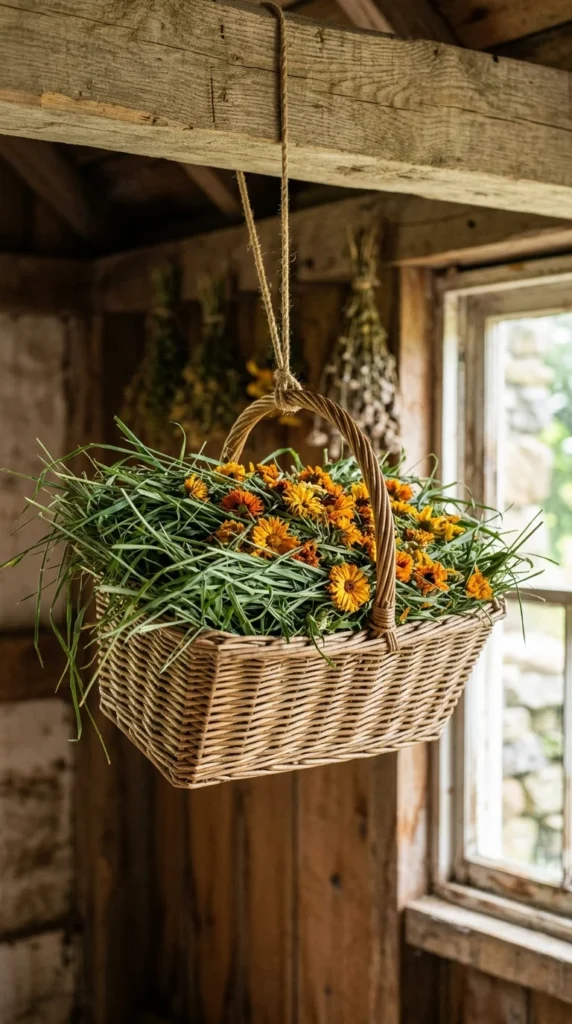
Small, untreated wicker or seagrass baskets make excellent foraging bases. You can fill them with anything from shredded paper to fresh greens. Hang the basket at an angle so the bird has to reach in and dig. Because the basket itself is made of natural fibers, your bird will likely enjoy destroying the “container” just as much as the contents.
20. Leather Strips
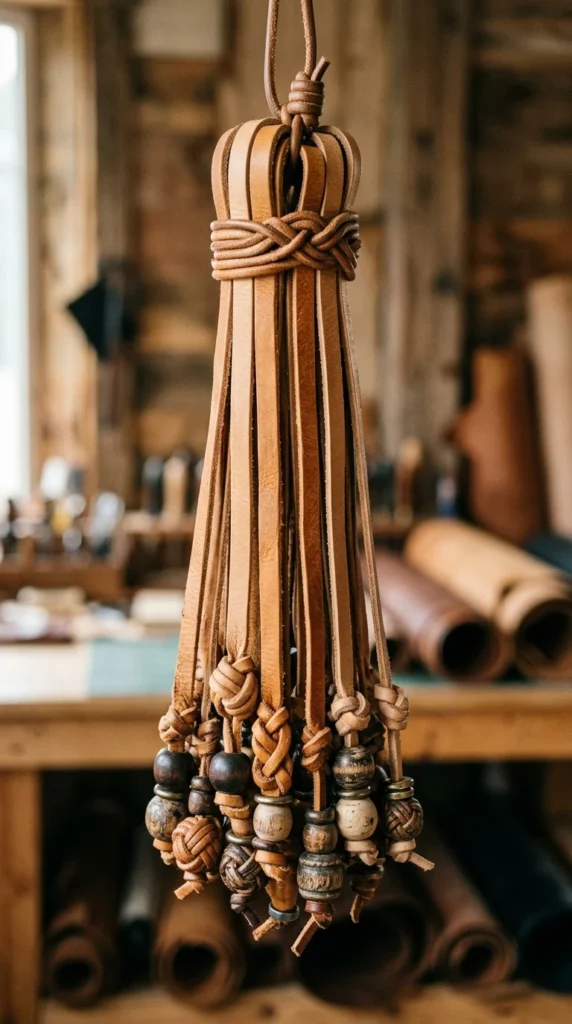
Vegetable-tanned leather is a safe and satisfying material for birds that like to chew and tug. Cut the leather into thin strips and tie them into a series of complex knots. You can also “fringe” the ends of the leather to give it more texture. This is a particularly good toy for birds that have a habit of chewing on their owners’ shoes or belts, as it provides a safe alternative.
21. Tennis Balls
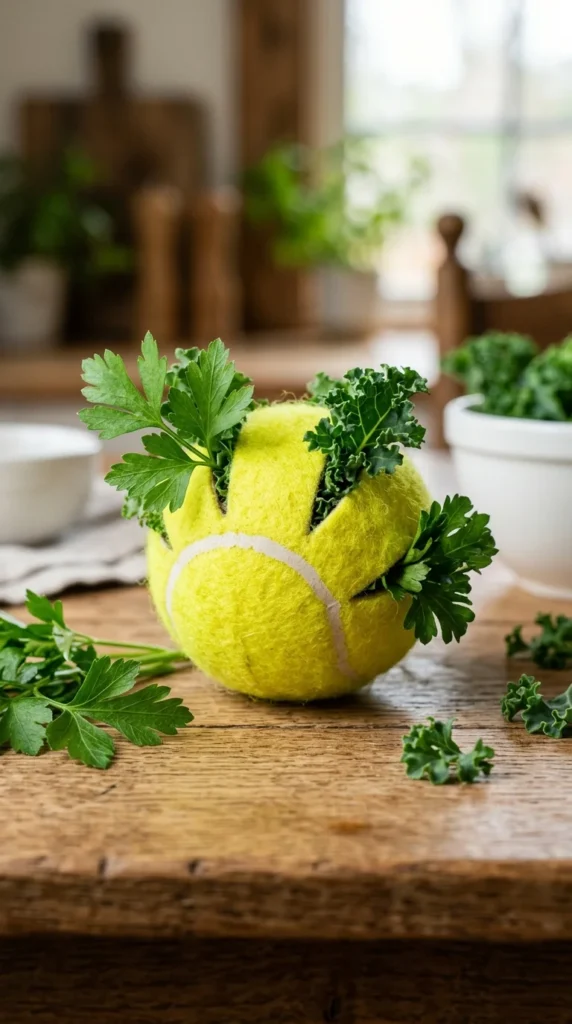
A tennis ball can be transformed into a unique “greenery holder.” Cut several deep slits into the ball and tuck fresh herbs, spinach, or kale into the gaps. The weight of the ball makes it a fun “punching bag” for larger birds, and they will enjoy the challenge of extracting the leafy treats from the rubbery core. (Always supervise play with tennis balls to ensure the bird isn’t consuming the yellow felt).
Safety First: A Note for Bird Owners
While DIY toys are a fantastic way to bond with your bird and save money, safety should always be your top priority. When crafting, keep the following rules in mind:
- Avoid Toxic Metals: Only use stainless steel or nickel-plated hardware. Avoid zinc, lead, and copper, which are highly toxic to birds.
- Non-Toxic Adhesives: If you use glue, ensure it is a non-toxic, water-based formula. Whenever possible, use knots or mechanical fasteners instead.
- Check for Entanglement: Be wary of long loops of string or frayed rope, as birds can get their necks or feet caught. Trim any frayed edges daily.
- Supervise New Toys: Always watch your bird play with a new toy for the first time to see how they interact with it and ensure they aren’t trying to swallow non-food parts.
- Natural Materials: Ensure any wood, branches, or pine cones are from “safe” tree lists (like apple, pear, or elm) and haven’t been treated with pesticides.
By rotating these toys in and out of the cage, you can provide your feathered friend with a constantly changing environment that keeps their mind sharp and their spirit happy!