

Finding the right dog trainer is one of the most important decisions you will make as a pet parent. Whether you’ve just brought home a wiggly puppy who thinks your shoes are chew toys, or you’re living with an adult dog who has developed a sudden habit of barking at the mailman, professional guidance can transform your relationship. Training isn’t just about “fixing” a dog; it’s about building a language that both you and your canine companion can understand.
However, the dog training industry is largely unregulated, meaning anyone can put on a whistle and call themselves a trainer. This makes the search process slightly more complex than just picking the first name that pops up on a map. To ensure your dog is safe, happy, and learning effectively, you need a strategic approach. Here are 12 essential steps to help you find the best dog training near you.
1. Defined Goals
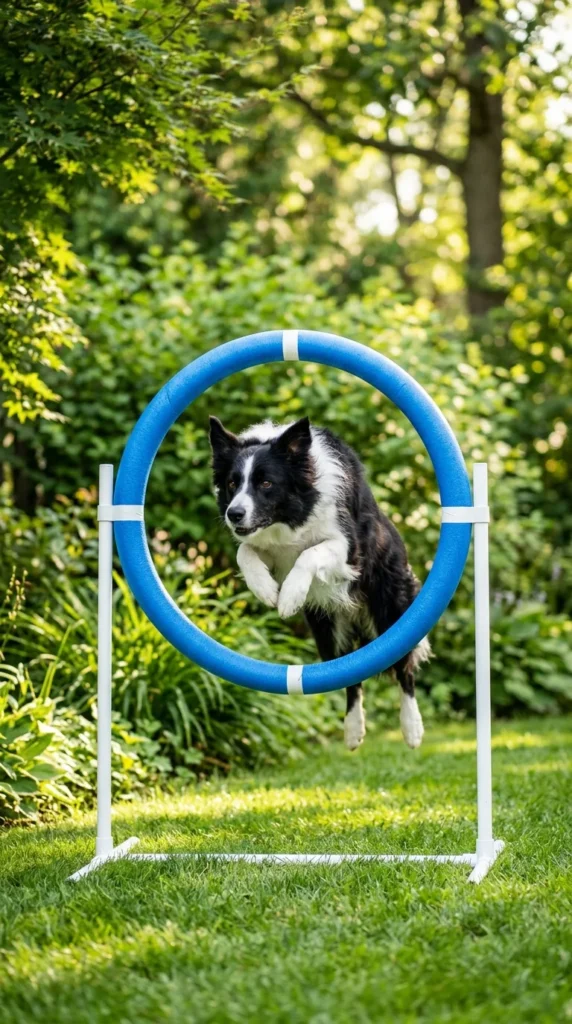
Before you even open a search engine, you must identify exactly what you want to achieve. Not all trainers are created equal; some specialize in basic puppy manners, while others focus on high-level competitive agility or specialized tasks like scent work. If your dog is struggling with serious aggression or deep-seated anxiety, you need a behavioral consultant rather than a standard obedience instructor.
By defining your goals—whether it’s stopping leash pulling, perfecting a “stay,” or preparing for a Canine Good Citizen test—you can narrow your search to professionals who have a proven track record in that specific niche.
2. Training Philosophy
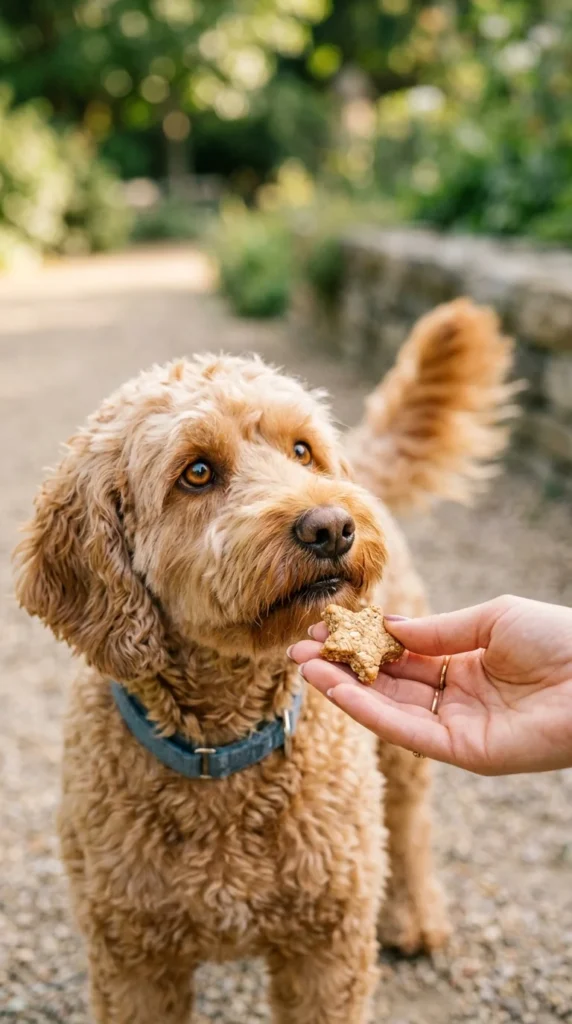
The methodology a trainer uses will dictate your dog’s experience. Modern science-based training emphasizes “Positive Reinforcement,” which involves rewarding desired behaviors with treats, praise, or play. This builds a bond of trust and makes the dog an active participant in their own learning.
Be wary of trainers who use “balanced” labels as a cover for outdated, aversive techniques such as alpha rolls, prong collars, or electronic shock collars. The best trainers focus on teaching the dog what to do, rather than punishing them for what they shouldn’t do. Look for terms like “Force-Free,” “Fear-Free,” or “LIMA” (Least Intrusive, Minimally Aversive).
3. Expert Certification
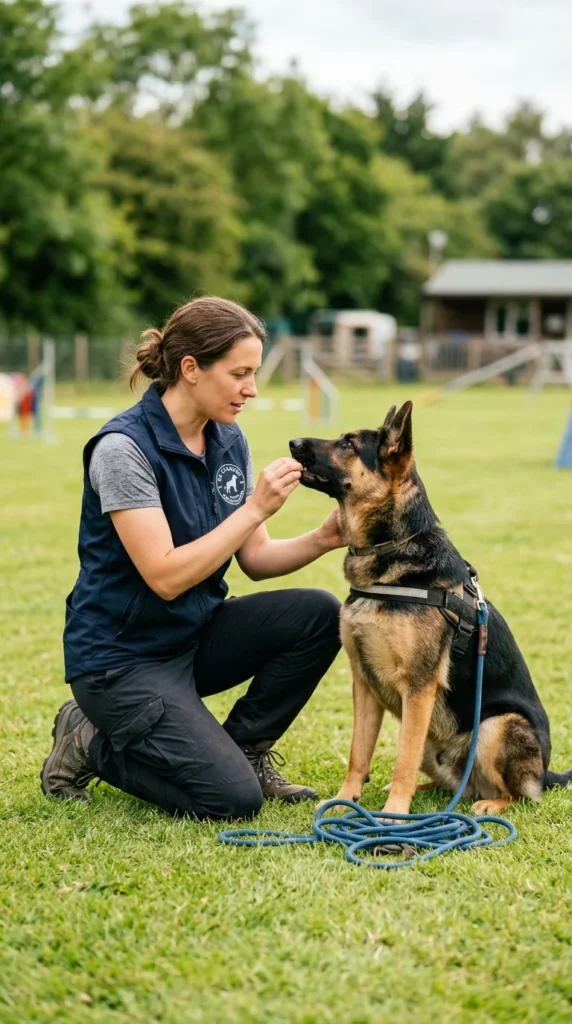
Since the industry isn’t licensed by the government, certifications from reputable organizations are the gold standard for quality. Look for trainers who have gone through the rigors of testing and continuing education.
Key certifications to look for include:
- CPDT-KA (Certified Professional Dog Trainer-Knowledge Assessed)
- KPA CTP (Karen Pryor Academy Certified Training Partner)
- IAABC (International Association of Animal Behavior Consultants)
- CTC (The Academy for Dog Trainers)
These titles indicate that the trainer has met specific educational requirements and adheres to a strict code of ethics.
4. Format Preference
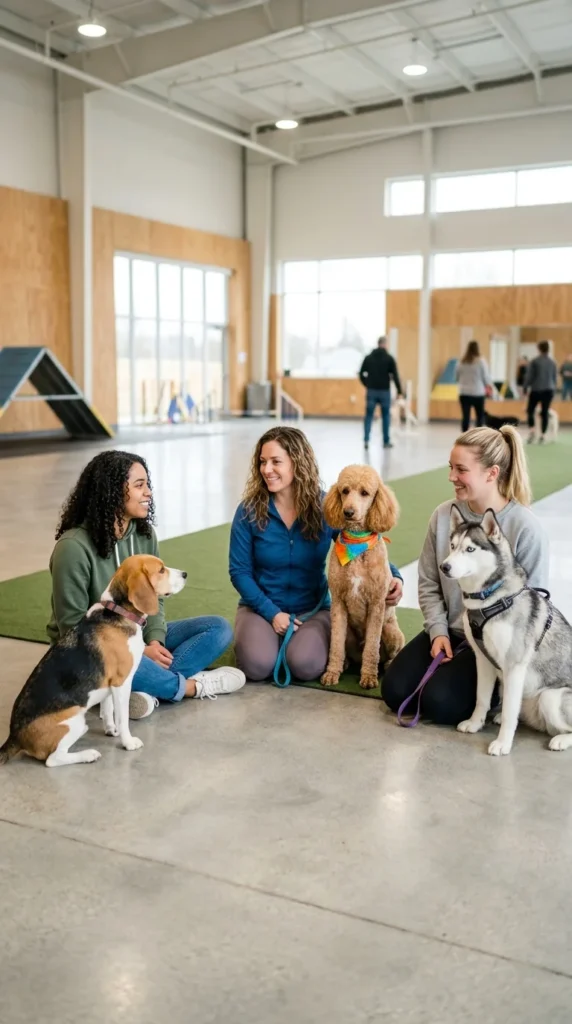
Decide whether you want group classes or private one-on-one sessions. Group classes are excellent for socialization and teaching your dog to focus amidst distractions. They are also generally more affordable.
Private sessions, on the other hand, offer the trainer’s undivided attention. This is often necessary for dogs with reactivity issues or for owners with very specific schedules. Some facilities even offer “day training,” where the trainer works with your dog during the day while you are at work, then provides a “transfer session” to show you what they’ve learned.
5. Digital Reputation
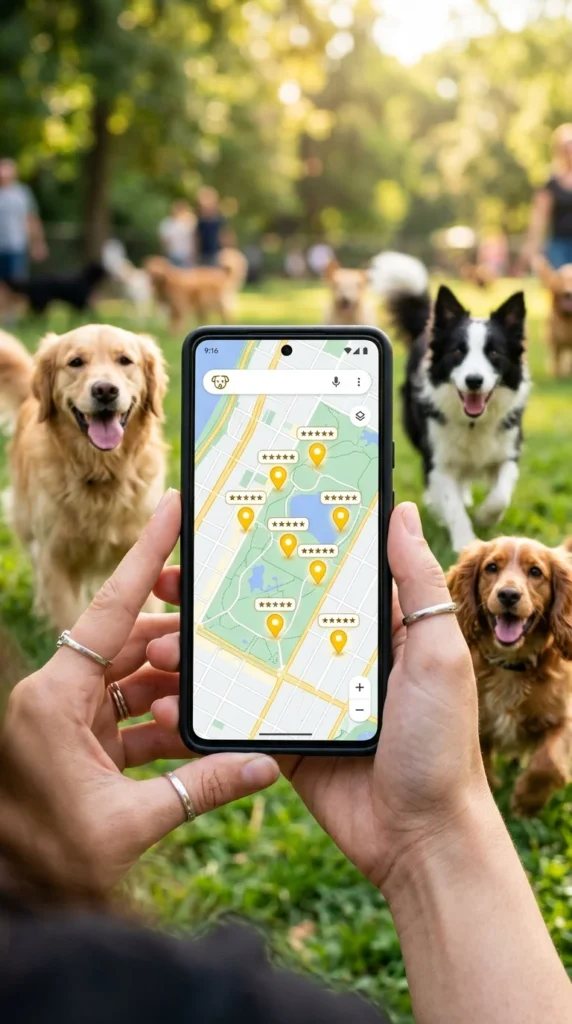
While a website can be polished, local reviews provide the raw truth. Check Google, Yelp, and Facebook to see what other pet owners in your neighborhood are saying. Don’t just look at the star rating; read the comments.
Do owners mention that their dogs were excited to go to class? Was the trainer patient with the humans as well as the dogs? A good trainer is essentially a teacher for humans, so you want someone who communicates clearly and with empathy. Avoid any facility that has recurring complaints regarding safety or the use of harsh physical corrections.
6. Environment Check
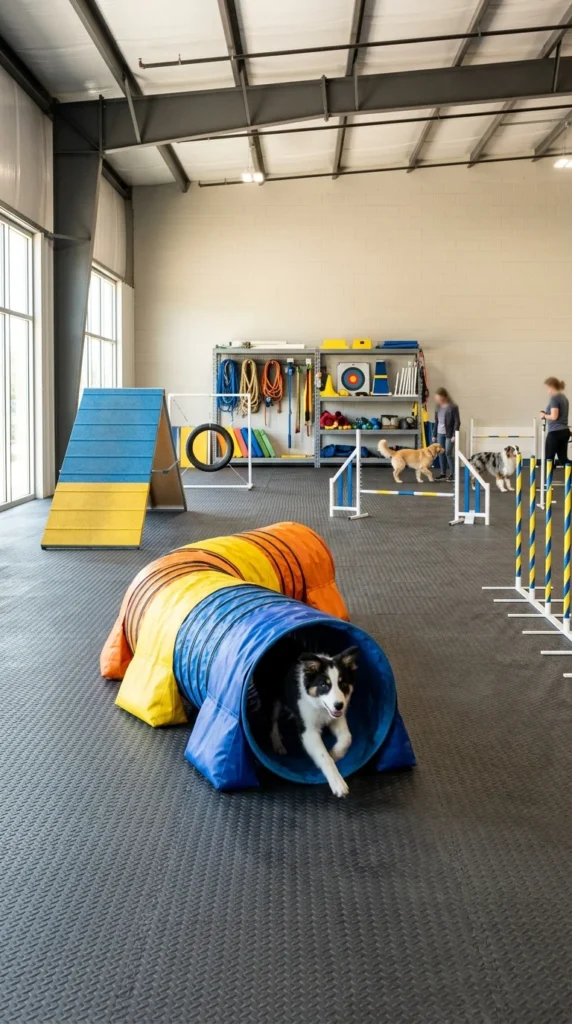
If possible, visit the training facility without your dog first. A professional training center should be clean, well-ventilated, and safe. Look at the flooring—is it non-slip to prevent injuries during play or movement? Is the space large enough so that dogs aren’t forced to be uncomfortably close to one another?
Safety protocols are also paramount. Ask about their vaccination requirements. Any reputable trainer will require proof of Rabies, Distemper, and Parvovirus vaccinations to ensure that all participating dogs remain healthy.
7. Class Audit

A confident, professional trainer should have no problem letting you audit a class (watch without your dog). This is the best way to see the trainer in action. Pay attention to the atmosphere: Are the dogs’ tails wagging? Do they look stressed or shut down?
Observe the trainer’s tone of voice. They should be encouraging and calm, not shouting or using a stern “command” voice. If you see dogs cowering or the trainer using physical force to move a dog into a position, it’s time to look elsewhere.
8. Equipment Policy
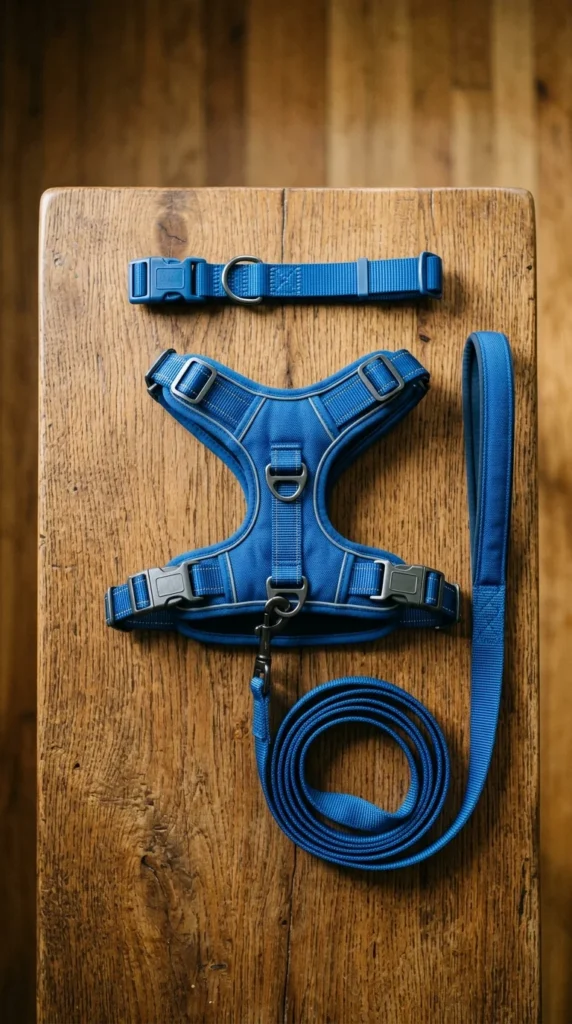
The tools a trainer recommends tell you a lot about their approach. The best trainers will suggest front-clip harnesses, head halters, or standard flat collars and leashes. These tools are designed for safety and communication.
If a trainer insists that you must use a choke chain or a pinch collar to “get control” of your dog, they are likely relying on pain or discomfort to achieve results. Modern science proves these tools can increase anxiety and aggression over time. A great trainer will show you how to use treats and body language to gain your dog’s cooperation instead.
9. Transparent Pricing

Dog training is an investment, and you should know exactly what you are paying for. Most trainers offer packages—for example, a six-week puppy foundation course or a bundle of four private sessions.
Ask about what is included in the price. Do they provide written homework or videos after the session? Is there an option for phone or email support between classes? While you shouldn’t necessarily choose the cheapest option, the pricing should be competitive for your local area and clearly communicated upfront without hidden “equipment fees.”
10. Behavioral Specialization
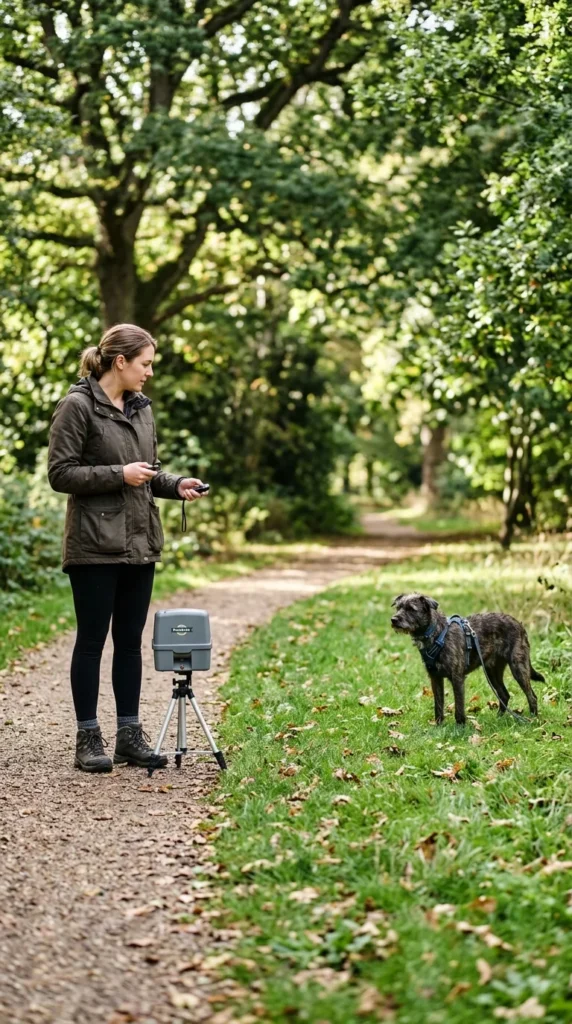
If your dog is dealing with “big” issues like separation anxiety, resource guarding, or fear-based reactivity toward other dogs, a standard obedience class may not be enough—and could even be detrimental.
In these cases, look for a trainer who specializes in behavior modification. These experts understand the underlying emotions driving the behavior. They won’t just tell you how to make the dog sit; they will work on a desensitization and counter-conditioning plan to change how the dog feels about their triggers.
11. Geographic Convenience
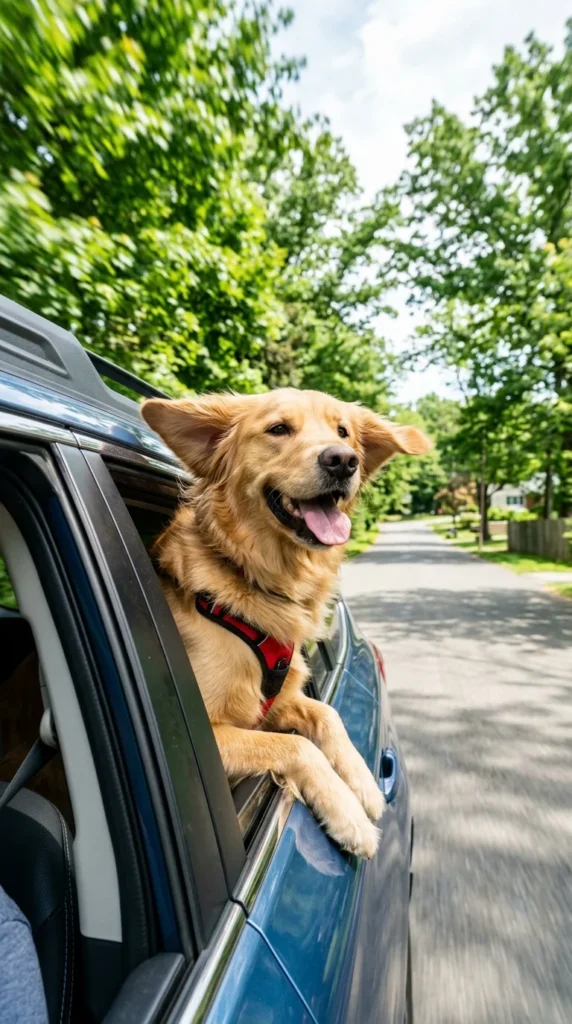
Consistency is the “secret sauce” of dog training. If your chosen trainer is an hour’s drive away, you are much more likely to skip sessions when the weather is bad or your workday is long.
Try to find a high-quality trainer within a 20-30 minute radius. This ensures that the commute doesn’t become a barrier to your dog’s education. If the best trainer in your state is far away, check if they offer “virtual” sessions. Many behavioral issues can be successfully addressed over Zoom, which allows the trainer to see the dog in their natural home environment without the stress of travel.
12. Personal Connection
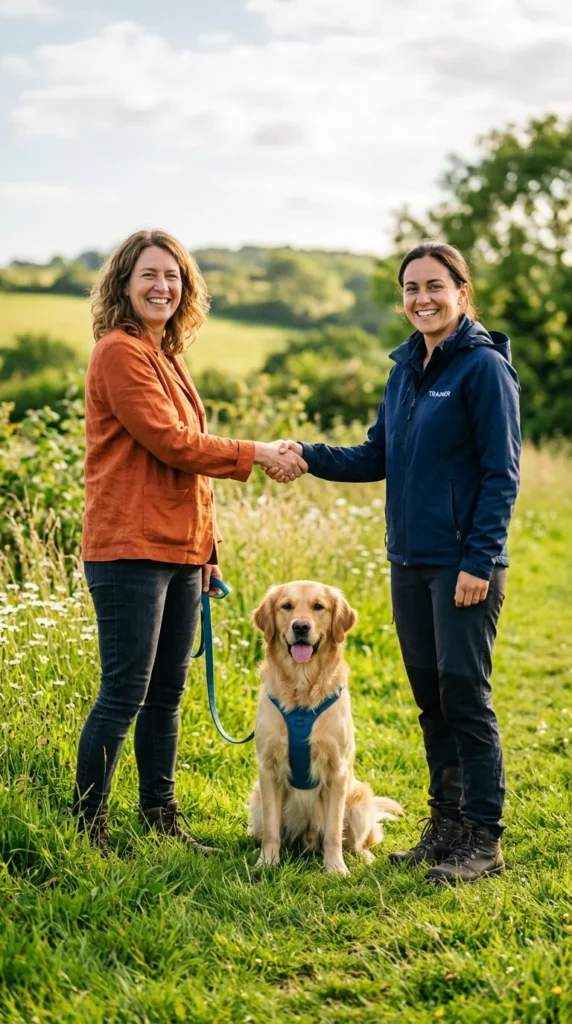
Ultimately, you need to like the person you are working with. Dog training is just as much about training the human as it is the dog. You should feel comfortable asking questions, even if they seem “silly.”
A great trainer will be your coach, your cheerleader, and your dog’s best advocate. If you feel judged, intimidated, or confused by their instructions, you won’t be able to implement the training effectively at home. Trust your gut—if the “vibe” is right and the science is sound, you’ve found the right partner for your dog’s journey.