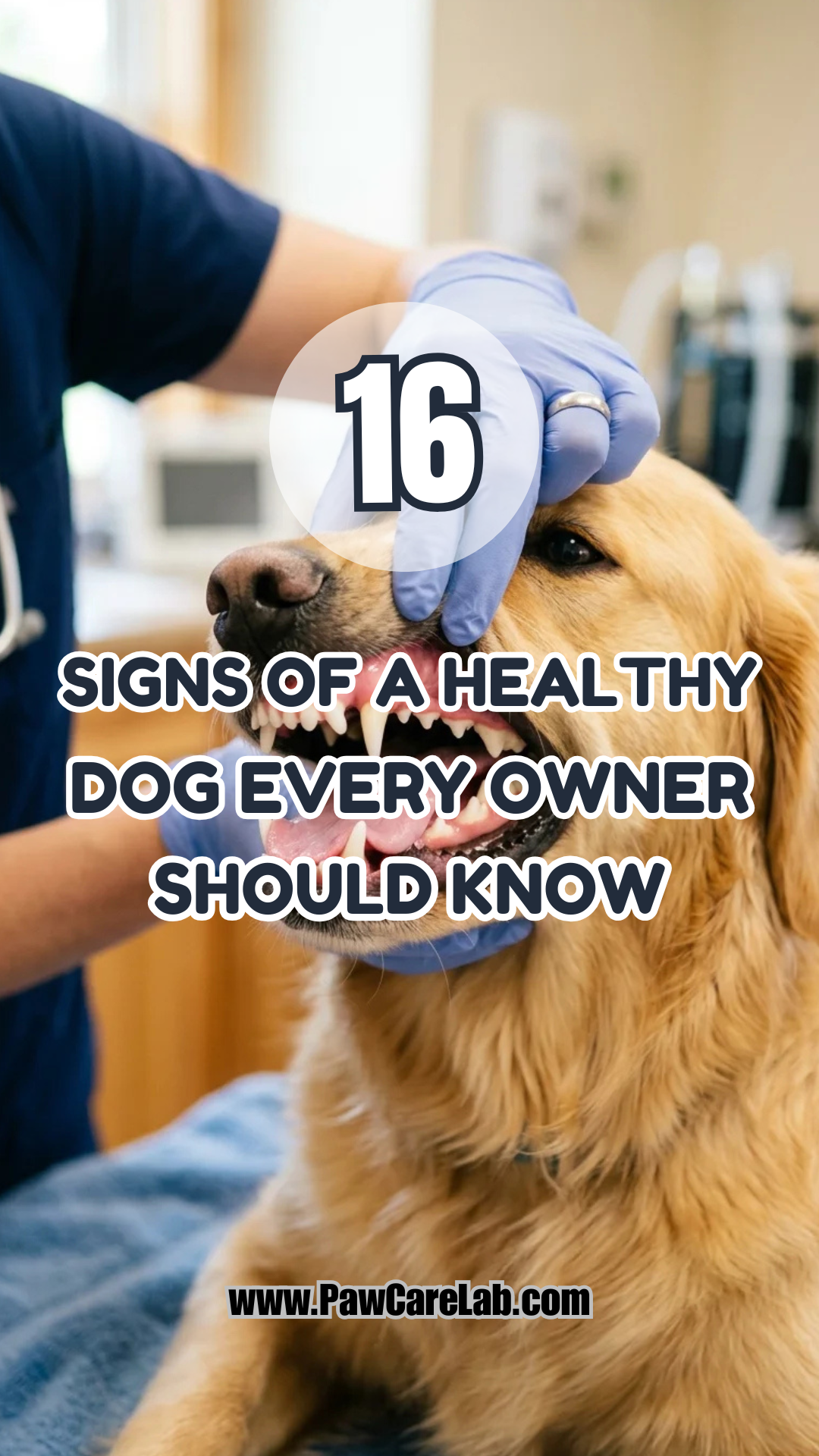
As a dog owner, your primary mission is to ensure your four-legged companion lives a long, vibrant, and pain-free life. However, because dogs cannot communicate through words, they rely on a sophisticated language of physical cues and behavioral patterns to tell us how they feel. Recognizing the subtle hallmarks of a healthy dog is not just about peace of mind; it is about proactive care. When you know what “perfect health” looks like for your pup, you become far more adept at spotting the early warning signs of illness.
From the sparkle in their eyes to the spring in their step, here are the 16 definitive signs that your dog is thriving.
1. Shiny Coat
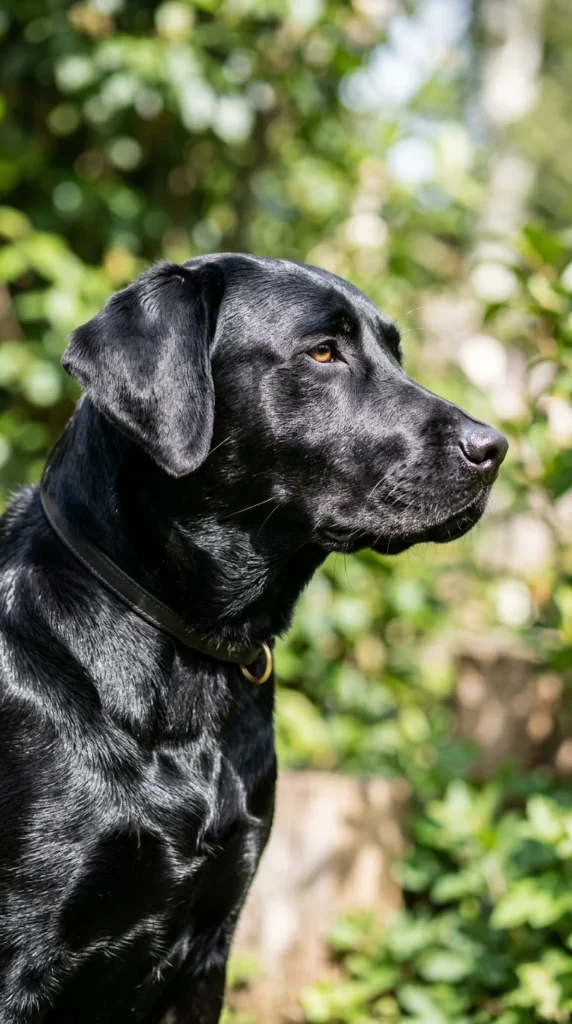
A dog’s coat is often the most visible indicator of their internal health. A healthy coat should be soft, shiny, and relatively smooth to the touch, depending on the breed. This luster comes from natural oils produced by the skin, which are fueled by a diet rich in essential fatty acids like Omega-3 and Omega-6. If a dog’s coat is dull, brittle, or thinning, it may point to nutritional deficiencies or underlying metabolic issues. A thriving dog radiates health from the outside in, starting with a fur coat that catches the light.
2. Clear Eyes
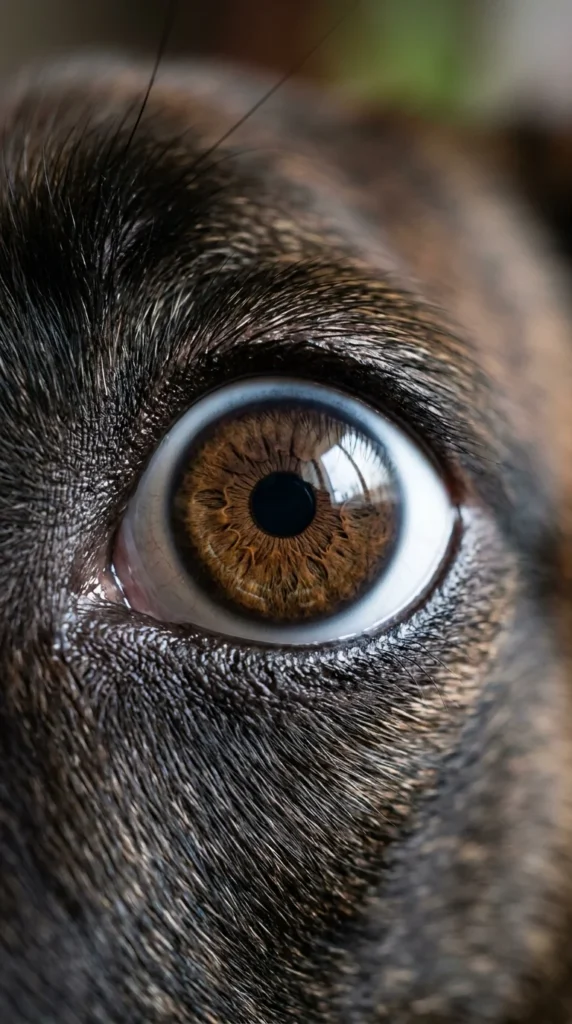
They say the eyes are the windows to the soul, but for dogs, they are also windows to their physical well-being. A healthy dog’s eyes should be bright, clear, and alert. The “whites” of the eyes (the sclera) should be a clean white, not bloodshot or yellowed. Furthermore, there should be no significant discharge, crustiness, or cloudiness over the pupil. While “sleepies” in the morning are normal, eyes that are constantly tearing or squinting require attention. Bright, focused eyes indicate a dog that is engaged with its environment and free from ocular inflammation.
3. Moist Nose
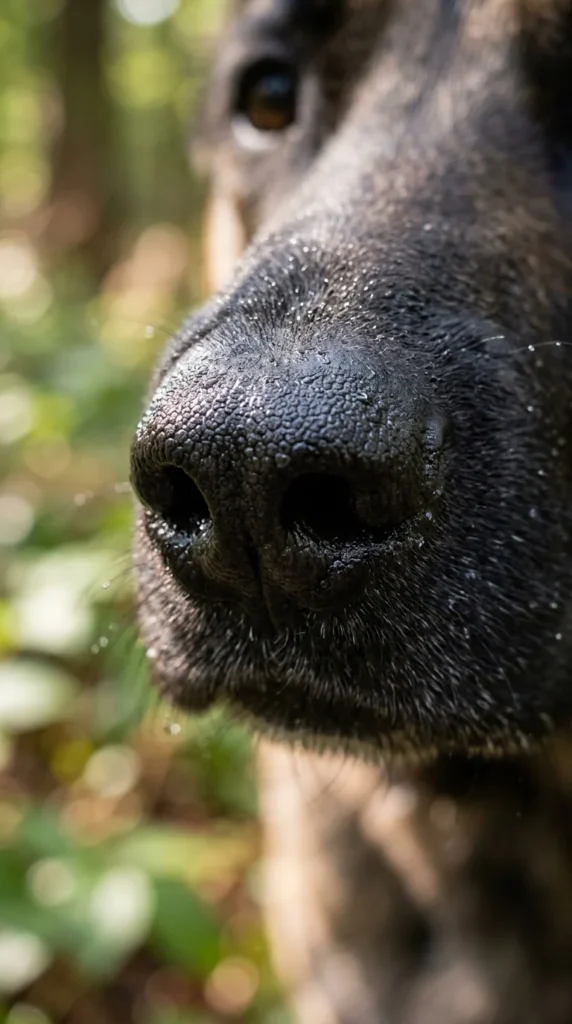
While the old myth that a “warm nose means a fever” isn’t strictly true (noses can fluctuate in temperature based on the environment), a healthy dog generally has a cool, moist nose. The moisture helps them trap scent particles, enhancing their primary sense. The discharge from the nose should always be clear and watery. If the nose becomes chronically dry, cracked, or produces thick, colored mucus, it’s a sign that the dog may be dehydrated or battling an infection. A wet “boop” is usually a sign of a well-hydrated pup.
4. Pink Gums
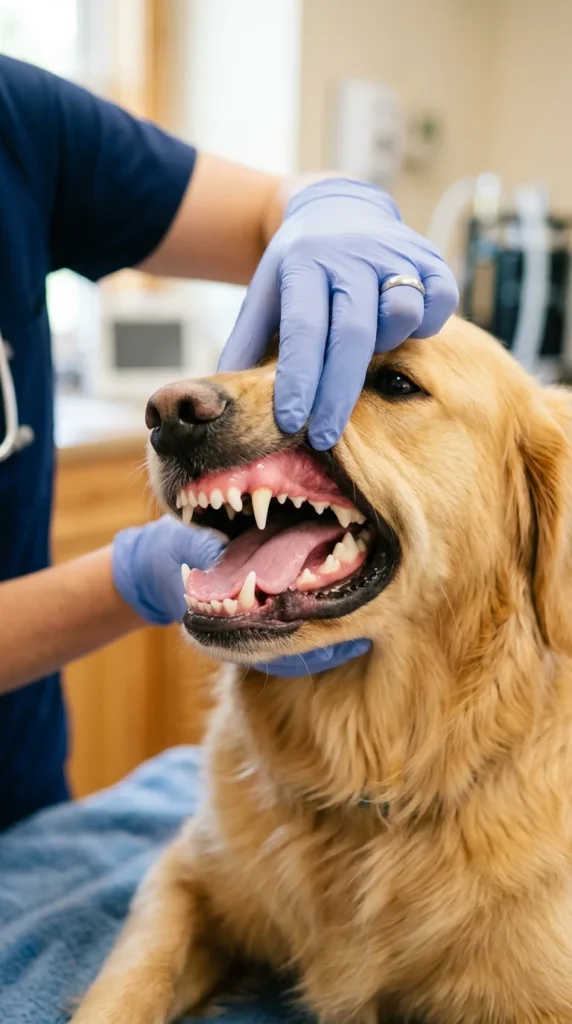
Oral health is a critical component of systemic health. A healthy dog should have gums that are a vibrant “bubblegum” pink. If you press your finger against the gum and release it, the color should return to pink almost instantly (this is called capillary refill time). Gums that are pale, deep red, or blue are immediate red flags. Additionally, the gums should be moist to the touch; tacky or dry gums are a classic sign of dehydration.
5. Clean Ears
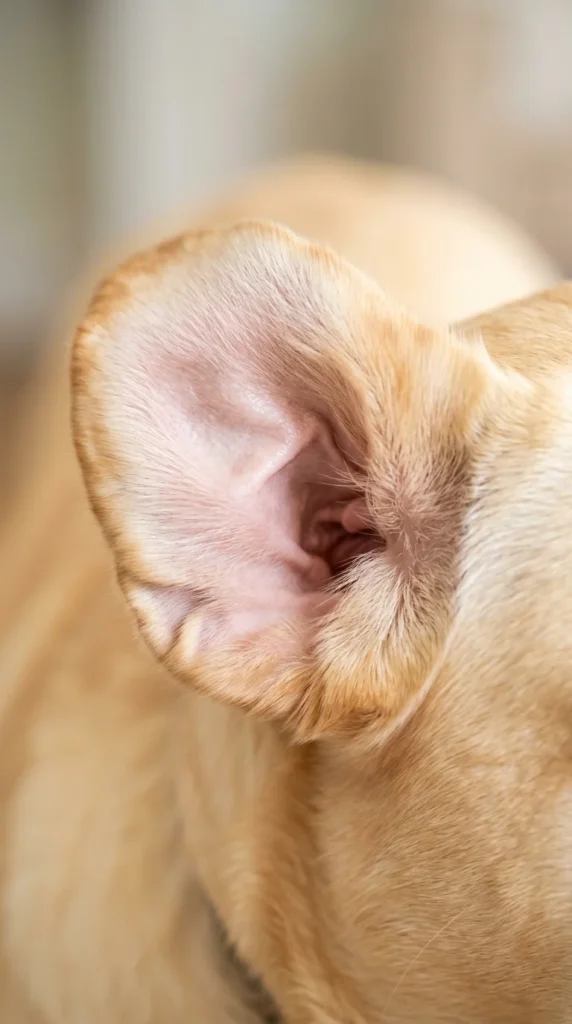
A dog’s ears should be clean and odorless. While a small amount of light-colored wax is normal, a healthy ear should not be filled with dark gunk, nor should it smell “yeasty” or like old socks. The skin inside the ear flap should be a healthy pink, not bright red or inflamed. If your dog isn’t constantly shaking their head or scratching at their ears, it’s a strong sign that their ear canals are clear and free from the mites or infections that commonly plague canines.
6. Steady Weight

Maintaining an ideal weight is perhaps the single most important factor in a dog’s longevity. A healthy dog has a visible waist when viewed from above and a “tucked” abdomen when viewed from the side. You should be able to easily feel their ribs under a thin layer of muscle and fat, but they shouldn’t be protruding sharply. Obesity in dogs leads to a cascade of health issues, including joint pain and heart disease, so a steady, fit physique is a prime indicator of a balanced metabolism and proper caloric intake.
7. Normal Digestion
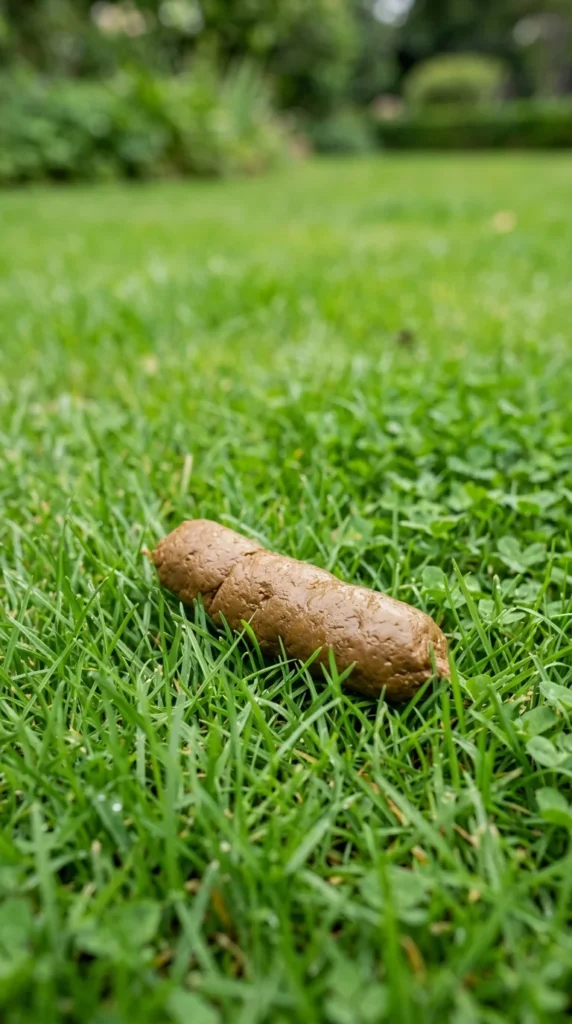
It’s not the most glamorous part of pet ownership, but monitoring your dog’s “business” is essential. A healthy dog should produce firm, well-formed, chocolate-brown stools. Occasional bouts of soft stool can happen due to dietary indiscretions, but consistent diarrhea, straining, or the presence of blood or mucus are signs of trouble. Regular, predictable bowel movements indicate that the gastrointestinal tract is processing nutrients efficiently and that the gut microbiome is in balance.
8. Fresh Breath
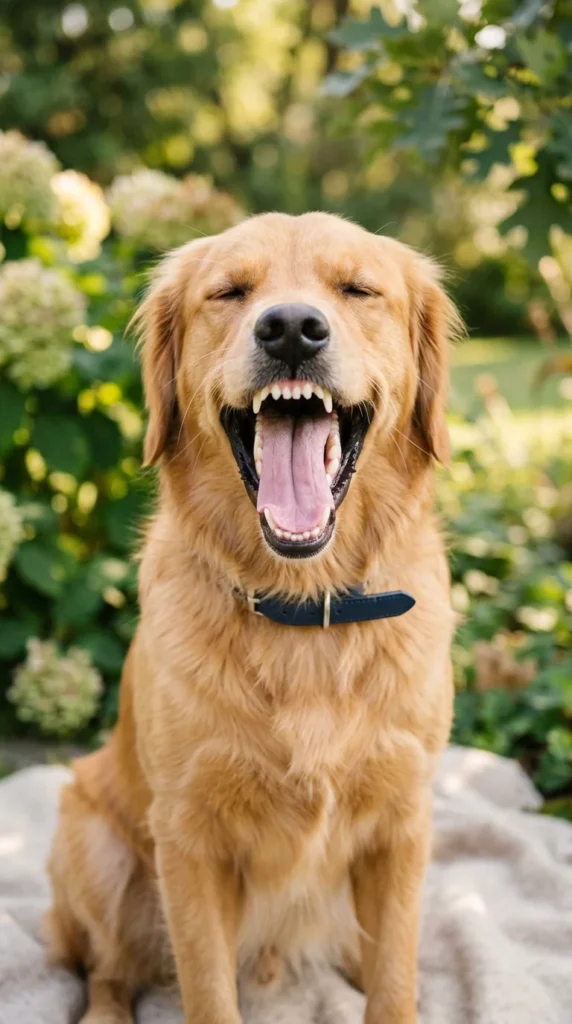
While “dog breath” is a common phrase, a healthy dog’s breath shouldn’t actually be offensive. It shouldn’t smell like rot, ammonia, or overly sweet fruit. Foul-smelling breath is often the first sign of periodontal disease or internal issues like kidney or liver dysfunction. If your dog’s breath is relatively neutral, it means their oral bacteria are in check and their internal organs are filtering toxins properly.
9. High Energy
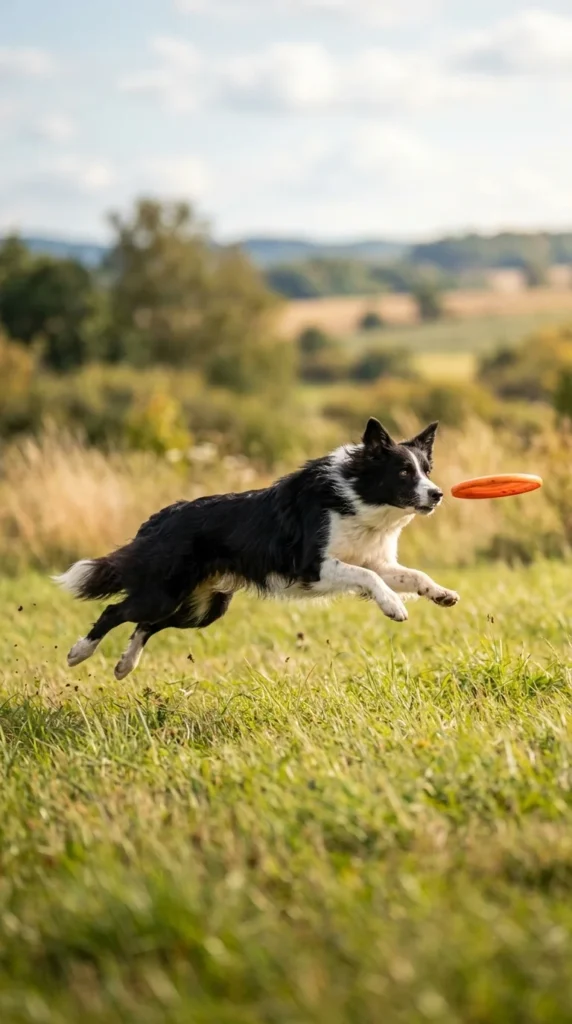
Every dog has a different “baseline” energy level—a Greyhound and a Basset Hound will behave differently—but a healthy dog of any breed should show enthusiasm for life. They should be eager for walks, interested in play, and responsive to their favorite toys. A sudden drop in energy, known as lethargy, is one of the most common signs of illness. A dog that greets you at the door with a wagging tail and a bounce in their step is displaying the vitality of a healthy animal.
10. Sound Sleep

Quality sleep is just as important for dogs as it is for humans. A healthy dog should be able to settle down and fall into a deep, restful sleep. While it’s normal for them to “dream” (twitching paws or muffled barks), they shouldn’t be constantly pacing, panting, or struggling to find a comfortable position. Restlessness during the night can indicate pain, anxiety, or respiratory issues. A dog that sleeps soundly and wakes up refreshed is a dog whose body is recovering well.
11. Strong Joints
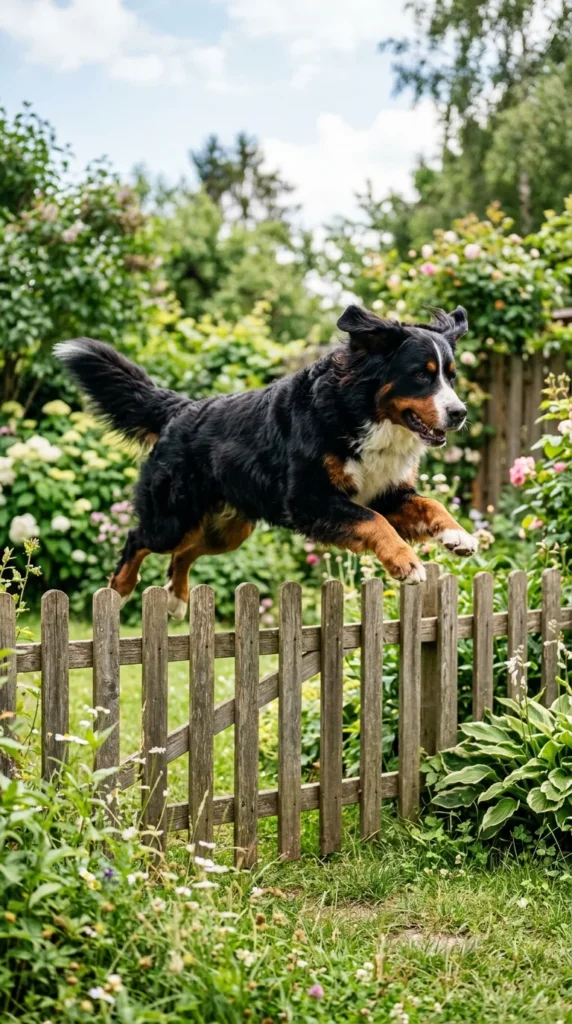
As dogs age, joint health becomes a major concern, but even in young dogs, it is a key health marker. A healthy dog moves with fluidity and grace. They should be able to stand up from a lying position without stiffness, climb stairs easily, and jump onto the couch or into the car without hesitation. Lack of limping or “bunny-hopping” (using both back legs at once) indicates that their bones, ligaments, and cartilage are in excellent condition.
12. Clear Skin
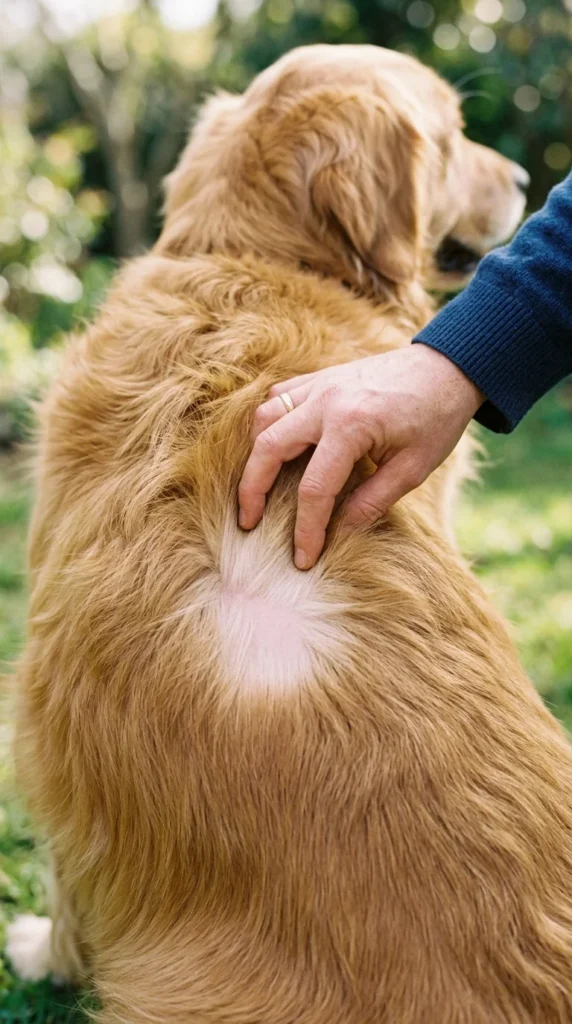
Underneath all that fur, a dog’s skin should be smooth, supple, and consistent in color. A healthy dog does not have excessive dandruff, scabs, hot spots, or mysterious lumps. While some dogs are prone to allergies, healthy skin should not be itchy or inflamed. If you run your hands over your dog and find only smooth skin and healthy follicles, it suggests their immune system is functioning correctly and they are free from parasites like fleas or mites.
13. Balanced Gait
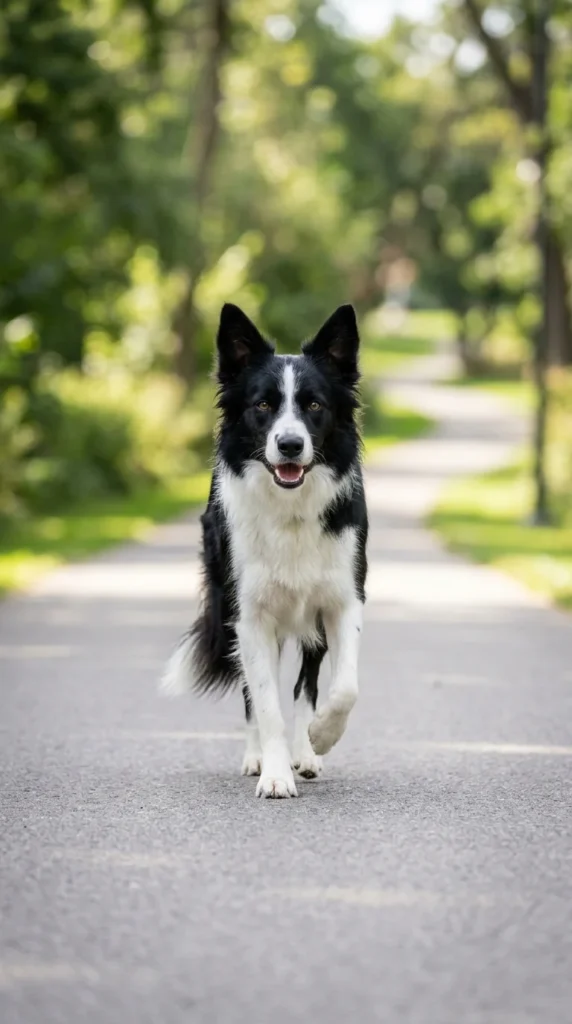
When a dog walks or trots, their movement should be symmetrical. This means they put equal weight on all four limbs and their spine remains relatively straight. A healthy gait is a sign of neurological health and muscular balance. If a dog starts “tilting” to one side or dragging their toes, it could indicate a spinal issue or nerve damage. A confident, rhythmic stride is a hallmark of a dog in peak physical form.
14. Good Appetite
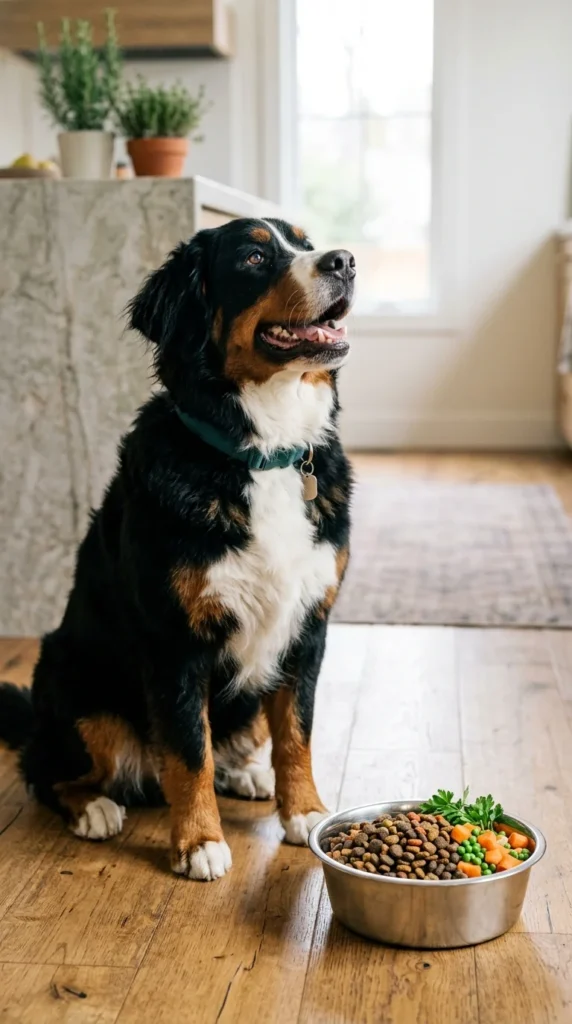
A healthy dog usually has a consistent, robust appetite. They should be excited for mealtime and finish their food in a timely manner. While some dogs are naturally “picky” eaters, a sudden loss of interest in food is one of the most significant indicators that something is wrong. Conversely, a sudden, insatiable hunger can also point to metabolic disorders. A steady, predictable appetite shows that their digestive hormones and metabolic rate are functioning as they should.
15. Alert Mind
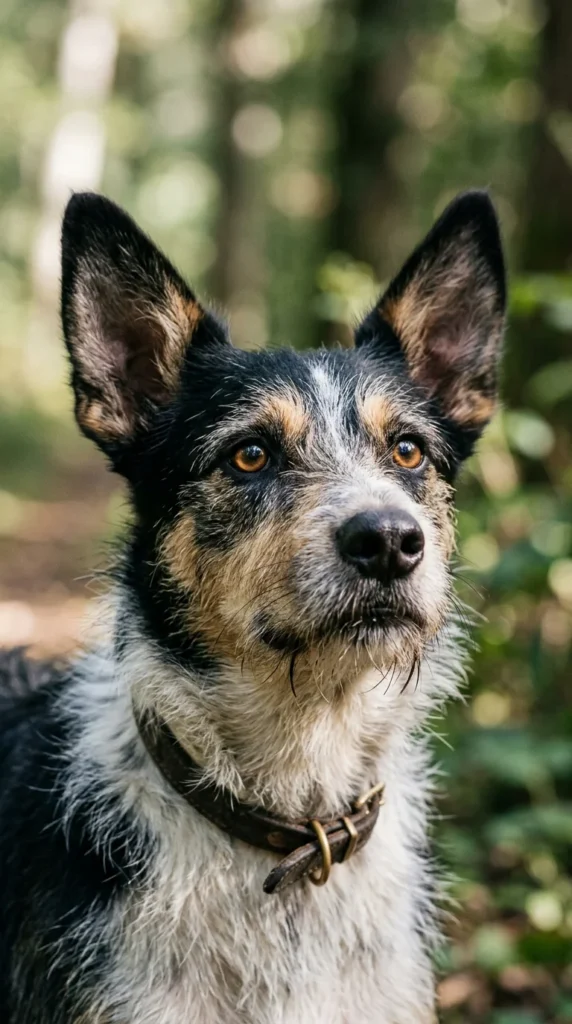
Mental health is physical health. A healthy dog is “switched on”—they are curious about their environment, they track movements with their eyes, and they respond quickly to their name or commands. “Brain fog” in dogs can manifest as staring into space, getting stuck in corners, or failing to recognize familiar people. An alert, inquisitive mind indicates a healthy brain and a well-oxygenated system.
16. Regular Habits
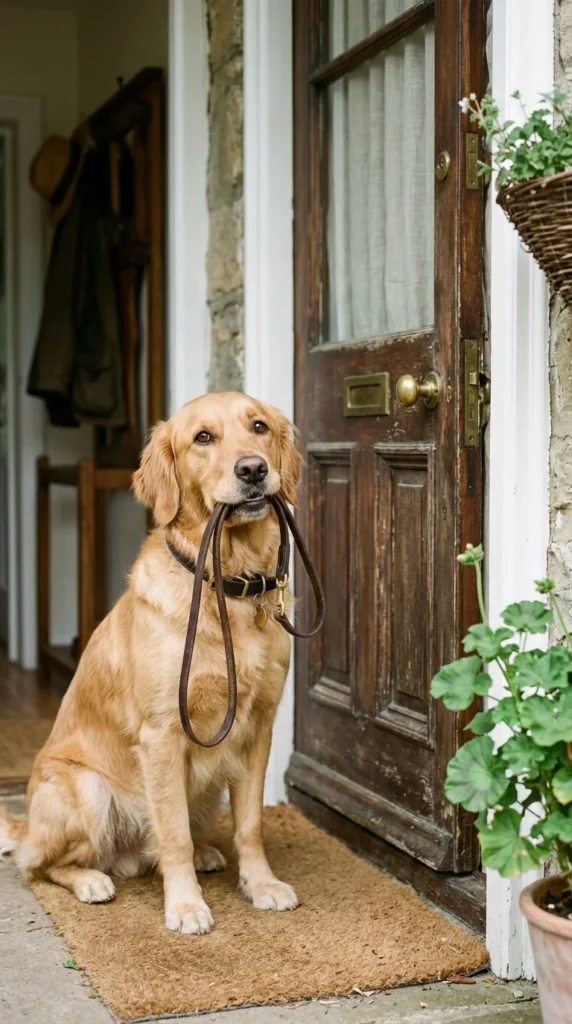
Consistency is a sign of health. A dog that has regular “potty” breaks, consistent energy peaks, and a predictable temperament is generally in good health. Sudden changes in behavior—such as a house-trained dog having accidents or a friendly dog becoming irritable—are often the body’s way of communicating distress or pain. When your dog’s habits are as regular as clockwork, it’s a sign that their internal systems are in harmony.