

Bringing a new puppy home is a whirlwind of joy, sharp teeth, and unexpected puddles. The most common question every new owner asks—usually while cleaning up a mess at 3:00 AM—is, “How long does it actually take to train this puppy?” The answer isn’t a single date on the calendar. It’s a progression of milestones that vary based on breed, consistency, and the specific skill being taught. While you can see progress in days, true reliability often takes months or even years.
1. Potty Training
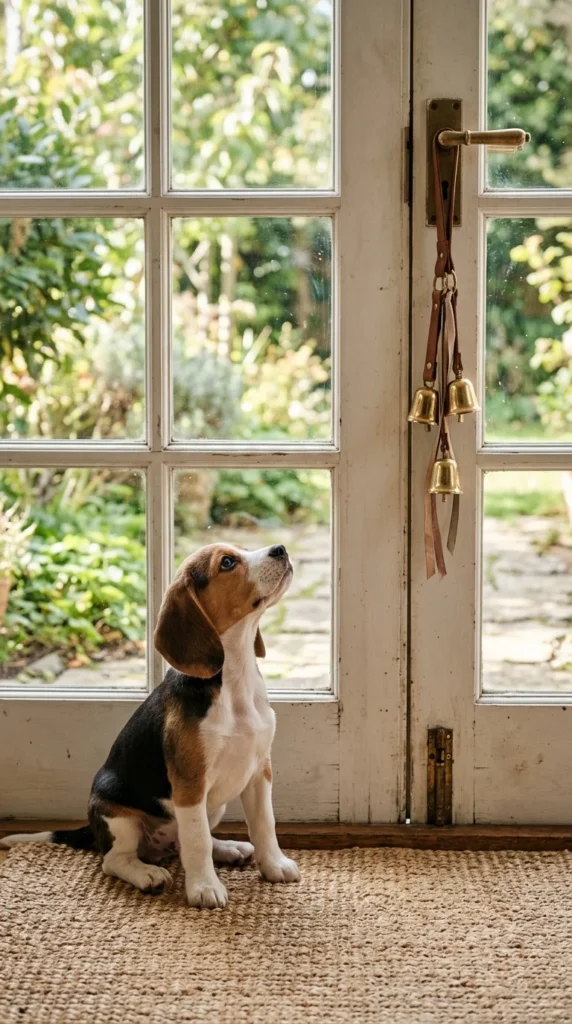
Housebreaking is usually the first priority for every new owner. On average, it takes about 4 to 6 months for a puppy to be fully house-trained. While some puppies grasp the concept in a few weeks, their physical bladder control isn’t fully developed until they are roughly 6 months old. Success depends on a strict schedule; if you are consistent with frequent outdoor breaks, the “accidents” will taper off much faster.
2. Crate Training
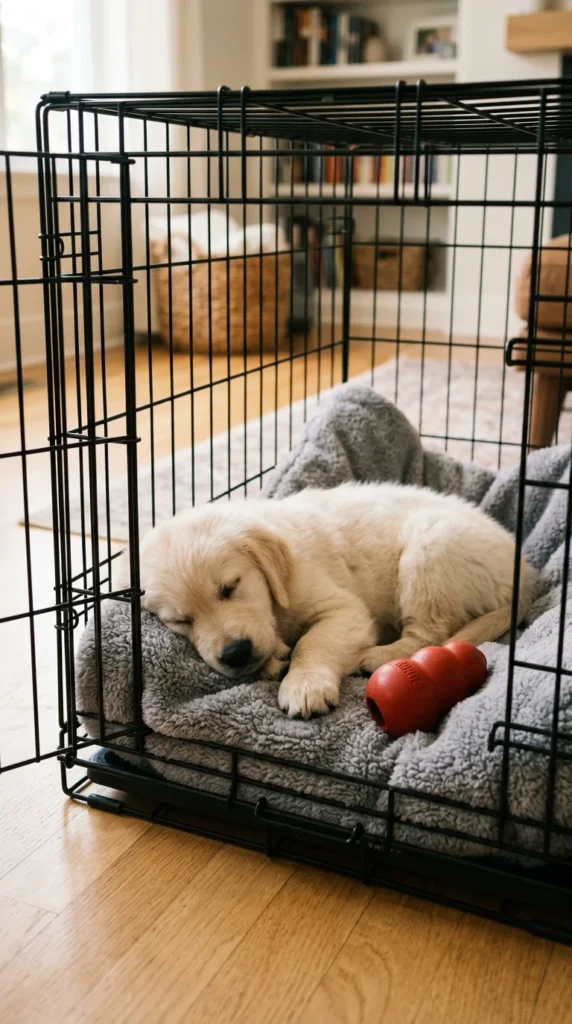
Crate training can take anywhere from a few days to a few weeks. The goal is for the puppy to view the crate as their “den” or safe space. The initial “crying phase” usually lasts 3 to 7 days. Once the puppy associates the crate with rewards and rest, they will begin to enter it voluntarily. This is a vital step for both potty training and preventing destructive behavior when you aren’t home.
3. Name Recognition

This is one of the fastest skills to teach. Most puppies can learn their name within 1 to 3 days. By pairing the name with a high-value treat and positive reinforcement, the puppy quickly learns that hearing that specific sound means something great is about to happen. Once they whip their head around when you say it, you’ve mastered name recognition.
4. Basic Commands
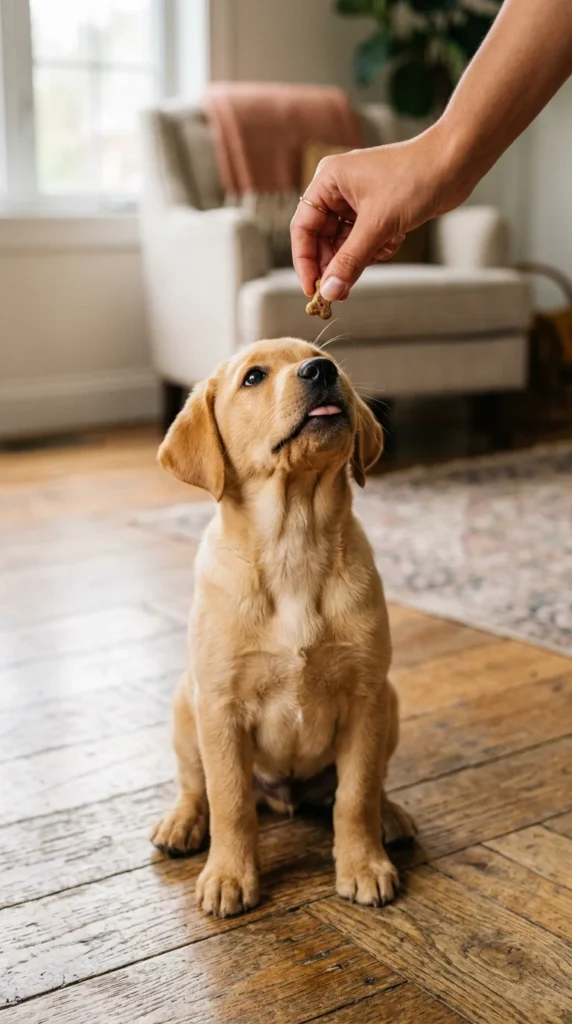
The “Big Three”—Sit, Down, and Stay—usually take about 1 to 2 weeks to learn in a quiet environment. However, “learning” a command and “mastering” it are two different things. While a puppy might sit for a treat in your kitchen after three days, getting them to sit at a busy park might take months of practice under various distractions.
5. Socialization
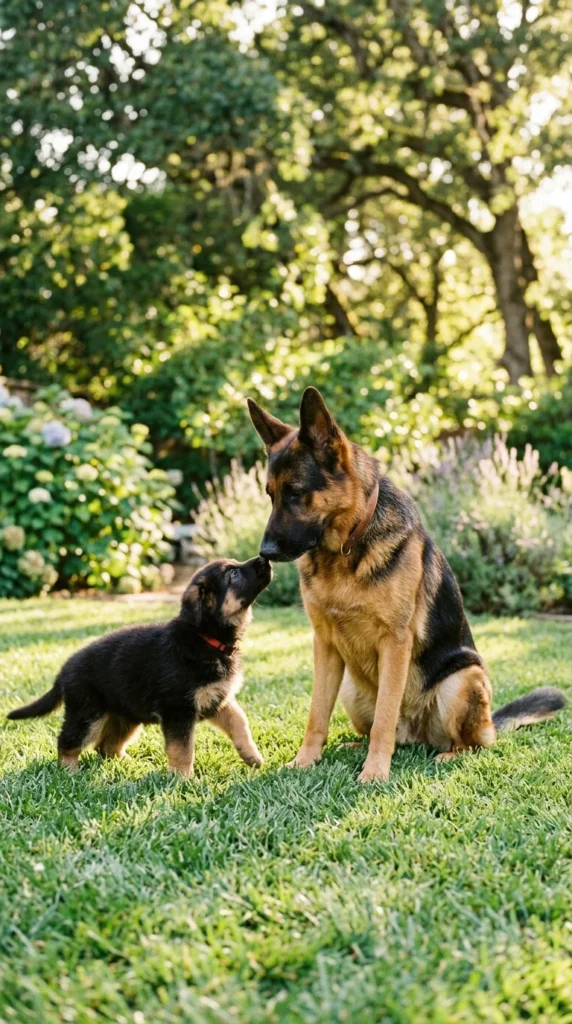
Socialization isn’t a task you “finish”; it’s a critical window that closes around 16 weeks of age. During this time, you aren’t necessarily teaching “commands,” but rather teaching the puppy how to react to the world. It takes about 2 months of intensive exposure to different sounds, people, surfaces, and other animals to ensure a well-adjusted, confident adult dog.
6. Bite Inhibition
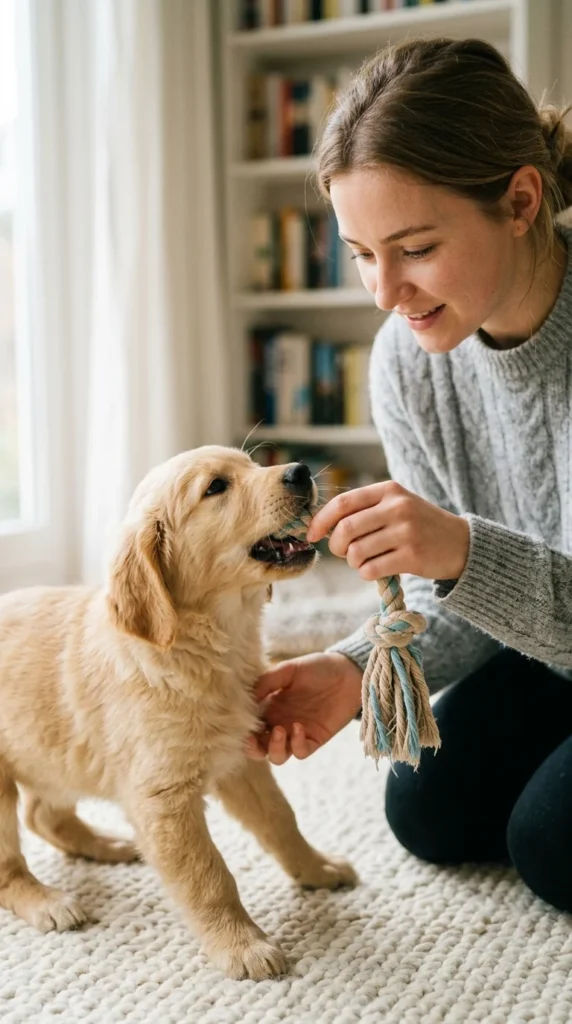
Often referred to as the “land shark” phase, learning not to bite takes time. Puppies use their mouths to explore, and it takes about 3 to 4 months for them to learn “soft mouth” and eventually stop nipping altogether. This usually coincides with the end of the teething phase, which finishes around 6 months of age when their adult teeth have fully emerged.
7. Leash Walking
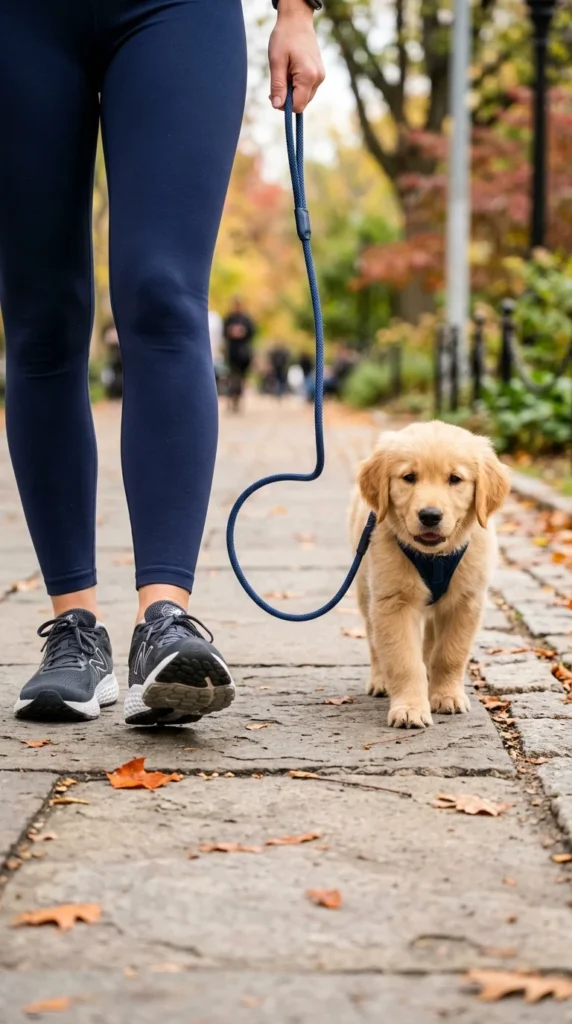
Walking on a loose leash is one of the most difficult skills for a puppy to master. Expect this to take 3 to 6 months of consistent work. Puppies naturally want to pull toward every new smell. Teaching them that a tight leash means “stop” and a loose leash means “go” requires immense patience and hundreds of practice walks.
8. Recall Training
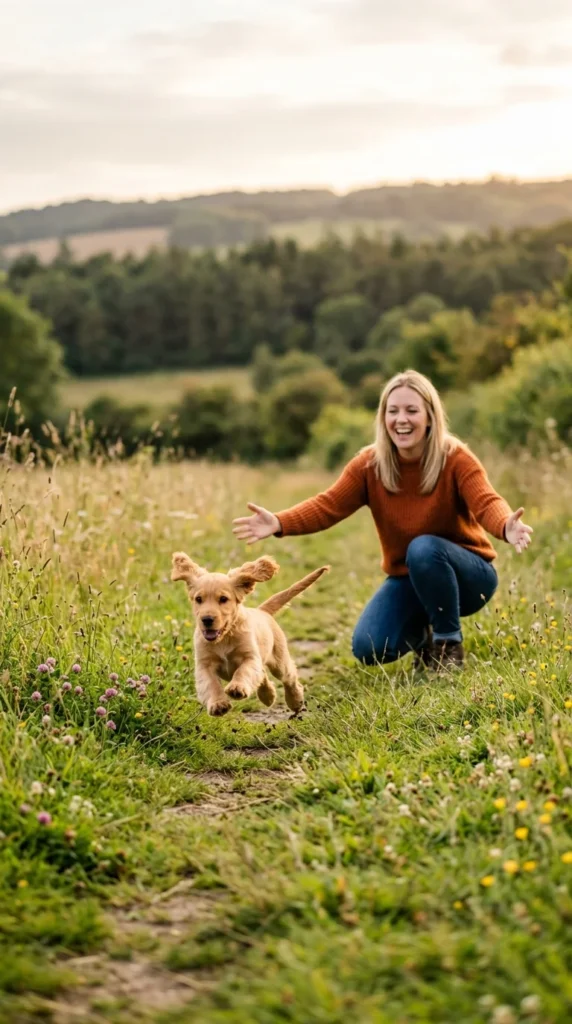
Coming when called, or “Recall,” is a life-saving skill that takes 6 months to a year to proof fully. While a puppy might come to you in the hallway, getting them to leave a squirrel or a playmate to return to you is the ultimate test. Reliable recall requires constant reinforcement and should be practiced in increasingly distracting environments over several months.
9. Impulse Control
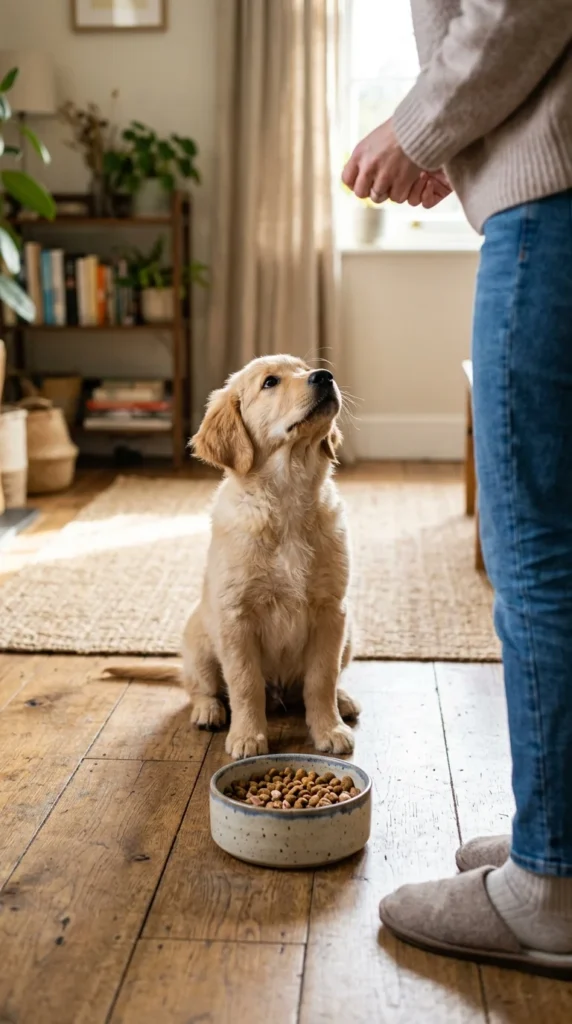
Impulse control includes behaviors like “Leave It” and “Wait.” Most puppies start to grasp the concept of “waiting” around 4 to 5 months of age, but their “lizard brain” often takes over during excitement. It typically takes about 6 months of training for a dog to consistently choose a reward over an immediate impulse (like chasing a falling crumb).
10. Handling Grooming
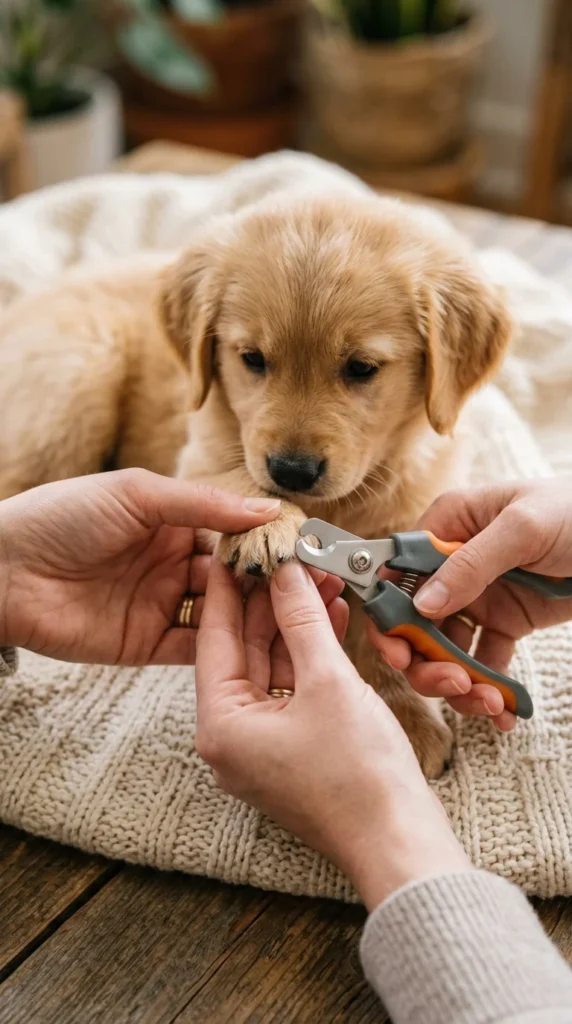
Getting a puppy comfortable with being touched—ears, paws, tail, and teeth—should be a daily 5-minute exercise. It takes about 1 month of positive associations for a puppy to become comfortable with grooming. This prevents the “grooming terrors” later in life and makes vet visits much smoother for everyone involved.
11. Door Manners
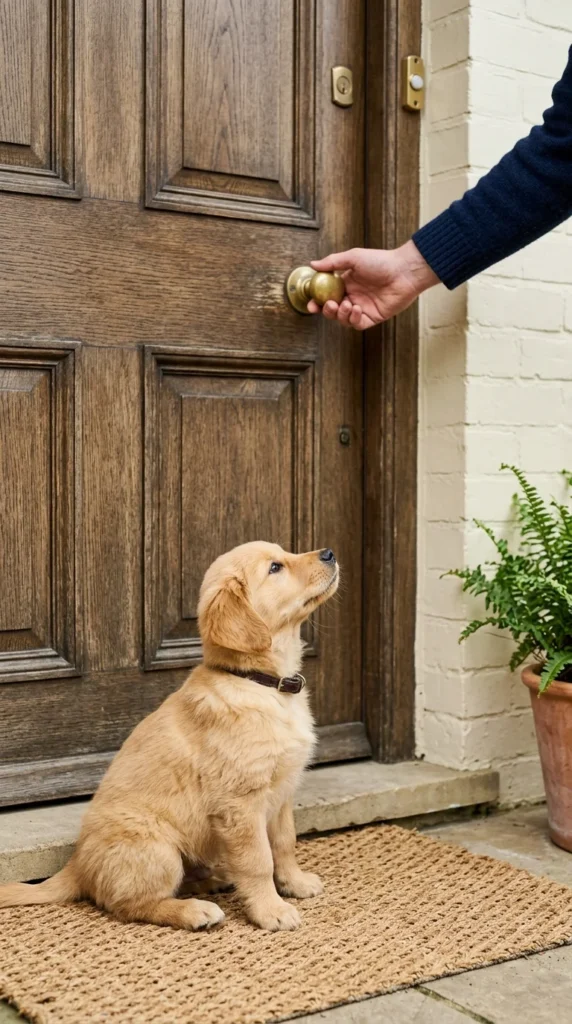
Teaching a puppy not to bolt out of open doors is a process that takes about 2 to 3 months to solidify. It involves teaching the puppy that an open door is not a green light, but a cue to sit and wait for permission. This is a critical safety milestone that requires repetitive practice every single time you exit the house.
12. Separation Confidence
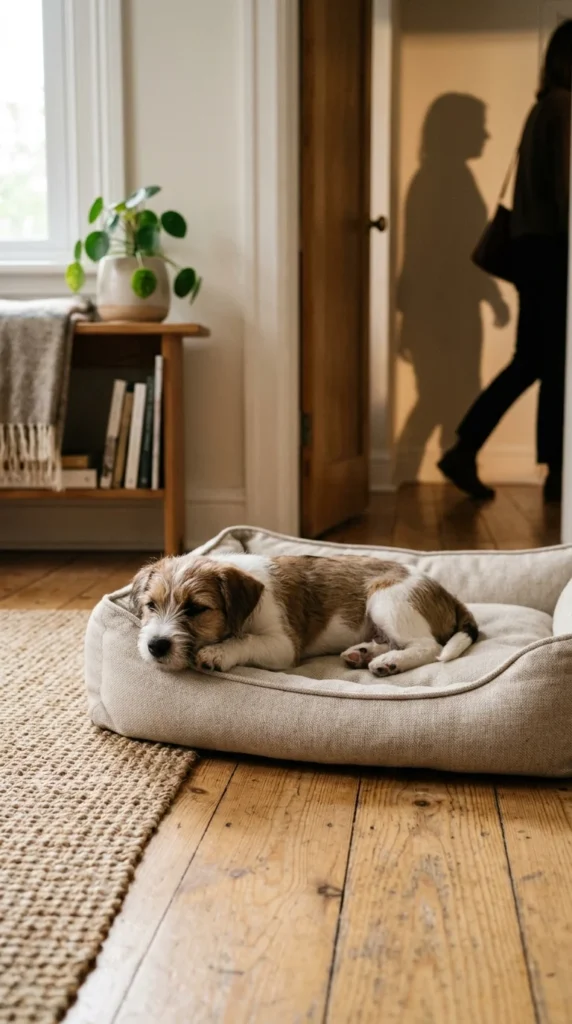
Teaching a puppy to be alone without panicking is vital for preventing separation anxiety. This training takes about 4 to 8 weeks of gradual exposure. By starting with just seconds of separation and building up to hours, you teach the puppy that your departure is temporary and nothing to fear.
13. Leave It Command
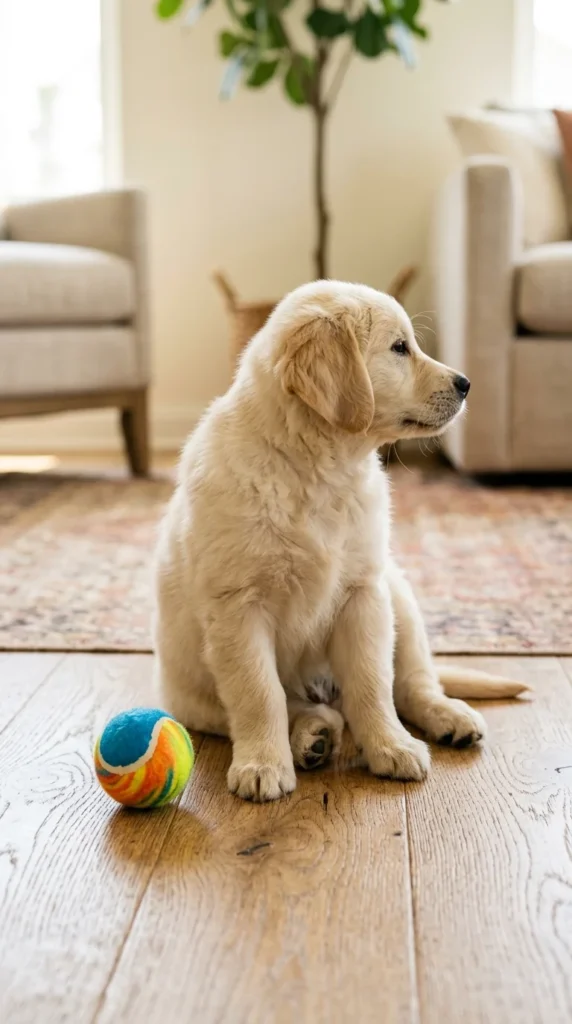
The “Leave It” command is a core safety skill. It usually takes about 3 to 4 weeks for a puppy to understand the concept of ignoring a forbidden object in exchange for a better reward. However, generalizing this to “leave the dead bird in the park” takes much longer—often 6 months or more of real-world practice.
14. Stay Command
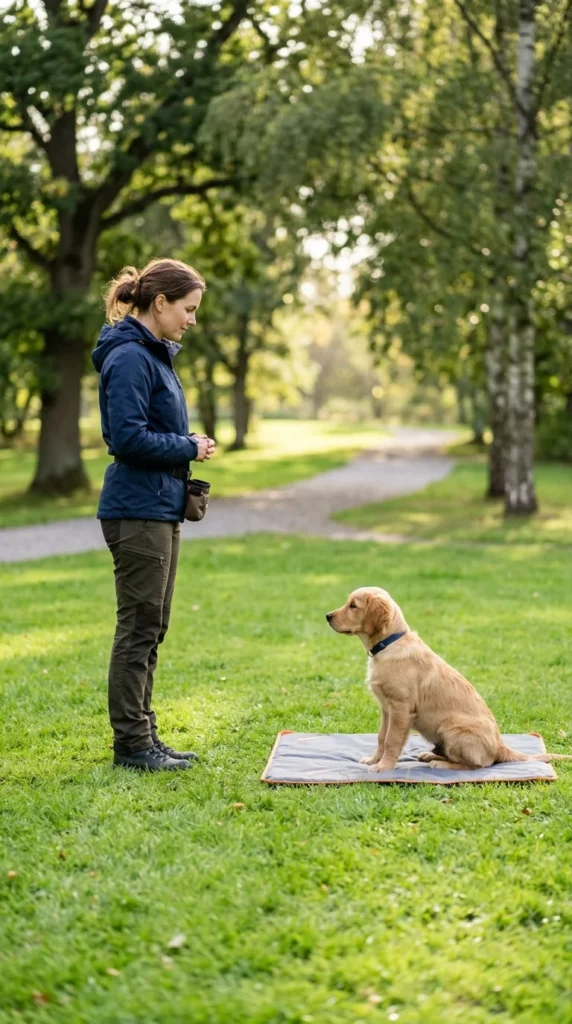
“Stay” involves three factors: Distance, Duration, and Distraction. A puppy can usually stay for 10 seconds in a quiet room after a week of training. Adding distance and distractions, however, is a gradual process that takes 3 to 5 months to reach a level where you can trust the puppy to stay while life happens around them.
15. Public Manners

Taking your training “on the road” is the ultimate test. It takes about 6 to 12 months for a puppy to have the maturity and training level to behave perfectly in public spaces like pet-friendly stores or outdoor cafes. This requires the puppy to ignore a symphony of smells and sounds to focus entirely on their handler.
16. Focus Exercises
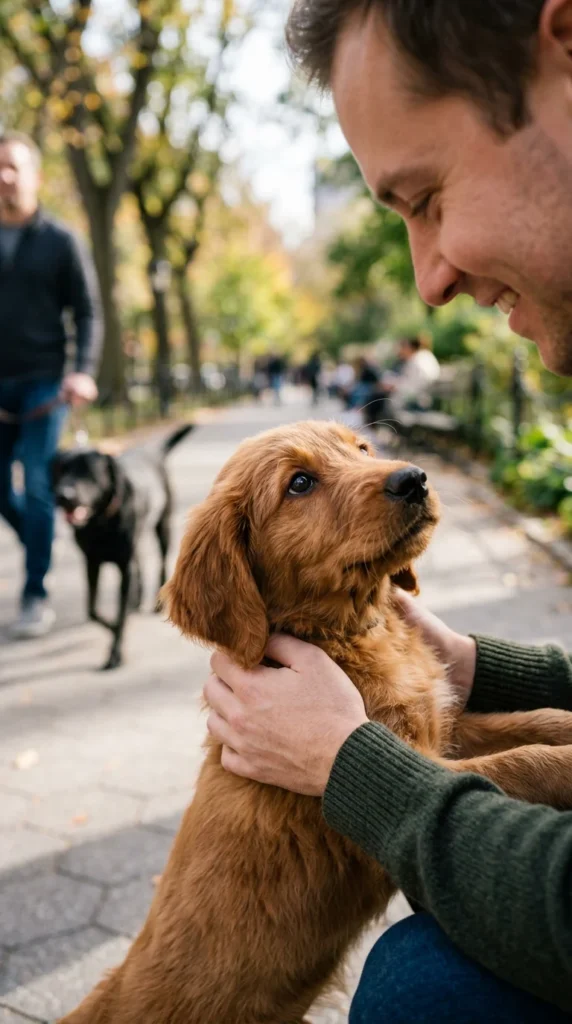
Teaching a dog to look at you on cue (the “Watch Me” command) is the foundation of all advanced training. While the command can be learned in a day, the ability to maintain eye contact in high-stress situations is a skill that develops over 4 to 6 months as the bond between owner and dog strengthens.
17. Trick Training
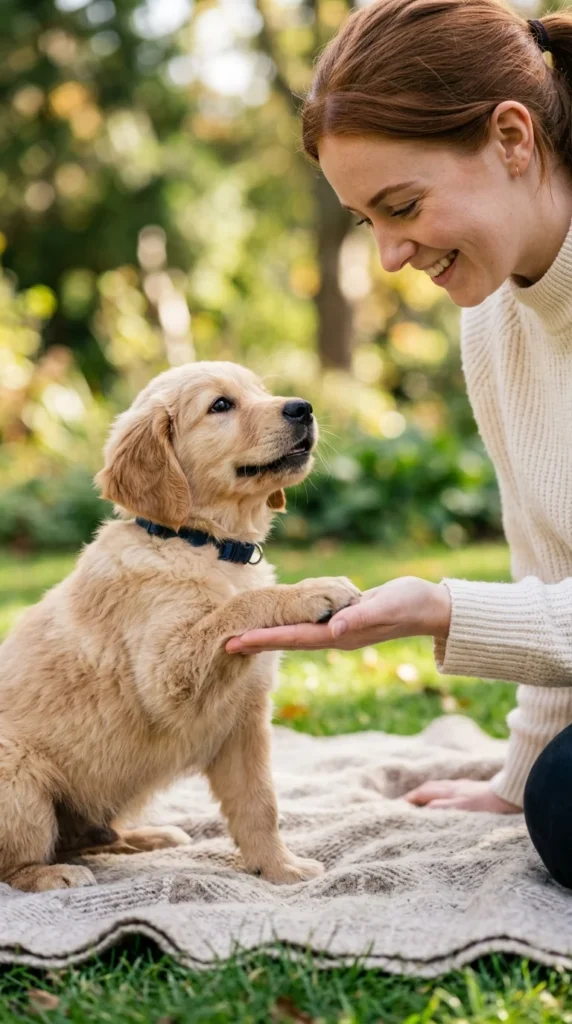
Tricks like “Shake,” “Roll Over,” or “Spin” are excellent for mental stimulation. Most simple tricks can be learned in just 2 or 3 training sessions of 10 minutes each. Because tricks are “fun” and usually involve lots of praise, puppies often pick these up much faster than “boring” obedience commands like “Heel.”
18. Adolescent Phase
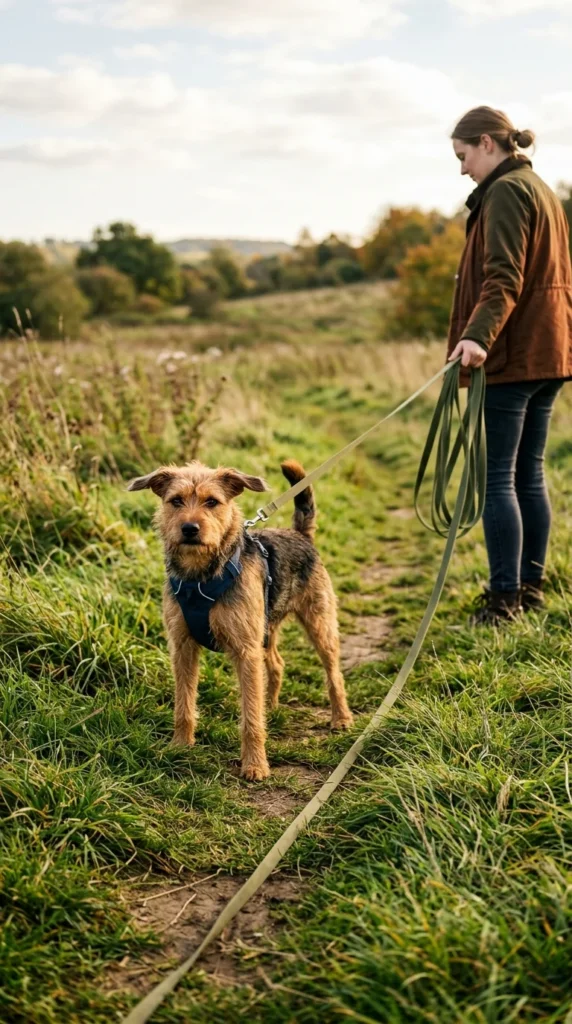
Around 6 to 12 months, puppies hit “adolescence.” During this time, it may seem like they’ve forgotten everything they ever learned. This phase can last until the dog is 18 to 24 months old. Training during this period is about maintenance and patience. Once the “teenage” hormones settle, the months of consistent training you did earlier will finally “lock in,” resulting in a well-behaved adult dog.