
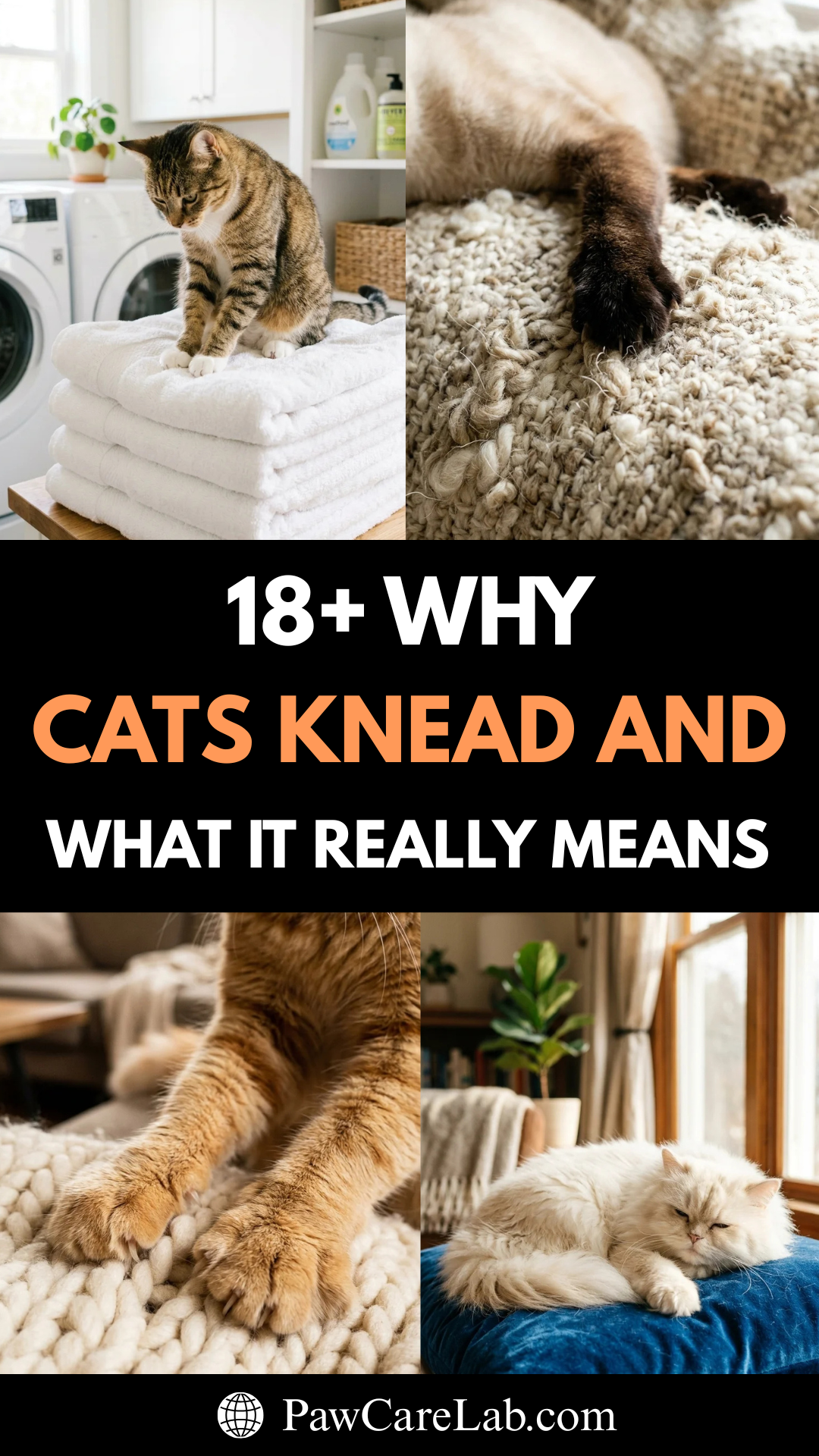
If you are a cat owner, you are undoubtedly familiar with the rhythmic, hypnotic motion of “making biscuits.” Your feline friend climbs onto your lap, purrs like a tiny motorboat, and begins to rhythmically push their paws in and out against your leg or a soft blanket. This behavior, known scientifically as kneading, is one of the most common yet fascinating feline mysteries.
While it might feel like a tiny massage (sometimes a painful one if their claws are sharp!), kneading is a complex behavior rooted in biology, evolution, and emotion. Here are 18 deep-dive reasons why cats knead and what they are trying to communicate to you.
1. Infancy
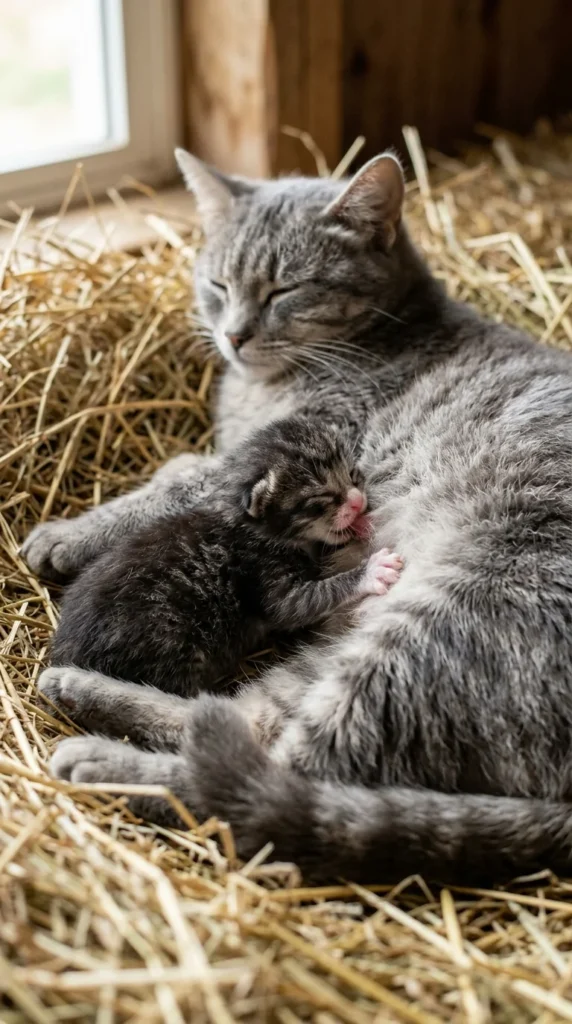
The most prevalent theory among animal behaviorists is that kneading is a carry-over from kittenhood. When kittens nurse, they instinctively knead their mother’s mammary glands to stimulate milk flow. This rhythmic “treading” is essential for their survival during the first weeks of life. Even though adult cats no longer need to stimulate a mother for milk, the motion remains hardwired in their brain as a source of comfort and nourishment.
2. Comfort
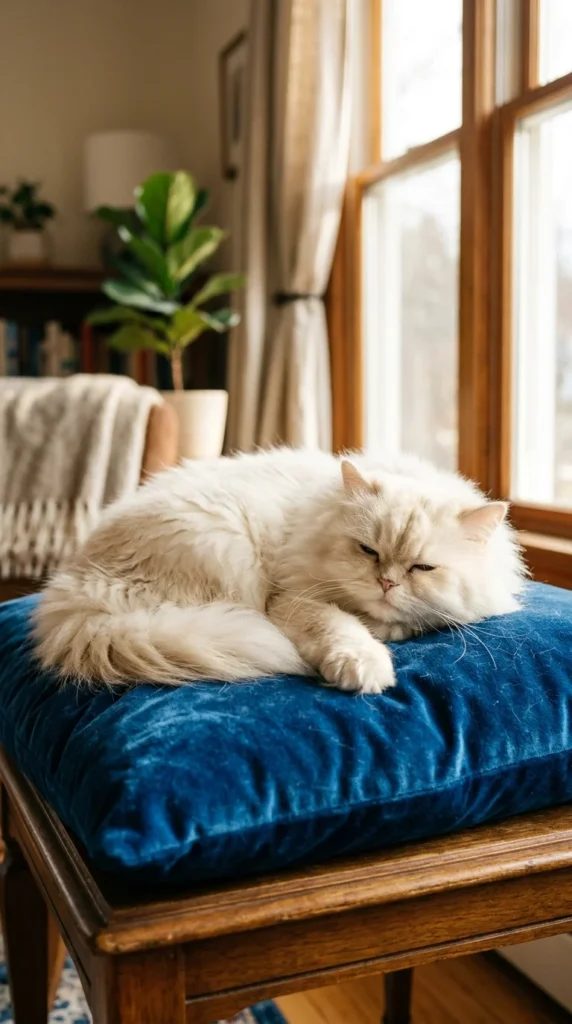
For a cat, kneading is the ultimate “happy place.” When a cat feels safe, warm, and content, they often revert to behaviors that made them feel secure as kittens. Kneading triggers the release of endorphins in a cat’s brain, much like a human might feel relaxed while engaging in a repetitive hobby like knitting or rocking in a chair. If your cat is kneading, it is a sign they are in a state of total relaxation.
3. Scent
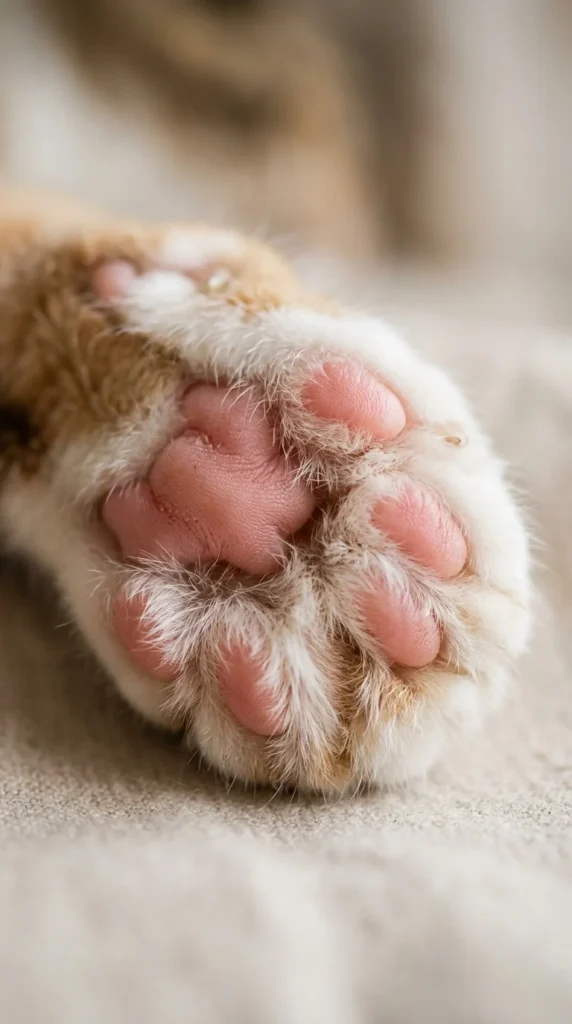
Cats are highly territorial creatures, and they have scent glands located in several parts of their bodies, including the pads of their paws. When a cat kneads a surface—whether it’s a blanket, a sofa, or your chest—they are essentially “marking” it with their unique scent. This invisible chemical signature tells other animals that this spot belongs to them. It is a subtle way of claiming their territory and making their environment smell like “home.”
4. Bedding
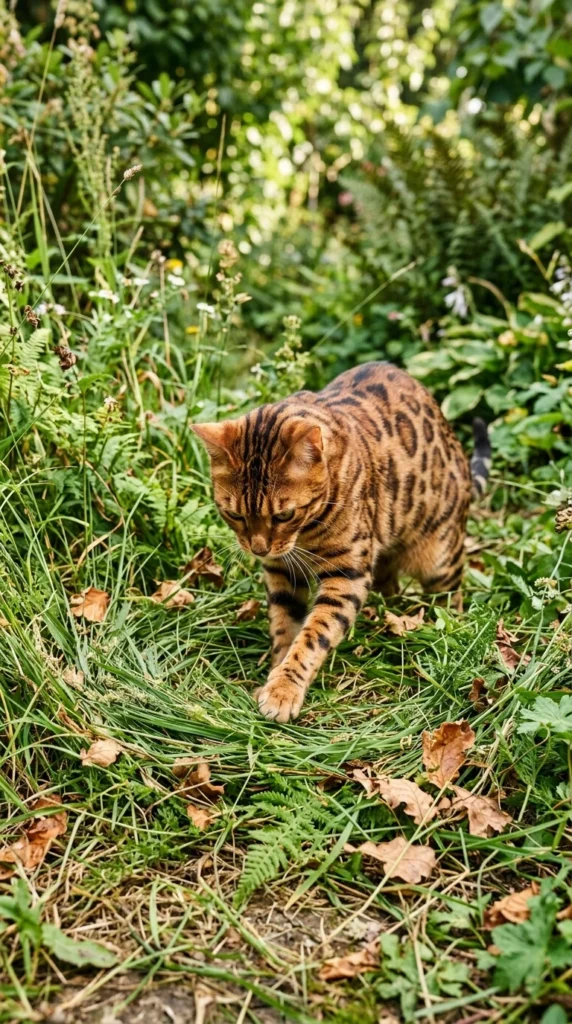
Before cats were domesticated house pets, their ancestors lived in the wild. To create a safe and comfortable place to sleep or give birth, wild cats would knead tall grass, leaves, and brush. This action served two purposes: it flattened the vegetation to create a soft “nest” and it checked the area for hidden predators, snakes, or sharp objects. Your house cat is simply following an ancient blueprint for a good night’s rest.
5. Stretching
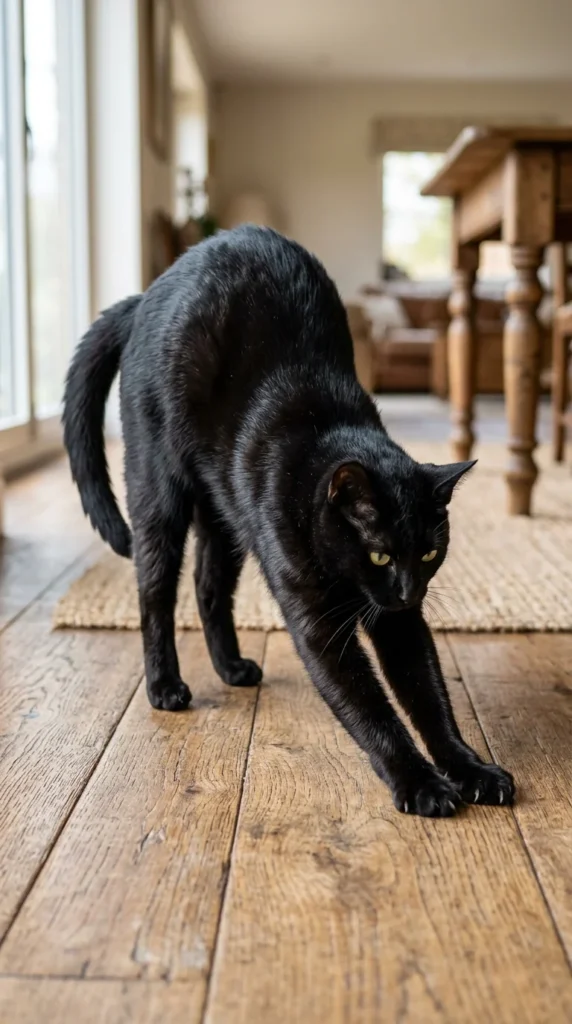
Kneading is a fantastic way for cats to keep their bodies limber. After a long nap—which cats take frequently—they need to get the blood flowing again. The repetitive motion of pushing and pulling their paws allows them to stretch the muscles in their legs, shoulders, and even their back. Think of it as a form of feline yoga that helps maintain their legendary agility.
6. Affection
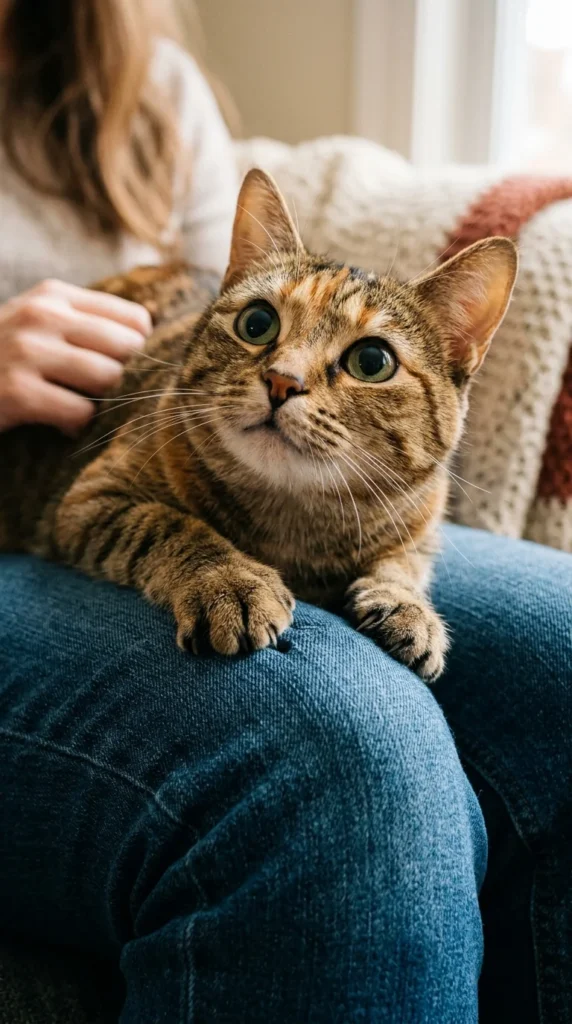
If your cat kneads you, take it as a massive compliment. Because kneading is linked to the bond between a kitten and its mother, when a cat does this to a human, they are signaling that they view you as a maternal figure or a trusted protector. They are essentially saying, “I love you and I feel safe with you.” While the claws might be a bit much, the intent is purely sentimental.
7. Mating

In unspayed female cats, kneading can take on a different meaning during their estrus cycle (heat). A female cat may knead the air or the ground more vigorously than usual as a way to signal her receptivity to male cats. This behavior is usually accompanied by increased vocalization, rubbing against furniture, and a specific posture known as lordosis. It is a biological “signal flare” that she is ready to mate.
8. Anxiety
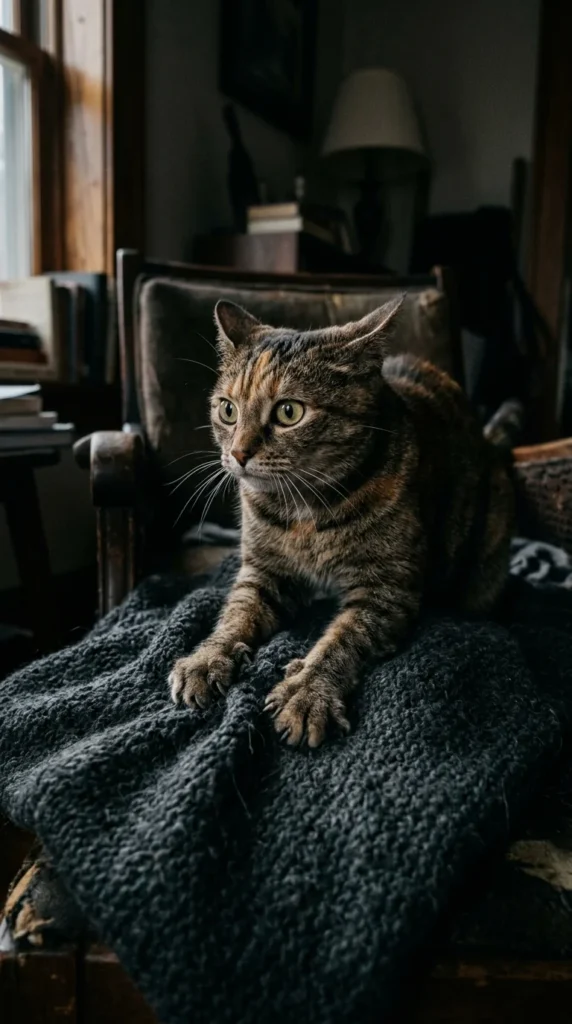
While kneading is usually a sign of happiness, it can sometimes be a self-soothing mechanism for an anxious cat. Much like a human might bite their nails or pace when stressed, a cat might knead to calm themselves down. If your cat is kneading obsessively or appears tense while doing it, they might be trying to cope with a change in their environment, such as a new pet, a move, or loud noises.
9. Preparation
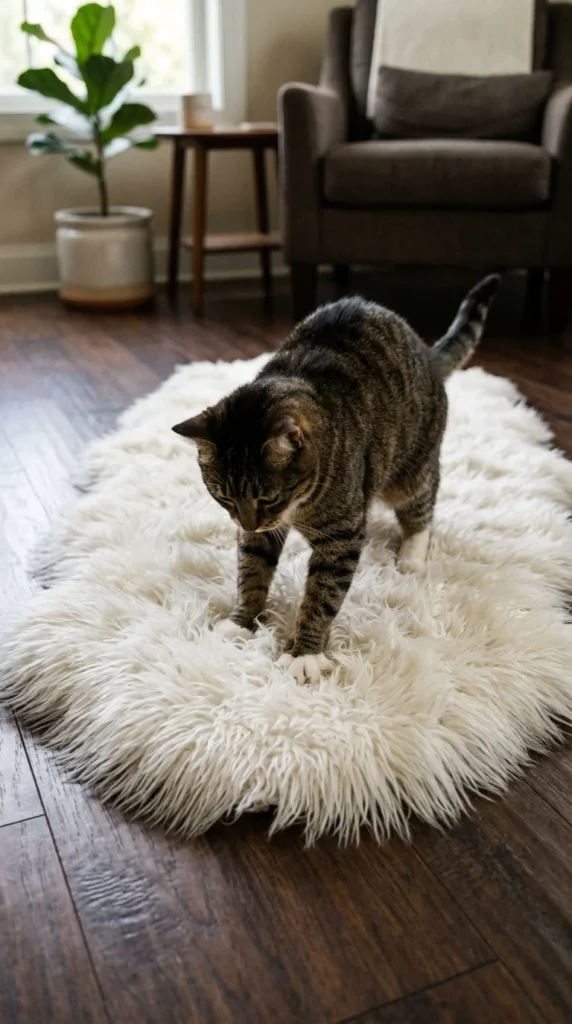
Sometimes kneading is just the first step in a very specific pre-nap ritual. Many cats will knead a spot for several minutes, turn in circles three times, and then finally settle down to sleep. This is the feline version of “fluffing the pillows.” They are making sure the surface is exactly the right consistency and temperature before committing to a deep slumber.
10. Bonding
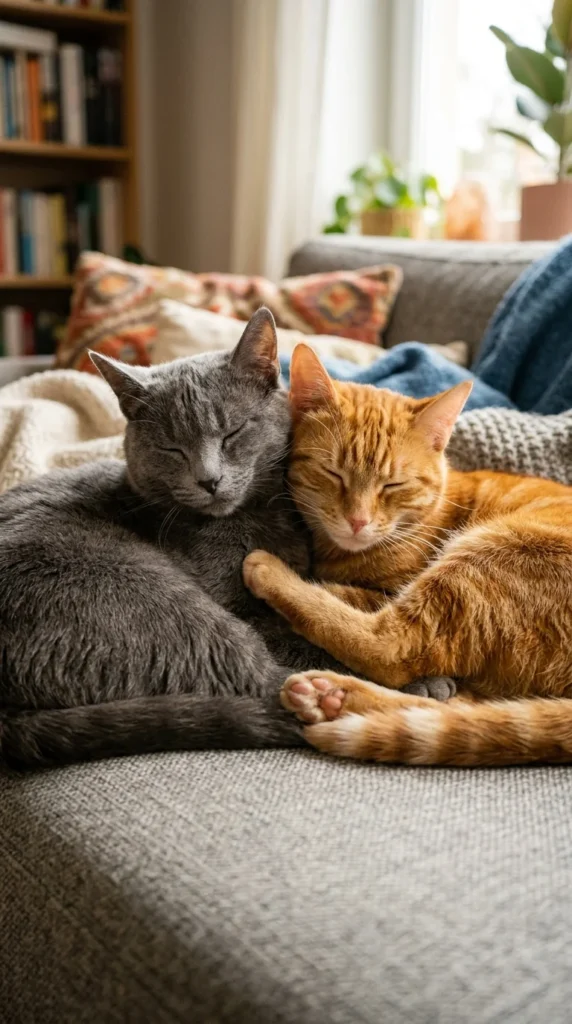
Kneading isn’t always directed at humans or inanimate objects; cats often knead each other. This is a form of social bonding known as allogrooming or social kneading. It reinforces the hierarchy and the emotional bond between cats in a multi-cat household. It is a way of saying, “We are part of the same pride, and I trust you.”
11. Texture
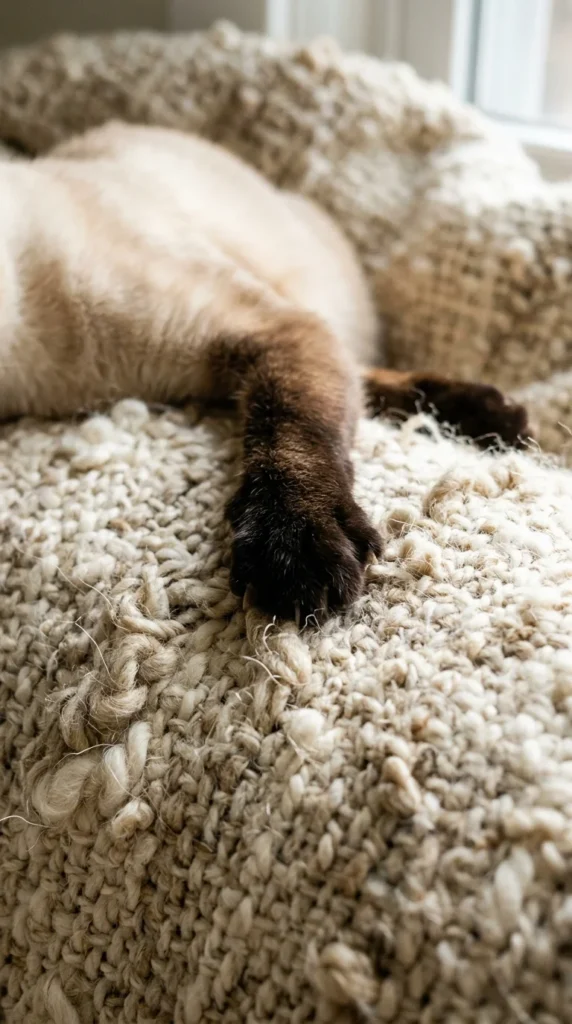
Cats are incredibly tactile creatures. They experience the world through their paws, which are packed with nerve endings. Sometimes, a cat kneads simply because they like how a certain texture feels. High-pile carpets, fleece blankets, and even certain types of upholstery provide sensory feedback that cats find stimulating or satisfying. It’s a physical exploration of their environment.
12. Ownership
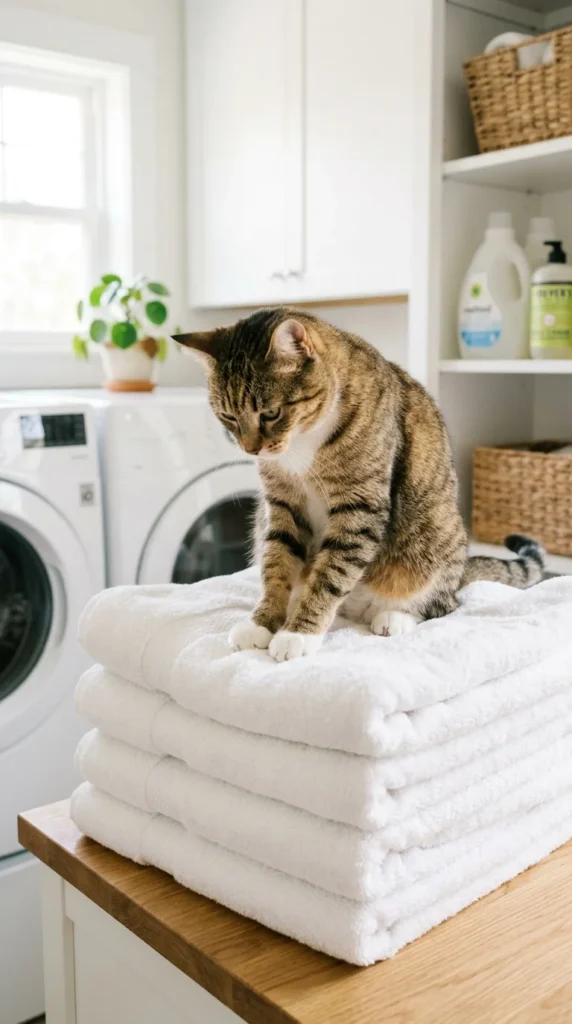
By kneading your favorite sweater or your side of the bed, your cat is effectively putting a “property of” tag on it. Since they are leaving their scent behind, they are telling any other animals (or humans) that this specific item belongs to them. It’s a way for them to surround themselves with their own scent, which makes them feel more secure in their domain.
13. Relaxation
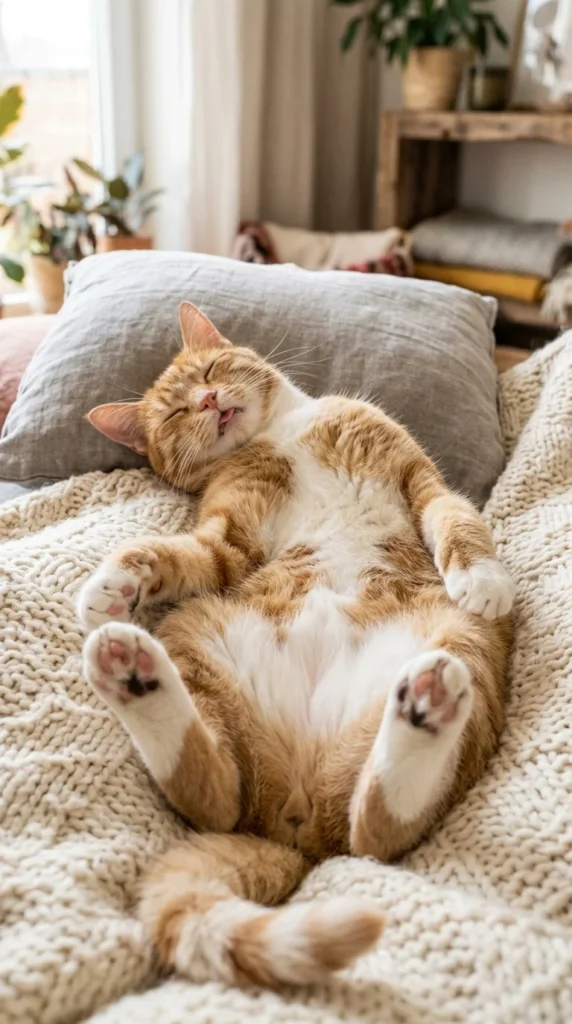
Kneading the air (often called “air biscuits”) is a sign of extreme physiological relaxation. When a cat is so comfortable that they don’t even need a surface to knead against, they are in a state of “rest and digest.” This usually happens when they are getting a belly rub or are about to fall into a very deep sleep.
14. Instinct
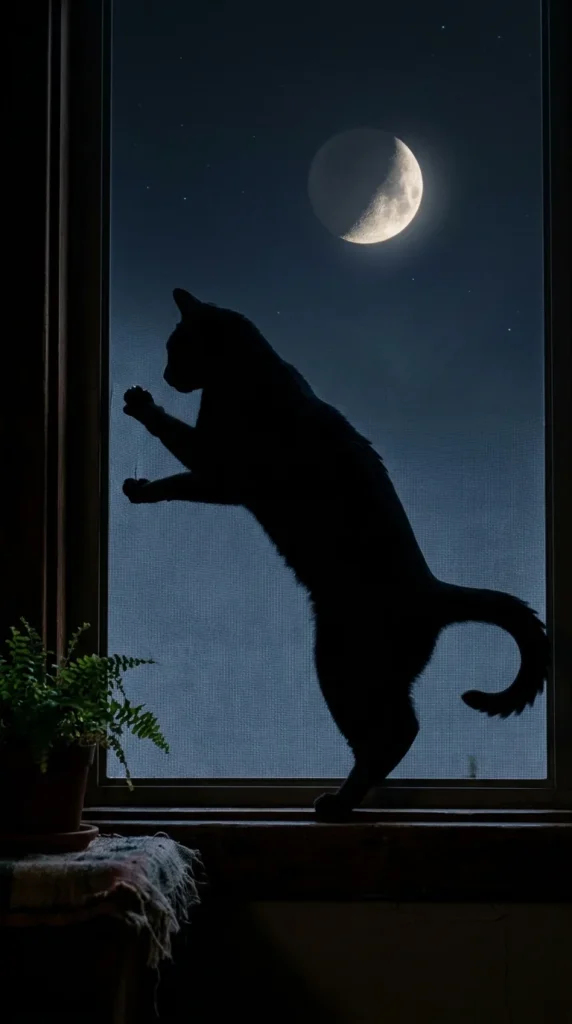
Sometimes, there is no deep emotional reason; it’s just pure, unadulterated instinct. Kittens learn to knead before they can even see, and the neural pathways for this action are some of the strongest in the feline brain. A cat might start kneading purely because they felt a soft surface and their brain triggered the automatic response. It’s a fundamental part of being a cat.
15. Attention
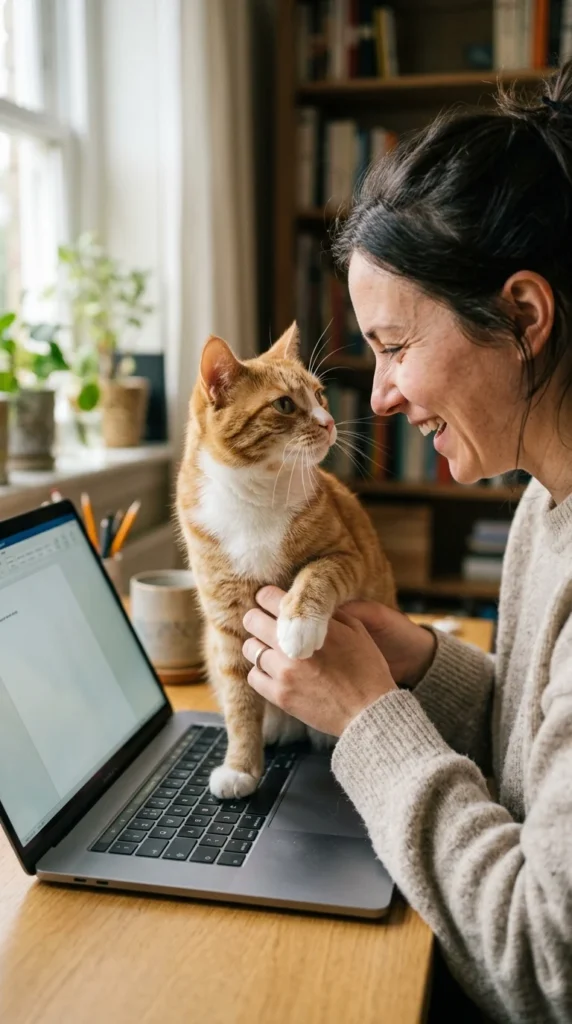
Cats are masters of manipulation—in the cutest way possible. If your cat realizes that kneading you gets them a head scratch, a treat, or a conversation, they will use it to get your attention. It’s a proactive way for them to engage with you and ensure that your focus is exactly where they want it: on them.
16. Nursing
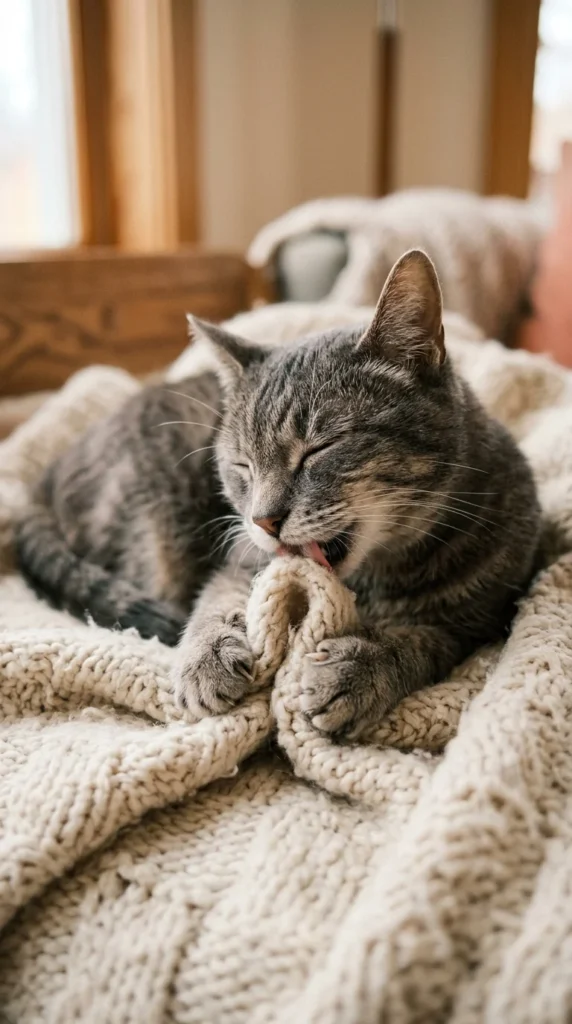
Some cats, especially those who were weaned too early from their mothers, engage in “wool sucking” while they knead. They will take a piece of a blanket or even your skin into their mouth and suckle while treading with their paws. This is a very deep regression into kittenhood and provides the cat with an intense sense of security that they may have missed out on during their early development.
17. Security
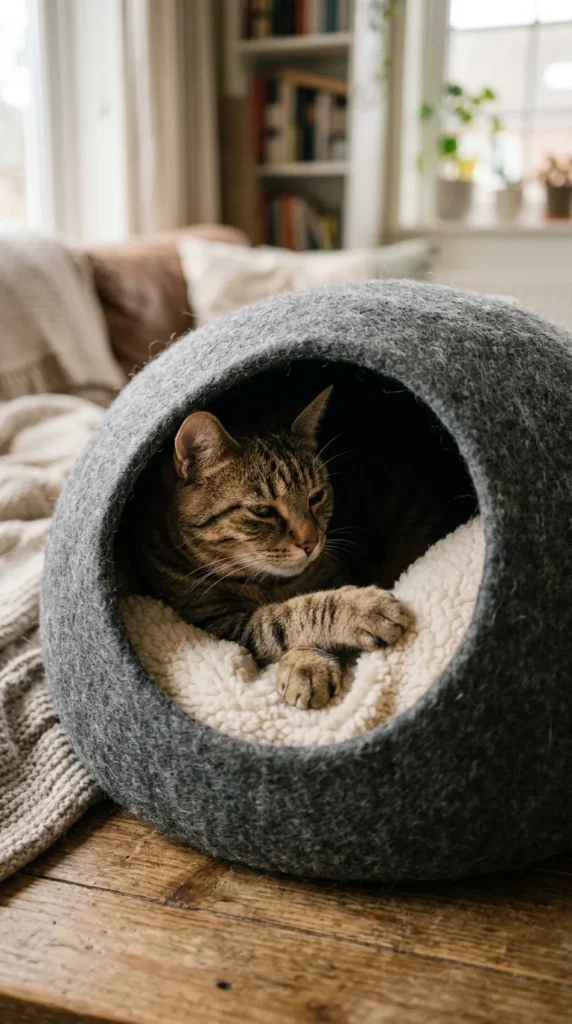
The act of kneading can help a cat feel “grounded.” If a cat is in a new environment or if things have been a bit chaotic at home, finding a soft spot to knead helps them re-establish a sense of safety. The physical contact and the repetitive motion help them shut out the outside world and focus on their own physical presence.
18. Happiness
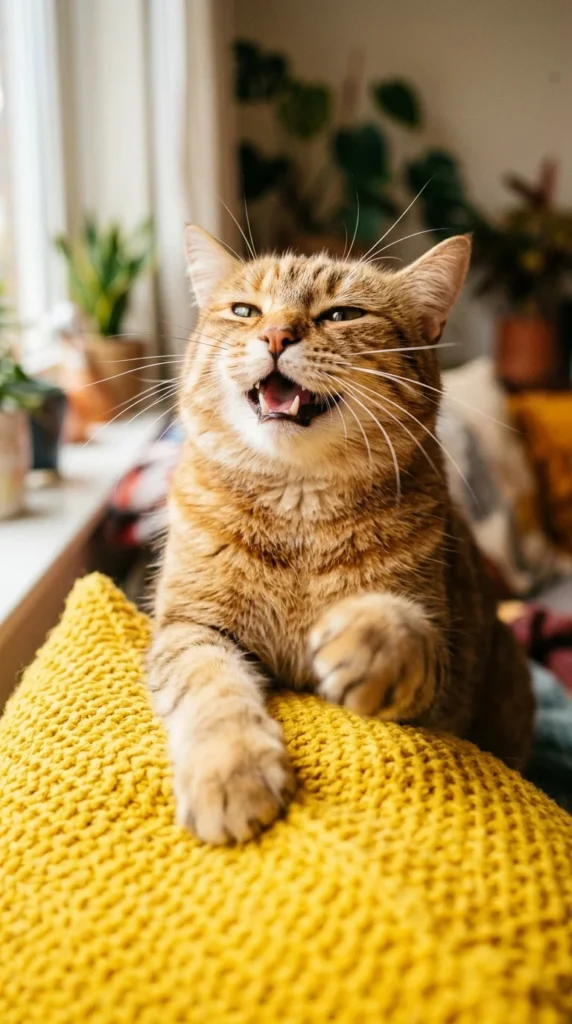
Ultimately, kneading is the universal sign of a happy cat. While it serves many biological and evolutionary purposes, it is most often seen when a cat is at their most content. A kneading cat is a cat that feels loved, well-fed, and completely at home. It is their way of vibrating with joy and sharing that peace with you.