
A cat’s eyes are not only beautiful but are also highly sensitive organs that play a crucial role in their survival and quality of life. When things go wrong, the signs can range from subtle changes in behavior to obvious physical distress. Eye infections in felines are common, often caused by bacteria, viruses, or fungi, and they can progress quickly if left untreated. Recognizing the early warning signs is the first step in ensuring your feline friend stays comfortable and maintains their vision.
In this guide, we will explore 19 symptoms of cat eye infections that demand your attention. From the classic signs of redness to the more obscure behavioral shifts, understanding these indicators will help you know when it is time to call the veterinarian.
1. Redness

One of the most immediate signs of an infection is redness, also known as conjunctivitis or “pink eye.” This occurs when the blood vessels in the conjunctiva—the thin membrane covering the white of the eye and the inner surface of the eyelids—become inflamed. While it can be caused by allergies or a simple irritant like dust, persistent redness is a hallmark of viral or bacterial infections. If the eye looks angry and bloodshot, your cat is likely experiencing discomfort or itching.
2. Squinting

Squinting is a protective reflex. If a cat is squinting or holding one eye partially shut, it usually indicates pain or sensitivity. In the feline world, this is often a sign of a corneal ulcer or a deep-seated infection. Squinting helps the cat reduce the amount of light entering the eye and protects the surface from further irritation, but it is a clear signal that something is wrong beneath the surface.
3. Watery Eyes
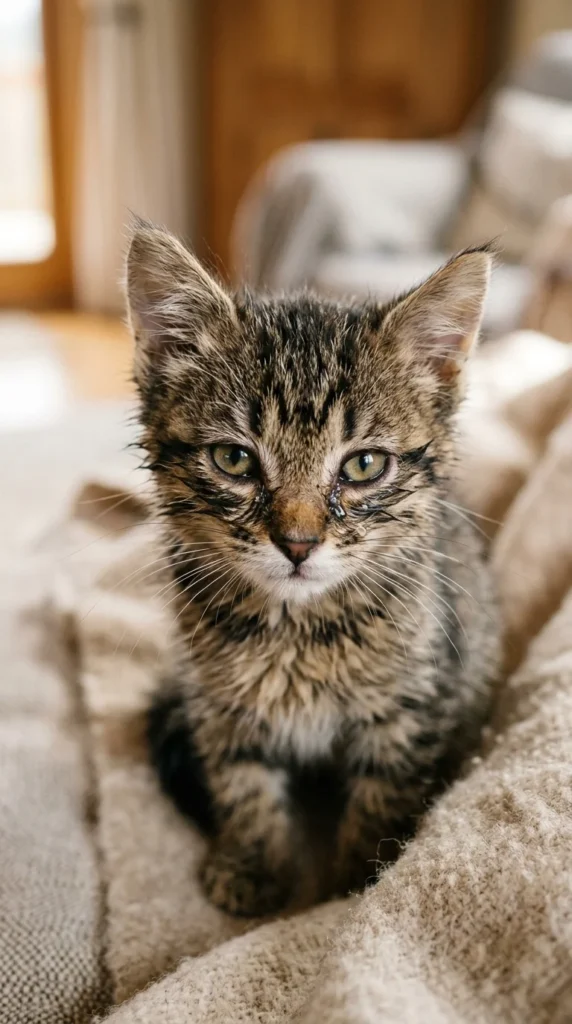
While “crying” in cats isn’t emotional, excessive tearing—known as epiphora—is a frequent symptom of eye issues. If you notice clear, watery discharge spilling over the eyelids and staining the fur, the eye is likely trying to flush out an infectious agent or an irritant. While clear discharge is sometimes associated with allergies, in the context of an infection, it often precedes more severe symptoms.
4. Thick Discharge
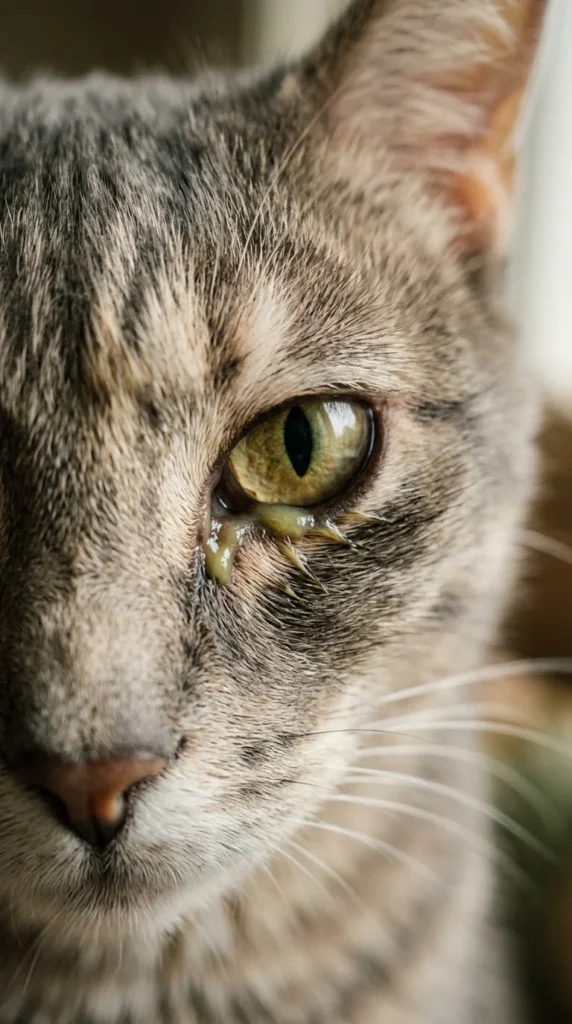
When the discharge turns from clear to thick, sticky, or colored (yellow, green, or grey), it is a major red flag. This type of discharge typically indicates a bacterial infection. The mucus can be so thick that it glues the eyelids shut, especially after the cat has been sleeping. This requires immediate veterinary attention to prevent the infection from spreading or causing permanent damage to the ocular tissues.
5. Third Eyelid
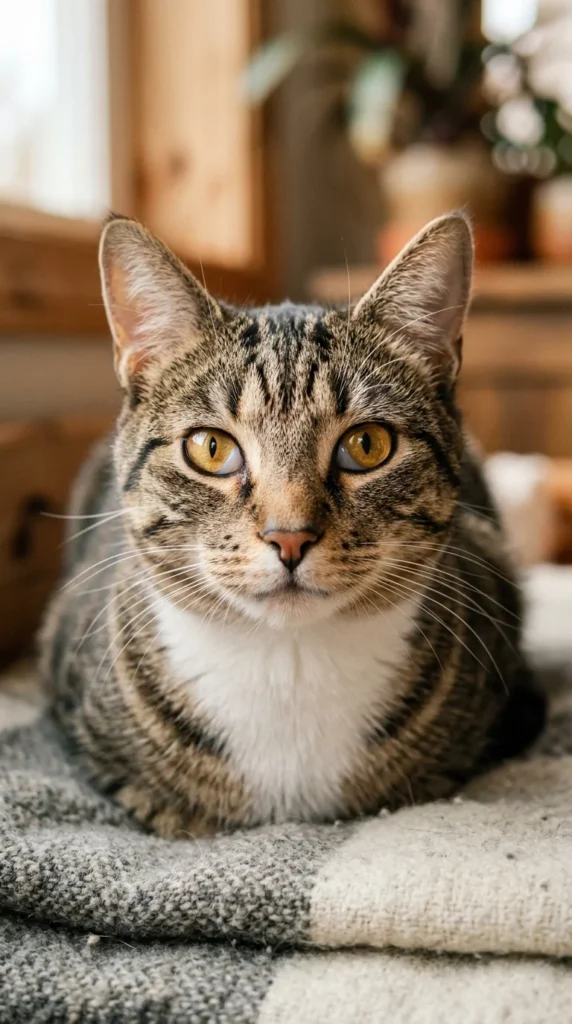
Cats possess a “third eyelid” or nictitating membrane that provides extra protection. Normally, you barely see it. However, if this membrane remains visible and covers a portion of the eye while the cat is awake, it is a sign of illness, dehydration, or a localized eye infection. When the eye is painful, it retracts into the socket, which causes the third eyelid to passively slide across the surface.
6. Swelling
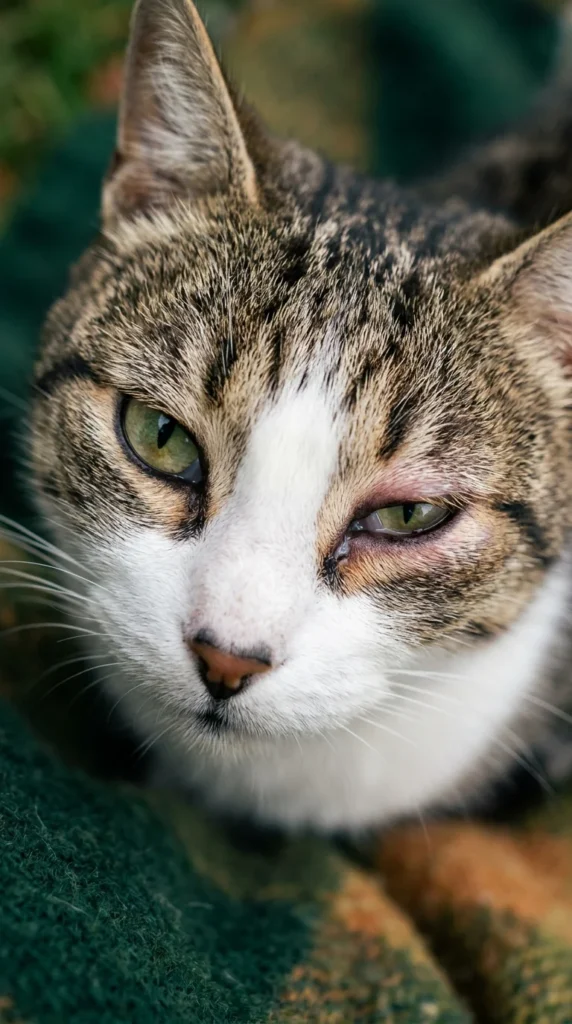
Inflammation doesn’t just happen inside the eye; it often affects the surrounding tissues. If the eyelids or the area around the eye socket appear swollen, puffy, or protruding, it may indicate a serious infection or even an abscess. Swelling can make it difficult for the cat to blink properly, which further dries out the cornea and exacerbates the infection.
7. Pawing

Cats are meticulous groomers, but if you notice your cat constantly pawing at its eye or rubbing its face against the floor or furniture, it’s a sign of intense irritation. This behavior is the feline equivalent of scratching an itch. Unfortunately, pawing can lead to self-inflicted trauma, such as scratches on the cornea (ulcers), which can turn a simple infection into a surgical emergency.
8. Cloudiness
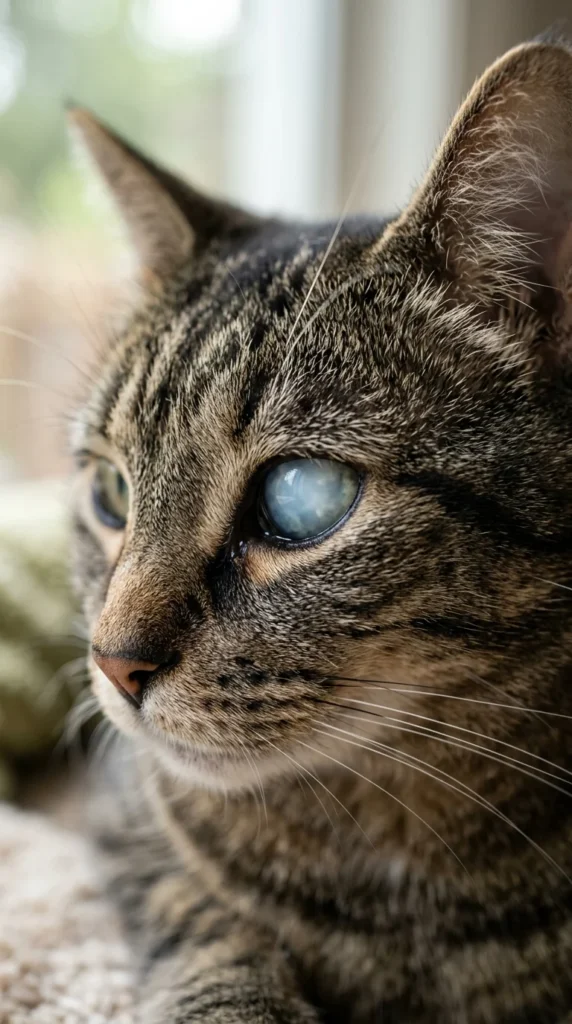
A healthy cat eye should be crystal clear. If you notice a “foggy” or “cloudy” appearance on the surface of the eye or deep within it, this is a serious symptom. Cloudiness can indicate a corneal ulcer, keratitis (inflammation of the cornea), or glaucoma. These conditions are often associated with infections and can lead to permanent blindness if the underlying cause is not addressed immediately.
9. Photophobia
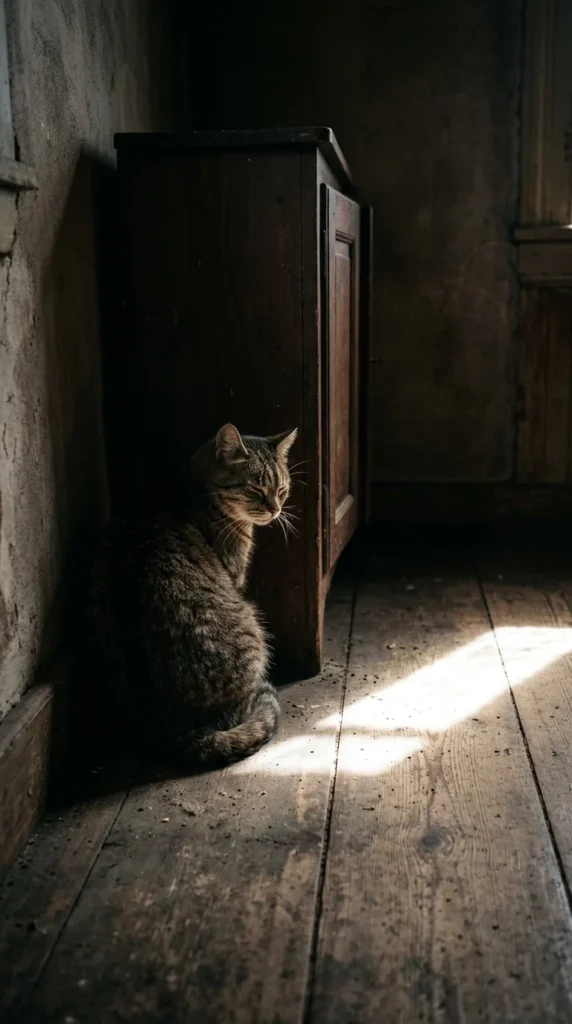
Photophobia is a fancy term for light sensitivity. If your cat suddenly avoids bright rooms or winces when you turn on the light, their eyes are likely in significant pain. Many infections cause the internal structures of the eye to become inflamed (uveitis), making light exposure very painful. A cat seeking out dark closets or hiding under the bed is often trying to find relief from this discomfort.
10. Frequent Blinking

Blepharospasm, or involuntary frequent blinking, is a sign that the eye is being irritated. It is often one of the first things owners notice before discharge or redness becomes prominent. This rapid-fire blinking is a response to the “foreign body” sensation that many infections cause, making the cat feel as though there is sand or grit trapped under their eyelid.
11. Sneezing
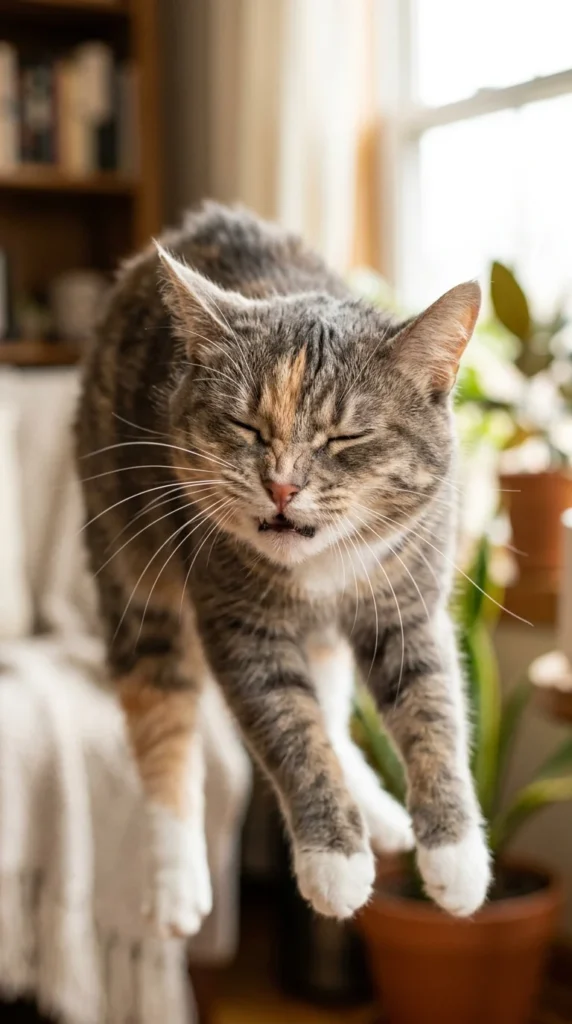
In cats, eye infections are frequently linked to Upper Respiratory Infections (URIs), such as Feline Herpesvirus or Calicivirus. If your cat has runny eyes accompanied by sneezing, a runny nose, or congestion, the infection is likely systemic rather than localized. These “cat colds” are highly contagious and can lead to severe ocular complications if the respiratory virus attacks the delicate tissues of the eye.
12. Bulging
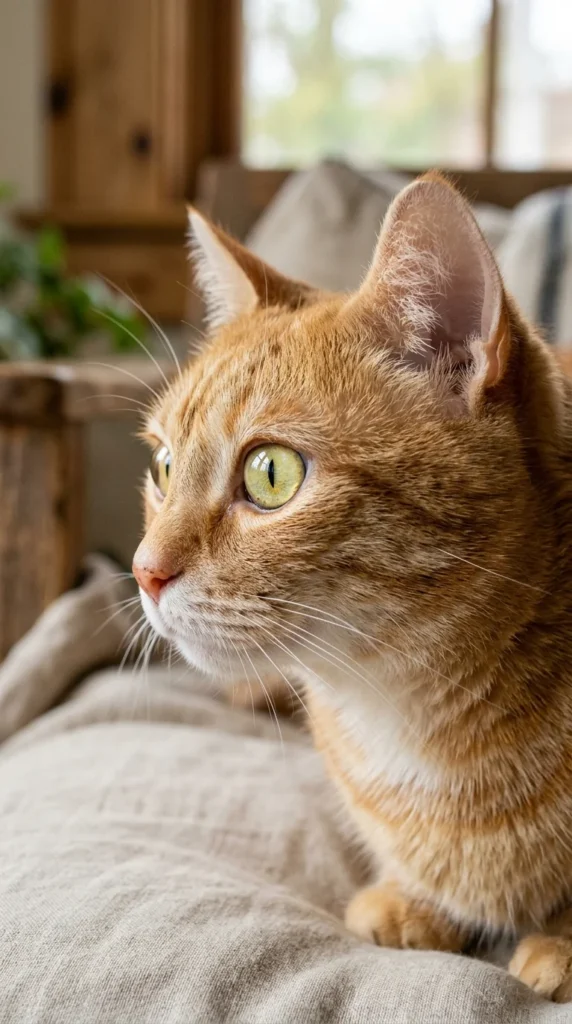
A bulging eye, or exophthalmos, is a medical emergency. This can occur when an infection behind the eye (in the retrobulbar space) creates an abscess or significant swelling that pushes the eyeball forward. This is extremely painful and puts immense pressure on the optic nerve. If one eye looks “bigger” or more “bug-eyed” than the other, seek help immediately.
13. Crusty Eyelids
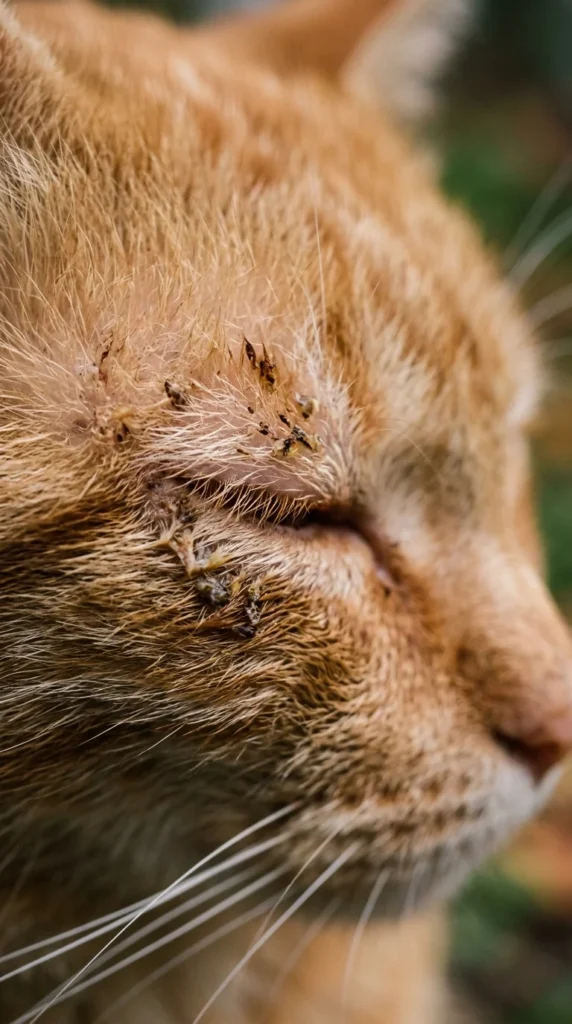
When discharge dries, it forms “crusties.” While a small amount of “eye boogers” can be normal for some breeds, an infection will produce so much discharge that the eyelids become matted with hard, dried material. This can be very uncomfortable for the cat, as the crusts pull on the sensitive skin of the eyelids every time they try to open their eyes.
14. Pupil Changes
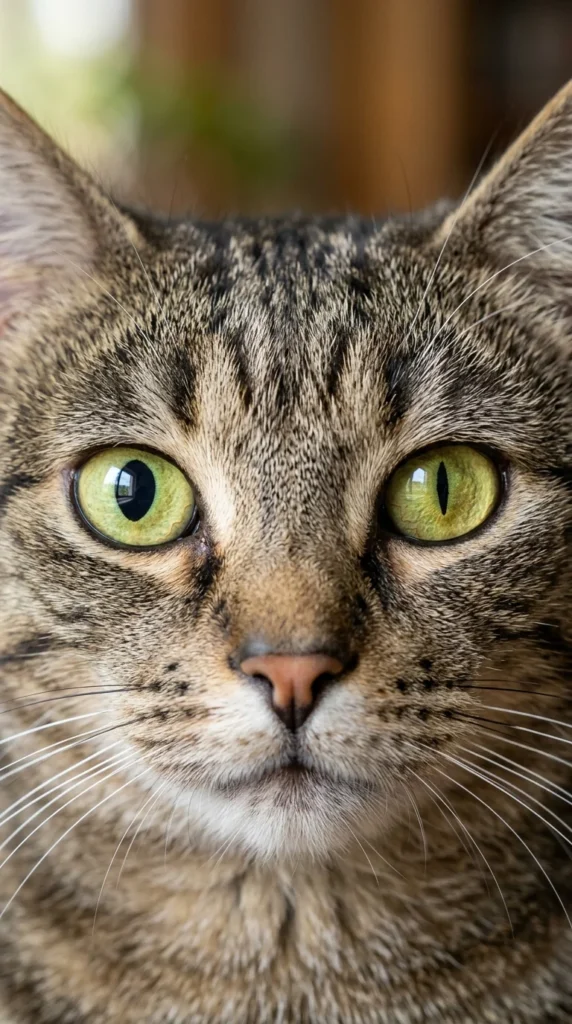
If you notice that your cat’s pupils are different sizes (anisocoria) or if a pupil remains dilated even in bright light, it could indicate deep internal inflammation or an infection affecting the nerves of the eye. Changes in pupil reactivity are often associated with serious conditions like Feline Infectious Peritonitis (FIP) or advanced uveitis, both of which require intensive veterinary management.
15. Lethargy

A localized eye infection can make a cat feel generally unwell. If your usually bouncy cat is suddenly sluggish, sleeping more than usual, or showing no interest in play, the infection may be causing a fever or systemic malaise. Cats are masters at hiding pain, so a shift in their overall energy levels is often a cry for help.
16. Chemosis
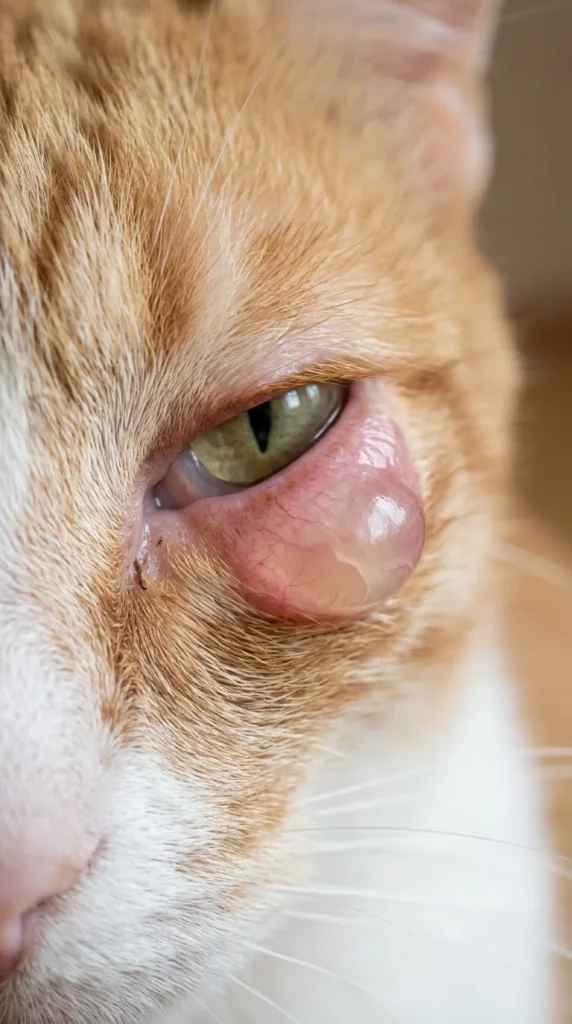
Chemosis is a specific type of swelling where the conjunctiva becomes so filled with fluid that it looks like a gelatinous bubble surrounding the eye. It can be so severe that the cat cannot even close its eye. This is common in severe viral infections or allergic reactions and is highly indicative of a significant inflammatory response.
17. Ulcers
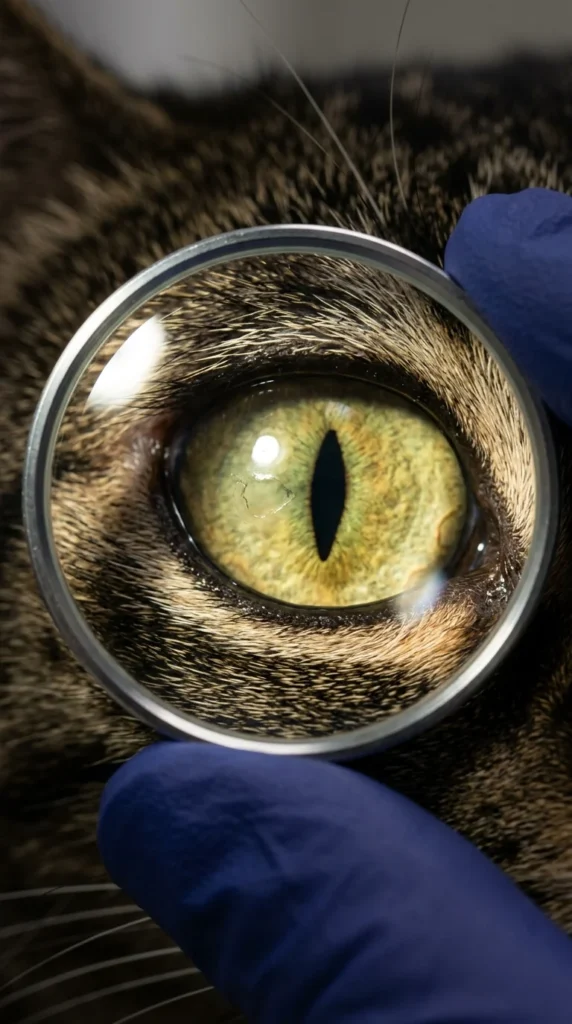
Corneal ulcers are open sores on the surface of the eye. They are often caused by the cat scratching its eye due to the itchiness of an infection, or by the infection itself eating away at the tissue. Ulcers are incredibly painful and can lead to the eye “melting” or rupturing if not treated with specific antibiotic drops and pain relief.
18. Face Rubbing
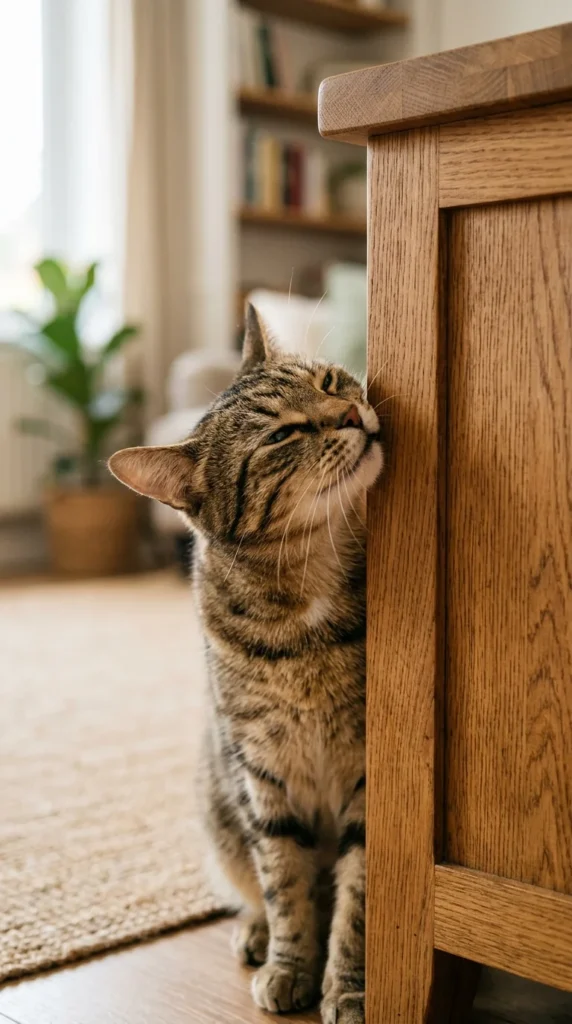
Unlike gentle grooming, this is a frantic rubbing. Cats will use the corners of coffee tables, the edges of walls, or even your shoes to try and relieve the pressure or itchiness in their eyes. This behavior often results in hair loss around the eye or secondary skin infections due to the repeated friction.
19. Eye Discoloration
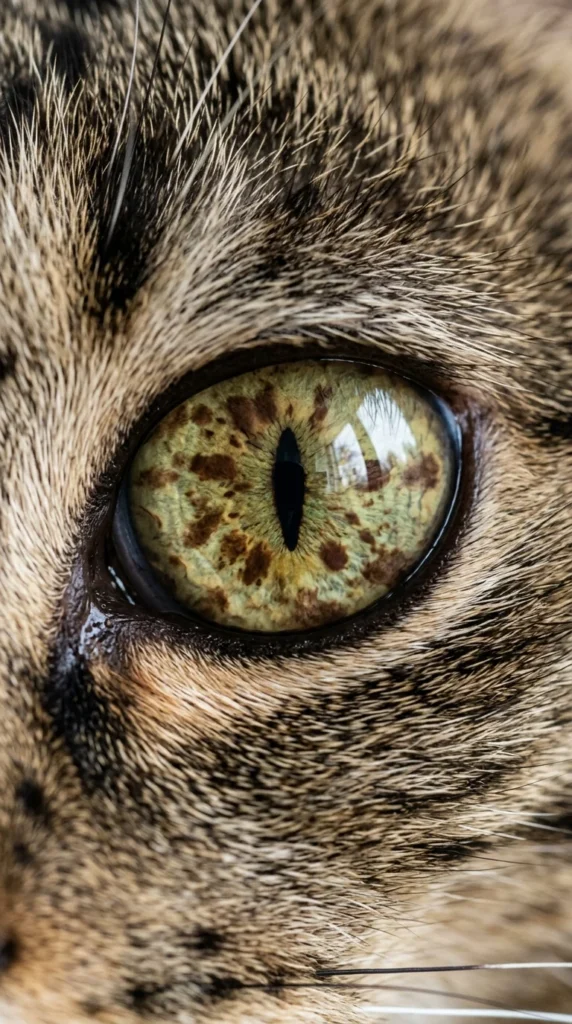
If the iris (the colored part of the eye) changes color, looks “muddy,” or develops new spots during an infection, it is a sign of internal inflammation (uveitis). This can be a secondary effect of a long-standing infection. Changes in eye color should always be evaluated, as they can indicate that the infection has moved into the deeper chambers of the eye.
Summary: What to Do Next
If your cat is displaying any of these symptoms, the best course of action is to schedule a visit with your veterinarian. Avoid using “human” eye drops or leftover medications from other pets, as some ingredients can be toxic to cats or worsen specific types of infections (like steroid drops on an ulcer).
Early detection and treatment are the keys to a quick recovery. Most cat eye infections respond well to topical antibiotics or antivirals when caught early, ensuring your cat continues to see the world with clarity and comfort.