Starting a new aquarium is an exciting journey, but the most critical step often happens before you even bring your first fish home. This process is known as “cycling.” Without a properly cycled tank, your aquatic pets are at high risk of ammonia poisoning, which can lead to a heartbreaking start to the hobby. Cycling is the process of establishing a biological filter—a colony of beneficial bacteria that converts toxic waste into safer substances.
To ensure your underwater world thrives, we have compiled the ultimate guide to cycling. Here are 19 essential tips and steps every beginner needs to master the nitrogen cycle.
1. Ammonia Source
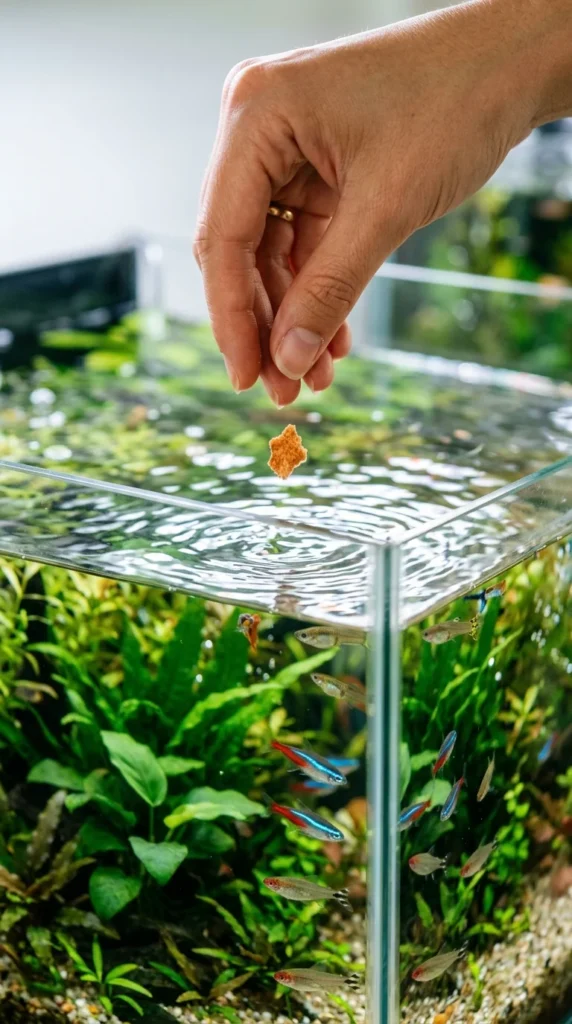
The nitrogen cycle cannot begin without a source of ammonia. Ammonia acts as the “food” for the beneficial bacteria you want to grow. In a fishless cycle, you can provide this by adding a small amount of fish food daily, which will rot and release ammonia, or by adding pure liquid ammonia (without additives or scents). This kickstarts the engine of your biological filter.
2. Beneficial Bacteria
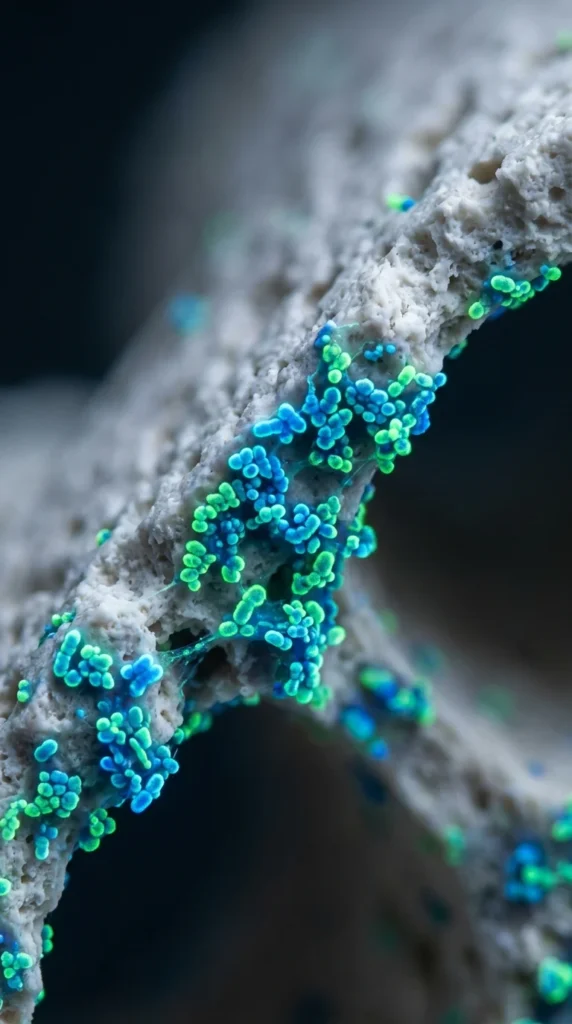
Your goal is to cultivate two primary types of bacteria: Nitrosomonas and Nitrobacter. The first group consumes ammonia and turns it into nitrite. The second group consumes nitrite and turns it into nitrate. These microscopic heroes live on surfaces, not in the water itself, which is why your filter media and substrate are so important.
3. Test Kits
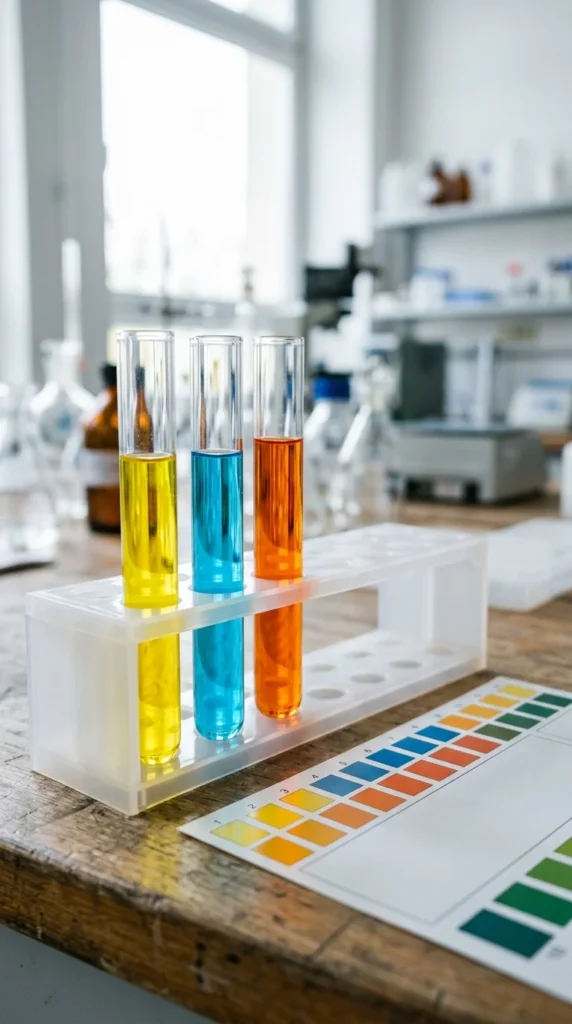
You cannot see the nitrogen cycle happening with the naked eye. Investing in a high-quality liquid master test kit is mandatory. You need to monitor four parameters: pH, Ammonia, Nitrite, and Nitrate. Paper test strips are often inaccurate; liquid drops provide the precision needed to know exactly when your tank is safe for fish.
4. Nitrogen Cycle
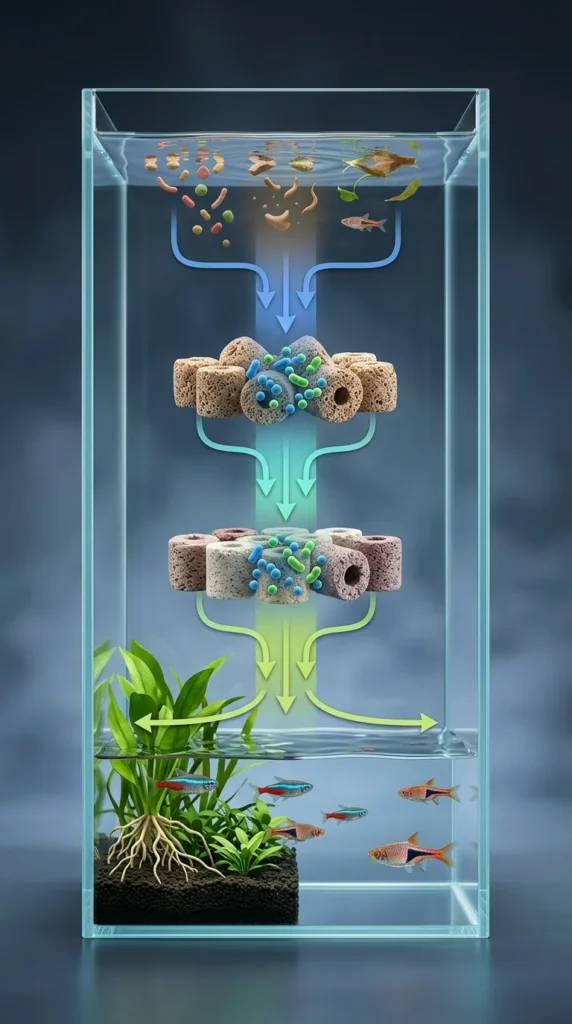
Understanding the flow is key. The cycle follows a specific path: Ammonia levels rise, then fall as Nitrite levels rise. Finally, Nitrite levels fall as Nitrate levels rise. Once your ammonia and nitrite both read 0 ppm (parts per million) and you have a reading for nitrate, your tank is officially cycled.
5. Dechlorination
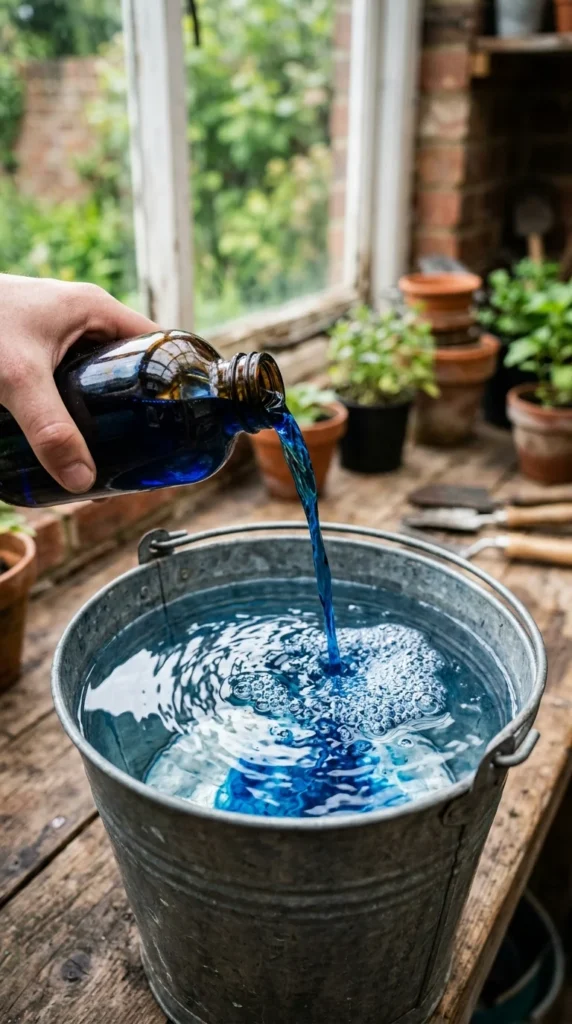
Tap water contains chlorine or chloramines to kill bacteria for human safety. However, these chemicals will also kill the beneficial bacteria you are trying to grow in your tank. Always treat every drop of tap water with a quality dechlorinator before adding it to your aquarium. Failing to do this can reset your cycling progress to zero.
6. Substrate Choice
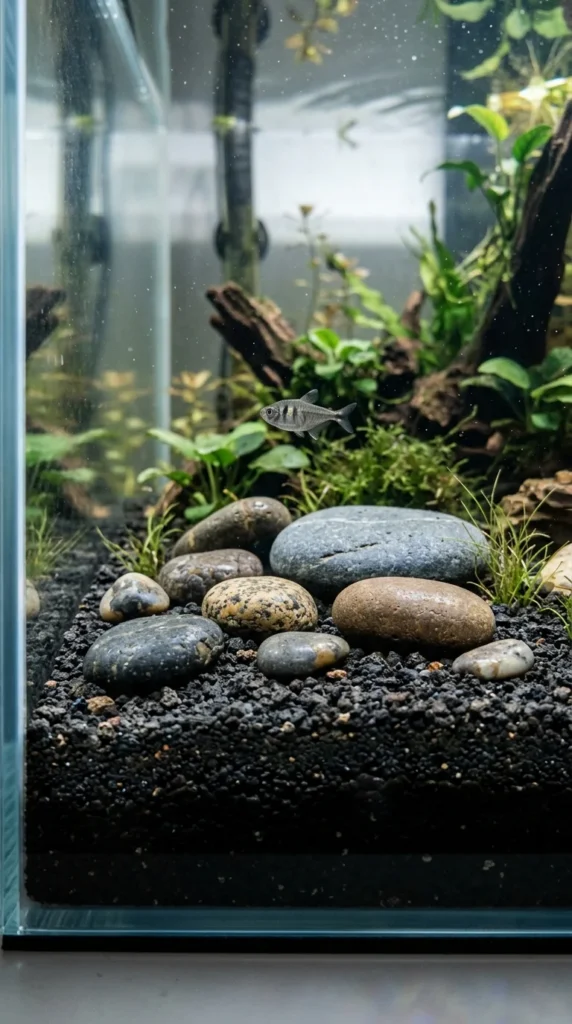
The substrate (the material at the bottom of your tank) provides a massive surface area for bacteria to grow. Porous substrates, like specialized aquarium soils or crushed lava rock, offer more “real estate” for bacteria than smooth glass marbles. Choose a substrate that fits your aesthetic but also supports biological life.
7. Filtration Setup
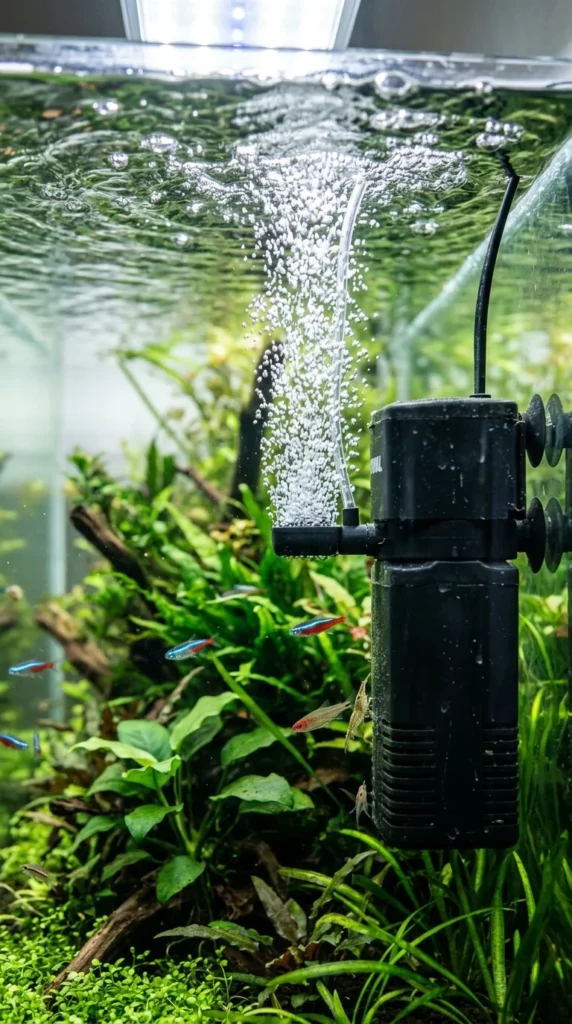
Your filter is the heart of the nitrogen cycle. It should contain “biomedia”—ceramic rings, sponges, or bio-balls designed specifically to house bacteria. Ensure your filter is rated for the size of your tank and keep it running 24/7. Never turn it off, as the bacteria need the constant flow of oxygenated water to survive.
8. Heater Calibration
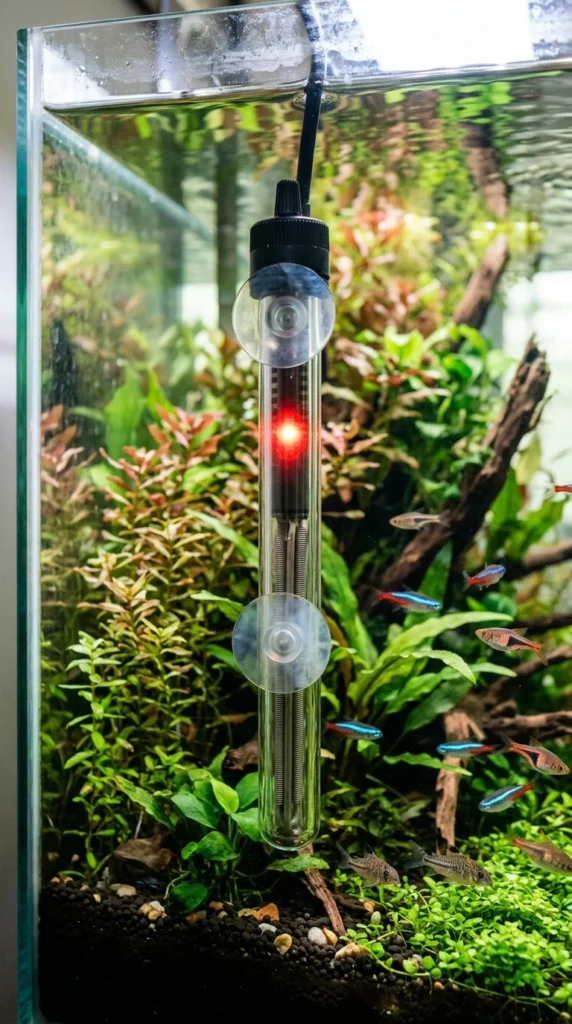
Beneficial bacteria are living organisms, and like most living things, they grow faster in warmth. During the cycling process, keeping your water between 75°F and 82°F (24°C-28°C) will encourage faster bacterial reproduction. Once the cycle is complete, you can adjust the temperature to suit your specific fish species.
9. Oxygenation
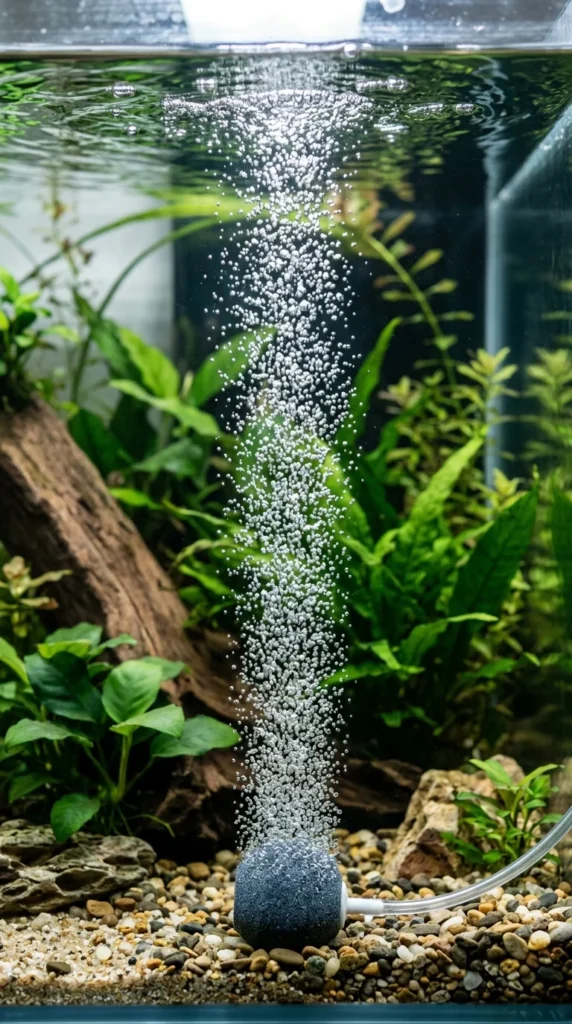
The bacteria involved in the nitrogen cycle are aerobic, meaning they require oxygen to function. Use an air stone or ensure your filter creates enough surface agitation to keep the water well-oxygenated. If the water becomes stagnant, the “good” bacteria may die off, and “bad” anaerobic bacteria could take over.
10. Fishless Cycling
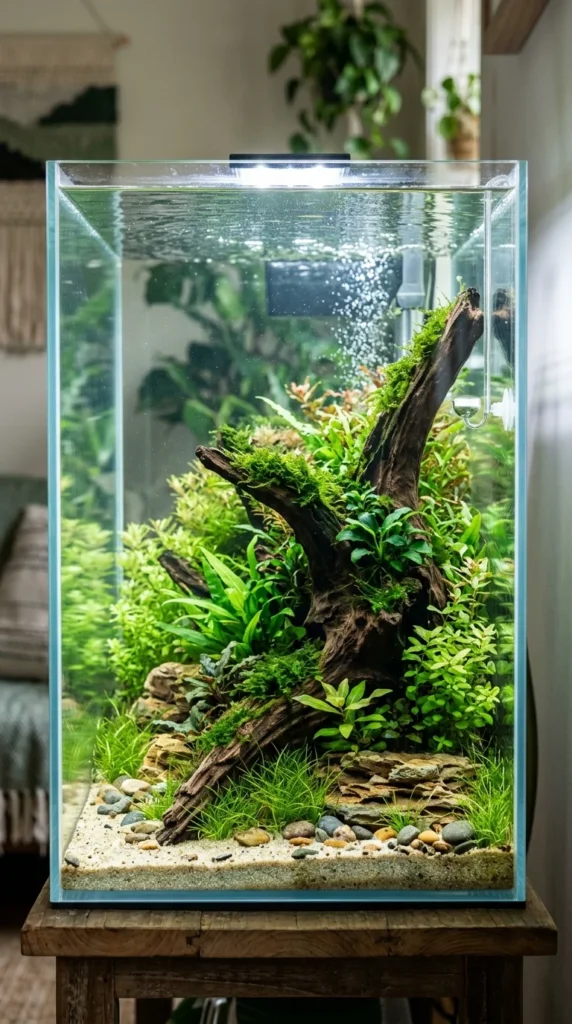
Fishless cycling is the most humane way to start a tank. By cycling without fish, you can allow ammonia levels to spike to high levels that would be lethal to livestock. This builds a robust bacterial colony without causing stress or death to any animals. It requires patience, but it is the gold standard for modern fishkeeping.
11. Established Media
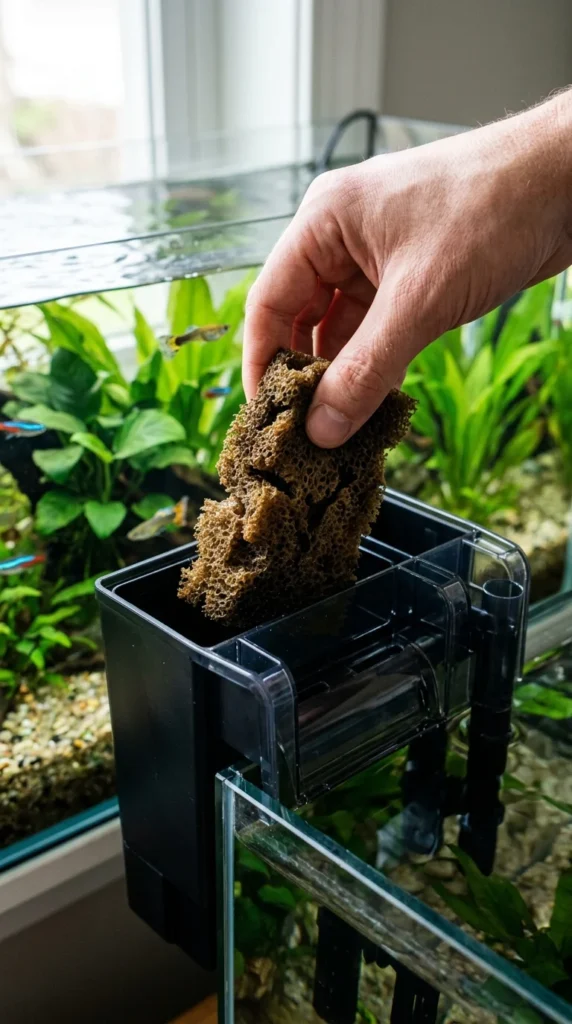
If you have a friend with a healthy, established aquarium, ask them for a piece of their filter media. Placing “seeded” media into your new filter introduces an instant colony of bacteria. This can cut your cycling time from six weeks down to just a few days. Just make sure the donor tank is disease-free.
12. Bottled Bacteria
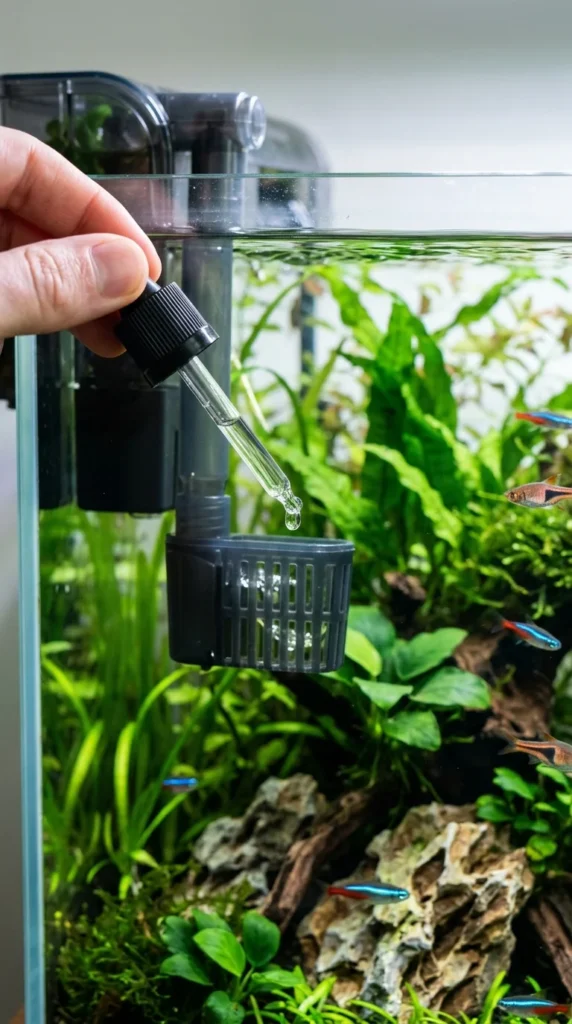
Several brands offer “bacteria in a bottle” products. These contain dormant beneficial bacteria that activate once added to the water. While not a “magic pill” that works instantly every time, these products can significantly speed up the process and provide a safety net during the early stages of the cycle.
13. pH Balance
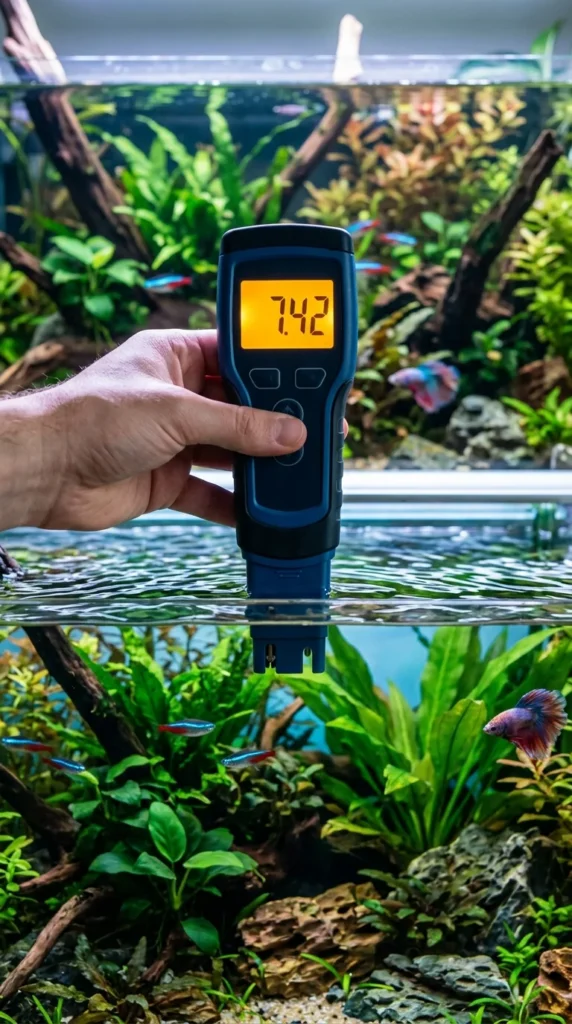
Bacteria struggle to grow if the pH is too low (acidic). If your pH drops below 6.0, the nitrogen cycle can actually stall or stop entirely. Keep an eye on your pH levels during the cycle; if they crash, you may need to perform a small water change or add a buffer to bring the levels back up to a range of 7.0 to 8.0.
14. Temperature Boost
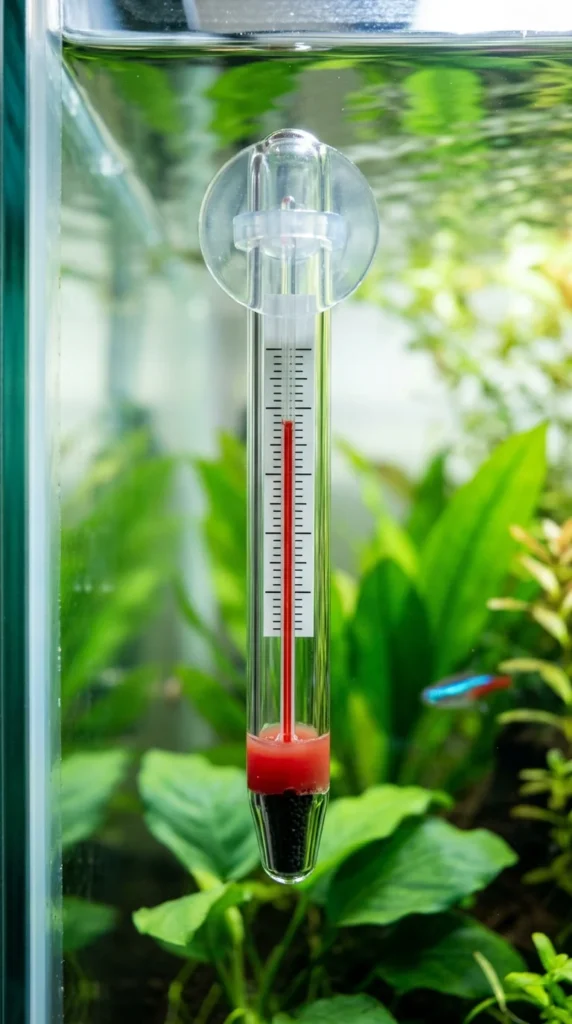
If you are performing a fishless cycle, you can “crank the heat.” Boosting the temperature to roughly 82°F-85°F can accelerate the metabolic rate of the bacteria, making them divide more rapidly. Just remember to turn the heat back down to a safe level before adding your fish!
15. Light Management
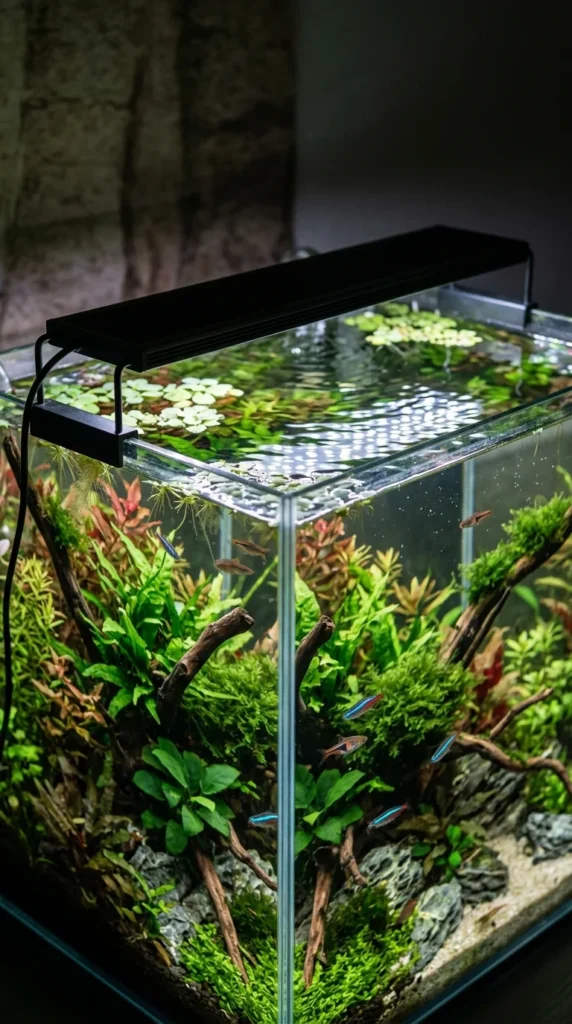
During the cycling phase, you don’t actually need the lights on unless you have live plants. Excessive lighting while ammonia and nitrates are present is a recipe for a massive algae bloom. To keep the water clear and focused on bacteria growth, keep the lights off or on a very short timer until the cycle is finished.
16. Ammonia Spikes
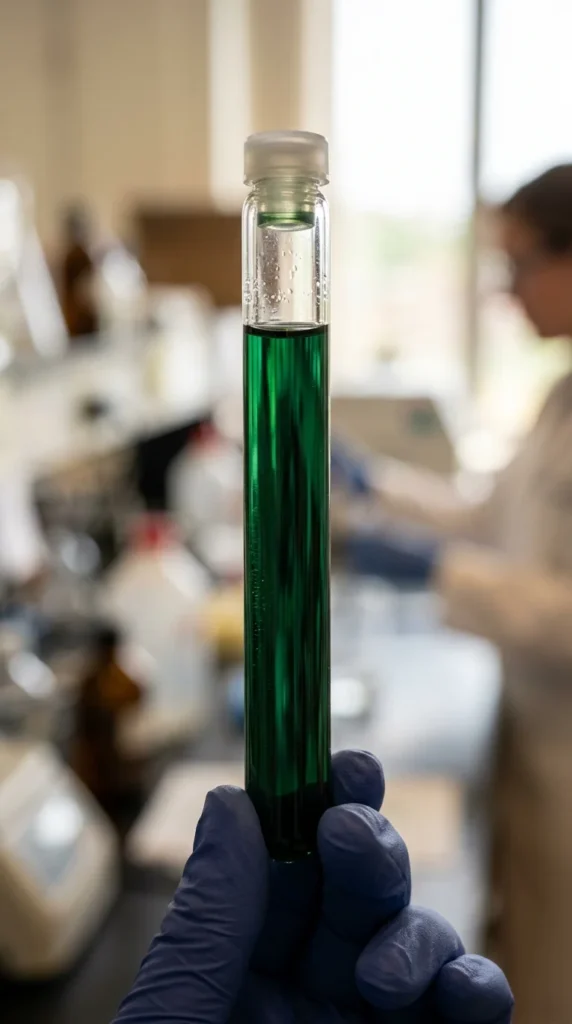
Don’t panic when you see your first ammonia spike! This is a sign that the process is working. However, in a fishless cycle, if ammonia rises above 5 ppm, it can become toxic even to the bacteria. If it gets too high, perform a partial water change to bring it back down to a manageable 2-4 ppm.
17. Nitrite Peak
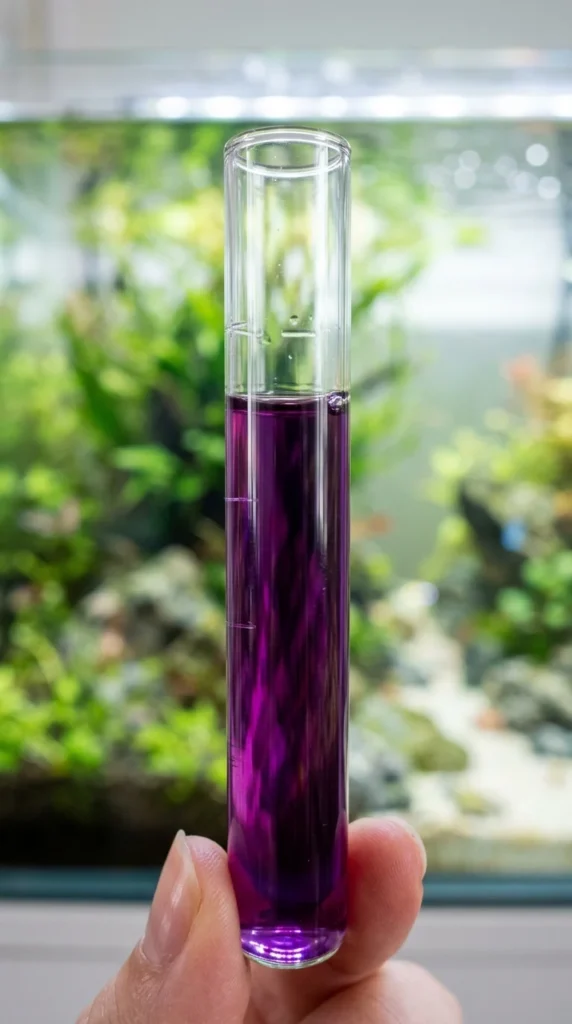
The nitrite peak is often the longest and most frustrating part of the cycle. Nitrites are just as toxic as ammonia. When you see your test tube turn purple, you are halfway there. Be patient and continue to monitor; eventually, you will see this number drop to zero as the second colony of bacteria establishes itself.
18. Nitrate Control
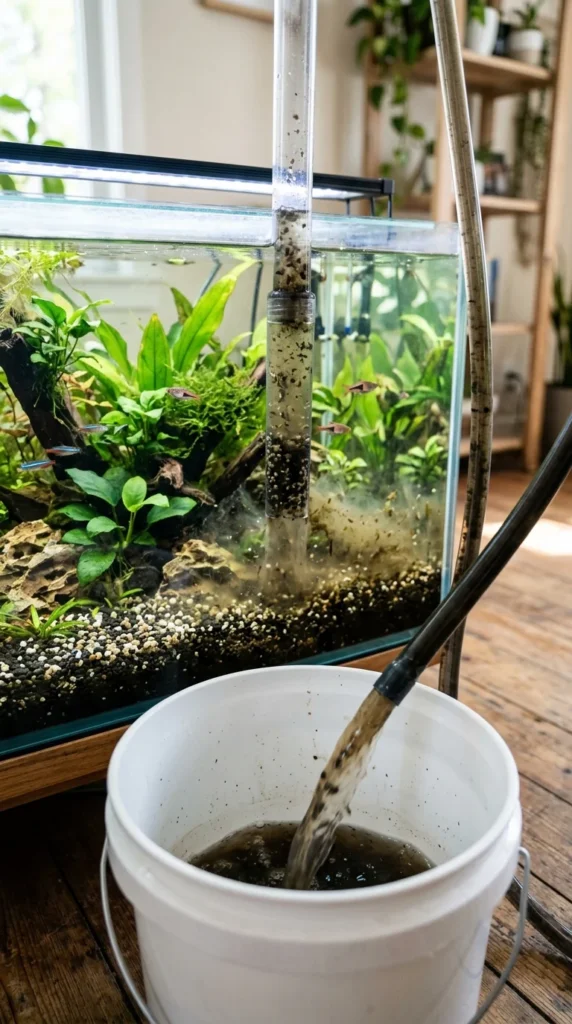
Nitrate is the end product of the nitrogen cycle. While less toxic than ammonia or nitrite, high levels (above 40 ppm) are still harmful to fish. Once your cycle is finished and your nitrates are high, perform a large water change (50-75%) to bring the nitrates down to a safe level (under 20 ppm) before adding fish.
19. Gradual Stocking
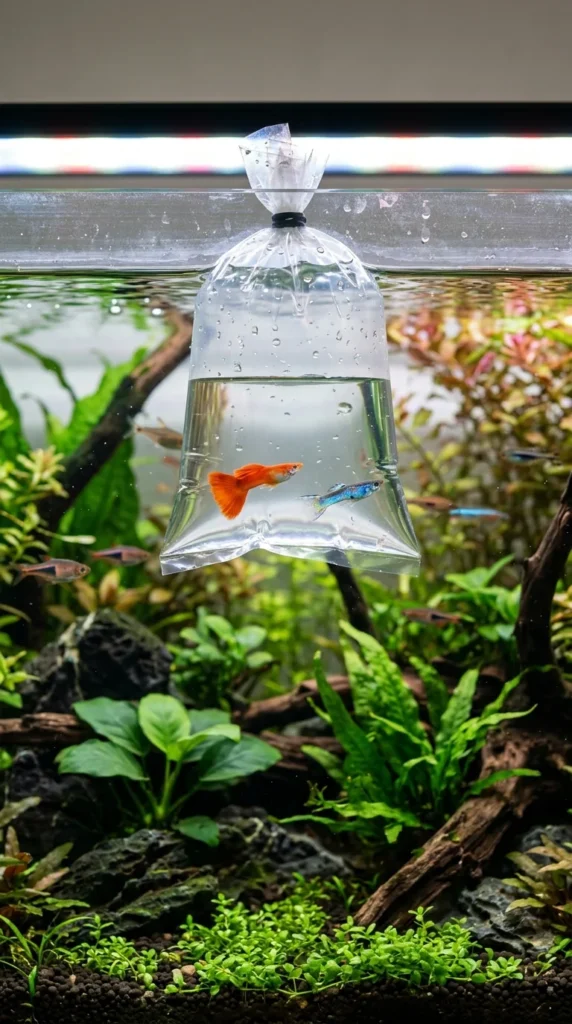
The biggest mistake beginners make is adding too many fish at once after the cycle is done. Your bacterial colony is currently only large enough to handle the ammonia source you were providing. Add fish slowly—just a few at a time—to allow the bacteria to multiply and adjust to the new “bioload” of your pets.