
Bringing a new kitten into your home is one of the most joyful experiences a pet lover can have. Those tiny paws, the high-pitched meows, and the endless energy are infectious. However, kittens are essentially toddlers with whiskers and the athletic ability of a ninja. They view your home not as a residence, but as a giant, high-stakes playground filled with things to climb, chew, and conquer.
Kitten-proofing is an essential step in ensuring your new furry friend stays safe while they explore their new kingdom. To help you navigate this transition, we’ve compiled a comprehensive list of 19 kitten-proofing tips to turn your home into a feline-friendly fortress.
1. Electrical Cords
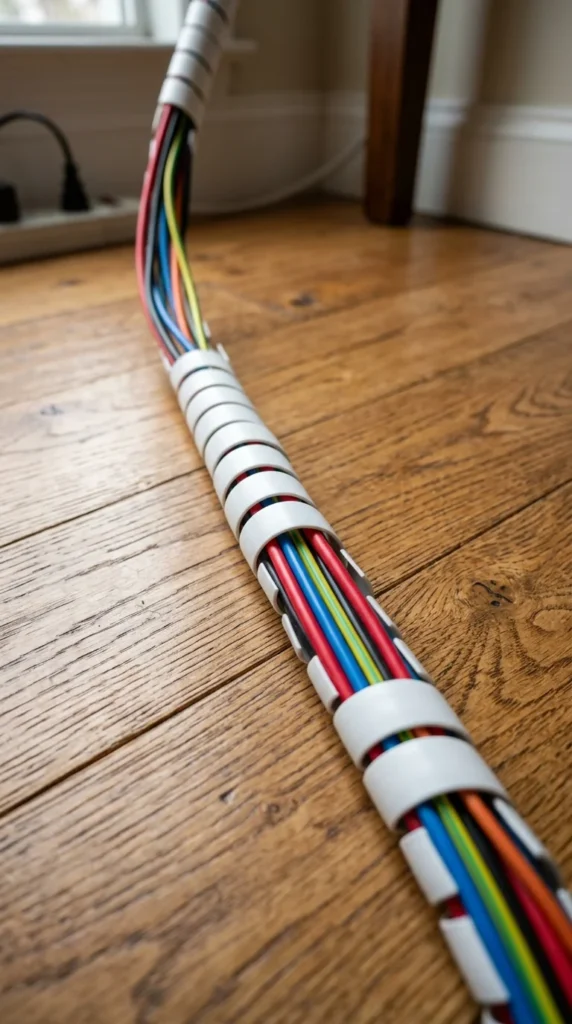
Kittens love to chew, and thin electrical cords look suspiciously like high-voltage spaghetti. A single bite can lead to severe burns or electrocution. To prevent this, use protective cord covers or “critter cords” made of heavy-duty plastic. You can also hide cords behind furniture or use double-sided tape on the floor near outlets to discourage your kitten from hanging out in high-voltage zones.
2. Toxic Plants

Many common houseplants are highly toxic to cats. Lilies, sago palms, azaleas, and even some types of ivy can cause kidney failure or death if ingested. Before your kitten arrives, audit your greenery. Move toxic plants to rooms the kitten cannot enter, or better yet, gift them to a friend and replace them with cat-safe options like cat grass, spider plants, or Boston ferns.
3. Window Screens

“High-rise syndrome” is a real danger for cats who fall from open windows. Kittens are notoriously uncoordinated and can easily slip through a gap or push out a flimsy screen while chasing a fly. Ensure every window in your home has a secure, heavy-duty screen. Double-check that the screens are locked into the frames and cannot be popped out by a curious paw.
4. Toilet Lids

A kitten’s curiosity can lead them to the “porcelain watering hole.” Small kittens can easily fall into an open toilet and may struggle to climb out, leading to a risk of drowning. Furthermore, the chemicals used in toilet bowl cleaners are toxic. Make it a strict household rule: keep the toilet lid down at all times.
5. Blind Cords
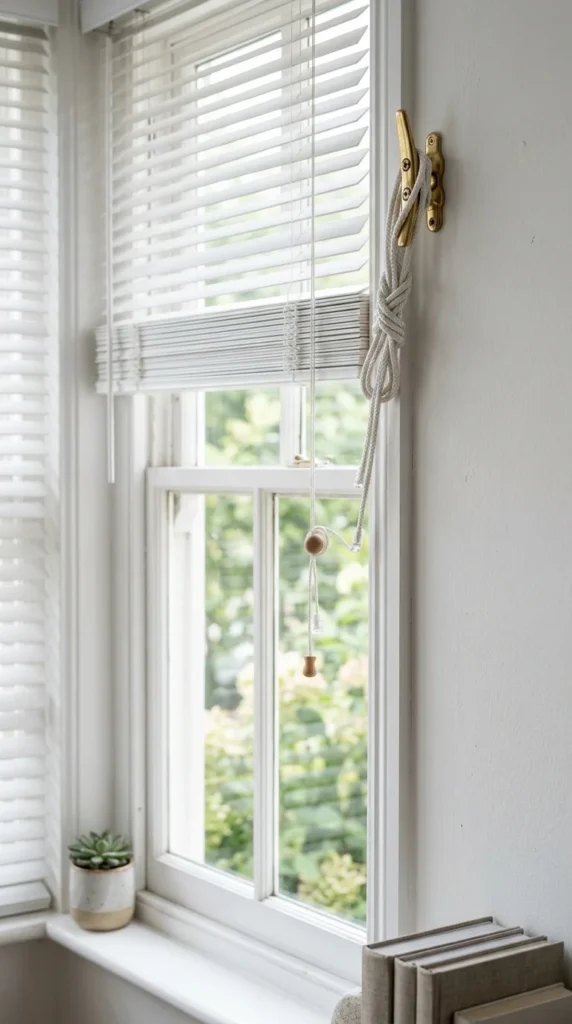
Dangling cords from window blinds are an irresistible invitation to play, but they are also a major strangulation hazard. Kittens can get their necks looped in the cord while jumping or batting at it. Use cord cleats to wrap the strings high out of reach, or trim the cords and install breakaway safety tassels.
6. Small Objects
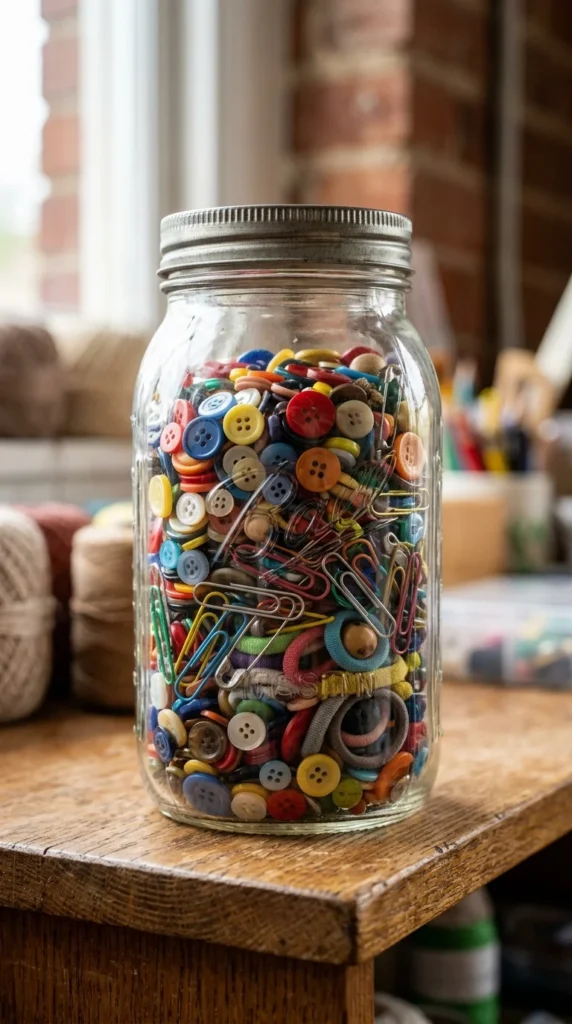
If it fits in their mouth, a kitten will probably try to eat it. Items like rubber bands, hair ties, paperclips, sequins, and buttons are choking hazards and can cause life-threatening intestinal blockages if swallowed. Keep your floors swept and your desks clear of “tiny treasures” that your kitten might find appetizing.
7. Trash Cans
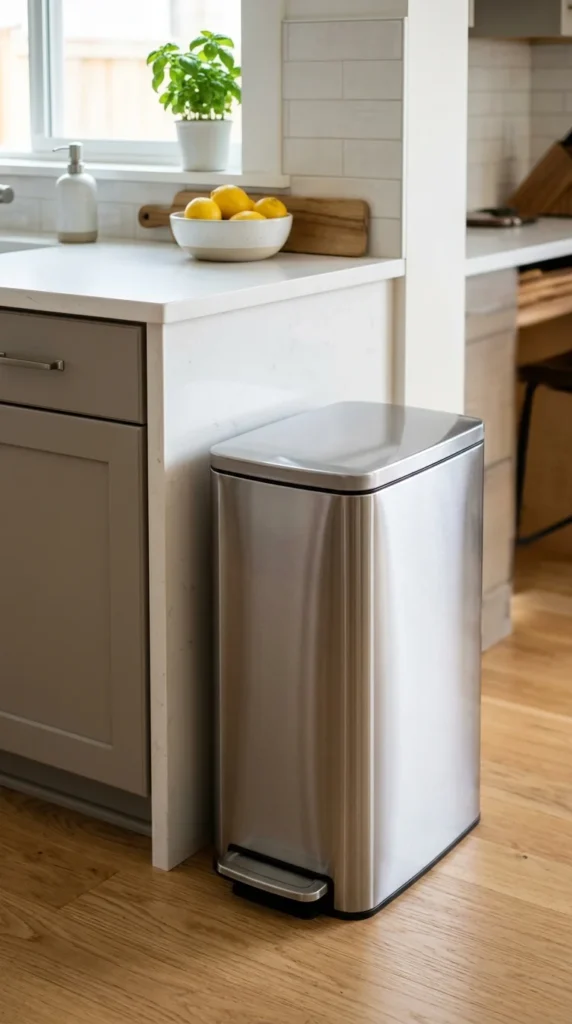
Trash cans are a goldmine of forbidden snacks and dangerous items like chicken bones, dental floss, and food wrappers. A kitten can easily tip over a light wastebasket or climb inside. Invest in trash cans with heavy, secure lids—preferably the step-on variety—to keep your kitten out of the garbage.
8. Cleaning Supplies
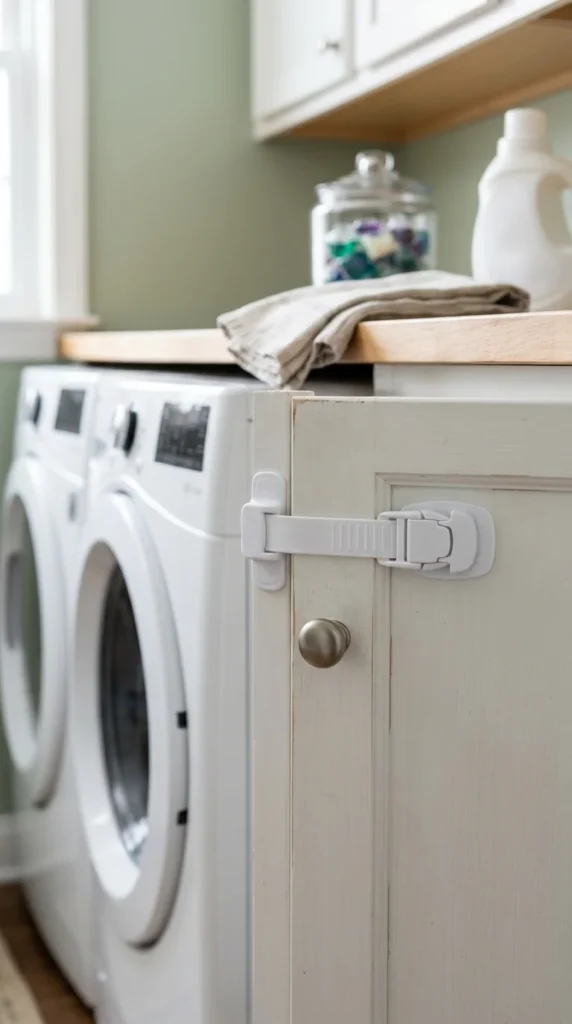
Most household cleaners contain bleach, ammonia, or other harsh chemicals that are lethal to kittens. Even “natural” cleaners can be irritating. Store all cleaning products in high cabinets or install child-safety locks on low-level cupboards to ensure your kitten doesn’t go on a chemistry expedition.
9. Medications

Pills look like toys to a kitten. Unfortunately, common human medications like ibuprofen, acetaminophen, and even certain vitamins can be fatal to cats. Never leave pill bottles on counters or nightstands. Always store medications inside a drawer or a locked cabinet.
10. Heavy Furniture

Kittens are natural climbers, but they don’t always understand the laws of physics. A heavy bookshelf or a dresser can tip over if a kitten tries to scale it. Anchor tall or top-heavy furniture to the wall using furniture straps to prevent a tragic accident during a climbing session.
11. Appliances
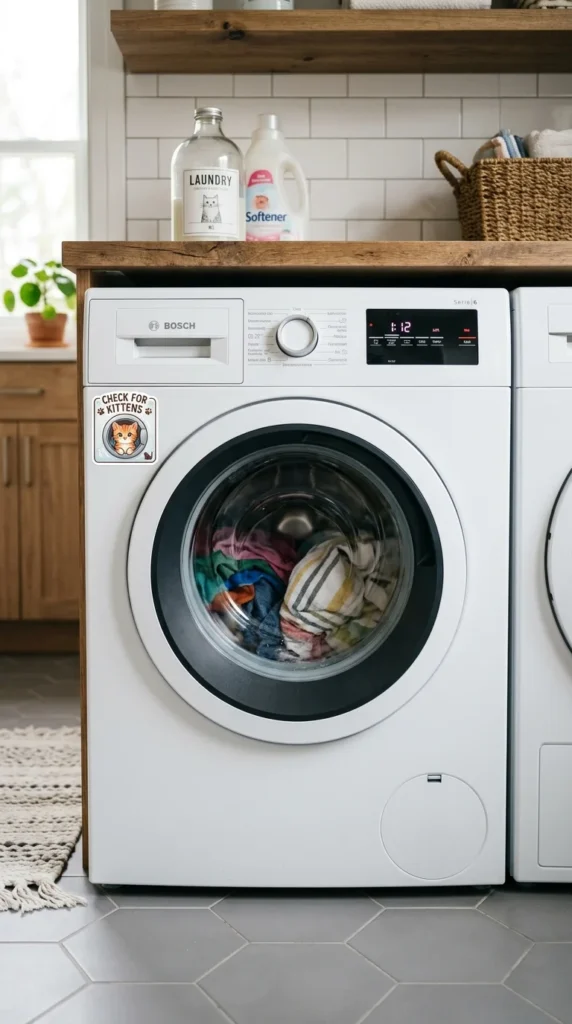
The warmth of a dryer or the dark cavern of a dishwasher is very appealing to a sleepy kitten. Always keep the doors to your washer, dryer, dishwasher, and oven closed. Before starting a cycle, always do a “kitten count” and physically check the inside of the appliance to make sure no one is taking an unauthorized nap.
12. Plastic Bags

Plastic grocery bags and dry-cleaning bags pose a double threat: suffocation and ingestion. Kittens love the crinkly sound, but they can easily get stuck inside or choke on pieces of plastic they’ve chewed off. Store bags in a closed drawer or switch to reusable cloth bags to eliminate the risk entirely.
13. Fragile Decor

If you have a collection of delicate glass ornaments or expensive ceramics, move them. Kittens are “chaos agents” who will knock things off shelves just to see what happens when they hit the floor. Keep fragile items behind glass cabinet doors or on high shelves that have no nearby “launching pads” (like chairs or tables).
14. Yarn & String
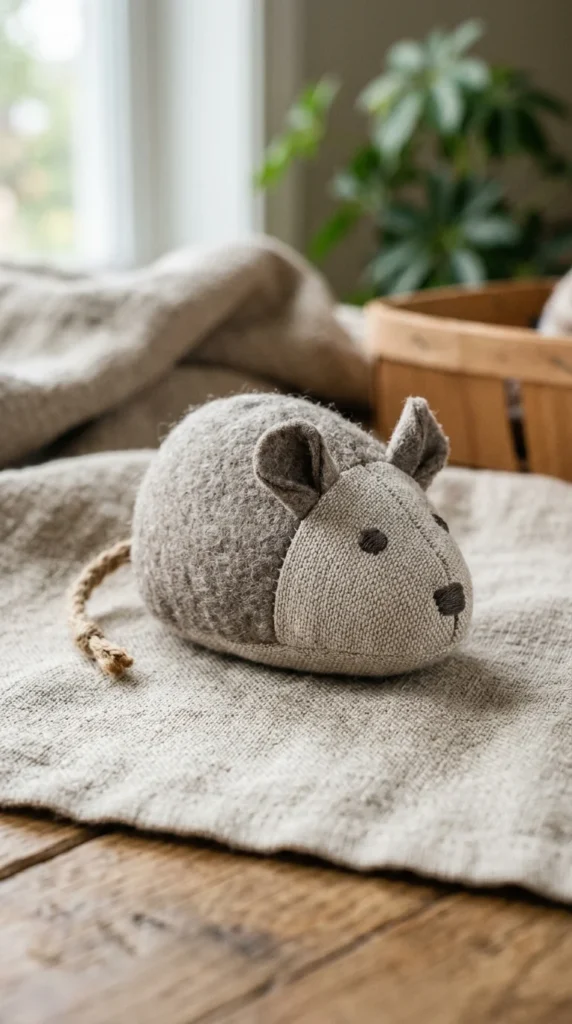
The image of a kitten with a ball of yarn is classic, but in reality, it’s dangerous. Linear foreign bodies—like string, yarn, dental floss, or tinsel—can get caught under the tongue and cause the intestines to bunch up like a curtain rod, requiring emergency surgery. Only allow string play under strict supervision and store the toys away when you’re done.
15. Low Cabinets
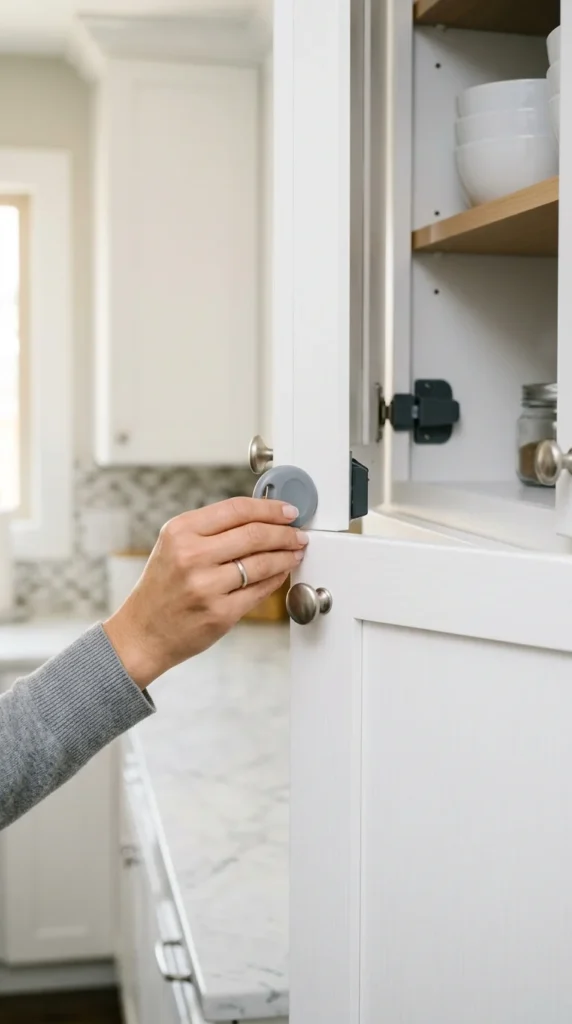
Kittens are masters at prying open cabinet doors with their paws. Whether it’s the pantry or the cabinet under the sink, they will find a way in. Install magnetic locks or plastic child-proof latches on all low-level cabinets to keep curious kittens away from food, chemicals, or breakable dishes.
16. Human Foods

Some of our favorite snacks are toxic to cats. Onions, garlic, chocolate, grapes, and raisins are all big no-nos. Additionally, many sugar-free products contain Xylitol, which is highly toxic. Keep your counters clear of food scraps and be mindful of where you leave your groceries while unpacking.
17. Balconies

If you live in an apartment with a balcony, treat it like a high-altitude hazard zone. Kittens can easily squeeze through balcony railings. If you want your kitten to enjoy the fresh air, install a “catio” or high-quality netting specifically designed for balconies to prevent accidental falls.
18. Fireplaces

An open fireplace is a hazard for obvious reasons. Even when a fire isn’t lit, the soot and ash can be messy and toxic if licked off paws. Furthermore, a kitten might try to climb up the chimney. Use a heavy-duty mesh screen that fits tightly against the fireplace opening to keep your kitten on the hearth and out of the embers.
19. Reclining Chairs
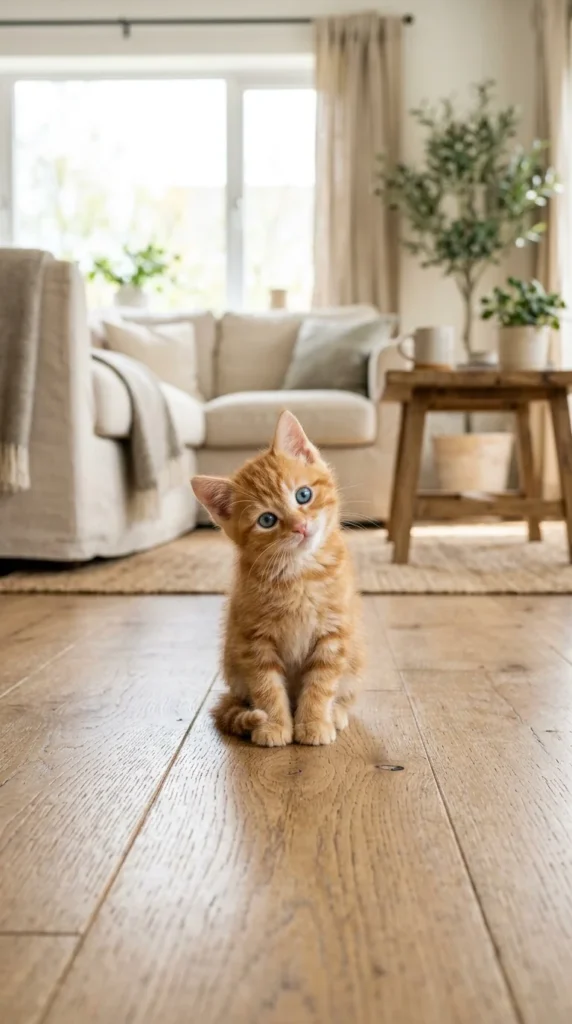
Reclining chairs have heavy metal mechanisms that move when the chair is operated. A kitten crawling underneath a recliner can be crushed or lose a limb if someone sits down and leans back. Always check under the chair before sitting, or better yet, block off the base of the chair so the kitten can’t get underneath.
Kitten-proofing might seem like a lot of work, but it provides peace of mind. By taking these 19 steps, you are creating a sanctuary where your new companion can grow, play, and thrive without unnecessary risks. Enjoy the magic of kittenhood—it goes by fast!