
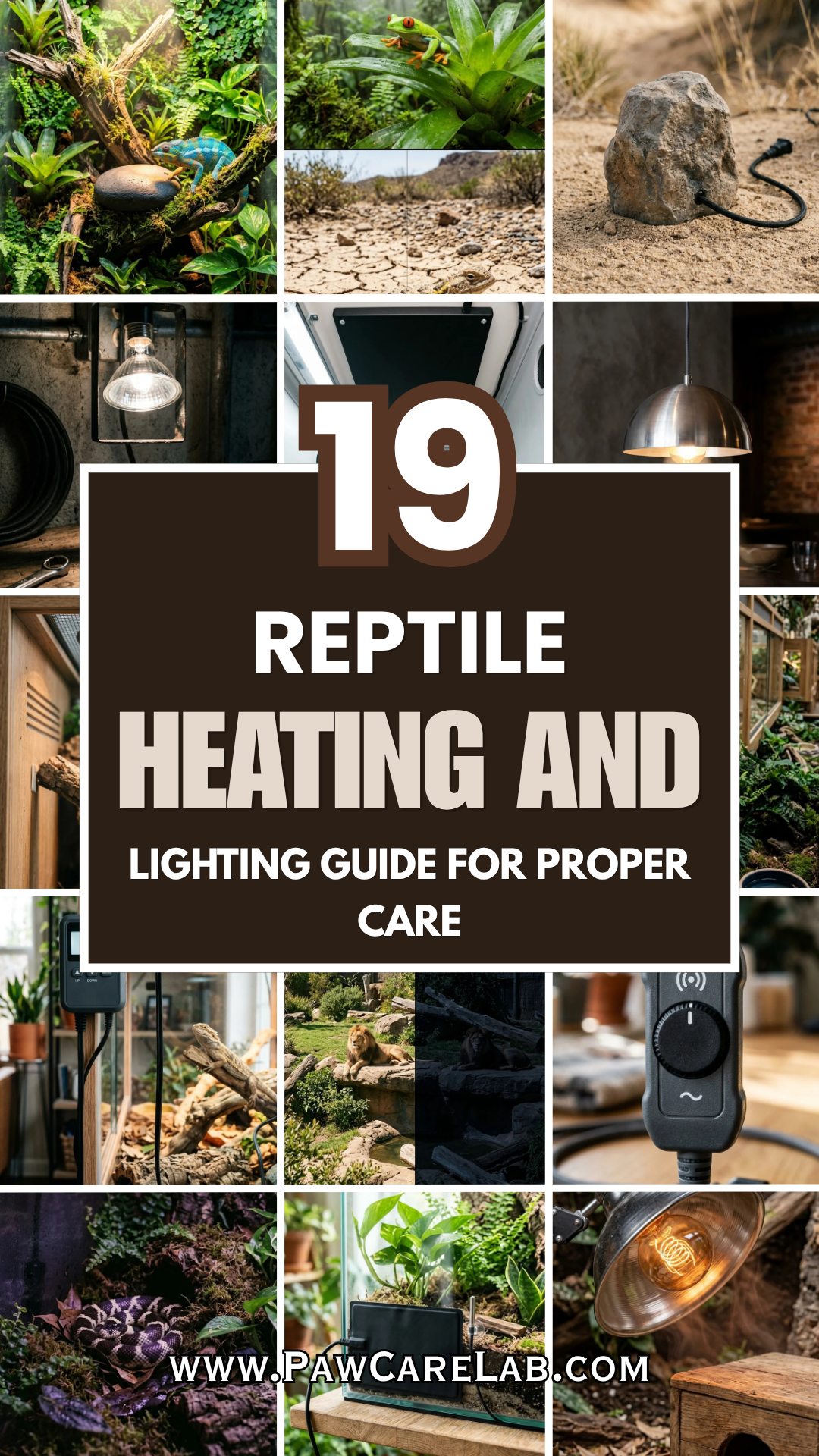
Reptiles are ectothermic organisms, meaning they rely entirely on their environment to regulate their internal body temperature. In the wild, they move between sun and shade to find their “goldilocks zone.” In captivity, the responsibility of providing this complex thermal and metabolic environment falls entirely on the keeper. Proper heating and lighting are not just about comfort—they are biological imperatives for digestion, immune function, and overall survival.
1. Basking Bulbs
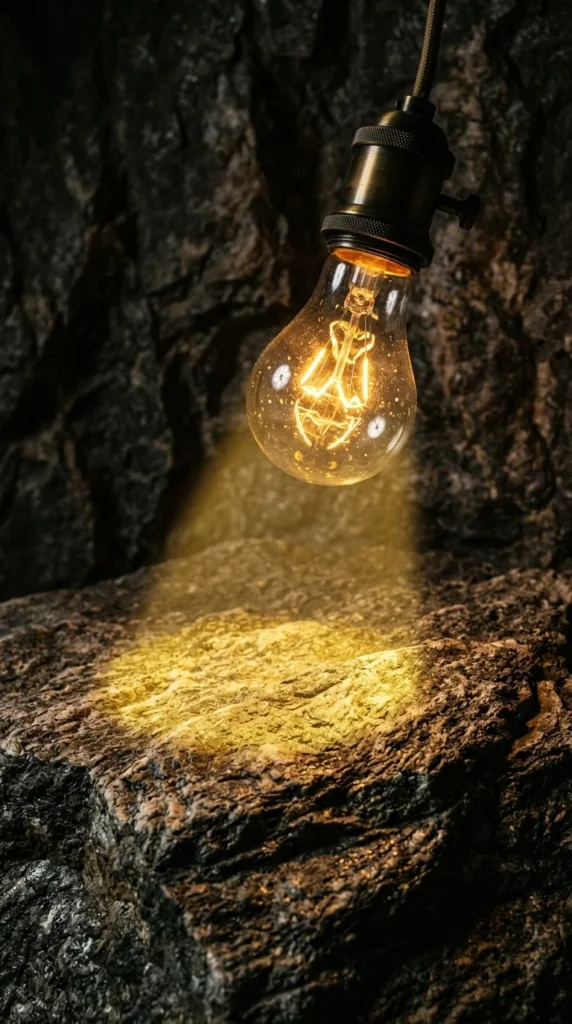
Basking bulbs are designed to mimic the direct heat of the sun. These bulbs produce infrared radiation that penetrates the reptile’s skin, warming their core. For diurnal species like bearded dragons or uromastyx, a high-quality basking spot is essential for stimulating appetite and aiding digestion. These bulbs should be placed at one end of the enclosure to create a focused hot spot, allowing the reptile to move away when they have reached their desired temperature.
2. UVB Tubes
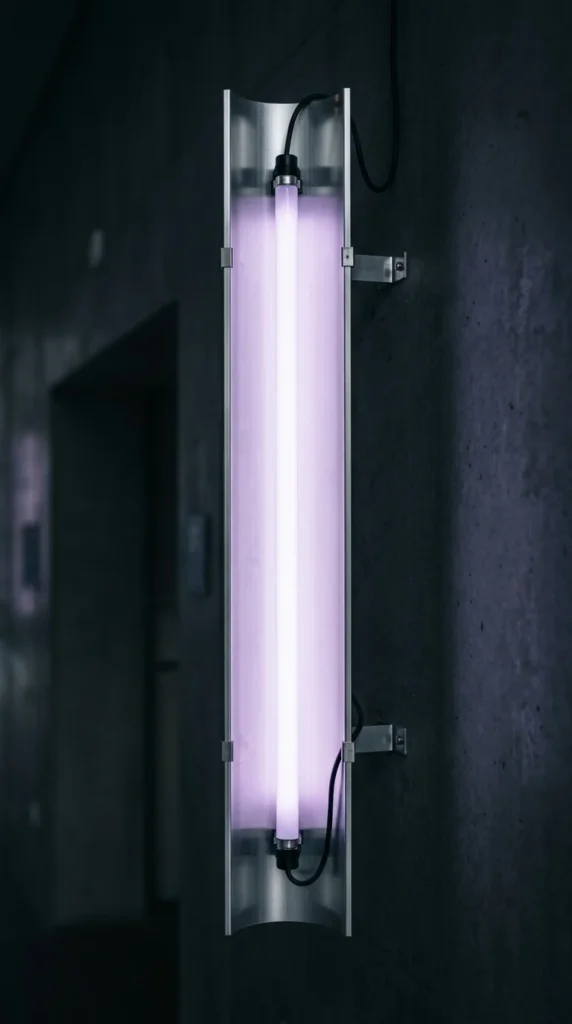
UVB lighting is perhaps the most critical component for many reptiles, particularly lizards and turtles. UVB radiation facilitates the synthesis of Vitamin D3, which allows the animal to absorb calcium from its diet. Without it, reptiles develop Metabolic Bone Disease (MBD), a painful and often fatal condition where the body leaches calcium from its own bones. Linear T5 or T8 tubes are preferred over coil bulbs as they provide a wider, more consistent “curtain” of UV coverage across the habitat.
3. Ceramic Heaters
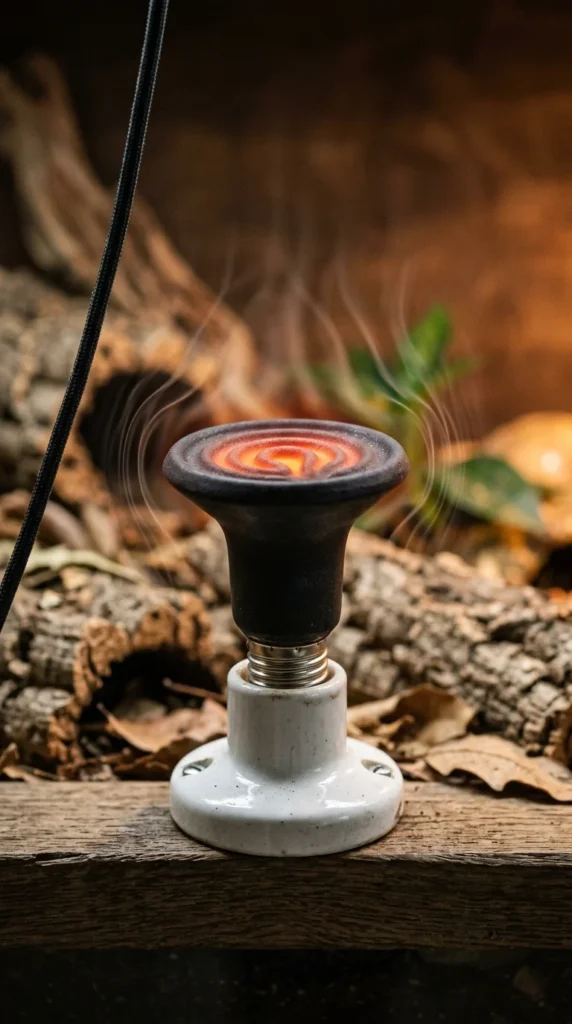
Ceramic Heat Emitters (CHEs) are unique because they produce heat without emitting any visible light. This makes them the perfect tool for maintaining ambient temperatures during the night. Since reptiles need a distinct day/night cycle, using a light-emitting heat source at night can stress the animal and disrupt its circadian rhythm. CHEs get extremely hot to the touch, so they must always be used with a wire cage guard to prevent burns.
4. Deep Heat Projectors
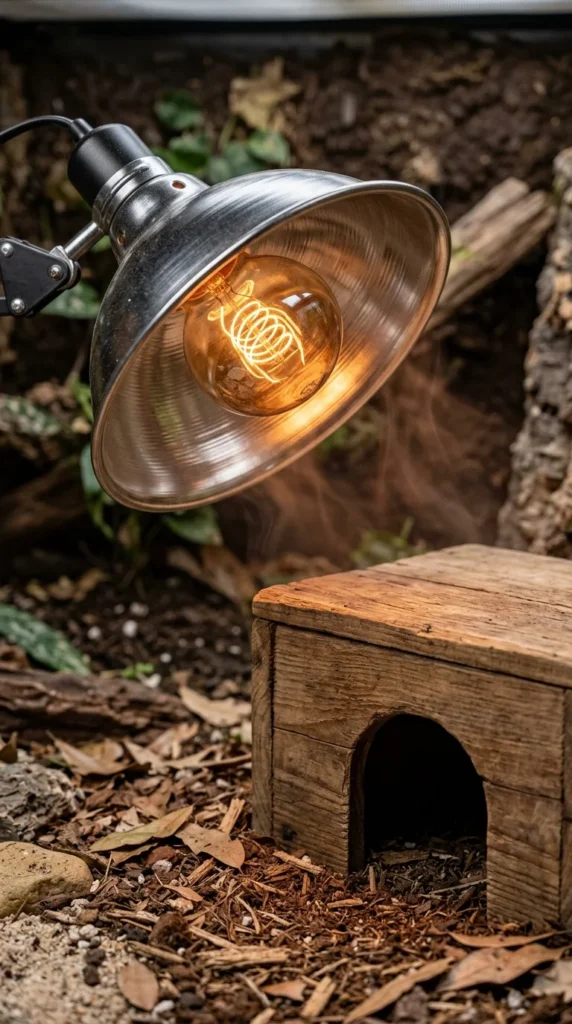
Deep Heat Projectors (DHPs) are a relatively new advancement in reptile keeping. Unlike ceramic heaters, which primarily produce infrared-C (surface heating), DHPs produce infrared-A and B. These wavelengths penetrate deeper into the muscle tissue, mimicking the way the sun warms the earth. They are highly efficient and, like CHEs, do not produce light, making them versatile for both day and night use in various setups.
5. Mercury Vapor
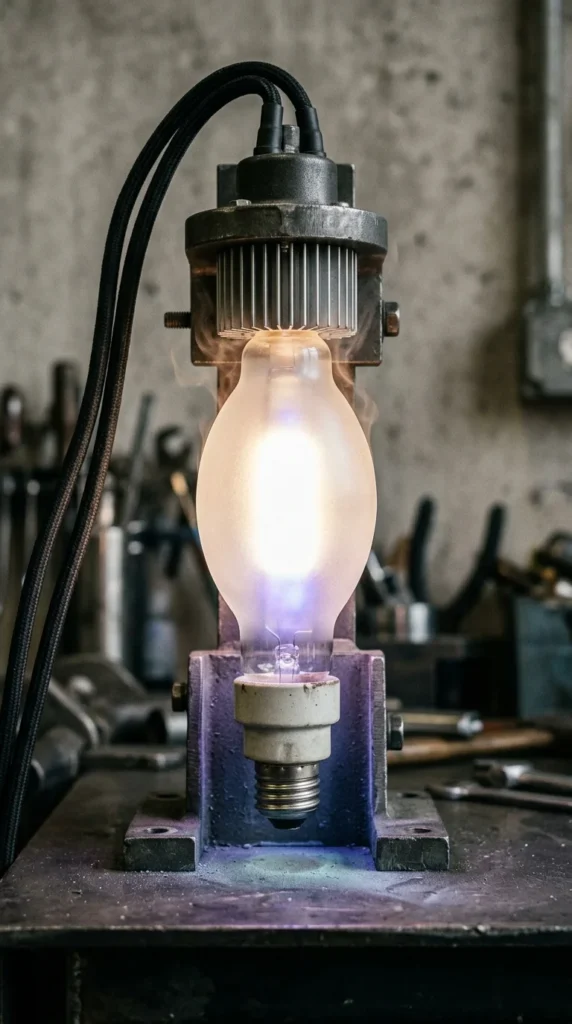
Mercury Vapor Bulbs (MVBs) are “all-in-one” solutions that provide heat, visible light, and UVB radiation from a single source. These are particularly popular for large enclosures or for animals with high UV requirements, such as tortoises and iguanas. However, they cannot be used with a dimmer, as this can damage the internal ballast and cause the UV output to become unstable. They are best suited for large, well-ventilated spaces where the animal can easily escape the intense output.
6. Heat Mats
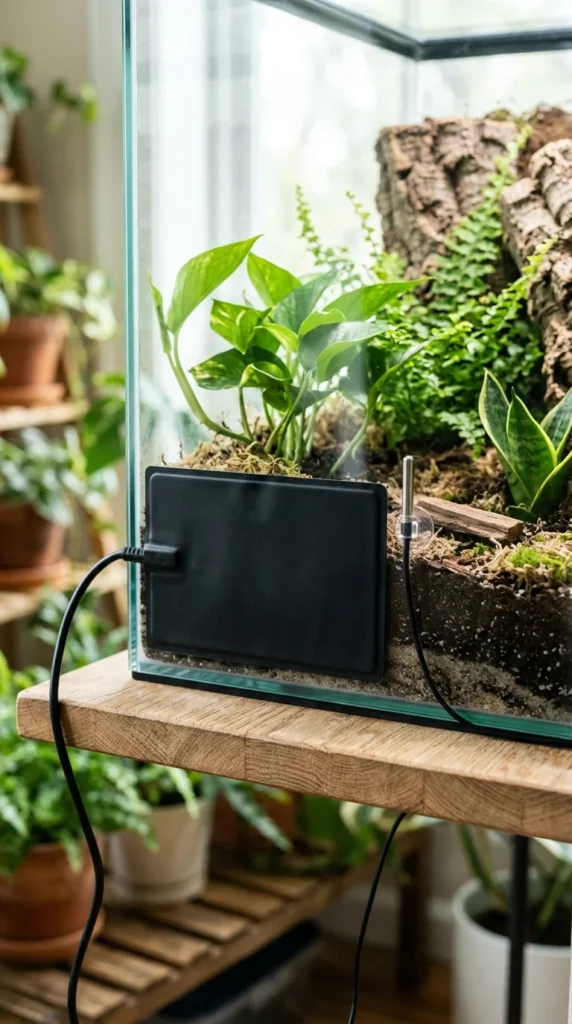
Under-tank heaters (UTH) or heat mats provide “conductive” heat. These are most commonly used for nocturnal ground-dwelling species, such as leopard geckos or many species of snakes, which may prefer to stay in hides rather than bask under a lamp. Heat mats should always be connected to a thermostat. Without regulation, these mats can reach temperatures high enough to crack glass or cause severe “belly burns” on your pet.
7. Night Lights
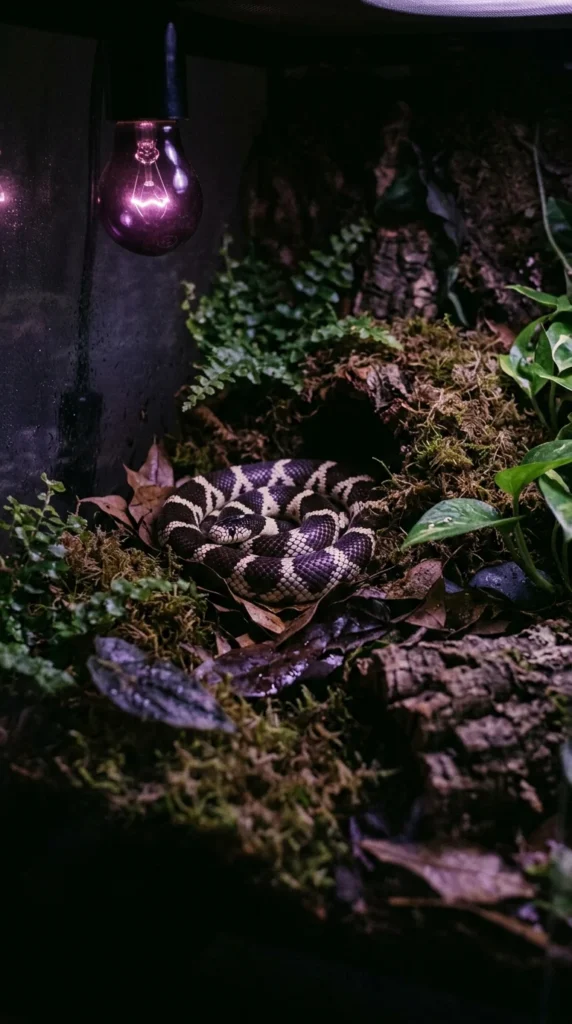
While many “moonlight” or “red” bulbs are marketed for nighttime use, their necessity is debated. Most reptiles can see the light from these bulbs, meaning they aren’t truly “invisible” to the animal. If your home stays above 65°F (18°C) at night, most temperate and desert species do not require supplemental night heat. If you must provide heat, a lightless source like a CHE is generally superior to a colored night bulb.
8. Dimmers
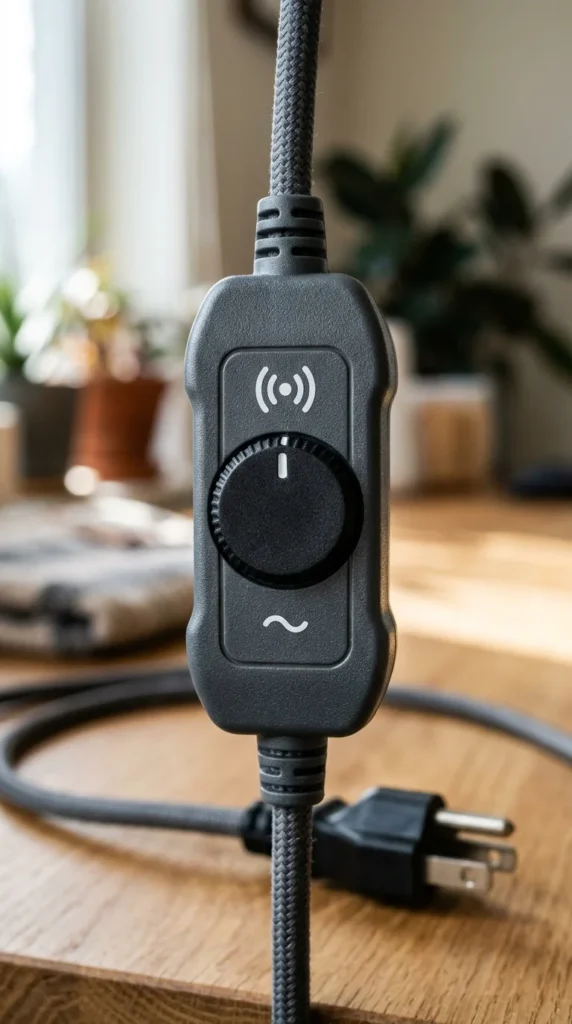
Dimmers are essential tools for fine-tuning the heat output of incandescent basking bulbs. Environmental factors—such as the temperature of your room—can change throughout the seasons. A dimmer allows you to dial back a 100-watt bulb during the summer or crank it up during a cold winter, ensuring the basking spot stays at the precise temperature required without having to swap out bulbs constantly.
9. Thermostats
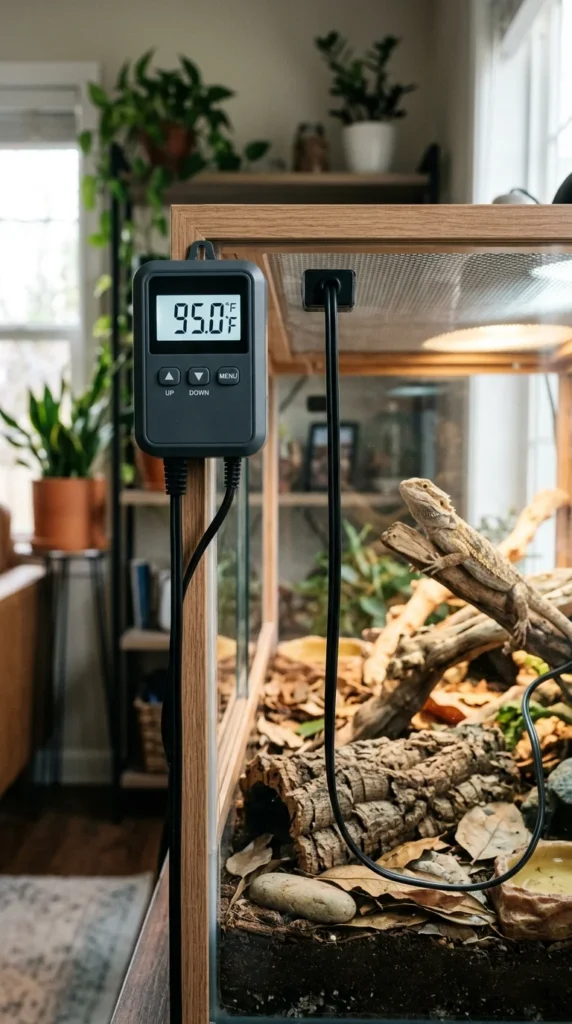
A thermostat is the single most important safety device in reptile keeping. It acts as a gatekeeper, turning heat sources on and off (or dimming them) based on the temperature detected by a probe. This prevents overheating, which can kill a reptile in minutes, and also prevents fire hazards. Every heat source in your enclosure—whether a mat, a ceramic heater, or a basking bulb—should be regulated by a high-quality thermostat.
10. Photoperiods
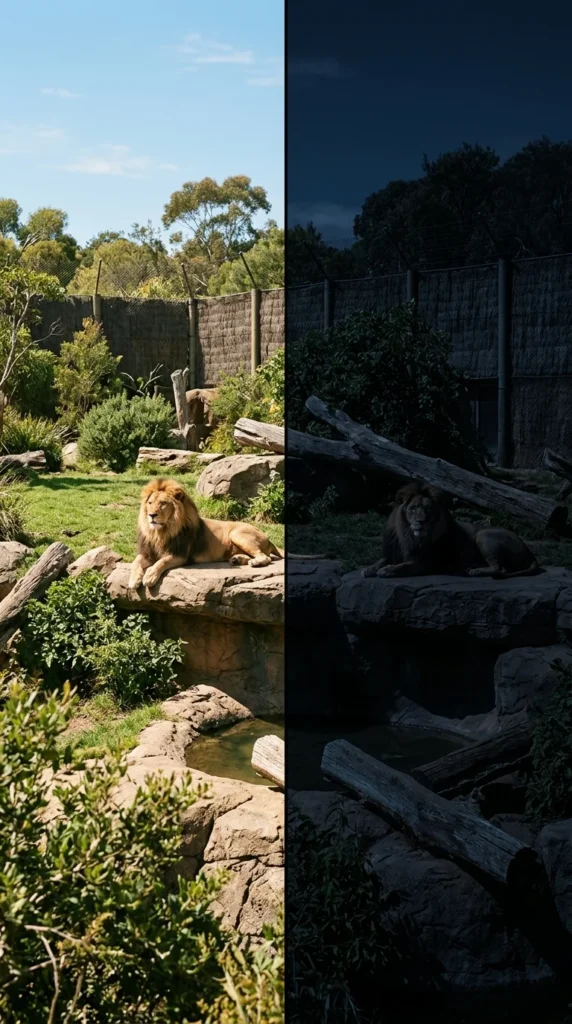
Reptiles rely on a consistent photoperiod (day/night cycle) to regulate their hormones and behavior. Typically, a 12-hour light and 12-hour dark cycle is the standard. Using an automatic plug-in timer is the easiest way to ensure consistency. Some keepers even adjust their timers seasonally to mimic the natural changes in day length, which can be helpful for those looking to breed their reptiles.
11. Thermal Gradients
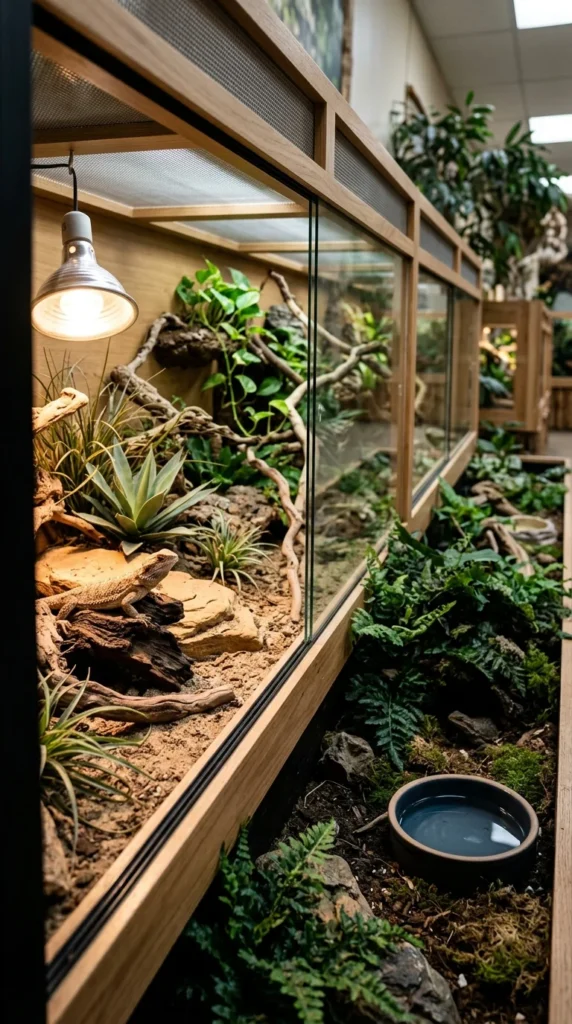
You should never aim for a uniform temperature throughout the entire enclosure. Instead, you want to create a thermal gradient. By placing all heat sources on one side, you create a “hot side” and a “cool side.” This allows the reptile to “thermoregulate” by moving back and forth. If they feel too hot, they retreat to the shade; if they are sluggish or need to digest, they move to the basking spot.
12. UVB Placement
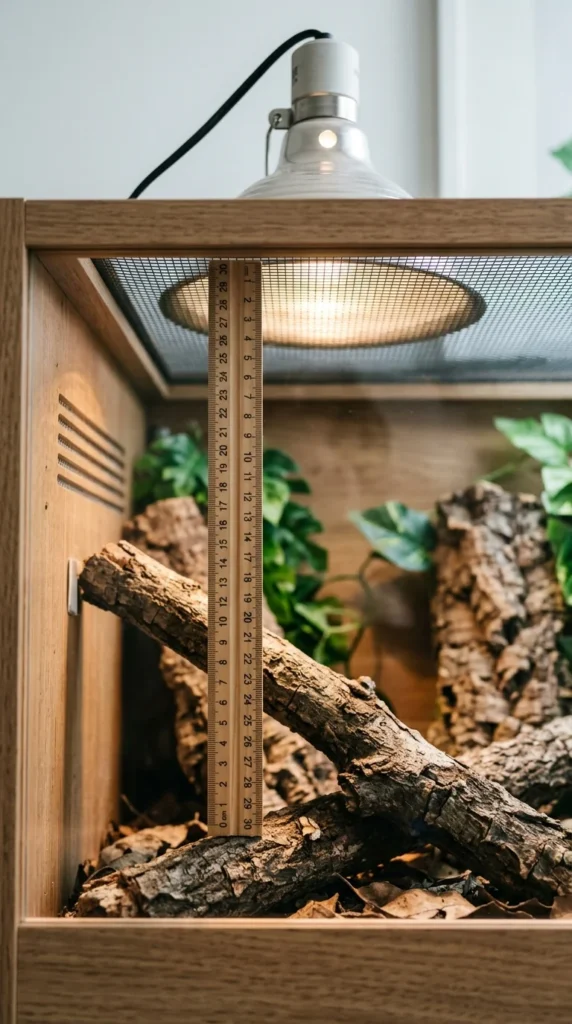
The effectiveness of UVB drops off significantly with distance. If a bulb is too far away, the reptile receives no benefit; if it is too close, it can cause eye damage or skin burns. Furthermore, fine mesh screens can block up to 30-50% of UV rays. It is vital to consult the manufacturer’s charts to ensure your bulb is mounted at the correct height relative to your pet’s primary basking area.
13. Reflector Hoods
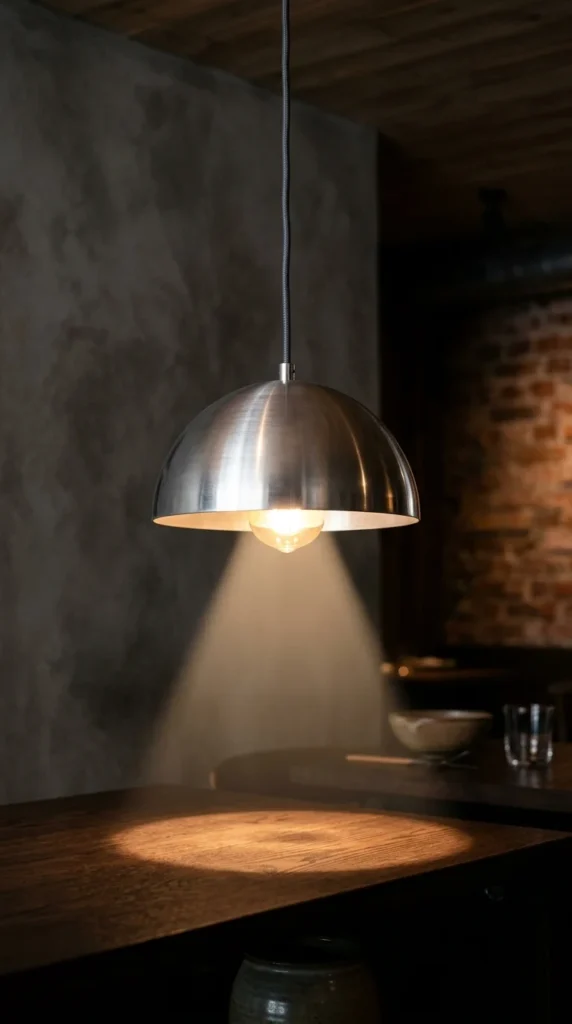
A bulb hanging on its own loses much of its energy to the surrounding room. Reflector hoods are designed to catch that stray light and heat and redirect it downward into the enclosure. Using a high-quality reflector can significantly increase the UVI (Ultraviolet Index) and the temperature at the basking site, making your setup much more energy-efficient and effective for the animal.
14. Solarmeters
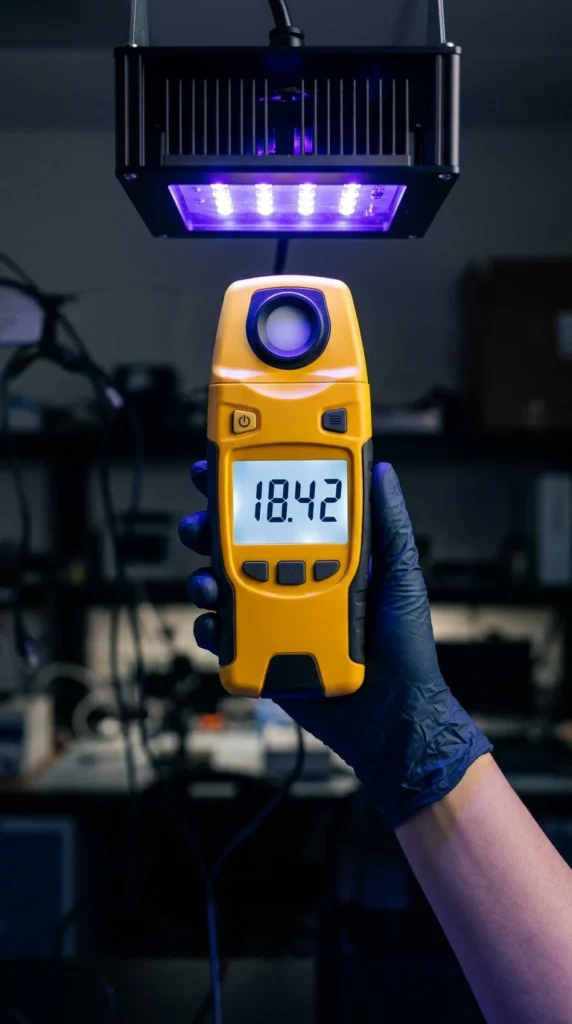
While many keepers rely on “best guesses” for UV output, professional keepers use a Solarmeter. This device measures the exact amount of UV radiation reaching a specific point. Because UVB bulbs lose their potency long before they actually “burn out” and stop producing visible light, a Solarmeter is the only way to know for sure if your pet is still receiving the life-saving radiation it needs.
15. Halogen Lights
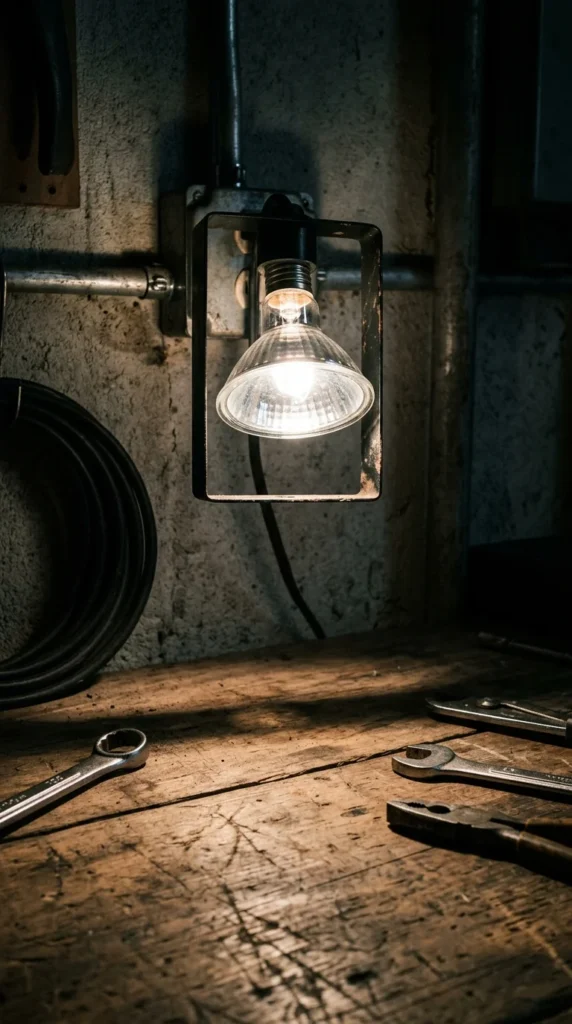
Halogen flood lamps are often cited as the gold standard for providing infrared heat. They produce a spectrum that is very close to natural sunlight, particularly in the Infrared-A range. This type of heat is much more effective at warming deep tissues than the heat from a standard “reptile” basking bulb or a ceramic heater. They are also incredibly bright, contributing to the high-intensity visible light many desert species crave.
16. Radiant Panels
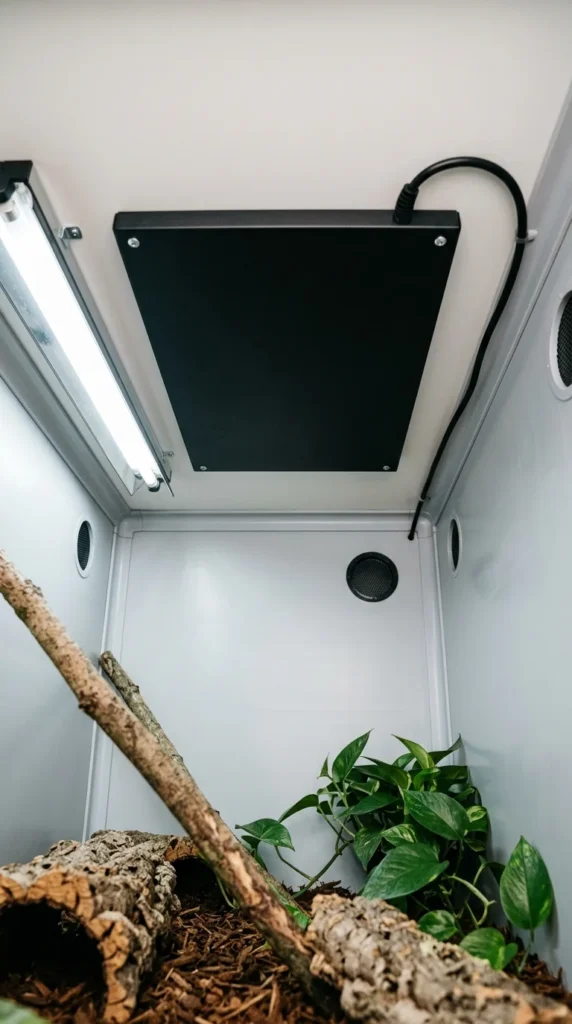
Radiant Heat Panels (RHPs) are the preferred heating method for large, high-humidity enclosures, such as those housing large constrictors or monitor lizards. They are mounted to the ceiling and provide a gentle, broad heat that warms objects below them. Because they are sealed, they are safe to use in high-humidity environments where a bulb might pop or a ceramic heater might fail.
17. Heat Rocks
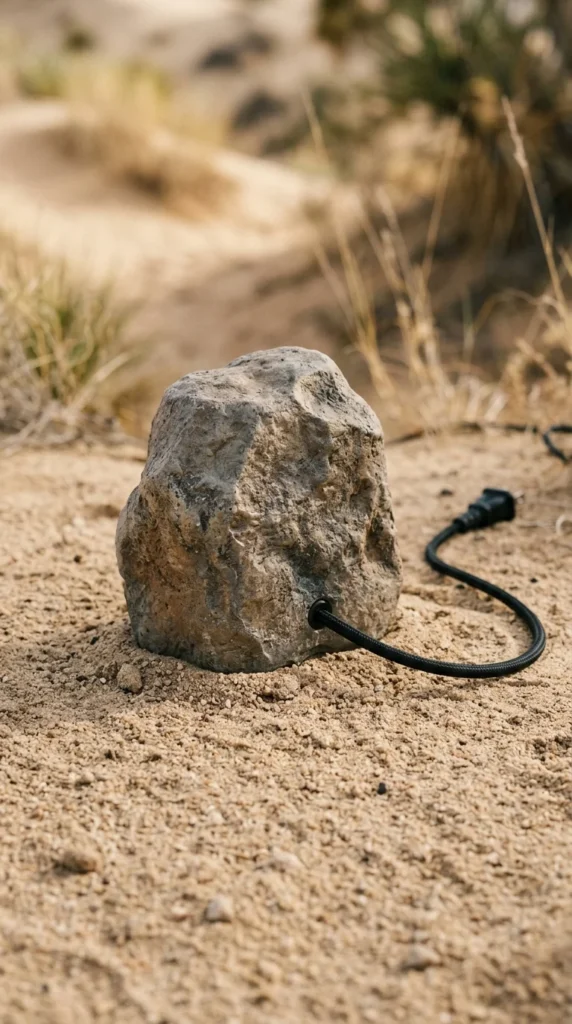
Heat rocks are widely considered dangerous by the modern reptile-keeping community. Unlike a heat mat or a bulb, heat rocks have a high failure rate where “hot spots” develop on the surface of the rock. Because reptiles have relatively few nerves on their bellies, they may not realize they are being burned until the damage is severe. It is always better to use a basking bulb to heat a natural stone than to use an electrified artificial rock.
18. Bulb Lifespan
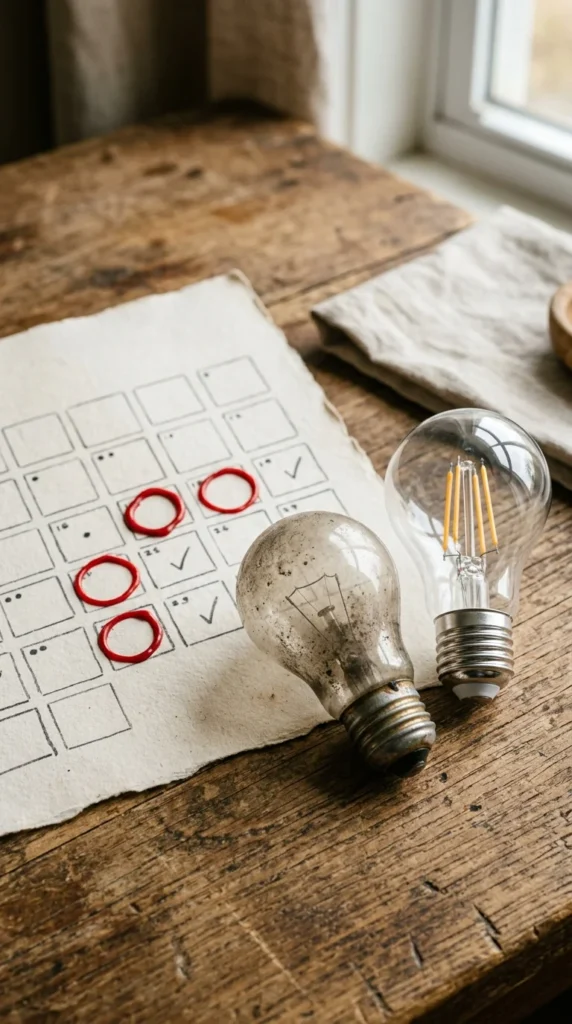
Standard light bulbs work until they blow out, but UVB bulbs are different. The gases inside that produce UV radiation dissipate over time. Most T8 bulbs need replacement every 6 months, while T5 bulbs usually last 12 months. Even if the bulb still looks bright to your eyes, it is likely no longer producing the UV necessary for your reptile’s health. Mark your calendar or use a Solarmeter to track these replacements.
19. Specific Needs

Finally, remember that there is no “one size fits all” for reptile care. A Crested Gecko from the cool forests of New Caledonia has vastly different needs than a Saharan Uromastyx. Always research the specific “micro-climate” of your pet’s natural habitat. Some need high heat and low UV, while others need intense UV and moderate heat. Tailoring your equipment to these specific biological requirements is the hallmark of a truly expert keeper.