
As the thermometer climbs and the summer sun beats down, we aren’t the only ones feeling the heat. Our furry, feathered, and scaled companions rely entirely on us to manage their body temperatures. Unlike humans, dogs and cats don’t sweat through their skin to cool down; they rely on panting and heat release through their paw pads, which is far less efficient in extreme humidity. Heatstroke can happen in a matter of minutes, making it vital to have a cooling strategy in place. From high-tech gadgets to simple DIY tricks, here are 20 easy ways to ensure your pets stay chilled and cheerful all summer long.
1. Hydration Stations
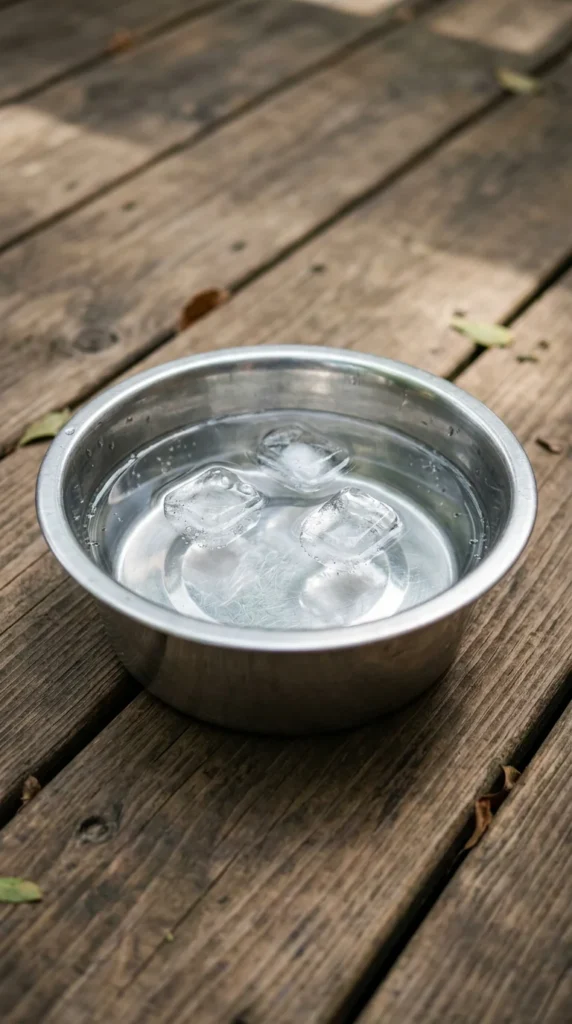
The absolute foundation of summer pet safety is constant access to fresh, cool water. During the summer, one bowl isn’t enough. Place “hydration stations” in every room your pet frequents and in multiple shaded spots outside. Use ceramic or stainless steel bowls rather than plastic, as they tend to keep the water temperature lower for longer. If you are headed out for a walk, always carry a portable travel bowl and a bottle of chilled water.
2. Cooling Mats
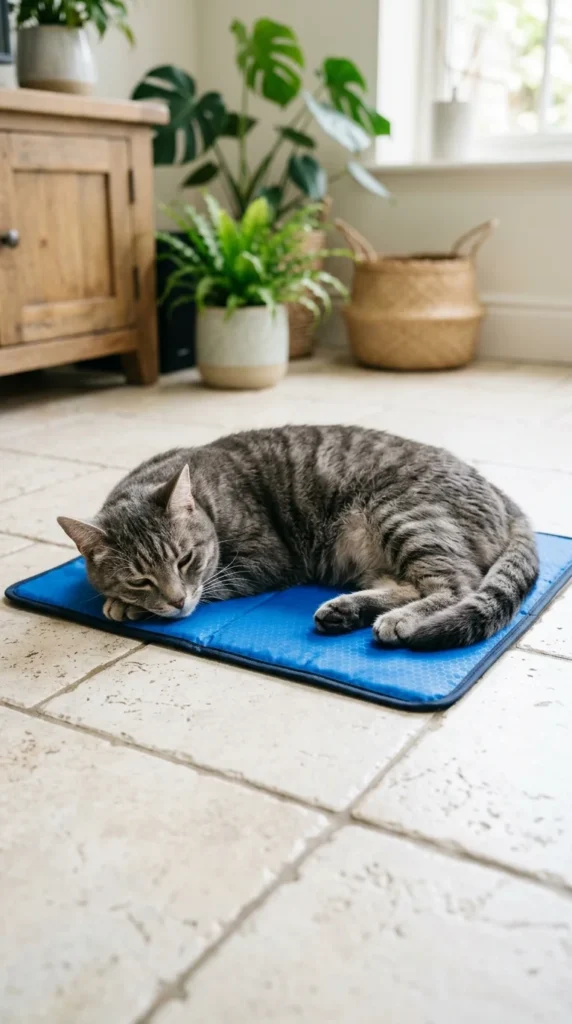
Pressure-activated cooling mats are a game-changer for pets that struggle with the heat. These mats contain a special gel that absorbs the animal’s body heat and dissipates it back into the air. They don’t require electricity or refrigeration, making them perfect for crates, living rooms, or even the car. Many pets will naturally seek out these cool surfaces when they feel their internal temperature rising.
3. Frozen Treats

Who doesn’t love a popsicle on a hot day? You can make “pupsicles” or kitty treats by freezing low-sodium chicken broth, diluted fruit juice (ensure it’s grape and xylitol-free), or even just plain water with bits of kibble inside. For dogs, stuffing a rubber toy with peanut butter or wet food and freezing it provides both a cooling snack and a mental challenge that keeps them occupied while they rest in the shade.
4. Grooming Tips
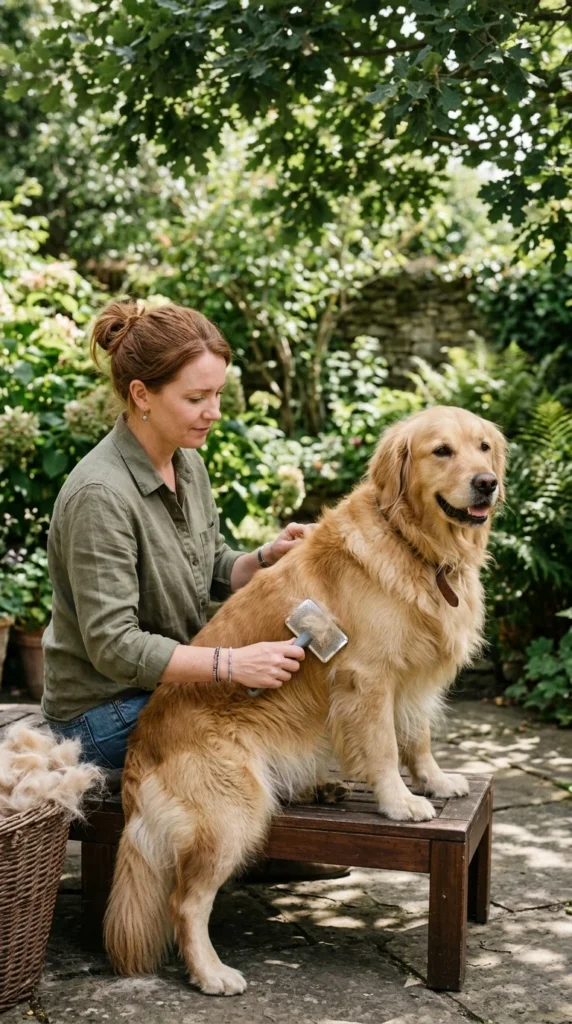
While it might be tempting to shave your long-haired pet, be cautious. A pet’s coat actually provides insulation against the heat and protects their skin from sunburn. Instead of a total shave, focus on regular brushing to remove the thick “undercoat” that traps heat. For breeds with very thick fur, a professional “sanitary trim” or thinning can help air circulate closer to the skin without removing the protective top layer.
5. Shade Structures
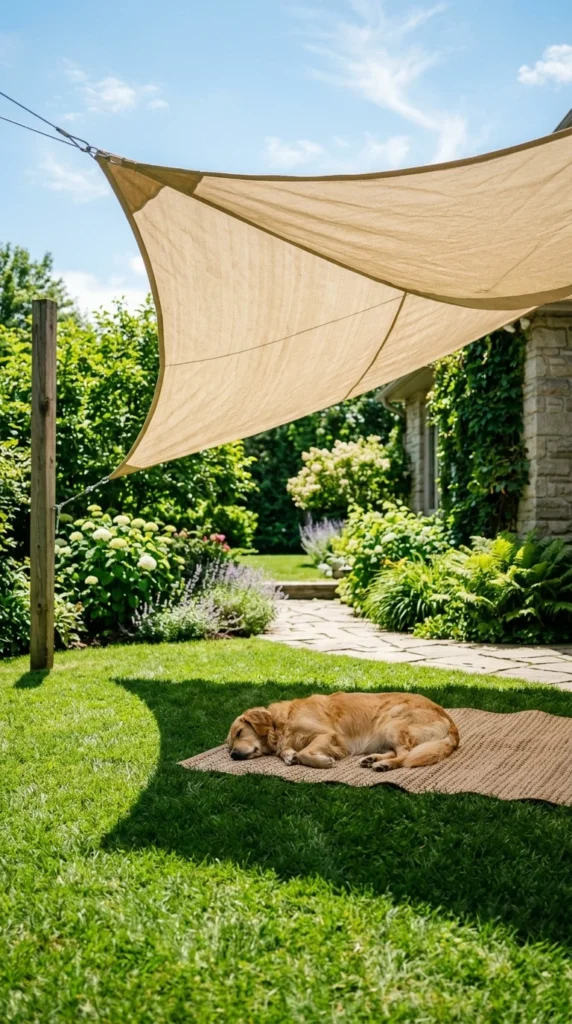
Direct sunlight can be up to 15 degrees hotter than the shade. If your pet spends time outdoors, ensure there is a reliable shade structure. Trees are great, but as the sun moves, so does the shadow. Adding a pop-up canopy, a sun sail, or a dog house with proper ventilation ensures they always have a place to escape the UV rays. Remember: if the shade disappears, the pet must come inside.
6. Kiddy Pools
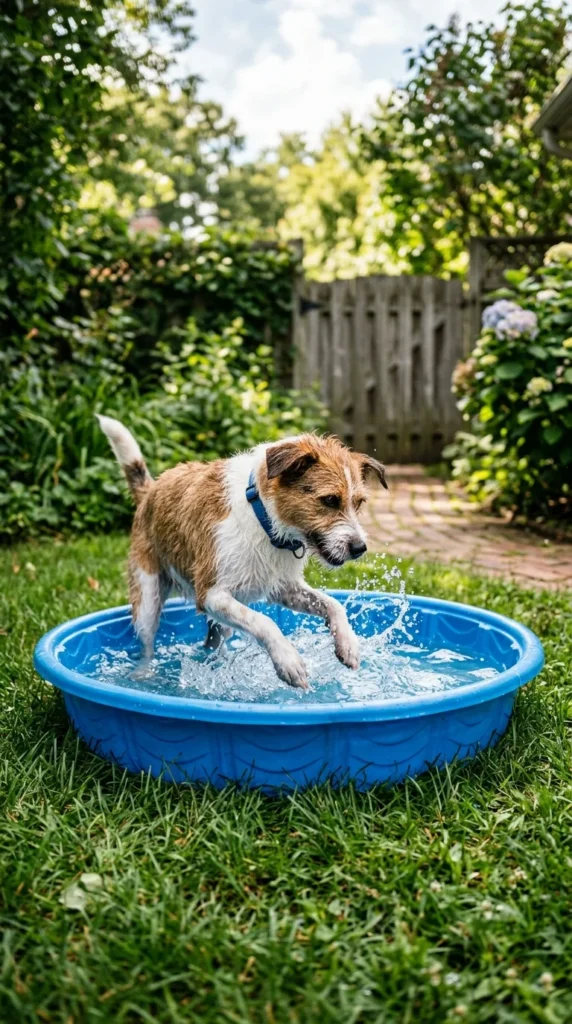
Many dogs love to splash, and a shallow kiddy pool is an excellent way for them to lower their core temperature. Since dogs sweat through their paws, standing in cool water provides immediate relief. Keep the water level low to ensure safety and change the water daily to prevent mosquitoes from breeding. For cats or dogs that dislike getting wet, simply placing their paws in a cool basin for a few seconds can help.
7. Walk Timing

The peak heat of the day is usually between 10:00 AM and 4:00 PM. During the summer, shift your exercise routine to the early morning or late evening. The air is cooler, the sun is less intense, and the humidity is generally lower. If you must go out during the day, keep the walk extremely short and stick to grassy areas to avoid the heat radiating from the pavement.
8. Damp Towels
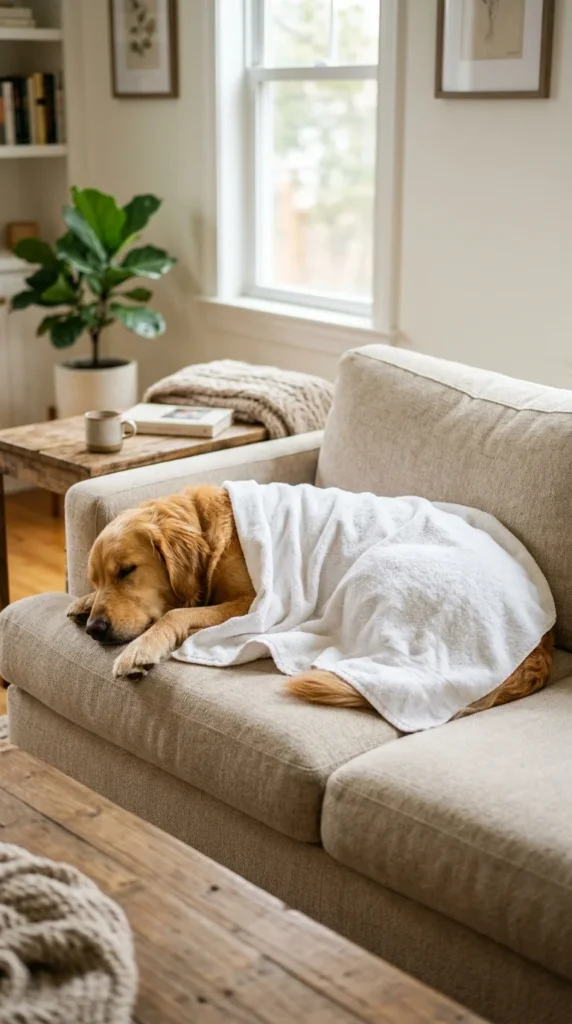
If your pet seems a bit warm, soak a towel in cool (not ice-cold) water and drape it over their back or stomach. As the water evaporates, it mimics the effect of sweating, drawing heat away from the body. For smaller pets or cats, you can place a damp towel on the floor for them to lie on. Avoid using freezing cold water, as this can cause blood vessels to constrict and actually trap heat inside the body.
9. Ice Cubes
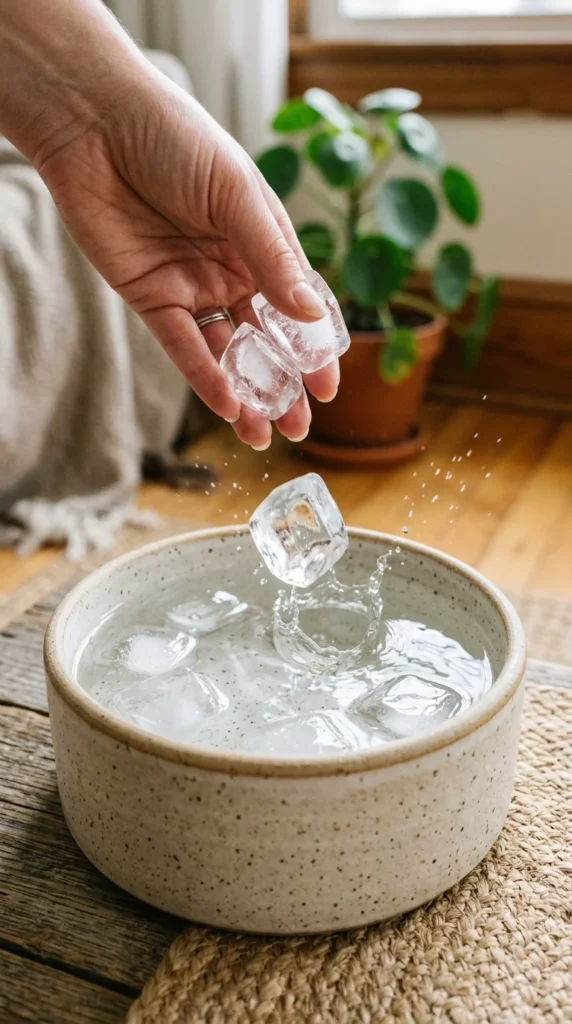
Adding a few ice cubes to your pet’s water bowl is a simple way to keep the temperature down. Most dogs enjoy the crunchy texture and will treat the ice as a toy. You can also hide ice cubes in their dry food to encourage them to eat and hydrate at the same time. For cats, floating an ice cube in their water can pique their curiosity and encourage them to drink more.
10. Paw Protection
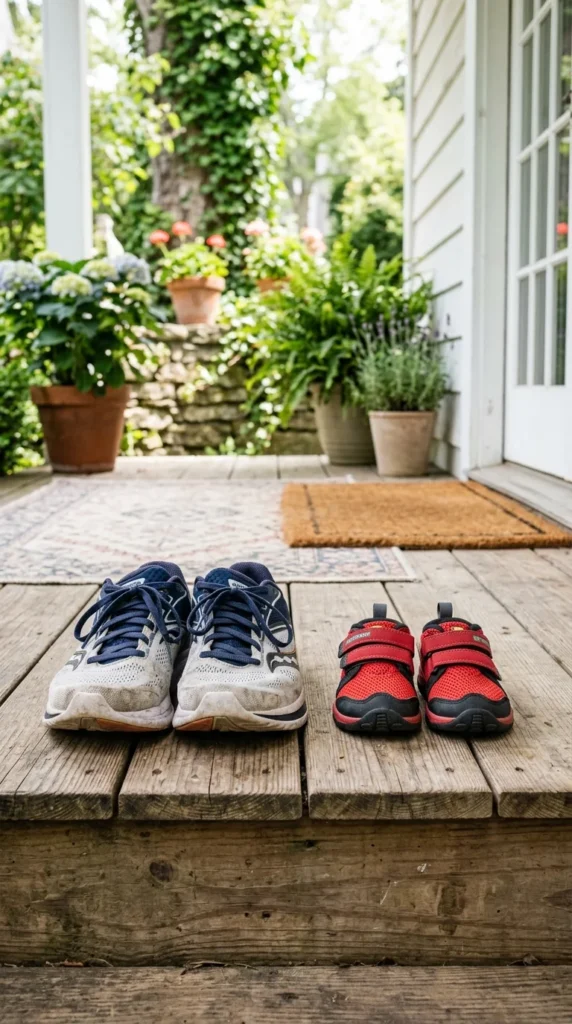
Asphalt and concrete can reach blistering temperatures that burn sensitive paw pads in seconds. If it’s too hot for you to touch the ground with the back of your hand for five seconds, it’s too hot for your pet to walk on. Invest in breathable mesh booties for summer walks, or stick to the grass. If your pet’s pads do get hot, rinse them with cool water immediately upon returning home.
11. Indoor Ventilation
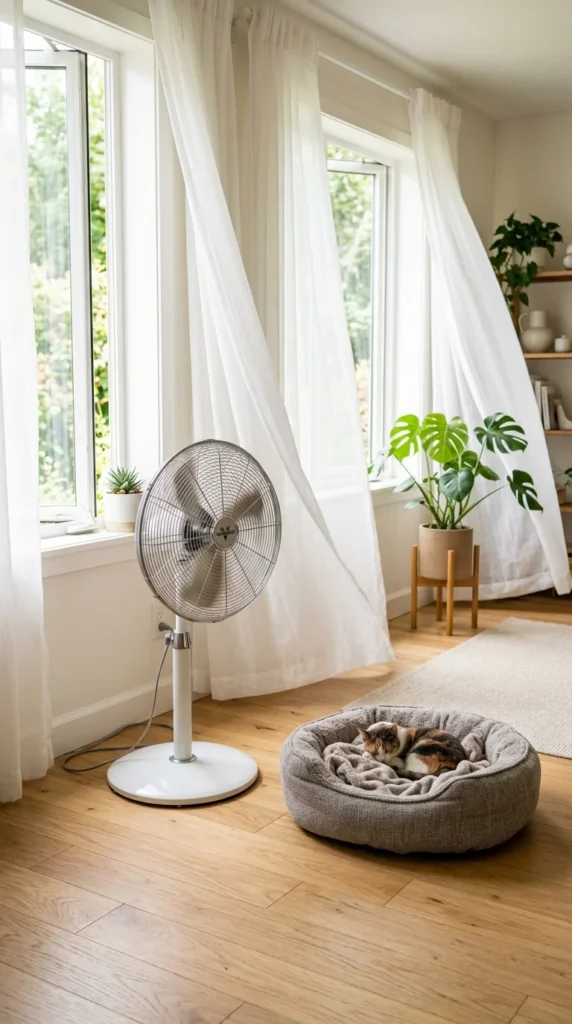
Stagnant air makes the heat feel much more oppressive. Keep the air moving inside your home by using ceiling fans or floor fans. If you don’t have air conditioning, keep the curtains closed during the day to block out the “greenhouse effect” from the windows. Creating a cross-breeze with fans can help lower the ambient temperature significantly for indoor pets.
12. Water Fountains
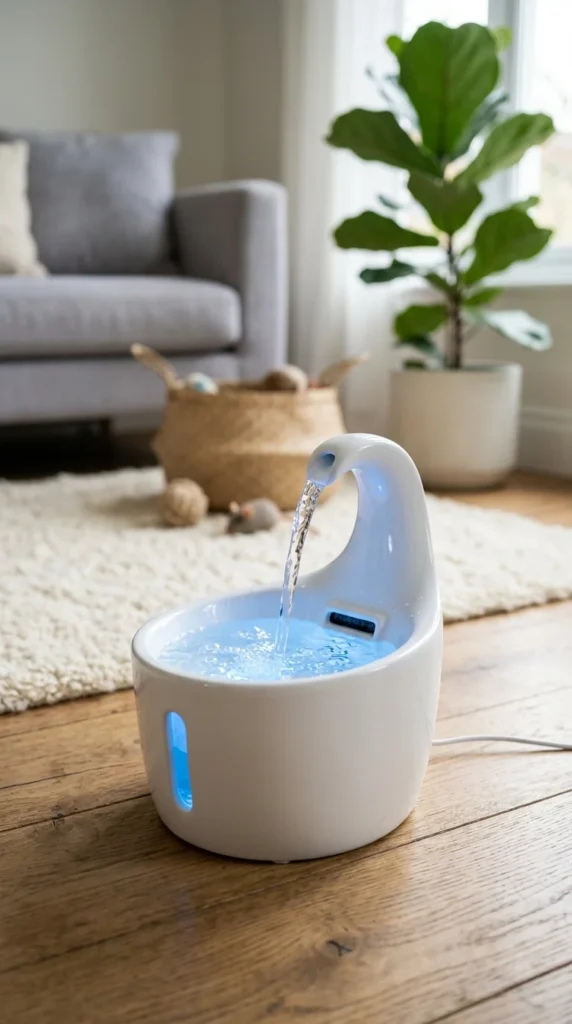
Some pets, particularly cats, are instinctively drawn to running water. A pet water fountain filters and aerates the water, keeping it cooler and more appealing than standing water in a bowl. The constant movement prevents the water from becoming lukewarm and encourages pets to stay hydrated, which is the best internal defense against overheating.
13. Cooling Vests
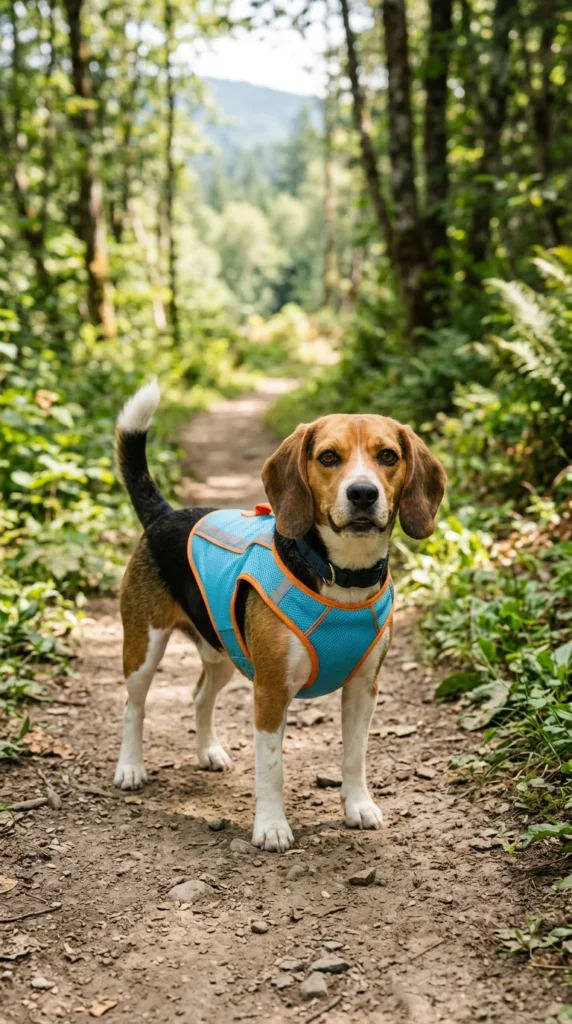
For active pets that accompany you on hikes or short trips, a cooling vest is a worthwhile investment. These vests are usually soaked in water before use. They utilize evaporative cooling technology to keep the pet’s chest and back cool. They are often made of light-colored, reflective materials to bounce sunlight away from the pet’s body.
14. Car Safety
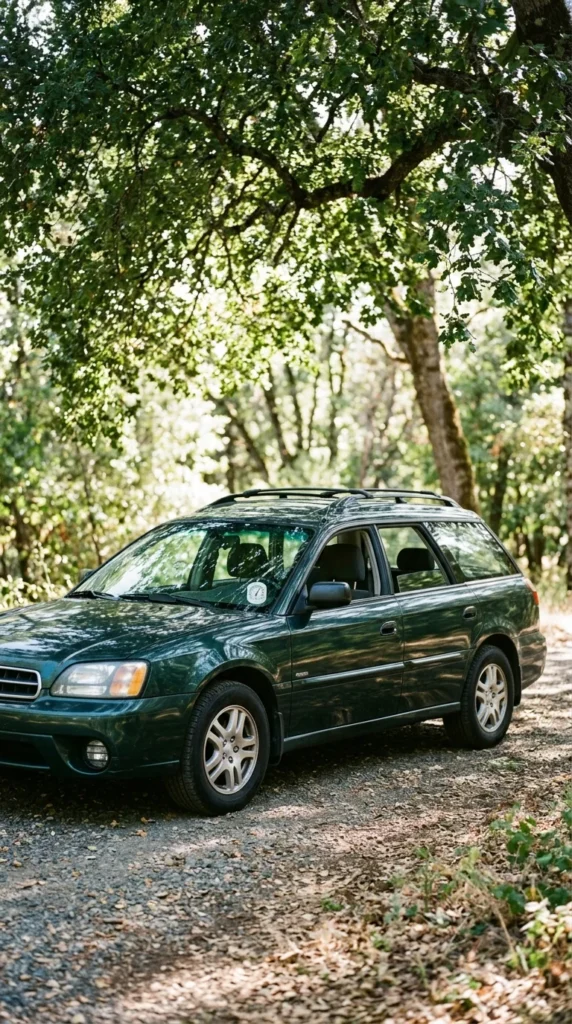
Never leave a pet in a parked car, even with the windows cracked. On a 70-degree day, the interior of a car can reach 100 degrees in minutes. If you are running errands, it is much safer to leave your pet at home in the air conditioning. If you are traveling together, keep the AC on high and ensure the vents are directed toward the pet’s crate or seating area.
15. Sprinkler Fun
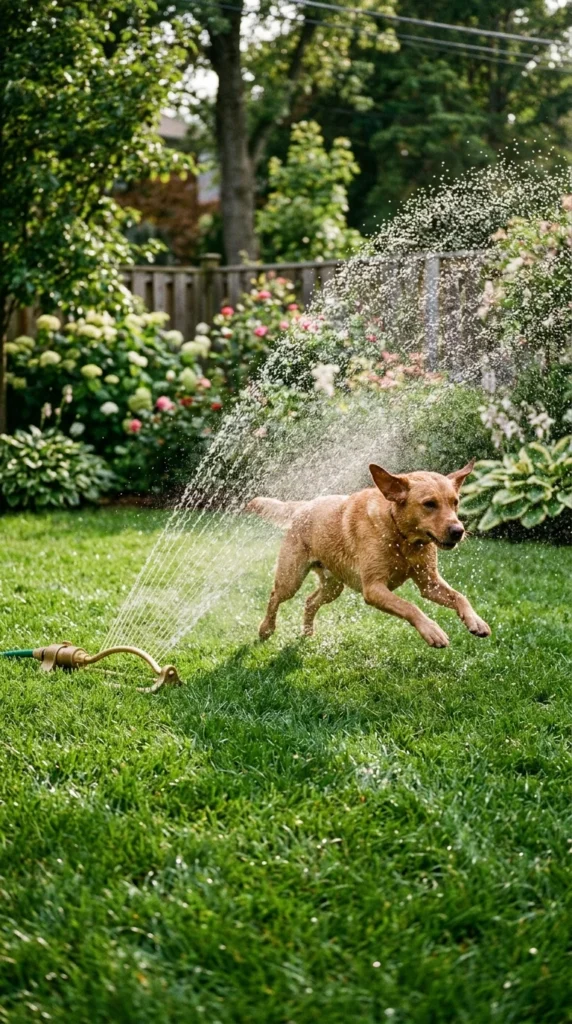
If your dog has a high play drive, a garden sprinkler can provide hours of cooling entertainment. The fine mist helps cool the air around them and dampens their fur, providing a continuous cooling effect. This is a great alternative to a walk on a day when the ground is too hot for paws but the pet still has energy to burn.
16. Elevated Beds
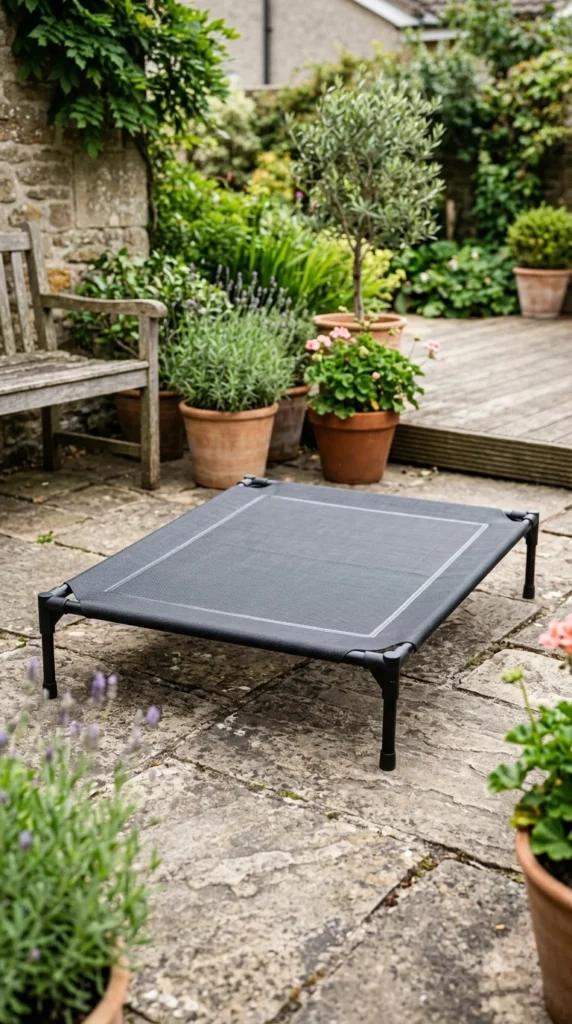
Standard plush pet beds can trap heat underneath the animal. Elevated beds, also known as cot beds, feature a mesh fabric stretched over a frame. This design allows air to circulate 360 degrees around the pet, including underneath them. These are especially beneficial for large breeds or senior pets who may have joint issues and need to stay cool while resting.
17. Calm Play
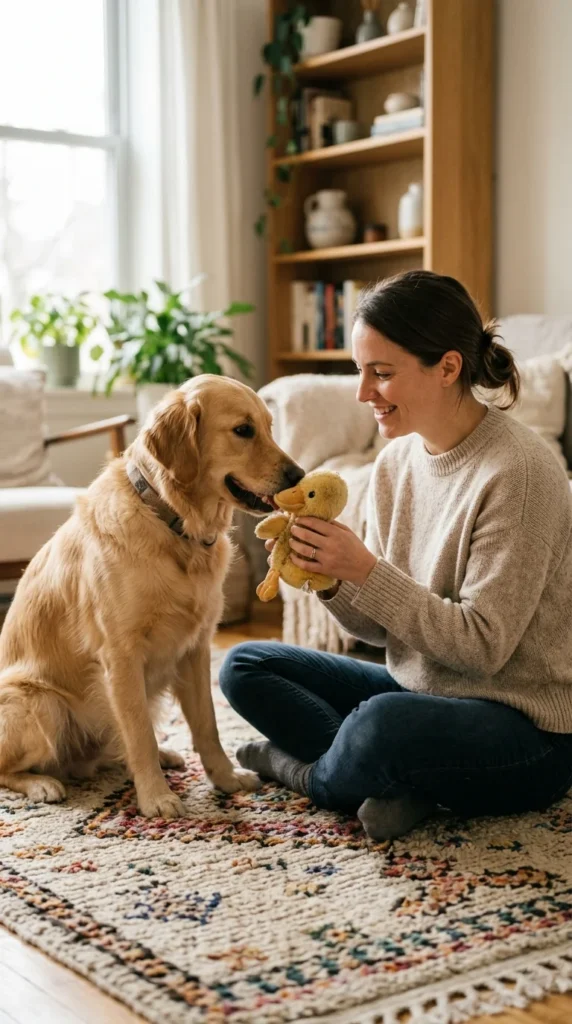
When the heat is high, it’s time to dial back the intensity of play. Instead of high-speed games of fetch or long wrestling matches, engage your pet with “low-impact” activities. Use puzzle toys, practice slow obedience cues, or enjoy some gentle indoor play. Keeping their heart rate down prevents their internal temperature from spiking.
18. Wet Food

Staying hydrated isn’t just about drinking water; it’s also about what they eat. Switching to wet food during the summer, or adding a splash of water or unsalted broth to their dry kibble, increases their overall moisture intake. This is particularly helpful for cats, who often have a low thirst drive and rely on their food for hydration.
19. Fan Placement
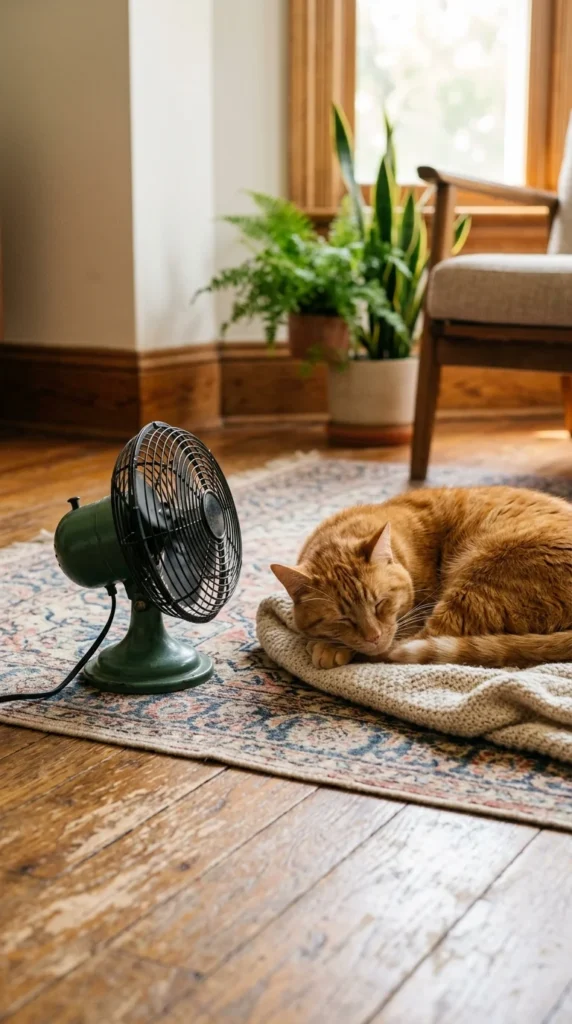
Since pets spend most of their time close to the floor, that’s where the cooling should be focused. Place small fans at floor level near their favorite sleeping spots. If you have a crate-trained pet, you can attach a specialized crate fan to the gate to ensure they have a dedicated breeze while they nap.
20. Signs Identification
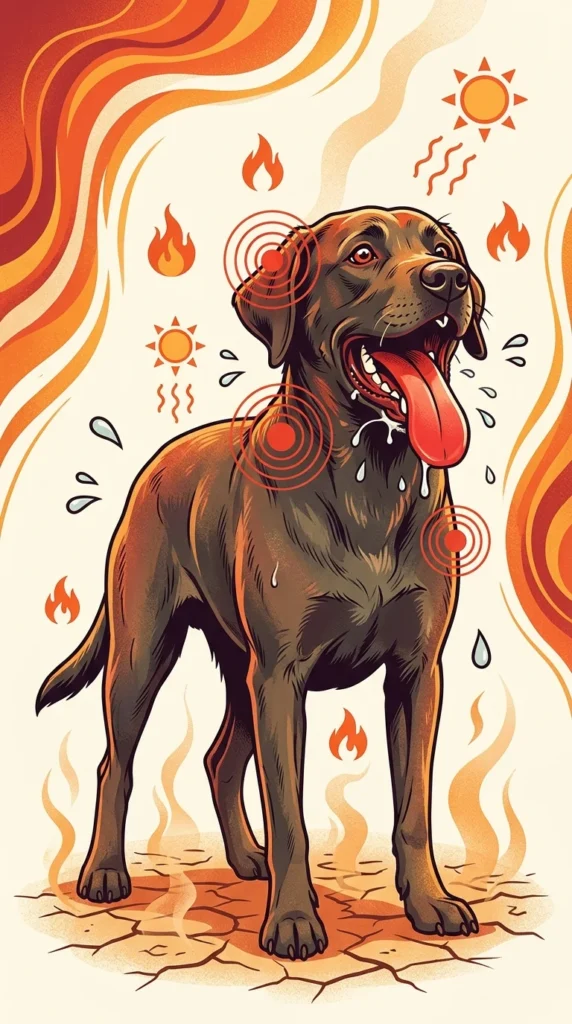
The most important way to keep your pet cool is to know when they aren’t. Learn the signs of heat exhaustion: excessive panting, bright red gums, lethargy, vomiting, or stumbling. If you notice these signs, move your pet to a cool area immediately, apply cool (not cold) water to their body, and contact your veterinarian. Being proactive and observant is the best way to ensure a safe and happy summer for your best friend.