
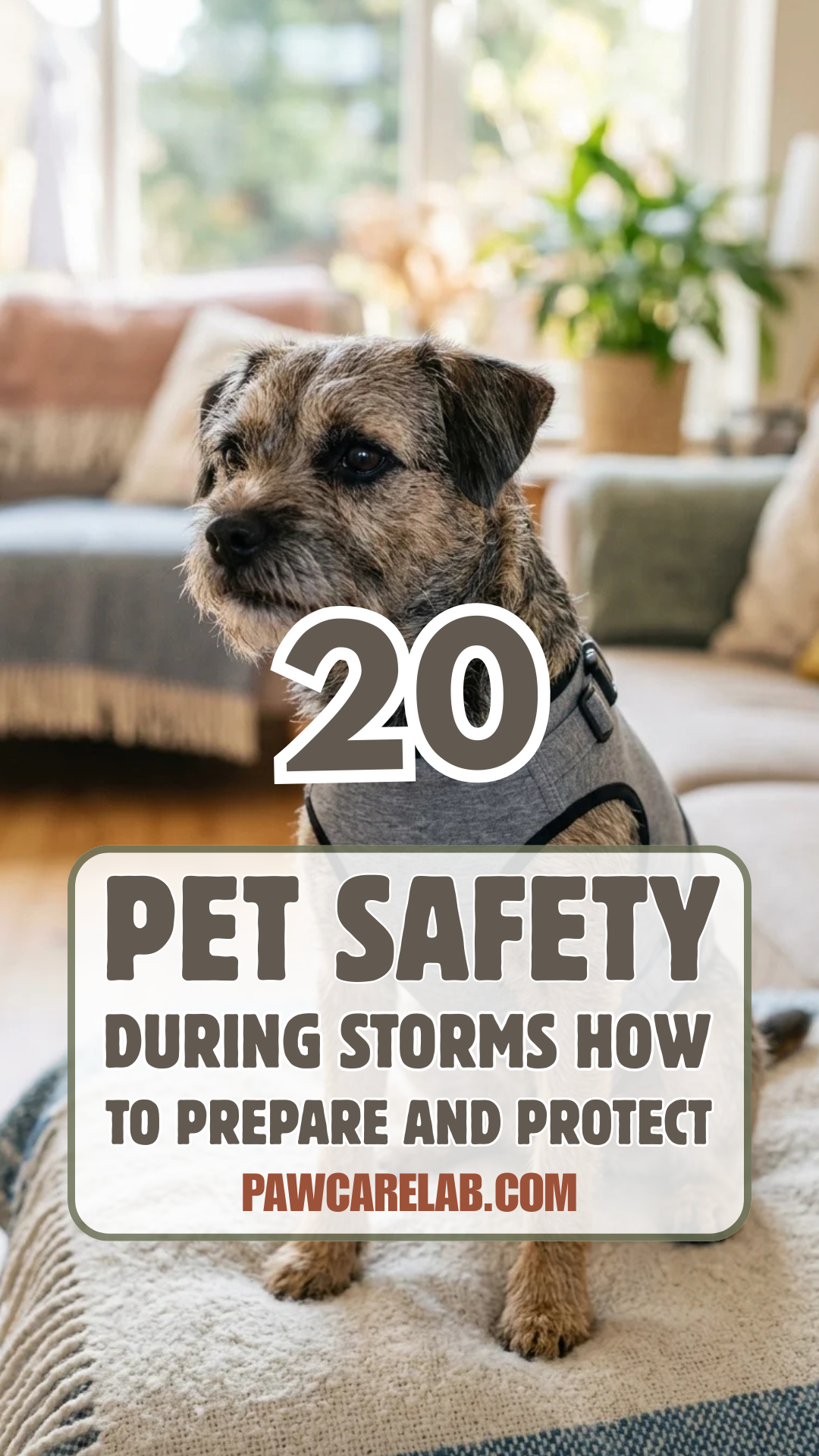
When the sky turns a bruised shade of purple and the wind begins to howl, humans aren’t the only ones who feel the tension. Our pets, with their heightened senses, often experience storms with an intensity we can barely imagine. The sudden barometric pressure drops, the static electricity in the air, and the booming vibrations of thunder can send even the bravest dog or cat into a state of panic. Protecting your pet during a storm isn’t just about keeping them dry; it’s about ensuring their physical safety and emotional well-being. From flash floods to hurricanes and severe thunderstorms, being prepared can mean the difference between a minor inconvenience and a tragedy.
1. Identification
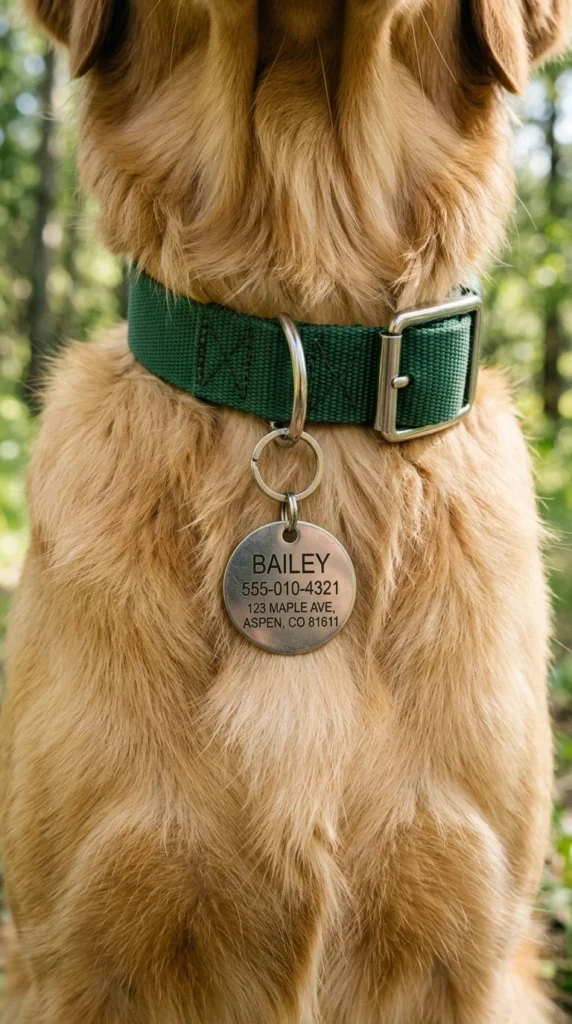
The most common time for pets to go missing is during or immediately after a severe storm. Panic can cause animals to bolt, jump fences, or squeeze through small openings they would usually ignore. Ensure your pet is wearing a collar with an up-to-date ID tag at all times when a storm is forecasted. The tag should include your current phone number and, if possible, an alternative contact. For cats, use breakaway collars to prevent snagging on debris.
2. Microchipping
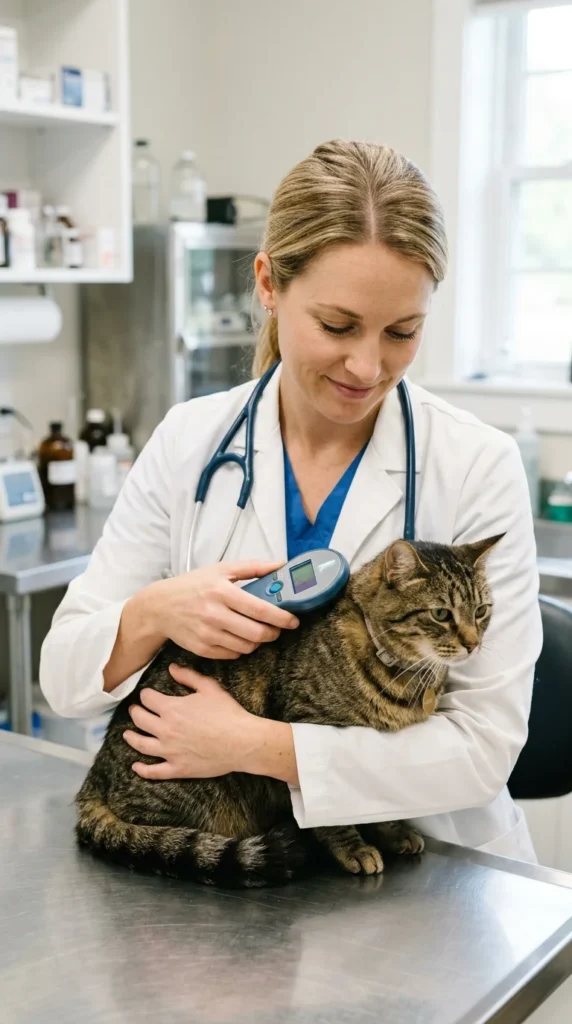
Tags can fall off, but a microchip is permanent. If your pet isn’t microchipped, make it a priority before storm season hits. If they are already chipped, log into the manufacturer’s registry to ensure your contact information is current. In the chaos of a disaster, a microchip is often the only way shelters can reunite lost pets with their families.
3. Safe Space

Identify the “safe zone” in your home where your pet feels most secure. This is typically an interior room without windows, such as a bathroom, a large closet, or a basement. High-up locations are better for floods, while interior ground-level rooms are best for high winds. Fill this space with familiar scents, like an unwashed t-shirt of yours, to provide a sense of security.
4. Emergency Kit
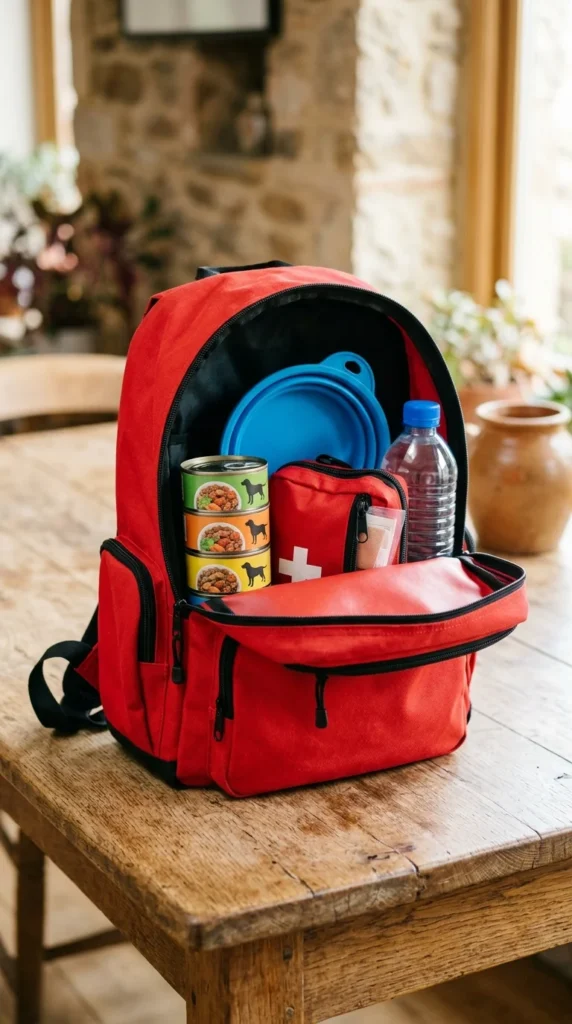
You likely have an emergency kit for yourself, but your pet needs one too. This “go-bag” should be easily accessible and contain at least seven days of food, a manual can opener, a week’s supply of water, and copies of medical records. Having everything in one place prevents frantic searching if you need to evacuate suddenly.
5. Anxiety Wraps

Many pets find comfort in the sensation of being held. Anxiety wraps or “thunder shirts” apply gentle, constant pressure to a pet’s torso, which can have a dramatic calming effect on the nervous system. If you don’t have a commercial wrap, you can achieve a similar effect with a snugly (but not tightly) wrapped scarf or a small t-shirt.
6. White Noise

The sudden “crack” of thunder is what often triggers the flight response. Using a white noise machine, a loud fan, or even playing classical music can help mask the outside sounds. There are even specific playlists designed by animal behaviorists that use frequencies proven to soothe canine and feline ears.
7. Indoor Potty

When the weather is truly dangerous, you shouldn’t force your pet to go outside. For dogs, have an indoor solution ready, such as puppy pads or a patch of synthetic turf. This prevents the pet from holding their bladder for too long—which causes physical stress—and keeps you and your animal away from falling branches or rising water.
8. Leash Ready
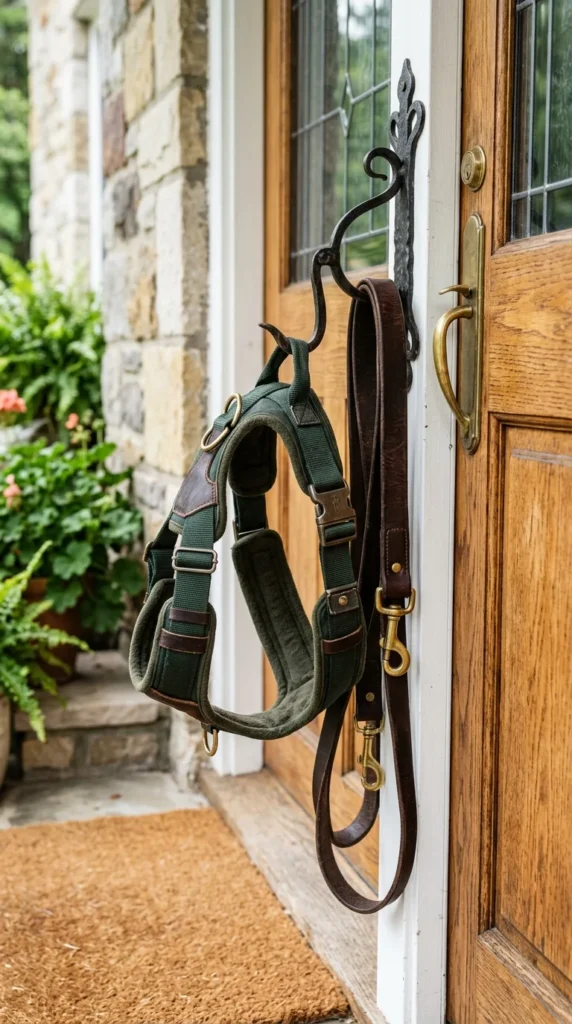
During a storm, never let your pet out into a yard off-leash, even if it’s fenced. A sudden thunderclap could cause them to clear a six-foot fence in seconds. Keep a leash and harness right by the door or inside your safe room. If you have to evacuate, you won’t waste precious minutes looking for them.
9. Updated Photos

Keep a recent, clear photo of your pet on your phone and a printed copy in your emergency kit. The photo should show any unique markings. If you are separated, you can use this photo to create “Lost Pet” flyers or show it to rescue workers immediately.
10. Calm Energy

Pets are incredibly sensitive to human emotions. If you are pacing, shouting, or showing visible signs of distress, your pet will mirror that anxiety. Maintain a calm, steady voice and go about your business as normally as possible. Your “business as usual” attitude signals to them that while the weather is loud, they are not in immediate danger.
11. Veterinary Records
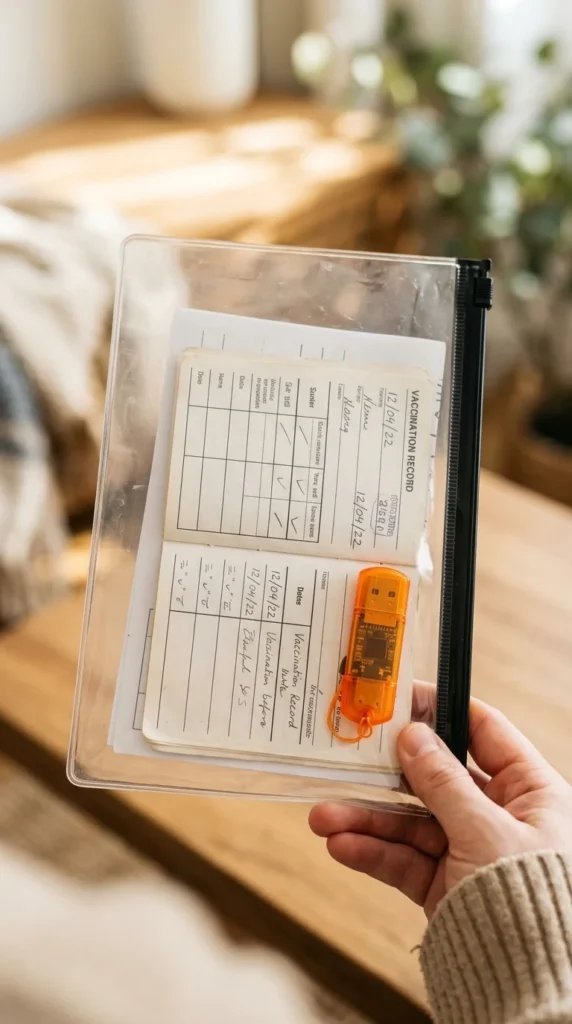
In the event of an evacuation, most pet-friendly shelters and hotels require proof of vaccinations (especially rabies). Keep these records in a waterproof sleeve within your emergency kit. Having a digital backup on a cloud service or a USB drive is also a smart redundancy.
12. Medication Supply

If your pet takes daily medication for heart conditions, seizures, or even standard anxiety, ensure you have a two-week backup supply. Pharmacies may be closed for days following a major storm. If your pet has severe storm phobia, talk to your vet about “situational” sedatives that can be administered at the first sign of a storm.
13. Crate Security
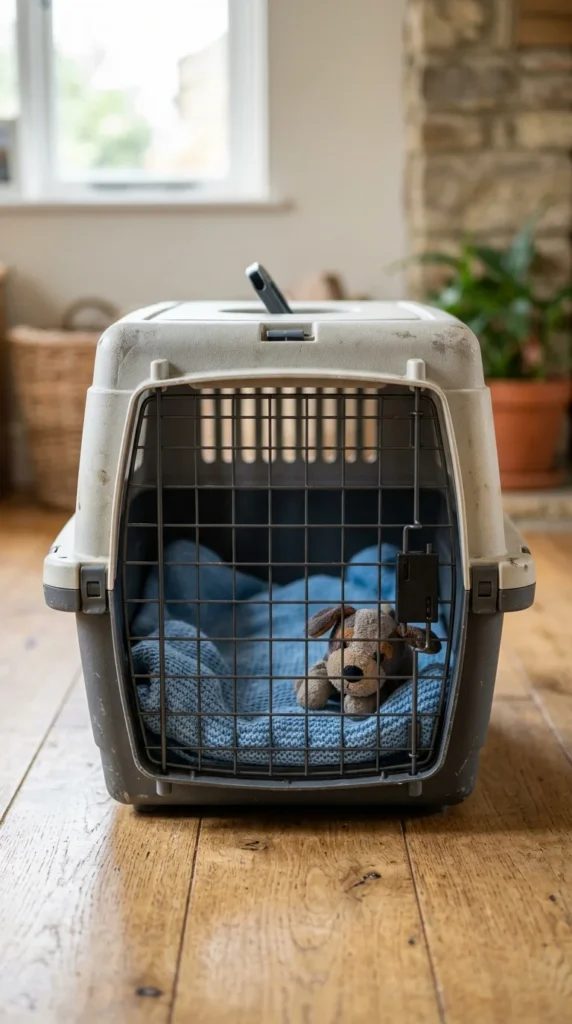
For many pets, a crate is their “den.” During a storm, a crate can provide a physical sense of boundaries and safety. If you have to evacuate to a public shelter, your pet will likely be required to stay in a crate. Familiarizing them with the crate during fair weather makes it a source of comfort rather than a source of stress during a crisis.
14. Evacuation Route

Don’t wait for the rain to start to figure out where you’re going. Map out at least two evacuation routes in case one road is flooded or blocked by trees. Know exactly which local shelters accept pets, as not all human shelters allow animals due to health regulations.
15. Comfort Toys

Distraction is a powerful tool. Interactive toys, such as puzzles filled with treats or long-lasting chews, can keep a pet’s mind focused on something other than the thunder. Save a “special” high-value toy that only comes out during storms to create a positive association.
16. Window Safety

Visual triggers, like flashes of lightning or swaying trees, can escalate a pet’s fear. Close the blinds or heavy curtains in your safe room to block out the strobe-light effect of lightning. This also provides an extra layer of protection if a window were to break due to wind or debris.
17. Clean Water
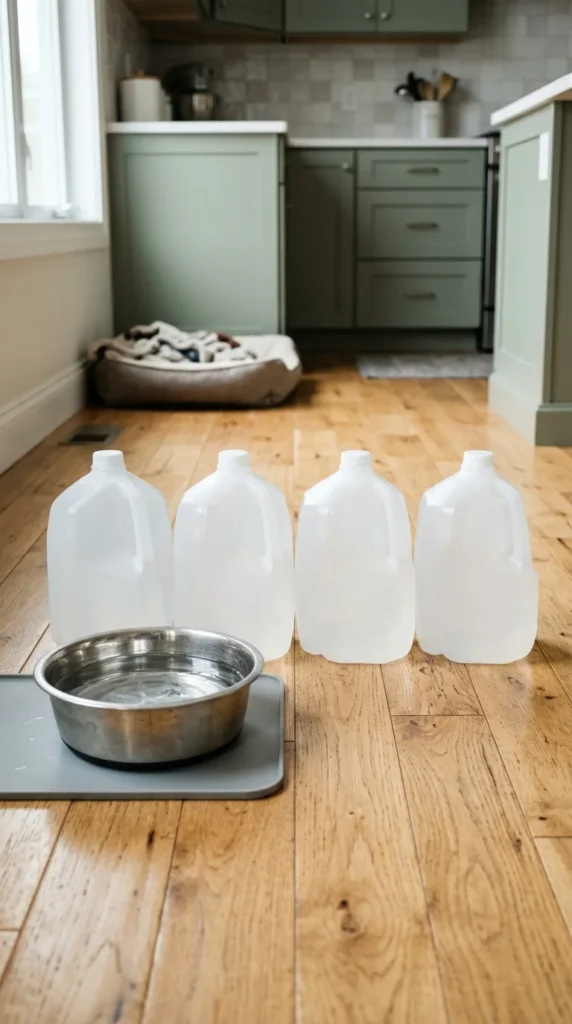
Storms can often lead to contaminated local water supplies or broken pipes. Pets are just as susceptible to waterborne illnesses as humans. Store enough bottled water to last your pet for several days. Avoid letting them drink from puddles after a storm, as these can contain oil, chemicals, or leptospirosis.
18. Training Drills

Practice your “storm drill” when the weather is clear. Call your pet to the safe room, give them a high-value treat, and spend a few minutes there. Doing this regularly ensures that when a real emergency happens, your pet will respond to your commands quickly and without hesitation.
19. Post-Storm Check

Once the storm passes, the danger isn’t over. Before letting your pet out, inspect your yard for downed power lines, sharp debris, or compromised fences. Wildlife like snakes or displaced rodents may also be taking refuge in your yard after a storm, posing a threat to curious pets.
20. Pheromone Diffusers

Synthetic pheromones, available as diffusers, sprays, or collars, mimic the natural “appeasing” pheromones produced by mother dogs and cats. These can create a general sense of well-being in the environment. For best results, plug in the diffuser in the safe room several hours before the storm is expected to arrive.