
Owning a tortoise is not just a hobby; it is a multi-generational commitment. These ancient-looking reptiles are famous for their longevity, often outliving their owners if provided with the right environment and care. Unlike common pets, tortoises have specific biological needs that range from precise UV lighting to specialized dietary fibers. Whether you are a first-time keeper or a seasoned herpetologist, following these 20 pillars of tortoise care will ensure your shelled companion enjoys a healthy, vibrant, and incredibly long life.
1. Species Research
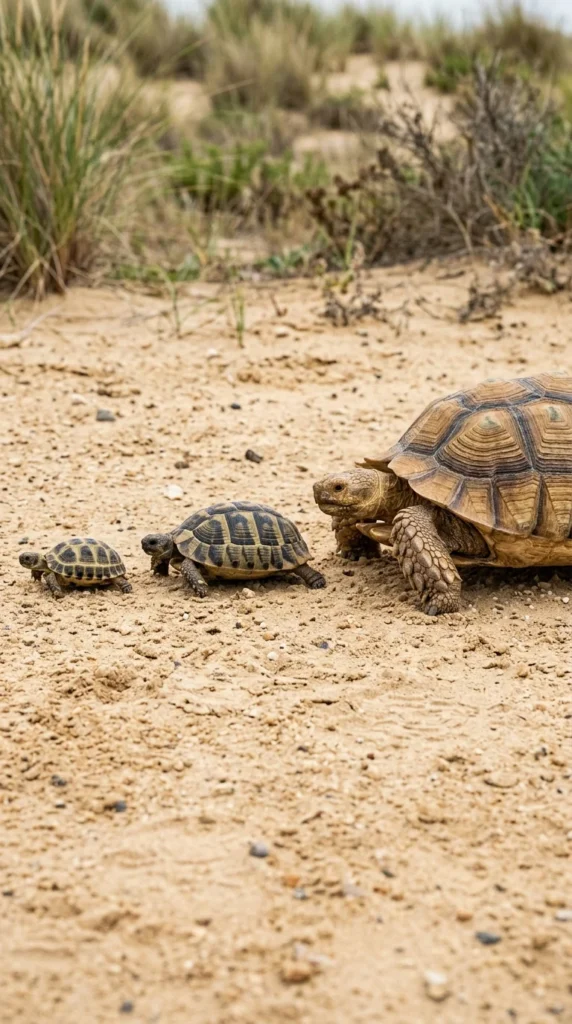
Before bringing a tortoise home, you must understand that “tortoise” is a broad term covering animals from vastly different climates. A Russian tortoise from the arid steppes requires a different setup than a Red-footed tortoise from the tropical rainforests. Size is also a massive factor; while a Mediterranean spur-thighed tortoise remains manageable, a Sulcata can grow to over 100 pounds. Researching the specific origin, adult size, and climate requirements of your chosen species is the foundation of successful ownership.
2. Habitat Size
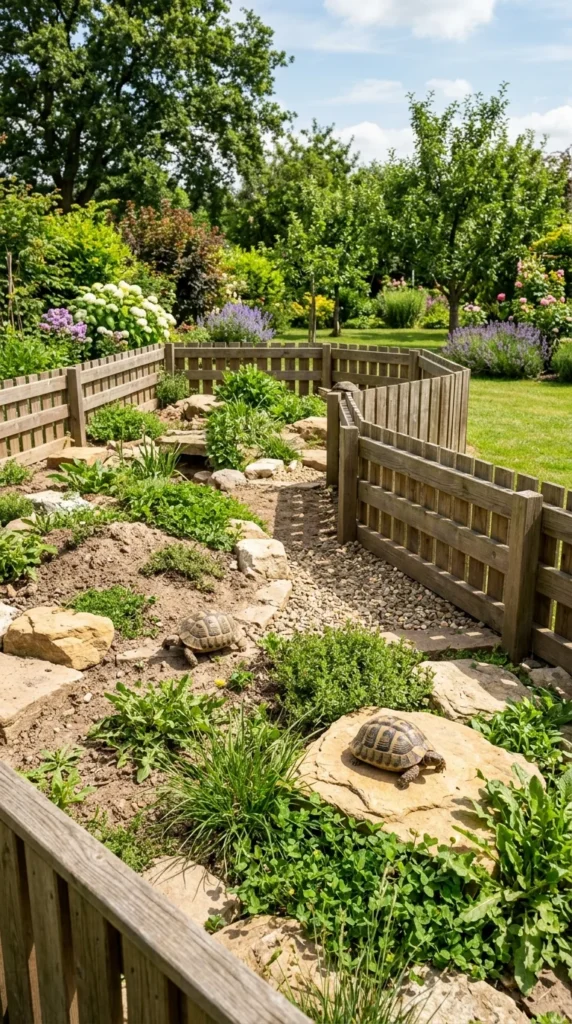
Tortoises are active roamers. In the wild, they may travel significant distances daily to forage. A small glass tank is rarely sufficient for an adult. For smaller species, a “tortoise table” (a large wooden enclosure) of at least 4×2 feet is the minimum, but bigger is always better. For larger species, a secure outdoor pen is often the only ethical way to house them. Ensure the walls are opaque; tortoises don’t understand the concept of glass and will constantly try to walk through it, causing stress.
3. UVB Lighting
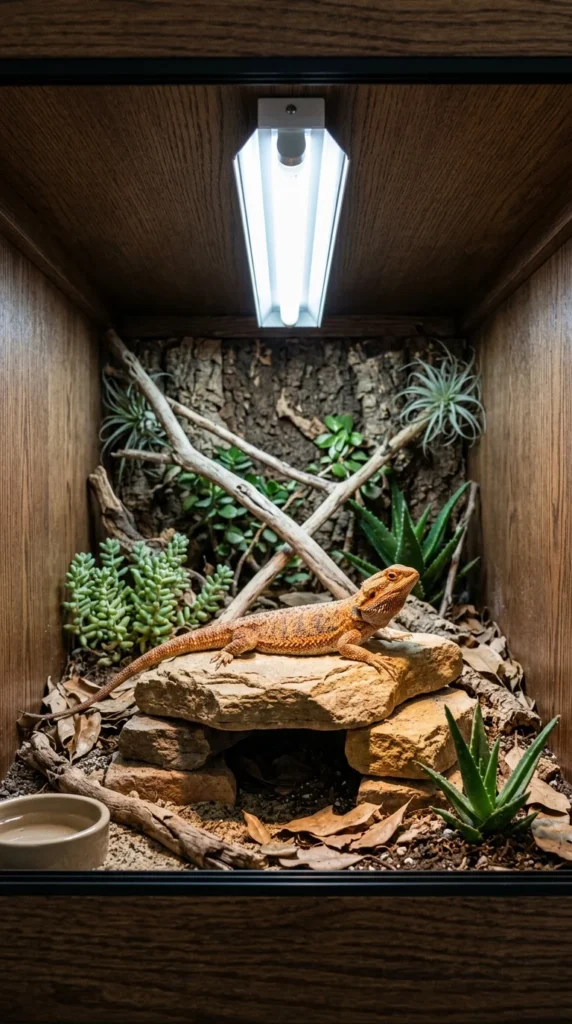
Without Vitamin D3, tortoises cannot process calcium, leading to Metabolic Bone Disease—a painful and often fatal condition. If kept indoors, your tortoise must have a high-quality UVB light source. These bulbs mimic the sun’s rays but lose their effectiveness over time, even if they still appear bright. Replace UVB bulbs every 6 to 12 months. Ideally, provide real sunlight whenever weather permits, as no artificial bulb is as effective as the sun.
4. Thermal Gradients
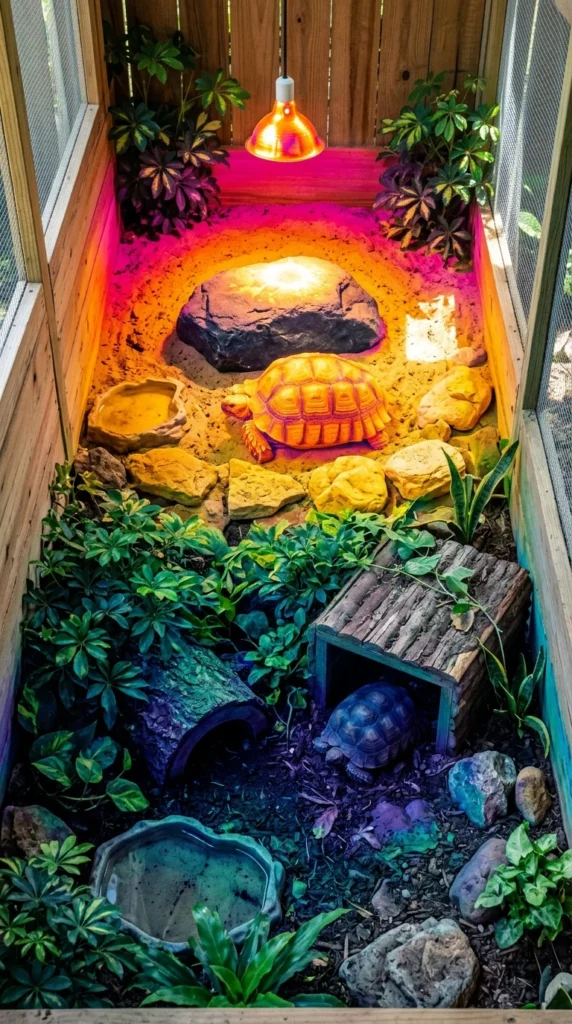
Tortoises are ectothermic, meaning they rely on their environment to regulate body temperature. Your enclosure must have a “thermal gradient”—a hot side and a cool side. Provide a basking lamp that creates a localized hot spot (usually between 90°F and 100°F depending on the species), while the other end of the enclosure remains significantly cooler. This allows the tortoise to move back and forth to “tune” its internal temperature.
5. Humidity Levels
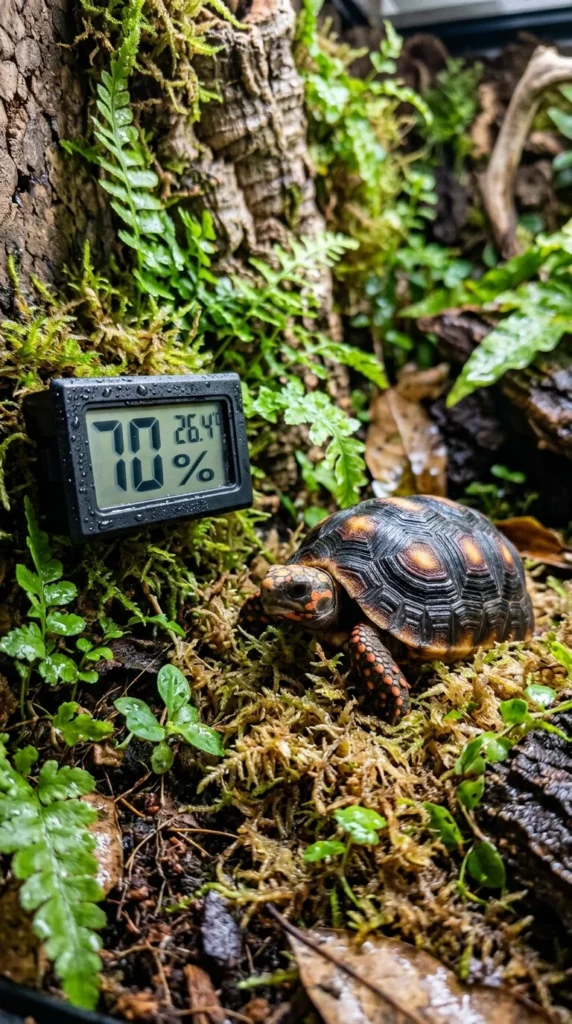
Humidity is often overlooked but is crucial for respiratory health and shell development. High-humidity species like the Red-footed tortoise need levels around 70-80%, while arid species like the Leopard tortoise still need a “humid hide” to prevent “pyramiding” (abnormal shell growth). Use a spray bottle to mist the enclosure daily or install an automatic fogging system to maintain the appropriate moisture levels for your specific species.
6. Substrate Choice
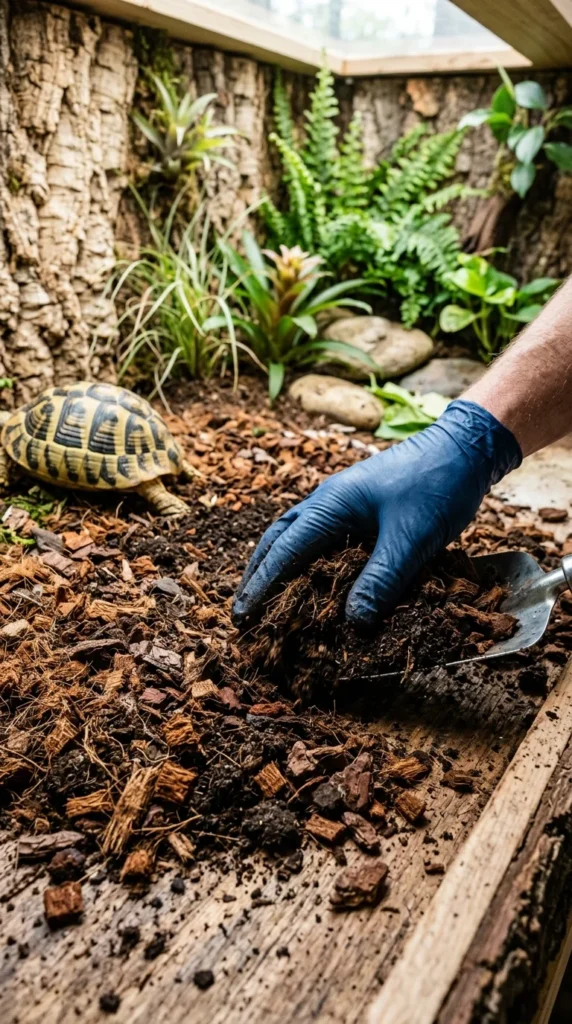
The ground your tortoise walks on affects its joints and hydration. Avoid sand, as it can cause intestinal impaction if eaten, and avoid cedar or pine shavings, which contain toxic oils. A mix of organic topsoil, coco coir, and cypress mulch is generally preferred. The substrate should be deep enough for the tortoise to burrow into, which helps them feel secure and regulate their moisture levels.
7. Hydration Soaks
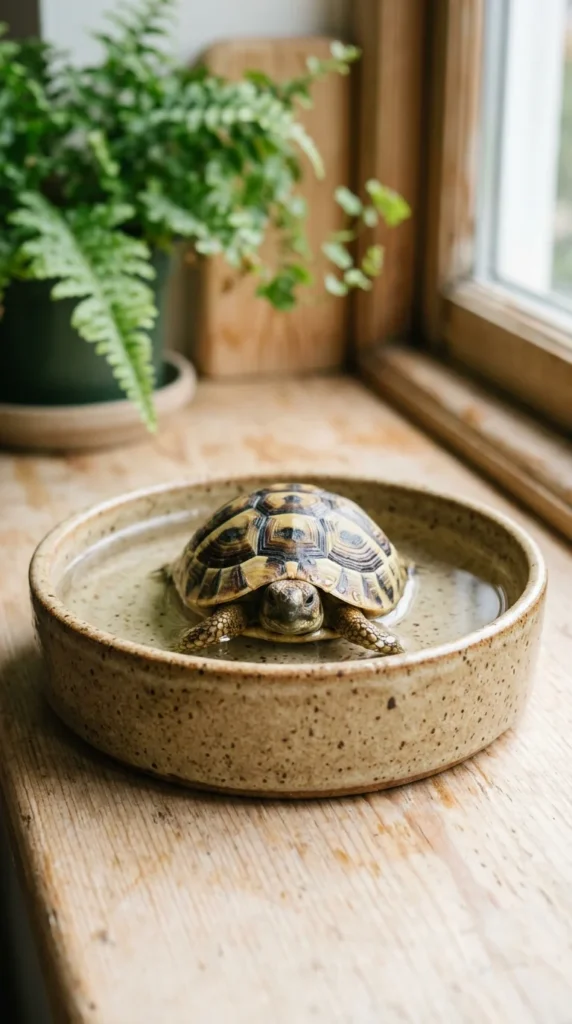
Even with a water bowl available, many tortoises prefer to drink while soaking. Twice or thrice a week, place your tortoise in a shallow container of lukewarm water for 15-20 minutes. This ensures they stay hydrated and helps them flush their bladders. During these soaks, tortoises often “fire the engines,” meaning they will defecate in the water, which also helps keep their enclosure clean.
8. High-Fiber Diet

Most tortoises are herbivores that require a diet very high in fiber and low in protein and sugar. The bulk of their diet should consist of weeds, grasses, and dark leafy greens (like collards, dandelions, and mustard greens). Avoid iceberg lettuce, which has no nutritional value. Fruit should be a rare treat for most species, as the high sugar content can cause blooms of harmful bacteria in their gut.
9. Calcium Supplementation
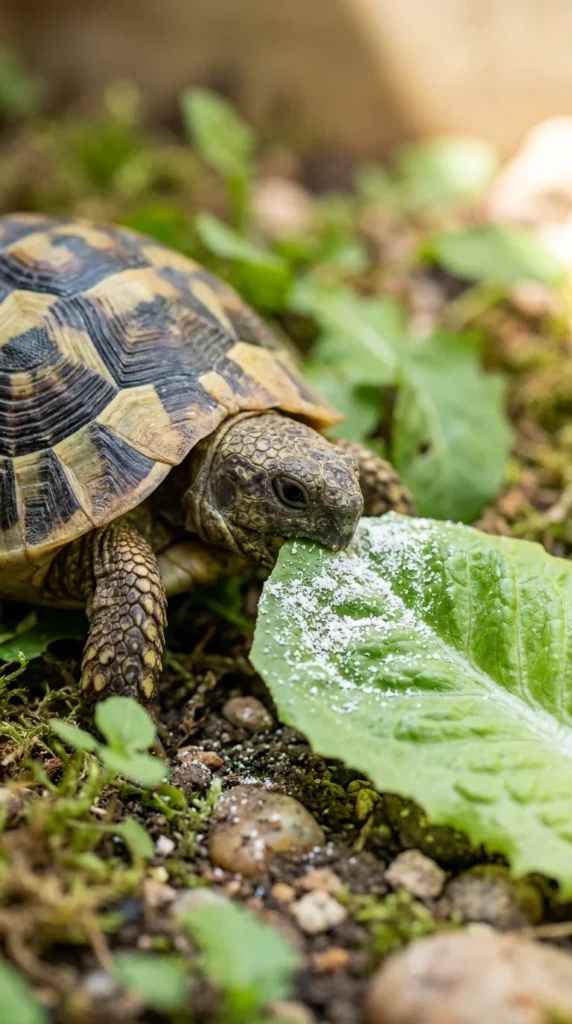
To maintain a strong shell and skeleton, tortoises need extra calcium. Dust their food with a phosphorus-free calcium powder two to three times a week. Additionally, keep a cuttlefish bone (commonly sold for birds) in the enclosure at all times. Tortoises will nibble on it instinctively when they feel a nutritional deficiency, and it also helps keep their beaks trimmed.
10. Shell Inspection
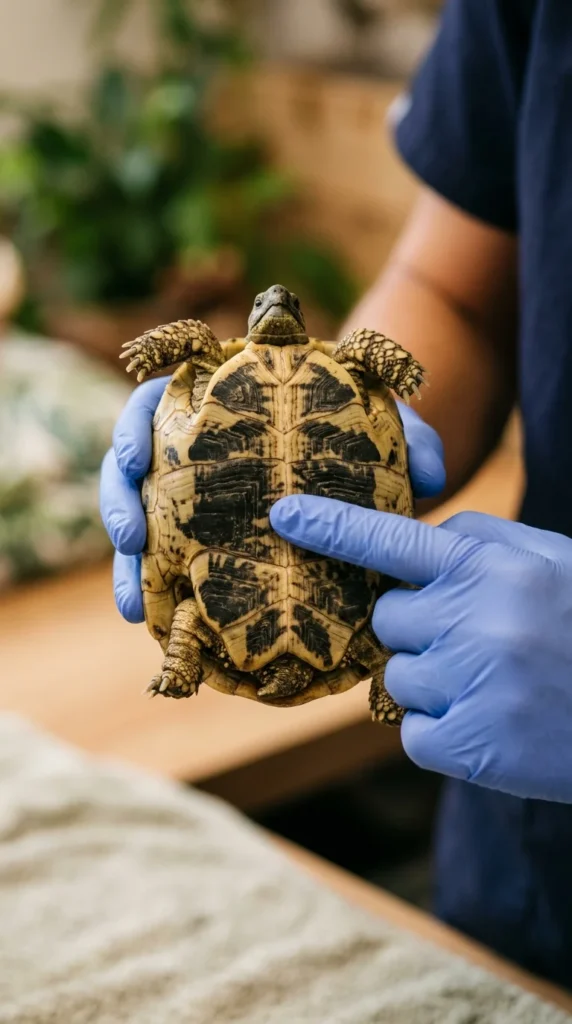
The shell is a living part of the tortoise’s body, containing nerves and blood vessels. Regularly inspect the shell for “shell rot” (fungal or bacterial infections), cracks, or softening. A healthy shell should be firm and smooth. If you notice any foul odors or weeping sores on the shell, consult an exotic animal veterinarian immediately.
11. Beak Maintenance
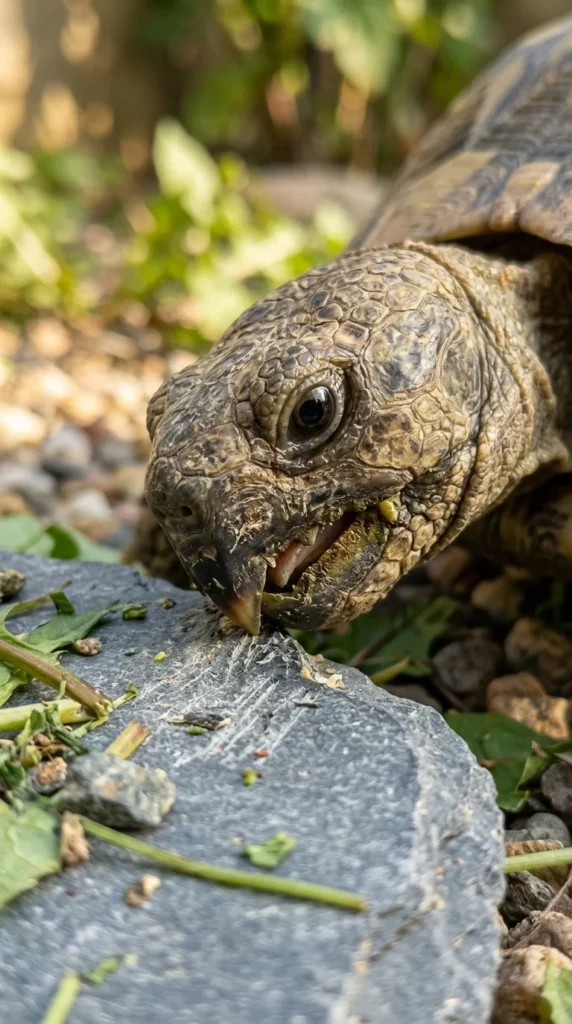
A tortoise’s beak grows continuously throughout its life. In the wild, they wear it down by eating tough plants and scraping against rocks. In captivity, beaks can become overgrown, making it difficult for the animal to eat. To prevent this, feed your tortoise on a flat piece of slate or a textured tile. The friction from the stone will naturally file the beak down as they eat.
12. Safe Foraging
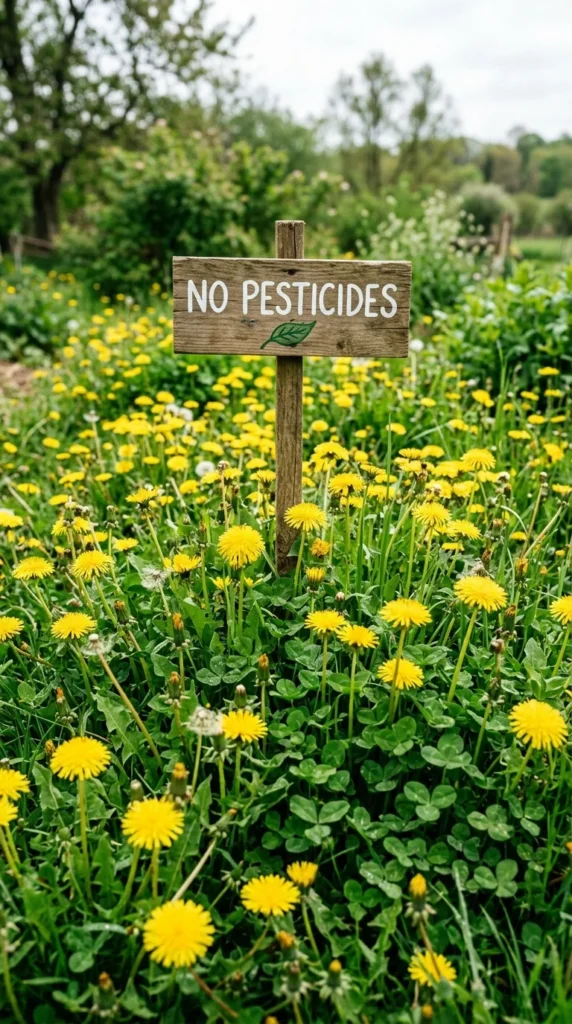
If you allow your tortoise to graze in your yard, you must ensure the area is 100% free of pesticides, herbicides, and fertilizers. Many common garden plants, such as azaleas, foxglove, and rhododendrons, are highly toxic to tortoises. Before letting them roam, use a plant identification app to ensure every weed and flower in their path is safe for consumption.
13. Environmental Enrichment
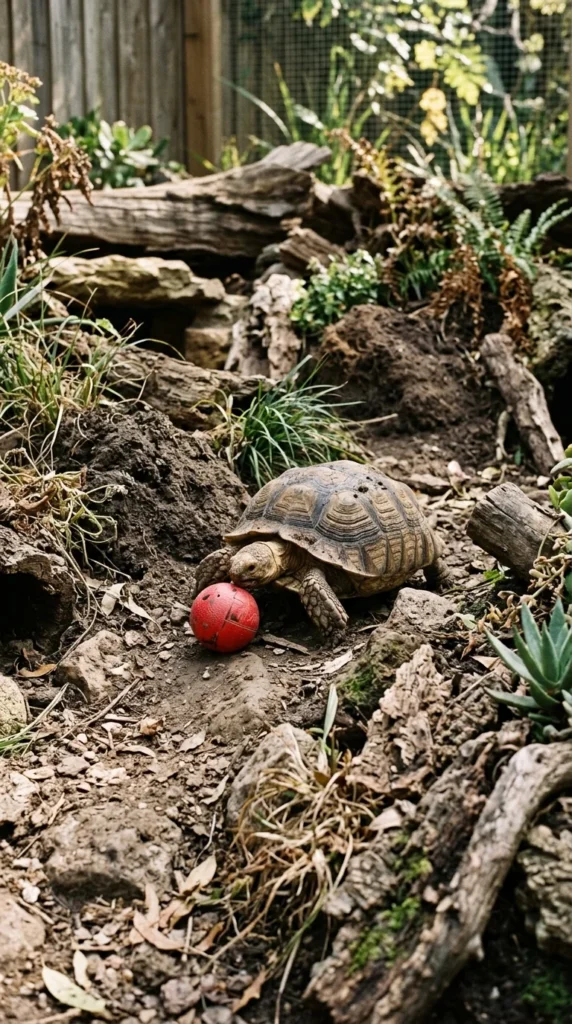
Tortoises are smarter than they look. A flat, empty box leads to a bored, lethargic pet. Provide “furniture” such as hollow logs, large rocks, and non-toxic plants to break up the line of sight. This encourages the tortoise to explore and exercise. Changing the layout of the enclosure slightly every few months can provide mental stimulation as they “re-map” their territory.
14. Predator Protection
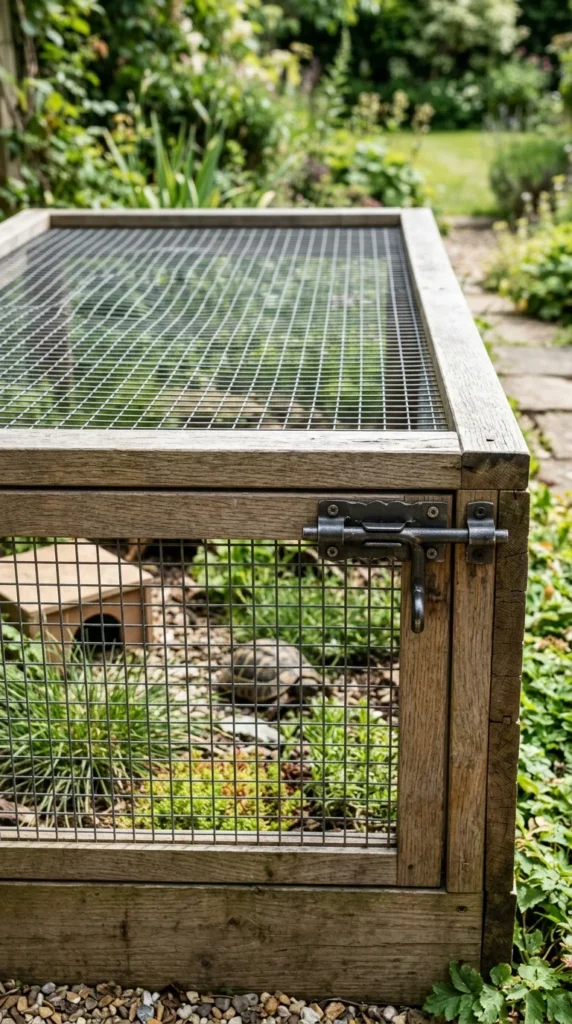
If kept outdoors, tortoises are vulnerable to predators like raccoons, foxes, hawks, and even neighborhood dogs. An outdoor enclosure must be “fortified.” This means having a buried wire perimeter to prevent predators from digging in (and the tortoise from digging out) and a heavy-duty mesh lid to protect against aerial attacks. Never leave a tortoise unattended in an unsecured area.
15. Brumeration (Hibernation)
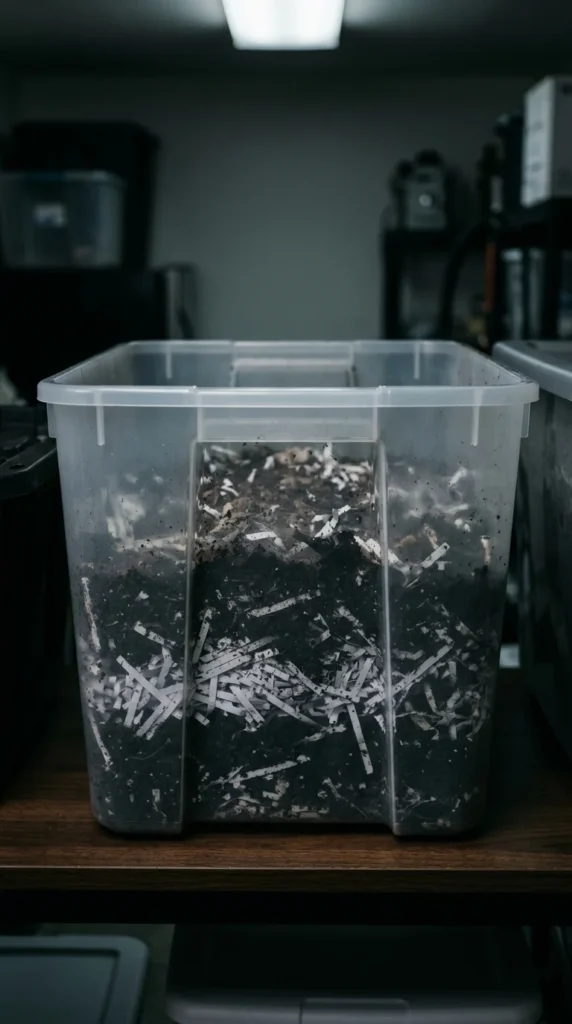
Many temperate species, like the Mediterranean and Russian tortoises, hibernate (brumate) during the winter. This is a complex process that requires the tortoise to be in peak health and have an empty digestive tract. If you choose to hibernate your pet, you must monitor their weight and the storage temperature strictly. If done incorrectly, the tortoise may not wake up. Many keepers choose to skip brumation by keeping the enclosure warm year-round.
16. Proper Handling
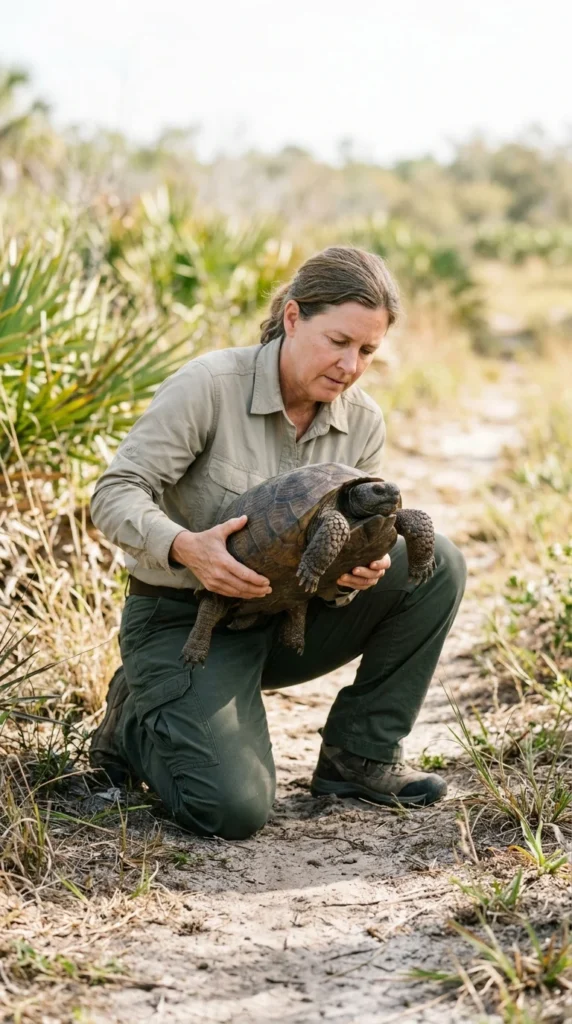
Tortoises generally do not like being picked up; it makes them feel like they are being snatched by a predator. When you must handle them, support their entire weight from underneath. Never flip them over unnecessarily, as this can cause respiratory distress. Always wash your hands before and after handling, as reptiles can carry Salmonella.
17. Hygiene and Cleaning
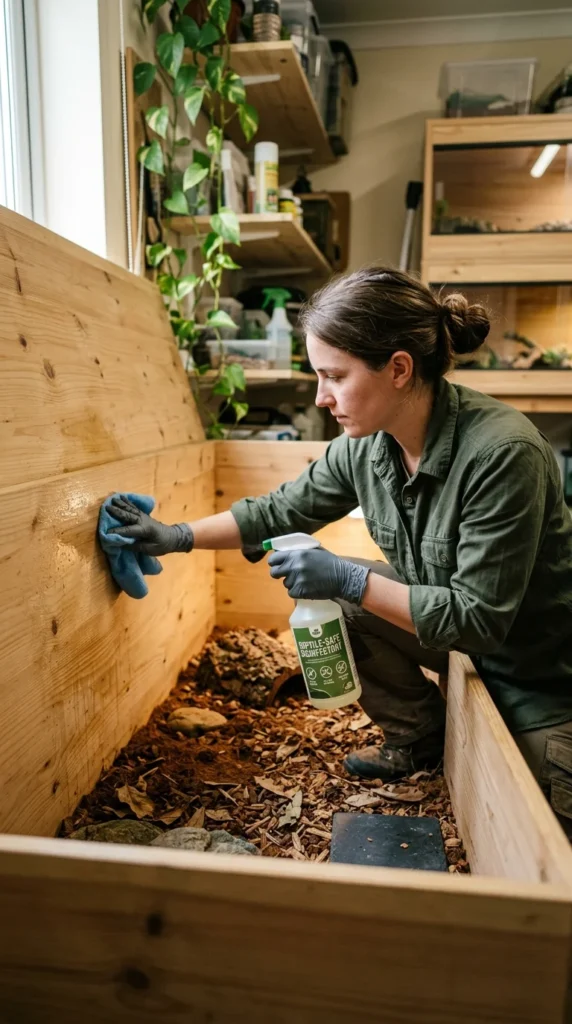
Spot-clean the enclosure daily by removing waste and uneaten food. Once a month, perform a deep clean where you replace the substrate and disinfect the entire habitat. Hygiene is critical to prevent “RNS” (Runny Nose Syndrome), a common respiratory infection in tortoises caused by dusty or dirty environments.
18. Social Dynamics
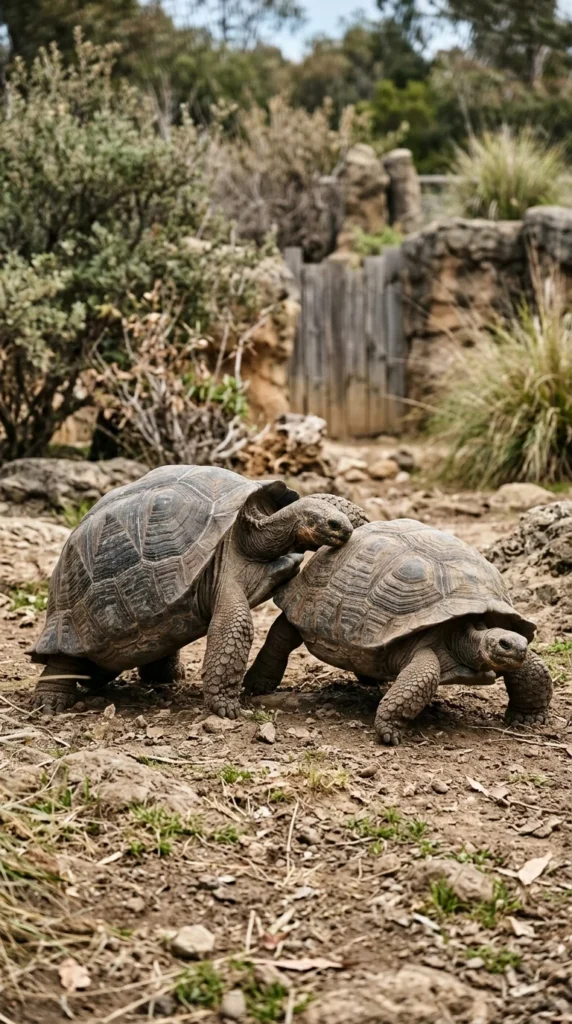
Most tortoises are solitary creatures. While they can sometimes live in groups, males are often highly territorial and will fight, leading to severe injuries. Even females can become stressed by the constant presence of another tortoise. Unless you have an exceptionally large space (like an entire backyard), it is usually best to house tortoises individually.
19. Veterinary Care

Regular dog and cat vets often lack the training to treat reptiles. You must find a specialized “Exotic Animal” or “Herp” vet. Annual check-ups should include a fecal exam to check for internal parasites, which are very common in tortoises and can sap their energy and nutrition if left untreated.
20. The Long-Term Plan
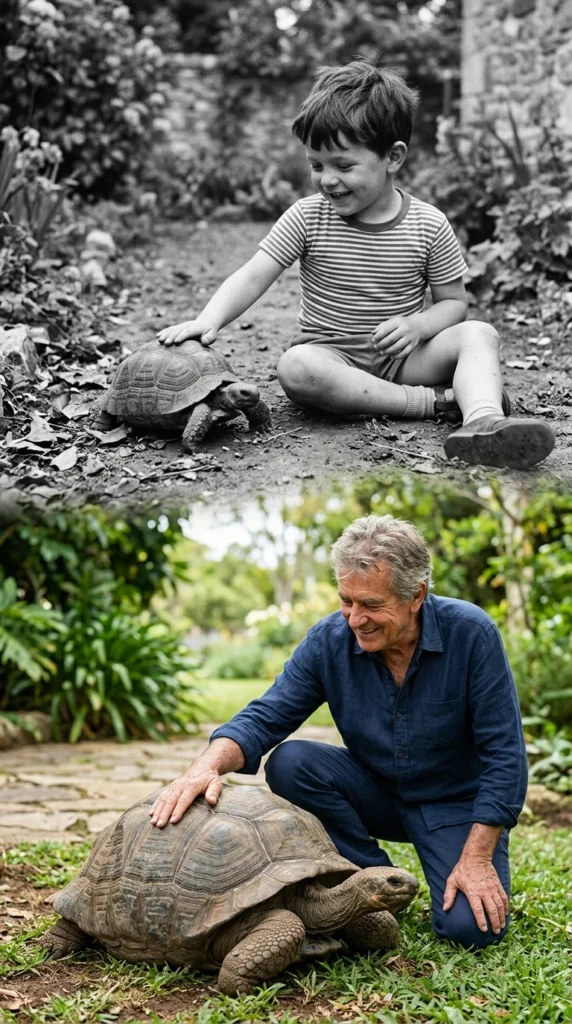
Finally, remember that a tortoise is a legacy pet. A Greek tortoise can live 50 years, while a Sulcata can live over 100. When you take on a tortoise, you are taking on a responsibility that may require a provision in your will. Ensure that you have a plan for who will care for your pet if it outlives you, ensuring its health and happiness for the entirety of its long, slow-paced life.