
Dealing with a flea infestation is a nightmare for any pet owner. These tiny, resilient parasites not only cause intense itching and discomfort for your furry friends but can also lead to skin infections, allergies, and tapeworms. While chemical treatments are available, many pet parents prefer natural, DIY alternatives to avoid harsh toxins.
Natural flea repellents work primarily by creating an environment that fleas find inhospitable. Whether through scent, texture, or biological properties, these 21 DIY solutions can help keep your pets safe and your home flea-free.
1. Apple Cider Vinegar
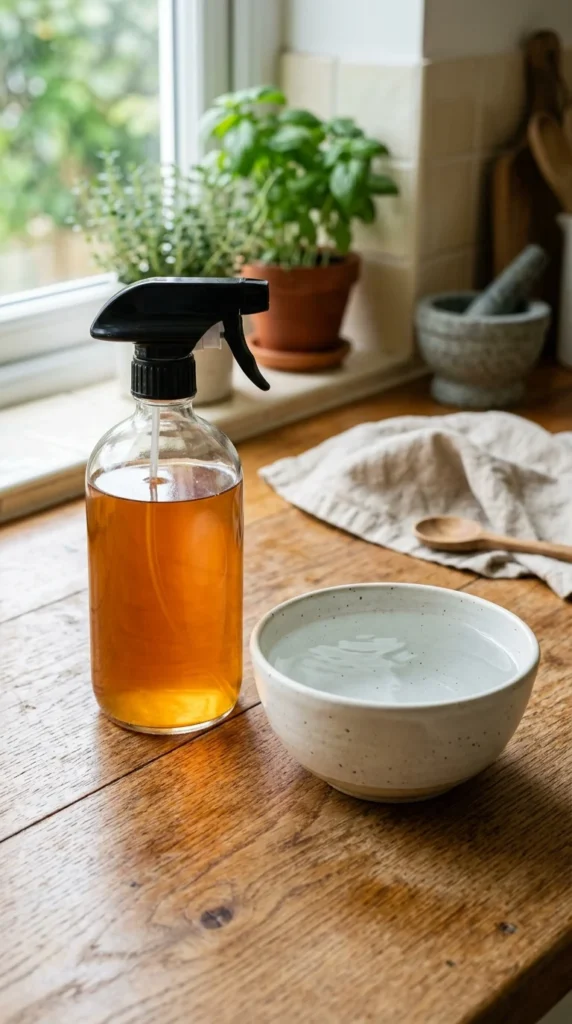
Apple cider vinegar (ACV) is a staple in natural pet care. While it doesn’t kill fleas directly, it creates an acidic environment on your pet’s skin that fleas find repulsive.
- How to use: Mix a 1:1 ratio of ACV and water in a spray bottle. Mist your pet’s coat before they go outside, being careful to avoid their eyes and any open sores. You can also add a teaspoon of ACV to their water bowl (consult your vet first) to help balance their internal pH.
2. Lemon Spray
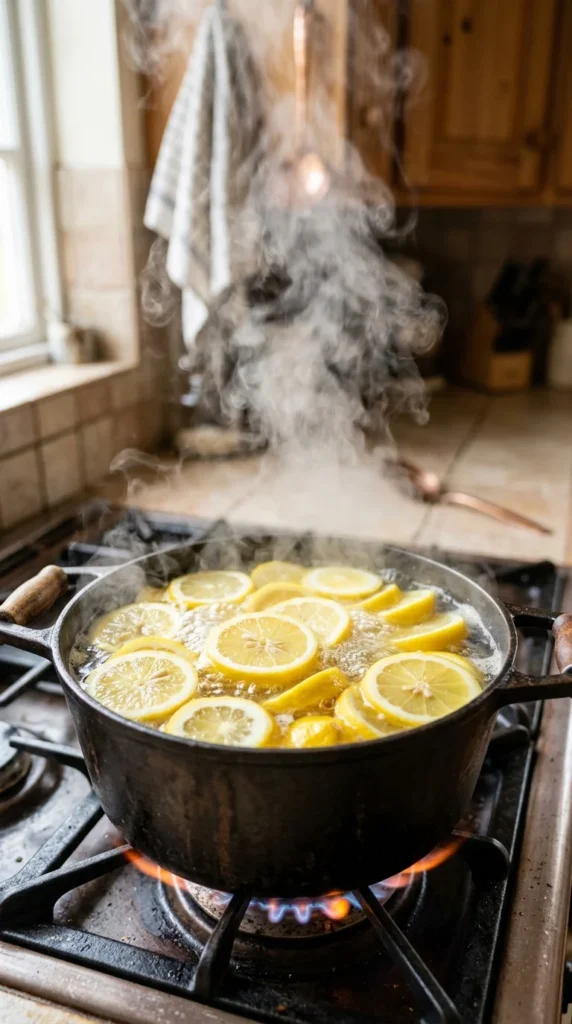
Citrus contains a natural compound called limonene, which acts as a powerful flea repellent. Lemons are easy to find and create a refreshing scent for your home.
- How to use: Slice a lemon thinly and add it to a pot of boiling water. Let it steep overnight. In the morning, strain the liquid into a spray bottle and spritz it onto your pet’s fur, focusing on the base of the tail and behind the ears.
3. Rosemary Rinse
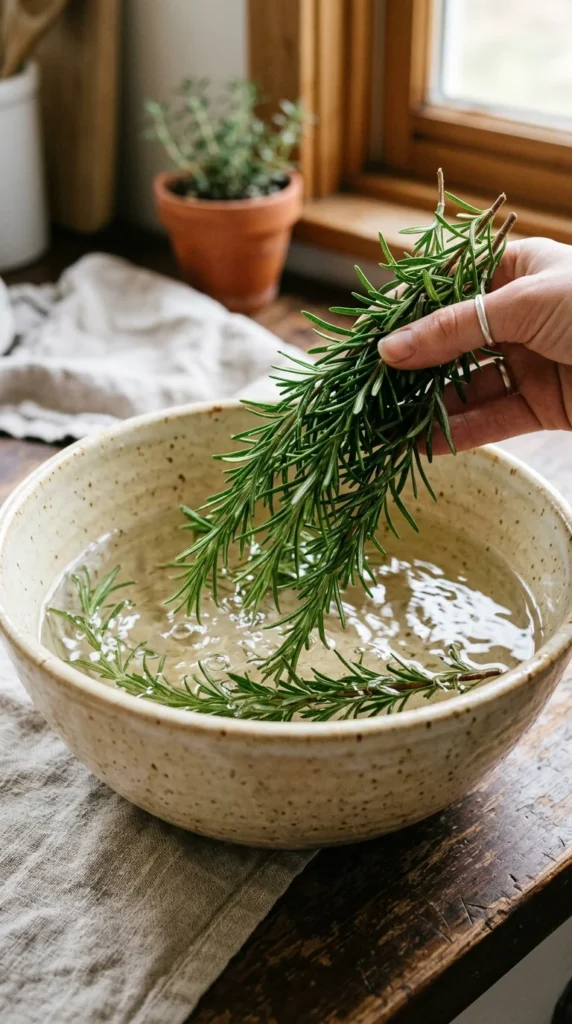
Rosemary is more than just a kitchen herb; it’s a potent flea deterrent. It has antiseptic properties and a scent that fleas cannot stand.
- How to use: Boil two cups of fresh rosemary sprigs in water for 30 minutes. Strain the liquid and mix it with a gallon of warm water. After bathing your dog, pour this lukewarm rinse over them and let them air dry. Note: This is best for dogs, as some cats may be sensitive to concentrated rosemary.
4. Lavender Mist

Lavender is famous for its calming properties, but it’s also a fantastic way to keep fleas at bay. It smells wonderful to humans but is offensive to pests.
- How to use: Mix 5-10 drops of high-quality lavender essential oil with a cup of water. Spray this lightly on your pet’s bedding and their coat. For cats, always ensure the lavender is highly diluted, as their livers process oils differently than dogs.
5. Coconut Oil
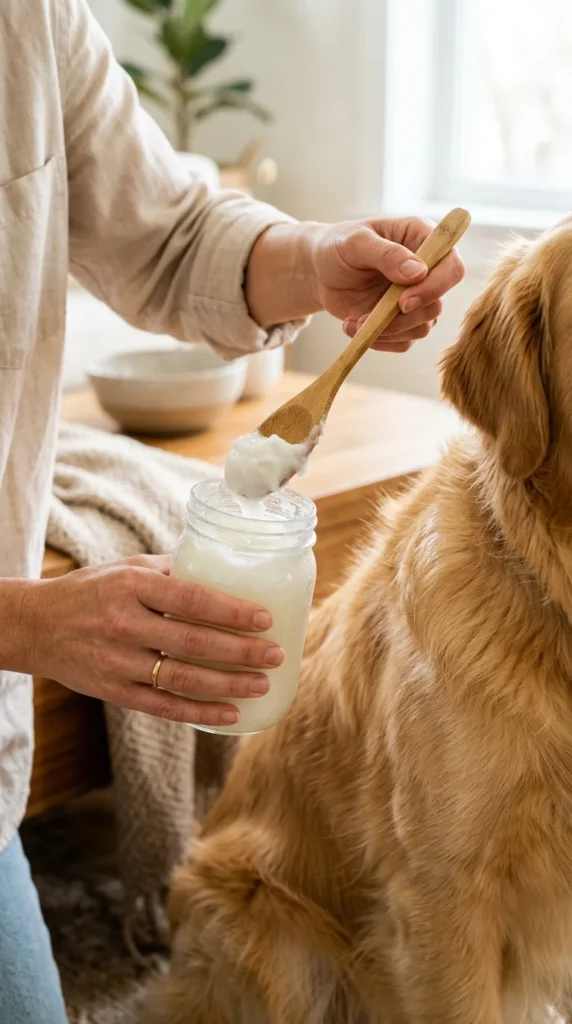
Coconut oil contains lauric acid, which acts as a natural repellent and can even kill fleas by dissolving their exoskeletons. It also makes your pet’s coat incredibly shiny.
- How to use: Rub a small amount of organic, unrefined coconut oil between your palms and massage it directly into your pet’s skin and fur. This is safe for pets to lick and helps soothe flea-bite irritation.
6. Cedarwood Oil
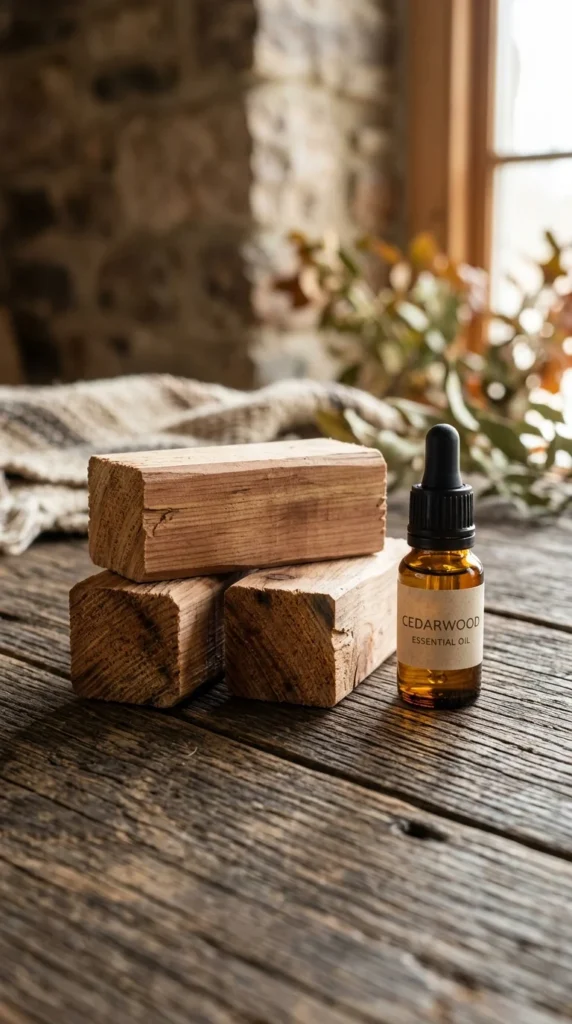
Cedar has been used for centuries to protect clothes and furniture from pests. Cedarwood oil is a non-toxic way to repel fleas, ticks, and even mosquitoes.
- How to use: Add a few drops of cedarwood essential oil to your pet’s collar or create a spray by mixing it with water. You can also place cedar chips in a breathable bag and put them inside your pet’s bed.
7. Brewer’s Yeast
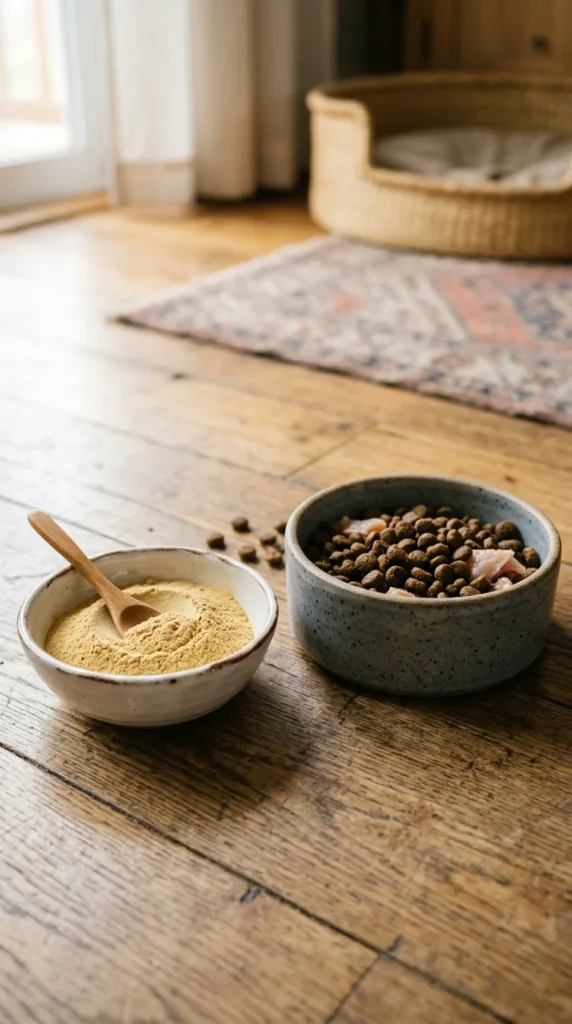
This is an internal approach to flea prevention. Some experts believe that when pets ingest brewer’s yeast, it changes the scent of their skin to one that fleas dislike.
- How to use: Sprinkle a small amount of brewer’s yeast (specifically formulated for pets) onto their food daily. Many pets love the savory, nutty taste.
8. Diatomaceous Earth
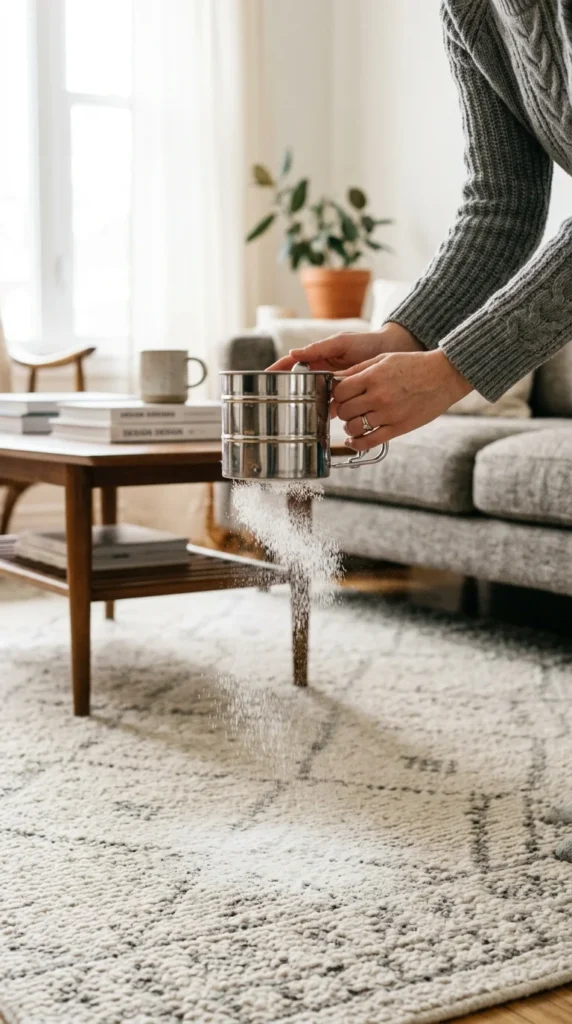
Food-grade Diatomaceous Earth (DE) is made from fossilized algae. It looks like flour but is razor-sharp to insects, drying out their bodies upon contact.
- How to use: Lightly dust food-grade DE onto your carpets, pet bedding, and even your pet’s coat (avoiding the face). Let it sit for a few hours before vacuuming. Important: Use only “Food Grade” DE and avoid breathing in the dust.
9. Salt Treatment
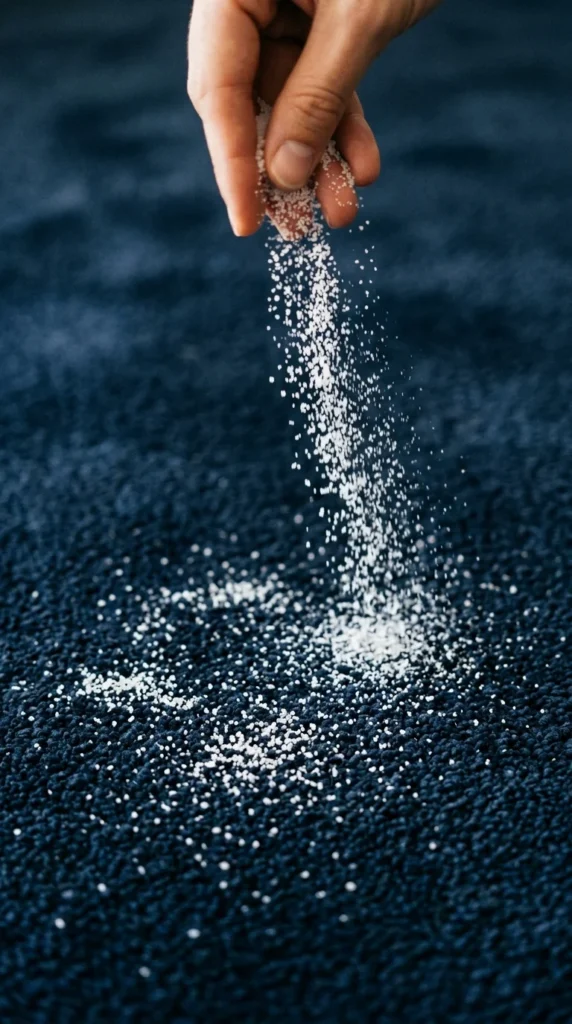
Salt acts as a dehydrating agent for flea eggs and larvae living in your carpet. It’s a cheap and effective way to break the flea life cycle in your home.
- How to use: Sprinkle highly refined salt over your carpets and rugs. Let it sit for 12 to 48 hours, then vacuum thoroughly. The salt will dry out any flea eggs hidden in the fibers.
10. Baking Soda
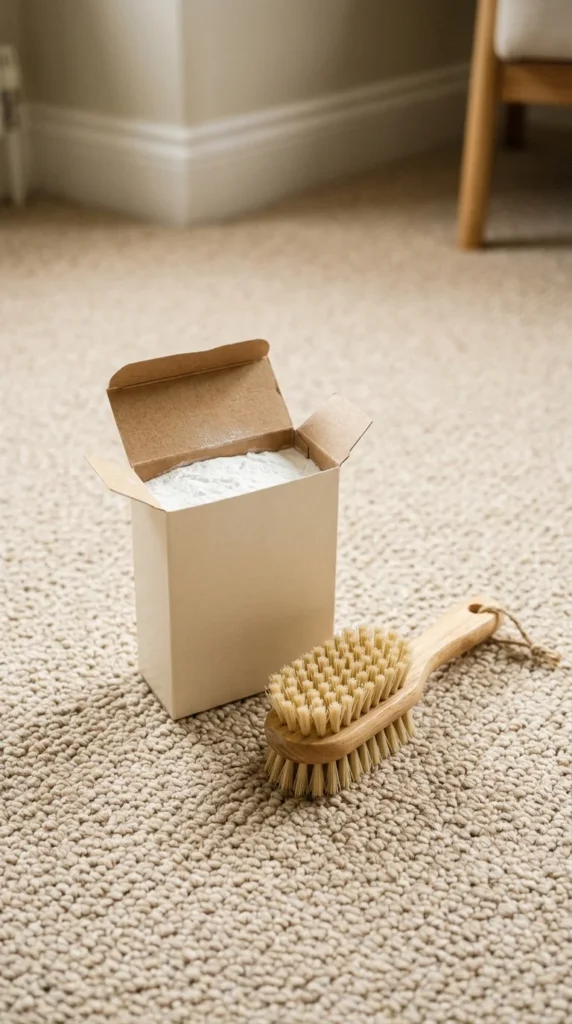
Baking soda works similarly to salt but is often more effective when used in tandem. It helps to agitate the flea larvae and makes the vacuuming process more effective.
- How to use: Mix baking soda with salt and rub the mixture into your carpet fibers using a brush. Vacuum the entire area the next day. This also helps deodorize your home!
11. Neem Oil
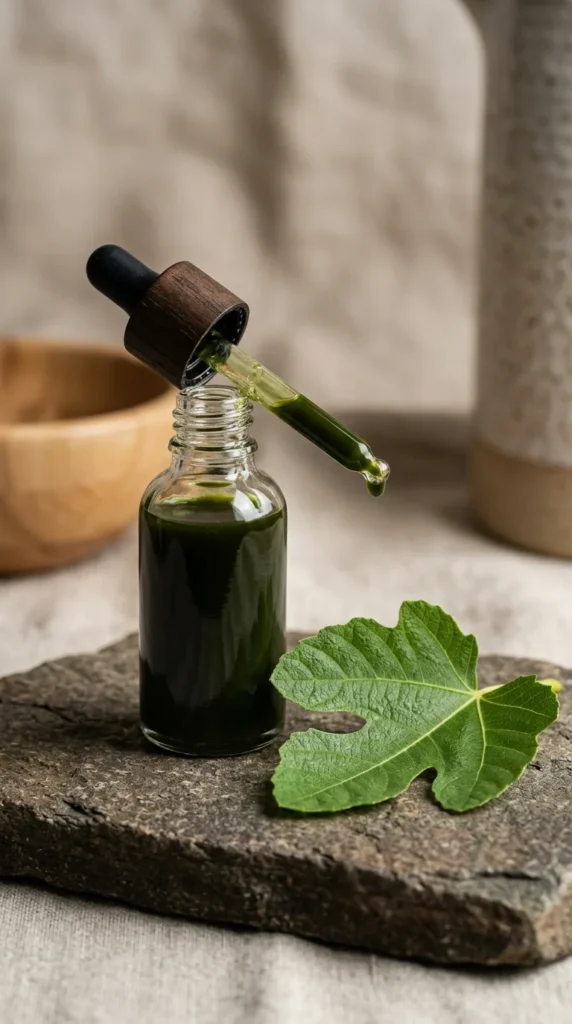
Neem oil is a powerhouse in the world of natural pest control. Derived from the neem tree, it disrupts the hormonal systems of insects, preventing them from feeding or laying eggs.
- How to use: Dilute neem oil with a carrier oil (like grape seed oil) at a ratio of 1:10 and apply it to the base of your pet’s tail and the back of their neck. It has a strong, earthy smell, so use it sparingly.
12. Dawn Dish Soap
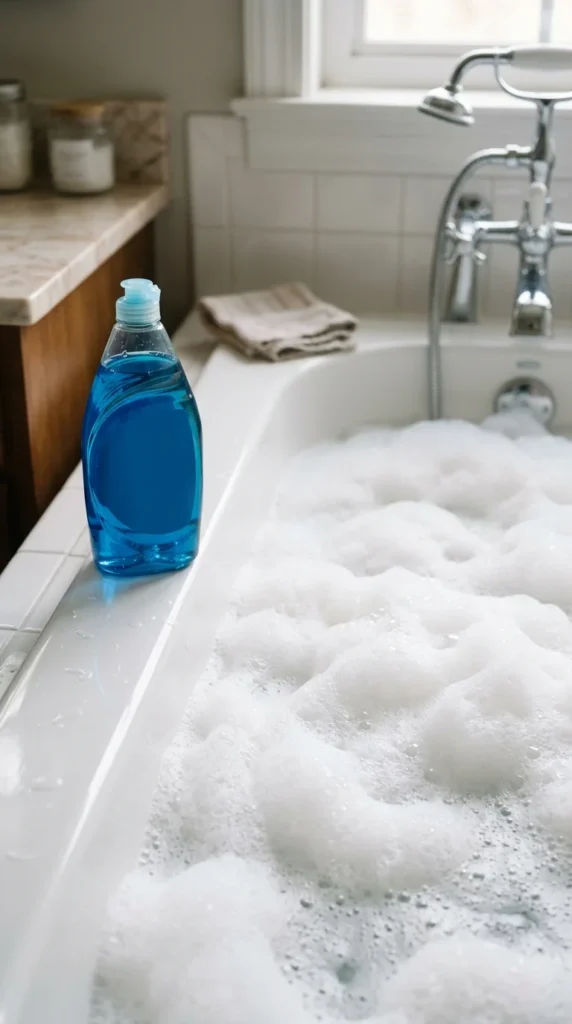
While not a long-term repellent, a “Dawn bath” is the gold standard for killing active fleas on your pet immediately. The soap reduces the surface tension of water, causing the fleas to drown.
- How to use: Lather your pet starting from the neck down (this prevents fleas from running to the head). Let the soap sit for 5 minutes before rinsing thoroughly.
13. Flea Comb
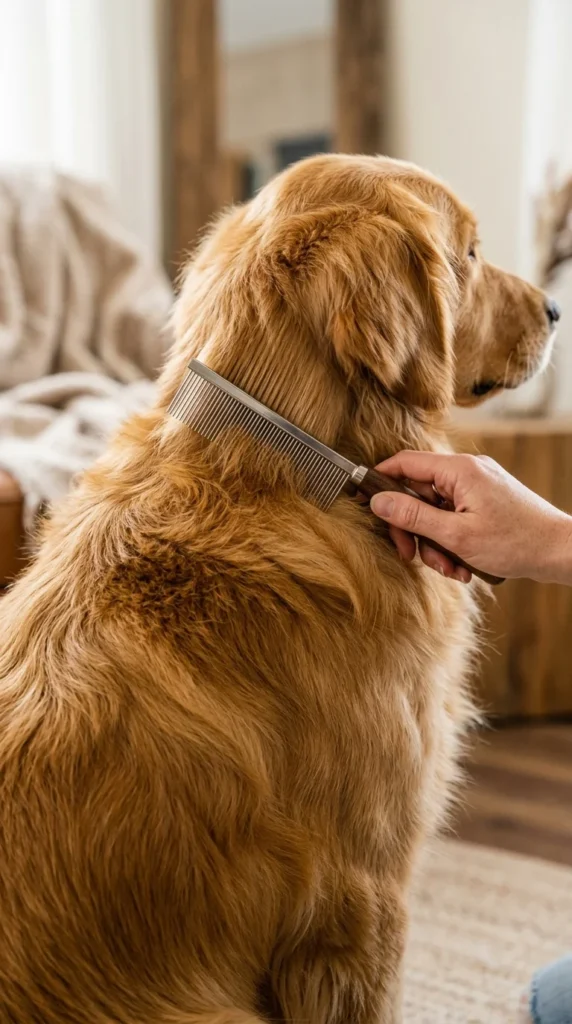
Sometimes the best DIY method is the simplest one. A flea comb is a non-chemical way to physically remove fleas and their eggs from your pet.
- How to use: Dip the comb in a bowl of soapy water after each pass. Focus on the neck, groin, and tail areas. Do this daily during peak flea season to stay ahead of infestations.
14. Lemongrass Water
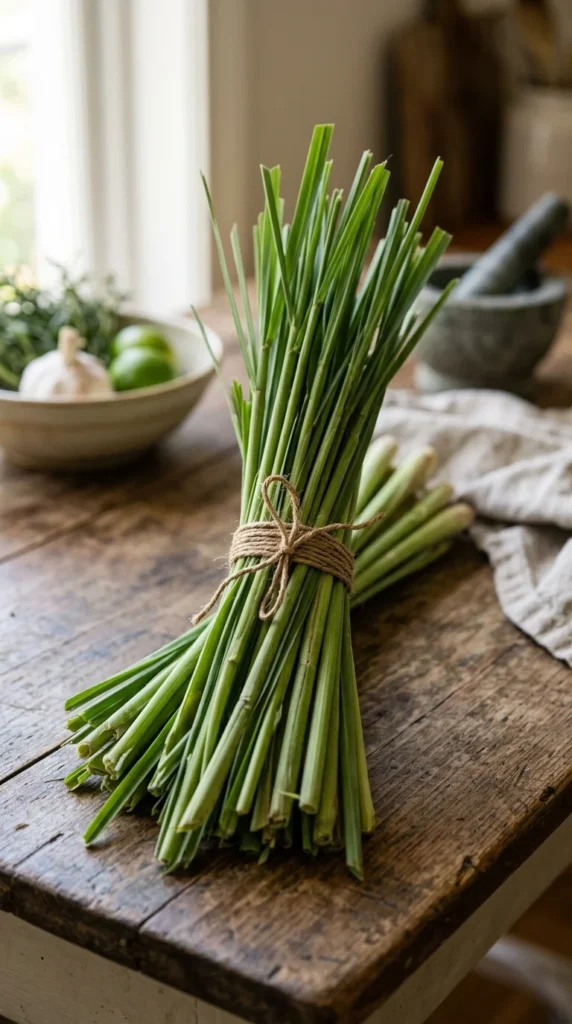
Lemongrass contains citronella, which is a well-known insect repellent. It is generally safer for pets than pure citronella oil when used as a water-based infusion.
- How to use: Boil lemongrass stalks in water, let the mixture cool, and use it as a finishing rinse after a bath. It leaves a light, citrusy scent that discourages fleas from hitching a ride.
15. Peppermint Oil
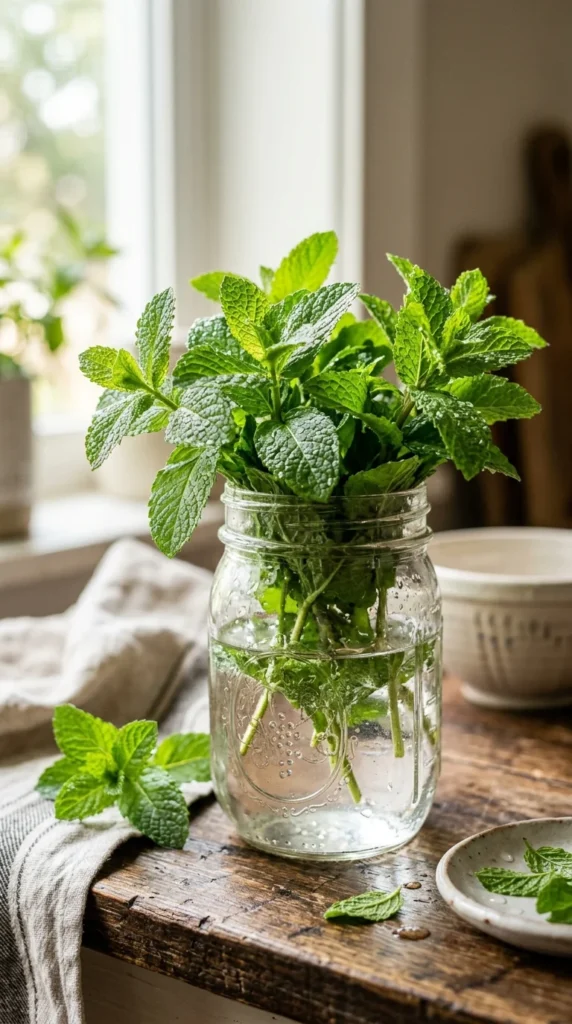
Peppermint oil is incredibly potent. Fleas hate the strong menthol scent, making it an excellent barrier for your home.
- How to use: Add 2-3 drops of peppermint oil to a spray bottle of water. Use this to spray around door frames, windowsills, and baseboards to keep fleas from entering your house. Note: Use extreme caution with cats, as peppermint can be toxic if ingested or applied directly.
16. Eucalyptus Leaves

Eucalyptus is a natural pesticide. Placing the leaves or branches around your home can create a “no-fly zone” for fleas.
- How to use: Place dried eucalyptus leaves in small cloth sachets and tuck them under sofa cushions or under pet bedding. Avoid placing them where your pet might try to eat them.
17. Citronella Spray
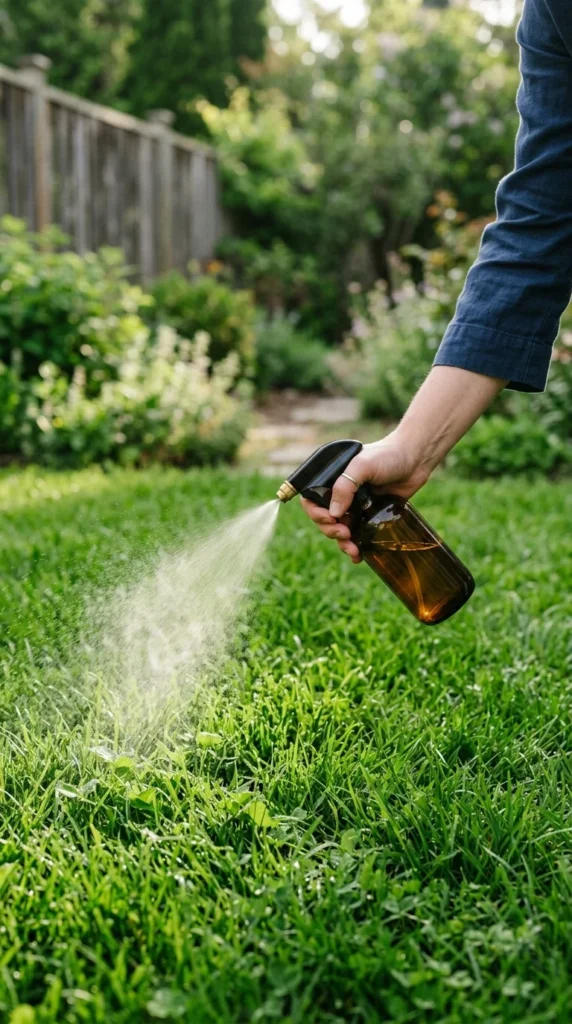
While citronella is famous for repelling mosquitoes, it is equally effective against fleas. It is best used as an outdoor or environmental spray.
- How to use: Mix citronella oil with water and spray your porch, patio, or the perimeter of your yard. If using on dogs, ensure it is highly diluted and never use it on cats.
18. Thyme Rub

Thyme has antifungal and antibacterial properties, and its pungent aroma is a natural deterrent for many crawling insects.
- How to use: You can create a “thyme tea” by steeping the herb in hot water, cooling it, and using it as a spray. Alternatively, crushing fresh thyme and rubbing it on your dog’s collar can provide a mild repellent effect.
19. Aloe Vera
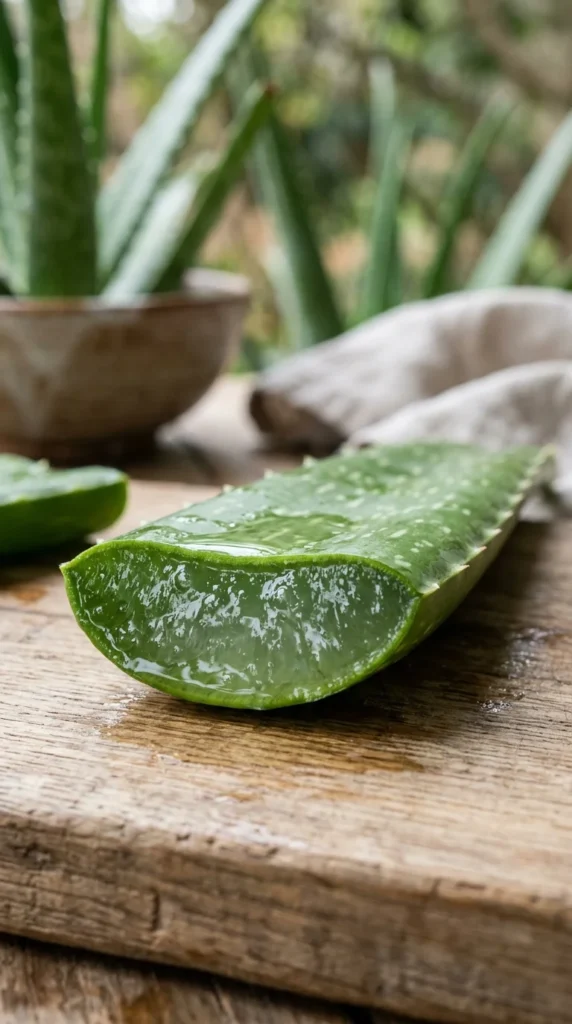
While not a repellent in the traditional sense, aloe vera is essential for a DIY flea regimen. It soothes the “flea bite dermatitis” that causes pets to scratch uncontrollably.
- How to use: Apply 100% pure aloe vera gel (without additives) to red, itchy spots on your pet’s skin. A comfortable pet is less likely to break the skin, which prevents secondary infections.
20. Geranium Oil
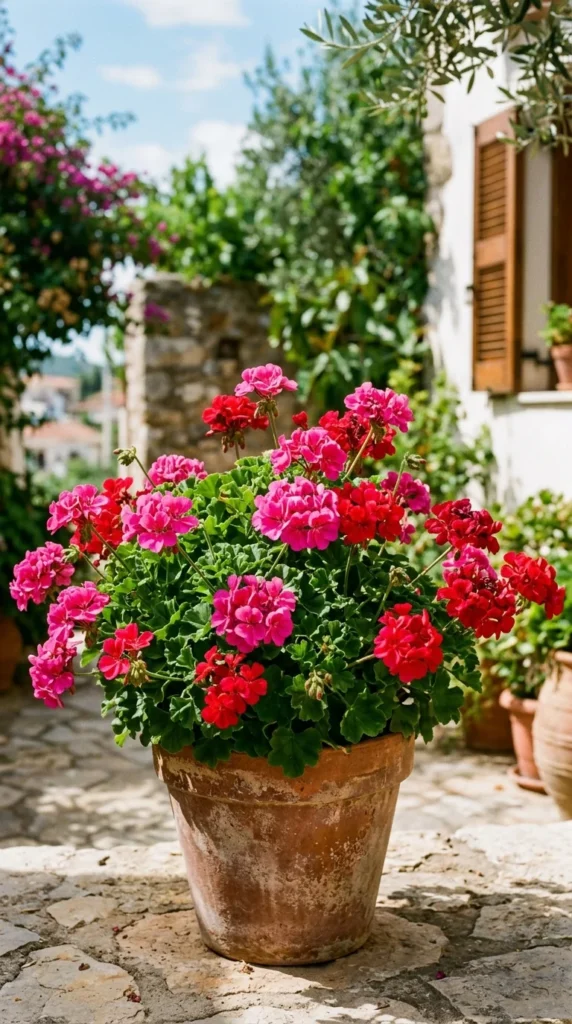
Rose geranium oil is specifically noted for its ability to repel ticks and fleas. It is one of the more pleasant-smelling natural options.
- How to use: Place one drop of rose geranium oil on your dog’s collar or between their shoulder blades. For cats, it is safer to use a highly diluted hydrosol rather than the concentrated oil.
21. Witch Hazel

Witch hazel is a natural astringent that can be used as a base for many of the essential oil sprays mentioned above. It helps the oils mix better and provides a cooling sensation.
- How to use: Mix half a cup of witch hazel with half a cup of water and 10 drops of your chosen pet-safe essential oil (like lavender or cedarwood) to create a long-lasting repellent spray.
A Note on Safety
Before trying any DIY flea repellent, always consult with your veterinarian. Cats are particularly sensitive to essential oils and certain herbs because their livers cannot process compounds the same way dogs do. Always perform a “patch test” on a small area of your pet’s skin and watch for any signs of irritation or allergic reaction. Natural remedies are most effective when used as part of a comprehensive cleaning routine that includes frequent vacuuming and washing of pet bedding in hot water.