
Traveling with a furry, feathered, or scaled companion is a rewarding experience that transforms a standard trip into a shared adventure. However, the logistics of navigating 30,000 feet with a pet require more than just a ticket and a leash. It demands meticulous planning, an understanding of complex regulations, and a deep commitment to your pet’s comfort and safety. Whether you are moving across the globe or taking a short domestic hop, this comprehensive guide provides 21 essential tips to ensure your journey is as smooth as a tail wag.
1. Health Check

Before you even look at flight schedules, your first stop must be the veterinarian. A comprehensive health check ensures your pet is physically fit for the rigors of air travel, which can involve pressure changes and temperature fluctuations. During this visit, discuss your pet’s temperament and any chronic conditions. This is also the time to ensure all vaccinations are up to date, particularly rabies, which is a universal requirement for almost all air travel.
2. Paperwork
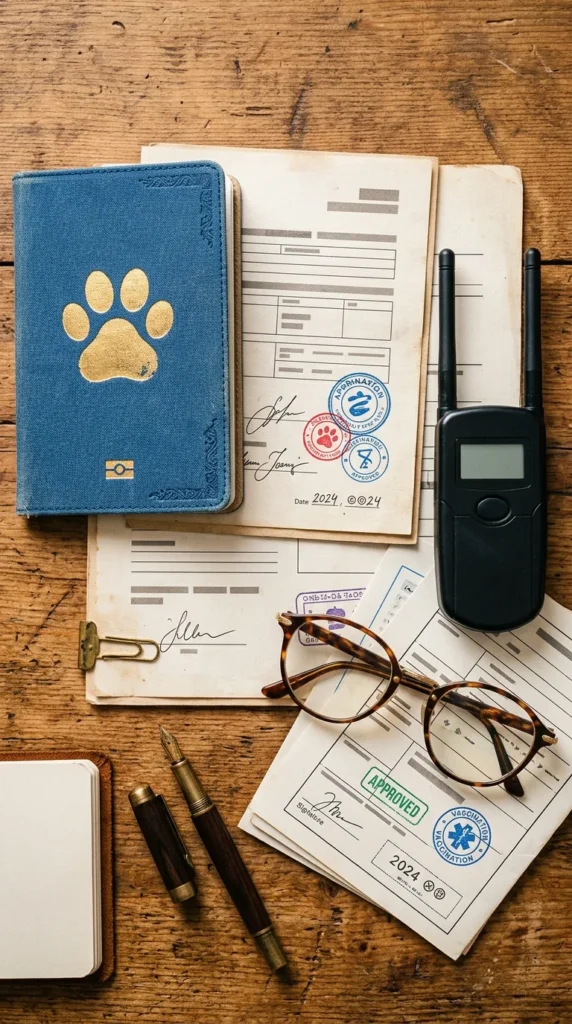
The amount of documentation required for flying with a pet can be staggering. You will likely need a Health Certificate issued by a USDA-accredited veterinarian within 10 days of travel. If you are traveling internationally, you may need specific blood tests, import permits, and bilingual forms. Keep these documents in a waterproof folder and always have digital backups on your phone.
3. Acclimation
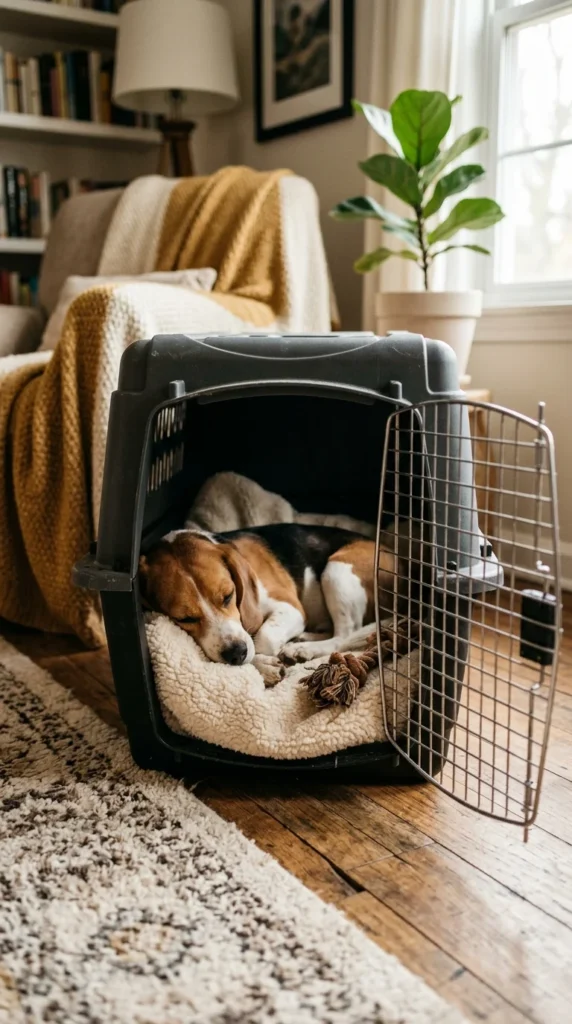
The travel crate should not be a scary, new environment on the day of the flight. Introduce the carrier weeks or even months in advance. Turn it into a “safe space” by placing treats, toys, and familiar-smelling bedding inside. Feeding your pet in the crate helps create a positive association, reducing their stress significantly when the actual travel day arrives.
4. Regulations

Every airline has its own set of rules regarding pet species, weight limits, and carrier dimensions. Some airlines allow small pets in the cabin, while others require them to fly in the cargo hold. Always call the airline directly after reading their online policy to confirm there is “space in the hold” or “space in the cabin” for your pet, as many flights limit the total number of animals allowed per flight.
5. Reservations
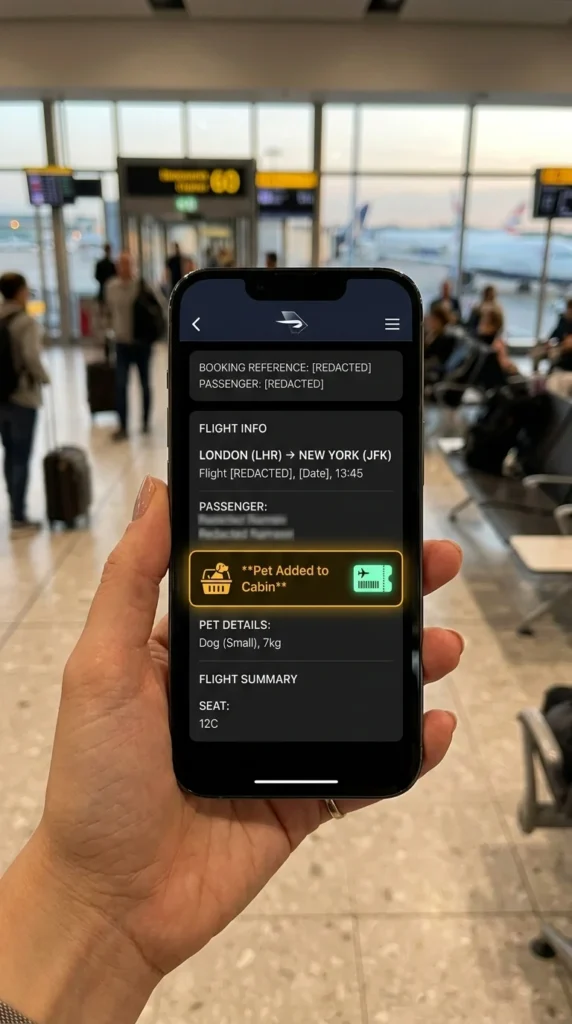
Do not wait until the last minute to book your pet’s spot. Most airlines have a strict limit on the number of pets allowed in the cabin (often only 2 to 4). Once you book your own seat, immediately call the airline to add your pet to the reservation. Confirming this early prevents the heartbreak of arriving at the airport only to find out the pet quota has been reached.
6. Sizing
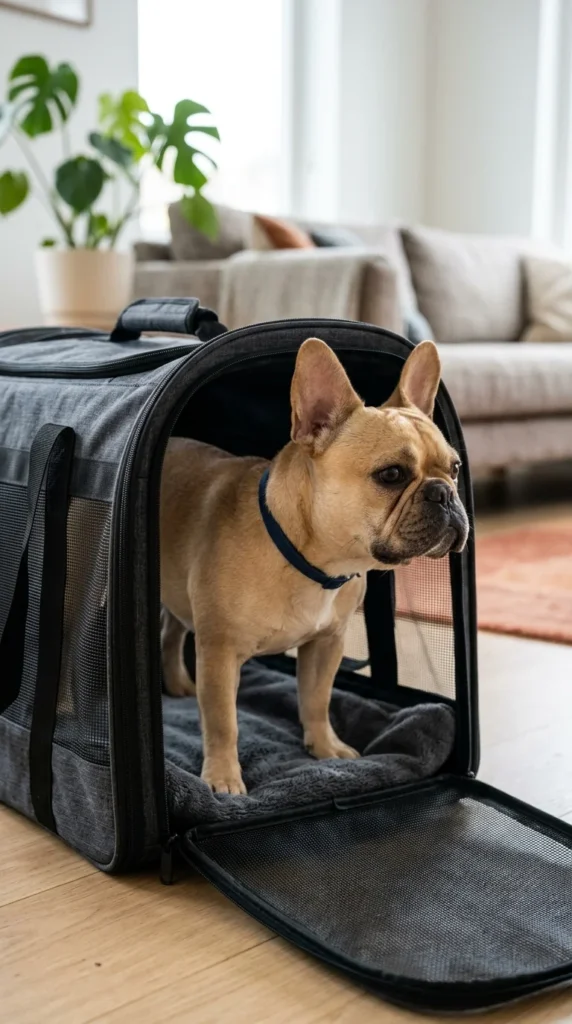
The most common reason pets are denied boarding is an incorrectly sized carrier. For cabin travel, the carrier must fit under the seat in front of you while still allowing your pet to stand up, turn around, and lie down naturally. For cargo travel, the crate must be sturdy, well-ventilated, and secured with metal nuts and bolts rather than plastic clips.
7. Tagging
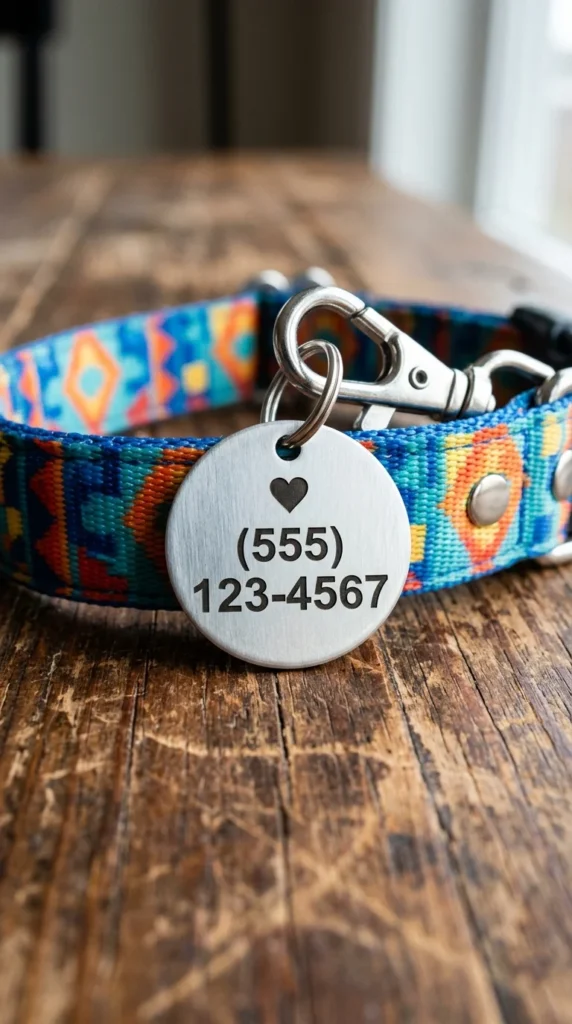
Identification is your pet’s safety net. Ensure your pet wears a collar with a sturdy ID tag containing your current phone number. Additionally, the travel carrier itself should be clearly labeled with “LIVE ANIMAL” stickers, your contact information, your destination address, and a photo of your pet. This ensures that if the pet and carrier are separated, recovery is much faster.
8. Nutrition

Flying on a full stomach can lead to nausea or accidents. Most experts recommend feeding your pet a light meal about four to six hours before departure. However, do not withhold food for too long, especially for smaller breeds that may suffer from low blood sugar. Always pack a small bag of their regular food taped to the top of the crate in case of delays.
9. Water
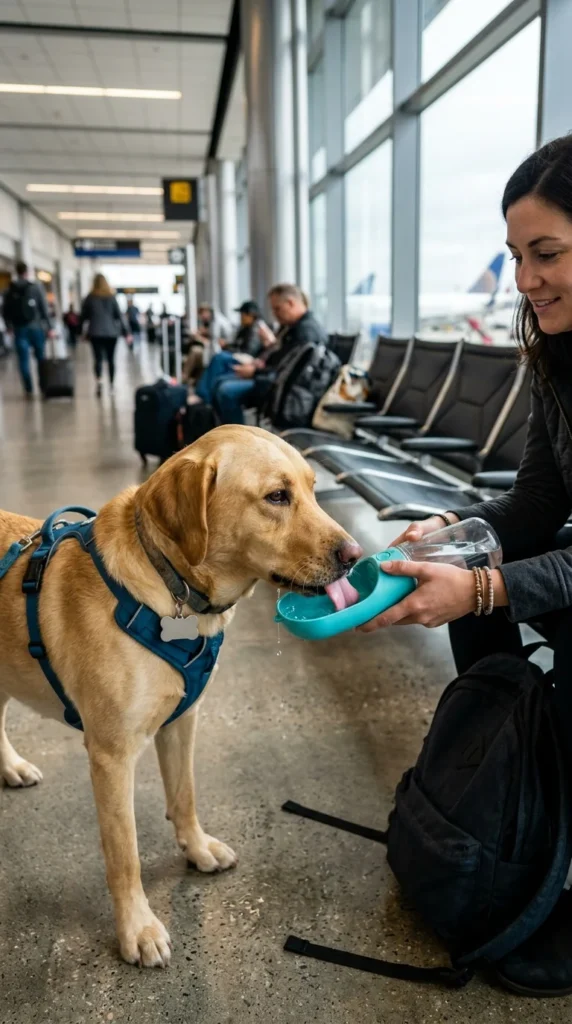
Hydration is critical, especially in the dry air of an airplane cabin. For pets in the cargo hold, use a “no-spill” water bowl or freeze water in the bowl before the flight so it melts slowly, preventing it from splashing out during loading. For cabin pets, offer small sips of water frequently throughout the journey.
10. Activity
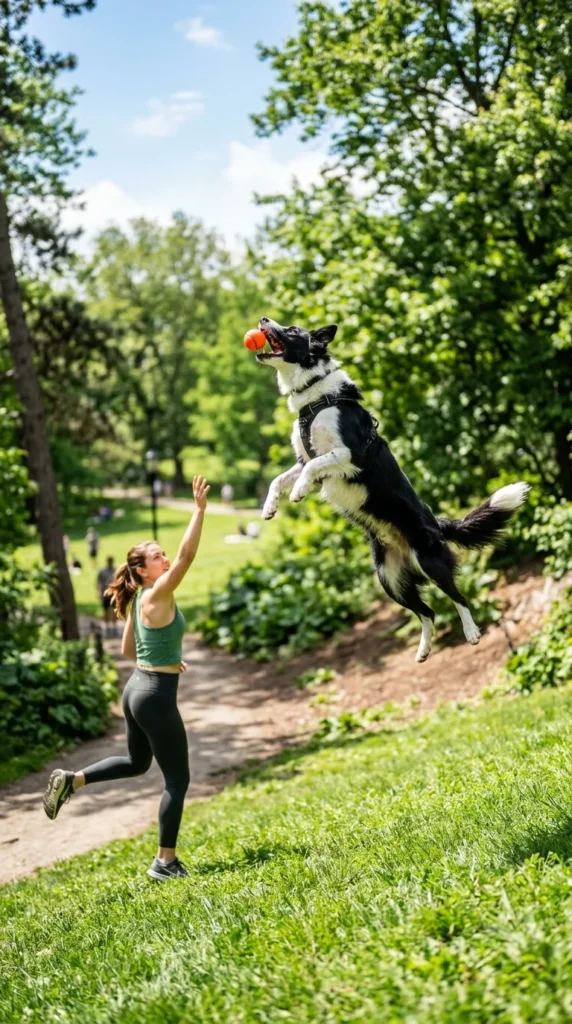
A tired pet is a calm pet. On the day of your flight, engage your pet in a vigorous exercise session. A long walk, a game of fetch, or intense play will help burn off excess energy and anxiety. This increases the likelihood that your pet will sleep through the duration of the flight.
11. Relief
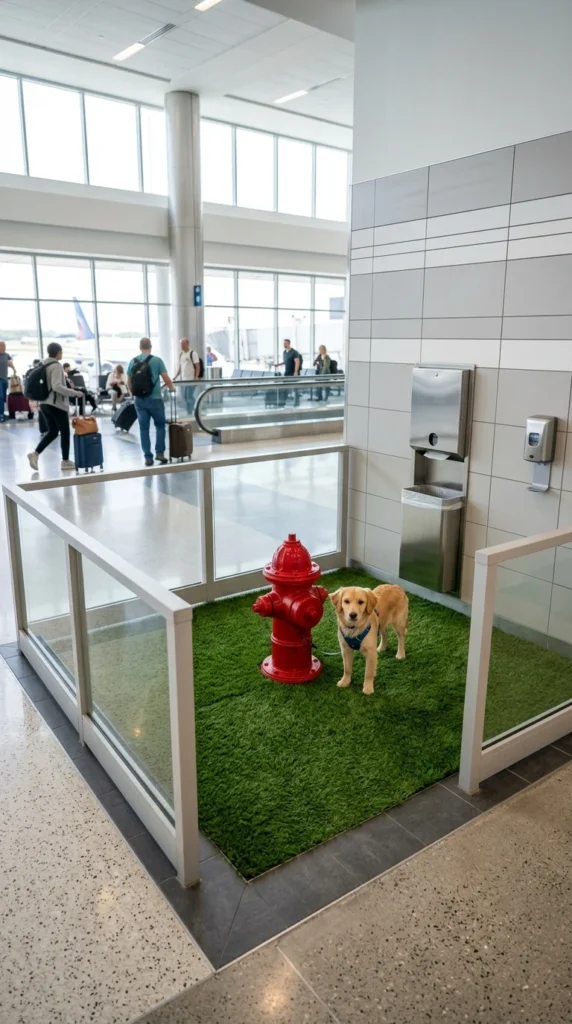
Map out the pet relief areas at both your departure and arrival airports, as well as any layover spots. Give your pet a final chance to eliminate as close to boarding as possible. Many modern airports now have indoor relief stations post-security, which are lifesavers for long travel days.
12. Hygiene

Accidents happen, even with the best-trained pets. Line the bottom of the carrier with highly absorbent puppy pads or specialized kennel liners. Pack a “cleanup kit” in your carry-on containing extra pads, unscented baby wipes, and waste bags to handle any messes discreetly and quickly.
13. Bedding

A familiar scent can provide immense comfort in a strange environment. Place an unwashed t-shirt that smells like you inside the carrier. The familiar pheromones will help soothe your pet’s nerves during turbulence or loud noises. Avoid bulky bedding that could restrict airflow or make the carrier too cramped.
14. Non-stops
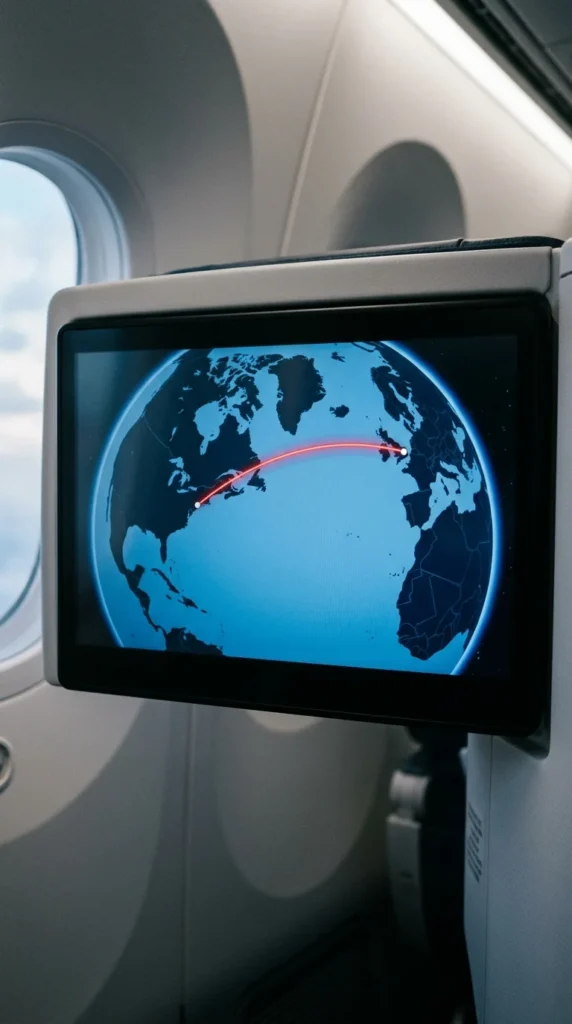
Whenever possible, book direct flights. Layovers increase the total travel time and the risk of your pet being mishandled during transfers. If a layover is unavoidable, ensure it is long enough for you to retrieve your pet (if allowed) or for ground staff to properly facilitate the transfer, but not so long that the pet is stuck in a crate for an entire day.
15. Climate

If your pet is flying in the cargo hold, temperature is a major factor. Airlines have “weather hold” policies where they will not fly pets if the ambient temperature at any point in the journey is too hot or too cold. During summer, fly early in the morning or late at night. In winter, aim for mid-day flights when the sun is at its peak.
16. Arrival
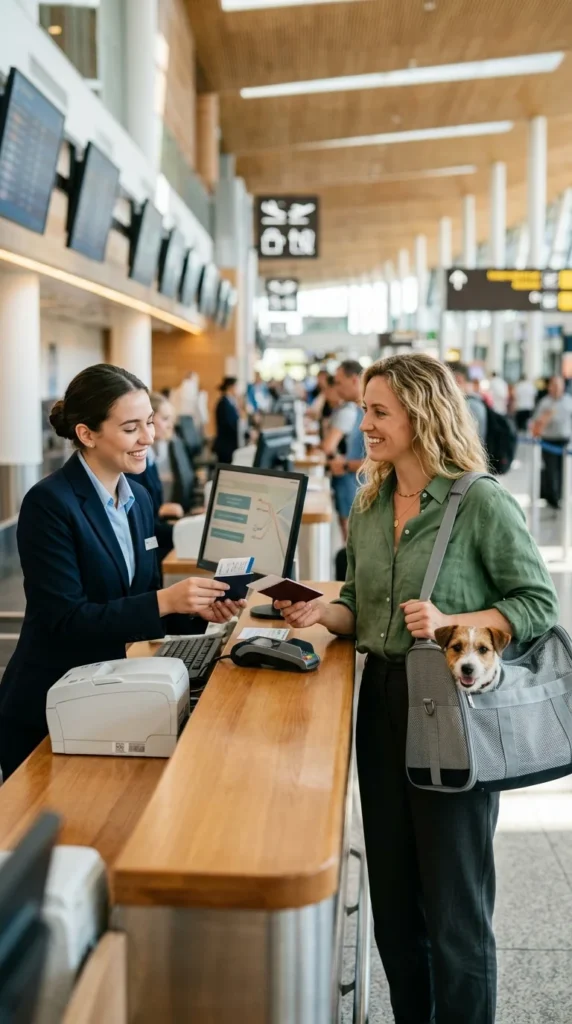
Arrive at the airport early, but not excessively so. Three hours for international and two hours for domestic is generally sufficient. Checking in a pet takes longer than a standard check-in. This extra time allows you to handle the paperwork without rushing, which helps keep your own stress levels down—and pets are experts at sensing owner anxiety.
17. Screening
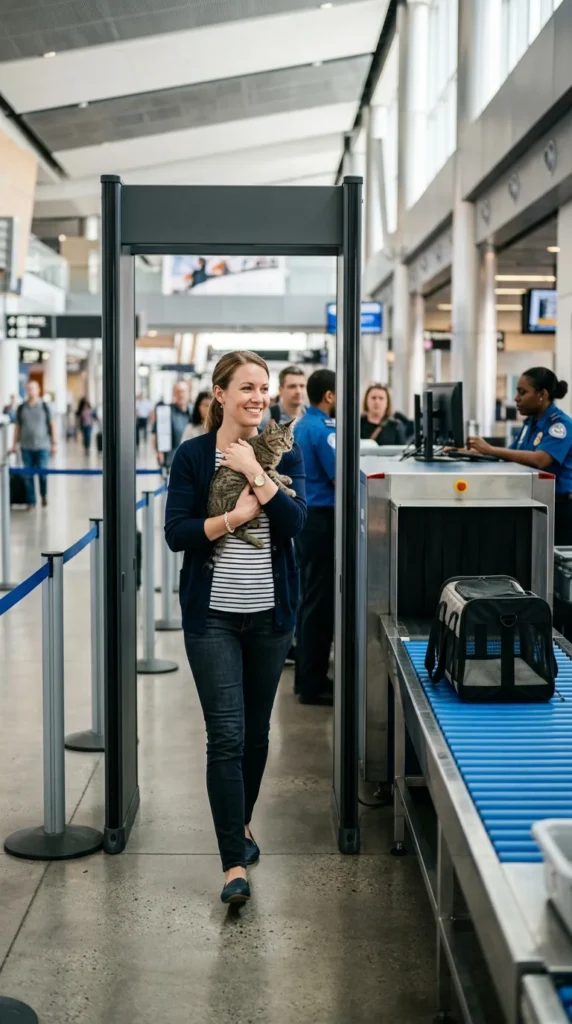
When going through security with a cabin pet, you will have to remove the pet from the carrier. The carrier goes through the X-ray machine, while you walk through the metal detector holding your pet. Ensure your pet is on a harness and leash during this process to prevent them from bolting if they get startled by the airport noise.
18. Medication

The American Veterinary Medical Association generally discourages sedating pets for flight because it can interfere with their ability to regulate body temperature and balance. However, for extremely anxious pets, mild anti-anxiety medications may be prescribed. Always do a “test run” of any medication at home before the flight to see how your pet reacts.
19. Calming

Consider natural calming aids. Pheromone sprays (like Feliway for cats or Adaptil for dogs) can be sprayed on the bedding 15 minutes before travel to provide a sense of security. Some owners also find success with “Thundershirts” or calming treats containing L-theanine or chamomile, though you should consult your vet first.
20. Post-flight
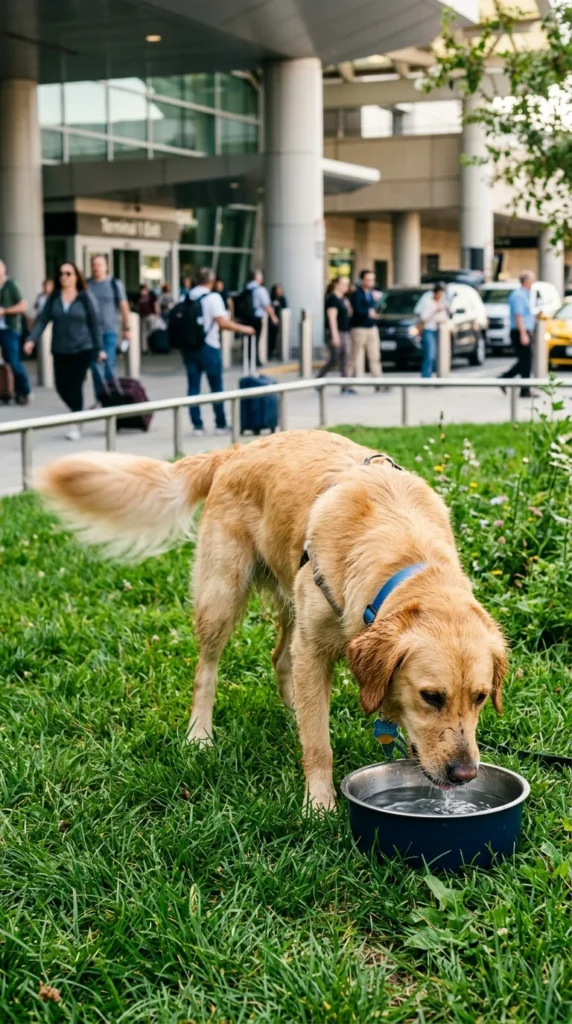
The moment you land and clear customs/baggage, find an outdoor space for your pet. Give them plenty of fresh water and a chance to stretch their legs. Observe them closely for the first 24 hours for any signs of lethargy, respiratory distress, or digestive upset. Re-establishing a routine as quickly as possible helps them settle into the new location.
21. Quarantine

If you are traveling to islands or certain countries (like Hawaii, Australia, or Japan), be aware of strict quarantine laws. Some locations require months of preparation and specific blood titers to avoid lengthy stays in a government quarantine facility. Research these “Island Rules” at least six months in advance to ensure a “direct release” from the airport.