
Watching your canine companion enter their golden years is a bittersweet experience. While they may have slowed down, the bond you share has likely deepened into a profound, intuitive connection. However, senior dogs have unique biological and emotional needs that differ significantly from their puppy and adult stages. Proactive care is the key to ensuring those silver-muzzle years are filled with comfort, vitality, and joy. Here are 21 essential tips to help your senior dog thrive.
1. Veterinary Checkups
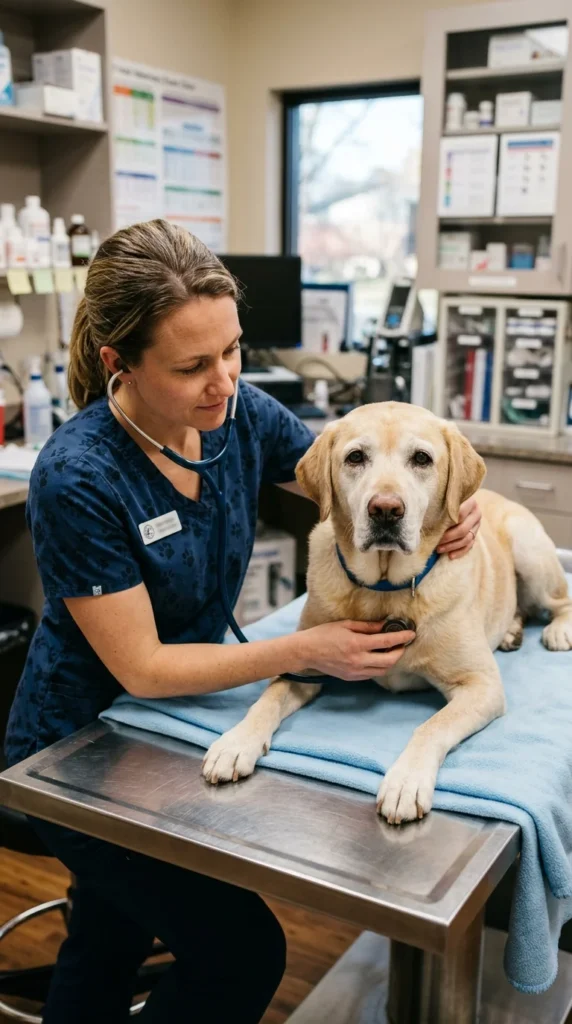
As dogs age, their health can change rapidly. While annual exams are standard for adults, senior dogs benefit greatly from bi-annual checkups. These frequent visits allow your veterinarian to establish a baseline and detect subtle shifts in organ function, blood pressure, or joint health before they become crises. Early detection of chronic conditions like kidney disease or hyperthyroidism can lead to much more effective management and a higher quality of life.
2. Weight Management
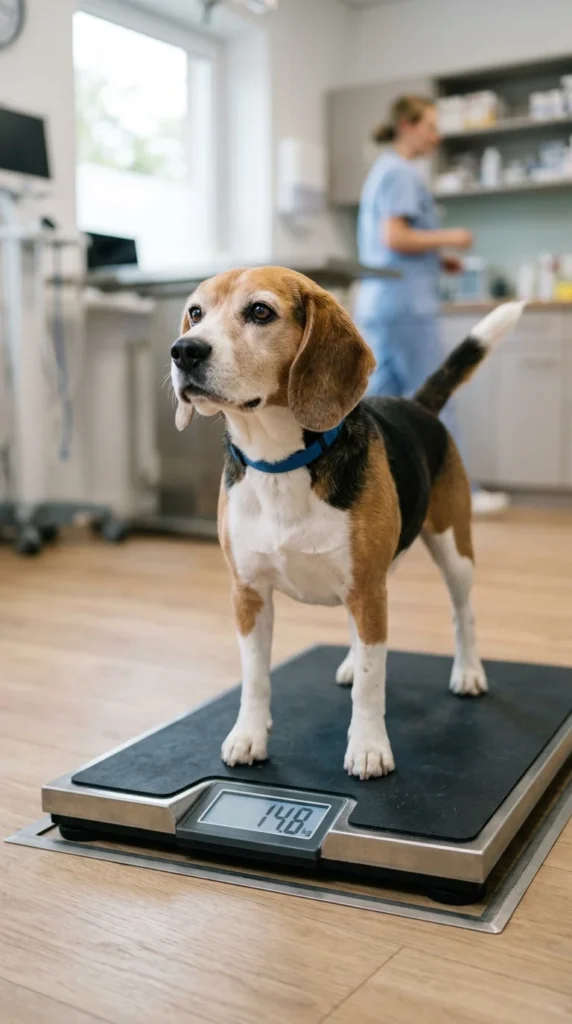
Obesity is one of the leading causes of premature death and decreased mobility in senior dogs. Extra pounds put immense strain on aging joints, the heart, and the respiratory system. Because senior dogs generally have slower metabolisms and lower activity levels, they require fewer calories. Work with your vet to determine an ideal weight and stick to a strict portion-controlled feeding schedule to keep them lean and agile.
3. Specialized Nutrition
A senior dog’s nutritional requirements are distinct. They often need high-quality, easily digestible proteins to maintain muscle mass, along with increased fiber for digestive health. Many senior-specific formulas also contain lower phosphorus levels to protect kidney function and added antioxidants to support the immune system. Avoiding “filler” ingredients becomes even more crucial as their digestive efficiency wanes.
4. Joint Support
Osteoarthritis is incredibly common in aging dogs. To protect their cartilage and reduce inflammation, consider adding joint supplements early in the senior transition. Glucosamine, chondroitin, MSM, and Omega-3 fatty acids (like fish oil) are the “gold standard” for joint health. These supplements help maintain the viscosity of joint fluid, making it easier and less painful for your dog to get up after a nap.
5. Dental Hygiene
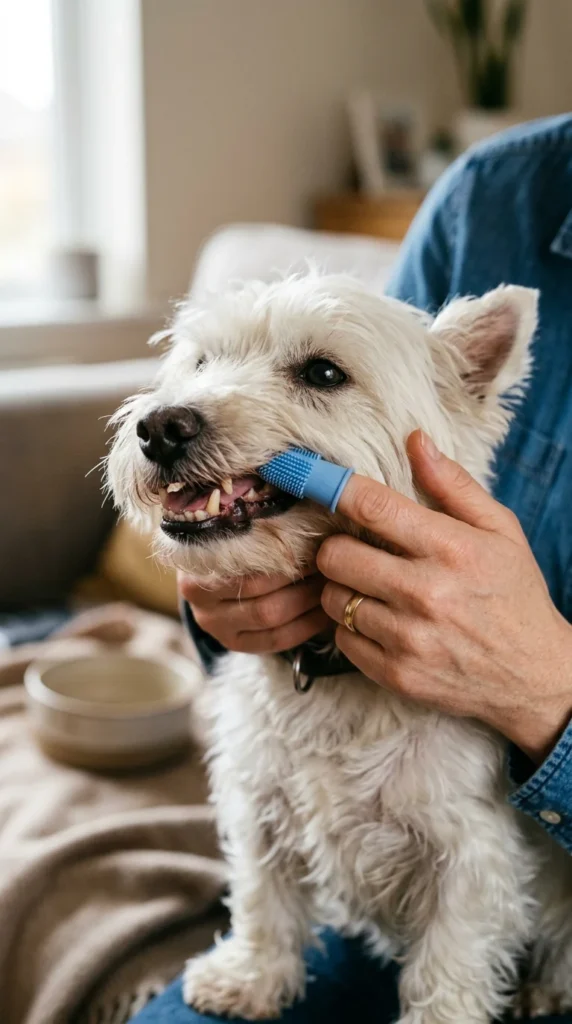
Dental disease is more than just bad breath; it is a gateway for bacteria to enter the bloodstream and damage the heart, liver, and kidneys. Senior dogs are prone to tartar buildup and cracked teeth. Daily brushing, dental chews, and professional cleanings under veterinary supervision are vital. If your dog suddenly stops eating or drops food, it may be a sign of hidden dental pain.
6. Mental Stimulation
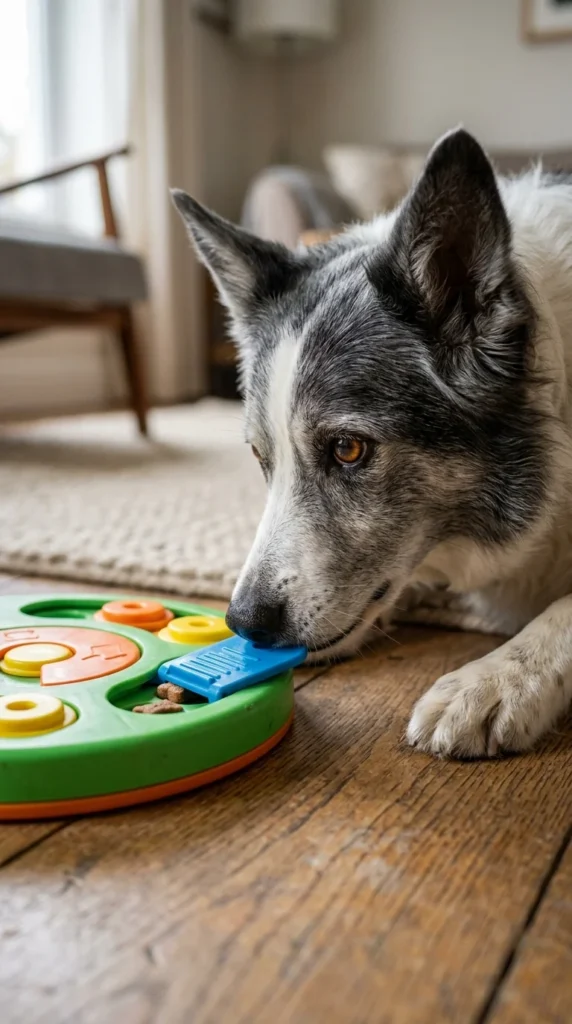
Cognitive Dysfunction Syndrome (CDS) is the canine version of dementia. To keep your dog’s mind sharp, continue to engage them in “brain games.” Use puzzle feeders, hide-and-seek games with treats, or teach them simple new tricks. Mental engagement helps create new neural pathways and can slow the progression of age-related cognitive decline.
7. Moderate Exercise

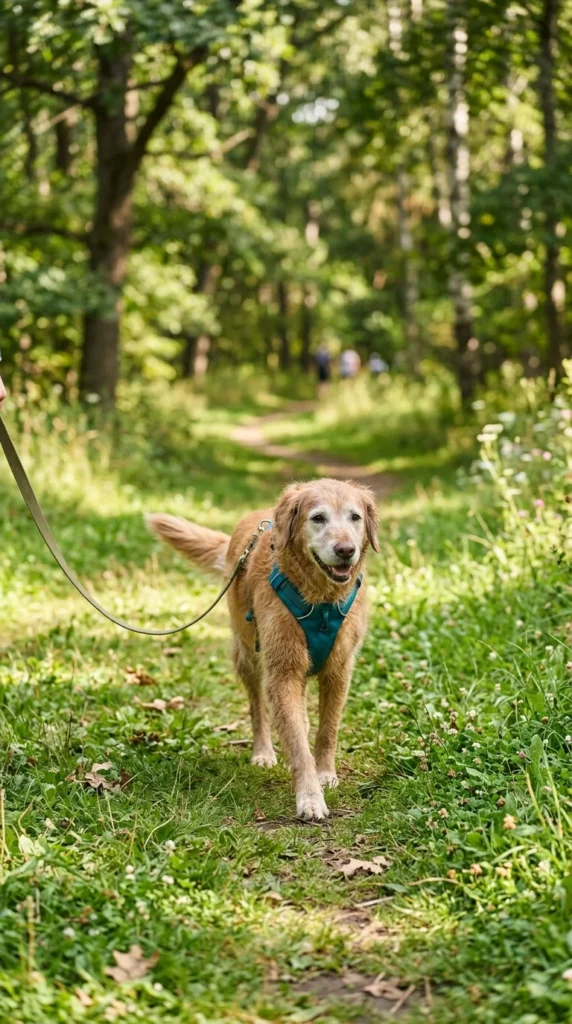
While your dog may no longer be up for a five-mile run, physical activity remains essential for maintaining muscle tone and cardiovascular health. Opt for shorter, more frequent walks on flat, soft terrain rather than one long, strenuous hike. Consistency is key; gentle movement keeps joints lubricated and prevents stiffness.
8. Orthopedic Bedding
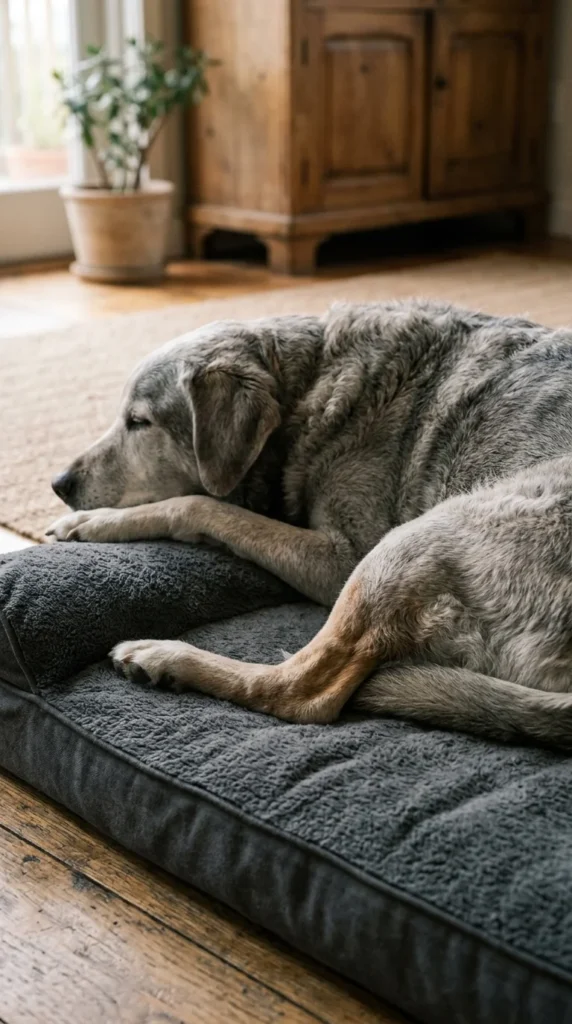
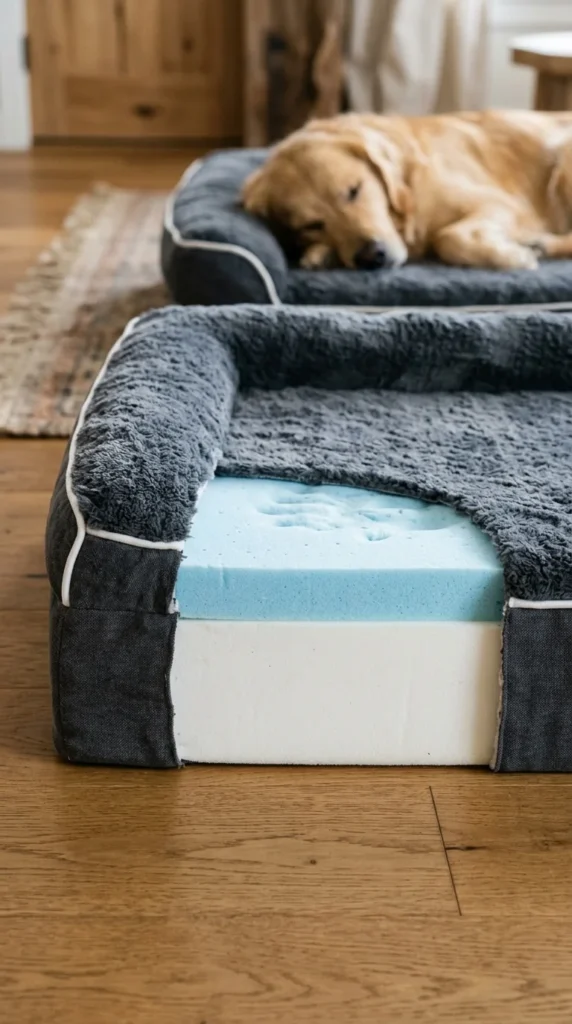
Senior dogs spend a significant portion of their day sleeping. A thin mat on a hardwood floor can be painful for bony joints and may lead to pressure sores. Invest in a high-quality orthopedic memory foam bed that provides even support and alleviates pressure on the hips and spine. For dogs with severe arthritis, heated beds can provide additional soothing relief.
9. Grooming Habits
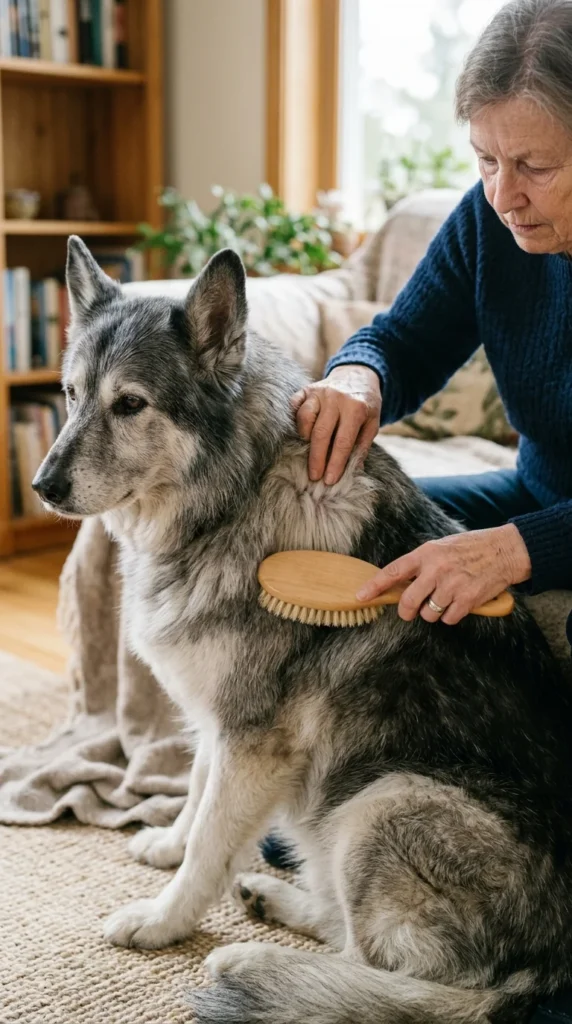
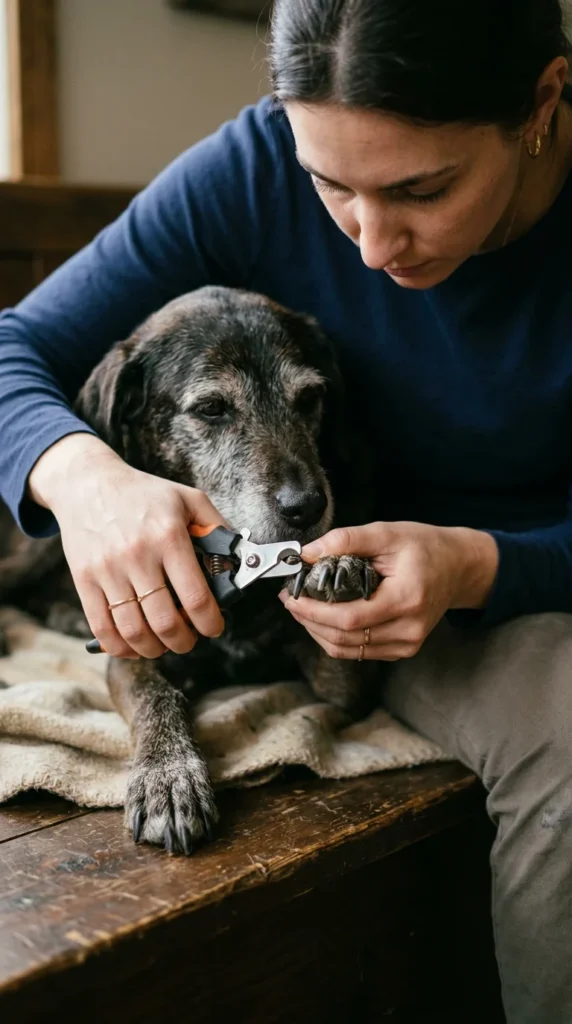
Grooming is an excellent opportunity to perform a physical “wellness check.” As dogs age, their skin can become thinner and more prone to dryness or infections. Regular brushing distributes natural oils and allows you to feel for new lumps, bumps, or areas of sensitivity. Additionally, keep nails trimmed short; long nails can alter a dog’s gait and worsen joint pain.
10. Hydration Focus
Kidney function often declines with age, making proper hydration critical. Ensure your dog has easy access to fresh, clean water at all times. If your dog is reluctant to drink, try adding a splash of low-sodium bone broth to their water bowl or switching to wet food to increase their overall moisture intake.
11. Vision Checkups

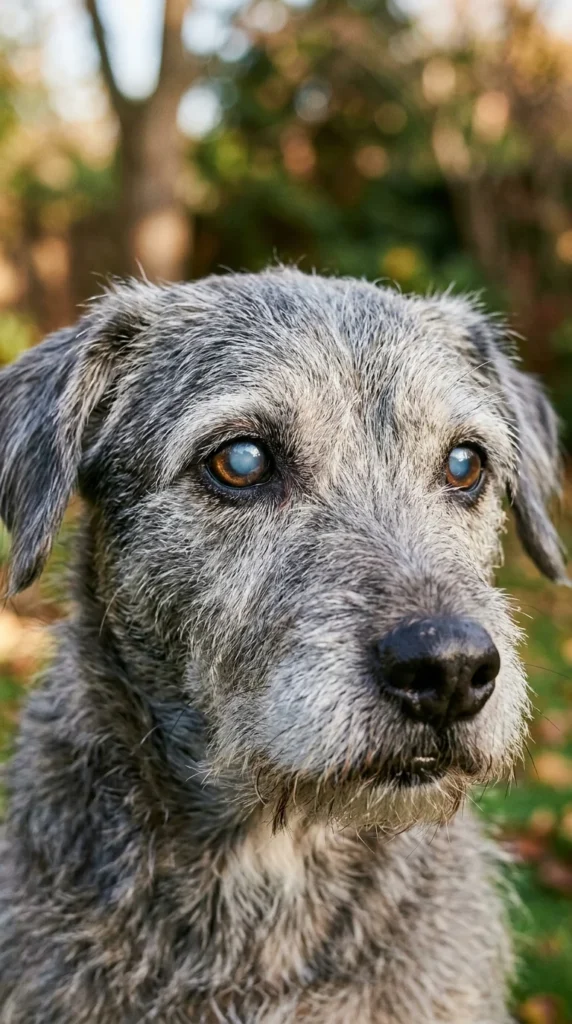
Cloudy eyes are common in seniors, often representing either cataracts or lenticular sclerosis. While the latter is a normal part of aging that doesn’t significantly impact vision, cataracts can lead to blindness. Monitor for signs of vision loss, such as bumping into furniture or hesitancy in low light. Keeping your home layout consistent helps a visually impaired dog feel secure.
12. Hearing Awareness
Hearing loss is a gradual process in many senior dogs. You may notice your dog “ignoring” commands or failing to bark when the doorbell rings. To prepare for this, start incorporating hand signals alongside verbal commands while they can still hear. If they do lose their hearing, hand signals will allow you to communicate effectively without causing frustration.
13. Lump Monitoring

Lumps and bumps are almost a rite of passage for senior dogs. While many are harmless fatty tumors (lipomas), some can be malignant. Make it a habit to do a “nose-to-tail” scan once a week. If you find a new growth that is firm, growing rapidly, or changing shape, have your vet perform a fine-needle aspirate to ensure it isn’t cancerous.
14. Temperature Regulation
Aging dogs lose their ability to regulate body temperature effectively. They feel the cold more intensely and can overheat much faster than younger dogs. During winter, provide sweaters or coats for walks. In the summer, keep them in air-conditioned environments during the heat of the day and never leave them in a car or unshaded yard.
15. Mobility Aids
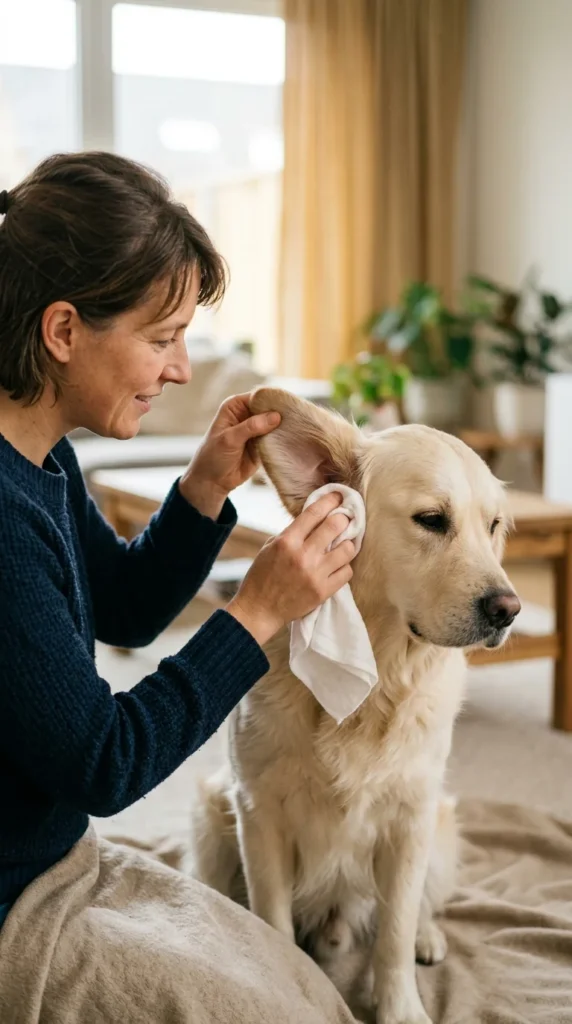
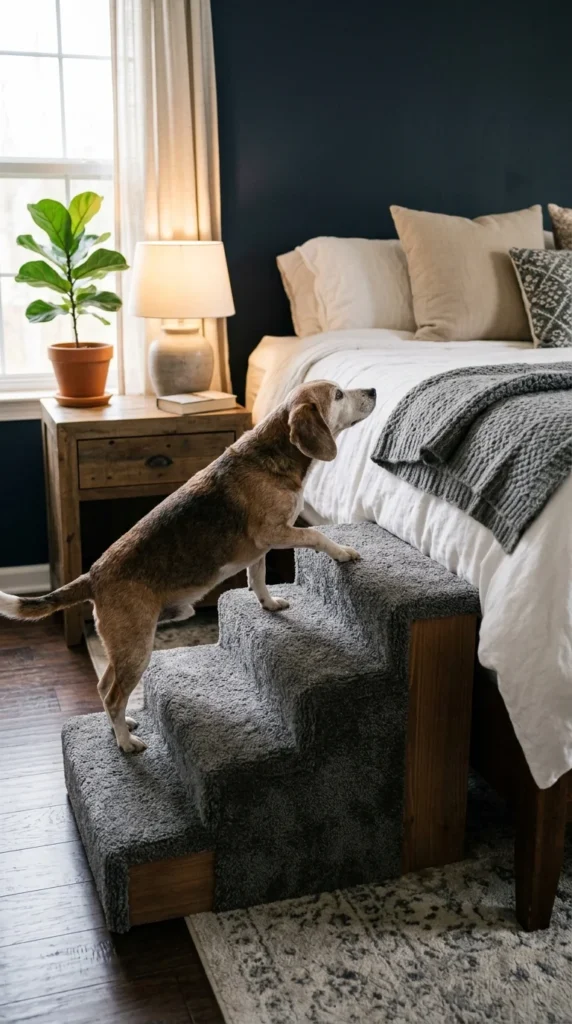
If your dog struggles with stairs, jumping onto the bed, or getting into the car, don’t force them to struggle. Use ramps or carpeted steps to provide easy access to their favorite spots. Toe grips or non-slip socks can provide traction on slippery hardwood or tile floors, preventing dangerous falls and “splaying” of the legs.
16. Supplement Integration
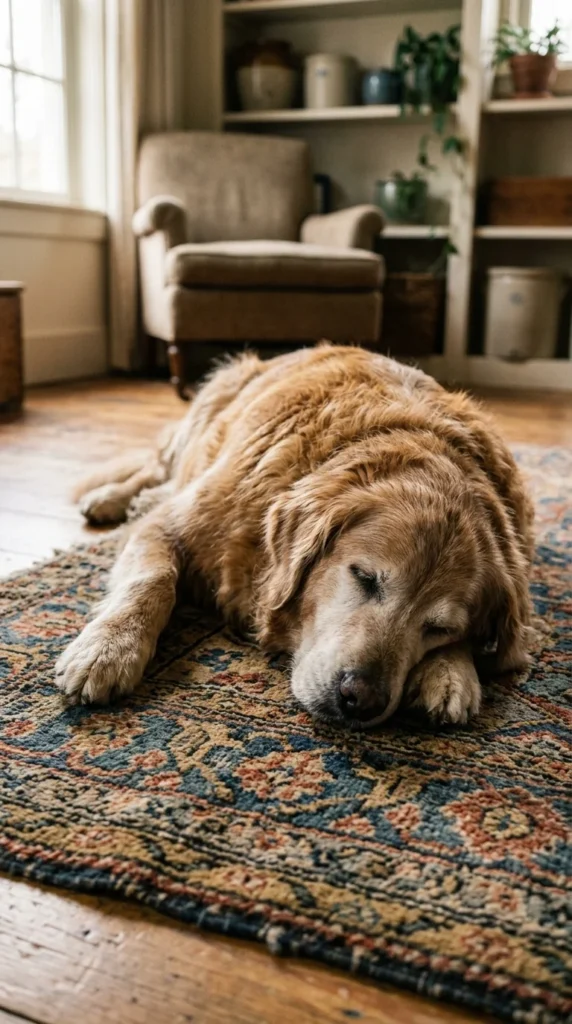
Beyond joint support, other supplements can bolster a senior dog’s health. Probiotics support a healthy gut microbiome, which is essential for immune function. Milk thistle can support liver health, while Coenzyme Q10 (CoQ10) is often recommended for cardiovascular support. Always consult your vet before adding new supplements to ensure they don’t interfere with existing medications.
17. Blood Work
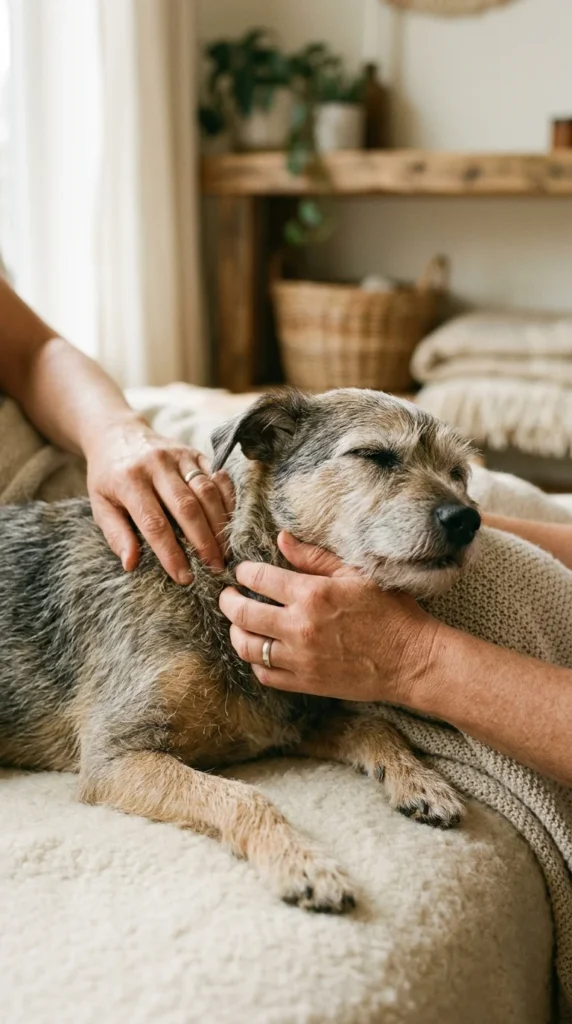
Annual or bi-annual blood panels (including a CBC and chemistry screen) are the “crystal ball” of senior dog care. These tests check for signs of anemia, infection, and the health of the liver, kidneys, and pancreas. Urinalysis is also vital to check for early signs of diabetes or urinary tract infections, which can be asymptomatic in older dogs.
18. Incontinence Care
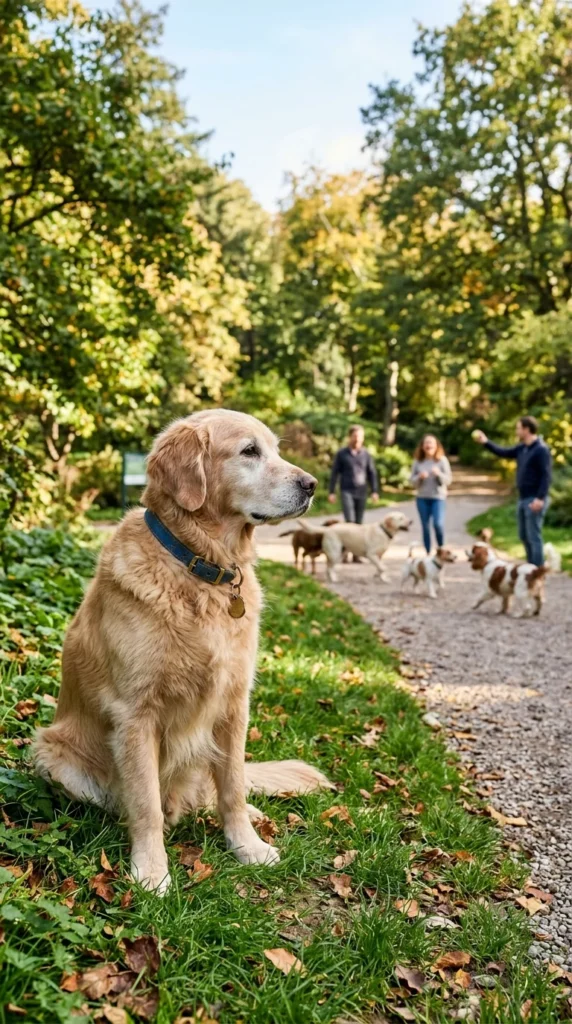
Occasional accidents are common in seniors, whether due to weakened sphincter muscles or cognitive changes. Never punish a senior dog for accidents. Instead, increase the frequency of potty breaks and consider using “belly bands” or doggie diapers. Waterproof bed covers can also make cleanup much easier and keep your dog’s sleeping area sanitary.
19. Stress Reduction
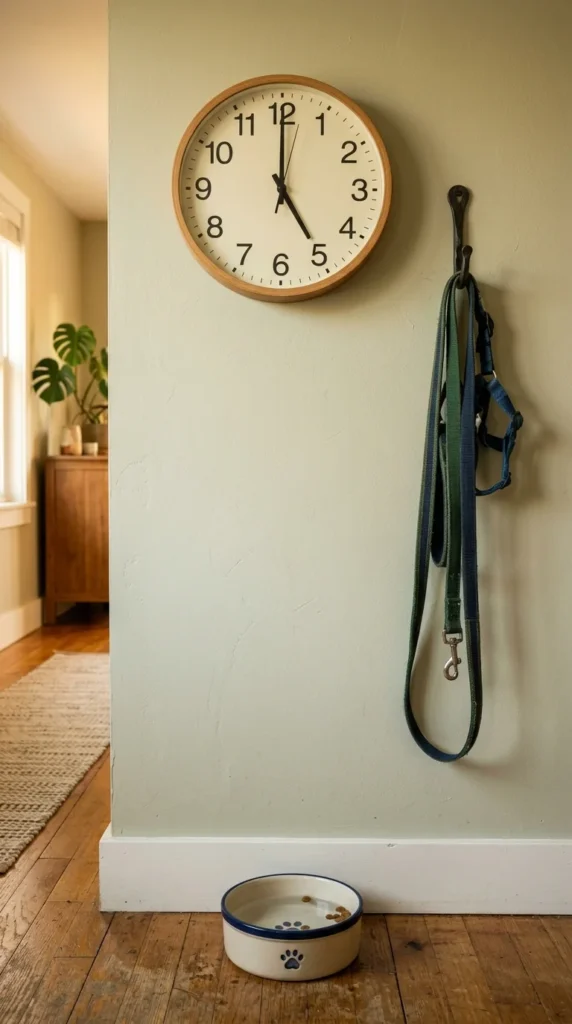
Senior dogs are often less resilient to stress. Changes in routine, loud noises, or new additions to the family can be overwhelming. Maintain a consistent daily schedule for feeding and walks. If your dog suffers from age-related anxiety, pheromone diffusers or calming supplements (like L-theanine) can help create a sense of peace.
20. Heart Monitoring
Heart disease, specifically mitral valve disease or congestive heart failure, is prevalent in older dogs. Be vigilant for signs like a persistent cough (especially at night), exercise intolerance, or heavy breathing while at rest. Early intervention with cardiac medications can significantly extend the life of a dog with heart issues.
21. Quality Time
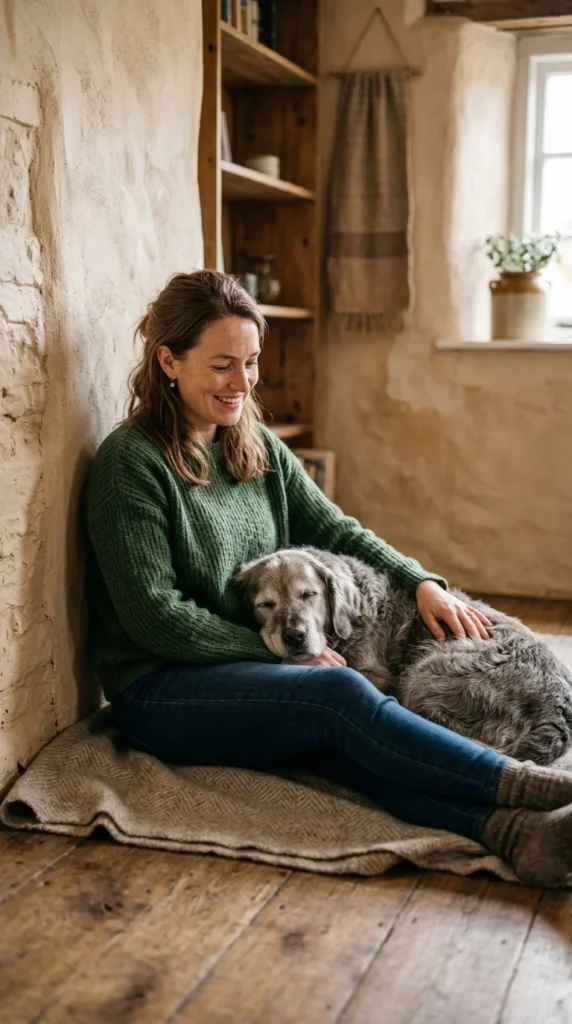
Perhaps the most important tip is to simply be present. Your senior dog doesn’t need a marathon or a high-energy game of fetch to feel loved; they just want to be near you. Dedicate time each day to gentle petting, quiet companionship, and reaffirming the bond you’ve built over the years. Your presence is the ultimate comfort for a dog in their twilight years.