
Agility training is more than just a sport; it is a high-octane bonding experience that transforms the relationship between you and your canine companion. For active dogs, it provides the necessary physical outlet and mental stimulation to prevent boredom and destructive behaviors. Whether you are aiming for a blue ribbon or just looking for a weekend hobby, these 22 tips will help you navigate the world of weaves, jumps, and tunnels with confidence.
1. Veterinary Clearance
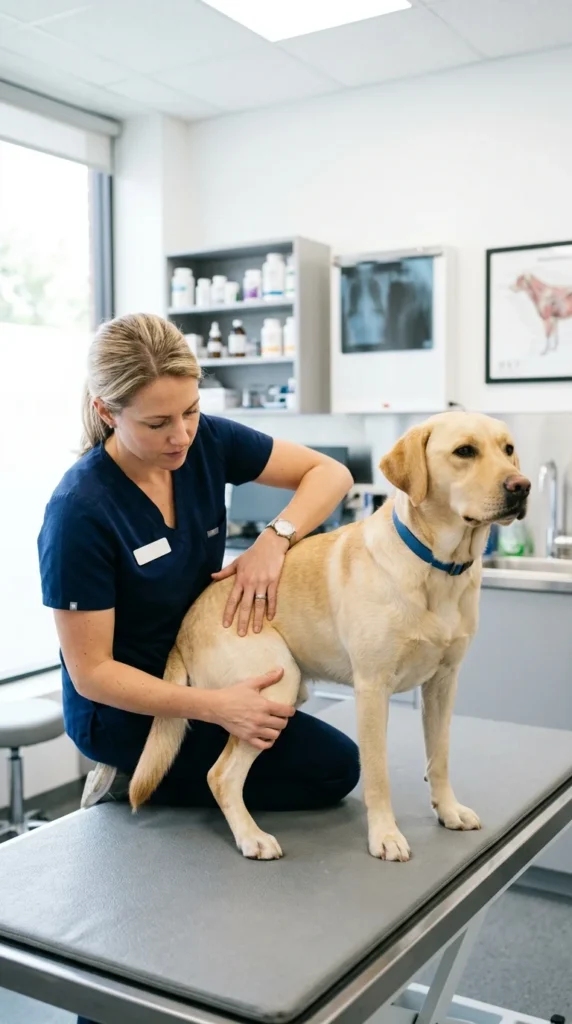
Before sprinting onto the course, ensure your dog is physically capable of the demands of agility. High-impact jumping and sharp turns require healthy joints and a strong heart. Have your vet perform a thorough orthopedic check to rule out hip dysplasia, luxating patellas, or early-onset arthritis. This ensures your training journey is safe and sustainable.
2. Foundation Skills
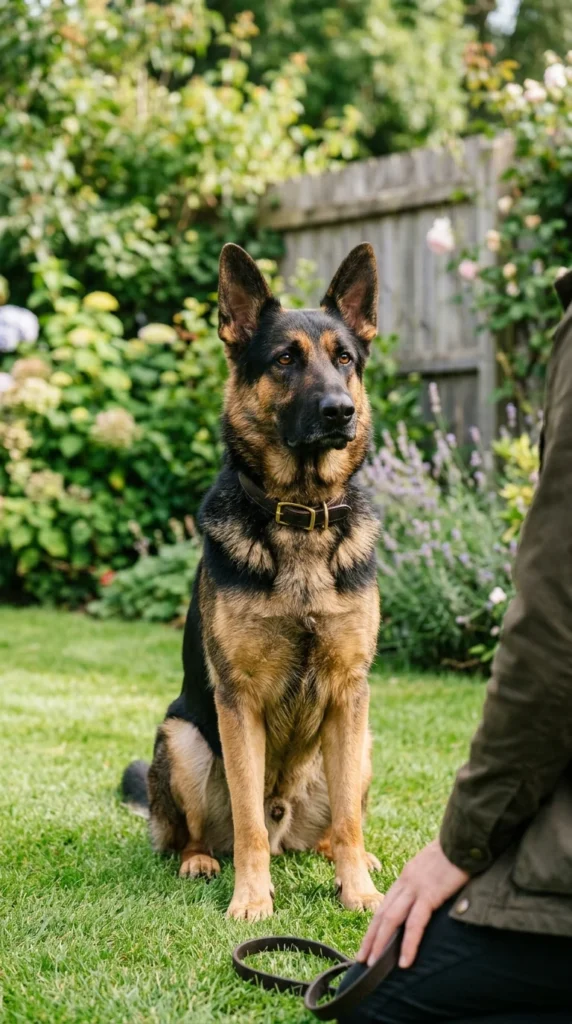
Success in agility isn’t built on the A-frame; it’s built on basic obedience. Your dog must have a rock-solid “stay,” a reliable “recall,” and the ability to focus amidst distractions. If your dog can’t sit and wait for your signal at the start line, the rest of the course will be chaos. Spend weeks perfecting these basics before introducing equipment.
3. Target Training
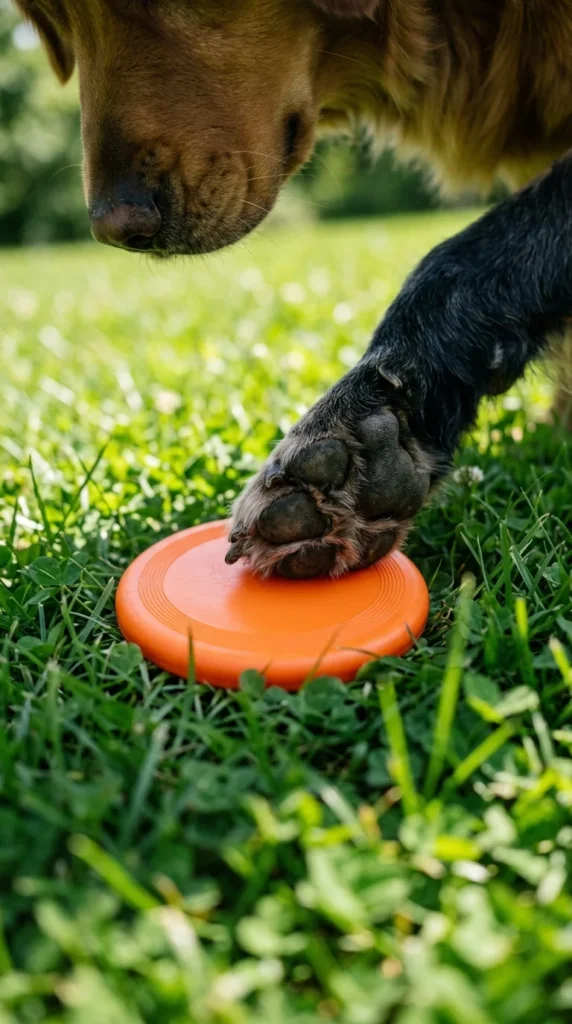
Targeting is the secret weapon of agility pros. Teach your dog to touch a specific object—like a plastic lid or your palm—with their nose or paw. This skill translates directly to “contact zones” on equipment like the see-saw and dog walk, ensuring the dog hits the required safety areas rather than jumping over them.
4. Short Sessions
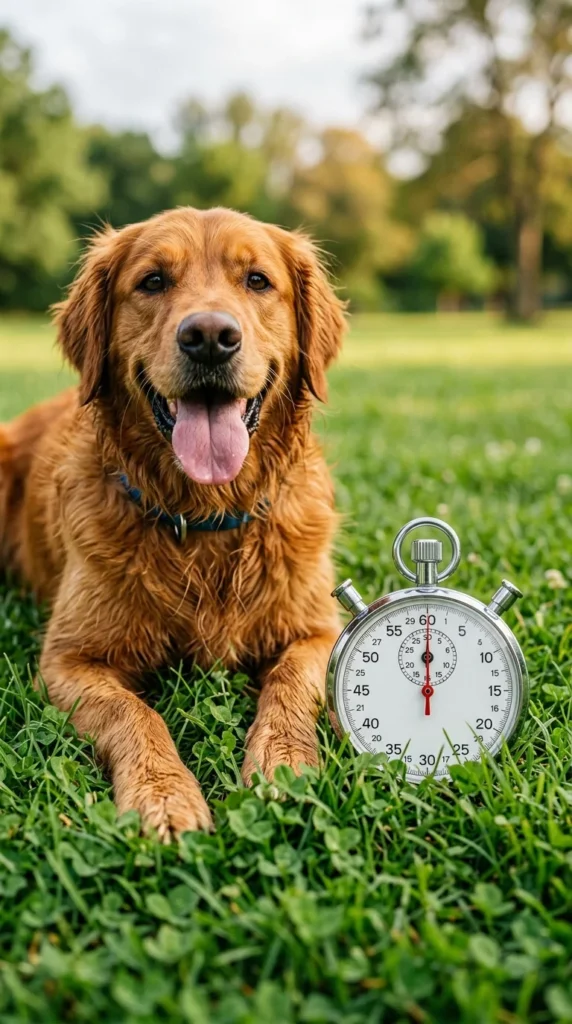
Active dogs have high energy, but their mental “burn rate” is even higher. Keep your training sessions short—usually between 5 to 10 minutes. It is much better to have three highly successful, high-energy sessions a day than one long, grueling hour where the dog becomes frustrated or physically fatigued.
5. High-Value Rewards

Agility is hard work. To keep your dog motivated, use “jackpot” treats that they don’t get anywhere else. Think boiled chicken, string cheese, or tiny pieces of steak. The higher the difficulty of the task, the better the reward should be. This creates a strong positive association with the agility equipment.
6. Tunnel Fun
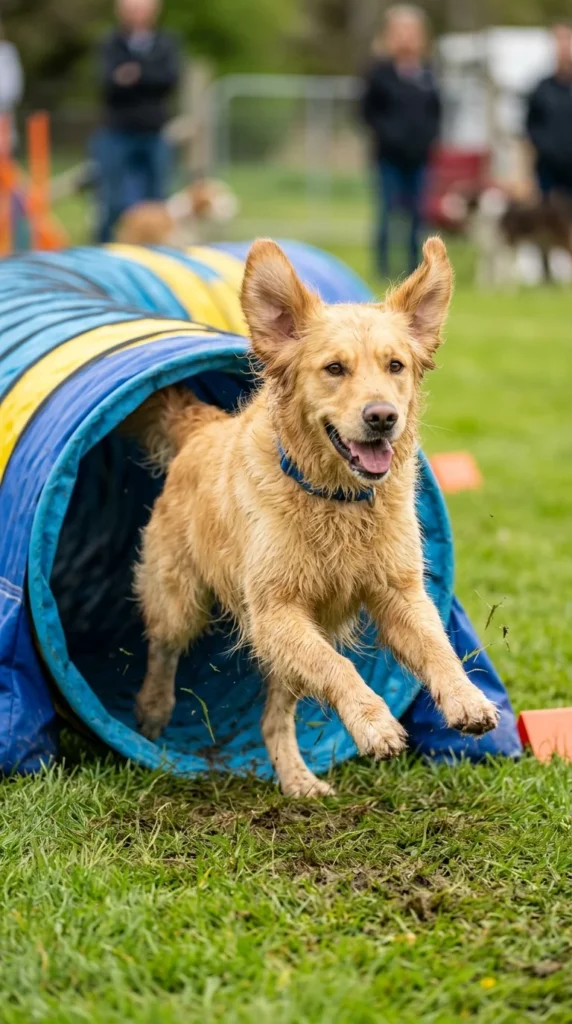
The tunnel is often the favorite obstacle for most dogs, but it can be intimidating at first. Start with the tunnel collapsed short so the dog can see the exit. As their confidence grows, gradually lengthen it and add curves. Always encourage them from the other side with an excited voice and a favorite toy.
7. Low Jumps

Even if your dog is large enough to clear high hurdles, start with the bars on the ground or at a very low height. This focuses the training on the mechanics of jumping and following your lead, rather than the physical exertion. As they master the “over” command and their footwork improves, you can slowly raise the height.
8. Handler Cues
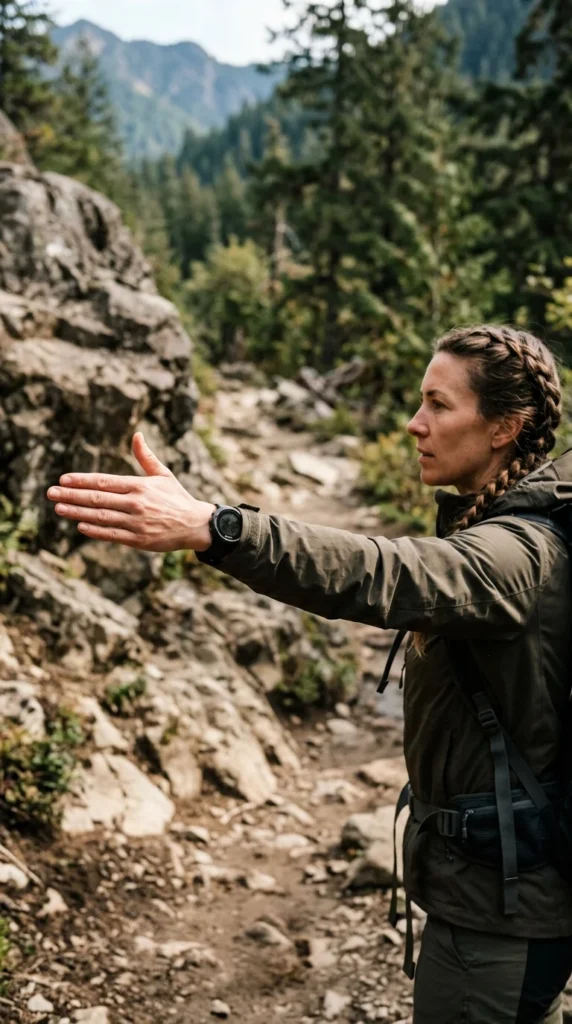
Dogs are incredibly visual. They will watch your body language long before they listen to your voice. Practice “front crosses” and “rear crosses” without the dog first to ensure your shoulder placement and hand signals are clear. If your body is pointing toward the wrong jump, your dog will likely follow your body, not your words.
9. Weave Poles
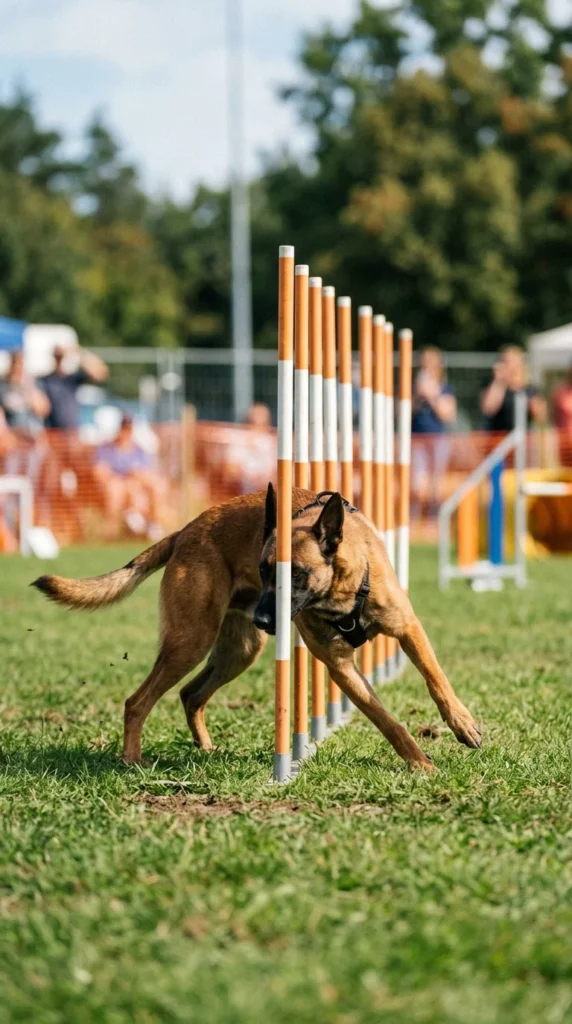
The weave poles are arguably the most difficult obstacle to master. Use the “2-by-2” method or slanted poles to guide your dog through the motion. This requires significant spinal flexibility and rear-end awareness. Be patient; it can take months for a dog to truly “get” the rhythm of the weaves.
10. Contact Zones
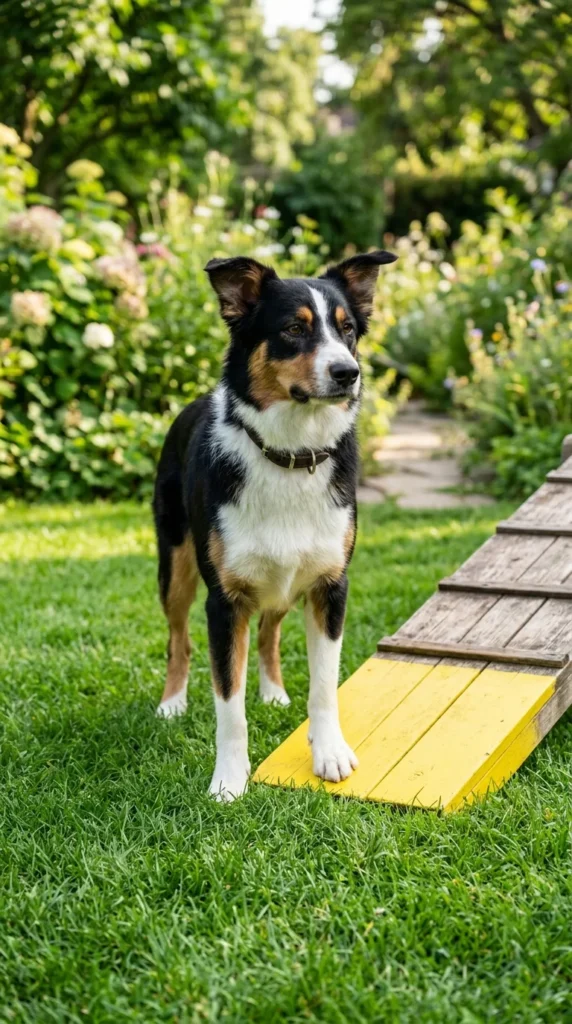
Safety is paramount on the “contact obstacles” (A-frame, dog walk, see-saw). These pieces have a painted zone at the bottom that the dog must touch with at least one paw. Use your targeting skills to teach a “two-on, two-off” position, where the dog stops at the bottom with its back feet on the ramp and front feet on the ground.
11. Warm-Ups
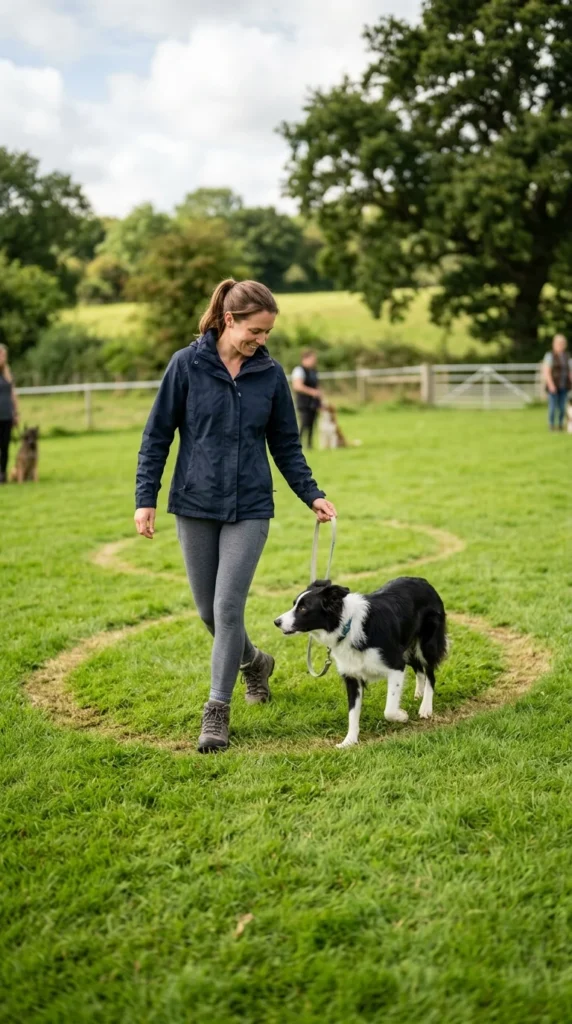
Just like human athletes, dogs need to warm up their muscles. Before starting a session, spend five minutes doing active stretches: walking in tight circles, doing “spins” in both directions, and performing a few “sit-to-stand” repetitions. This increases blood flow and prevents muscle pulls during sharp turns.
12. Flatwork First
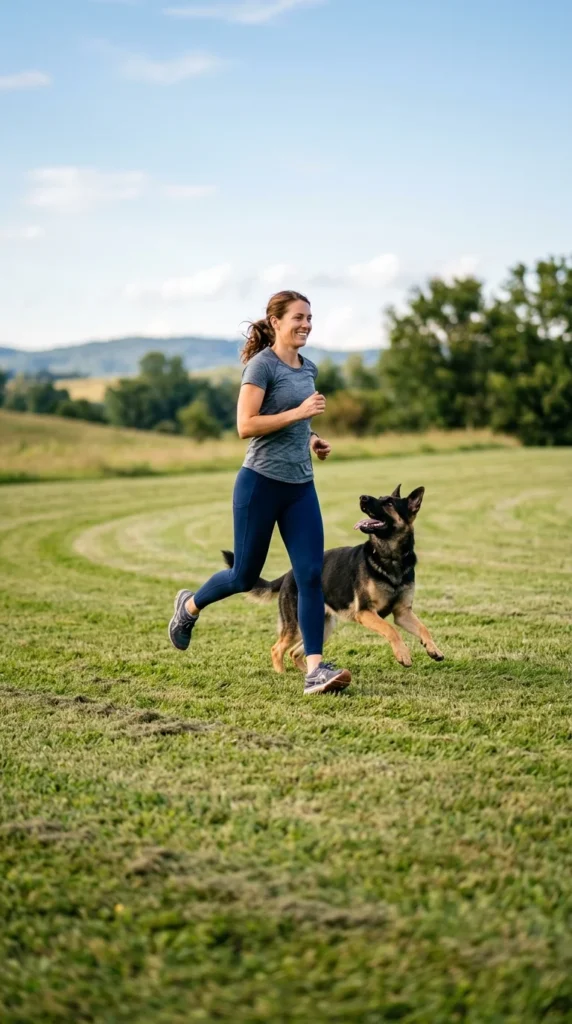
Agility isn’t just about the obstacles; it’s about the space between them. “Flatwork” involves teaching your dog to follow your lead, turn on a dime, and accelerate or decelerate based on your movement while on level ground. If you can’t control your dog’s path on an empty field, you won’t be able to control it on a course.
13. Surface Variety
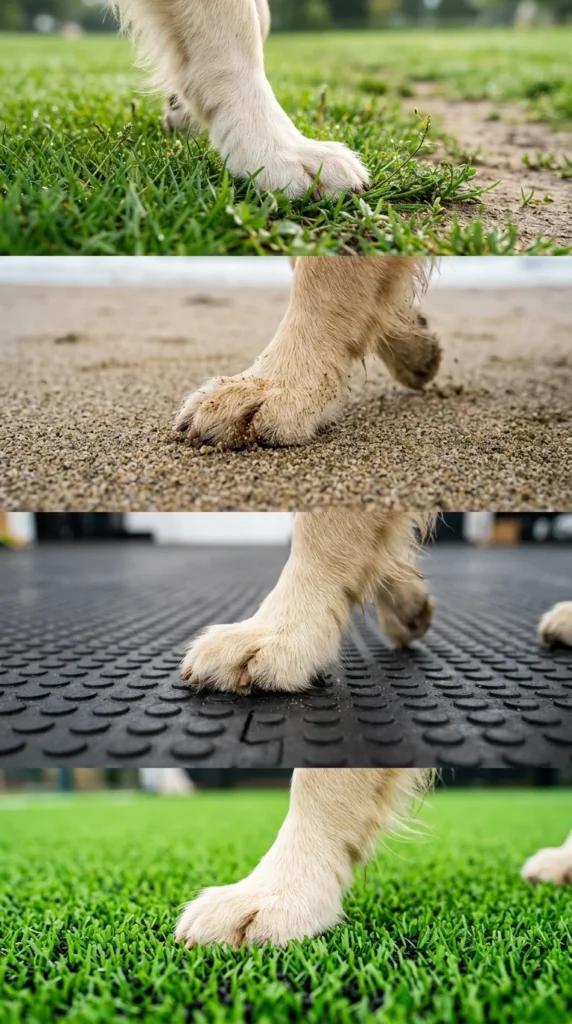
Dogs can be sensitive to the “feel” of the ground. Train on different surfaces—grass, dirt, rubber mats, and even sand—to ensure your dog remains confident no matter where a trial or practice takes place. This also builds up the toughness of their paw pads and improves their overall balance.
14. Body Awareness
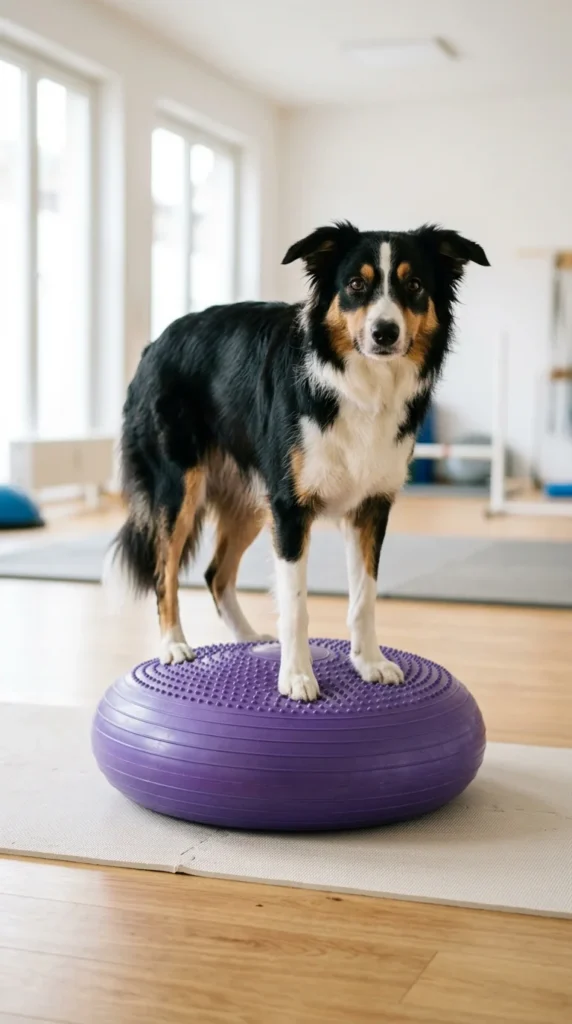
Many dogs aren’t fully aware of what their back legs are doing. Use “proprioception” exercises, like walking over a ladder laid flat on the ground or standing on a wobble board. Improved body awareness leads to tighter turns and fewer knocked bars on the agility course.
15. The See-Saw
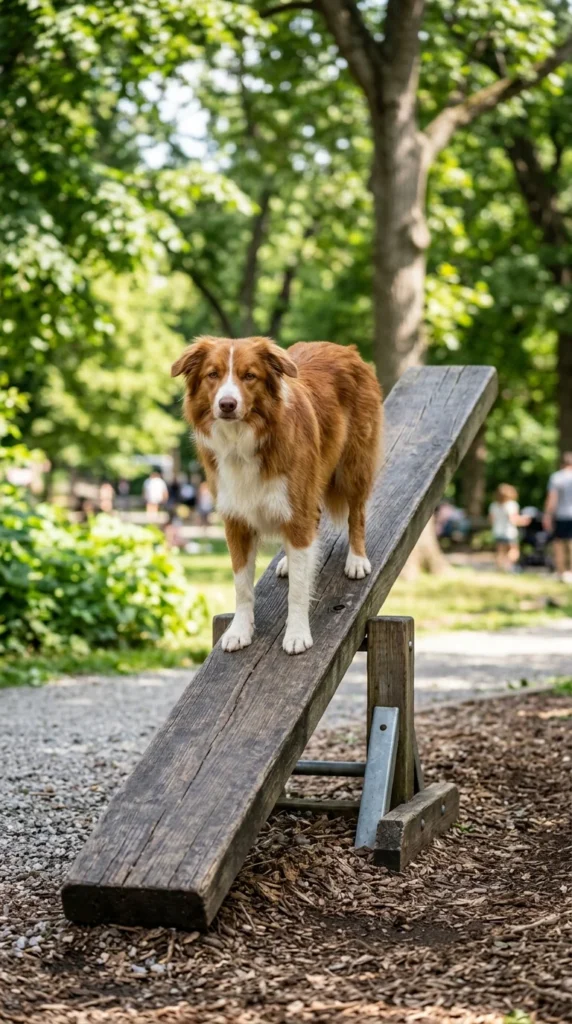
The see-saw (teeter) can be scary because it moves and makes a “bang” when it hits the ground. Introduce the noise separately by dropping a board on the floor and rewarding the dog. Gradually introduce the movement by supporting the board with your hand so it doesn’t drop too quickly, ensuring the dog feels stable throughout the process.
16. Positive Reinforcement
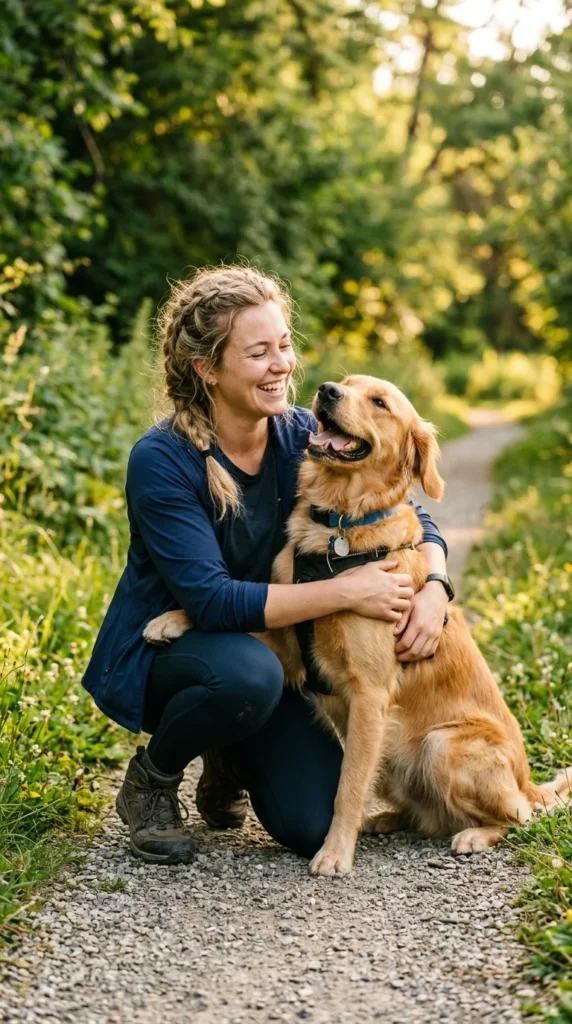
Never punish a dog for missing a jump or taking the wrong tunnel. Agility should be the most fun part of their day. If they make a mistake, simply reset and try again with more encouragement. A dog that is afraid of making a mistake will slow down and lose the “drive” necessary for the sport.
17. Toy Drive
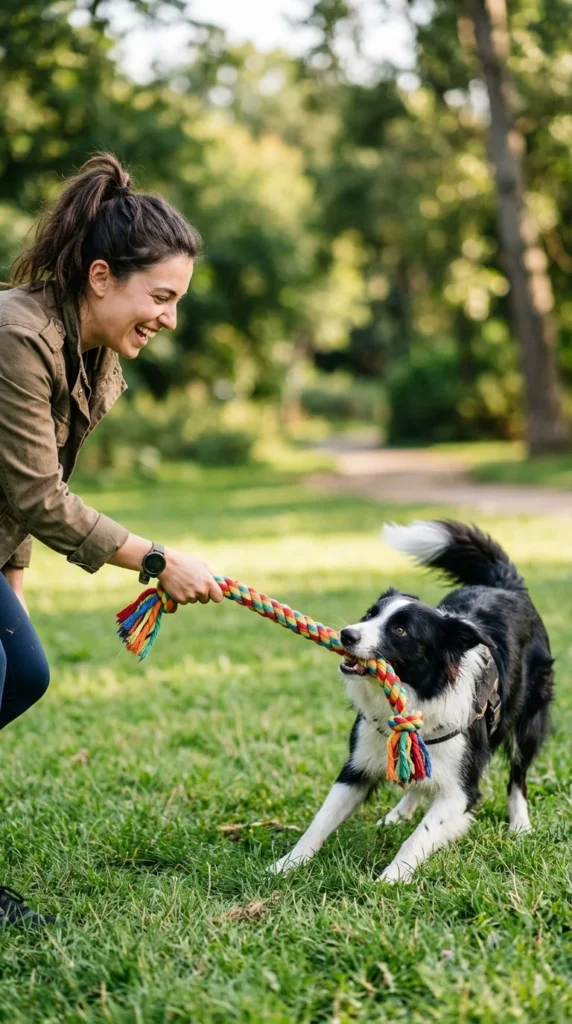
While treats are great, toys are often better for building “drive” and speed. A game of tug-of-war at the end of a successful sequence can get a dog’s adrenaline pumping. Use a specific “agility-only” toy to keep the value high and make the reward feel like a grand celebration.
18. Consistency
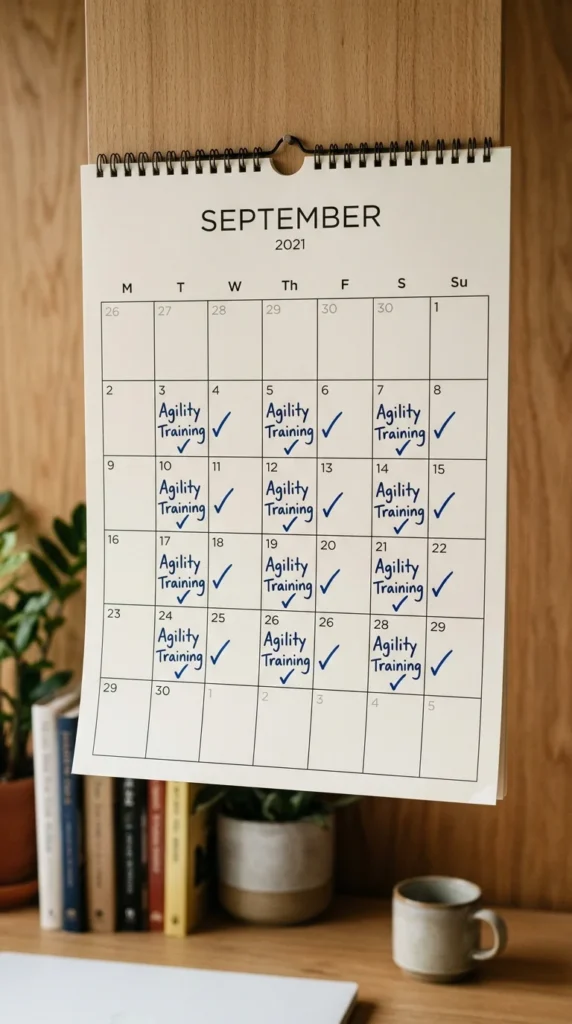
Consistency is key to muscle memory. It is better to do five minutes of training three times a week than a two-hour session once a month. Regular, short intervals help the dog retain what they’ve learned and keep their physical conditioning at a peak level.
19. Record Progress
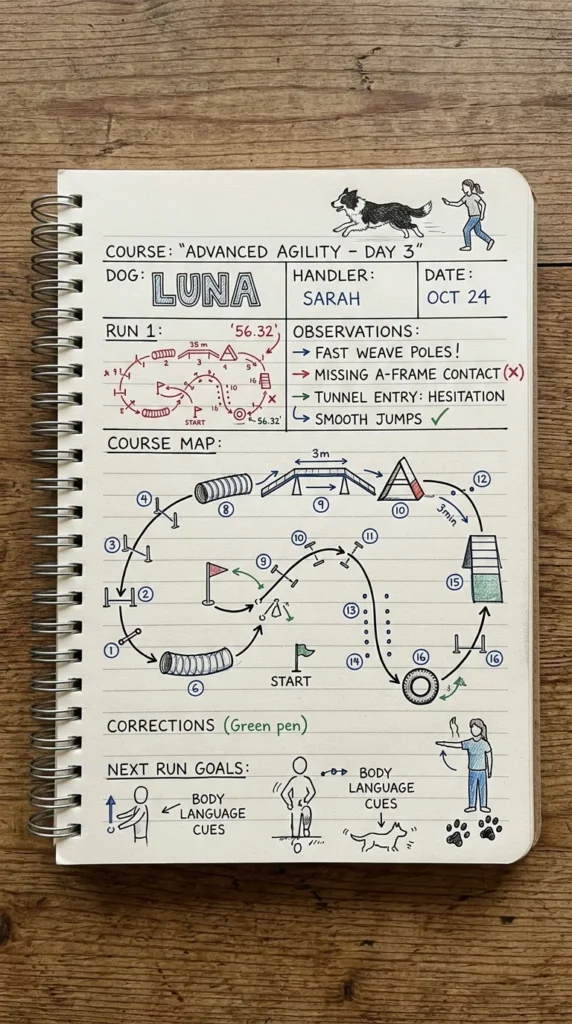
Keep a training log. Note what your dog excelled at and what they struggled with. Did they miss the contact zone on the A-frame? Did they pop out of the weave poles early? Tracking these details allows you to tailor your next session to address specific weaknesses, making your training much more efficient.
20. Cool-Downs
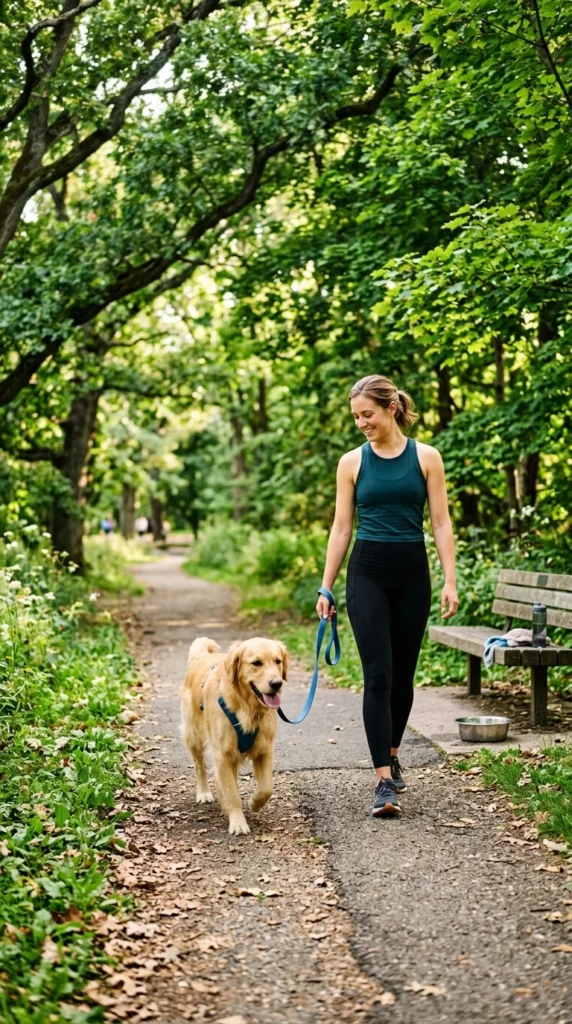
After a high-intensity session, don’t just put your dog back in the crate or the car. Walk them for 10 minutes to let their heart rate return to normal and to prevent lactic acid buildup in their muscles. This is also a great time to offer water and perform a quick “body scan” to check for any minor scrapes or thorns in their paws.
21. Verbal Commands
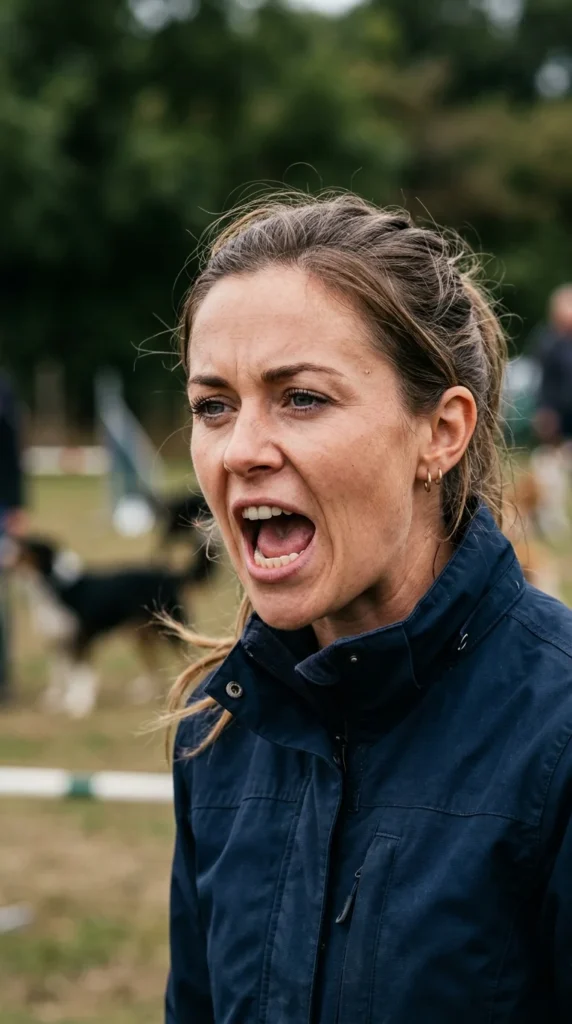
Develop distinct verbal cues for different obstacles. Use short, sharp words like “Tunnel,” “Over,” “Weave,” and “Touch.” Use a consistent tone of voice. Over time, your dog will associate the word with the action, allowing them to look ahead to the next obstacle while still completing the current one.
22. Play Breaks
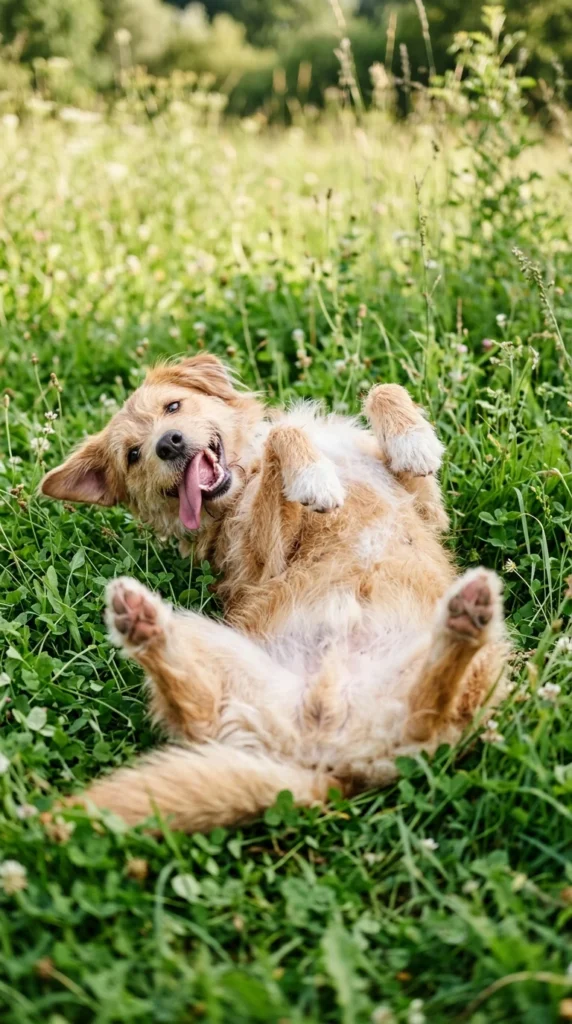
Finally, remember that your dog is your partner, not a machine. Include plenty of “free play” where there are no rules and no equipment. This prevents “agility burnout” and ensures that the bond you share remains the most important part of the game. A happy dog is a fast dog!