

Ear infections are one of the most common reasons pet parents seek veterinary care. Because of the “L” shape of a dog’s ear canal, fluid, wax, and debris easily become trapped, creating a dark, moist breeding ground for bacteria and yeast. While some signs are obvious, others are subtle and can indicate that an infection has moved from the outer ear into the middle or inner ear. Recognizing these 22 symptoms early can save your dog from significant pain and prevent permanent hearing loss.
1. Head Shaking

The most classic sign of an ear infection is frequent, vigorous head shaking. Dogs do this instinctively to try and dislodge whatever is causing them discomfort, whether it is wax, fluid, or a foreign object. If you notice your dog shaking their head multiple times an hour, or particularly after waking up, it is a clear indicator of irritation within the canal.
2. Foul Odor
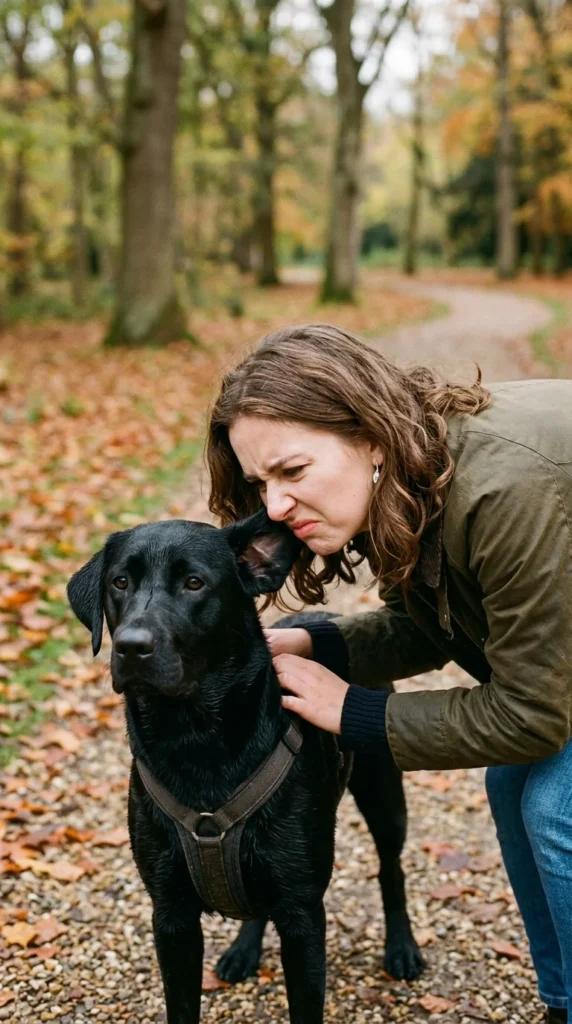
A healthy dog’s ear shouldn’t have much of a scent at all. If you lean in for a cuddle and catch a whiff of something that smells like “stinky feet,” “sour trash,” or “sweet yeast,” an infection is likely present. Yeast infections typically produce a musty, sweet smell, while bacterial infections can produce a much more pungent, foul odor.
3. Intense Redness
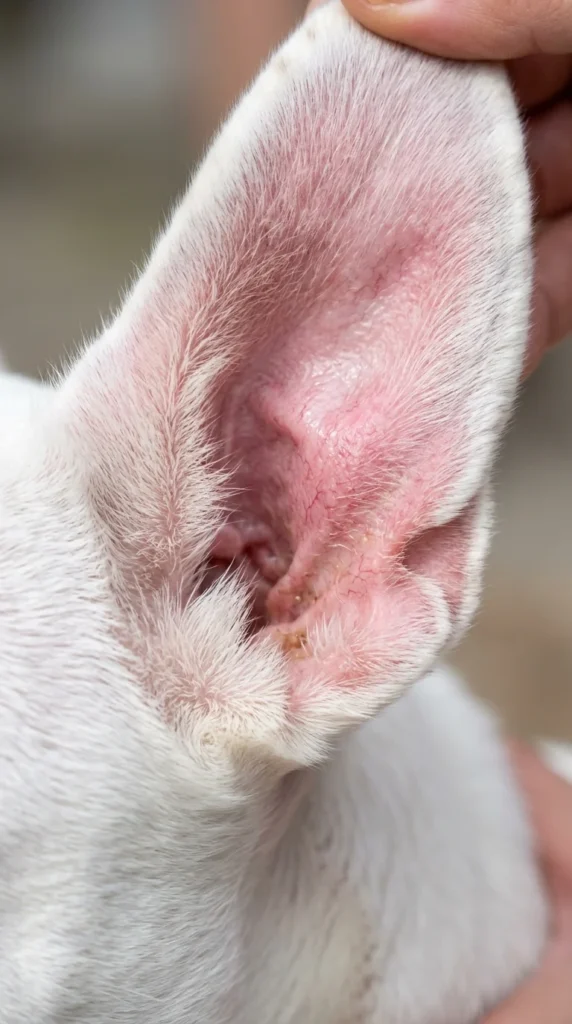
When you flip back the ear flap (the pinna), the skin should be a healthy, pale pink. If the skin looks bright red, angry, or inflamed, it is a sign of “Otitis,” which is simply the medical term for inflammation of the ear. This redness often extends from the visible part of the ear down into the canal.
4. Dark Discharge
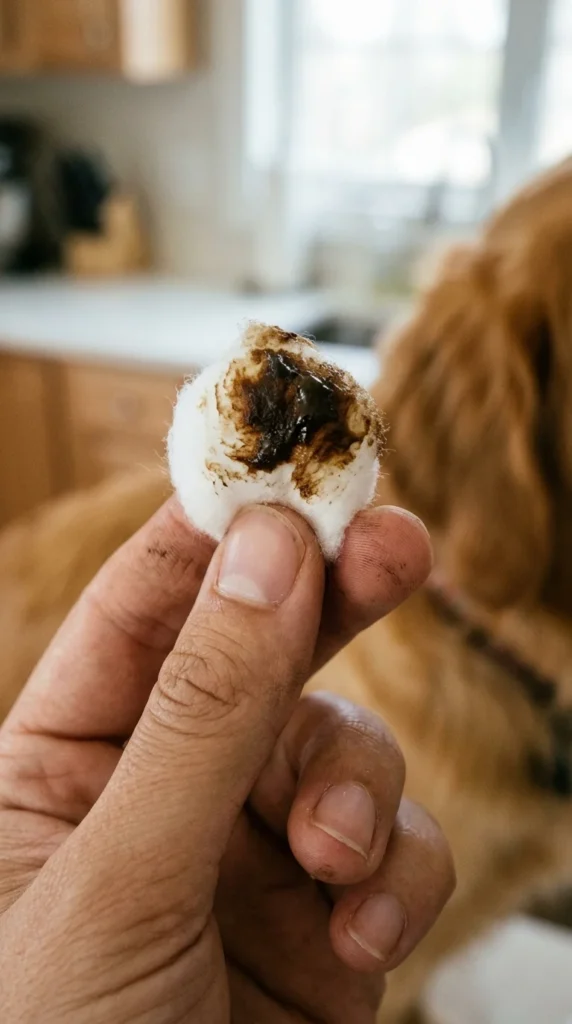
While some earwax is normal, an infection often causes the ear to overproduce discharge. This can range in color from yellow or tan to dark brown or even black. The consistency might be waxy, oily, or even pus-like. If you see discharge leaking out of the canal, the infection is likely well-established.
5. Excessive Scratching
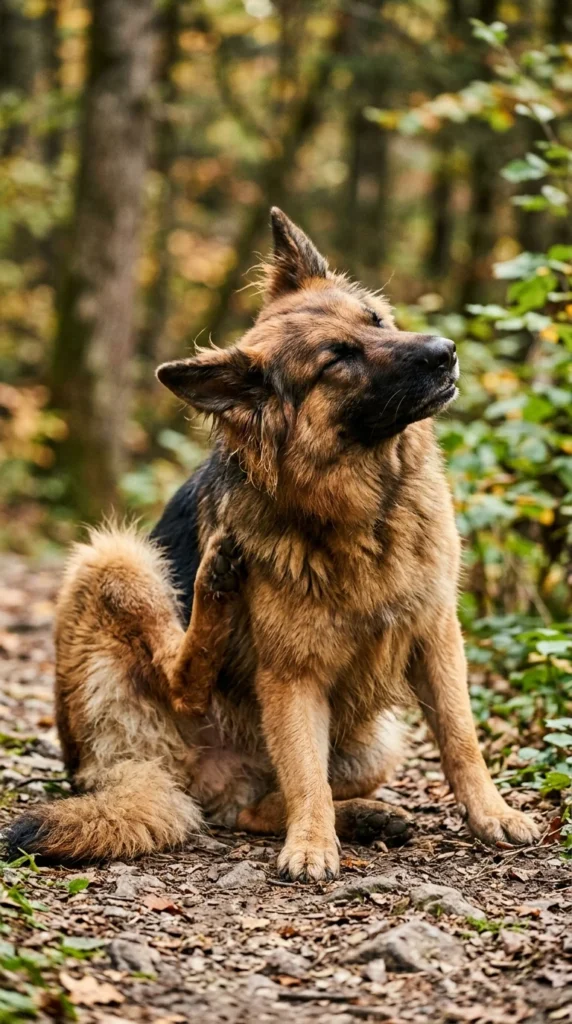
A dog with an ear infection will often use their hind paw to relentlessly scratch at the affected ear. You might hear the “thump-thump-thump” of their leg or notice that the fur behind the ear is becoming matted or thinning due to the constant friction. This scratching is a response to the intense itching (pruritus) caused by yeast or mites.
6. Sensitivity

Ear infections are incredibly painful. If your usually affectionate dog suddenly flinches, yelps, or pulls away when you try to pet their head or scratch their ears, they are likely protecting a painful area. This “ear-shyness” is a major red flag that the inflammation has reached a sensitive level.
7. Ear Swelling
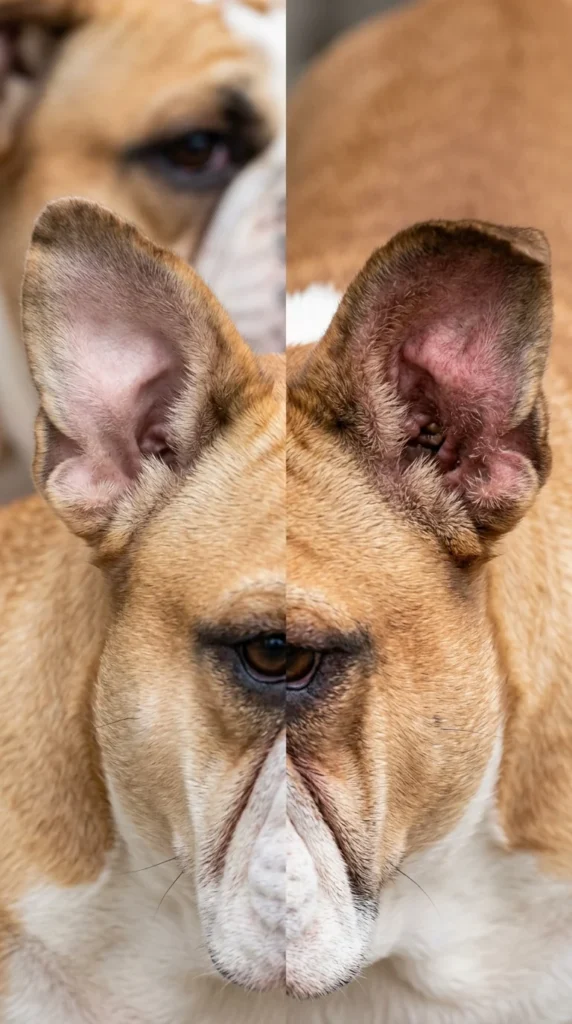
In chronic or severe cases, the skin of the ear canal can become so inflamed that it swells significantly. In some instances, the ear flap itself can fill with fluid, a condition known as an aural hematoma, caused by the dog shaking their head so hard that blood vessels rupture.
8. Crusted Scabs
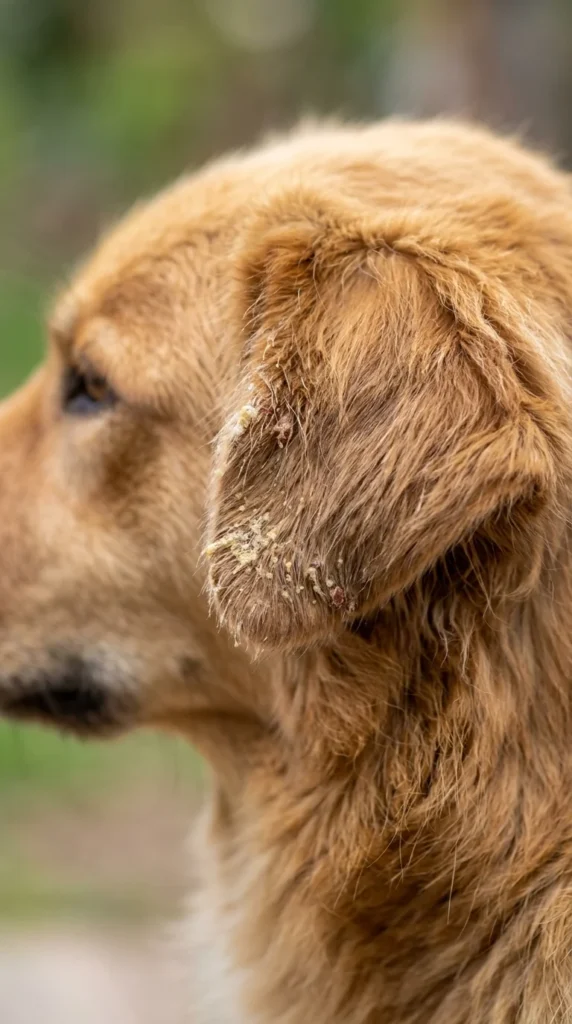
As discharge leaks out and dries, it can form crusty scabs around the opening of the ear or on the ear flap. These crusts can be itchy and painful, and if pulled off, they may leave behind raw, bleeding skin. This is often seen in cases involving ear mites or chronic bacterial infections.
9. Black Wax
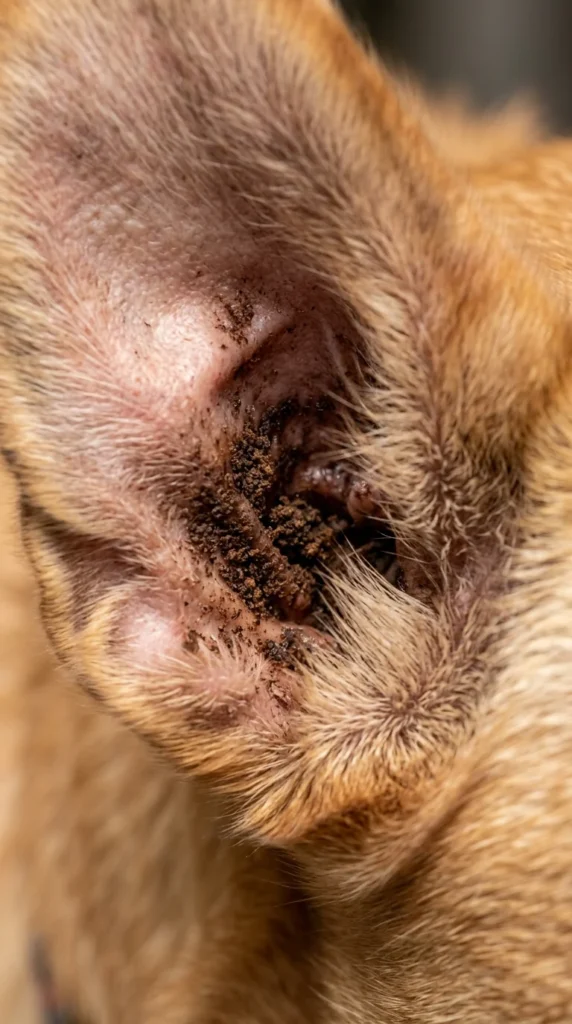
If the discharge in the ear looks specifically like dry, black coffee grounds, it is a hallmark sign of ear mites (Otodectes cynotis). While more common in puppies, mites cause intense irritation and lead to secondary infections. The “coffee ground” material is actually a mixture of wax, blood, and mite waste.
10. Hair Loss
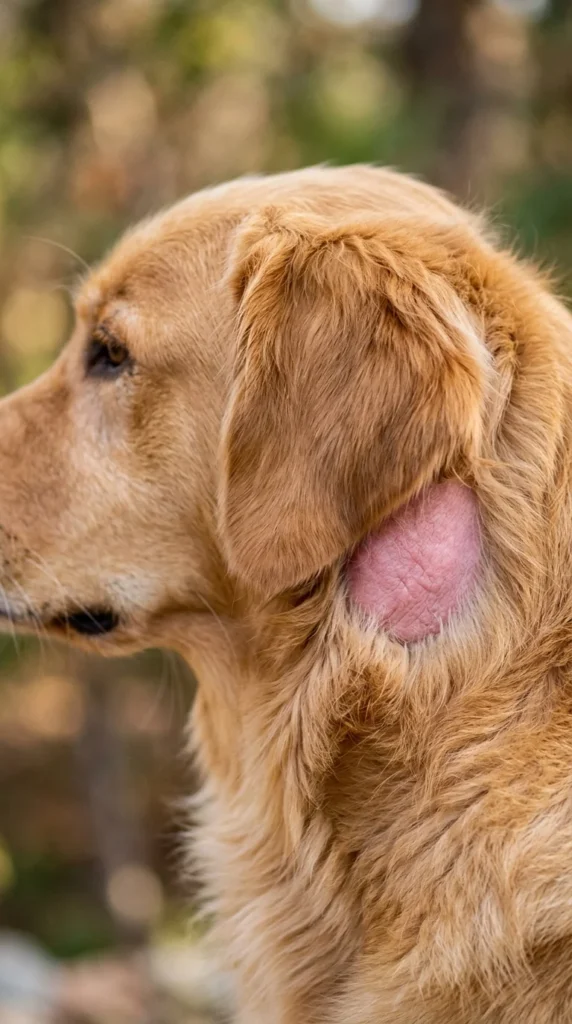
Constant scratching and rubbing will eventually lead to alopecia, or hair loss, around the ear. You may notice thinning hair on the ear flap itself or bald patches on the neck and head where the dog’s claws have been making contact.
11. Narrowed Canal
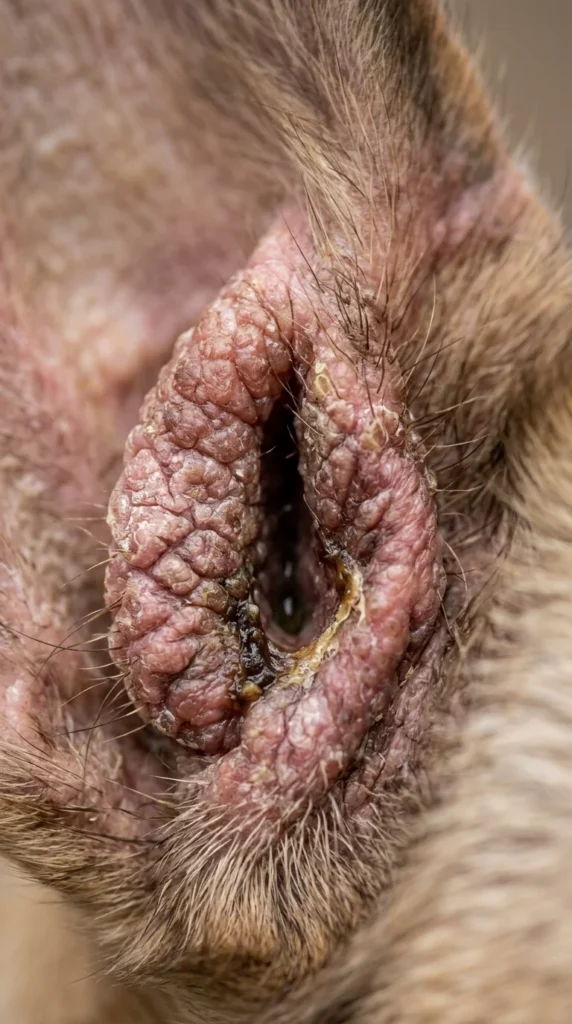
In chronic, long-term ear infections, the body attempts to protect the ear by thickening the skin. This is called “lichenification.” The ear canal becomes “stenotic,” meaning it narrows or closes up entirely due to the thickened, elephant-like skin. This makes it even harder for medication to reach the infection.
12. Head Tilt

A persistent head tilt is a serious symptom. It usually indicates that the infection has moved beyond the external canal and into the middle or inner ear (Otitis Media or Interna). This affects the dog’s vestibular system, which is responsible for balance.
13. Loss of Balance

If your dog is stumbling, leaning to one side, or having trouble standing up, the infection may be affecting their equilibrium. This can look like the dog is “drunk” or uncoordinated. This is an emergency symptom that requires immediate veterinary intervention to prevent permanent damage.
14. Eye Flicking
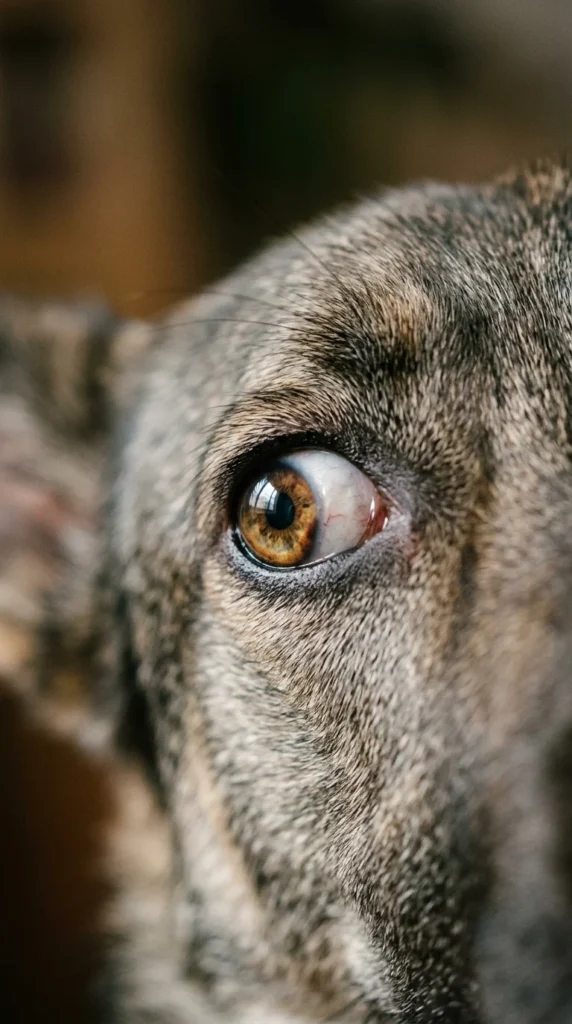
Known as nystagmus, this is a condition where the eyes flick rapidly from side to side or up and down. It is a neurological sign often associated with inner ear infections. It occurs because the brain is receiving conflicting signals about the body’s position in space.
15. Hearing Loss

You might notice your dog no longer responds to their name, the sound of the treat bag, or the doorbell. While some hearing loss can be temporary due to a buildup of wax and debris blocking the canal, chronic infections can lead to permanent deafness if the eardrum is ruptured or the inner ear structures are damaged.
16. Unusual Lethargy
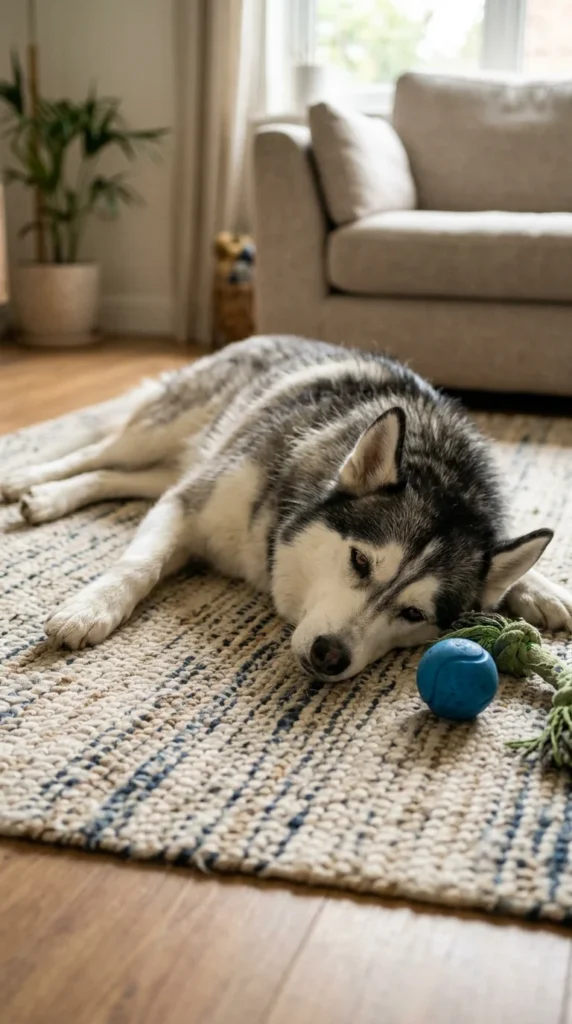
Pain and systemic inflammation can take a toll on a dog’s energy levels. If your dog is suddenly sleeping more than usual or seems disinterested in their favorite activities, they may be dealing with the exhaustion that comes from chronic pain and the body fighting off a persistent infection.
17. Sudden Aggression

Even the sweetest dog can become nippy or aggressive if they are in significant pain. If your dog snaps when you touch their head or ears, don’t take it personally—it is a defensive reaction to protect a very sore part of their body.
18. Bloody Discharge

While most discharge is waxy, seeing blood is a sign of severe irritation, a ruptured eardrum, or aural hematomas. It can also occur if the dog has scratched the ear so deeply that they have pierced the skin or the delicate lining of the canal.
19. Walking Circles
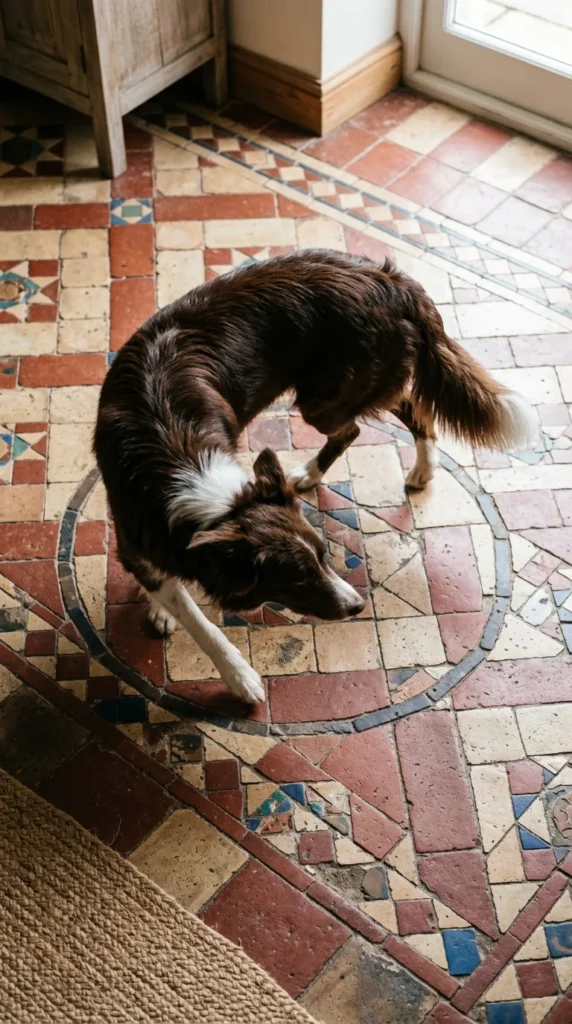
When the vestibular system is compromised by an inner ear infection, dogs may begin walking in circles, always toward the side of the infected ear. This is a sign of significant disorientation and requires a vet visit to rule out other neurological issues.
20. Furniture Rubbing

Dogs will often use furniture, carpets, or even your legs to “scratch” their ears. If you see your dog constantly sliding the side of their face along the rug or the edge of the coffee table, they are trying to relieve the deep-seated itch that they can’t quite reach with their paws.
21. Hot Ears
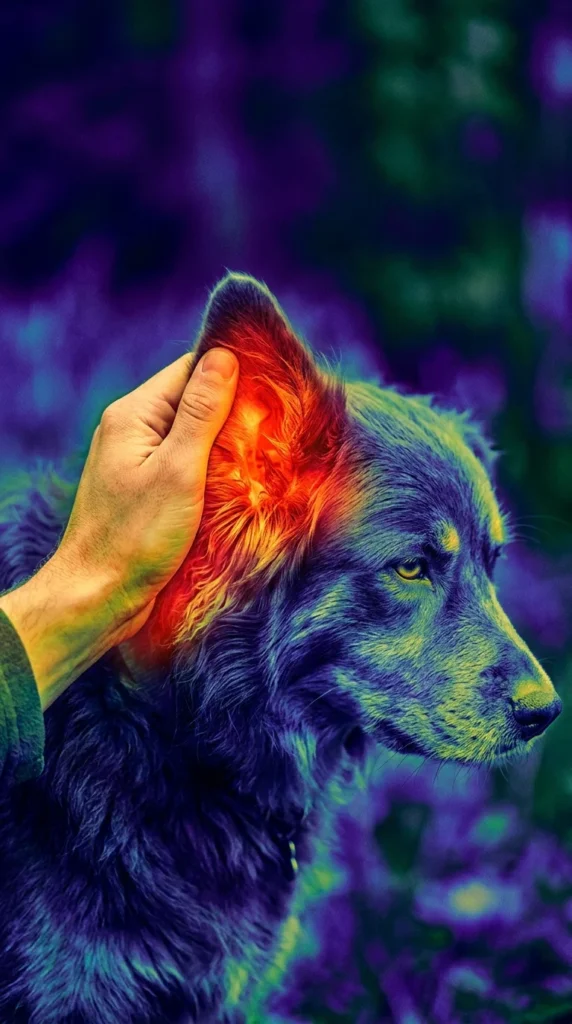
If you touch your dog’s ears and they feel significantly warmer than the rest of their body, it is a sign of increased blood flow to the area due to inflammation or a localized fever. Heat is one of the primary signs of the body’s inflammatory response to infection.
22. Scaly Skin
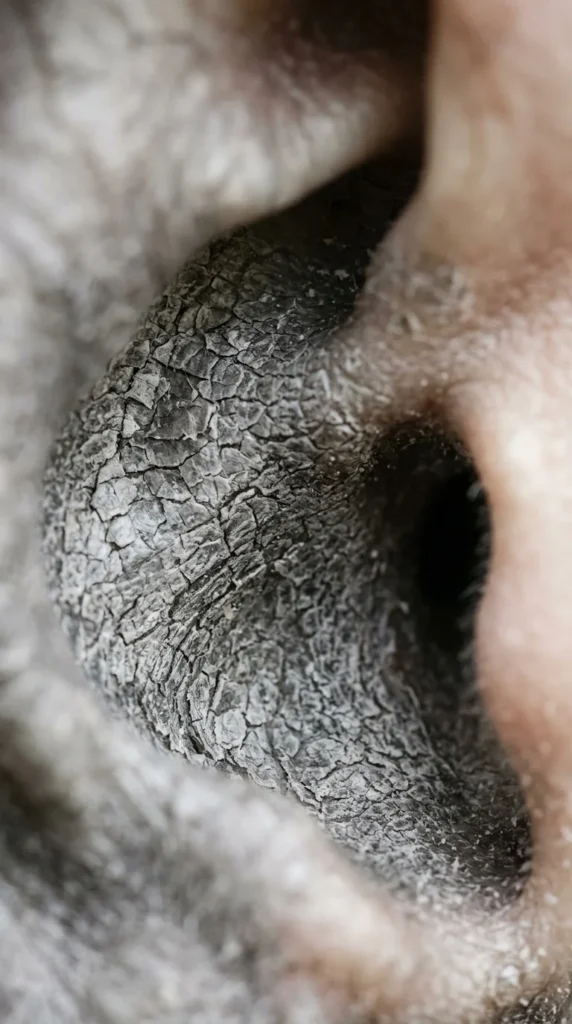
Chronic yeast infections often change the texture of the skin. Instead of being smooth, the skin may become scaly, flaky, or “pebbly.” This change in texture is often accompanied by a darkening of the skin (hyperpigmentation) and is a sign that the infection has been present for a long time.