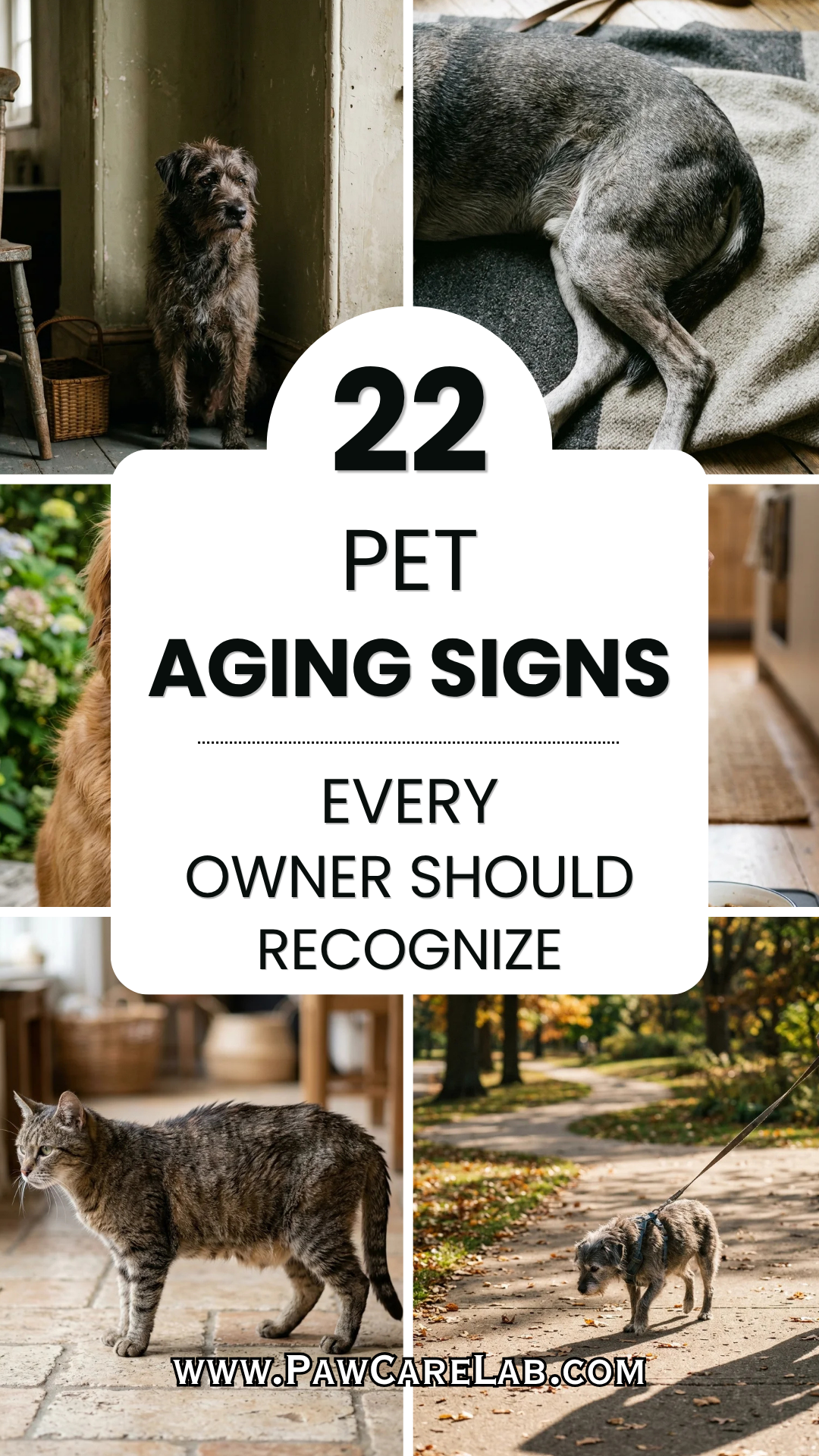
As pet owners, we often wish our furry companions could stay puppies and kittens forever. However, time marches on for them much faster than it does for us. While aging is not a disease, it brings about physiological and behavioral changes that require a shift in how we care for our beloved animals. Recognizing the subtle indicators of aging early on can significantly improve your pet’s quality of life and potentially extend their years by your side.
Here are 22 essential signs that your pet is entering their golden years and what you should look out for.
1. Cloudy Eyes
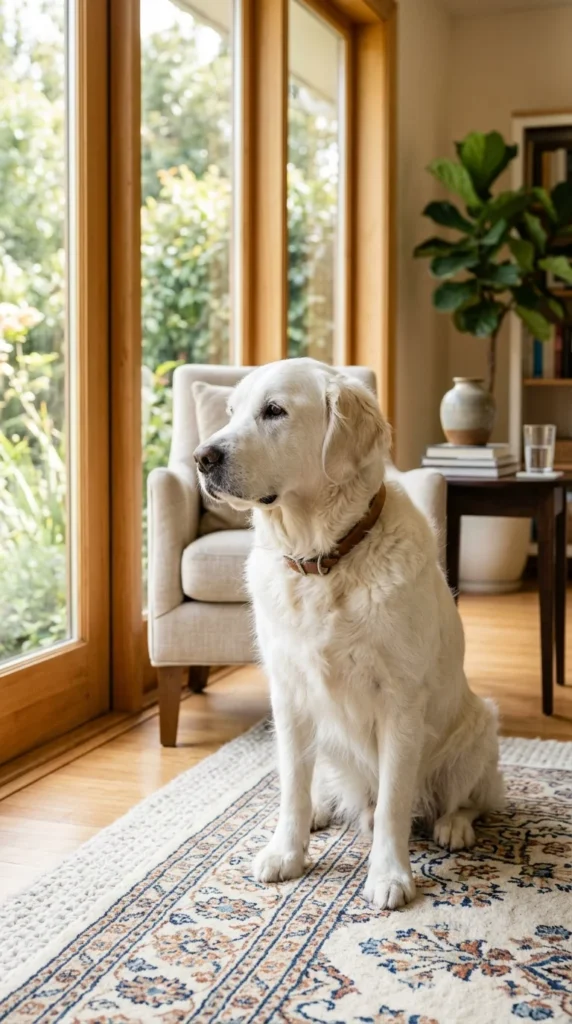
One of the most common signs of aging in both dogs and cats is a change in the clarity of the eyes. You may notice a bluish-grey, translucent haze in the pupils. This is often “lenticular sclerosis,” a normal aging process where the lens fibers become more dense. While it doesn’t usually cause blindness, it can be confused with cataracts, which are opaque and do interfere with vision.
2. Joint Stiffness
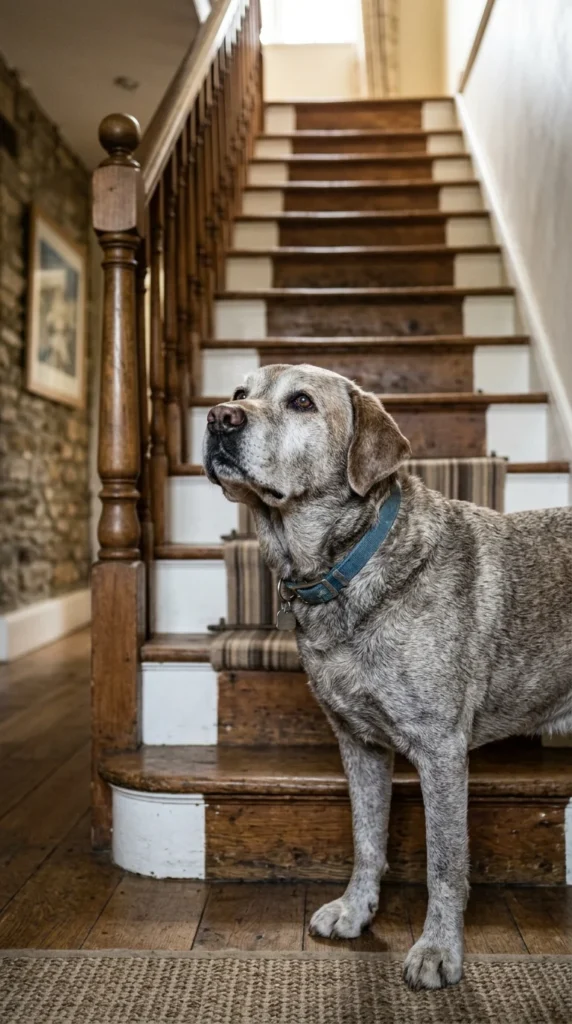
If your pet is taking longer to stand up in the morning or hesitates before jumping onto the couch, they are likely experiencing joint stiffness. Osteoarthritis is incredibly common in senior pets. You might notice them “walking on eggshells” or limping slightly after a long nap. This is a clear signal that their joints need additional support, such as orthopedic bedding or supplements.
3. Slowing Down
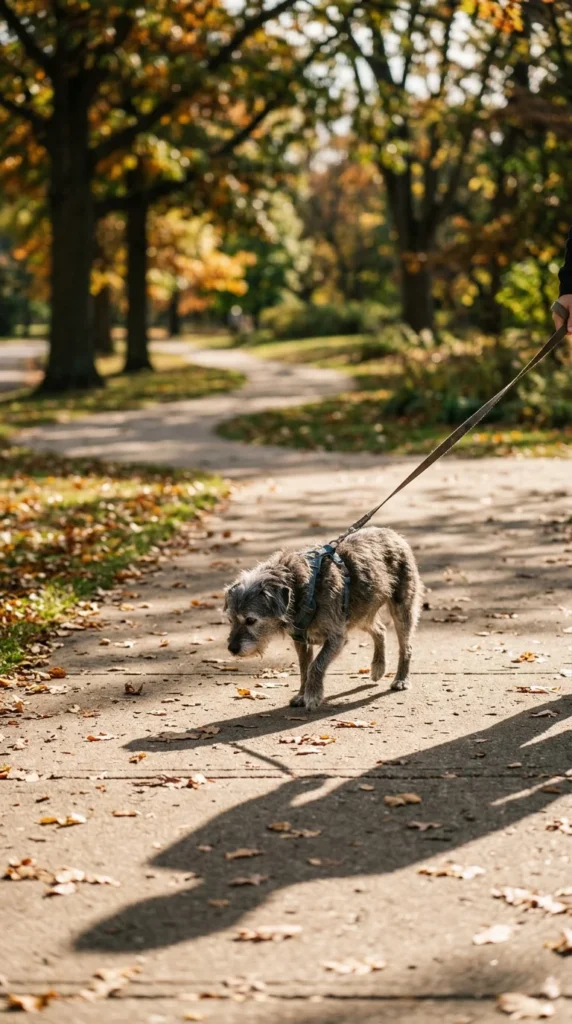
The boundless energy of youth eventually gives way to a more measured pace. You might find that your dog no longer wants to run for miles or that your cat spends more time napping than chasing laser pointers. This “slowing down” is a natural metabolic shift, but it also reflects the physical toll that years of activity have taken on their bodies.
4. Weight Changes
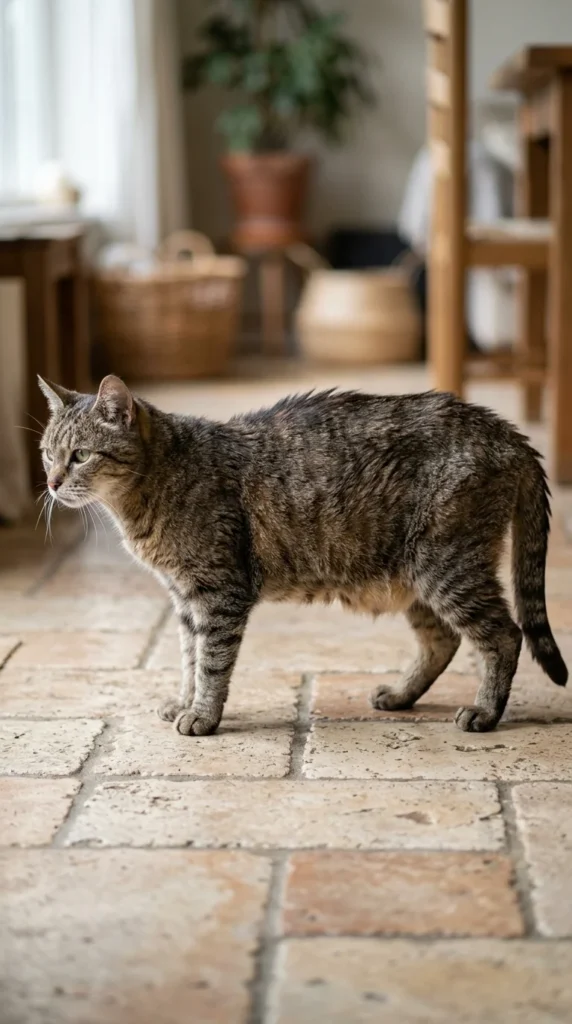
Metabolism shifts significantly as pets age. Some pets may become obese because they are less active but still eating the same amount of calories. Conversely, many senior pets begin to lose weight and muscle mass due to a decreased ability to digest protein or underlying health issues like kidney disease. Monitoring their body condition score is vital.
5. Dental Decay
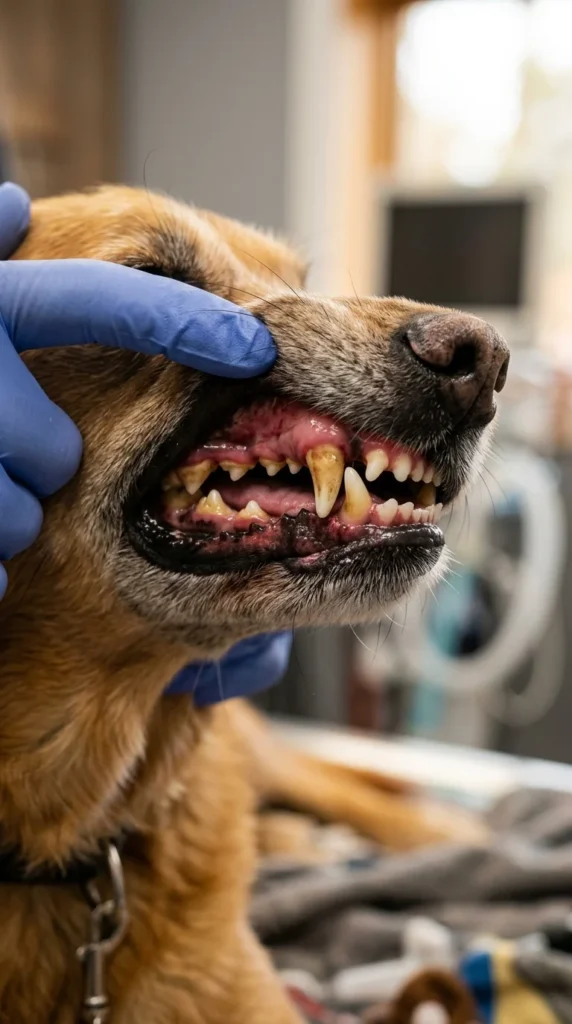
Years of chewing and eating can lead to significant dental wear and tear. Senior pets are highly prone to periodontal disease, which can cause bad breath, loose teeth, and painful infections. If your pet starts dropping food or refuses to eat hard kibble, their teeth may be the primary culprit.
6. Lumps and Bumps
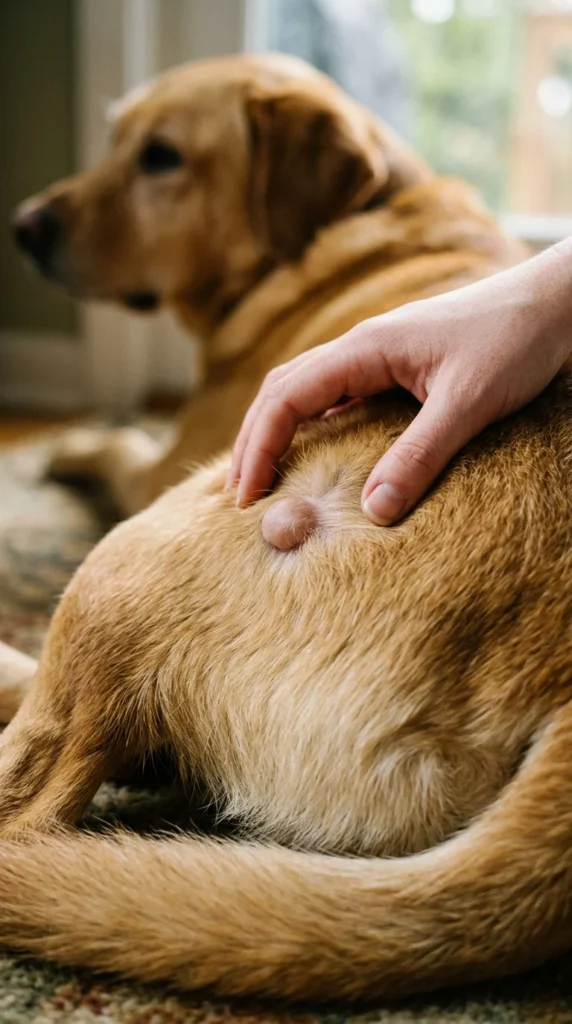
As the body ages, the skin’s cell regeneration can become irregular, leading to various growths. While many are benign lipomas (fatty tumors), any new lump should be checked by a vet. Aging skin loses its elasticity and can develop warts, cysts, or more serious mast cell tumors.
7. Excessive Thirst
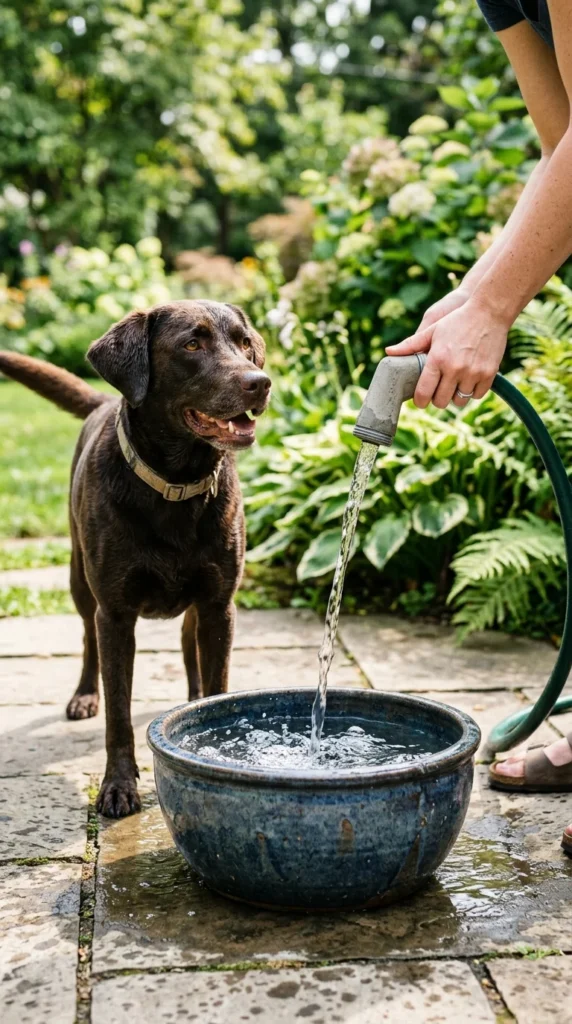
Polydipsia, or increased thirst, is a major red flag in senior pets. If you find yourself refilling the water bowl multiple times a day, it could be an early sign of kidney failure, diabetes, or Cushing’s disease. This is a physiological shift that requires immediate veterinary attention.
8. Frequent Accidents
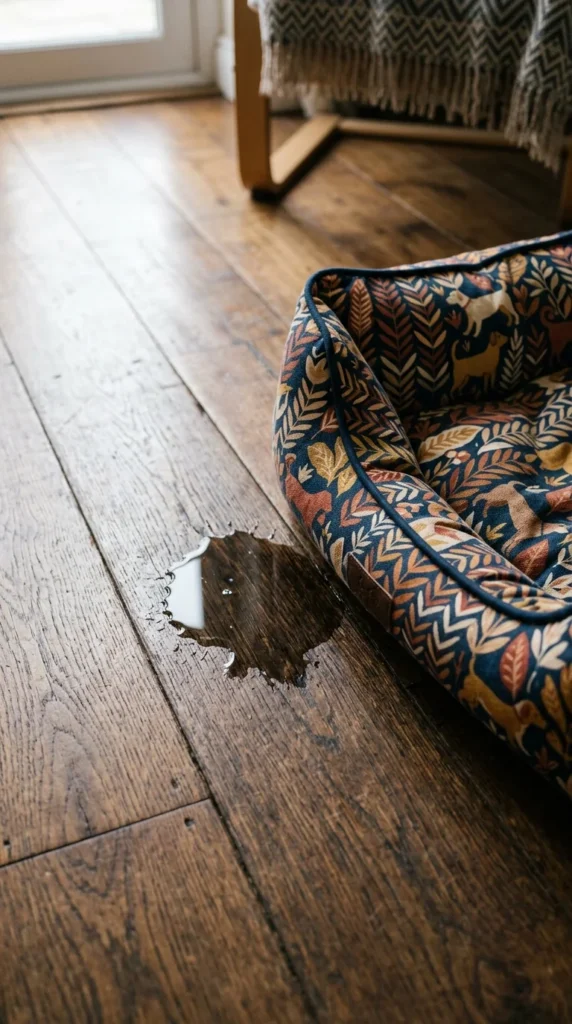
Even the most well-trained pets can start having accidents indoors as they age. This could be due to a loss of bladder control (incontinence), cognitive decline where they “forget” their training, or physical pain that makes it difficult for them to get outside in time.
9. Sleep Patterns
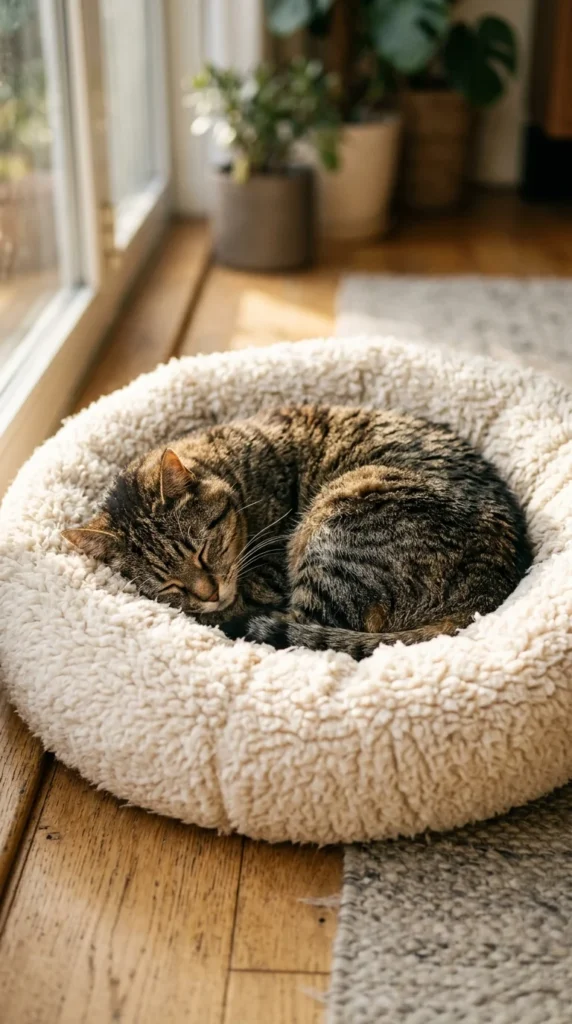
Senior pets tend to sleep much more than their younger counterparts. You may also notice a shift in their sleep-wake cycle; some pets develop “sundowning,” where they become restless or vocal at night and sleep all through the day. Deep sleep becomes more common as they tire more easily.
10. Hearing Loss

Does your dog no longer run to the door when you jingle your keys? Hearing loss is a gradual part of the aging process. It often starts with high-pitched sounds and progresses to a general loss of auditory perception. You may need to transition to hand signals for communication.
11. Behavioral Shifts
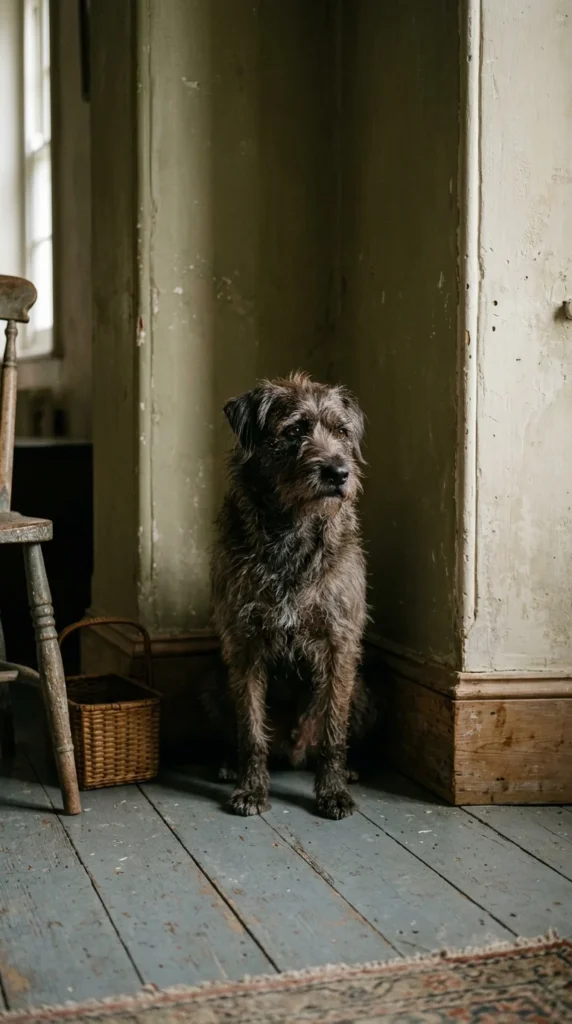
Aging can affect a pet’s personality. A once-social dog might become irritable or withdrawn, while a previously independent cat might become unusually clingy. These shifts are often responses to physical discomfort or the onset of Cognitive Dysfunction Syndrome (CDS).
12. Bad Breath
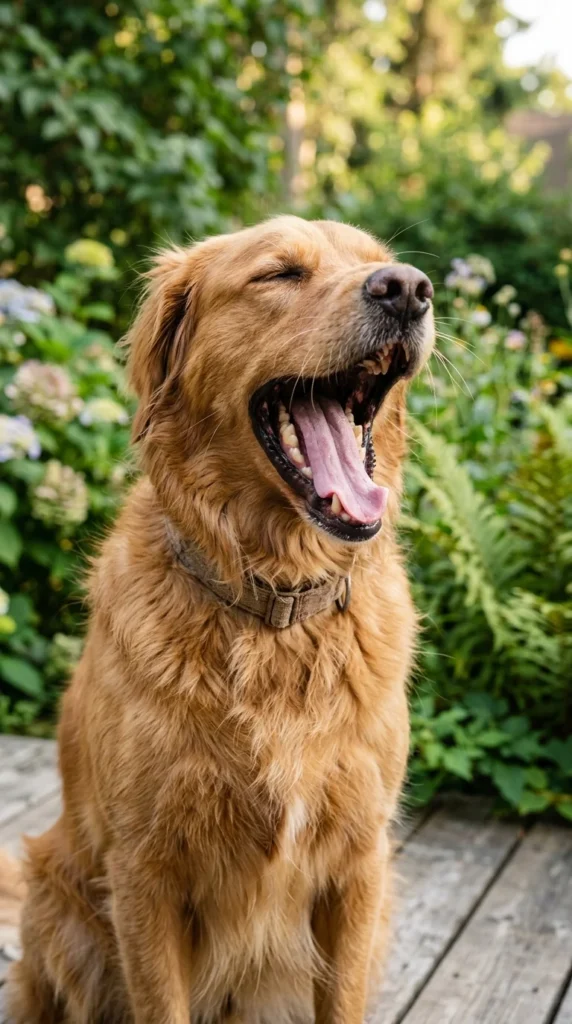
While “dog breath” is a common joke, extremely foul odors (halitosis) in senior pets are usually a sign of infection or systemic issues like kidney disease. When the kidneys can’t filter toxins, the breath can take on a metallic or ammonia-like scent.
13. Dull Coat

A healthy coat requires nutrients and regular grooming. Senior pets may develop a dull, brittle, or thinning coat. In cats, this is often because they have arthritis and can no longer reach certain spots to groom themselves. In dogs, it can be a sign of hormonal imbalances.
14. Loss of Muscle
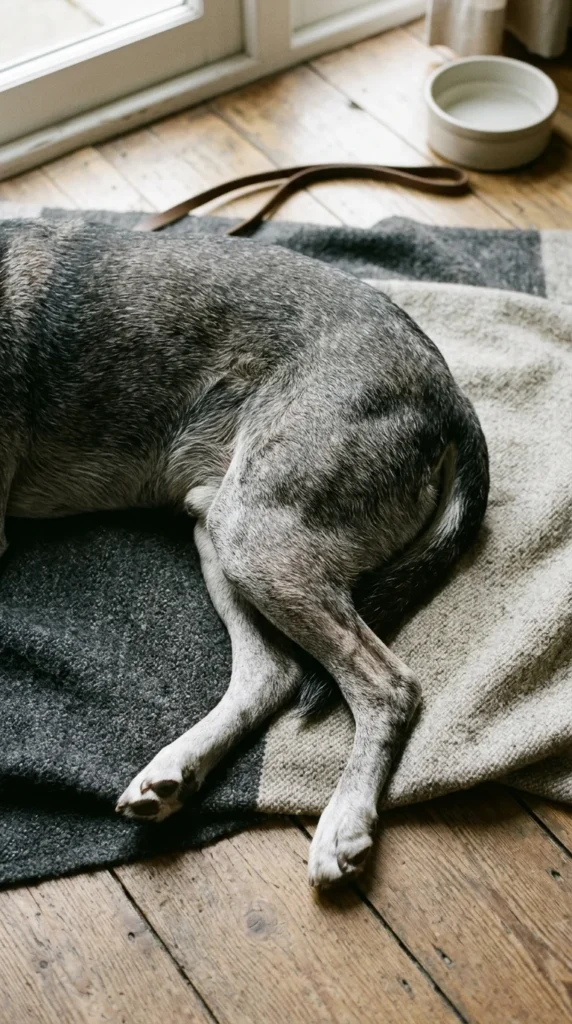
Muscle wasting, or sarcopenia, is a common hallmark of aging. You may notice your pet’s hind legs looking “skinnier” or their spine becoming more prominent. This loss of muscle mass makes it harder for them to maintain balance and strength, increasing the risk of falls.
15. Brittle Nails
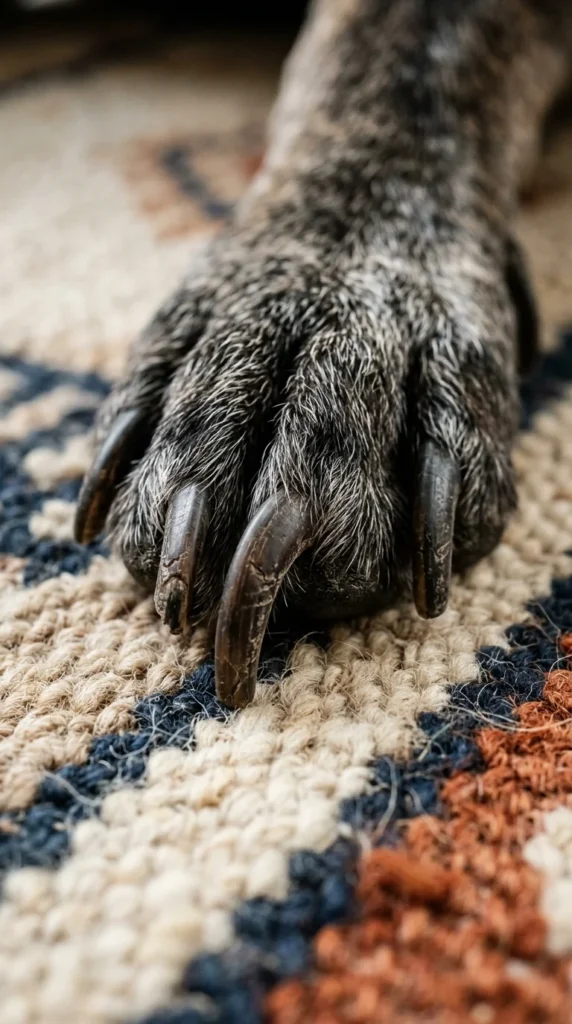
Because senior pets are often less active, their nails don’t wear down naturally on pavement or hard surfaces. Furthermore, aging can cause the nails to become thicker and more brittle, making them prone to splitting or growing into the paw pads.
16. Sensitivity to Cold
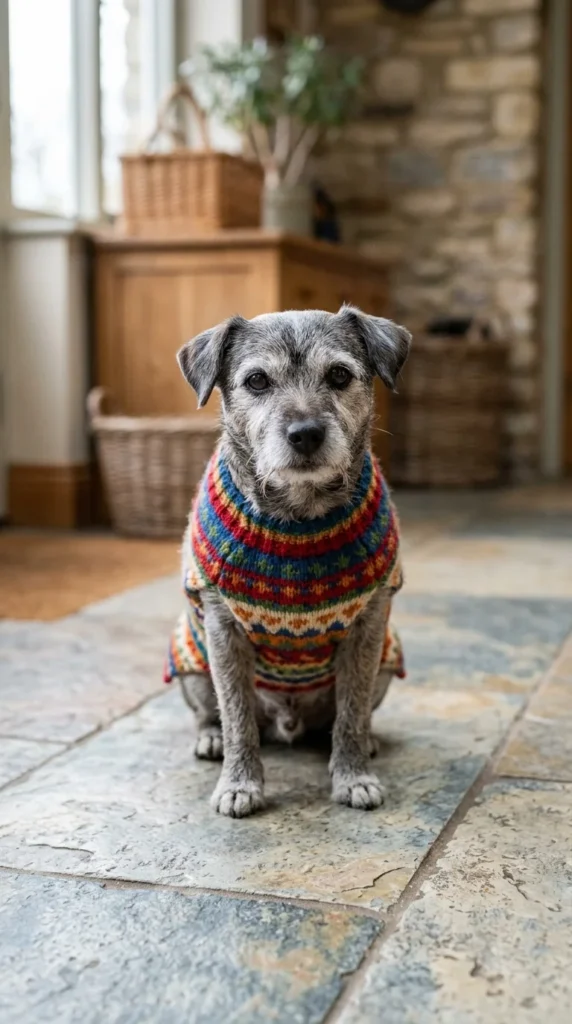
As pets age, they lose some of their ability to regulate body temperature. They may have less body fat and thinner coats, making them much more sensitive to drafts and cold weather. If your pet is shivering or seeking out heat vents, they likely need extra warmth.
17. Appetite Changes
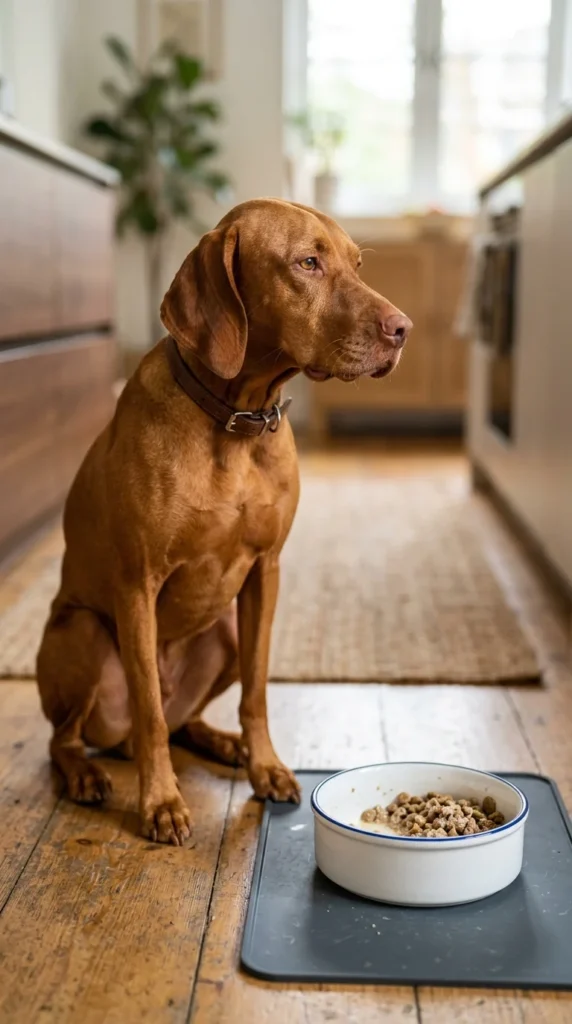
A senior pet’s sense of smell and taste can diminish, leading to a loss of interest in food. On the other hand, certain medications or diseases can cause an insatiable appetite. Any significant change in how much or how quickly your pet eats is a sign that their internal chemistry is shifting.
18. Vocalization
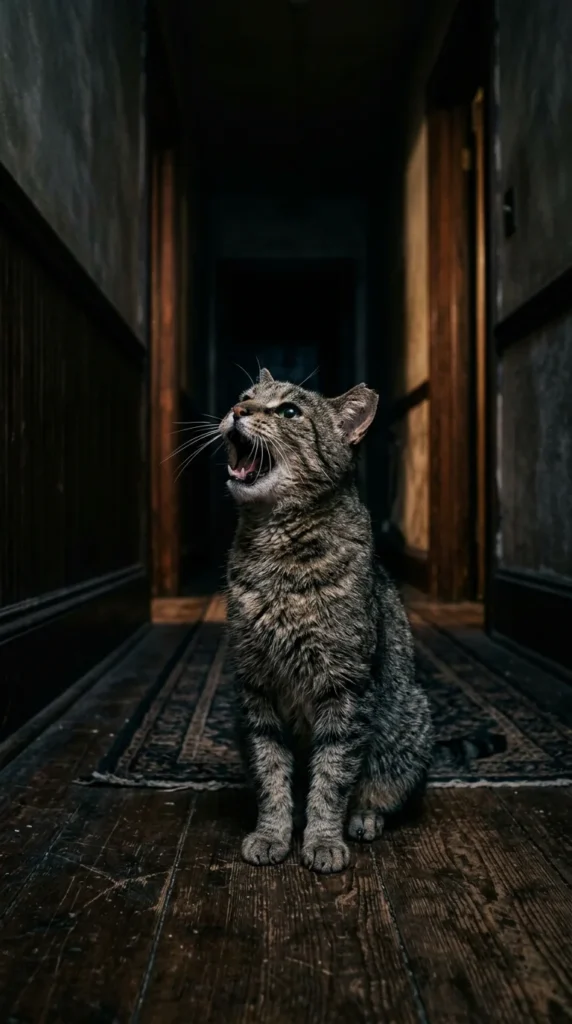
Increased vocalization, especially at night, is a common sign of disorientation or anxiety in senior pets. Cats may howl loudly in the middle of the night, while dogs may whine or bark at nothing. This is often linked to the confusion associated with “dementia-like” symptoms in animals.
19. Panting/Breathing
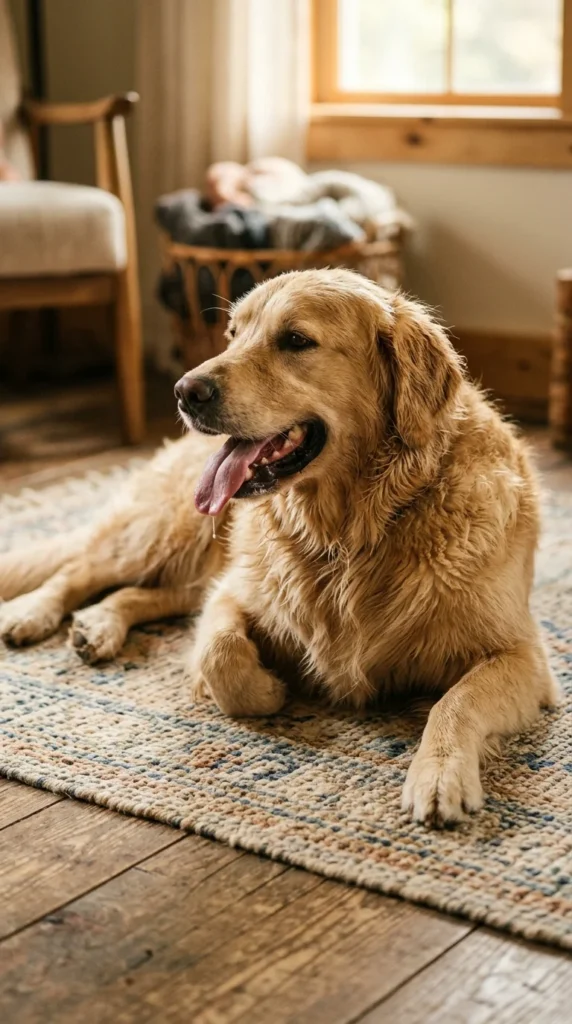
If your pet is panting while at rest or in a cool environment, it’s a sign of distress. In older pets, this can indicate heart disease, respiratory issues, or chronic pain. Labored breathing should never be ignored, as it suggests the body is working too hard to maintain oxygen levels.
20. Confusion
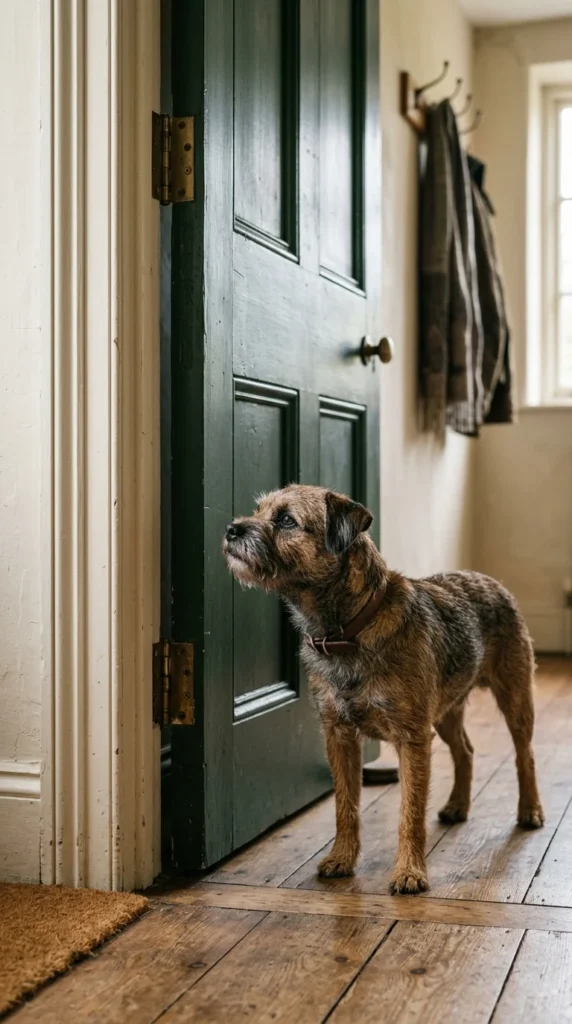
Cognitive Dysfunction Syndrome (CDS) is the pet equivalent of Alzheimer’s. You might see your pet getting “stuck” in corners, staring at walls, or failing to recognize familiar people. This disorientation is a heartbreaking but common part of the aging process for many senior animals.
21. Vision Loss
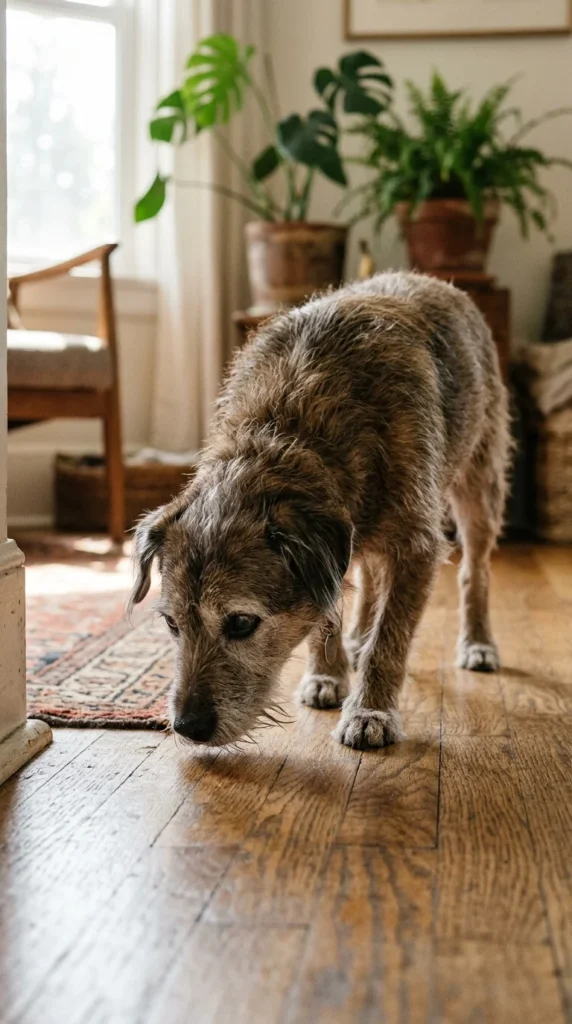
Beyond cloudiness, actual vision loss can occur due to glaucoma or retinal degeneration. You might notice your pet bumping into furniture that has been moved or being reluctant to move in low-light conditions. Their other senses, like smell, often sharpen to compensate.
22. Decreased Grooming
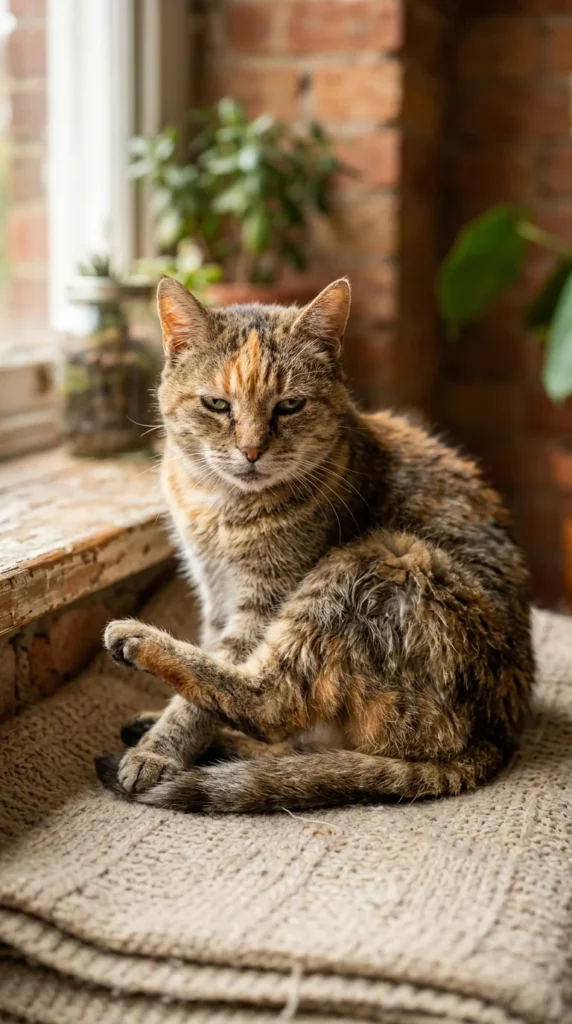
Cats are notoriously clean, so when a senior cat stops grooming, it’s a major indicator that something is wrong. Usually, it’s because the flexibility required to reach their back or hindquarters has been lost to arthritis. They may develop mats and skin infections as a result.