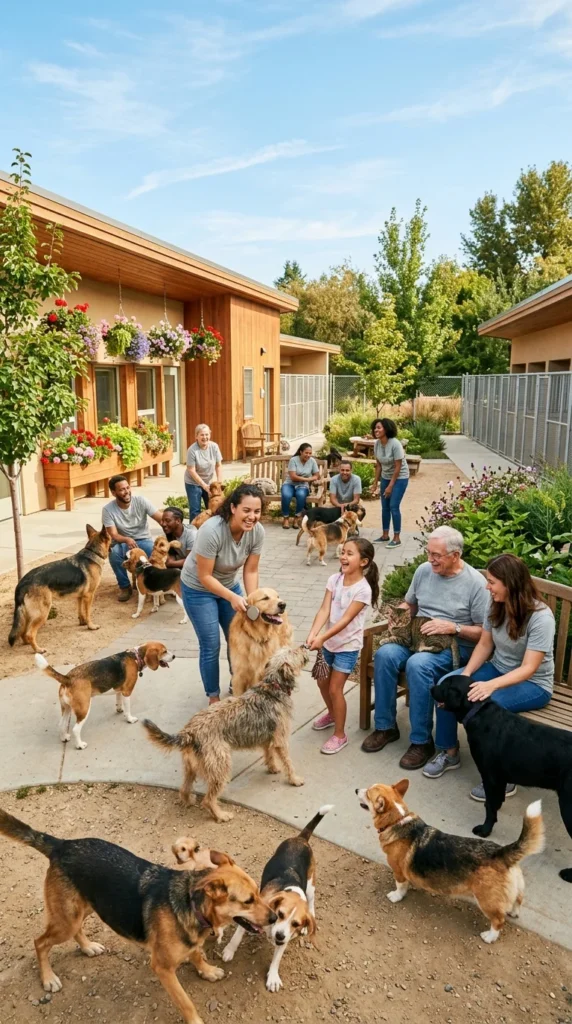
The heart of an animal shelter doesn’t beat through the machinery of its operation, but through the hands and hearts of its volunteers. Every day, thousands of individuals walk through the gates of shelters worldwide, setting aside their personal lives to offer comfort to the voiceless. These stories of compassion aren’t just about “saving” animals; they are about the profound transformation that occurs when humans and animals connect in their most vulnerable moments. Here are 23 inspiring stories of animal shelter volunteers that prove kindness truly knows no bounds.
1. Golden Years
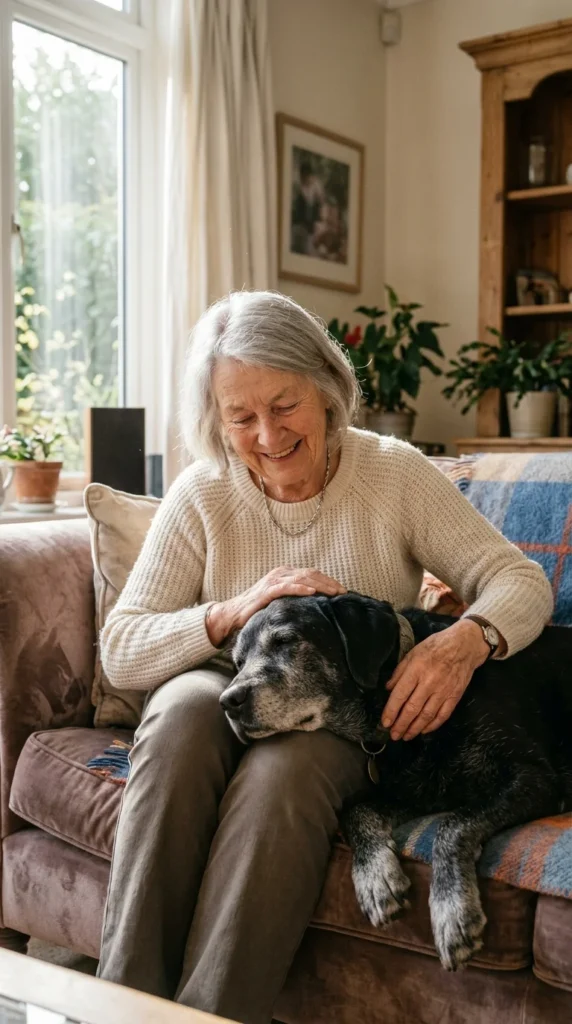
Evelyn, an 80-year-old retired teacher, noticed that the senior dogs at her local shelter often spent the longest time in kennels. She decided to become a “Senior Socializer.” Every Tuesday, she brings a soft blanket and a book. She doesn’t walk the dogs; she simply sits with them. One dog, Barnaby, had been surrendered after his owner passed away. He was shut down and refused to eat. Evelyn sat with him for four hours every day for two weeks, softly reading poetry. Eventually, Barnaby nudged her hand for a pet. That nudge was the start of his recovery, leading to his adoption by a family who saw his spark return because one woman refused to let him be lonely.
2. Silent Bonds
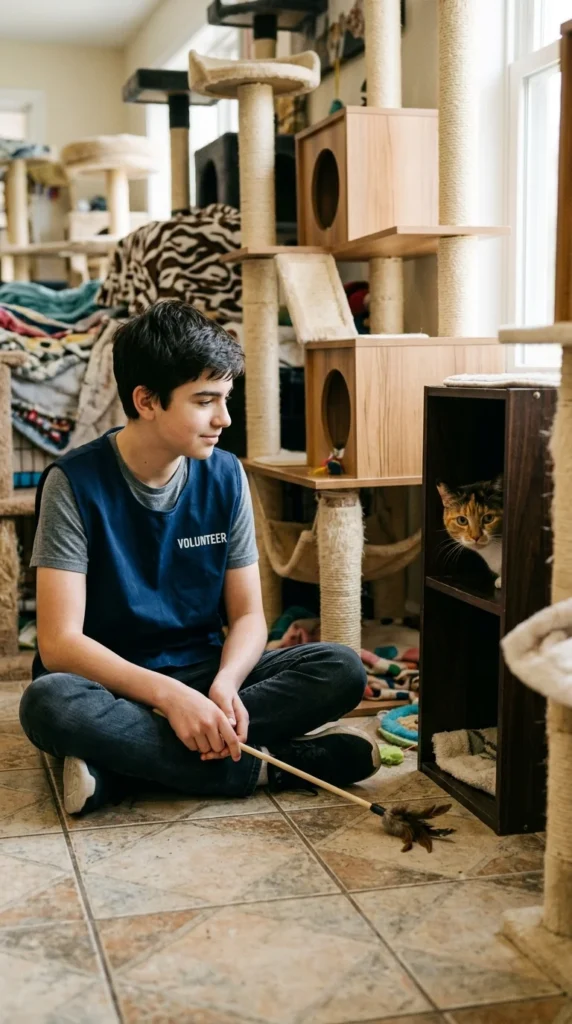
Marcus was a teenager struggling with social anxiety when he started volunteering in the cat wing. He found it difficult to talk to people, but he understood the fearful cats who hid in the back of their cages. He became a specialist in “the shy ones.” He spent months sitting silently in the “fractious” ward, never forcing interaction. His patience paid off when a semi-feral cat named Luna, who hadn’t let anyone touch her for six months, finally walked across the room and curled up in his lap. Marcus learned that you don’t need words to build trust, and his confidence with the cats eventually gave him the courage to speak more openly with his human peers.
3. Tiny Miracles
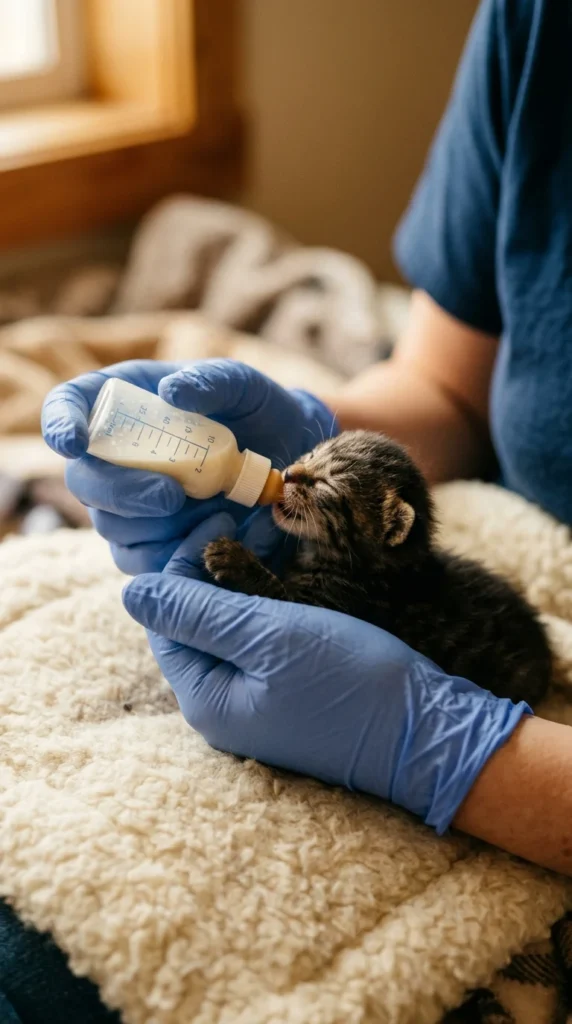
Sarah is a “Bottle Baby” foster. During kitten season, she wakes up every two hours, around the clock, to feed orphaned kittens who are only days old. One night, a litter of three was dropped at the night drop-box, shivering and dehydrated. Sarah stayed awake for 48 hours straight, using a heartbeat simulator and warm water bottles to keep them alive. She describes the moment they finally “latched” on the bottle as a miracle. Her dedication ensured that three lives, which would have ended in a cold box, instead grew into playful, healthy cats who now bring joy to three different families.
4. Temporary Home
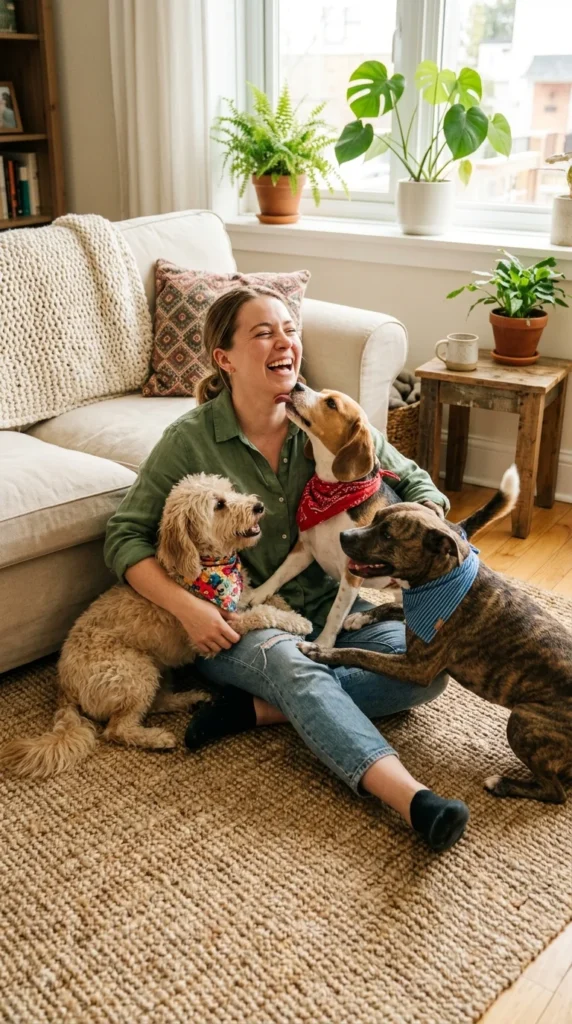
The Miller family decided to become “foster fails” in the best way possible. They take in the dogs that are too stressed for the kennel environment. Over five years, they have fostered 50 dogs. Their most famous guest was “Tank,” a 100-pound Mastiff who was terrified of doorways. The Millers spent three weeks using trails of bacon to help Tank navigate their house. By the time Tank was adopted, he was a confident explorer. The Millers say the hardest part is saying goodbye, but they know that every “goodbye” means they have space to save another life.
5. Picture Perfect
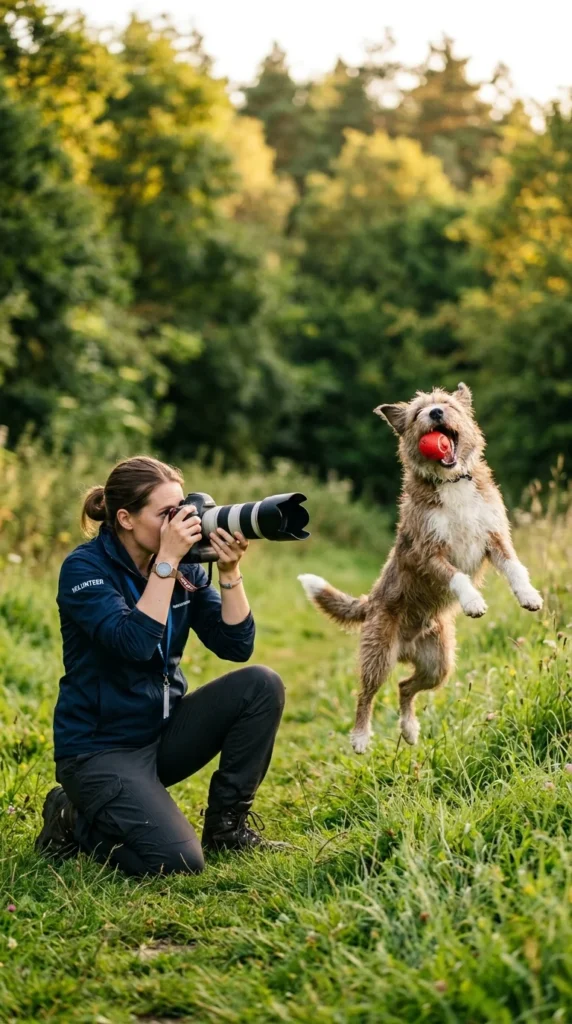
David realized that bad photos were keeping great dogs from being noticed online. A professional photographer by trade, he began spending his Saturdays taking “glamour shots” of the long-term residents. He brought props—bow ties, tutus, and flower crowns. One dog, a plain black dog named Shadow, had been passed over for a year. David took a photo of Shadow catching a bubble with a look of pure joy. The photo went viral on social media, and Shadow was adopted within 48 hours. David proved that sometimes, all a shelter pet needs is to be seen in the right light.
6. Morning Runs
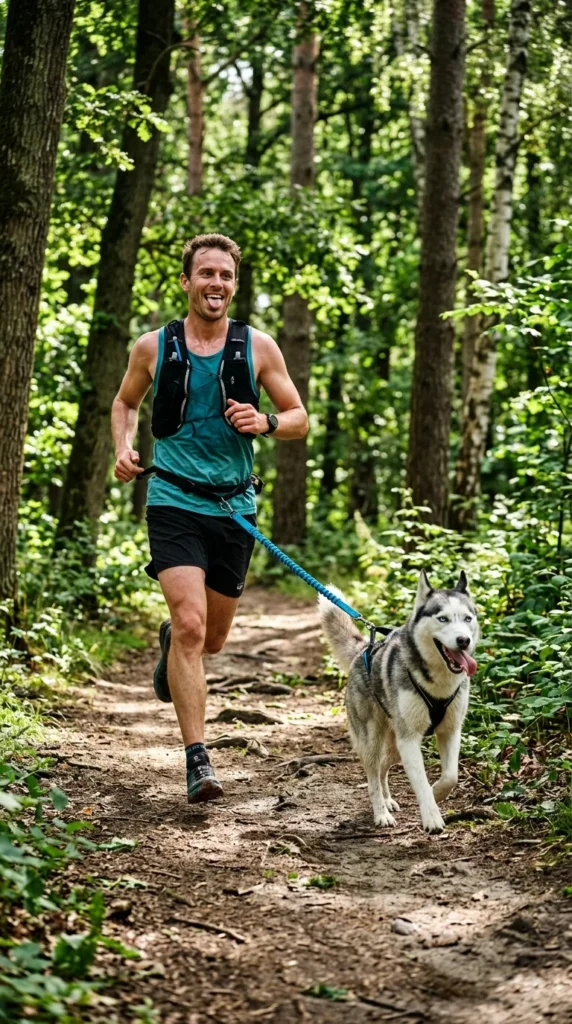
Jason, a marathon runner, felt guilty passing the shelter on his morning routes. He started the “Shelter Run Club,” where local runners “check out” high-energy dogs for their morning miles. His favorite partner was Cooper, a frantic Border Collie mix who used to pace his kennel until his paws bled. After six months of running five miles every morning with Jason, Cooper’s anxiety vanished. He became the most well-behaved dog in the shelter and was adopted by a local hiking enthusiast who saw his stamina on the trail.
7. Spa Day
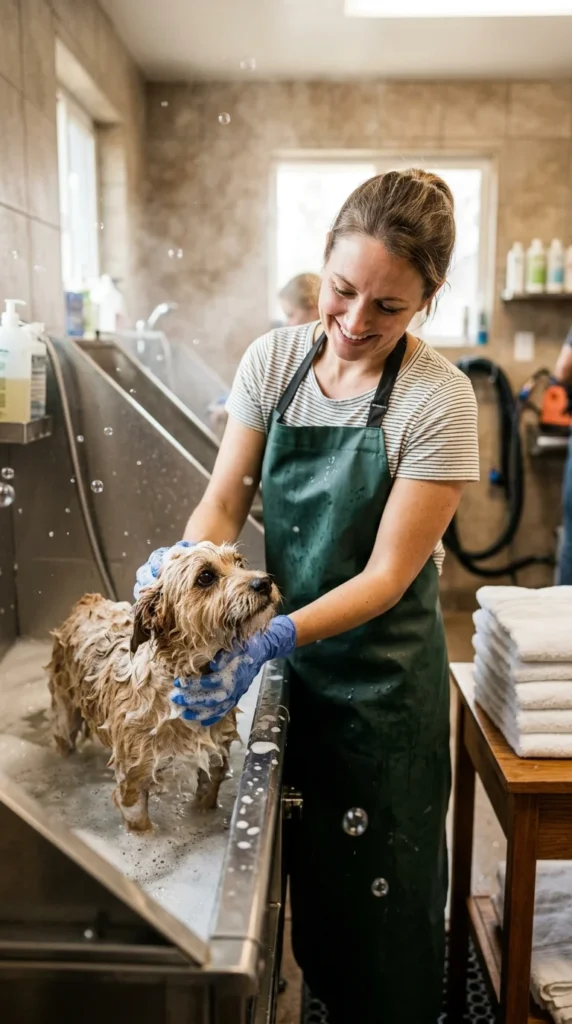
When “Buster” arrived at the shelter, he was so matted he could barely walk. Maria, a retired groomer, spent six hours slowly shaving away layers of filth and burrs. As the weight of the fur came off, a different dog emerged. Maria didn’t just groom him; she talked to him the whole time, soothing his tremors. By the end of the day, Buster wasn’t just clean; he was transformed. Maria’s “Spa Days” help dogs feel comfortable in their own skin, which is often the first step toward showing their true personality to adopters.
8. New Skills
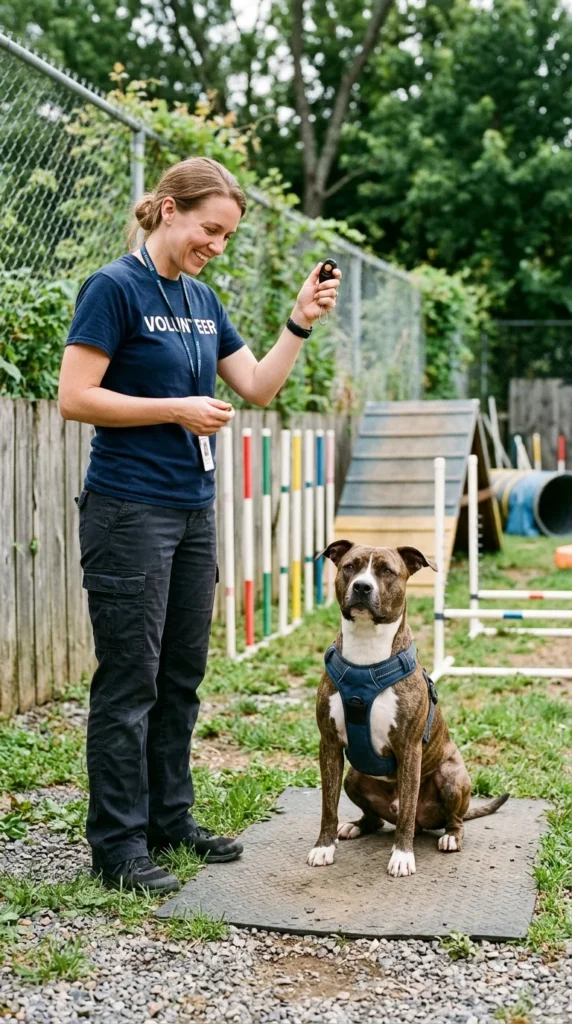
Leah specializes in “behavioral enrichment.” She works with the “difficult” dogs—the ones who jump too much or don’t know their own strength. She worked with a dog named Duke who had been returned three times for being “unruly.” Leah spent weeks teaching him “place” and “leave it.” She recorded videos of his progress to show potential owners how smart he was. Her dedication paid off when a couple looking for a training challenge fell in love with Duke’s focus. Leah’s work ensures that “unadoptable” dogs get a second, third, or even fourth chance at a forever home.
9. Rabbit Whisperer
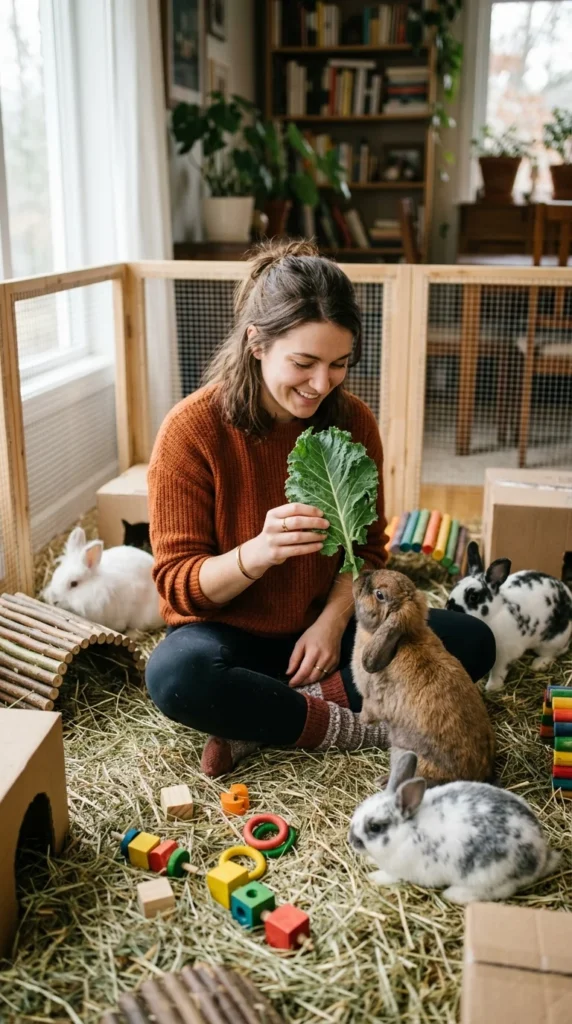
Shelters aren’t just for cats and dogs. Chloe noticed the rabbits often sat in small cages with little interaction. She created a “Rabbit Socialization” program, bringing in fresh herbs and building cardboard castles for them. She learned the subtle language of “binkies” and “nose twitches.” By giving these small animals a voice and a space to play, she helped the shelter increase its rabbit adoption rate by 40%. Chloe showed that even the smallest creatures deserve a life full of enrichment and play.
10. Behind Scenes
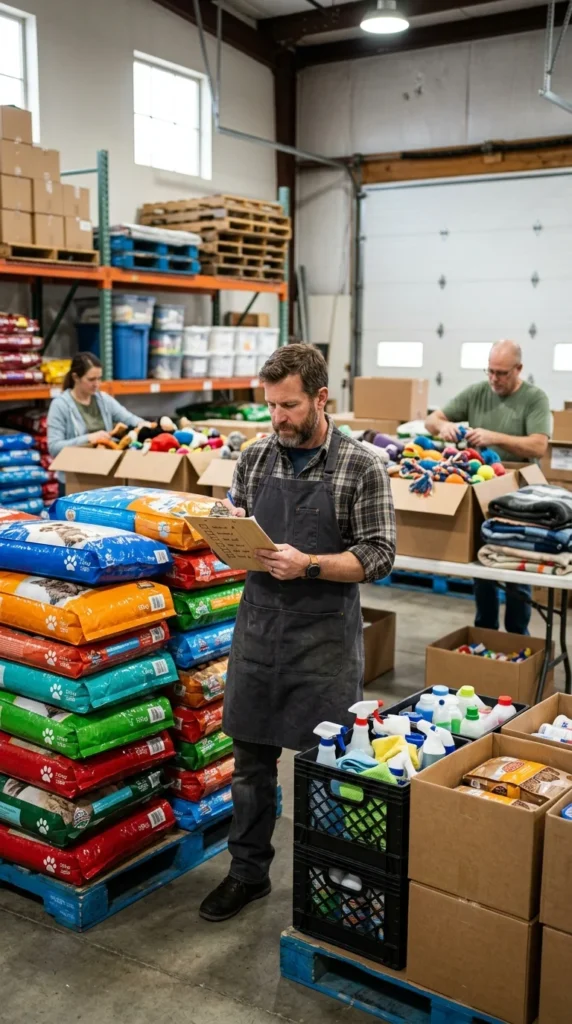
Not all heroes wear capes; some wear clipboards. Robert didn’t feel comfortable handling the animals, but he was a genius at logistics. He overhauled the shelter’s donation system, ensuring that food didn’t expire and that supplies were distributed efficiently. Because of Robert’s behind-the-scenes work, the shelter saved thousands of dollars in waste, which was redirected into a life-saving medical fund for injured animals. Robert’s story is a reminder that every skill set is valuable in the mission of kindness.
11. Freedom Ride
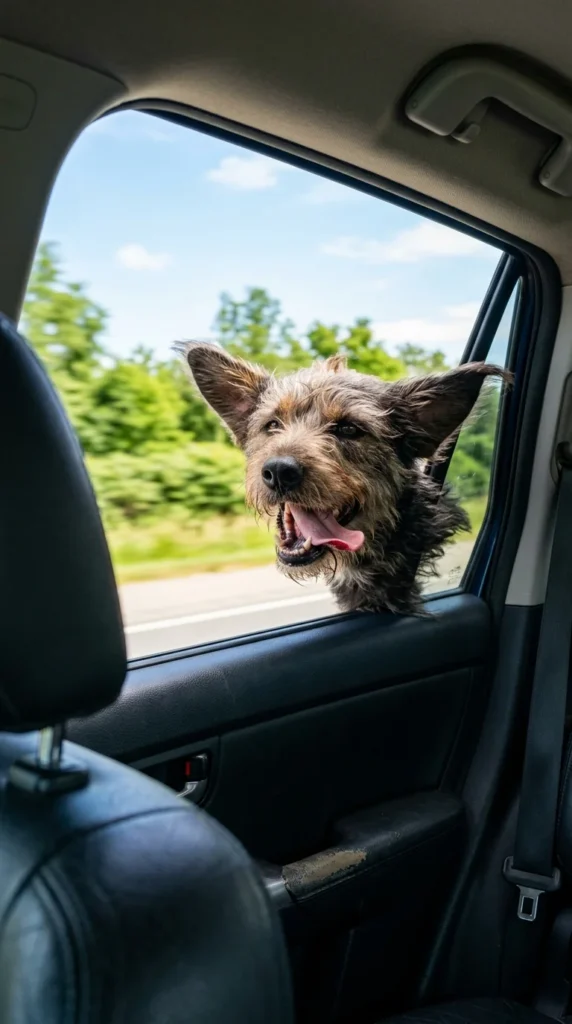
Sarah is a “Transport Volunteer.” She drives long distances to move animals from high-kill shelters to “no-kill” rescues where they have a better chance of adoption. Her most memorable trip was a 10-hour drive with an old Beagle named Pops. Pops had spent five years on a chain. During the drive, Sarah stopped at a park and let Pops touch grass for the first time. She says the look of wonder on his face as he sniffed the wildflowers made every mile worth it. These “Freedom Rides” are the bridge between a grim past and a bright future.
12. Resilience
When “Wheeler,” a dog with a spinal injury, arrived, many thought he was a “lost cause.” But Amy, a physical therapist, saw his spirit. She spent her weekends doing hydrotherapy with him in a small pool and raised money for a custom wheelchair. She didn’t just care for him; she taught him how to be a dog again. Watching Wheeler zoom across the grass in his “wheels,” chasing a ball just like any other dog, inspired the entire community. Amy’s story is about seeing the “ability” in “disability.”
13. Literacy Lessons
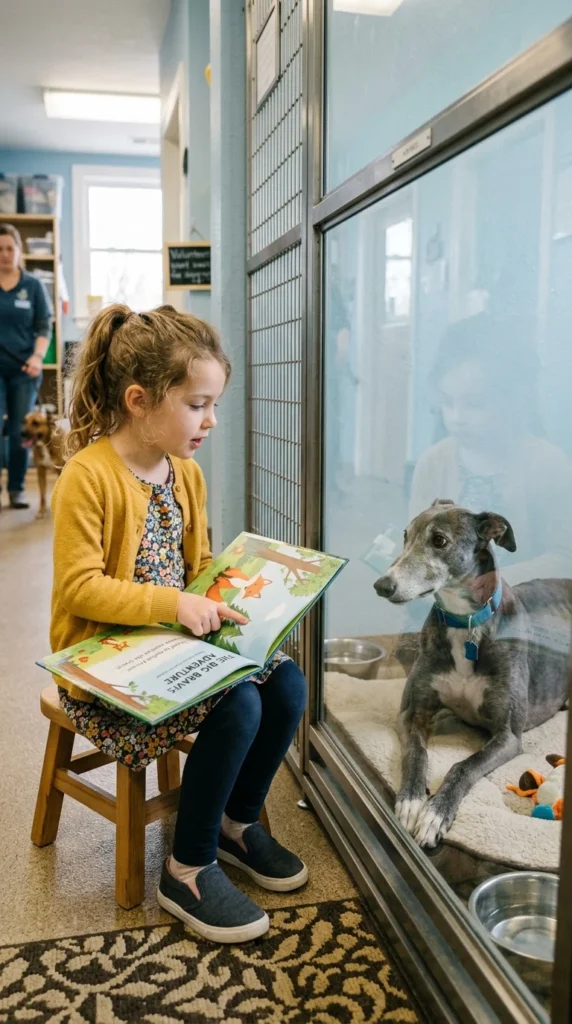
The “Rescue Readers” program, started by a local librarian named Mrs. Gable, pairs struggling young readers with shelter dogs. The dogs provide a non-judgmental audience, and the children’s voices help calm the dogs. One boy, Leo, who had a stutter, found his voice while reading to a Great Dane named Tiny. As Tiny relaxed, so did Leo. The bond they formed helped Leo gain confidence in school, and it helped Tiny become socialized enough to find a home. This story highlights the beautiful symmetry of healing that happens when we help animals.
14. Storm Heroes

When a massive hurricane threatened the coast, the shelter had to be evacuated in under 12 hours. Dozens of volunteers showed up at midnight with SUVs and vans. They worked through the lashing rain, moving 200 animals to safety inland. One volunteer, Carlos, stayed in the back of a truck with five nervous dogs, singing to them to keep them calm during the bumpy ride. Not a single life was lost. These volunteers proved that in the face of disaster, the community’s first instinct was to protect those who couldn’t protect themselves.
15. Final Comfort
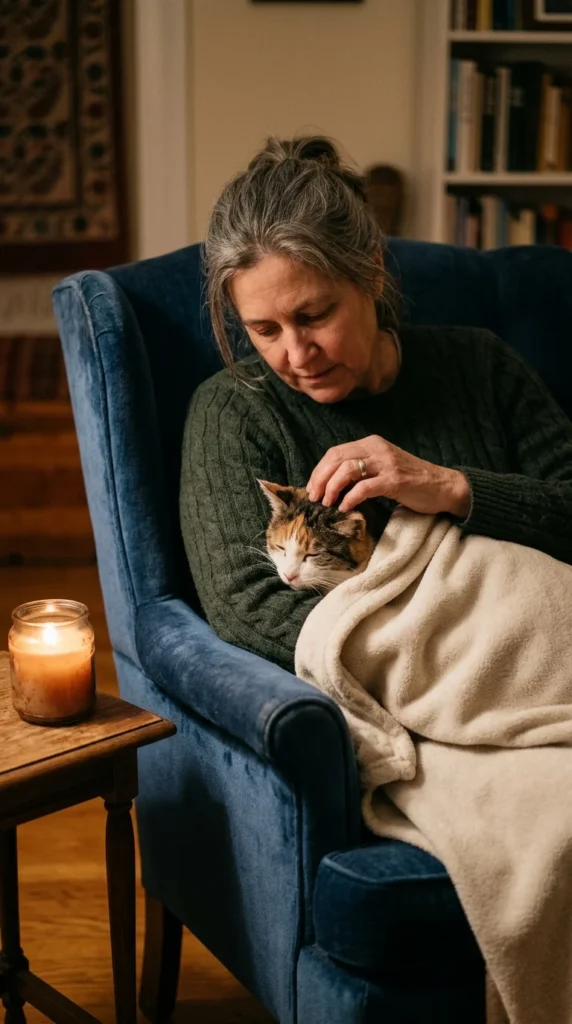
Hospice volunteering is perhaps the most difficult role. Janet specializes in “Fospice”—providing a home for terminal animals so they don’t have to die in a kennel. She took in “Old Man Jenkins,” a cat with terminal cancer. He lived with her for three months, sleeping on a heated bed and eating tuna every day. Janet says her goal is to make sure their last memories are of love, not cold concrete. Her kindness ensures that every life, no matter how short, ends with dignity and warmth.
16. Matchmaking
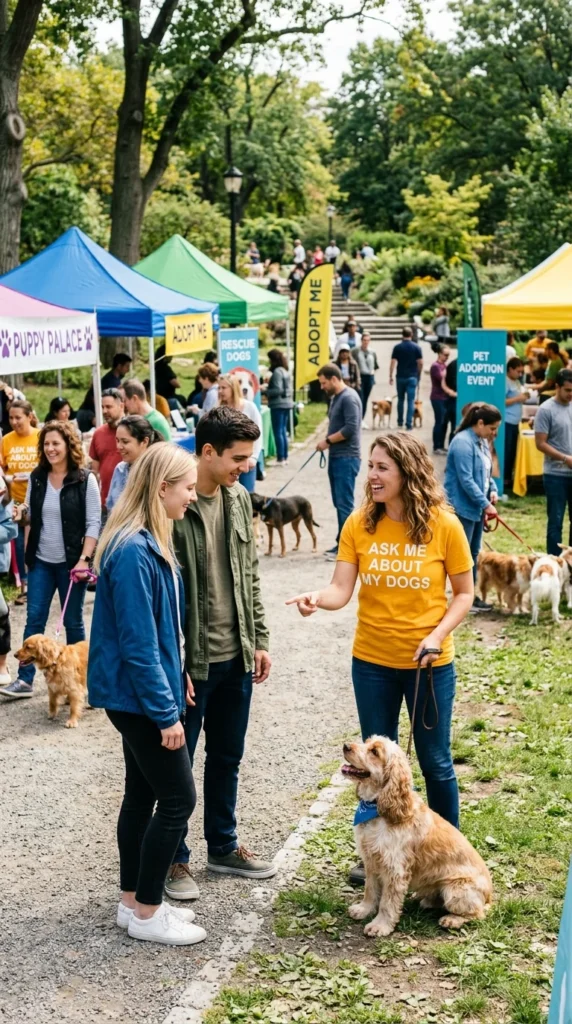
Brenda has an uncanny ability to match the right dog with the right person. She doesn’t just look at the “cute factor”; she looks at lifestyle. She once spent three hours talking a high-energy athlete out of adopting a senior bulldog and toward a young Vizsla mix. Both the athlete and the bulldog (who went to a quiet retiree) ended up in perfect situations. Brenda’s “matchmaking” prevents returns and ensures that the bond between pet and owner is built to last a lifetime.
17. Mental Play
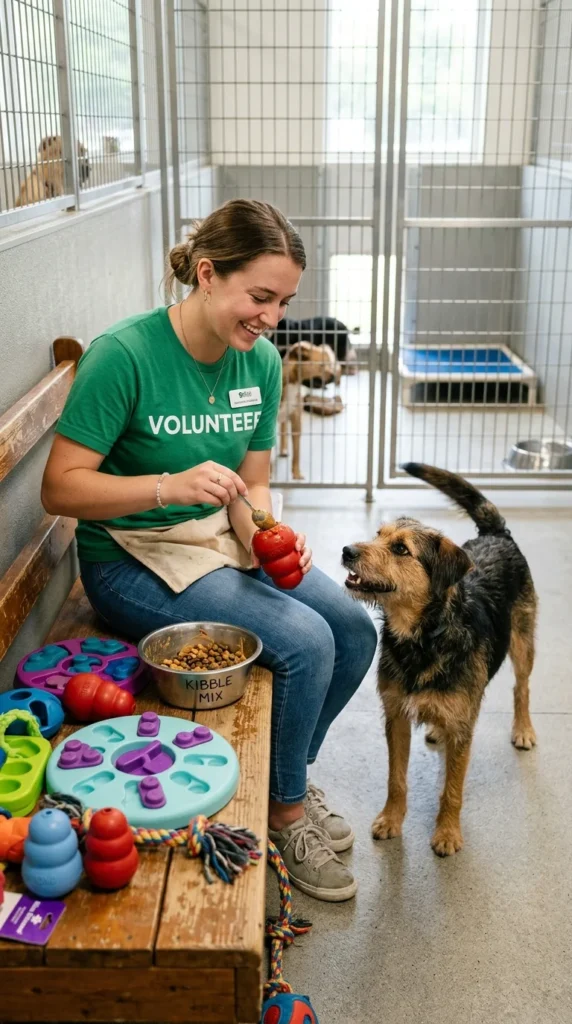
Shelter life can be incredibly boring, leading to “kennel craze.” Tom became the “Enrichment King.” He spends his time creating “brain games” for the dogs—frozen treats, scent work trails, and puzzle feeders. He noticed that when the dogs’ minds were busy, their stress levels plummeted. A dog named Sparky, who used to bark incessantly, became calm and focused after Tom introduced “scent of the day” sessions. Tom showed that mental health is just as important as physical health for shelter residents.
18. Neighborhood Help
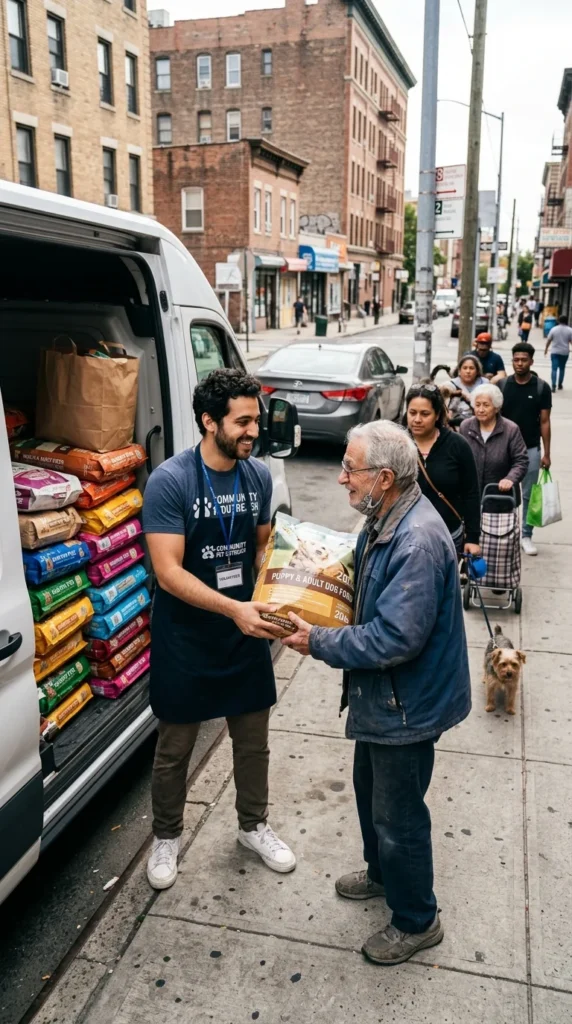
Kindness extends beyond the shelter walls. Miguel started the “Community Pet Pantry” to help families in financial crisis keep their pets. By providing free food and low-cost vaccinations, Miguel’s team prevented hundreds of “poverty surrenders”—cases where people love their pets but simply can’t afford them. One woman cried when Miguel delivered a bag of cat food, saying it meant she didn’t have to choose between her dinner and her cat’s. Miguel’s work keeps families together.
19. Digital Outreach
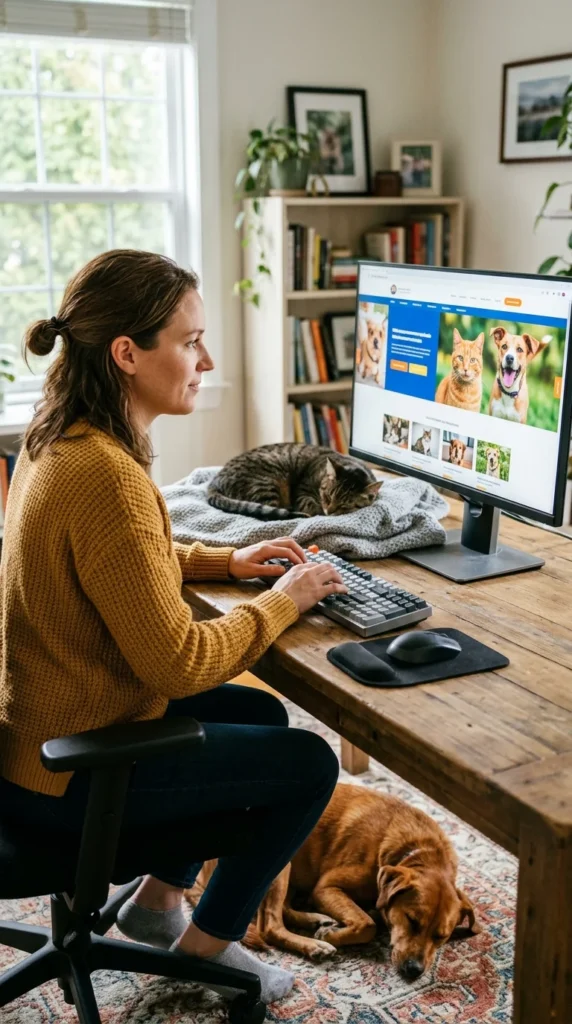
Elena used her skills as a social media manager to give the shelter a digital voice. She started “Feature Fridays,” where she wrote long-form, touching stories about the long-term residents. Her storytelling turned “anonymous” shelter animals into local celebrities. When she wrote about “Homer,” a blind dog who had been at the shelter for two years, the post was shared 5,000 times. Homer had 20 adoption applications by Monday morning. Elena proved that a keyboard could be just as powerful as a leash in saving lives.
20. Wild Hearts
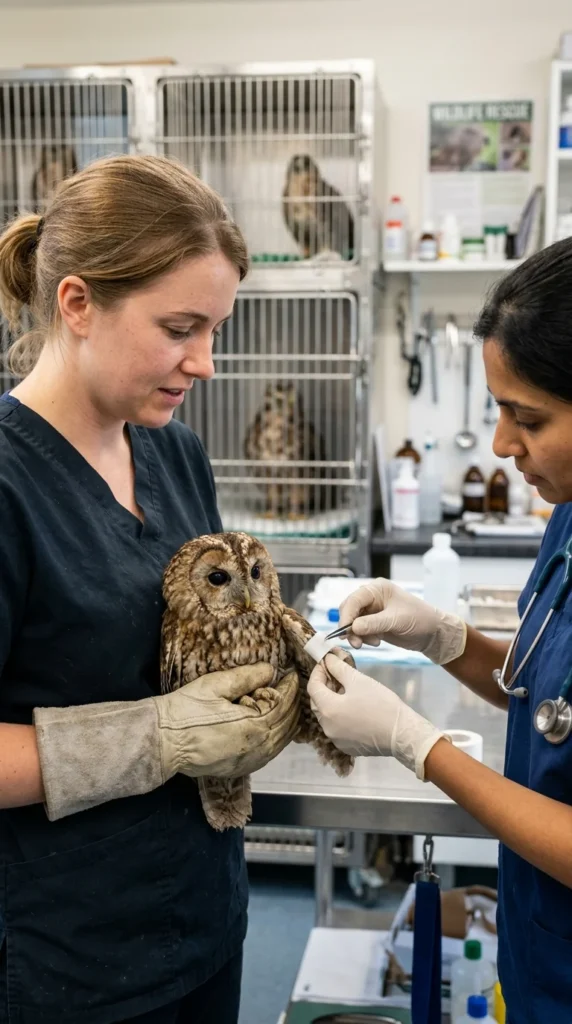
Sometimes, the “shelter” is for the wild ones. Rebecca volunteers at a wildlife rehab center attached to the local humane society. She has raised everything from orphaned squirrels to injured hawks. Her favorite story is of a red-tailed hawk she helped release back into the wild after three months of wing therapy. As the hawk soared away, Rebecca felt a profound sense of connection to the natural world. Her work reminds us that all life, whether domestic or wild, is precious and worth fighting for.
21. Working Whiskers

Not every cat wants to live on a sofa. The “Barn Cat” program, led by a volunteer named Gary, finds homes for “unsocial” cats who prefer the outdoor life. Gary vets the farms to ensure the cats will be fed and cared for in exchange for pest control. He placed a tough tomcat named “General” on a local dairy farm. A year later, the farmer called to say General was his best friend and had “retired” to the porch. Gary’s work provides a purposeful life for cats who don’t fit the traditional pet mold.
22. Healing Touch
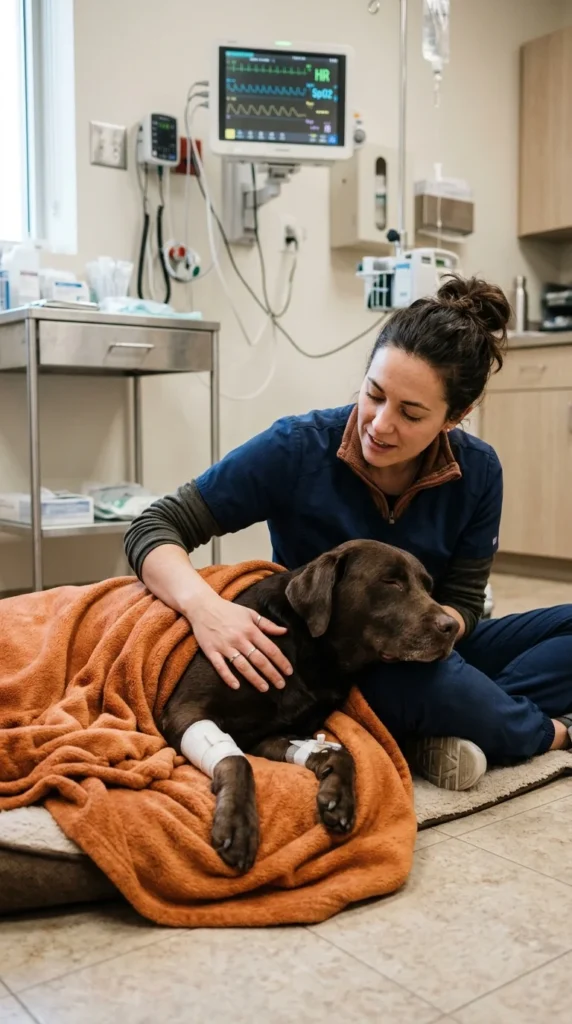
Post-surgery can be a terrifying time for a shelter animal. “Recovery Buddies” like Sam stay with the animals as they wake up from spay/neuter surgeries or more serious procedures. Sam remembers a dog named “Lucky” who had to have a leg amputated. When Lucky woke up, he was panicked and disoriented. Sam stayed with him for six hours, hand-feeding him bits of chicken and keeping him still so he wouldn’t hurt himself. Sam’s presence turned a traumatic event into a moment of supported healing.
23. Lifelong Dedication
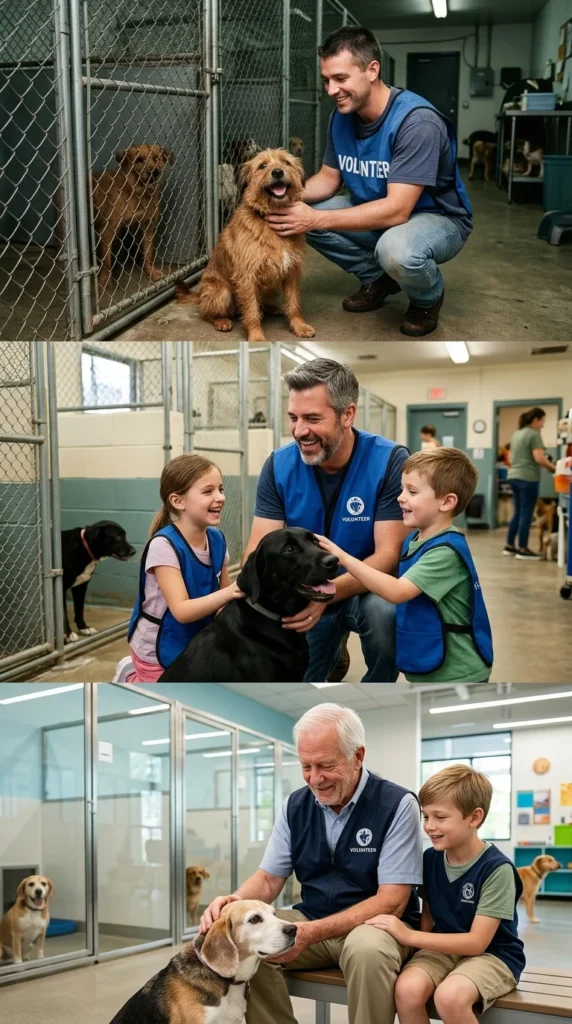
Finally, there is the story of Arthur, who has volunteered for 40 years. He has seen the shelter grow from a small, dark building to a state-of-the-art facility. He has walked an estimated 15,000 miles on the shelter grounds. Arthur says that people often ask him if it’s sad. He always smiles and says, “It’s only sad if no one shows up. As long as we are here, there is hope.” Arthur’s lifelong dedication is a testament to the fact that kindness isn’t a phase; it’s a way of being that can define a whole life.
These 23 stories are just a glimpse into the incredible world of animal shelter volunteering. Each act of kindness, no matter how small—a walk, a photo, a bowl of food, or a quiet moment of companionship—creates a ripple effect that changes the world for an animal in need. If these stories inspire you, remember that your local shelter is always looking for its next hero. You don’t need special skills to start; you just need a heart willing to help.