
Being a pet parent is one of the most rewarding experiences in life, but there is no denying that it comes with a significant price tag. From premium kibble to unexpected trips to the emergency vet, the costs can spiral quickly. However, loving your pet shouldn’t have to mean draining your savings account.
Smart pet ownership is about finding the balance between high-quality care and savvy financial decisions. By focusing on preventative health, being resourceful with DIY solutions, and shopping strategically, you can save thousands of dollars over the lifetime of your pet without ever compromising their happiness or well-being. Here are 23 proven budget pet care tips to help you and your furry friend thrive.
1. Bulk Buying
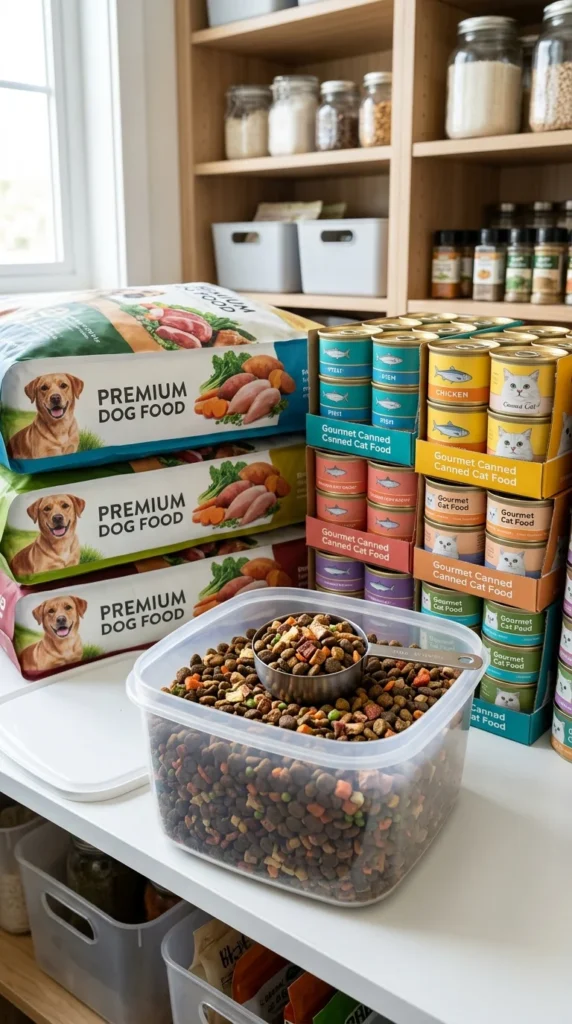
Purchasing pet food and litter in the largest quantities available is one of the easiest ways to lower your monthly expenses. The price per pound drops significantly when you move from a 5-pound bag to a 30-pound bag. To keep bulk food fresh and prevent pests, invest in an airtight rolling bin. This ensures the nutritional integrity of the food remains intact until the very last scoop.
2. Preventative Care
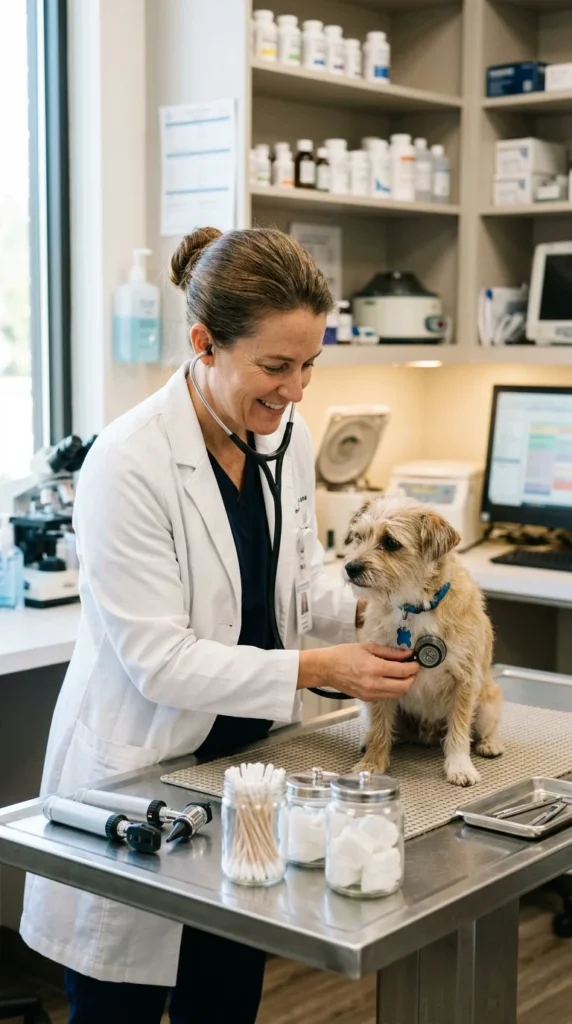
The old saying “an ounce of prevention is worth a pound of cure” is the golden rule of pet finances. Regular check-ups might feel like an expense, but they allow vets to catch issues like heartworm, kidney disease, or tumors early. Treating a minor condition is always cheaper and less stressful than managing a full-blown medical crisis that requires surgery or hospitalization.
3. DIY Grooming
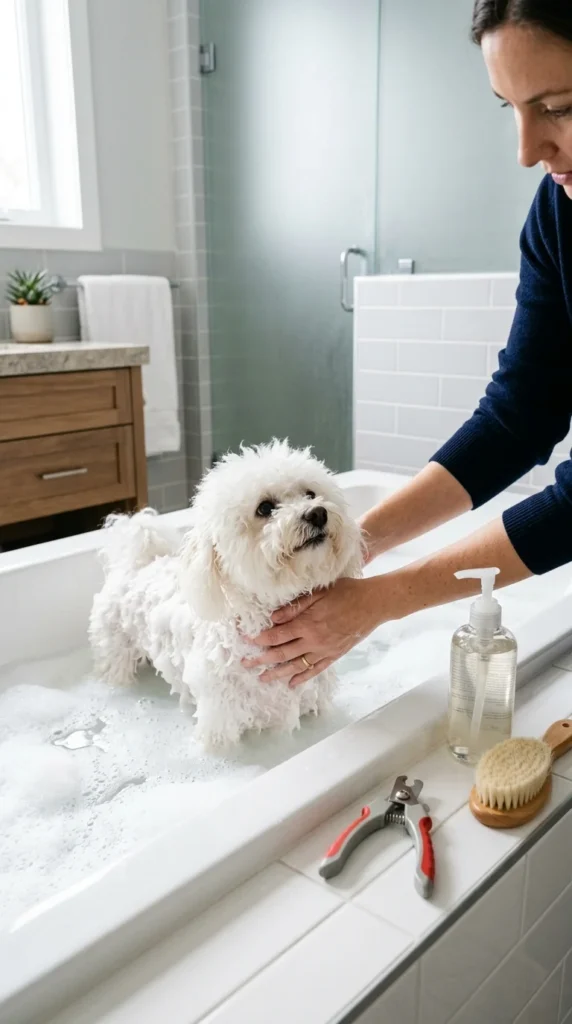
Professional grooming for a medium-sized dog can cost upwards of $70 per session. By learning to bathe your pet, trim their nails, and brush their coat at home, you can save hundreds of dollars a year. Invest in a high-quality pair of clippers and a deshedding tool; these tools will pay for themselves within two or three uses. Plus, grooming at home is a fantastic bonding experience for you and your pet.
4. Dental Hygiene
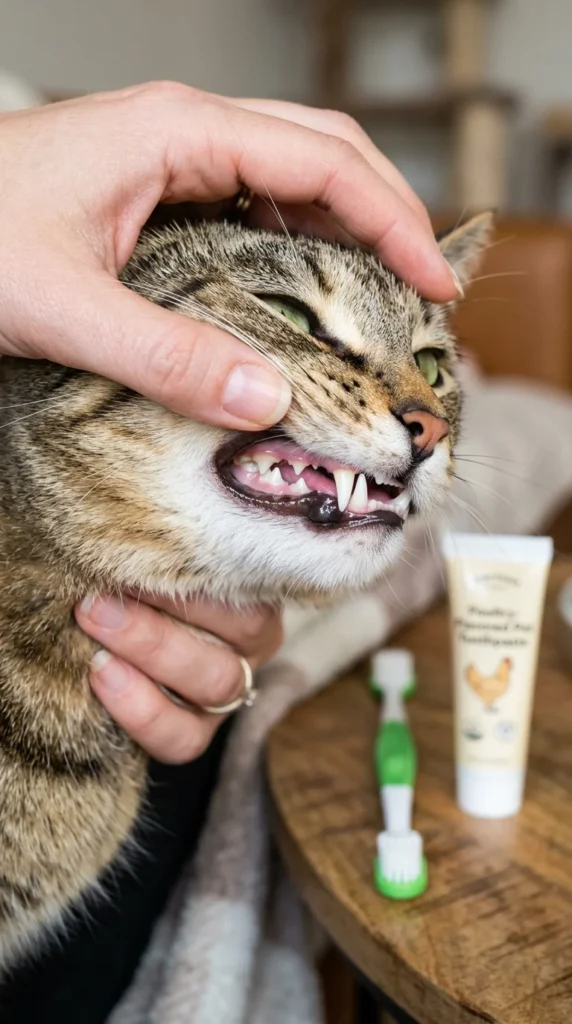
Dental disease is one of the most common—and most expensive—ailments in cats and dogs. Neglected teeth lead to infections that can spread to the heart and kidneys. Brushing your pet’s teeth just three times a week can prevent the need for professional veterinary dental cleanings, which often require expensive anesthesia.
5. Quality Diet

It may seem counterintuitive to spend more on “premium” food to save money, but cheap fillers in low-grade food often lead to obesity, allergies, and poor coat health. High-quality food is more nutrient-dense, meaning you actually feed your pet less per meal, and you’ll likely see fewer vet visits for diet-related health issues over time.
6. Pet Insurance

Pet insurance is the ultimate hedge against financial ruin. While it is a monthly premium, it covers the “what-ifs”—broken bones, swallowed objects, or chronic illnesses like diabetes. Having a policy in place means you will never have to make a heartbreaking decision about your pet’s life based solely on your bank balance.
7. Vaccine Clinics
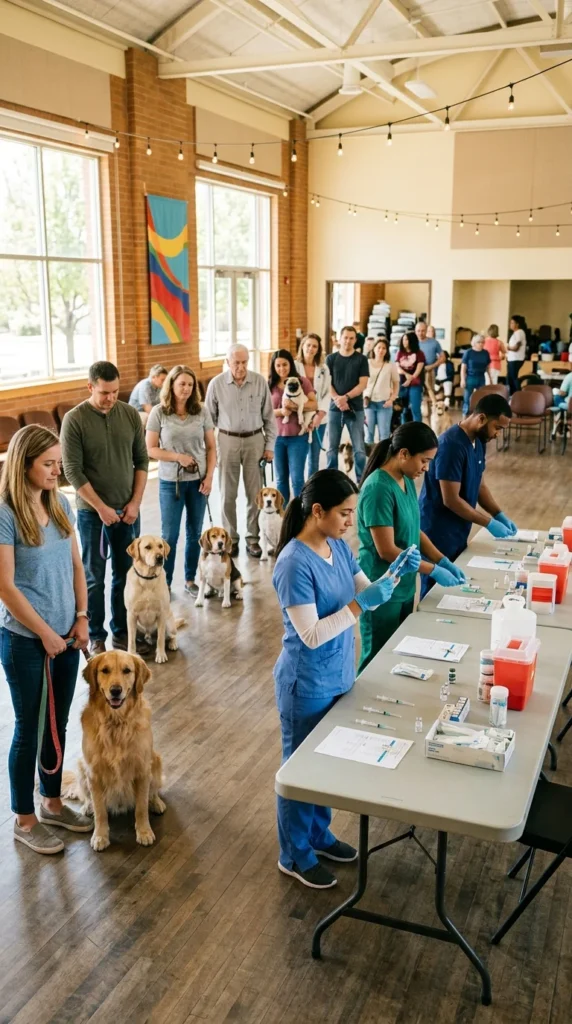
Instead of getting every single booster at a private veterinary office, look for local low-cost vaccine clinics. Many non-profits and local shelters hold these events monthly. You receive the exact same high-quality vaccines for rabies, distemper, and parvo at a fraction of the office-visit price.
8. Homemade Treats

Store-bought treats are often overpriced and loaded with preservatives. You can make healthy treats at home using simple ingredients like pumpkin puree, peanut butter, oats, and eggs. Dehydrating thin slices of sweet potato or freezing low-sodium chicken broth in ice cube trays provides delicious, low-cost snacks that your pet will adore.
9. Regular Exercise

Obesity is a leading cause of expensive health problems in pets, including arthritis and heart disease. The best way to keep your pet’s weight down is free: exercise. Long walks, games of fetch, or laser pointer sessions for cats keep their joints fluid and their hearts strong, reducing the need for long-term medications as they age.
10. Toy Rotation
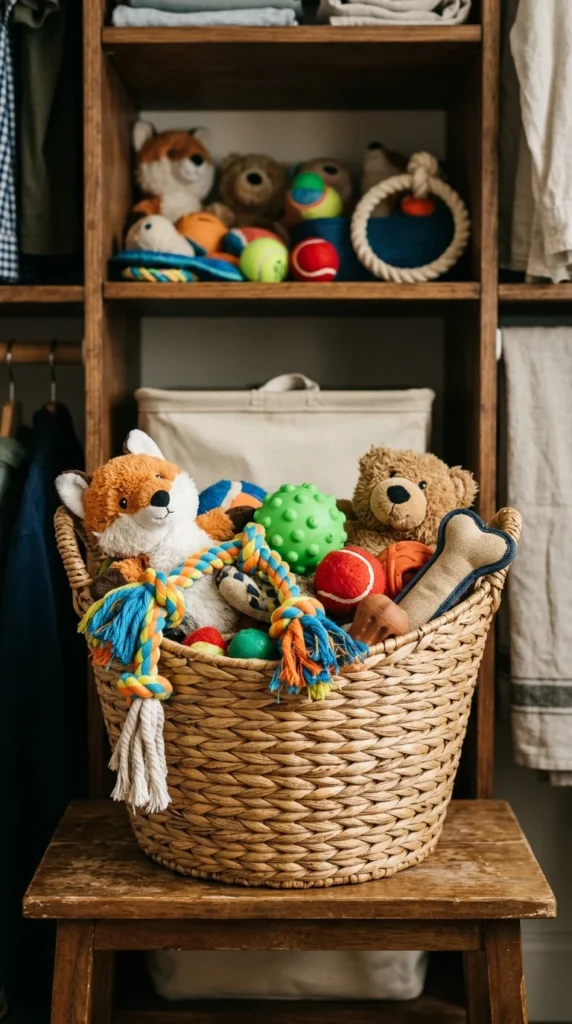
Pets often get bored with the same toys, leading owners to buy more. Instead of constantly purchasing new items, use a rotation system. Put half of the toys in a closet for a month while your pet plays with the other half. When you swap them out, the “old” toys will feel brand new to your pet, keeping them mentally stimulated for free.
11. Autoship Savings
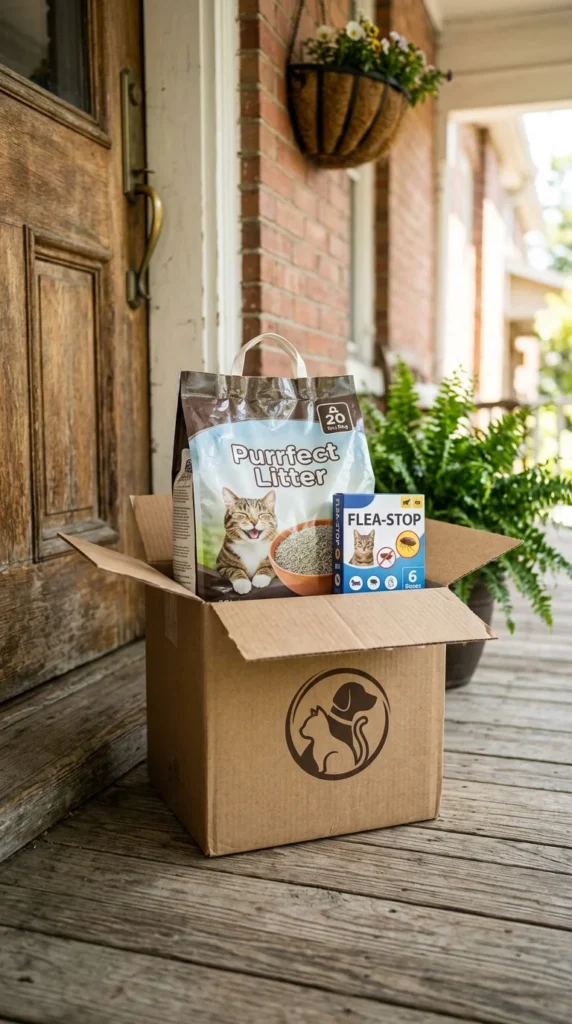
Major online pet retailers offer significant discounts (often 5% to 30%) if you sign up for “autoship” or recurring deliveries. This is perfect for items you know you’ll need every month, like food, litter, and preventative medications. It saves you money and ensures you never run out of the essentials.
12. Generic Meds
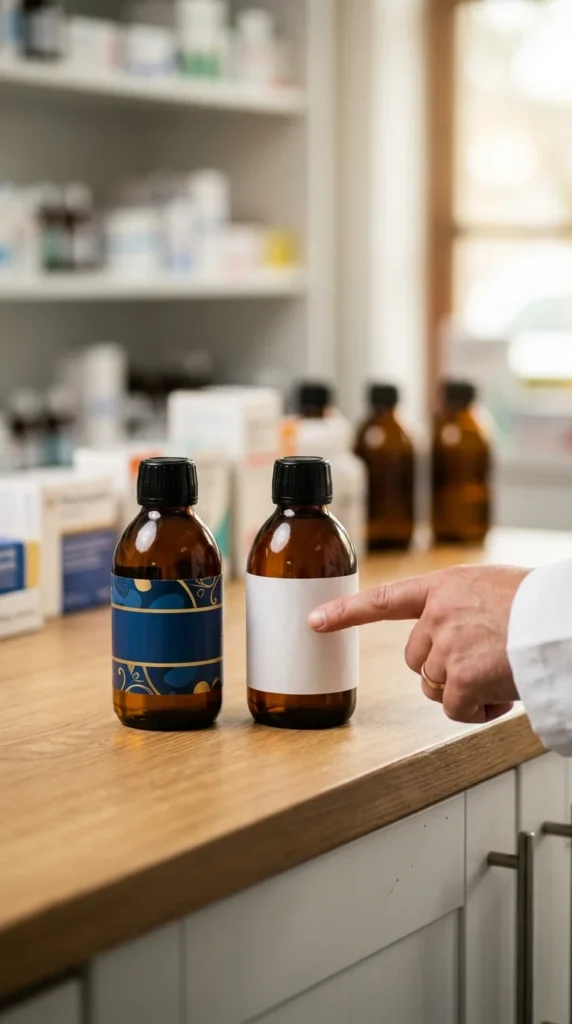
Many medications prescribed for pets are the exact same drugs used for humans. Ask your vet for a written prescription and check prices at your local human pharmacy or online generic retailers. You might find that a generic version of an antibiotic or allergy med is significantly cheaper than the brand-name version sold directly at the vet’s office.
13. Spay/Neuter
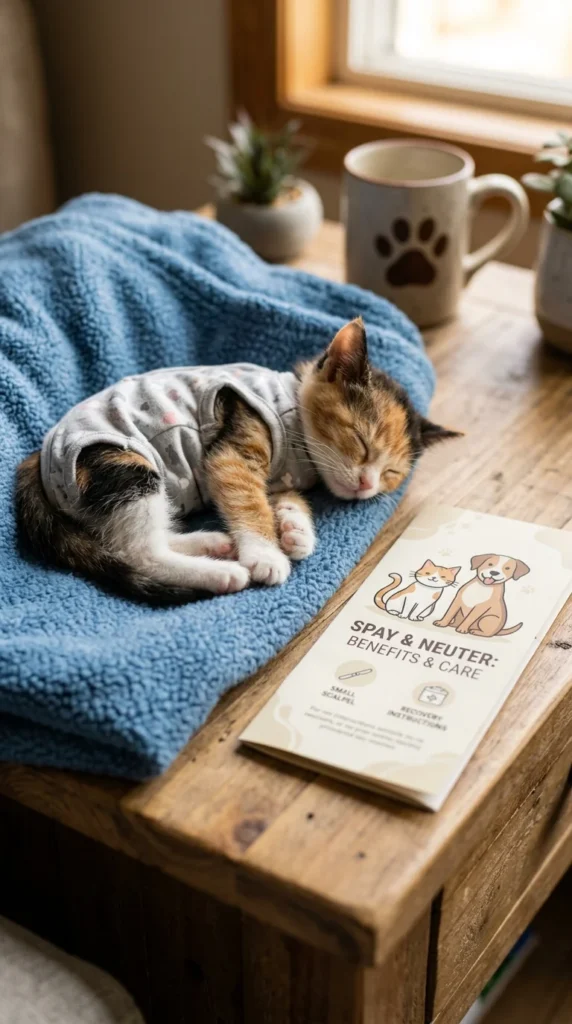
Spaying or neutering your pet is a one-time cost that prevents a lifetime of expensive problems. Beyond preventing unwanted litters, these procedures drastically reduce the risk of certain cancers (like mammary or testicular cancer) and eliminate the possibility of life-threatening uterine infections (pyometra) in females.
14. Pre-owned Gear
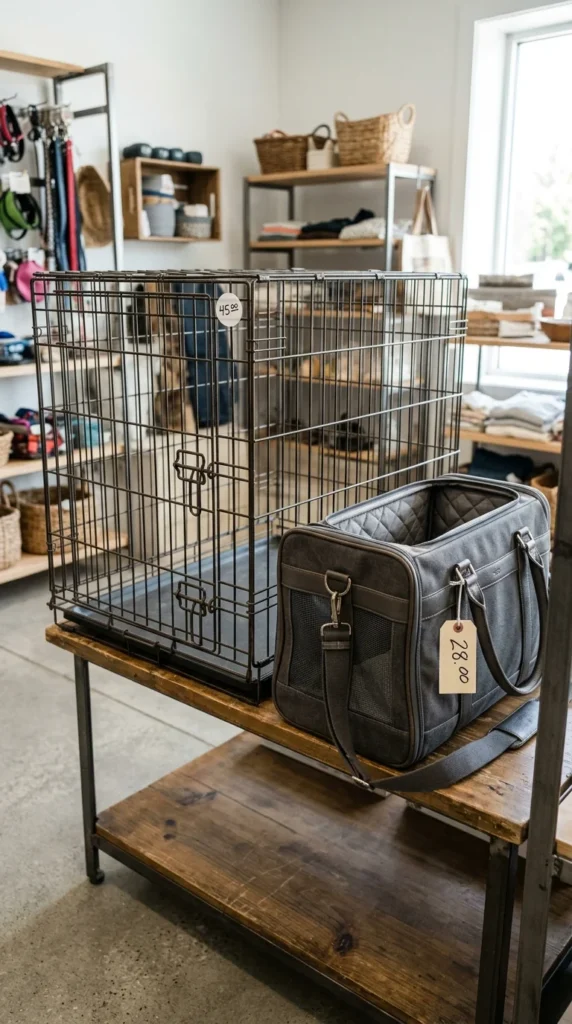
There is no need to buy a brand-new crate, carrier, or exercise pen at retail prices. Check online marketplaces, thrift stores, and community “buy nothing” groups. Many people sell these durable items for a pittance once their puppy grows up or they no longer need them. A quick scrub with pet-safe disinfectant and they are as good as new.
15. DIY Training

Instead of hiring a private trainer for hundreds of dollars an hour, utilize the wealth of free information available online. There are thousands of high-quality tutorials on platforms like YouTube that cover everything from basic potty training to complex agility tricks. All it takes is 15 minutes of your time and a pocket full of treats.
16. Social Swapping
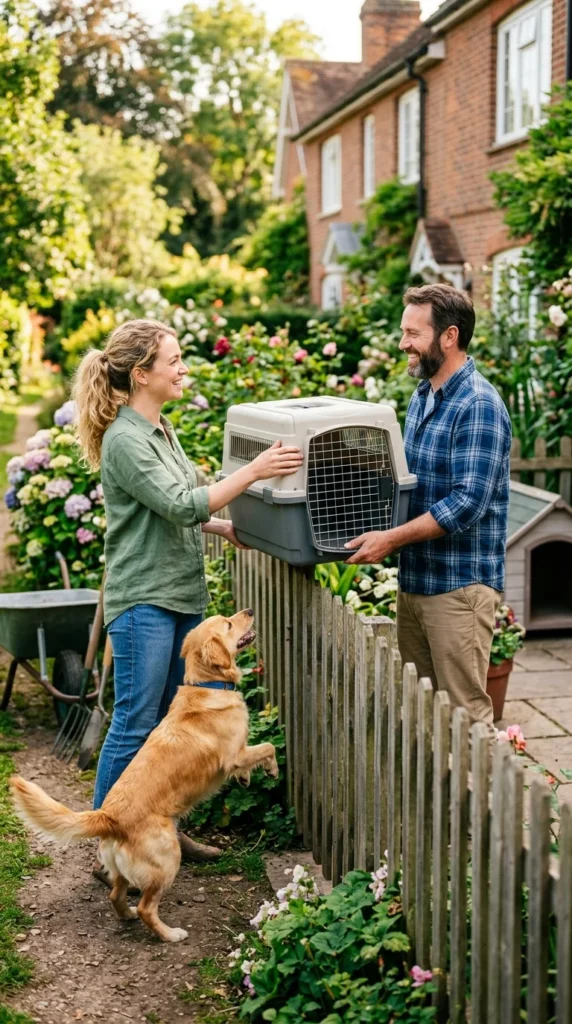
Build a network with other pet owners in your neighborhood. You can swap items like outgrown puppy harnesses, extra cans of food if your pet’s diet changes, or even share the cost of bulk-bought items. This community approach reduces waste and keeps money in everyone’s pockets.
17. Adoption Benefits

When looking for a new pet, adoption from a shelter is significantly cheaper than buying from a breeder. Most shelter adoption fees include the cost of spay/neuter, initial vaccinations, and microchipping—services that would cost hundreds of dollars if paid for individually. You are essentially getting a pre-vetted pet for a fraction of the cost.
18. Pet Sitting

Boarding facilities and professional pet sitters can be incredibly expensive, especially during holidays. Find a friend or neighbor who also has a pet and agree to “swap” pet sitting duties. You watch their dog while they are on vacation, and they return the favor for you. It’s free, and your pet gets to stay in a comfortable home environment.
19. Proper Hydration
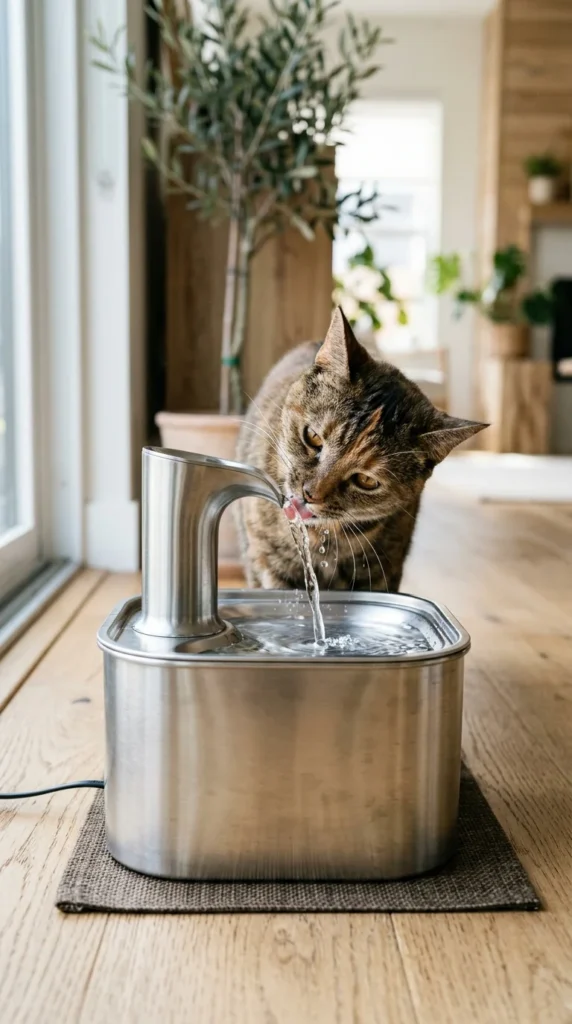
Encouraging your pet, especially cats, to drink more water can prevent expensive urinary tract infections and kidney stones. If your pet is a picky drinker, try a water fountain or add a little water to their dry food. Keeping their system flushed is a simple, no-cost way to avoid emergency urological procedures.
20. Weight Control

Many pet owners “free-feed,” which often leads to overeating and waste. By using a measuring cup or a kitchen scale to feed the exact amount your pet needs, you make your food supply last longer and prevent the medical costs associated with an overweight pet. It is a win-win for your wallet and your pet’s longevity.
21. Eco-Cleaning
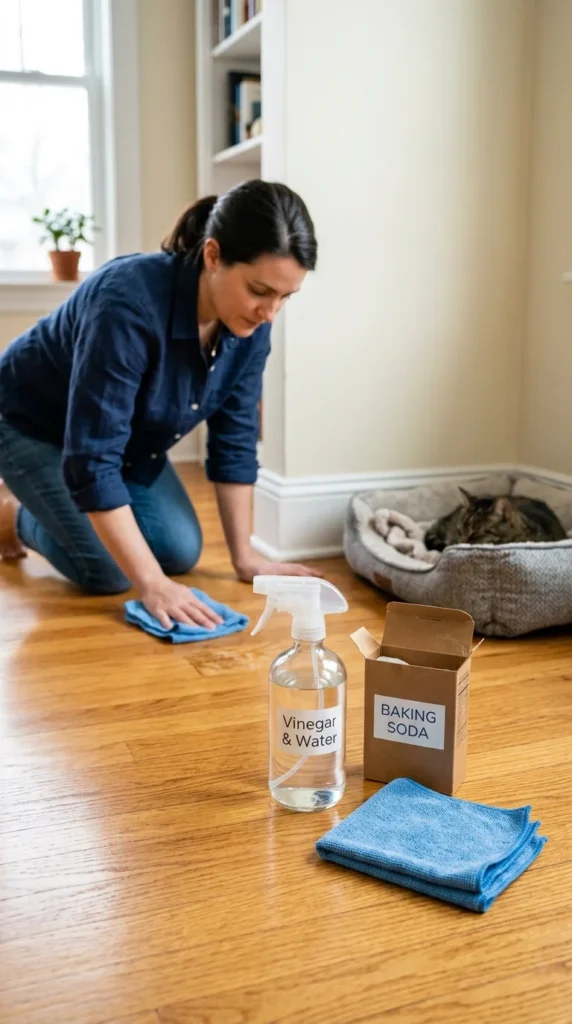
Expensive pet-specific cleaning sprays are often unnecessary. Simple household items like white vinegar, baking soda, and hydrogen peroxide can tackle most pet messes effectively and safely. For example, a mixture of vinegar and water is an excellent neutralizer for pet odors and costs only pennies to make.
22. Senior Checks
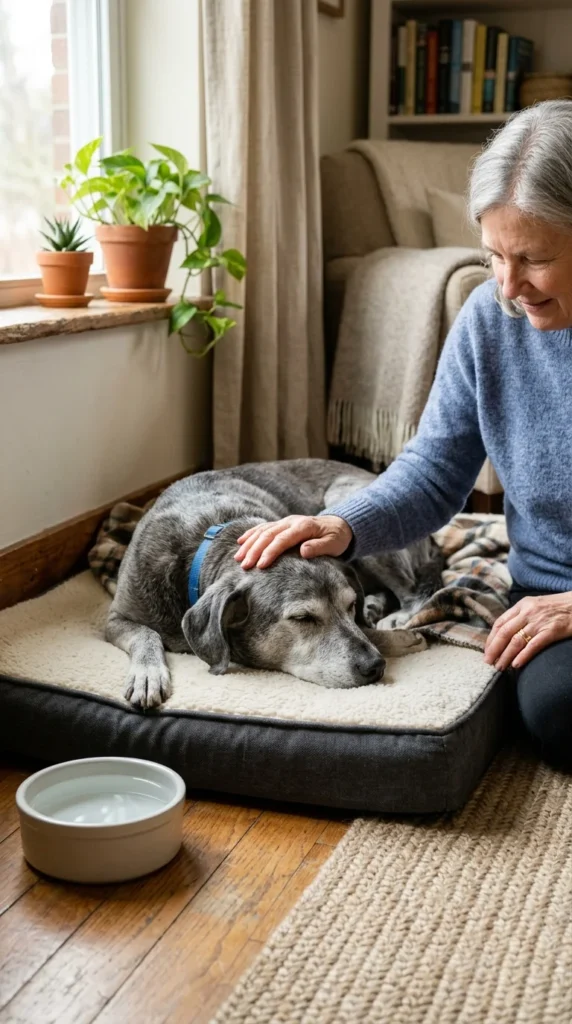
As pets age, their health needs change. Catching arthritis or early-stage organ decline through bi-annual senior wellness exams can save money on intensive treatments later. Ask your vet about preventative supplements like glucosamine, which are much cheaper than the prescription painkillers required once joint issues become severe.
23. Reward Programs

Never shop at a pet store without joining their free loyalty program. These programs often provide “buy 10, get 1 free” deals on food, birthday discounts, and points that can be redeemed for cash off your purchase. Over the course of a year, these small savings add up to significant amounts of “free” money for your pet’s needs.