
Watching a kitten transform from a helpless, blind newborn into a graceful, independent hunter is one of the most rewarding experiences a pet owner can have. This journey is a whirlwind of biological milestones, personality shifts, and physical leaps. To help you navigate this incredible timeline, here are 23 distinct stages of kitten growth, covering the critical first weeks through to full maturity.
1. Week One
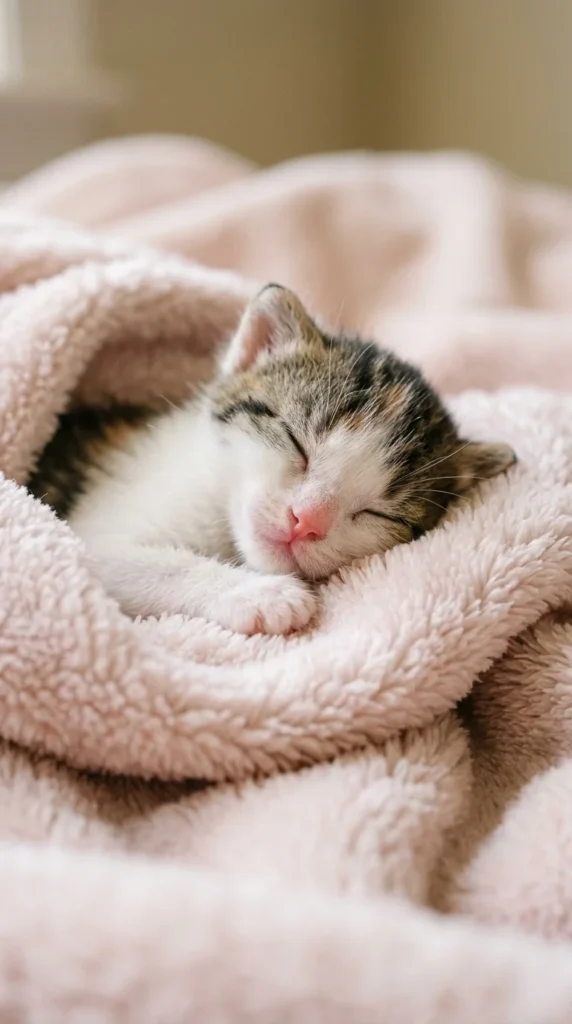
In the first week of life, kittens are incredibly vulnerable. They are born blind, deaf, and unable to regulate their own body temperature. During this stage, their entire world revolves around their mother. They possess a “rooting reflex” that helps them find the mother’s teat for essential colostrum, which provides vital antibodies. At this stage, they spend about 90% of their time sleeping and the other 10% nursing.
2. Week Two

This is the “awakening” stage. Between days 7 and 14, a kitten’s eyes will begin to open. Interestingly, all kittens are born with blue eyes; their true eye color won’t develop for several more weeks. Their ears also begin to unfurl, though they cannot yet pinpoint the direction of sounds. You may notice them attempting to knead with their tiny paws to stimulate milk flow.
3. Week Three
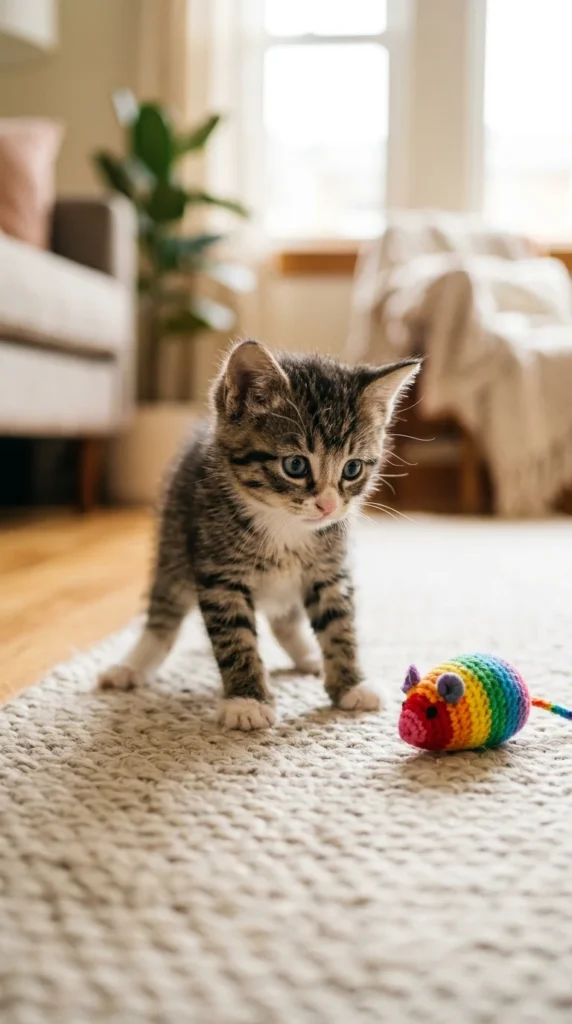
Mobility begins to improve significantly during week three. The ear canals are now fully open, and the kitten will start to startle at loud noises. Their sense of smell is developing rapidly, allowing them to identify their littermates and mother more easily. This is often when you see the first “wobbly” steps as they attempt to move away from the nesting box.
4. Week Four

The fourth week marks the emergence of the deciduous (baby) teeth. The incisors usually appear first. Kittens become much more stable on their feet and may begin to interact with their siblings through clumsy play. This is also the stage where they may begin to show interest in their mother’s solid food, though they are still primarily nursing.
5. Month Two
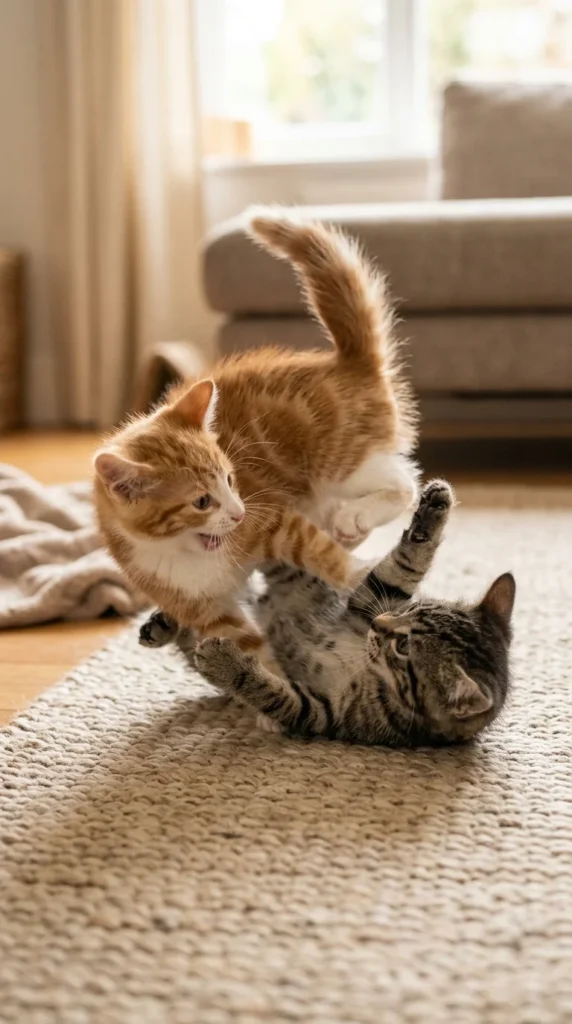
At eight weeks old, the kitten is a ball of energy. This is the peak socialization period. They learn “cat etiquette”—such as how hard is too hard to bite—from their mother and siblings. By the end of this month, most kittens are fully weaned and can eat wet or dry kitten food. Their coordination improves to the point where they can run, jump, and climb (often up your curtains).
6. Month Three
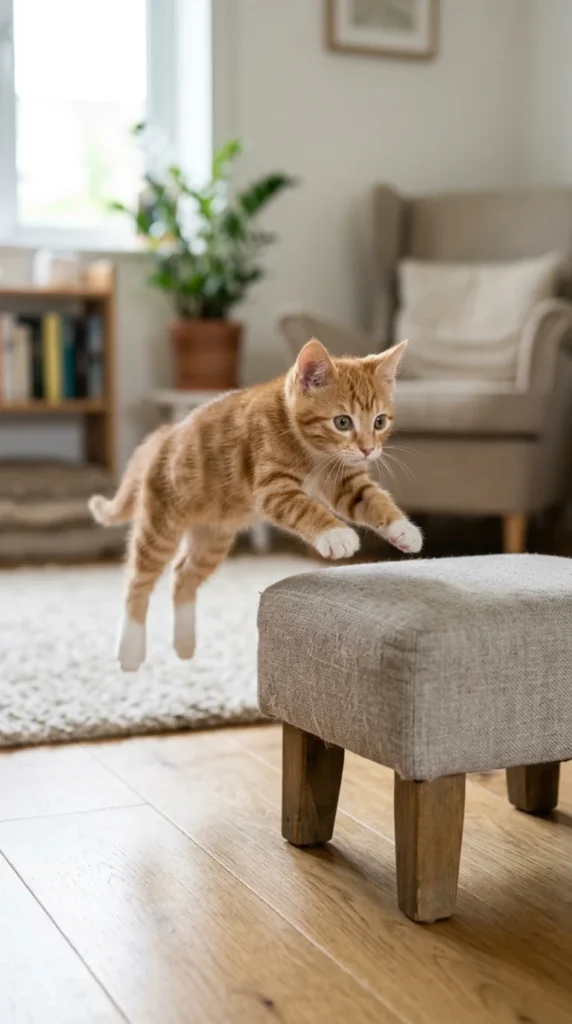
By twelve weeks, the kitten’s adult eye color begins to emerge. Their motor skills are becoming more refined, and they start to look more like miniature versions of adult cats rather than round puffballs. This is the ideal time for their first round of major vaccinations. They are increasingly independent and will spend hours exploring every nook and cranny of their environment.
7. Month Four
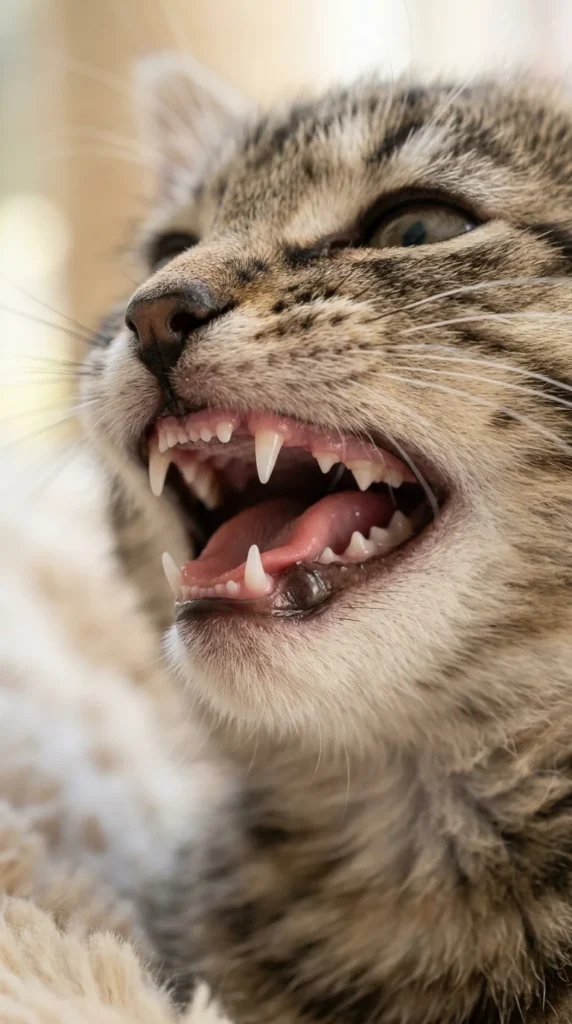
Month four is characterized by teething. Just like human children, kittens lose their baby teeth to make room for 30 permanent adult teeth. You might find tiny teeth on the floor or notice your kitten chewing on everything in sight to relieve gum discomfort. Their appetite often increases during this time to support the rapid bone and muscle development occurring.
8. Month Five
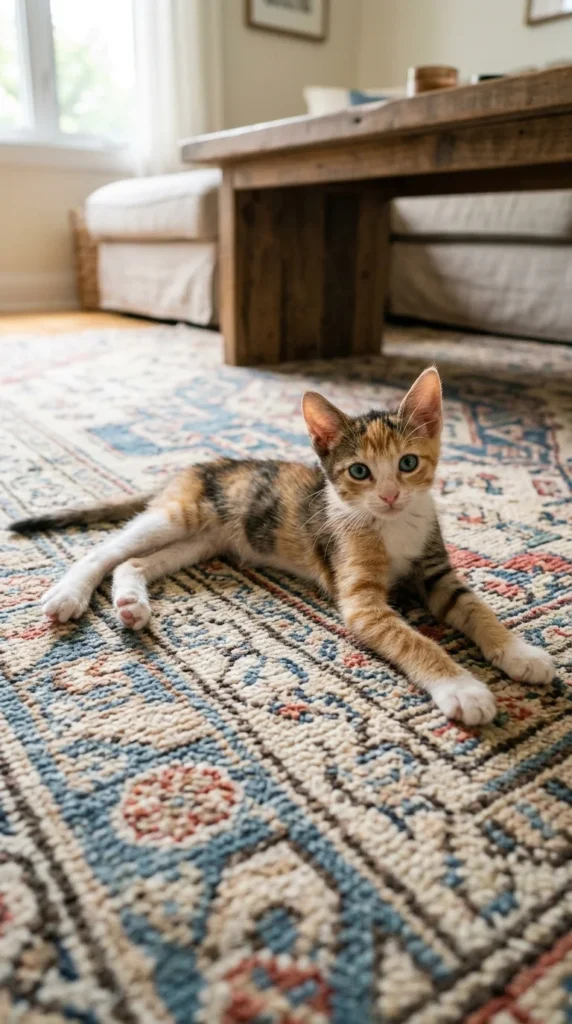
The “awkward teenager” phase begins here. Kittens often grow in height before they grow in width, leading to a lanky, slightly disproportionate appearance. Their play becomes more focused on “predatory” behaviors—stalking, pouncing, and “killing” toys. Mentally, they are testing boundaries and may become a bit more mischievous as they explore their physical limits.
9. Month Six
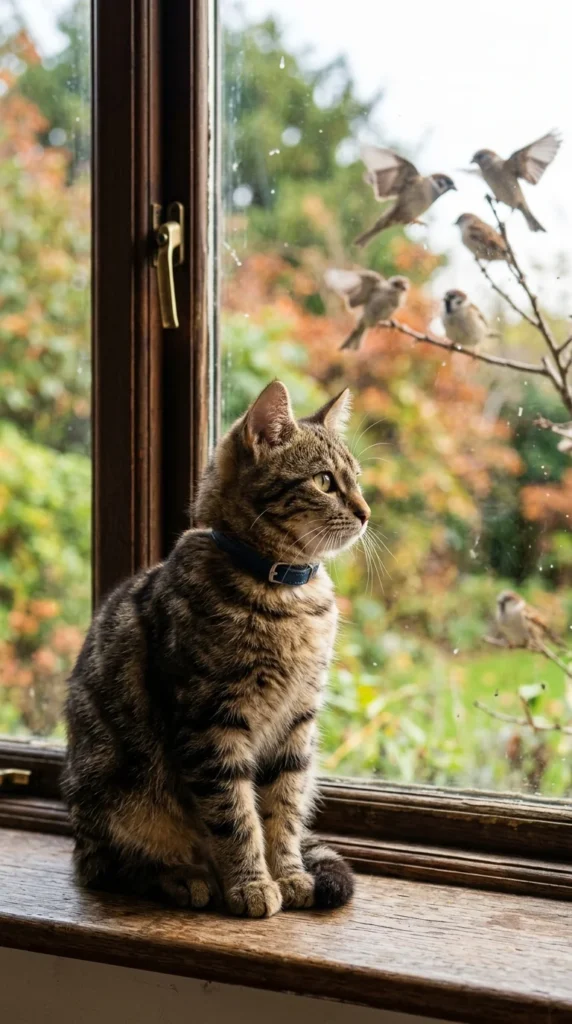
By six months, many kittens reach sexual maturity. This is typically the recommended age for spaying or neutering to prevent unwanted litters and reduce hormonal behaviors like spraying or roaming. Physically, they have reached about 75% of their adult height, though they still have a lot of “filling out” to do. Their coat may also begin to transition from the fuzzy kitten fur to a sleeker adult texture.
10. Month Seven
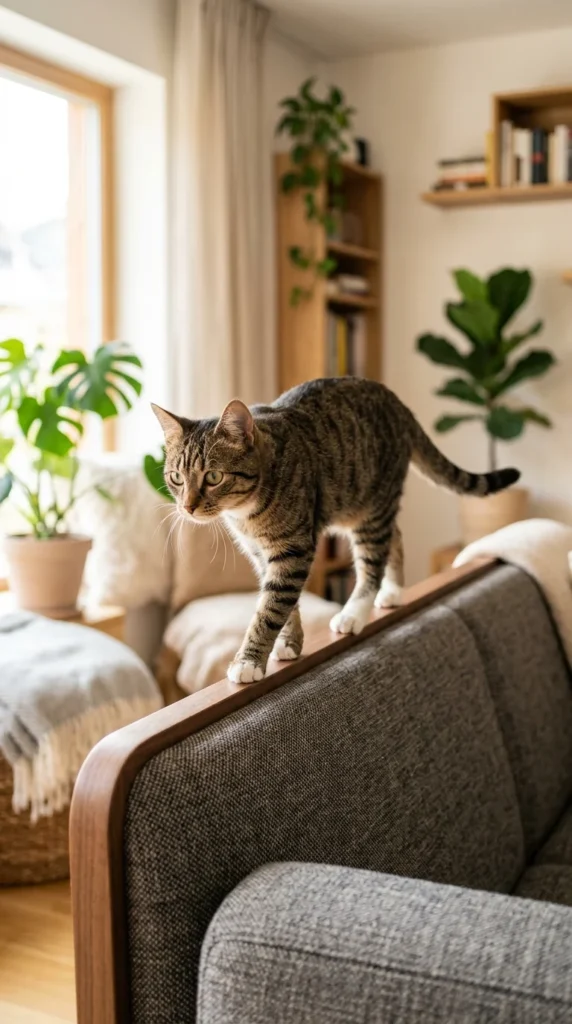
Social hierarchy becomes important during the seventh month. If you have other cats, you’ll notice the kitten trying to find its place in the “pecking order.” Their confidence is at an all-time high, often leading them into “zoomies” where they race around the house at top speed. Their circadian rhythm settles into a more adult pattern, though they remain highly active at dawn and dusk.
11. Month Eight
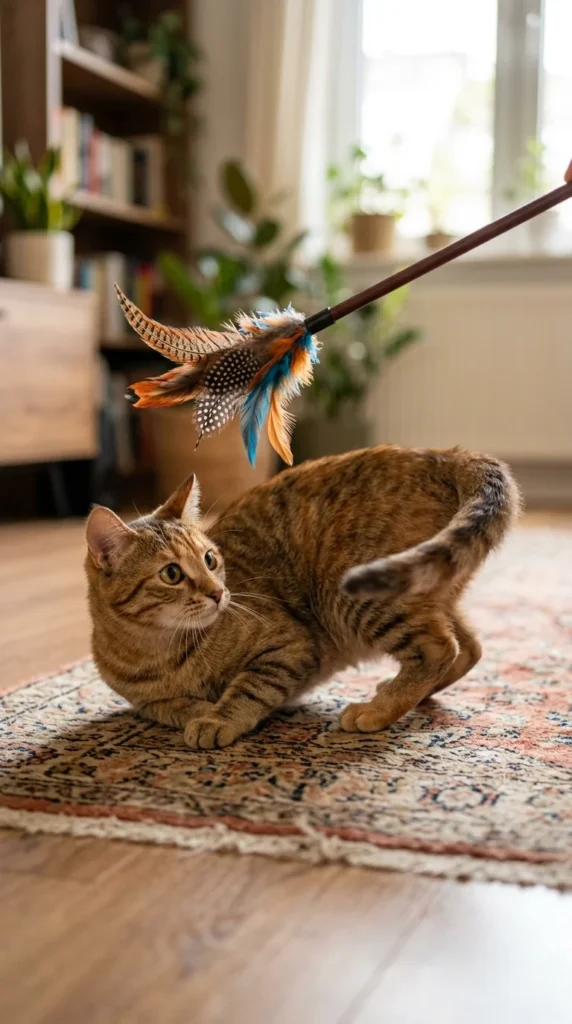
The hunting instinct is fully honed by month eight. Even indoor kittens will display sophisticated stalking techniques. At this stage, the kitten’s weight gain begins to slow down compared to the explosive growth of the first six months. They are becoming more muscular and their coordination is near-perfect, allowing them to navigate high shelves with ease.
12. Month Nine

Communication skills peak during month nine. Kittens learn which vocalizations get the most attention from their humans. They become more discerning about their environment and may develop specific preferences for certain types of toys, sleeping spots, or food textures. Their personality is now well-defined, whether they are a “lap cat” or a “lone explorer.”
13. Month Ten

Physical refinement continues as the cat reaches month ten. While they may look like adults, they are still “adolescents” in terms of behavior. They often have bursts of “kitten-like” energy followed by long, deep naps. Their bones are becoming denser, and their skull shape may slightly shift as they lose the last vestiges of their “baby face.”
14. Month Eleven
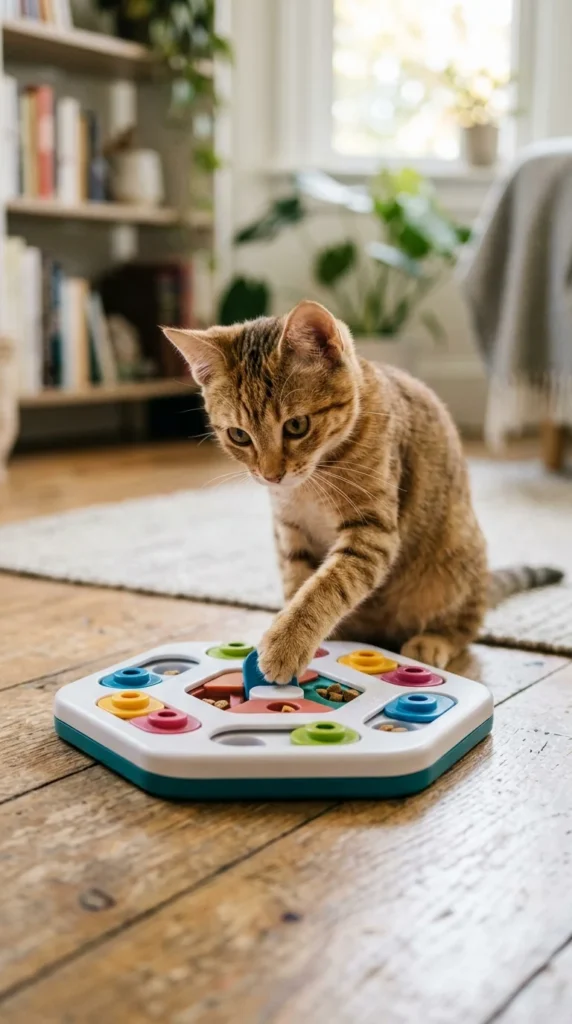
Intelligence and problem-solving are the hallmarks of month eleven. Cats at this age are often curious about how things work, such as doorknobs or cabinets. It is a great time to introduce more complex interactive toys or harness training, as they have the focus and physical capability to handle new challenges. They are very close to their final adult size.
15. Month Twelve

The first birthday! At twelve months, a kitten is officially considered a young adult. For most breeds, skeletal growth is largely complete. You can now transition them from calorie-dense kitten food to adult maintenance food. While they are physically mature, many cats—especially larger breeds—will continue to develop mentally and socially for another year.
16. Month Thirteen

The relationship between cat and owner often deepens significantly after the first year. The high-strung energy of kittenhood begins to mellow into a more consistent companionship. The cat is now fully adjusted to the household routine and expects meals and play sessions at specific times. Their territorial instincts are fully developed.
17. Month Fourteen

Muscle density continues to increase. Even if the cat isn’t getting taller, they may be getting heavier as their “kitten fat” is replaced by lean muscle. This is the “young athlete” phase. Regular exercise is crucial at this stage to prevent the onset of early obesity, as their metabolism starts to stabilize.
18. Month Fifteen

Grooming habits are now fully perfected. A fifteen-month-old cat is usually an expert at self-maintenance, spending a significant portion of their waking hours keeping their coat pristine. Their immune system is at its peak strength, and they have usually navigated the major “learning curves” of social interaction with other pets.
19. Month Sixteen

Emotional maturity begins to catch up with physical maturity. The “teenage angst” and random bouts of defiance often subside, replaced by a more confident and predictable temperament. They are less likely to be spooked by common household noises and more likely to observe new situations before reacting.
20. Month Eighteen

For most medium-sized breeds, this is the plateau. They have reached their full adult weight and height. The coat is at its most vibrant and thick. If the cat is a long-haired breed, the full “mane” or “ruff” and tail plume are finally fully grown and displayed in their total glory.
21. Month Twenty

Social bonds are solidified. If you have a multi-cat household, the dynamics are usually settled by month twenty. The cat knows its territory and its social standing. Play sessions are less about learning how to be a cat and more about pure enjoyment and burning off excess energy.
22. Month Twenty-Two

As they approach two years of age, the cat’s “filling out” process is nearly complete. This is especially noticeable in the chest and shoulders, which broaden. They possess a certain “heft” and presence that they lacked even six months prior. Their sleep-wake cycle is now a permanent fixture of their daily life.
23. Month Twenty-Four

Two years marks the completion of the journey from kitten to adult. For large breeds like Maine Coons or Ragdolls, this might be the first time they are truly “finished” growing. The cat is now in the prime of its life—strong, confident, and fully integrated into your family. From here, the focus shifts from growth to maintenance, ensuring a long, healthy life through proper nutrition and regular veterinary care.