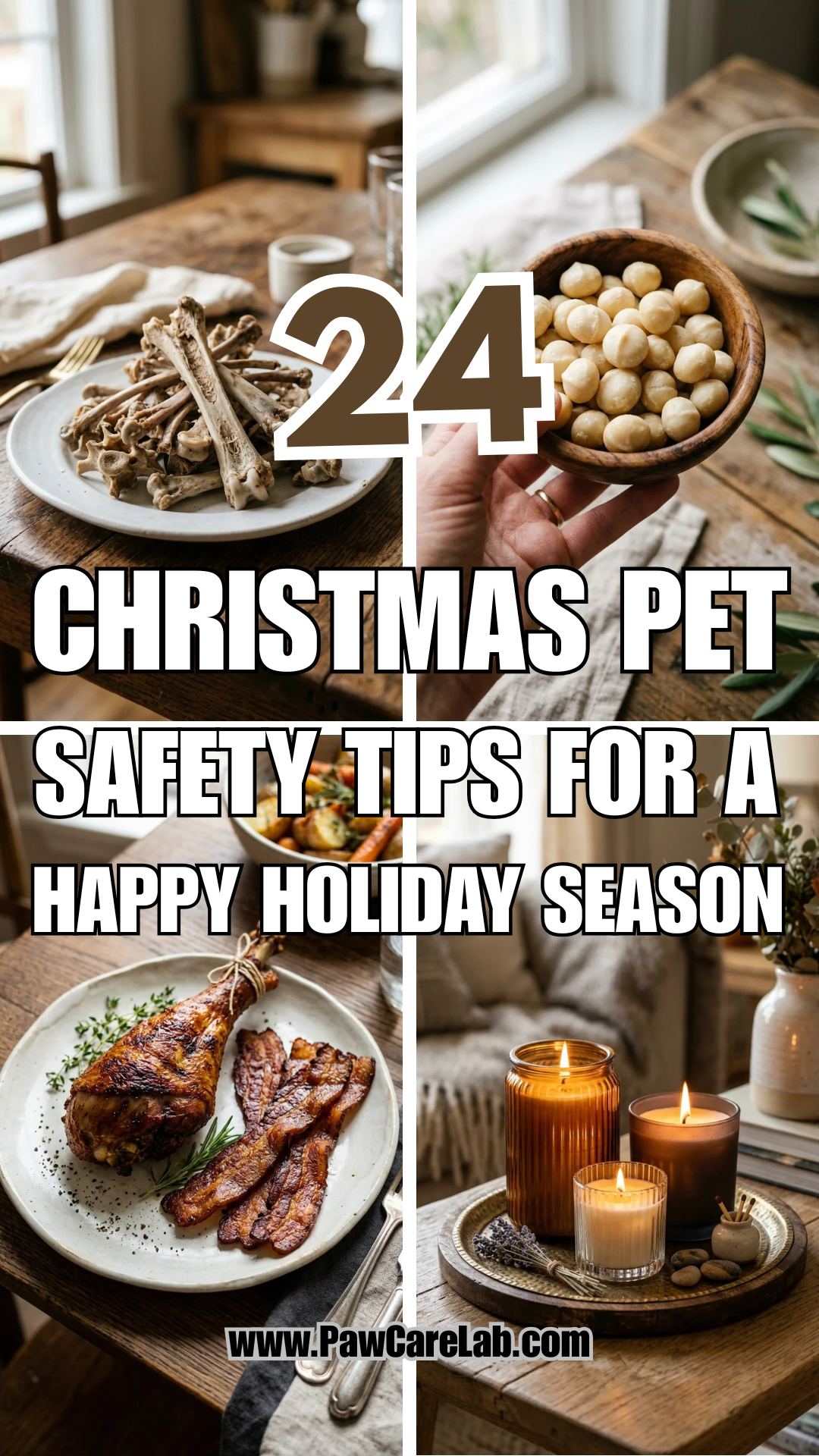
The holiday season is a whirlwind of twinkling lights, decadent treats, and joyful gatherings. While we focus on making memories with our human family, our furry companions are often navigating a transformed environment filled with new smells, tempting “toys,” and potentially hazardous foods. To ensure your pets enjoy the festivities as much as you do, safety must remain a top priority. From toxic plants to the dangers of holiday baking, here are 24 essential tips to keep your pets safe and sound this Christmas.
1. Christmas Trees
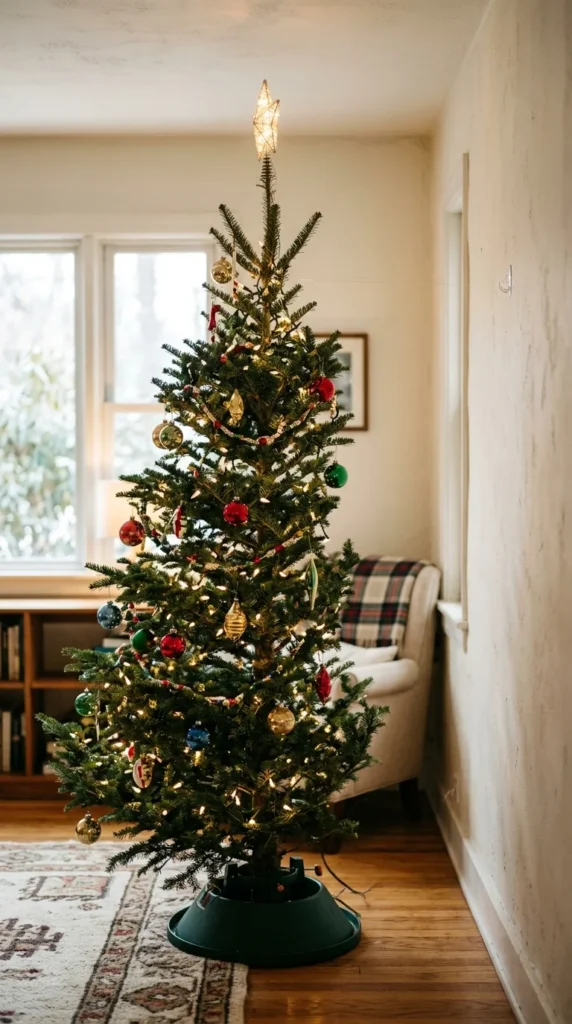
A large, glittering tree is essentially a giant climbing frame or a chew toy for pets. Ensure your tree is securely anchored to a wall or the ceiling using a sturdy wire or fishing line. This prevents curious cats from toppling the tree while climbing or large dogs from knocking it over with a wagging tail. Consider a heavy, wide-based stand to provide extra stability.
2. Tinsel
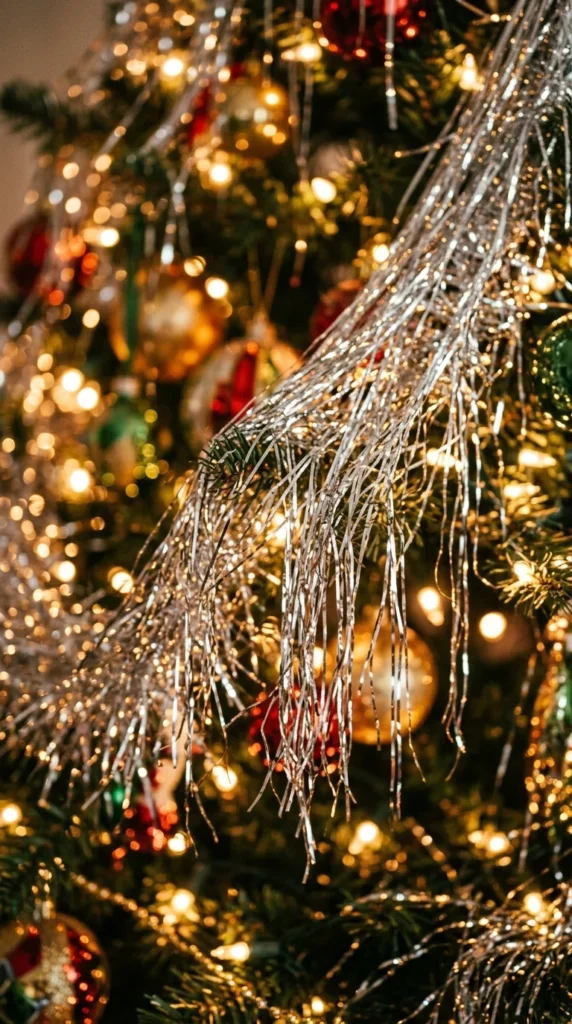
Tinsel is one of the most dangerous decorations for cats. Its shimmer is irresistible, but if swallowed, it can cause a “linear foreign body” emergency. The tinsel bunches up in the intestines, acting like a saw and causing life-threatening blockages or perforations. It is best to skip tinsel entirely if you have feline friends.
3. Water Additives
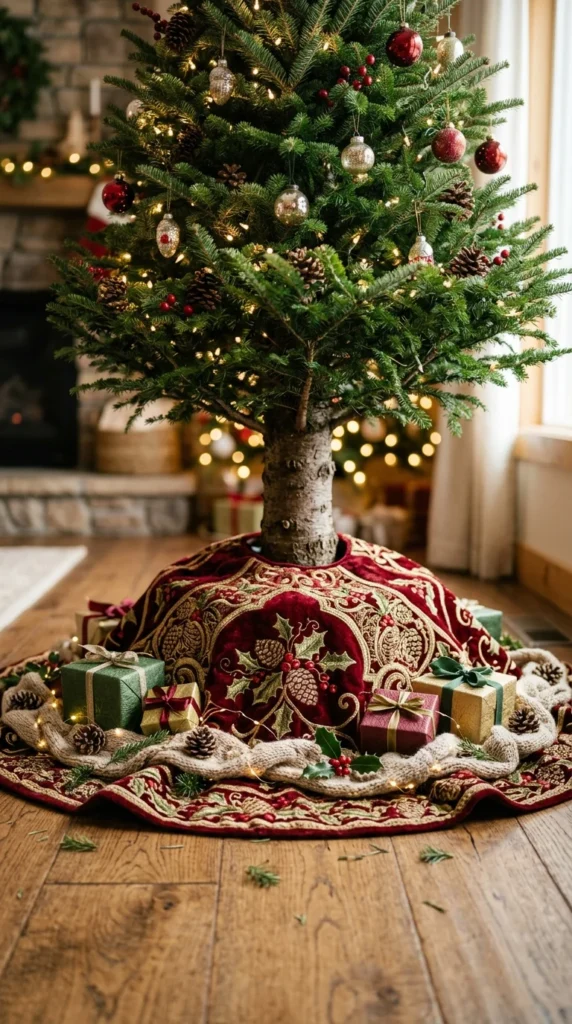
The water in your tree stand can become a breeding ground for bacteria, mold, and stagnant debris. If you use fertilizers or “tree food” to keep your evergreen fresh, these chemicals can be toxic to pets who decide to take a sip. Keep the water reservoir covered with a tree skirt or a piece of plywood to prevent your pets from drinking it.
4. Ornaments
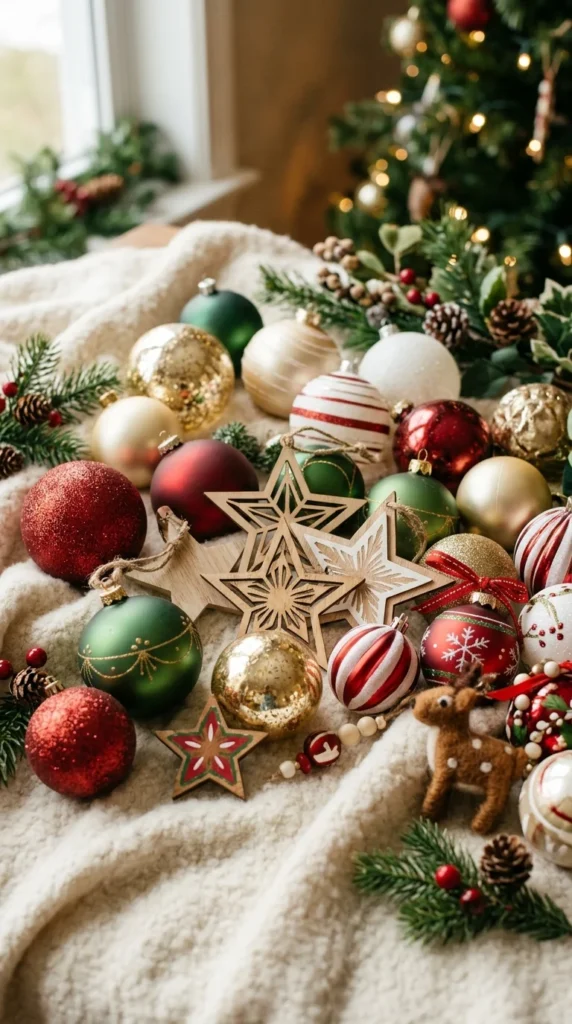
Glass ornaments are beautiful but fragile. If they break, they can cause deep cuts on paws or internal damage if shards are swallowed. Place delicate, heirloom, or glass ornaments on the higher branches out of reach. For the lower branches, stick to pet-safe materials like wood, felt, or shatterproof plastic.
5. Electric Lights
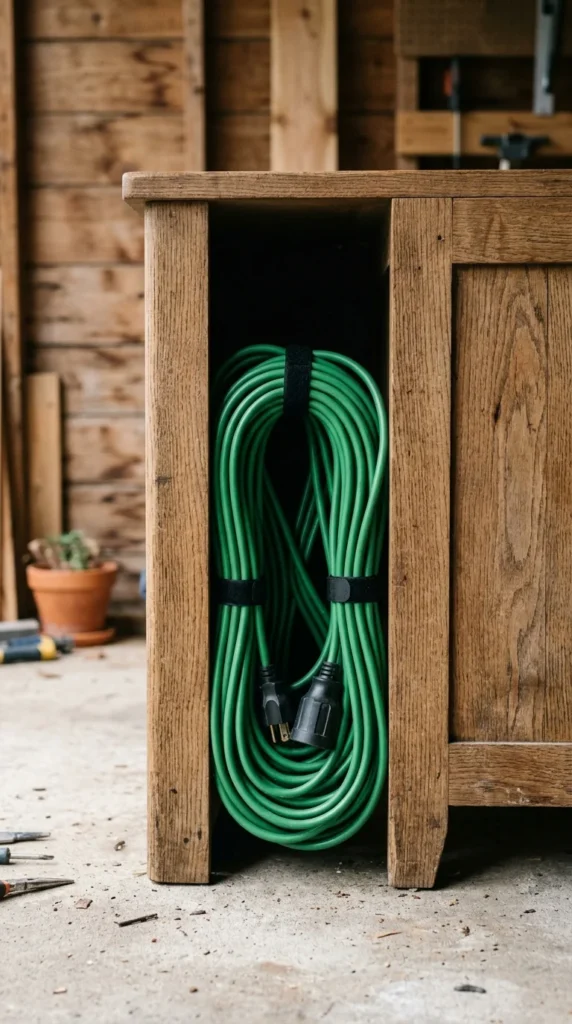
The colorful glow of Christmas lights is enchanting, but the wires are a major hazard for “chewers.” A single bite into a live wire can result in electric shock, mouth burns, or even pulmonary edema (fluid in the lungs). Use cord protectors, tape wires down, or keep them tucked behind furniture. Always unplug the lights when you aren’t home to supervise.
6. Poinsettias
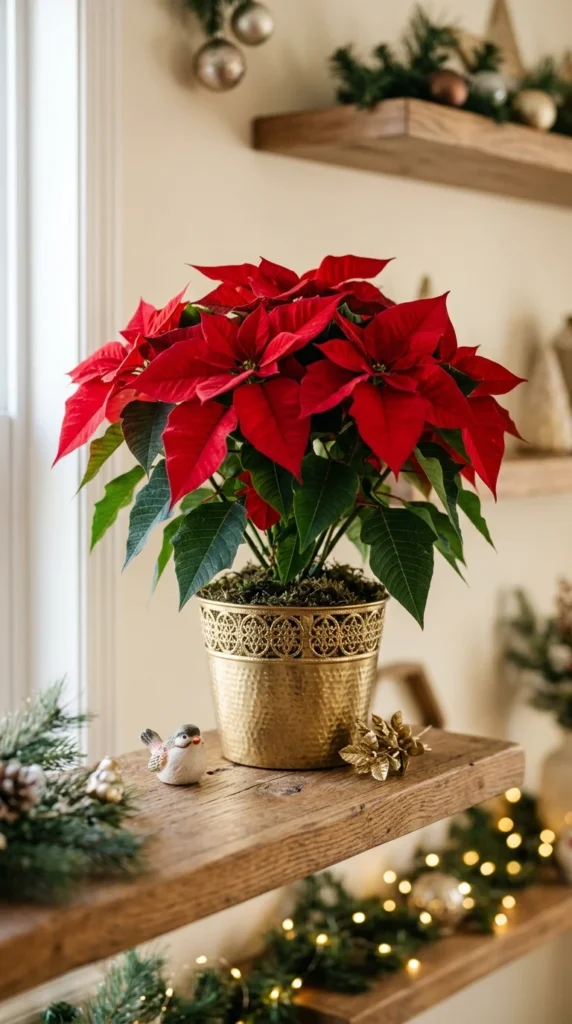
While poinsettias have a reputation for being deadly, they are actually only mildly toxic. However, the milky sap can cause irritation to the mouth and stomach, leading to drooling or vomiting. To avoid a messy cleanup and a miserable pet, keep these iconic plants on high mantels or surfaces where your pets cannot reach them.
7. Mistletoe and Holly
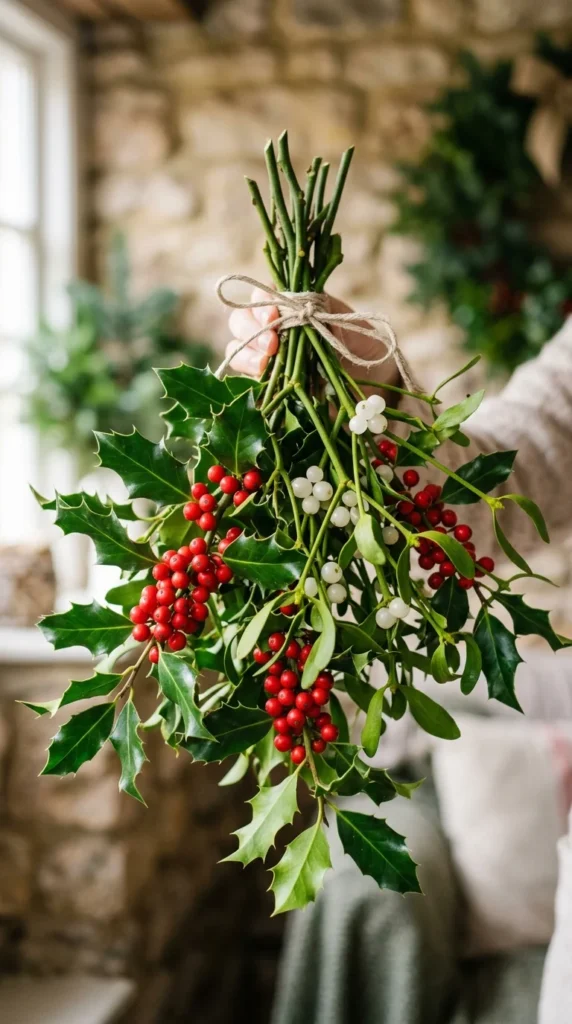
Unlike poinsettias, mistletoe and holly are significantly more dangerous. Ingesting holly can lead to severe stomach upset, while certain varieties of mistletoe can cause cardiovascular collapse or neurological issues. If you want the traditional look, opt for high-quality silk or plastic versions of these plants that won’t drop toxic berries on the floor.
8. Lilies

For cat owners, lilies are a “zero tolerance” item. Many holiday bouquets include lilies, but even a small amount of pollen or a sip of the vase water can cause acute kidney failure in cats. If you receive a bouquet containing lilies, it is safest to remove them from the home entirely or place them in a room that is strictly off-limits to your cat.
9. Chocolate

Most people know chocolate is toxic, but the holidays bring an influx of high-quality dark chocolate and cocoa powder, which contain higher concentrations of theobromine. The darker and more bitter the chocolate, the more dangerous it is. Keep candy dishes covered and ensure wrapped food gifts (which pets can smell through the paper!) are not left under the tree.
10. Xylitol (Birch Sugar)
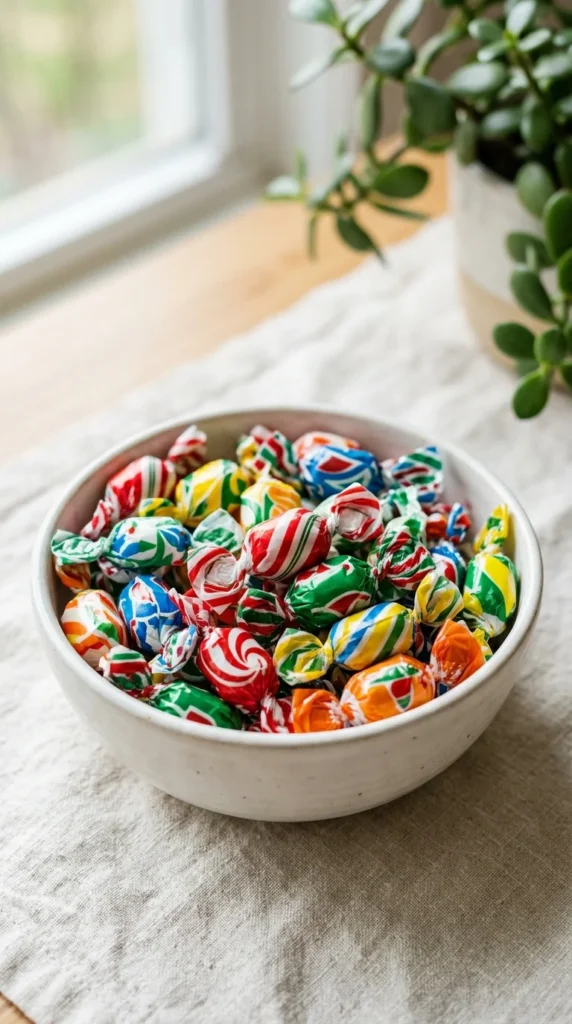
Xylitol is an artificial sweetener often found in sugar-free gum, candies, and “light” baked goods. It is extremely toxic to dogs, causing a rapid drop in blood sugar and potential liver failure. Always check the ingredient labels of any “sugar-free” treats brought into the house and keep them far away from curious noses.
11. Fatty Scraps
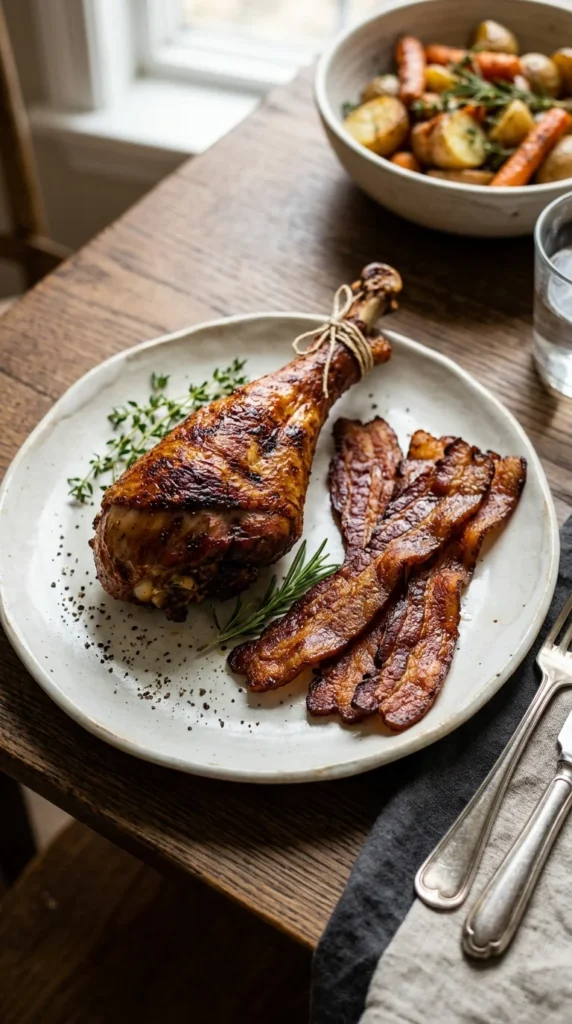
It is tempting to share the holiday feast, but fatty scraps like turkey skin, ham fat, or gravy can cause pancreatitis—a painful and serious inflammation of the pancreas. Stick to your pet’s regular diet, or if you must share, give them a tiny piece of plain, skinless, white meat turkey.
12. Yeast Dough
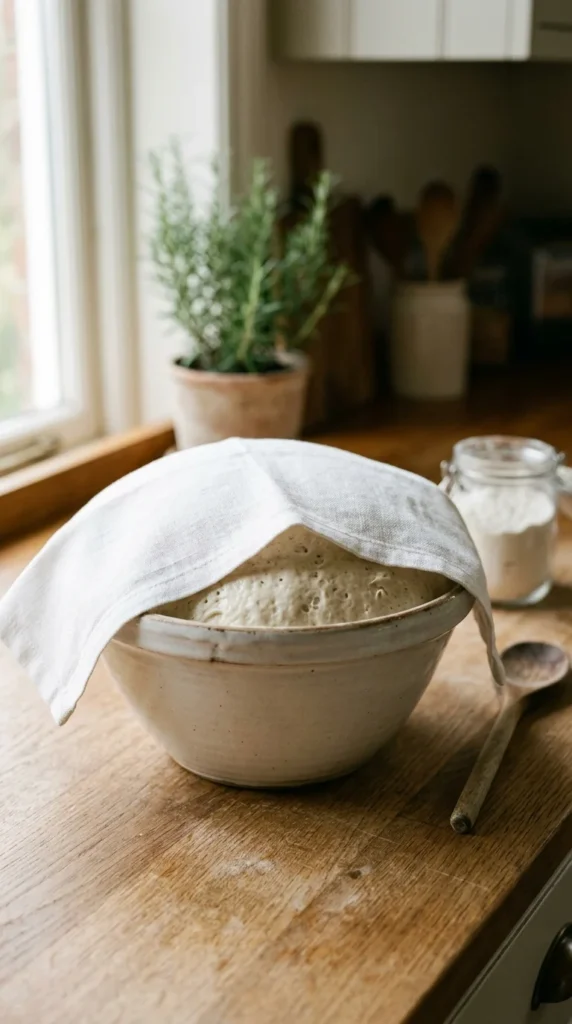
If you are baking homemade bread or rolls, keep the raw dough away from pets. Once ingested, the warm environment of the stomach causes the yeast to continue rising, which can lead to severe bloating and stomach torsion. Additionally, the fermenting yeast produces ethanol, which can lead to alcohol poisoning in pets.
13. Alcohol

Pets are much smaller than humans, and their livers are not designed to process alcohol. Even a small amount of wine, beer, or spiked eggnog can cause vomiting, diarrhea, tremors, and respiratory failure. Never leave alcoholic drinks unattended on low coffee tables where a dog might lap them up.
14. Cooked Bones
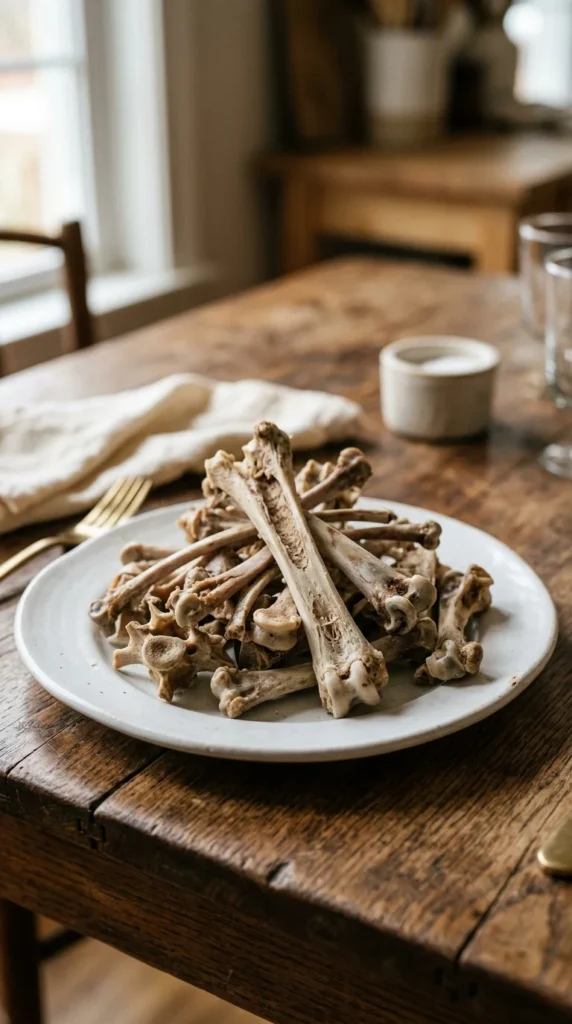
Cooked bones, especially those from poultry, become brittle and can easily splinter. If swallowed, these sharp shards can puncture the digestive tract or cause a choking hazard. Always dispose of carcasses and bones in a secure, outdoor trash can immediately after the meal.
15. Macadamia Nuts
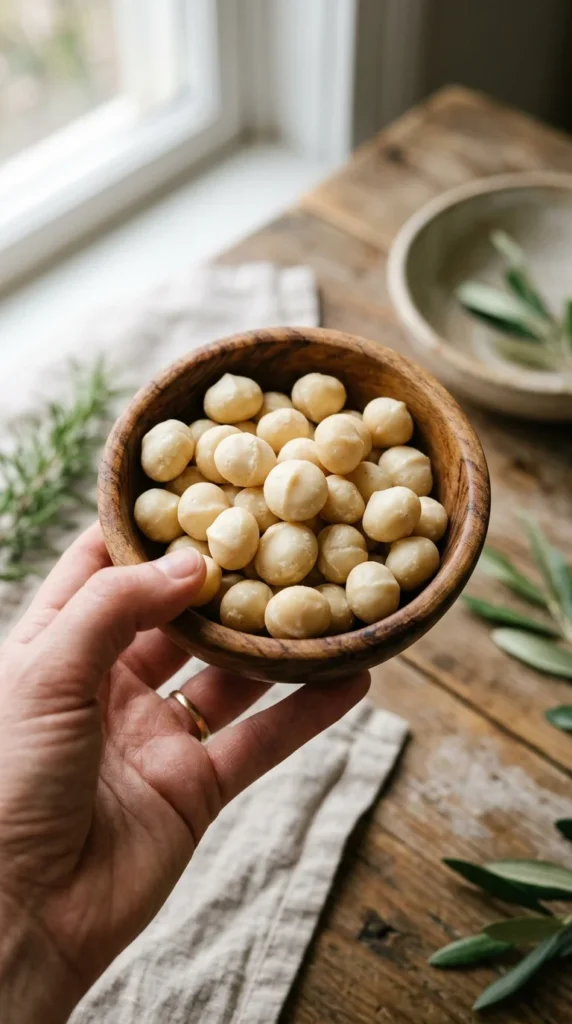
Often found in holiday nut mixes or cookies, macadamia nuts are toxic to dogs. Ingestion can lead to weakness (particularly in the hind legs), vomiting, tremors, and hyperthermia. While rarely fatal, it causes significant distress for the animal. Keep all nut bowls out of reach.
16. Onions and Garlic
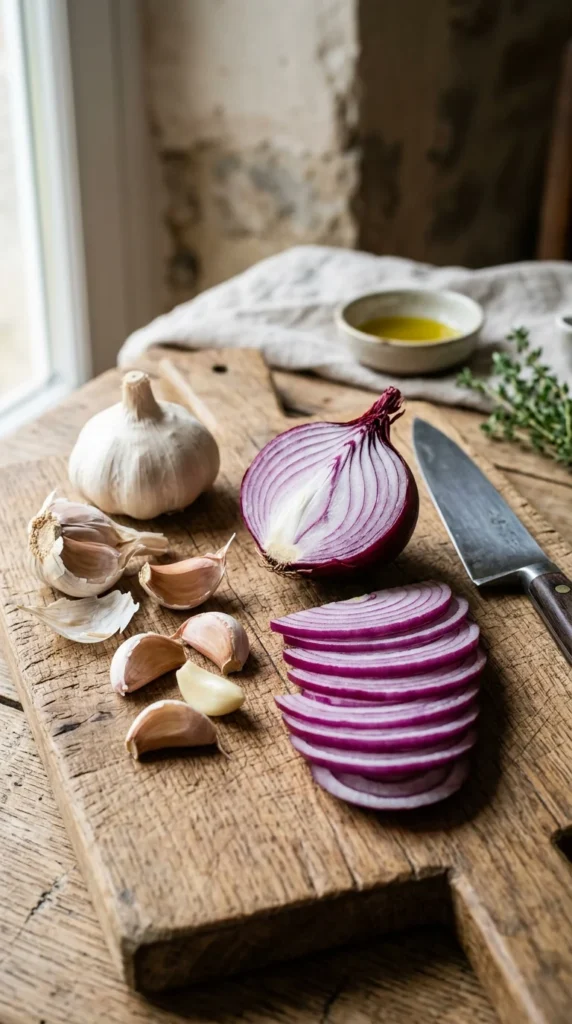
Many holiday stuffings and savory dishes are loaded with onions, garlic, leeks, or chives. These ingredients contain compounds that can damage a pet’s red blood cells, leading to anemia. Even onion powder in seasonings can be harmful, so avoid giving your pet “tastes” of complex holiday side dishes.
17. Candles

An excited wagging tail or a curious cat can easily knock over a lit candle, leading to fur burns or a house fire. Scented candles can also be irritating to a pet’s sensitive respiratory system. Use battery-operated LED candles to achieve the same cozy ambiance without the fire risk.
18. Potpourri

Liquid potpourri and essential oils can be dangerous if spilled and licked, or even if the vapors are too concentrated in a small space. Many essential oils are toxic to cats and birds. If you use potpourri, ensure it is in a location where it cannot be tipped over, and stick to dry potpourri that doesn’t contain small, swallowable pieces.
19. Wrapping Paper and Ribbons
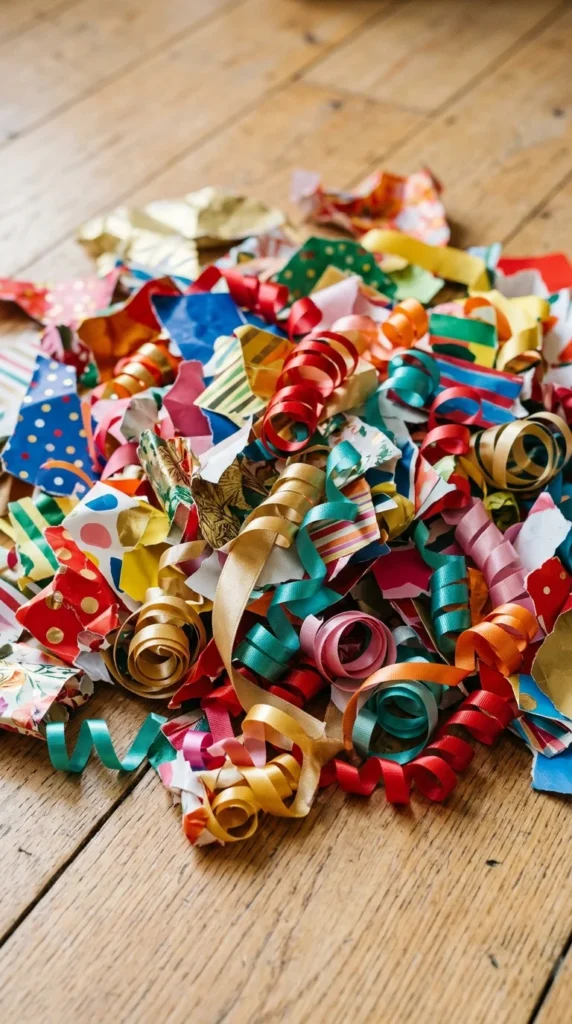
While the “unwrapping” process is fun, the aftermath is a hazard. Ribbons and strings are “linear foreign bodies” similar to tinsel. Wrapping paper can contain dyes or metallic coatings that aren’t meant for ingestion. Clean up scraps immediately as gifts are opened to prevent your pet from “helping” with the recycling.
20. Batteries
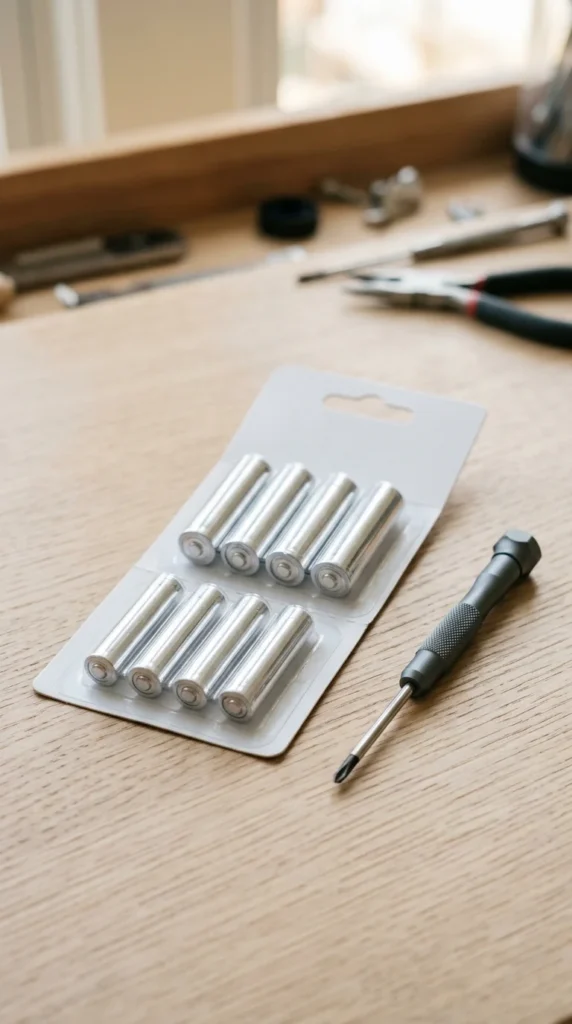
With new toys and gadgets comes an abundance of batteries. If chewed or swallowed, batteries can cause caustic burns in the mouth and esophagus, as well as heavy metal poisoning. Keep the “battery station” organized and ensure all battery compartments on toys are screwed shut tightly.
21. Visitors and Stress
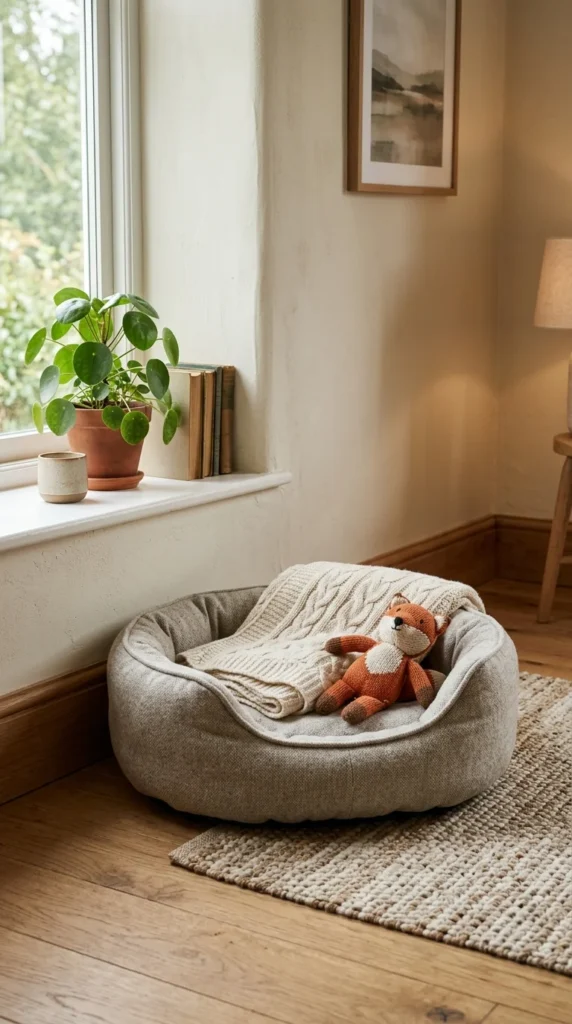
A house full of strangers and loud music can be overwhelming for even the friendliest pet. Provide a “safe zone”—a quiet room with their bed, water, and favorite toys—where they can retreat if the noise becomes too much. Make sure guests know not to feed the pets and to keep the “quiet room” door closed.
22. Door Safety

With guests arriving and departing, the front door will be opening and closing frequently. This is a prime opportunity for a stressed or curious pet to slip out unnoticed. Consider keeping pets in a different room or crates during the “peak” arrival and departure times to prevent accidental escapes.
23. IDs and Microchips
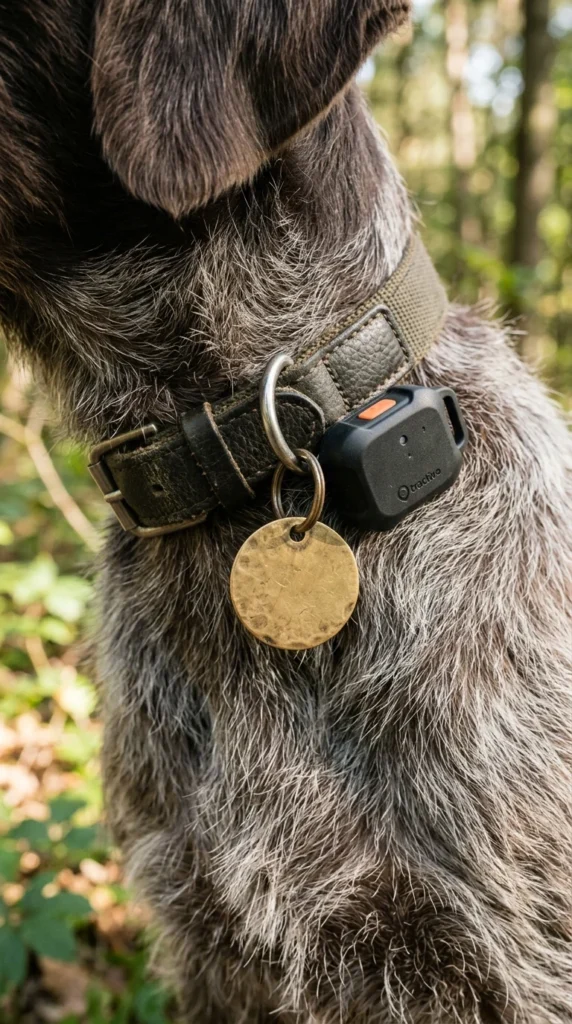
In the unfortunate event that your pet does get out during the holiday chaos, a microchip and an up-to-date ID tag are their best chance of coming home. Before the parties start, double-check that the contact information associated with your pet’s microchip is current and that their collar is secure.
24. Emergency Contacts
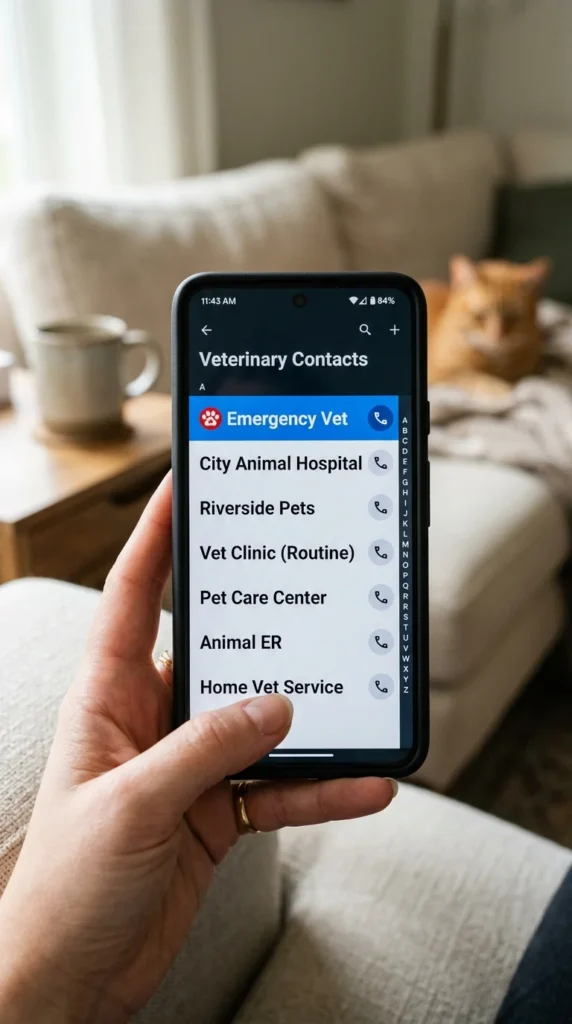
Accidents happen despite our best efforts. Keep the number and address of the nearest 24-hour emergency veterinary clinic posted on your refrigerator or saved in your phone. Additionally, keep the Pet Poison Helpline number handy. Knowing exactly where to go and who to call can save precious minutes in a holiday emergency.