

Bringing a puppy into your home is one of life’s most rewarding experiences. It is the beginning of a decade-long friendship, filled with wagging tails, wet noses, and unconditional love. However, the process of selecting the “right” puppy involves much more than just picking the cutest one in the litter. To ensure a harmonious household, you must balance your family’s lifestyle with the specific needs and traits of the canine you choose. Here are 24 essential steps to help you navigate this journey.
1. Lifestyle

Before looking at breeds, look at your daily routine. Are you an active family that spends weekends hiking and running, or do you prefer quiet evenings and indoor hobbies? High-energy breeds like Australian Shepherds thrive with active owners, while lower-energy breeds like Basset Hounds are content with a stroll around the block. Matching the dog’s energy to your own is the first step toward a happy home.
2. Space
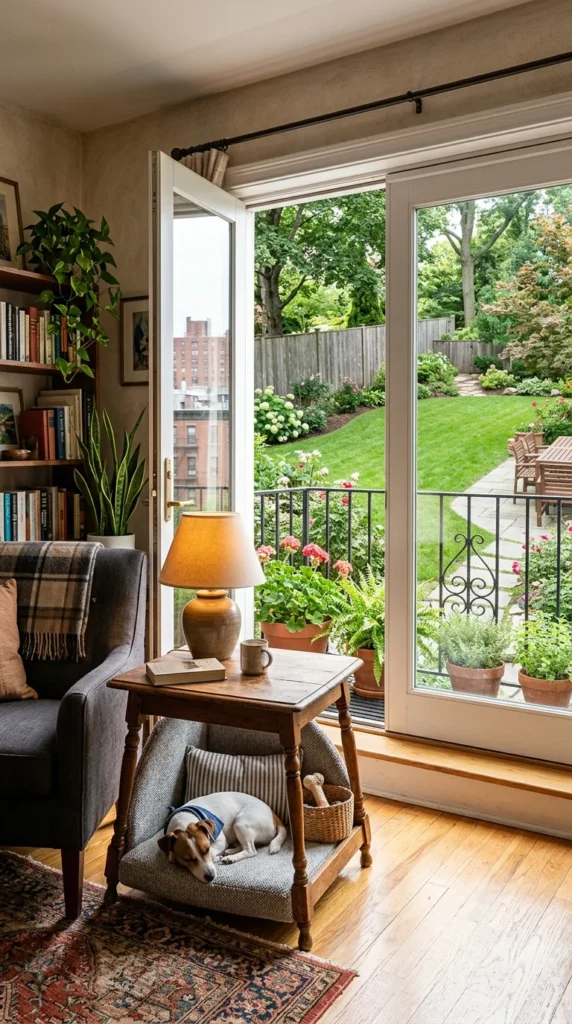
Your living environment dictates the size and temperament of the puppy you should get. While many large dogs can live in apartments if exercised properly, breeds known for being “vocal” or those that require a lot of room to roam might struggle in tight quarters. Consider whether you have a fenced yard or if you are committed to multiple daily walks to the nearest park.
3. Allergies

If anyone in your family suffers from allergies, your choices will narrow to hypoallergenic breeds. Dogs like Poodles, Bichon Frises, and Portuguese Water Dogs have hair instead of fur and shed significantly less dander. It is always wise to spend time with the specific breed before committing to ensure no adverse reactions occur.
4. Children

Not all breeds are naturally patient with the erratic movements and loud noises of children. “Nanny dogs” like Labradors, Goldens, and Boxers are famous for their tolerance. If you have very young children, you may also want to avoid “toy” breeds that are fragile and can be easily injured during rough play.
5. Budget

The cost of a puppy goes far beyond the initial adoption or purchase fee. You must account for high-quality food, vaccinations, monthly preventatives, grooming, and potential emergency vet visits. Some breeds are more prone to expensive health issues than others, so researching breed-specific medical risks is vital for your long-term financial planning.
6. Time

Puppies are a massive time commitment. They require potty training every few hours, socialization, and basic obedience training. If your family is away from home for 8 to 10 hours a day, a young puppy might not be the right fit unless you can hire a dog walker or use a doggy daycare service.
7. Temperament

Every puppy has a unique personality. When visiting a litter, look for the “middle-of-the-road” puppy—the one who is curious but not aggressive, and friendly but not overly shy. Temperament testing can help identify which pup will best fit your family’s dynamic.
8. Size

Consider what the puppy will look like in a year. That tiny ball of fluff could grow into an 80-pound powerhouse. Ensure your vehicle, your furniture, and your physical strength can accommodate the dog once it reaches its full adult size.
9. Grooming

Some dogs require daily brushing and professional grooming every six weeks, while others only need an occasional bath. If you don’t have the time or budget for extensive coat maintenance, look for short-haired breeds like Beagles or Labradors.
10. Health

Research the genetic health issues common to the breeds you are considering. Responsible breeders will provide health clearances for the parents, screening for conditions like hip dysplasia, heart defects, and eye issues. Choosing a healthy lineage can save you from heartbreak and high medical bills later.
11. Longevity

Different breeds have different lifespans. Generally, smaller dogs live longer than giant breeds. Consider how many years of commitment your family is ready for. A Great Dane might live 7-10 years, while a Toy Poodle could easily reach 15 or 18 years.
12. Source

Decide whether you want to adopt from a shelter or purchase from a reputable breeder. Shelters often have “potcakes” or mixed breeds that are incredibly hardy and loving. Reputable breeders offer predictability in terms of size, temperament, and health history. Avoid pet stores and “backyard breeders” who do not prioritize the welfare of the animals.
13. Purpose

Breeds were originally developed for specific jobs—herding, hunting, guarding, or companionship. A herding dog might try to “round up” your children by nipping at their heels, while a hound might follow its nose and ignore your recalls. Choose a breed whose original purpose aligns with your lifestyle.
14. Trainability

Some breeds are “eager to please” and pick up commands quickly, while others are independent thinkers (often called “stubborn”). If you are a first-time dog owner, a highly trainable breed like a Golden Retriever or a Poodle might be easier to manage than a more independent breed like an Afghan Hound.
15. Socialization

Consider how the puppy will get along with other pets you may already have. Some breeds have a high “prey drive” and may not be safe around cats or rabbits. Others are naturally more social with other dogs. Early socialization is key, but starting with a breed known for its social nature helps.
16. Barking
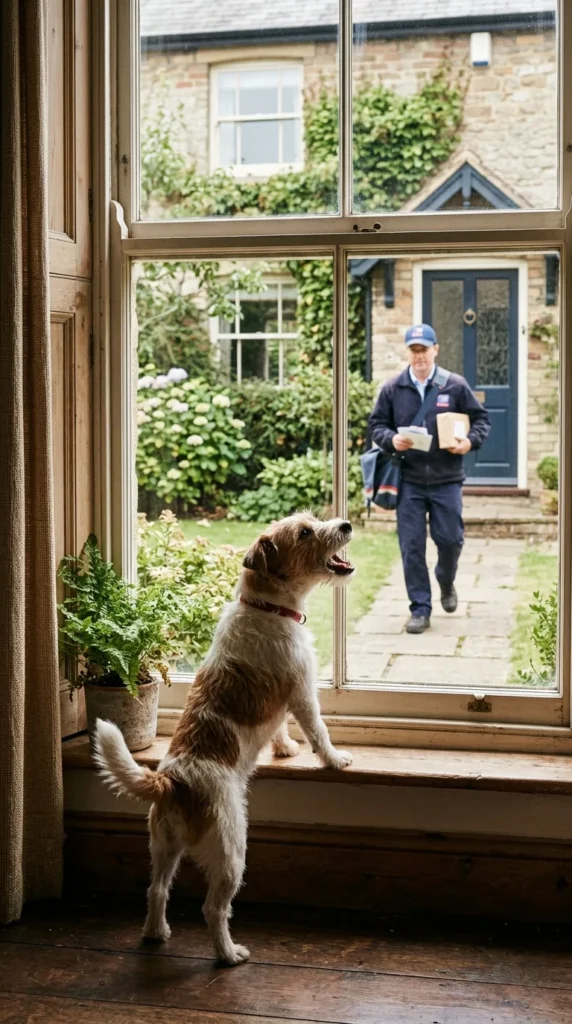
If you live in a quiet neighborhood or a building with thin walls, a vocal dog can be a major problem. Breeds like Beagles, Huskies, and many Terriers are known for being very communicative. Research the “noise level” of a breed before bringing them home.
17. Climate

Think about where you live. A thick-coated Alaskan Malamute will struggle in the humidity of Florida, while a hairless Xoloitzcuintli will need a wardrobe of sweaters to survive a Minnesota winter. Match the dog’s physical coat to your local environment.
18. Shedding

Are you prepared for “dog glitter” on your clothes and furniture? Some breeds shed year-round, while others “blow their coat” twice a year. If a pristine home is important to you, look for low-shedding breeds or be prepared to invest in a very high-quality vacuum.
19. Exercise
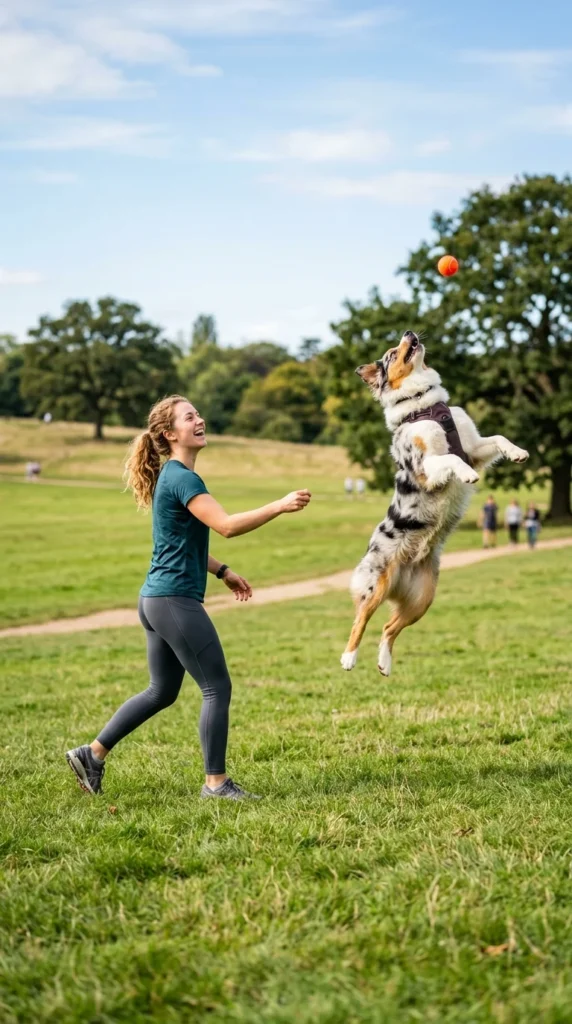
Physical exercise is non-negotiable for most puppies. However, the amount varies. A Border Collie might need two hours of intense running and mental work, while a Cavalier King Charles Spaniel might be satisfied with a 20-minute walk. Be honest about how much time you can realistically spend exercising your dog.
20. Intelligence

Smart dogs are wonderful, but they are also a lot of work. An intelligent dog that gets bored will find its own “jobs,” which usually involve chewing your shoes or digging up the garden. Ensure you are ready to provide the mental stimulation an intelligent breed requires.
21. Age

While everyone loves an 8-week-old puppy, don’t overlook slightly older puppies (4-6 months). They often have a head start on potty training and vaccinations, and their personalities are more established, making it easier to see if they fit your family.
22. Meeting

Never choose a puppy based on a photo alone. Meet the litter in person. Observe how they interact with their littermates and with you. This visit is your best chance to see the environment they were raised in and the health of the mother dog.
23. Vetting

Ask the breeder or shelter lots of questions. Ask about the parents’ temperaments, the puppy’s socialization so far, and what kind of food they are eating. A good source will be happy to answer your questions and will likely have plenty of questions for you, too, to ensure their puppy is going to a good home.
24. Connection

Finally, trust your intuition. Sometimes you have a checklist, and a puppy comes along that doesn’t tick every single box but feels “right.” That spark of connection is the foundation of the bond you will share for years to come. When you find the one that chooses you back, you’ll know you’ve found the perfect addition to your family.