
Training a dog that seems to have a mind of its own can feel like a test of wills. What many owners label as “stubbornness” is often actually a gap in communication, a lack of motivation, or underlying distractions. To transform your “stubborn” pup into a willing partner, you need to shift your perspective from control to cooperation. Here are 24 expert-backed strategies to train your dog effectively while keeping your cool.
1. High-Value Treats
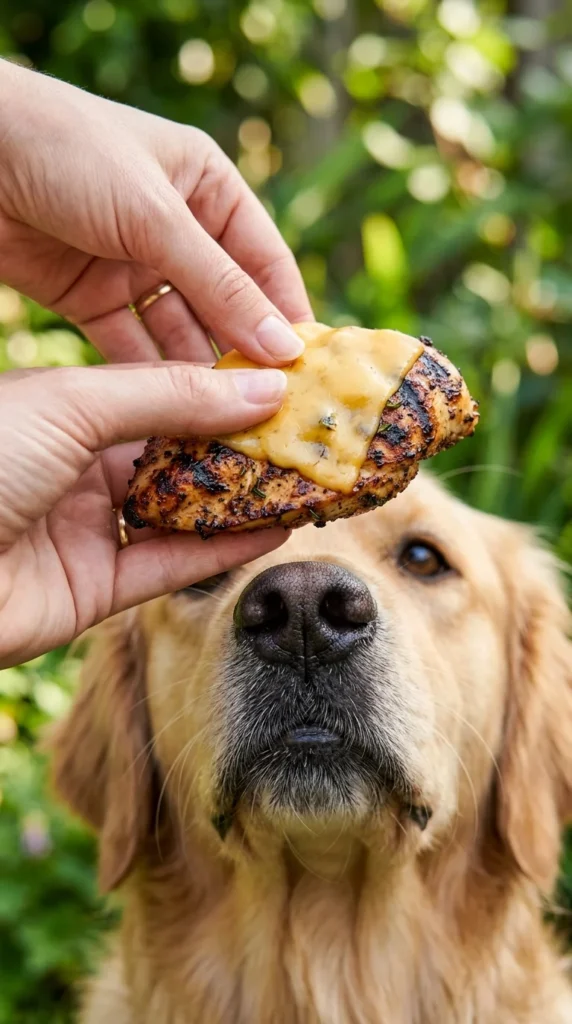
Standard kibble might work for a food-motivated Labrador, but a truly independent dog requires something better. High-value treats—like freeze-dried liver, boiled chicken, or tiny pieces of steak—create a “paycheck” that is worth the effort. When the reward outweighs the distraction, your dog is far more likely to tune in.
2. Short Sessions
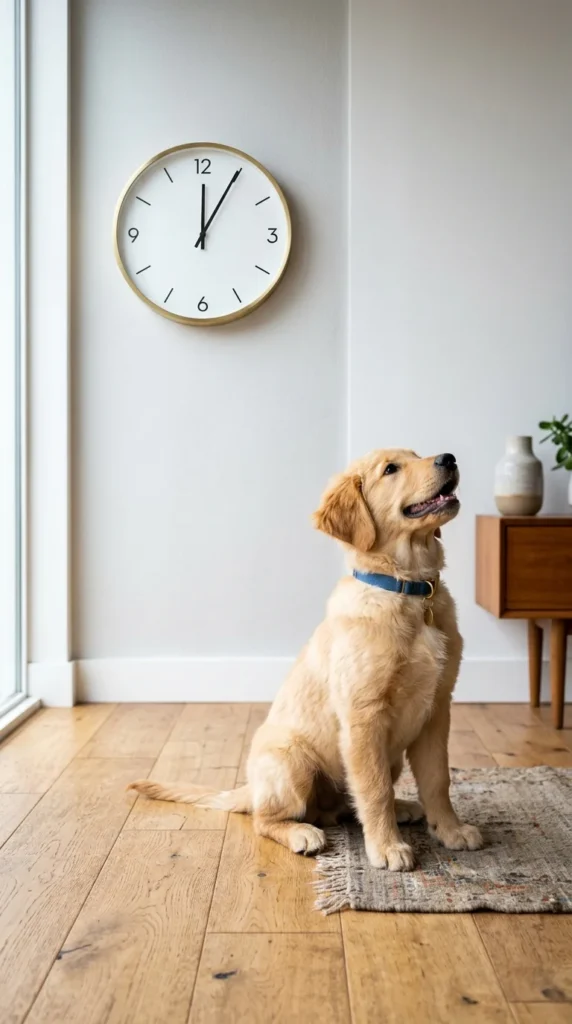
Dogs, especially those easily bored, have short attention spans. Instead of a grueling 30-minute session, aim for three to five minutes of high-intensity training. This prevents mental fatigue and ensures you end on a high note, leaving the dog wanting more rather than feeling burnt out.
3. Positive Reinforcement
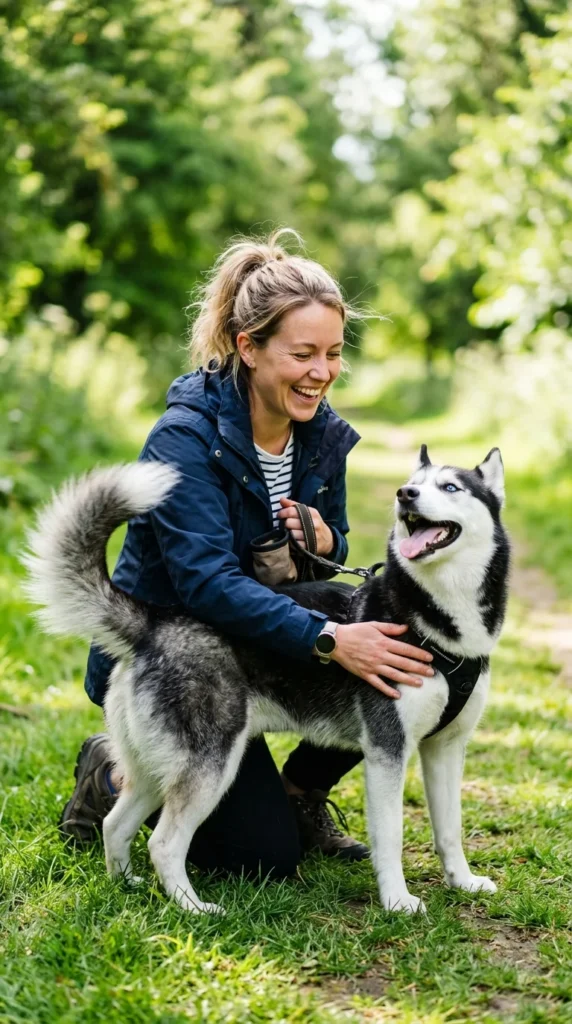
Focus on rewarding the behaviors you want rather than punishing the ones you don’t. Positive reinforcement builds trust and encourages the dog to “problem-solve” to get the reward. When a dog realizes that listening leads to good things, the “stubbornness” usually evaporates.
4. Clicker Training
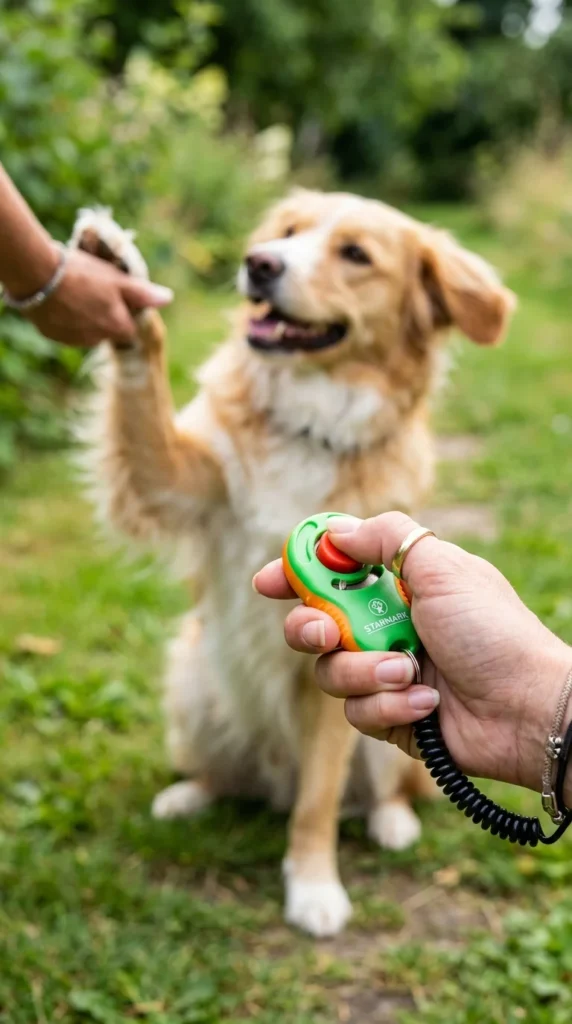
A clicker provides an instant, distinct sound that marks the exact moment your dog does something right. This clarity removes the guesswork for the dog. It’s a bridge between the action and the reward, making the learning process much faster and less frustrating for both parties.
5. Consistency
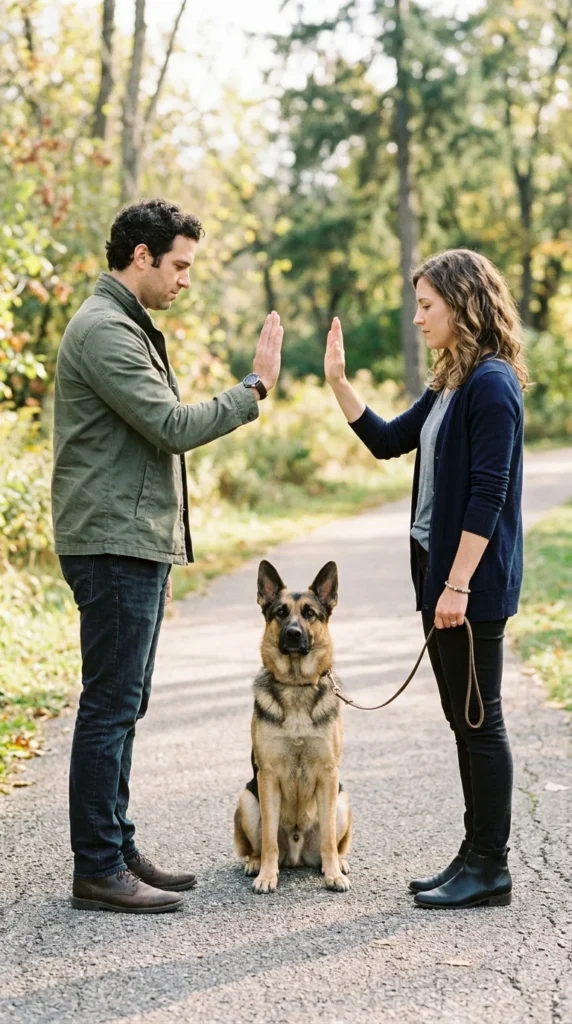
If you say “down” and your partner says “lay,” the dog gets confused. Stubbornness is often just confusion. Ensure everyone in the household uses the same cues, hand signals, and reward schedules. Consistency creates a predictable environment where the dog feels confident in its choices.
6. Patience
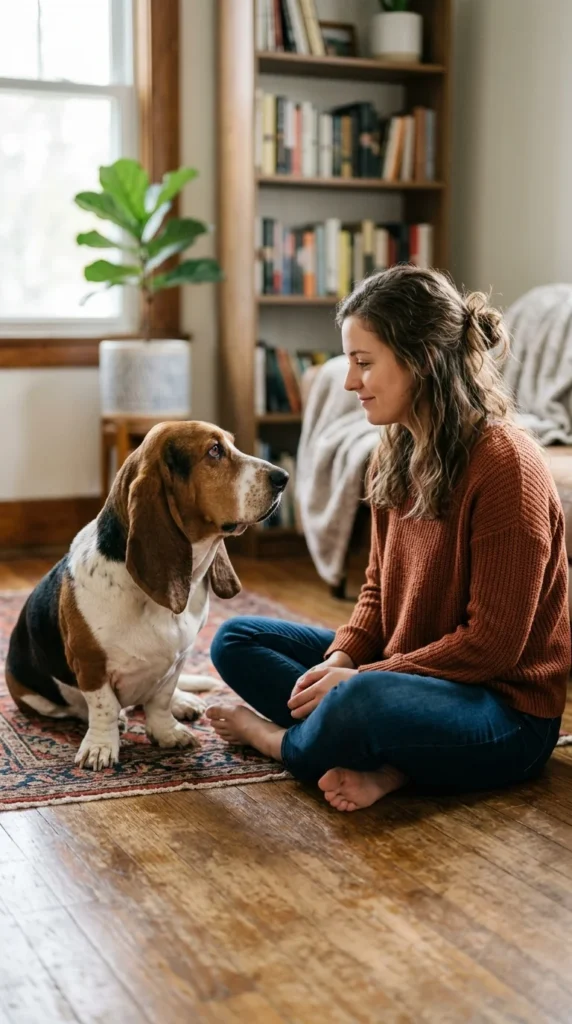
Patience is your greatest tool. If your dog doesn’t respond immediately, wait a few seconds. Giving them “processing time” allows them to figure out what you’re asking without the pressure of repeated commands, which can often lead to a “shut down” response.
7. Environment Control

You can’t expect a stubborn dog to learn a new trick in a busy park. Start in the quietest room of your house. Once the behavior is 100% reliable there, slowly move to the backyard, then the sidewalk, and finally more distracting environments. This “proofing” process is essential.
8. Health Check
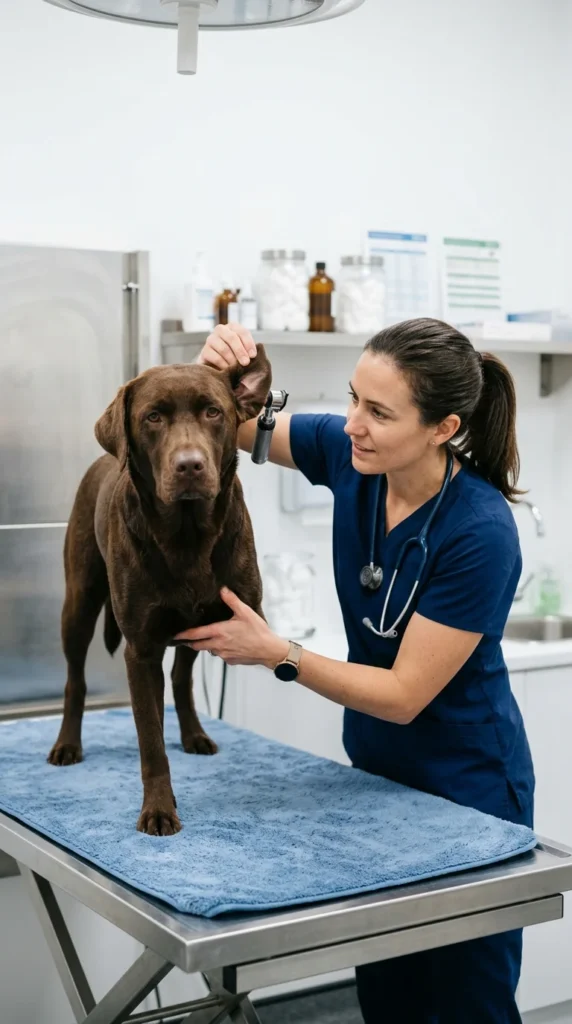
Sometimes what looks like defiance is actually physical discomfort. A dog with hip dysplasia might refuse to “sit,” or a dog with an ear infection might not “hear” your cues. If a previously obedient dog suddenly becomes “stubborn,” a trip to the vet is the first step.
9. Perfect Timing
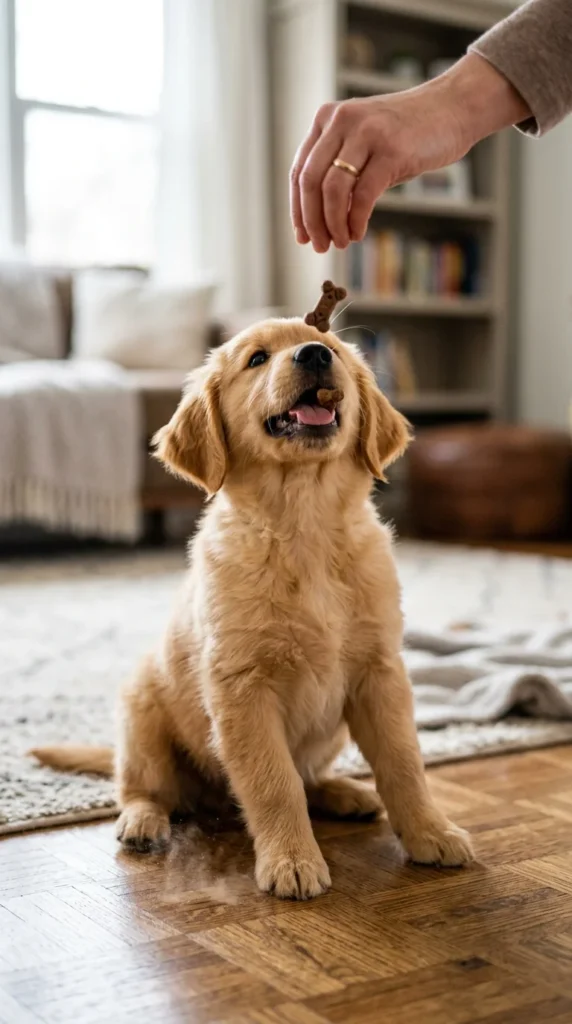
In dog training, a second is an eternity. If you reward a dog three seconds after they performed a task, they might think they are being rewarded for the sniff they took right after. Delivering the reward within 0.5 to 1 second of the desired behavior is key to clear communication.
10. Release Words
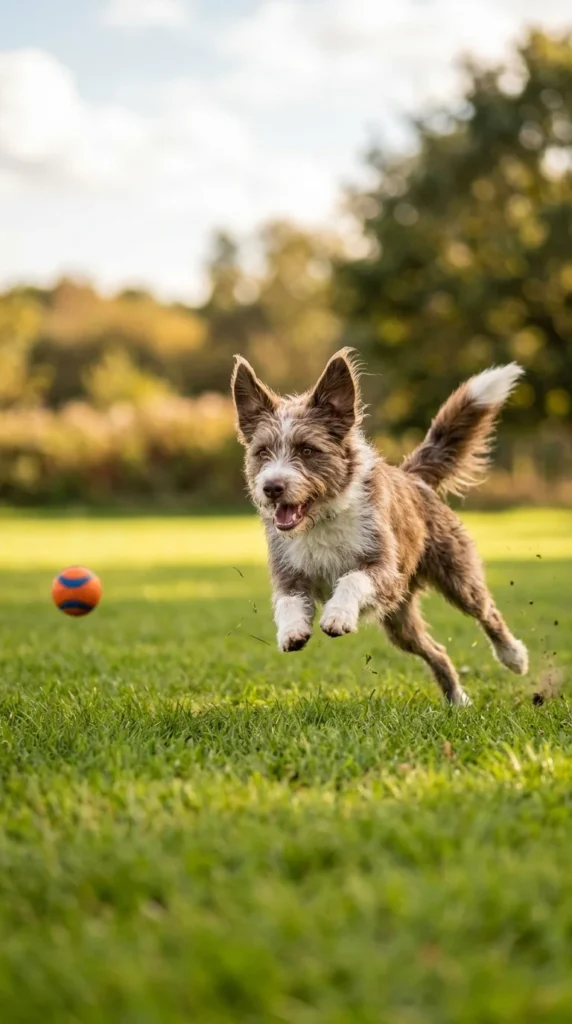
A “stay” is only meaningful if there is an end to it. Use a specific release word like “Okay” or “Free” to tell the dog they are done. This prevents the dog from deciding on their own when to quit, which is a common source of owner frustration.
11. Capturing Behavior
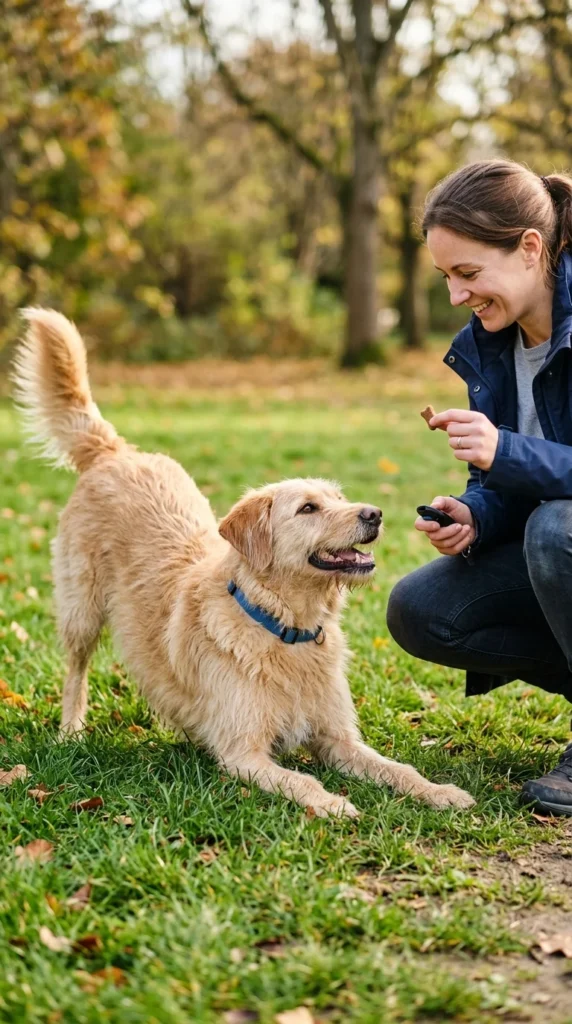
Instead of forcing a dog into a position, wait for them to do it naturally. If your dog happens to lie down, say “Down” and reward them. This is called “capturing.” It makes the dog feel like the behavior was their idea, which works wonders for independent breeds.
12. Luring
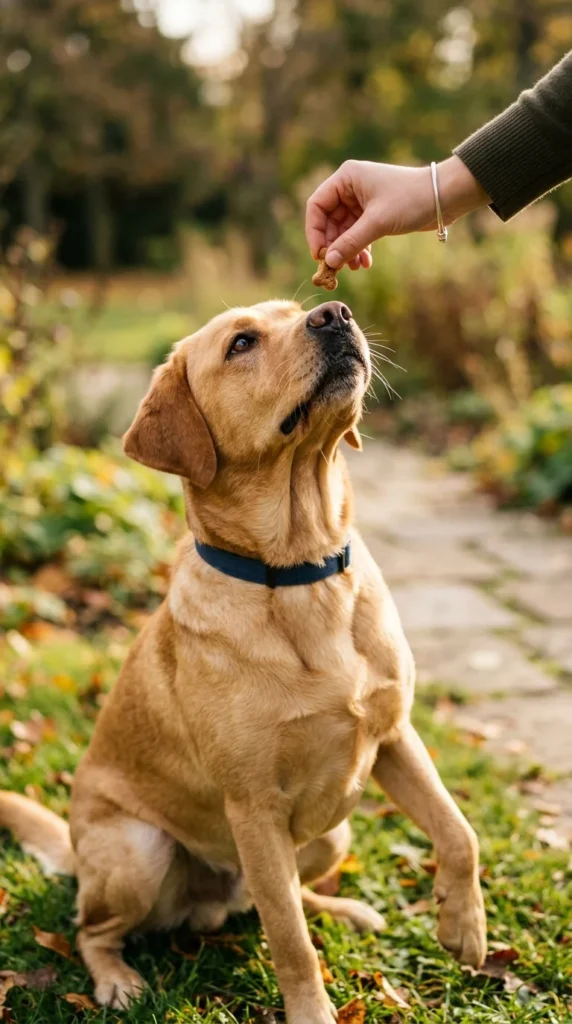
Luring involves using a treat like a magnet to guide the dog’s body into the desired position. It’s a gentle, non-physical way to show the dog what you want. Once the dog follows the lure reliably, you can transition the lure into a hand signal.
13. Mental Stimulation
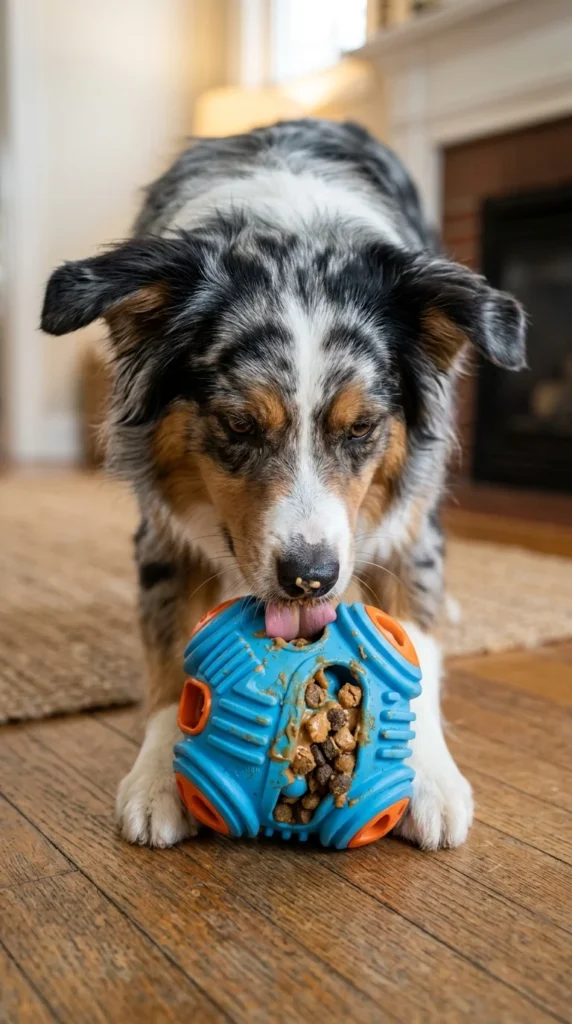
A bored dog is a “stubborn” dog. If their brain isn’t tired, they will find their own (often destructive) ways to entertain themselves. Use puzzle feeders and nose-work games to burn off mental energy, making them more focused during actual training sessions.
14. Physical Exercise
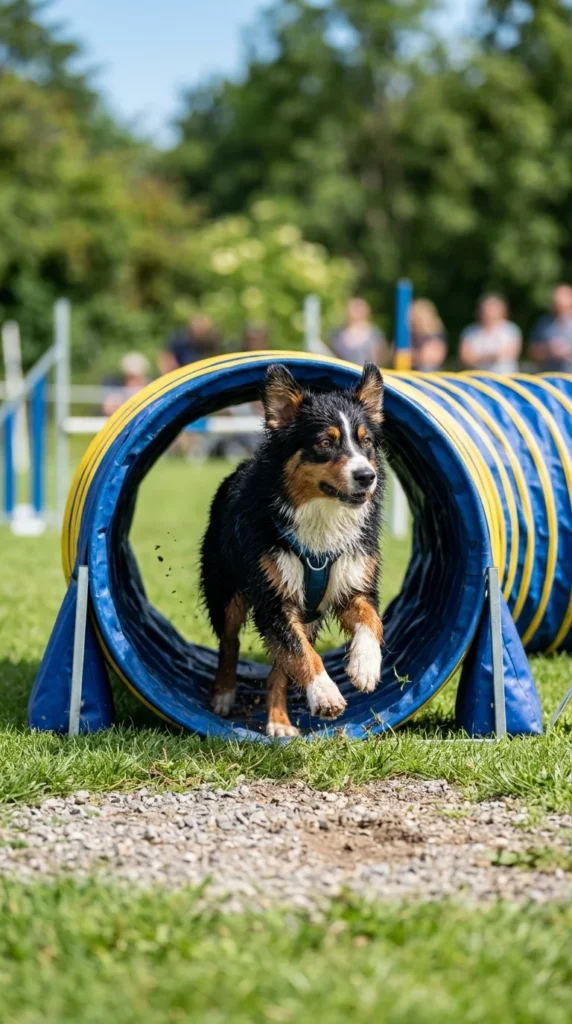
You cannot train a dog that has “zoomies” or excessive pent-up energy. Ensure your dog has had a good walk or a game of fetch before you ask them to sit still and learn. A tired dog is a much more compliant student.
15. Bonding Time
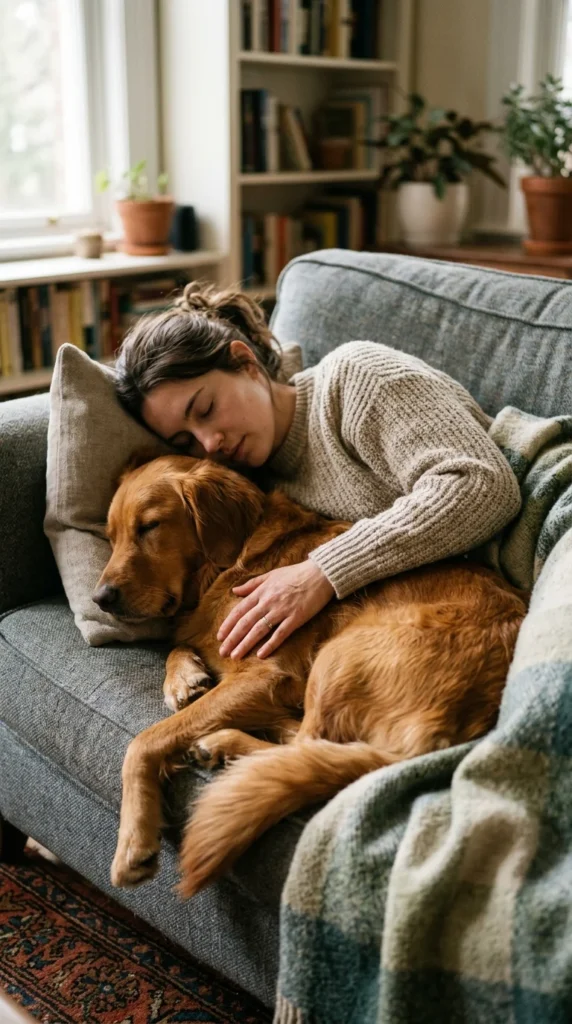
Training is 90% relationship. If your dog likes and trusts you, they will want to please you. Spend time doing things your dog enjoys—brushing, playing, or just sitting together—without asking for anything in return. This builds the credit you’ll need during difficult training moments.
16. No Punishment
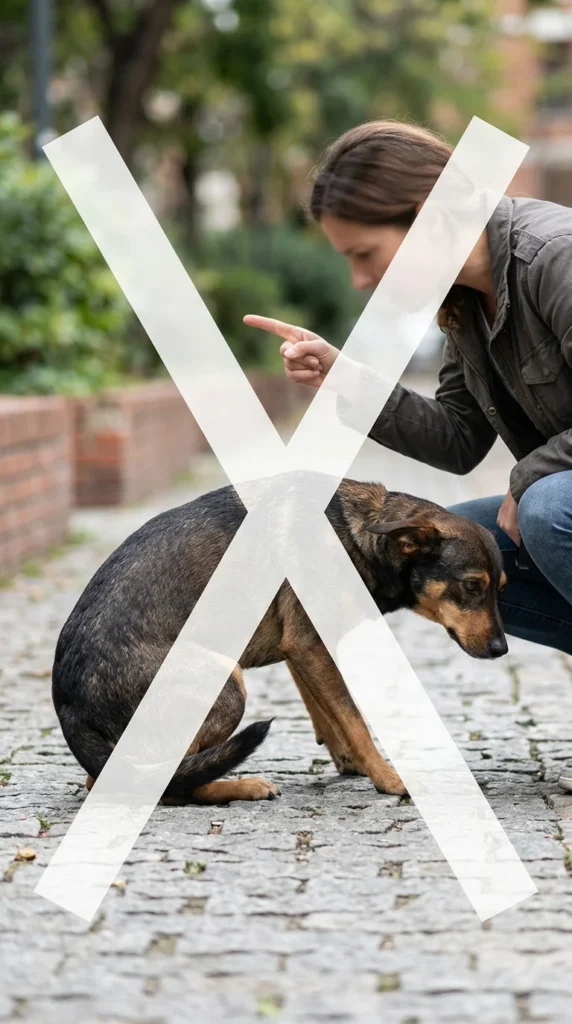
Scolding or physical corrections often backfire with stubborn dogs. They may become fearful, shut down, or even turn aggressive. If the dog isn’t doing what you want, it simply means they haven’t learned it well enough yet or the reward isn’t high enough.
17. Socialization
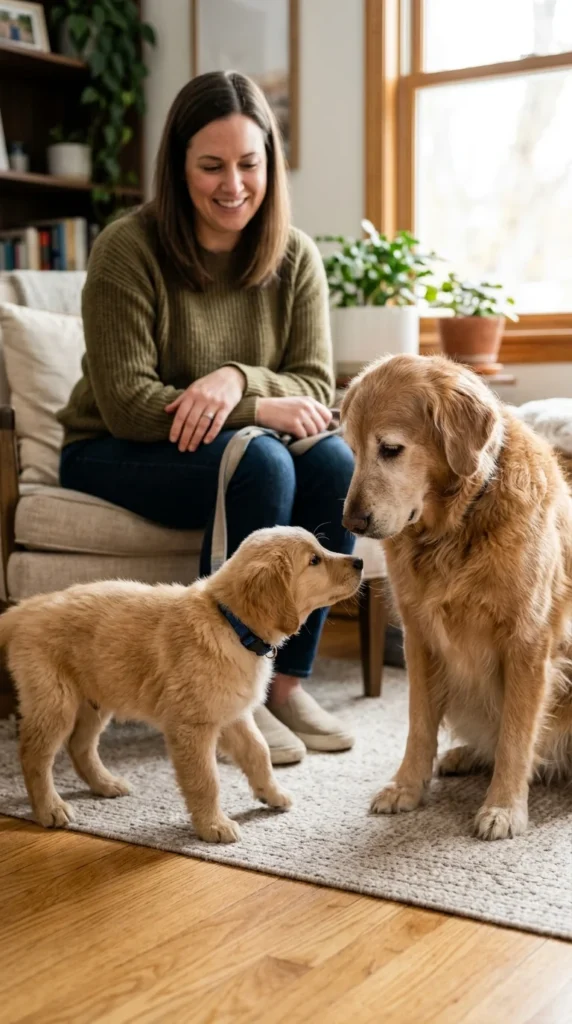
A well-socialized dog is a confident dog. Dogs that are fearful of new sounds, people, or other animals are often too stressed to learn. Exposing your dog to various environments in a positive way helps them remain calm and attentive when you need to train them in public.
18. Gradual Progression
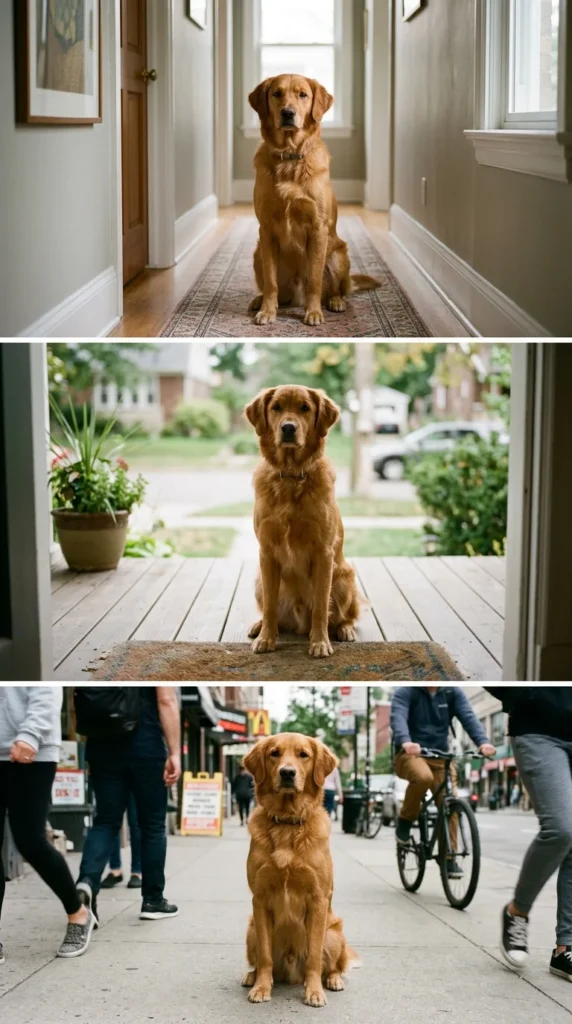
Don’t jump from “Sit in the kitchen” to “Sit at the dog park.” Break every behavior down into tiny, achievable steps. If the dog fails, go back one step to where they were successful. This prevents the frustration of “hitting a wall.”
19. Management Tools
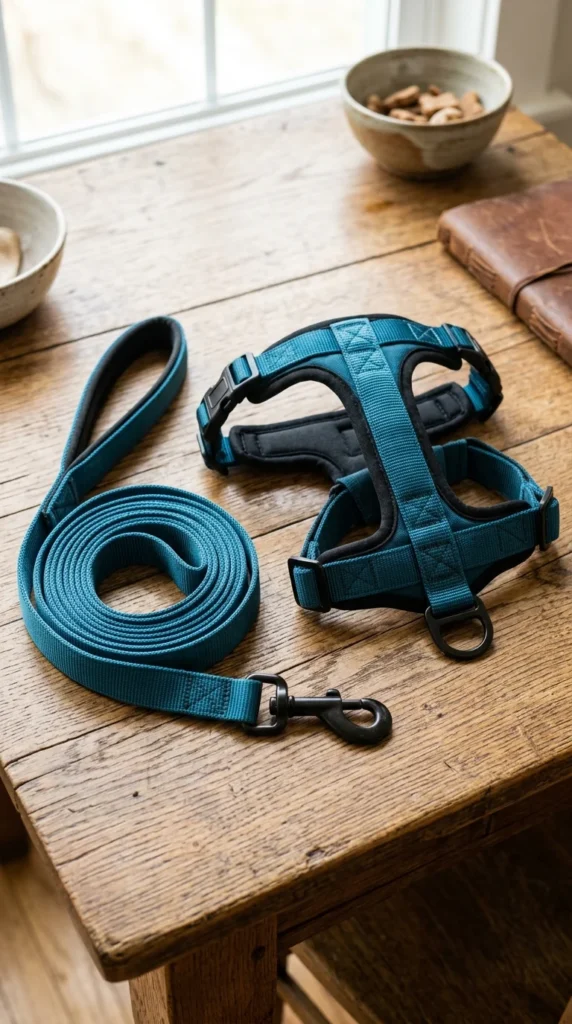
Use the right gear to set yourself up for success. A front-clip harness can help with pulling, and a long line (15–30 feet) can help you practice recalls while keeping the dog safe. These tools manage the dog’s environment so they can’t practice “bad” behaviors.
20. Play-Based Training
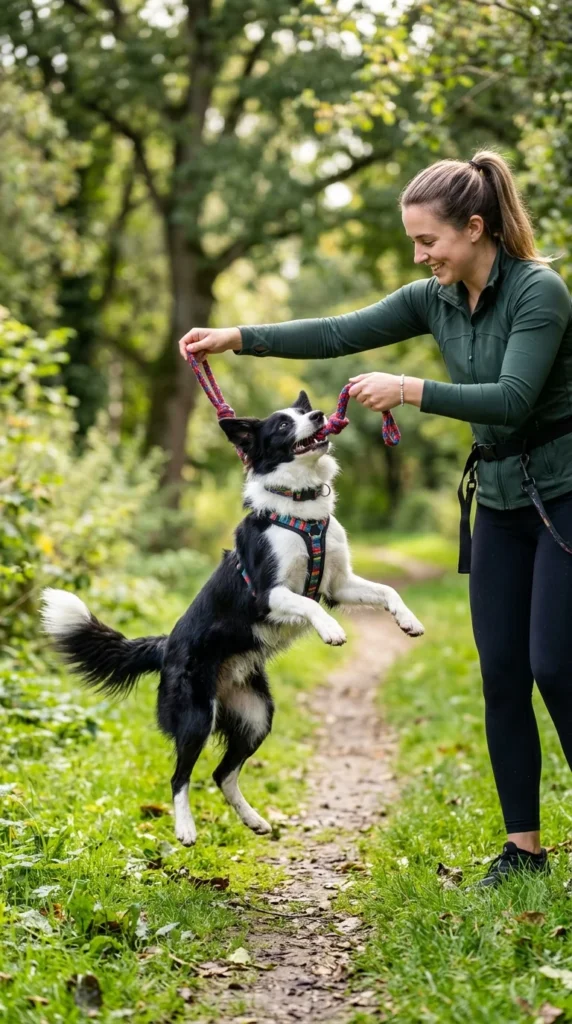
For many dogs, a game of tug or fetch is more rewarding than food. Incorporate play into your training. Ask for a “Sit,” and then immediately throw the ball. This keeps the energy high and makes training feel like a game rather than a chore.
21. Body Language
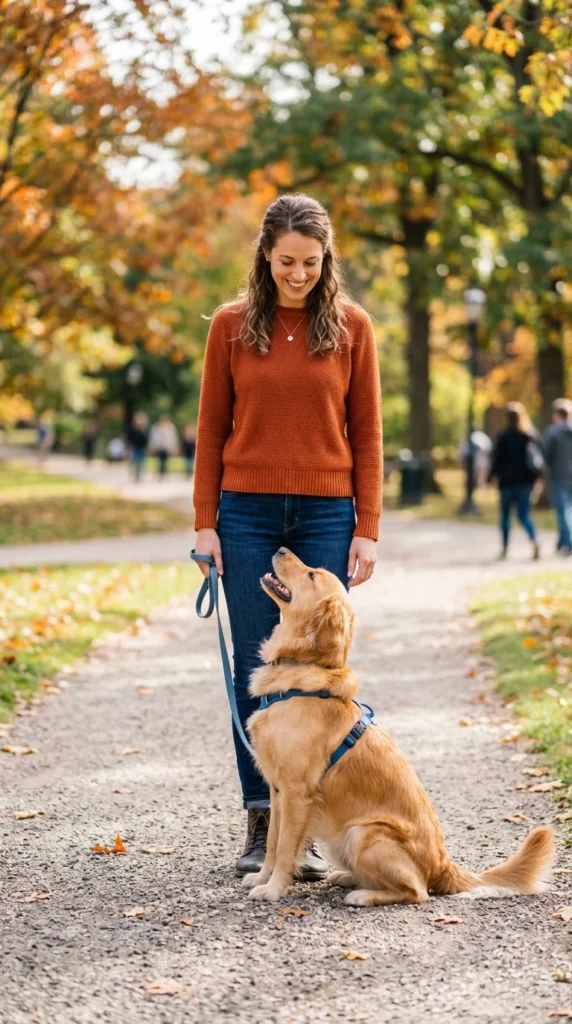
Dogs are masters of reading human body language. If you are tense, frustrated, or looming over them, they will feel pressured. Keep your posture relaxed, use inviting gestures, and try to communicate through your movements as much as your words.
22. Voice Tone

The “stubborn” dog often ignores a shouting owner but listens to a whispering one. Use a high-pitched, happy tone for praise and a low, calm, firm (but not angry) tone for cues. Avoid repeating the command over and over, which creates “command nagging.”
23. Focus Exercises
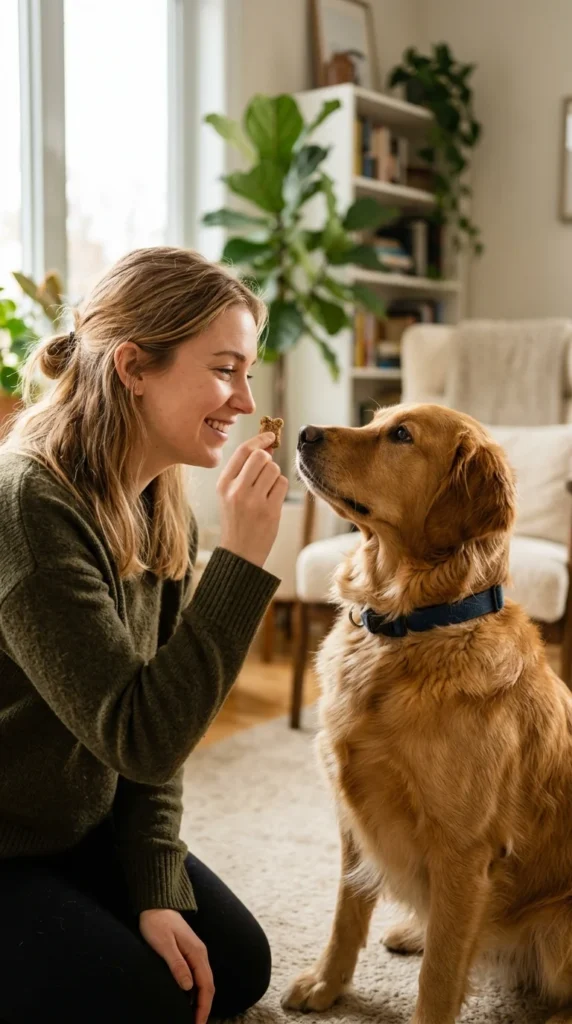
Before you can teach a dog anything, you need their attention. Practice “Watch Me” or “Look” exercises daily. Reward the dog simply for making eye contact. Once you have their focus, the actual training of commands becomes significantly easier.
24. Professional Help
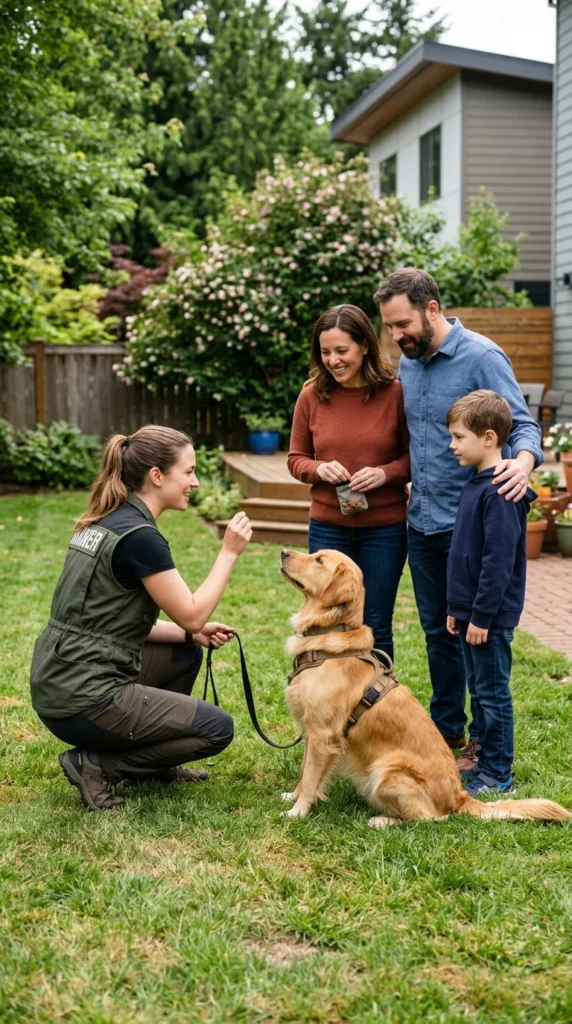
There is no shame in calling in an expert. A certified positive-reinforcement trainer can spot subtle things you might be missing and provide a tailored plan. Sometimes, a fresh pair of eyes is all it takes to break through a plateau and eliminate frustration once and for all.