Keeping a pet entertained involves more than just a quick walk around the block or a squeaky toy from the store. Enrichment is a vital component of animal welfare that provides mental stimulation, encourages natural behaviors, and prevents destructive habits born from boredom. Whether you have a high-energy dog, a curious cat, or a small mammal, these 25 DIY projects use household items to transform your pet’s daily routine into an adventure.
1. Snuffle Mat
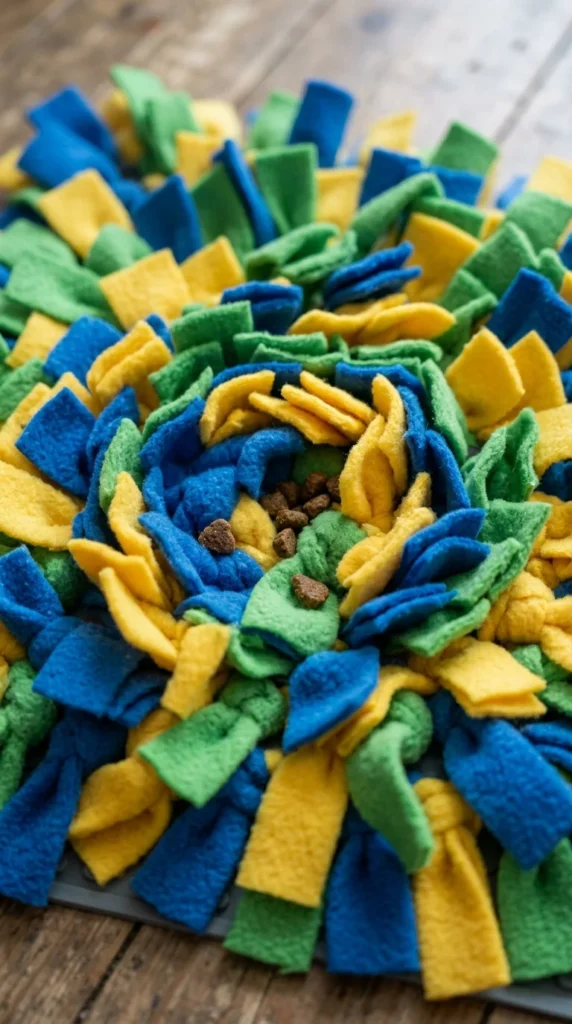
The snuffle mat is a gold standard for scent-based enrichment. It mimics the natural foraging behavior of dogs and cats by requiring them to use their noses to find hidden treats. To make one, take a rubber sink mat with holes and tie 6-inch strips of fleece through each hole until the mat is thick and shaggy. Sprinkle their dry food or small treats across the top and ruffle the fabric to hide them. This activity can turn a 30-second meal into a 15-minute mental workout, significantly lowering stress levels.
2. Muffin Tin
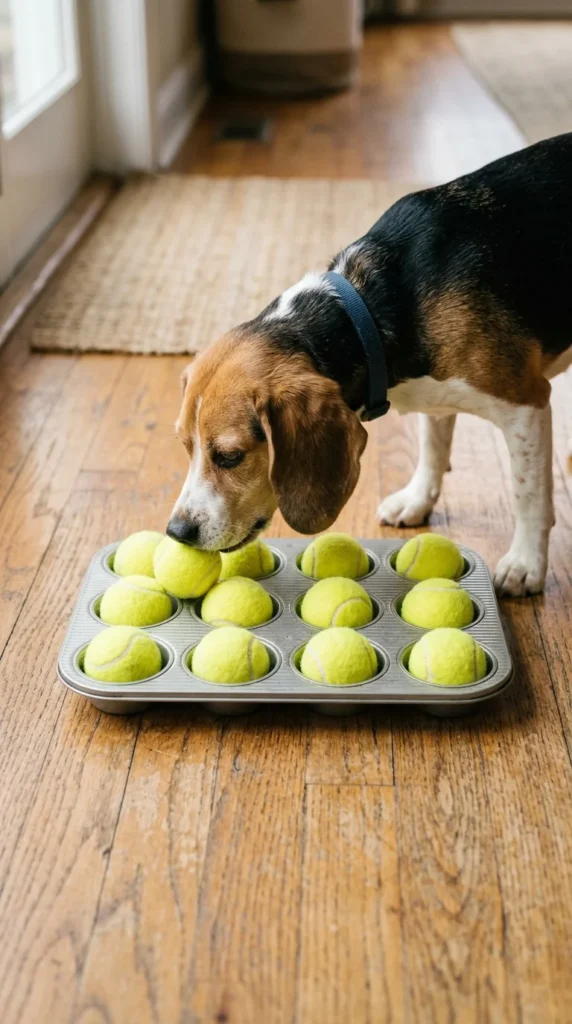
This is one of the simplest DIY puzzles you can create. Place small treats or pieces of kibble into the cups of a standard muffin tin, then place a tennis ball over each opening. Your pet must figure out how to lift or nudge the balls out of the way to reach the reward. It’s excellent for dogs who need to slow down their eating and helps develop fine motor skills and problem-solving abilities.
3. Cardboard Forager
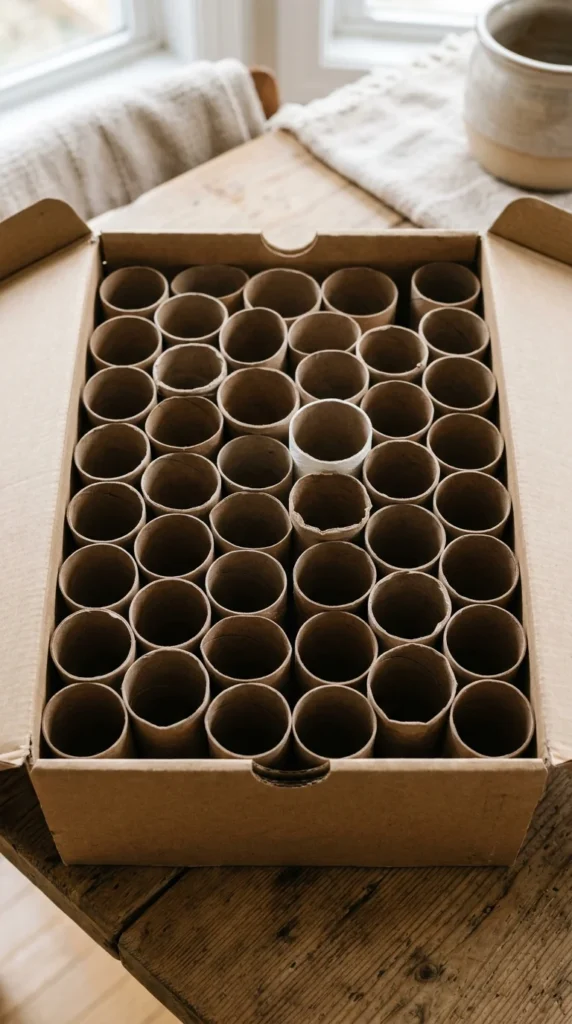
Don’t throw away those cardboard rolls! Stand them upright inside a small box until they are packed tightly enough that they don’t fall over. Drop treats or kibble into the tubes. For an added challenge, fold the tops of some tubes down. This setup forces your pet to use their paws or muzzle to fish out the food, providing both tactile and mental stimulation. It is especially popular with cats and rabbits.
4. Frozen Lick-Pad
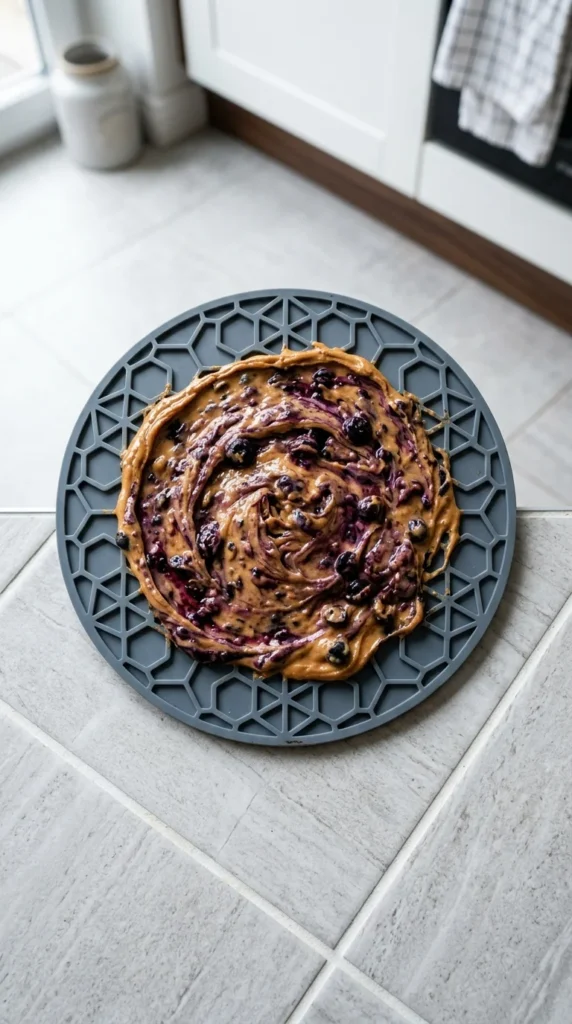
Licking is a self-soothing behavior for dogs that releases endorphins. You can create a DIY lick-pad using a textured silicone pot holder or even the back of a plastic tray. Spread dog-safe peanut butter (ensure it is Xylitol-free), plain Greek yogurt, or mashed pumpkin across the surface. Freeze it for two hours to make the activity last longer. This is a perfect tool for keeping pets calm during thunderstorms or grooming sessions.
5. T-Shirt Rope
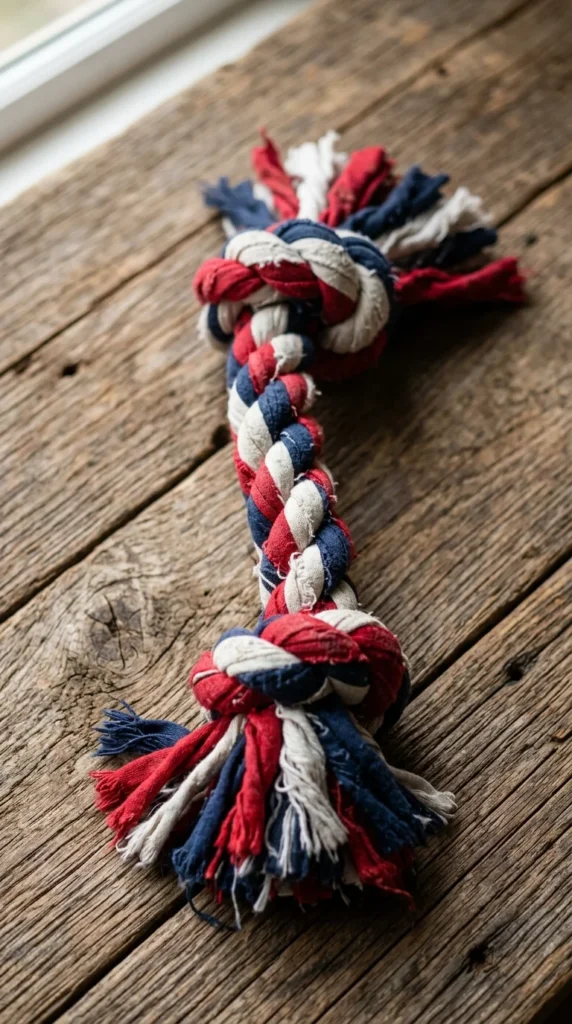
Upcycle your old, worn-out clothing into a durable tug toy. Cut three long strips of fabric from old t-shirts, tie them together at one end, and braid them tightly. Knot the other end and add several intermediate knots for texture and grip. The scent of “home” on the fabric can be comforting for many dogs, and the soft material is gentle on their gums during a game of tug-of-war.
6. Bottle Spinner
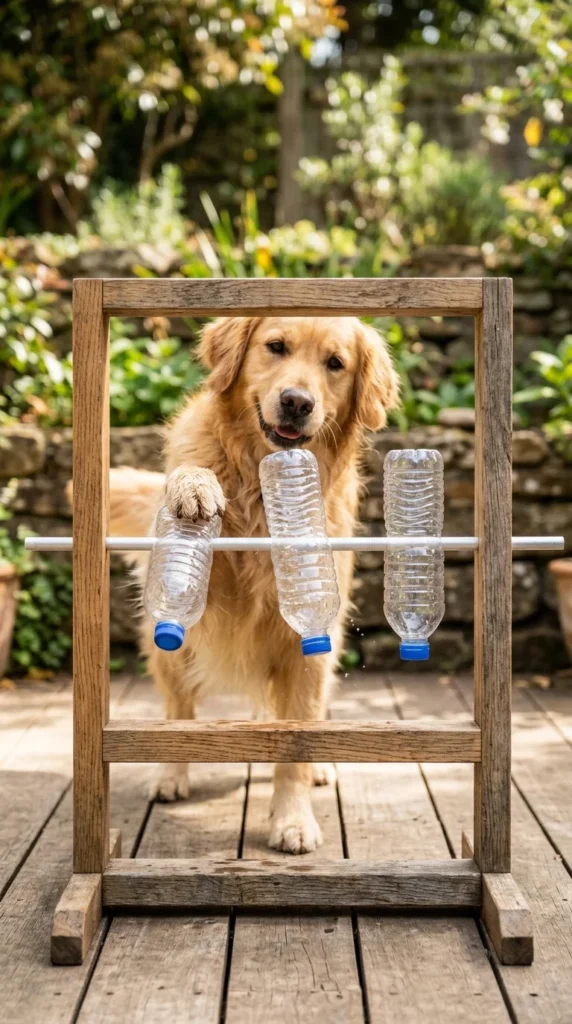
This “genius” level puzzle requires a bit of assembly. Build a simple wooden frame and run a rod (like a dowel or a piece of PVC) through the middle of two or three empty plastic bottles. Drill holes in the sides of the bottles and fill them with treats. As your pet bats at the bottles, they spin on the rod, occasionally dropping a treat through the holes. It’s an engaging way to build coordination and persistence.
7. Towel Roll-Up
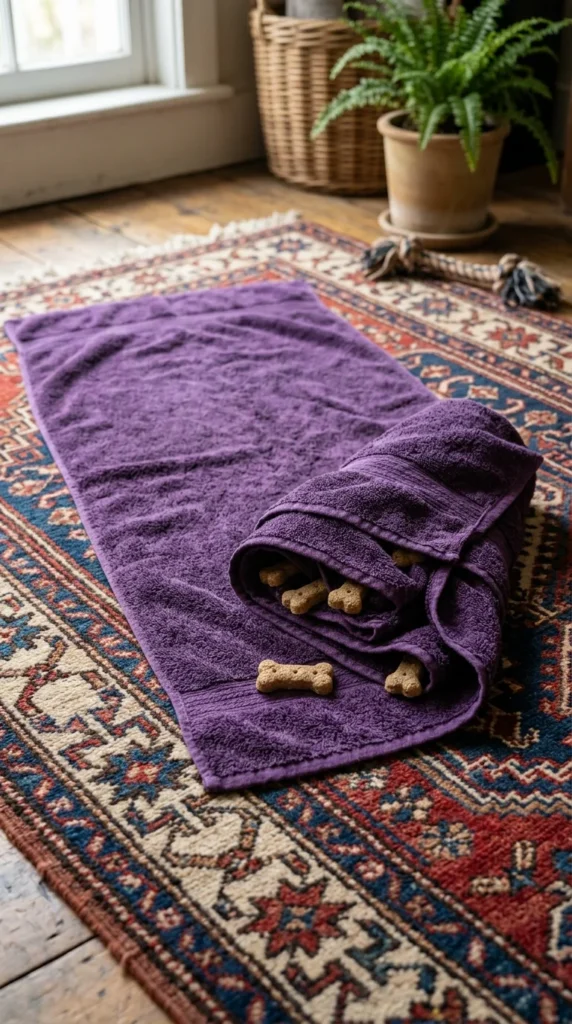
If you have an old towel, you have a puzzle. Lay the towel flat and scatter treats along the surface. Carefully roll the towel up into a long “snake” or tie it into a loose knot. Your pet will have to use their nose and paws to unroll the fabric and find the rewards. This is a great low-impact activity for senior dogs or pets recovering from surgery who need mental stimulation without heavy physical exertion.
8. PVC Pipe Puzzle
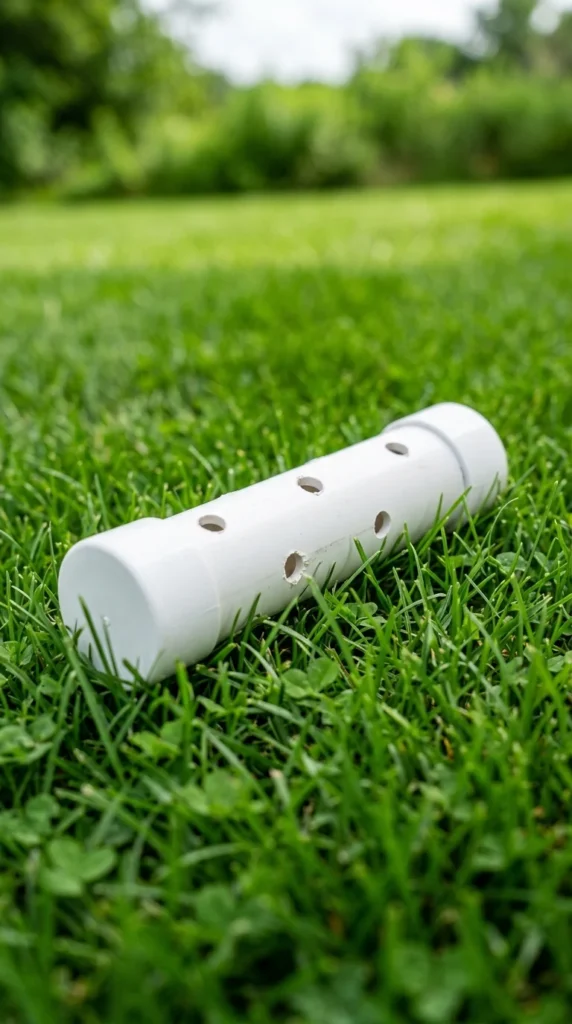
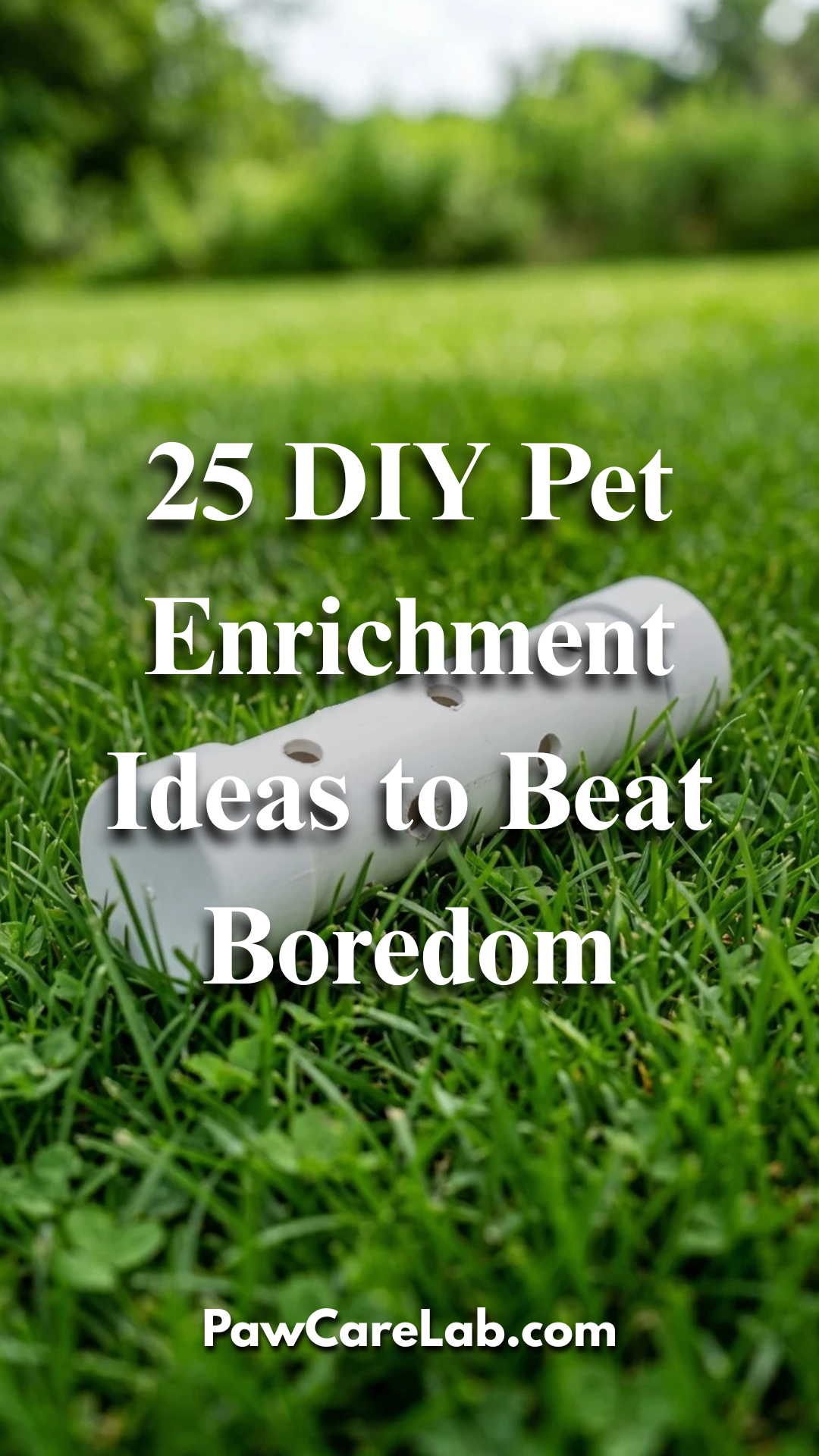
For the “heavy chewers” and energetic workers, a PVC pipe puzzle is nearly indestructible. Take a piece of PVC pipe (roughly 8-10 inches long), drill several holes slightly larger than your pet’s kibble into the sides, and cap both ends with PVC caps (not glued, so you can clean it). Fill it with dry food. As the pet rolls the pipe across the floor, the kibble falls out at random intervals, keeping them engaged for long periods.
9. Sock Fish
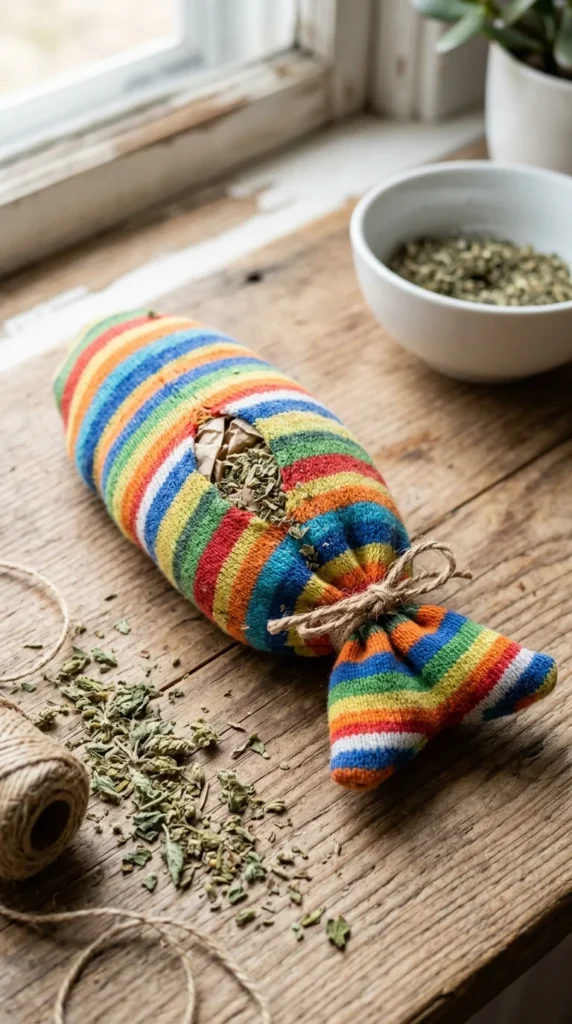
This is a classic for feline enrichment. Take a clean, lone sock and stuff it with crinkly materials like brown packing paper or cellophane, then add a tablespoon of dried catnip. Tie a secure knot at the end. The “crinkle” sound mimics the sound of prey in the grass, while the catnip provides olfactory stimulation. Cats love to “bunny kick” these toys, which allows them to express natural hunting instincts.
10. Dig Box
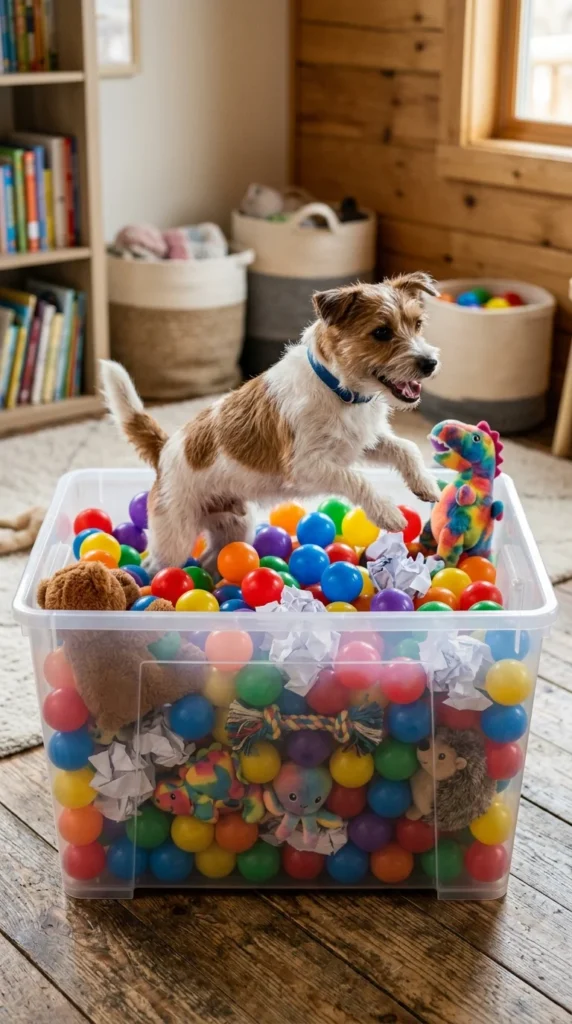
Many dogs have a natural instinct to dig. Instead of letting them ruin your garden, create a designated “Dig Box.” Fill a large plastic tub or a kiddie pool with pet-safe materials—this could be soil, sand, or for a cleaner indoor version, plastic ball-pit balls and crumpled paper. Hide high-value toys or treats at the bottom. This allows the pet to fulfill their digging urge in a controlled, mess-free environment.
11. Shell Game

The classic “shell game” isn’t just for magicians; it’s a fantastic cognitive exercise. Place a smelly treat under one of three identical cups. Move the cups around slowly while your pet watches, then encourage them to “find it.” This builds focus, encourages eye-tracking, and rewards the pet for using their brain to solve a visual and scent-based problem.
12. Cereal Box Shredder
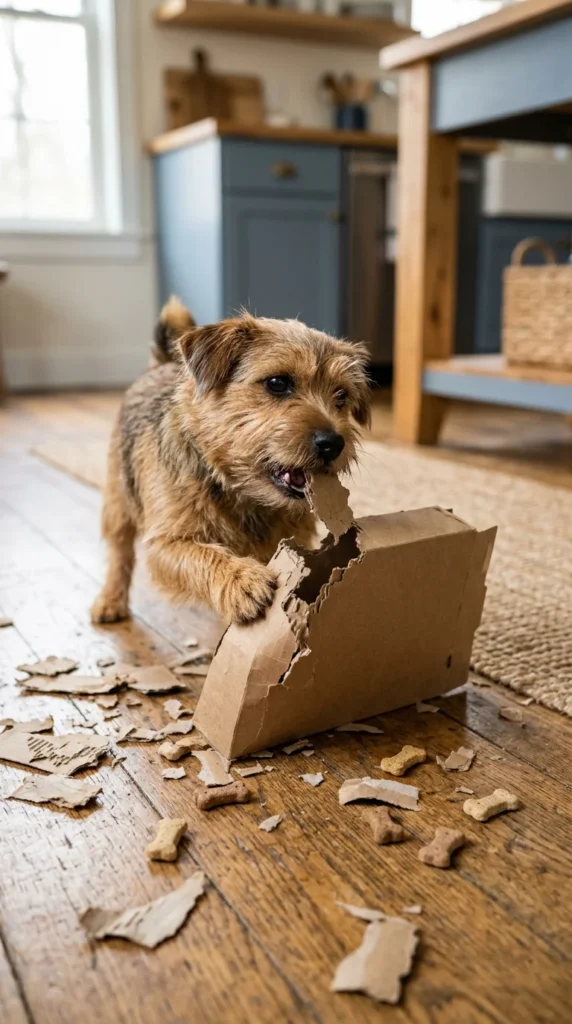
Sometimes the best enrichment is the most destructive. If your dog loves to shred things, give them a safe outlet. Take an empty cereal box, place a few treats inside, and tape it shut loosely. Let your dog go to town tearing it open. Shredding is a natural “dissecting” behavior for canines. Just ensure they aren’t eating the cardboard and that you remove any plastic liners or staples beforehand.
13. Ice Block Treasure
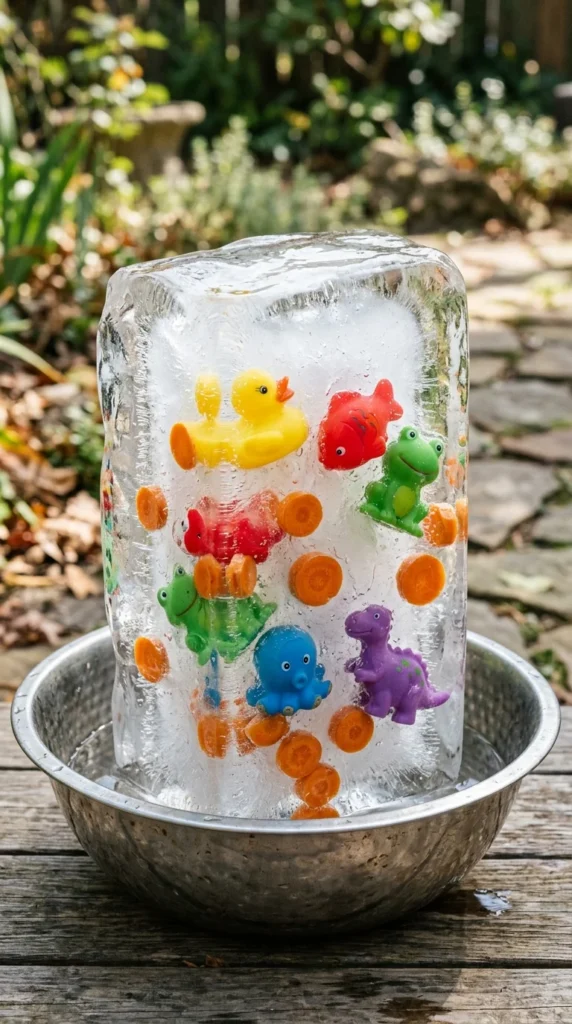
On a hot day, nothing beats an ice block. Fill a large Tupperware container with water (or low-sodium chicken broth) and drop in a few waterproof toys, berries, or pieces of meat. Freeze it solid, then pop it out of the container and give it to your pet outside. As they lick and nibble the ice to melt it, they are rewarded with the treasures inside. It keeps them hydrated, cool, and busy.
14. Egg Carton Forager
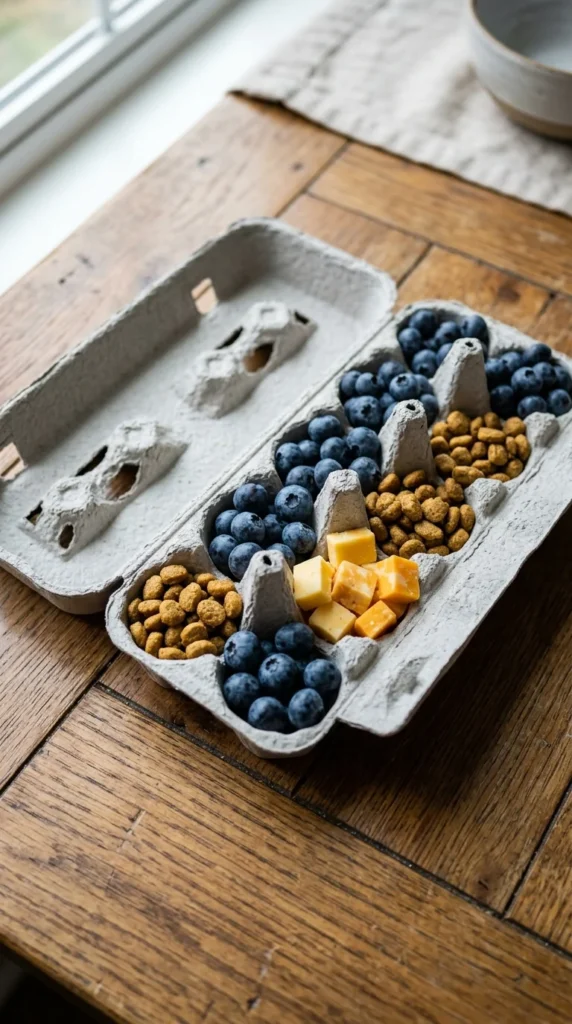
Don’t toss your egg cartons. They are perfect ready-made puzzles. Place different types of snacks in the individual egg cups. To make it harder, close the lid and let the pet figure out how to flip it open. For small pets like hamsters or rats, you can stuff the compartments with hay or shredded paper to make them work even harder for their food.
15. High-Low Game

This “hide and seek” variation encourages pets to explore their environment vertically and horizontally. Instead of putting all treats on the floor, hide them in safe “elevated” spots (like a low stool or the first step of a staircase). This is especially great for cats, who naturally love to climb and observe from high vantage points. It turns their home into a 3D hunting ground.
16. Tennis Ball Slit
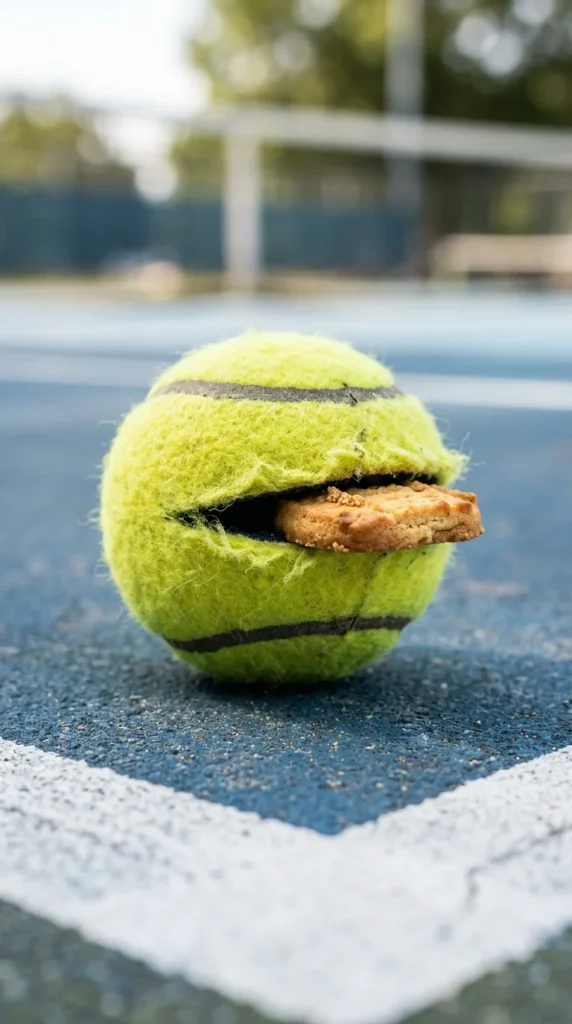
Transform a standard tennis ball into a treat dispenser. Carefully cut a small slit along the seam of the ball (be cautious with the blade!). Squeeze the ball to open the “mouth” and stuff it with kibble or small treats. Your pet will have to squeeze, roll, and bounce the ball in specific ways to get the food to fall out through the slit.
17. Ribbon Wand

For cats and high-drive dogs, a DIY ribbon wand is an essential tool for “chase” play. Attach several long strips of fabric or sturdy ribbon to the end of a stick or dowel. Dragging this across the floor or waving it in the air mimics the movement of birds or insects, triggering the predatory drive in a fun, safe way. It’s also an excellent way for owners to bond with their pets through active play.
18. Paper Bag Surprise
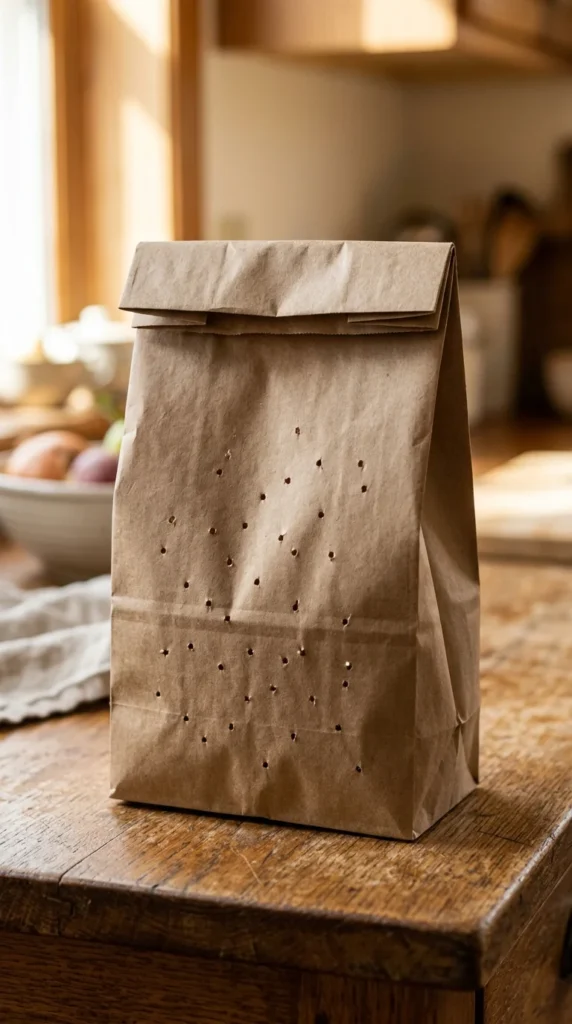
Cats and small dogs love the sound and feel of paper. Take a brown paper bag, toss in a few treats and a noisy toy (like a bell ball), and fold the top down. The pet will enjoy the crinkling sound as they pounce on the bag and try to figure out how to get the treats out. It’s a low-cost, disposable toy that provides instant satisfaction.
19. Veggie Garland
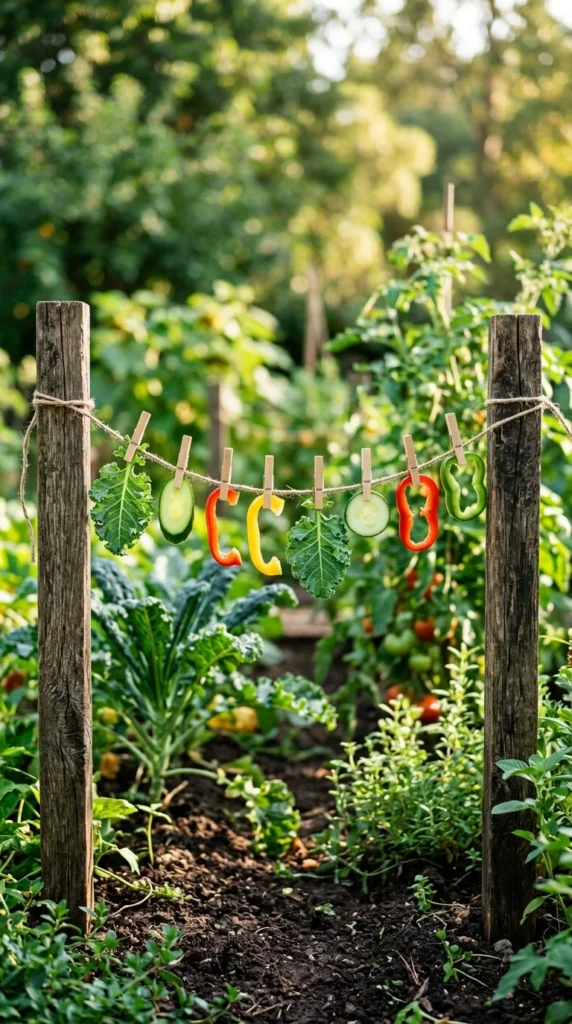
Perfect for rabbits, guinea pigs, or even curious dogs, a veggie garland makes eating an interactive experience. String pet-safe vegetables onto a piece of natural twine and hang it just at your pet’s nose level (ensure it is safe and supervised so they don’t eat the string). Having to reach and nibble at moving food prevents the monotony of a food bowl and encourages physical movement.
20. Scent Trail
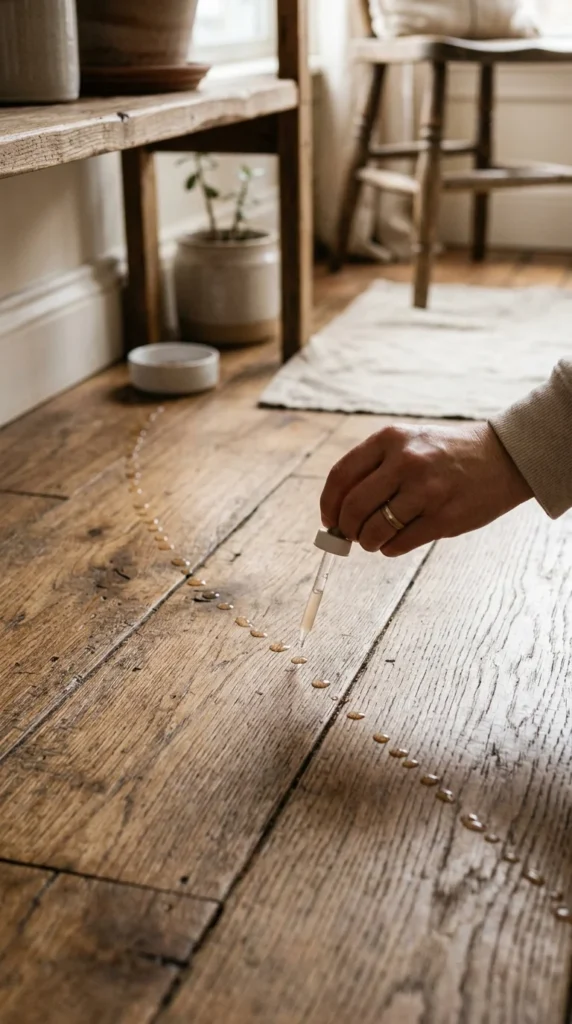
Engage your pet’s most powerful sense: smell. Create a “scent trail” through your house by dragging a piece of high-value food (like a piece of hot dog or a tea bag of valerian for cats) along the floor in a winding path. Hide the prize at the end of the trail. This mimics the tracking behavior animals use in the wild and provides immense mental satisfaction.
21. Blanket Fort
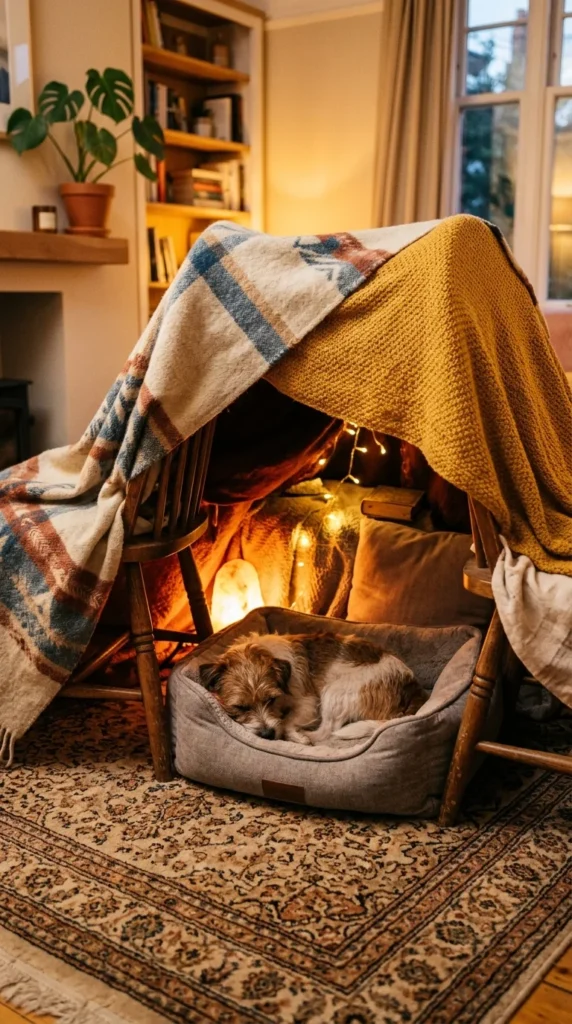
Sometimes enrichment is about changing the environment. Use chairs and blankets to create a “den” or a “fort” for your pet. Hide their favorite toys inside. Many pets find the enclosed space comforting and enjoy the novelty of a “new” room within their home. It’s a great way to provide a safe space for anxious pets or a fun new playground for adventurous ones.
22. Bubble Fun
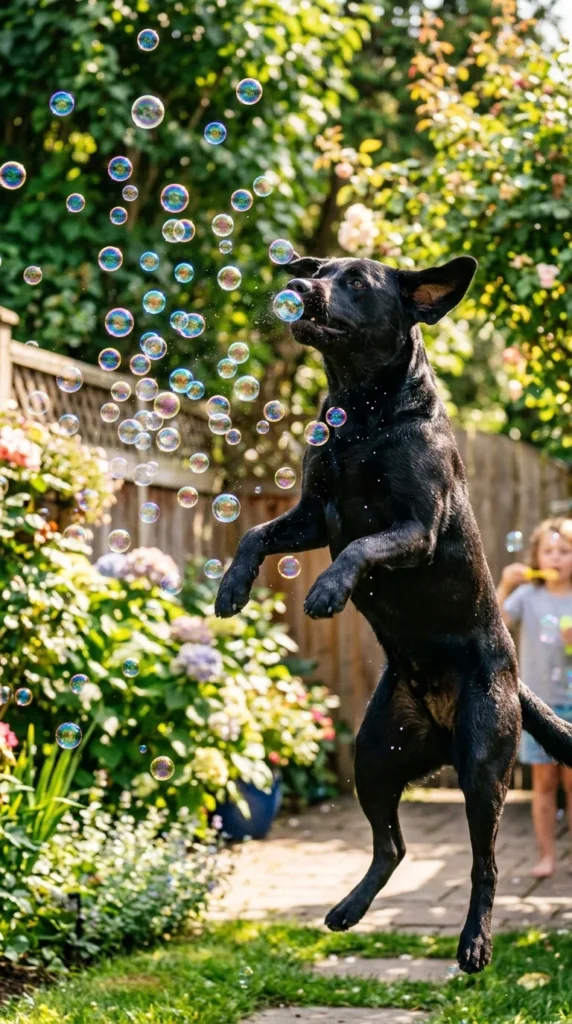
Bubbles are a fantastic way to encourage jumping and chasing. You can make pet-safe bubble solution by mixing water with a tiny bit of unscented, non-toxic dish soap, or better yet, buy bacon-flavored or catnip-flavored bubbles specifically made for pets. This provides a visual and physical stimulus that is entirely different from their usual toys.
23. Box Pyramid

If you have a collection of shipping boxes, glue them together to create a multi-level “cat condo” or “dog castle.” Cut holes between the boxes so they can crawl from one “room” to the next. This changes their perception of the living space and provides new areas for hiding, sleeping, and playing.
24. Fruit Bobbing
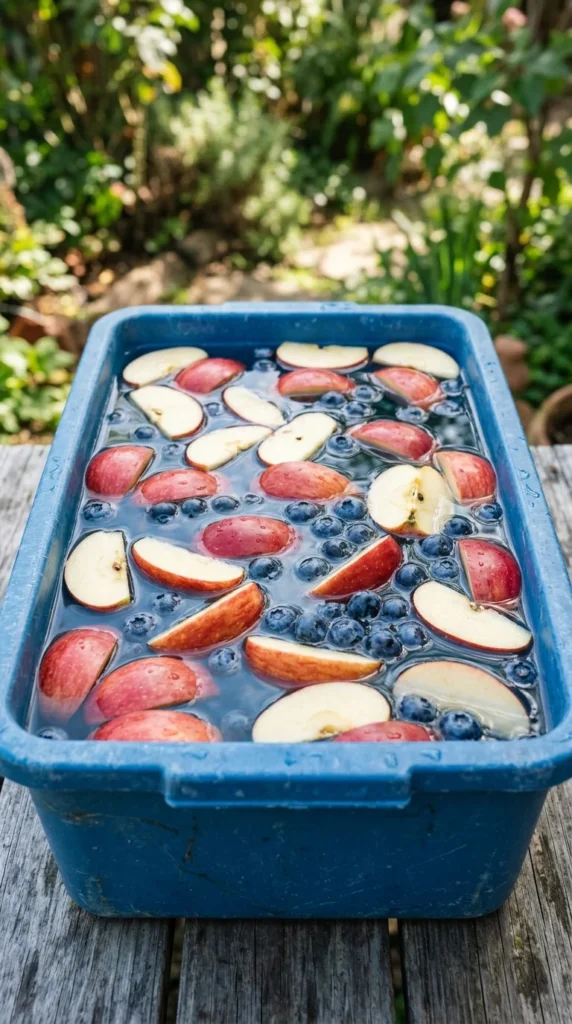
For pets that enjoy water, fruit bobbing is a great dexterity challenge. Place a few floating treats (like apple slices or berries) in a shallow dish of water. This is particularly fun for dogs and some brave cats. It encourages them to interact with water in a positive way and requires a gentle touch to grab the floating snacks.
25. Knotty Towel
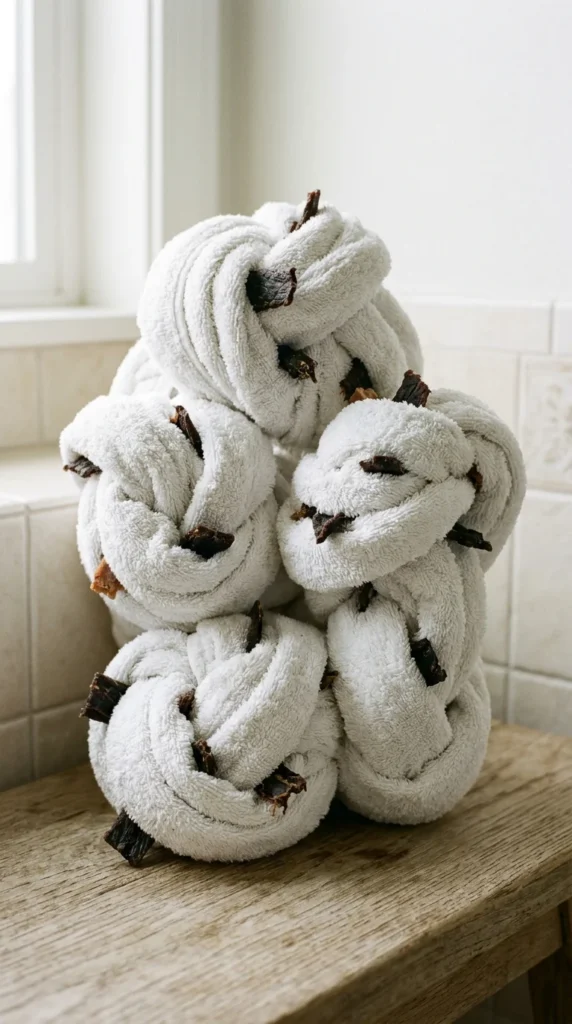
Take a hand towel, lay it flat, and place treats in a line down the center. Fold it over and tie it into a very tight knot. Then, tie another knot over that one. The pet has to use their teeth and paws to work the knots loose. It’s a great way to burn off energy and satisfy the urge to pull and deconstruct objects.